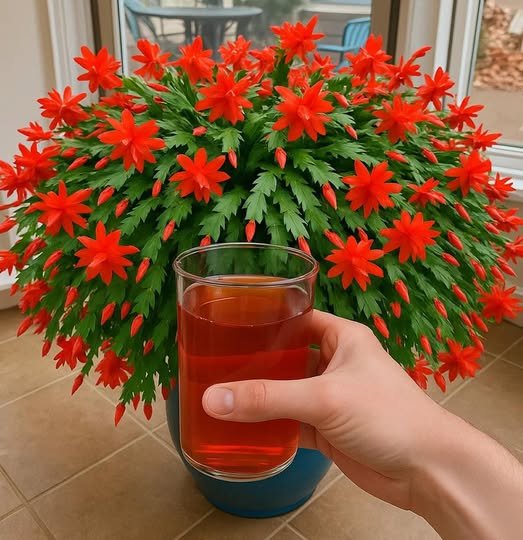
The Christmas cactus (Schlumbergera spp.) is a beloved holiday plant, known for its vibrant, tubular flowers that bring a splash of color to homes during the festive season. Unlike traditional desert cacti, the Christmas cactus thrives in tropical climates and prefers indirect light, humidity, and consistent care. However, one common frustration among gardeners is coaxing this beautiful plant to bloom. If your Christmas cactus has been reluctant to flower, understanding its growth cycle, environmental needs, and proper care can dramatically improve your chances of a spectacular holiday display.
Understanding the Blooming Cycle
Before trying to induce flowering, it’s important to understand how Christmas cacti bloom. Unlike most plants, Christmas cacti are triggered by changes in light and temperature. Flower buds start forming when the plant experiences long nights (approximately 12-14 hours of darkness) and cooler temperatures. This is why they naturally bloom in winter. The buds may take several weeks to develop, so patience is essential. Disruptions such as moving the plant frequently or exposing it to excessive light during nighttime hours can prevent blooms from forming.
1. Give Your Cactus the Right Light Conditions
Light plays a crucial role in the flowering of Christmas cacti. During the growing season (spring through early fall), place your cactus in bright but indirect sunlight. Too much direct sun can scorch the leaves, while too little light may result in weak growth. As the fall season approaches, start providing long nights—12-14 hours of uninterrupted darkness each day for about six weeks. A closet, darkened room, or covering the plant with a box at night can simulate this environment. Consistency is key; even brief exposure to artificial lights can disrupt bud formation.
2. Control Temperature Carefully
Temperature is another major factor in inducing blooms. Christmas cacti prefer cooler nights of around 50-55°F (10-13°C) during the bud-setting phase. Daytime temperatures should be moderate, around 65-70°F (18-21°C). Sudden temperature fluctuations or exposure to heat sources such as radiators or fireplaces can stress the plant and prevent flower development. Once buds have formed, maintain slightly warmer conditions to encourage full bloom, but avoid placing the plant in drafty areas.
3. Water Properly and Avoid Overwatering
Proper watering is crucial for both healthy growth and flowering. Christmas cacti do not like to sit in waterlogged soil, which can lead to root rot. Allow the top inch of soil to dry out between waterings. During the bud-forming period, slightly reduce watering to mimic the plant’s natural winter cycle. Once buds appear, increase watering slightly but keep the soil evenly moist. Avoid getting water directly on the buds, as this can cause them to drop prematurely.
4. Provide Balanced Fertilization
Nutrition is another factor that can influence blooming. Use a balanced, water-soluble fertilizer formulated for flowering plants, such as one with a ratio of 10-10-10 or 20-20-20. Feed the cactus every 2-4 weeks during the growing season (spring and summer). As the fall approaches, reduce fertilization to allow the plant to focus on bud development. Avoid high-nitrogen fertilizers late in the season, as they encourage leaf growth rather than flowers.
5. Repot When Necessary
Christmas cacti prefer slightly crowded roots, which can actually encourage flowering. Repotting should be done only every 2-3 years and ideally after the plant has finished blooming. When repotting, use a well-draining soil mix, typically a combination of potting soil, sand, and perlite. Avoid using heavy garden soils, as they retain too much water and can cause root rot. Overly large pots can lead to excessive vegetative growth at the expense of flowers.
6. Reduce Stress and Avoid Disturbances
Christmas cacti are sensitive to changes in their environment. Moving the plant frequently, exposing it to drafts, or touching buds can cause stress and lead to bud drop. Keep the plant in a stable location throughout the bud-setting and blooming phases. Gentle care, patience, and minimal interference are essential for a full display of flowers.
7. Prune After Blooming
After the flowers have faded, pruning the plant can encourage healthier growth and more abundant blooms in the future. Trim back sections of the plant, ideally just above a segment joint, to maintain shape and promote branching. This helps the cactus produce more flower buds the following season. Avoid heavy pruning late in the season, as it can remove potential buds.
8. Consider Humidity
Christmas cacti originate from humid tropical forests, so they thrive in environments with moderate humidity. If your home is dry, especially during winter, consider placing a humidity tray near the plant or misting it lightly. Avoid excessive moisture on leaves and buds, which can lead to fungal problems.
Conclusion
Successfully getting a Christmas cactus to bloom requires understanding its natural growth cycle, mimicking its preferred light and temperature conditions, and providing consistent, gentle care. By offering the right environment—long nights, cooler temperatures, balanced watering, and proper nutrition—you can enjoy vibrant blooms that brighten your home each holiday season. Remember, patience is key: buds take time to form, and disturbances can easily set back the process. With attention to these tricks, your Christmas cactus can become a stunning centerpiece year after year, bringing both beauty and a sense of accomplishment to your holiday traditions.
