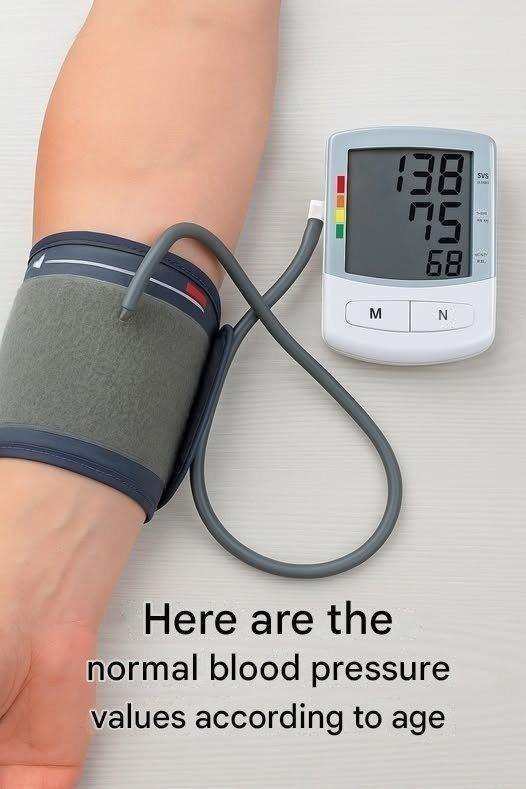
Normal Blood Pressure Values According to Age: What You Should Know
Blood pressure is one of the most important indicators of overall health, yet many people only think about it when a doctor raises concerns. Understanding what “normal” blood pressure looks like at different ages can help you recognize potential problems early and take steps to protect your heart, brain, and kidneys. While the basic definition of normal blood pressure applies to adults of all ages, age-related changes in the body mean that blood pressure patterns and risks can differ as we grow older.
What Is Blood Pressure?
Blood pressure measures the force of blood pushing against the walls of your arteries as your heart pumps. It is recorded using two numbers:
- Systolic pressure (top number): The pressure when the heart beats and pumps blood.
- Diastolic pressure (bottom number): The pressure when the heart rests between beats.
Blood pressure is written as systolic over diastolic, for example 120/80 mmHg (millimeters of mercury).
General Blood Pressure Categories (Adults)
Before looking at age-specific considerations, it helps to know the standard adult categories used by most health organizations:
- Normal: Less than 120/80 mmHg
- Elevated: 120–129 / less than 80 mmHg
- High Blood Pressure (Hypertension) – Stage 1: 130–139 / 80–89 mmHg
- High Blood Pressure (Hypertension) – Stage 2: 140 or higher / 90 or higher
- Low Blood Pressure (Hypotension): Generally below 90/60 mmHg (especially if symptoms are present)
These categories apply to most adults, regardless of age, but age influences how blood pressure changes and how strictly targets are managed.
Normal Blood Pressure by Age Group
Children and Teenagers (Under 18 Years)
In children and adolescents, normal blood pressure depends on age, sex, and height, not a single fixed number. Doctors use percentile charts rather than one standard value.
- Normal: Below the 90th percentile for age, sex, and height
- Elevated: Between the 90th and 95th percentile
- High Blood Pressure: At or above the 95th percentile
For example, a healthy blood pressure for a young child may be around 90/60 mmHg, while for a teenager it might be closer to 110/70 mmHg. Regular checkups are important, as childhood blood pressure patterns can influence adult health.
Young Adults (18–29 Years)
Young adults typically have strong, flexible blood vessels, so normal readings are often on the lower side.
- Typical normal range: 90/60 to 120/80 mmHg
- Many healthy young adults fall around 110/70 mmHg
At this age, high blood pressure often has lifestyle-related causes, such as high salt intake, stress, lack of exercise, smoking, or obesity. Early awareness is key because hypertension can exist for years without symptoms.
Adults (30–39 Years)
As people enter their 30s, work stress, family responsibilities, and lifestyle habits can begin to influence blood pressure.
- Normal: Below 120/80 mmHg
- Common healthy readings: 115/75 to 120/80 mmHg
Blood pressure may begin to rise slowly during this decade. Maintaining a healthy weight, exercising regularly, and limiting salt can help keep readings in the normal range.
Middle-Aged Adults (40–59 Years)
This age group sees a higher risk of developing hypertension due to gradual stiffening of arteries and long-term lifestyle factors.
- Normal: Below 120/80 mmHg
- Many adults in this group have readings in the 120–130/80–85 mmHg range, which may be considered elevated
Doctors often watch blood pressure closely in this age range, as sustained elevations increase the risk of heart disease, stroke, and kidney problems.
Older Adults (60 Years and Above)
With aging, arteries naturally become less flexible, which can cause systolic pressure to rise.
- General target: Below 130/80 mmHg for most healthy older adults
- Some individuals may have slightly higher systolic values (such as 130–139 mmHg) under medical supervision
Very low blood pressure in older adults can cause dizziness and falls, so doctors balance the benefits of lower blood pressure with overall safety and quality of life.
Why Blood Pressure Changes With Age
Several factors contribute to age-related changes in blood pressure:
- Arterial stiffness: Blood vessels lose elasticity over time
- Hormonal changes: Affect fluid balance and blood vessel tone
- Lifestyle accumulation: Diet, stress, physical activity, and habits over many years
- Chronic conditions: Diabetes, kidney disease, and heart disease become more common with age
When to Be Concerned
You should consult a healthcare professional if:
- Your readings are consistently above 130/80 mmHg
- You experience symptoms like headaches, dizziness, chest pain, or shortness of breath
- Your blood pressure is consistently below 90/60 mmHg with symptoms such as fainting or weakness
Final Thoughts
While “normal” blood pressure is generally defined as below 120/80 mmHg for adults, age plays a significant role in how blood pressure behaves and how it is managed. Regular monitoring, a healthy lifestyle, and routine medical checkups are the best ways to keep your blood pressure within a safe range at any age. Understanding these values empowers you to take control of your health and reduce the risk of serious complications later in life.
