Shrimp is one of the most popular seafood choices worldwide—loved for its delicate flavor, quick cooking time, and versatility in countless dishes. Yet there’s one small detail that often sparks confusion, debate, and even discomfort among home cooks and diners alike: the so-called “vein” that runs along the back of the shrimp. What is it really? Is it safe to eat? And should you always remove it? Let’s uncover the truth behind this misunderstood culinary detail.
What Is the “Vein” in Shrimp, Really?
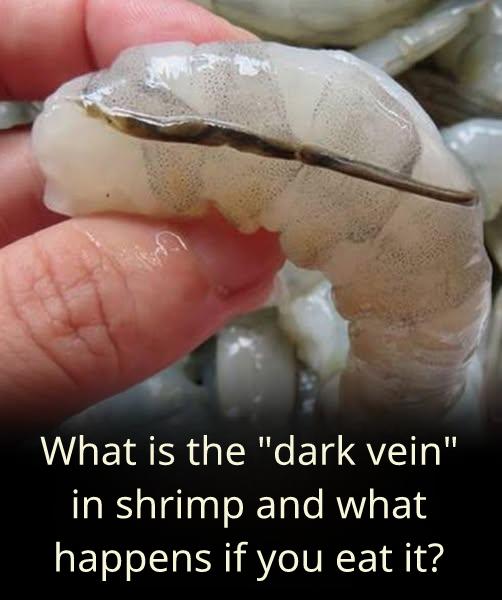
Despite its common name, the dark line running along the back of a shrimp is not a vein at all. It is the shrimp’s digestive tract, also known as the intestinal tract. This tract carries waste material, which is why it often appears dark or black, especially in larger shrimp.
The confusion comes from its vein-like appearance. In reality, shrimp do have veins, but they are colorless and far less noticeable. The visible dark line is simply part of the digestive system, and its contents depend on what the shrimp was eating before it was harvested.
Is It Safe to Eat the Shrimp “Vein”?
Yes—from a food safety perspective, it is generally safe to eat shrimp with the digestive tract intact, especially if the shrimp has been properly cleaned and cooked. Cooking kills harmful bacteria, and the contents of the tract are not toxic.
However, “safe” doesn’t always mean “pleasant.”
The digestive tract can contain sand, grit, or partially digested food. This may result in a slightly bitter taste or gritty texture, which is why many chefs and cooks prefer to remove it, particularly when preparing dishes where shrimp is the star.
Why Do Some Shrimp Have More Visible Veins Than Others?
Not all shrimp look the same, and the visibility of the digestive tract varies based on several factors:
-
Size: Larger shrimp tend to have thicker, more visible tracts.
-
Diet: Shrimp that feed on darker materials may have darker digestive lines.
-
Species: Some species naturally show more contrast.
-
Freshness: In very fresh shrimp, the tract may be lighter and less noticeable.
In smaller shrimp, the tract is often so thin that it’s barely visible and usually ignored.
Should You Always Devein Shrimp?
The answer depends on context, preference, and presentation.
You should consider deveining shrimp when:
-
Serving shrimp whole or butterflied
-
Making elegant dishes like shrimp scampi, grilled shrimp, or shrimp cocktail
-
Using large or jumbo shrimp
-
Cooking for guests or professional presentation
You may skip deveining when:
-
Using very small shrimp
-
Chopping shrimp for dumplings, fillings, or fried rice
-
Cooking shrimp in heavily seasoned or saucy dishes
In fine dining and professional kitchens, deveining is often standard practice—not because it’s unsafe, but because it improves texture, appearance, and overall eating experience.
How to Devein Shrimp Properly
Deveining shrimp is simpler than it sounds and takes only a few seconds per shrimp.
Basic method:
-
Rinse the shrimp under cold water.
-
Remove the shell if desired (some recipes keep it on).
-
Use a small knife to make a shallow cut along the back.
-
Lift out the dark line with the tip of the knife or rinse it away.
-
Rinse again and pat dry.
There are also specialized deveining tools available, but a paring knife works just fine for home cooks.
What About the Vein on the Underside?
Some shrimp also have a second, lighter line along the belly. This is not waste, but part of the shrimp’s nervous system. It is edible and rarely removed, as it has no impact on flavor or texture.
Cultural and Culinary Differences
Attitudes toward the shrimp “vein” vary across cultures:
-
In many Asian cuisines, shrimp may be cooked whole, especially in stir-fries or soups.
-
In Western cooking, especially in restaurants, shrimp are often meticulously cleaned and deveined.
-
In coastal regions, extremely fresh shrimp may be eaten with minimal preparation, as freshness reduces off-flavors.
There is no single “correct” approach—culinary tradition and personal comfort play major roles.
Common Myths About the Shrimp Vein
Myth 1: Eating the vein is dangerous
False. It’s not harmful when cooked.
Myth 2: All shrimp must be deveined
False. It’s a quality and preference issue, not a safety requirement.
Myth 3: Deveining removes nutrients
False. The nutritional value of shrimp remains the same.
The Bottom Line
The “vein” of the shrimp is a small detail, but one that reflects a bigger truth about cooking: good food is often about understanding ingredients, not fearing them. While the shrimp digestive tract isn’t harmful, removing it can enhance flavor, texture, and presentation—especially in larger shrimp or refined dishes.
Knowing what it is and why it matters empowers you to make better culinary choices. Whether you choose to remove it or not, the key is intention. When you cook with awareness, even the smallest details—like a thin dark line on a shrimp—can elevate your confidence and your cooking.
