Tips for Growing a Vibrant Peace Lily at Home
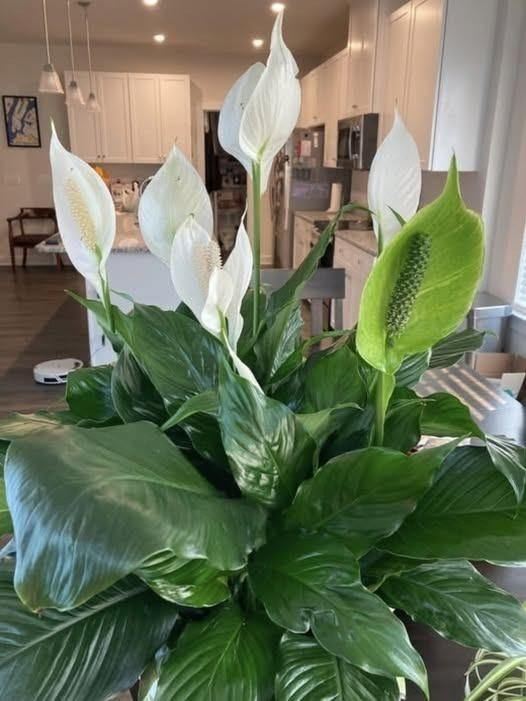
The peace lily (Spathiphyllum) is one of the most popular houseplants in the world—and for good reason. With its glossy green leaves and elegant white blooms, it brings a sense of calm and freshness to any indoor space. Beyond its beauty, the peace lily is also known for improving indoor air quality and being relatively low-maintenance. However, to keep it truly vibrant and blooming, it needs the right care. This guide will walk you through essential tips to help your peace lily thrive at home.
1. Understanding the Peace Lily’s Natural Needs
Peace lilies originate from tropical rainforests, where they grow under dense canopies in warm, humid environments. This background explains many of their preferences: indirect light, moist (but not soggy) soil, and moderate temperatures. Mimicking these conditions indoors is the key to success.
2. Choosing the Right Location
One of the most common mistakes is placing a peace lily in direct sunlight. While they tolerate low light better than many plants, direct sun can scorch their leaves, causing brown patches.
Best placement tips:
- Choose a spot with bright, indirect light.
- A few feet away from an east- or north-facing window is ideal.
- Low light is acceptable, but flowering may be reduced.
If your peace lily has lush leaves but no blooms, light levels are often the issue.
3. Watering the Right Way
Peace lilies are famous for “telling” you when they need water—their leaves dramatically droop when thirsty. While this makes them forgiving, consistent watering leads to better growth and appearance.
Watering guidelines:
- Water when the top inch of soil feels dry.
- Use room-temperature water.
- Avoid letting the plant sit in standing water.
- Ensure the pot has proper drainage holes.
Overwatering is just as harmful as underwatering and can lead to root rot. Yellow leaves often indicate too much water, while drooping leaves usually signal thirst.
4. Soil and Pot Selection Matter
A well-draining, nutrient-rich soil is essential. Peace lilies prefer slightly loose soil that retains moisture without becoming compacted.
Ideal soil mix:
- Standard indoor potting mix
- Added perlite or sand for drainage
- Optional peat moss for moisture retention
Choose a pot that’s only slightly larger than the root ball. Peace lilies actually prefer being a bit root-bound, which can encourage blooming.
5. Maintaining Proper Humidity
Because peace lilies are tropical plants, they appreciate higher humidity levels. Dry indoor air—especially during winter—can cause brown leaf tips.
Ways to boost humidity:
- Mist the leaves lightly once or twice a week
- Place a shallow tray of water with pebbles beneath the pot
- Group plants together to create a humid microclimate
- Use a room humidifier if available
Bathrooms and kitchens often provide ideal humidity levels, making them excellent locations if lighting is sufficient.
6. Feeding for Healthy Growth and Blooms
Peace lilies don’t require heavy fertilizing, but occasional feeding helps maintain rich foliage and encourages flowers.
Fertilizing tips:
- Use a balanced liquid houseplant fertilizer
- Feed once every 6–8 weeks during spring and summer
- Dilute fertilizer to half strength
- Avoid fertilizing in winter when growth slows
Too much fertilizer can cause leaf burn and reduce flowering, so less is more.
7. Encouraging Beautiful White Blooms
The iconic white “flowers” of the peace lily are actually modified leaves called spathes. Blooming depends on light, nutrition, and overall plant health.
To encourage blooms:
- Increase indirect light exposure
- Maintain consistent watering
- Avoid frequent repotting
- Ensure the plant is mature (young plants may not bloom yet)
Once flowers fade, trim them at the base to redirect energy back into leaf growth.
8. Pruning and Cleaning the Leaves
Regular grooming keeps your peace lily looking fresh and vibrant.
Maintenance tips:
- Remove yellow or damaged leaves with clean scissors
- Wipe leaves gently with a damp cloth to remove dust
- Avoid leaf-shine products, which can clog pores
Clean leaves not only look better but also photosynthesize more efficiently.
9. Repotting When Necessary
Peace lilies don’t need frequent repotting, but if roots are growing out of drainage holes or the plant dries out very quickly, it’s time.
Repotting advice:
- Repot every 1–2 years
- Choose a pot only 1–2 inches larger
- Water thoroughly after repotting
- Expect a short adjustment period
Spring is the best time to repot, when the plant is entering active growth.
10. Common Problems and How to Fix Them
Brown tips: Low humidity or fluoride in tap water
Yellow leaves: Overwatering or poor drainage
Drooping leaves: Underwatering or root stress
No flowers: Insufficient light or excess fertilizer
Using filtered or distilled water can help prevent mineral buildup, especially in areas with hard water.
11. Safety Note
Peace lilies are toxic to pets and children if ingested. Keep them out of reach of cats, dogs, and curious little hands.
Final Thoughts
With the right balance of light, water, humidity, and care, a peace lily can remain lush and vibrant for many years. It’s a forgiving plant that rewards attention with elegant blooms and rich green foliage. Whether you’re a beginner or an experienced plant lover, mastering peace lily care is both easy and deeply satisfying. A healthy peace lily doesn’t just decorate your home—it brings a sense of tranquility and life into your living space.
