Toxic if Improperly Prepared: Another Side of a Widely Consumed Food Worldwide
Every day, billions of people around the world eat foods they consider completely safe—foods passed down through generations, sold in markets, and served at family tables without a second thought. Yet, surprisingly, some of the world’s most widely consumed foods carry a hidden risk: if they are improperly prepared, they can become toxic. This lesser-known reality highlights the fine line between nourishment and danger, reminding us that tradition, knowledge, and proper handling matter just as much as the food itself.
The Thin Line Between Food and Poison
The saying “the dose makes the poison” applies not only to chemicals but also to natural foods. Many plants produce toxins as a defense mechanism against insects and animals. Humans learned long ago how to neutralize these compounds through cooking, soaking, fermenting, or drying. When these steps are skipped or done incorrectly, the results can range from mild digestive discomfort to serious poisoning.
What makes this especially concerning is that these foods are not rare or exotic. They are staples—affordable, filling, and culturally significant—consumed daily by millions.
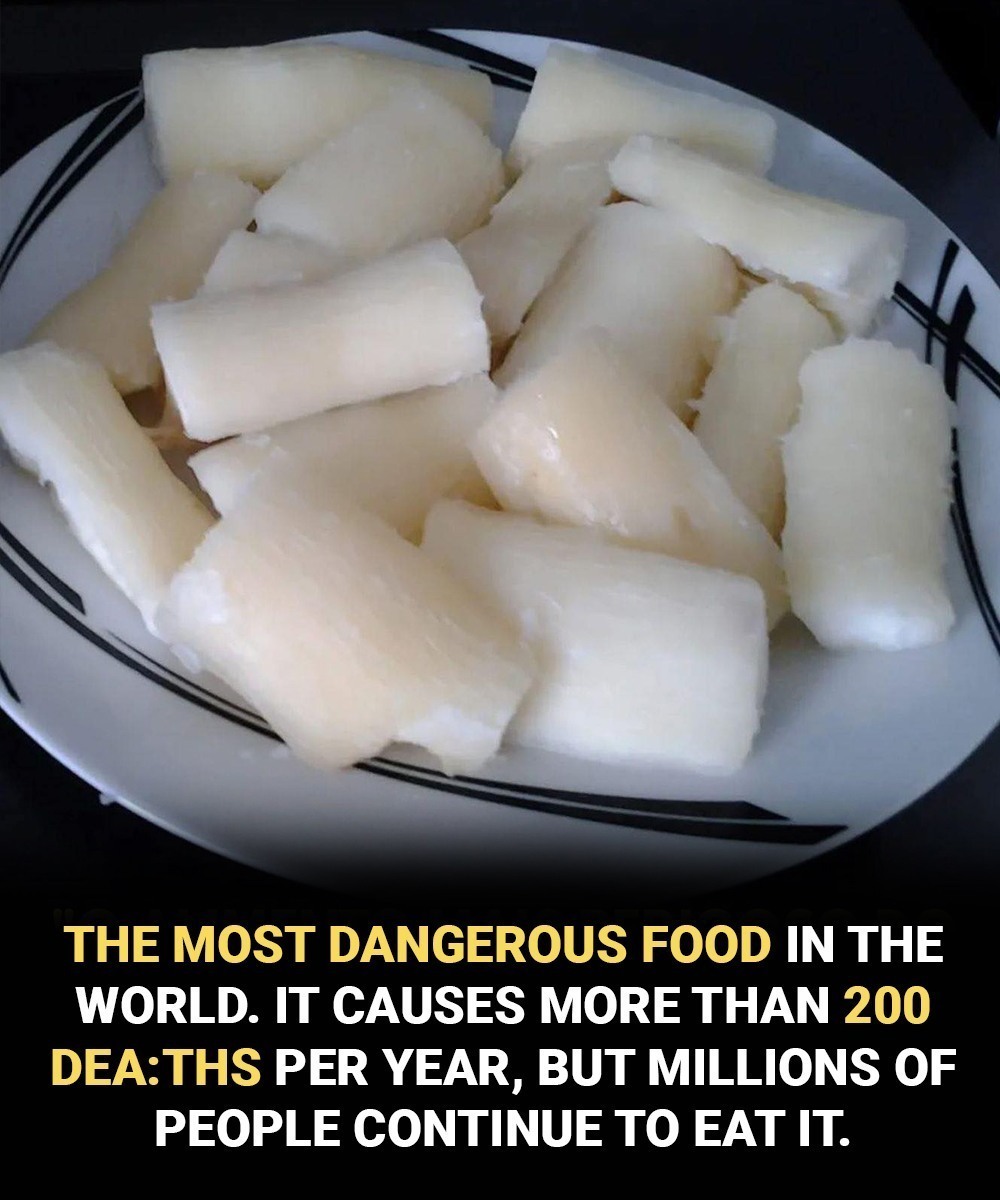
Cassava: A Global Staple with a Hidden Danger
Cassava is one of the most striking examples. It feeds over 800 million people worldwide, especially in Africa, Asia, and Latin America. This root vegetable is valued for its resilience in poor soils and harsh climates. However, raw or improperly processed cassava contains cyanogenic glycosides, compounds that can release cyanide in the body.
If cassava is not peeled, soaked, fermented, and cooked correctly, cyanide exposure can occur. Chronic exposure has been linked to serious neurological conditions and even paralysis in extreme cases. Traditional preparation methods—often developed over centuries—are essential for safety. Problems arise when these methods are rushed or forgotten.
Beans That Can Harm When Undercooked
Beans are often praised as a nutritional powerhouse, rich in protein, fiber, and minerals. Yet certain beans, particularly red kidney beans, contain a toxin called phytohaemagglutinin. Eating them raw or undercooked can cause severe nausea, vomiting, and abdominal pain within hours.
The solution is simple but crucial: beans must be soaked and boiled thoroughly. Slow cookers, which may not reach high enough temperatures, can be especially risky if used incorrectly. This is a clear example of how modern convenience can sometimes clash with food safety.
Potatoes: A Familiar Food with a Toxic Side
Potatoes are another everyday food with a surprising risk. When exposed to light or stored improperly, potatoes can develop green patches and sprouts. These contain solanine, a natural toxin that can cause headaches, nausea, and neurological symptoms in high amounts.
While occasional small exposure is unlikely to be dangerous, regularly eating bitter-tasting or green potatoes is not recommended. Proper storage in a cool, dark place and discarding damaged or green potatoes significantly reduces the risk.
Bitter Almonds and Fruit Pits
Almonds are generally safe and nutritious, but bitter almonds are a different story. They naturally contain compounds that can release cyanide when eaten raw. In many countries, bitter almonds are regulated or banned unless processed to remove toxins.
Similarly, the pits and seeds of fruits like apricots, peaches, and cherries contain amygdalin, which can also convert into cyanide in the body. While accidental ingestion of one seed is unlikely to be fatal, consuming them intentionally or in large quantities can be dangerous.
Mushrooms: A Risk of Deadly Confusion
Wild mushrooms deserve special mention. Many edible mushrooms closely resemble toxic varieties, some of which can cause liver failure or death. Even experienced foragers can make mistakes. This is why experts strongly advise against consuming wild mushrooms unless they are identified by trained professionals.
Cooking does not always neutralize mushroom toxins, making correct identification far more important than preparation alone.
Why These Risks Are Often Ignored
One reason these dangers are overlooked is familiarity. Foods eaten for generations are assumed to be safe. Another factor is loss of traditional knowledge—urbanization and changing lifestyles mean fewer people learn proper preparation techniques from elders.
Additionally, online misinformation can encourage risky practices, such as consuming raw foods believed to have “extra health benefits,” without understanding the chemistry involved.
Respecting Food Knowledge Saves Lives
The lesson is not to fear food, but to respect it. Many traditional preparation methods exist for a reason, even if modern science only later explains why they work. Washing, soaking, fermenting, boiling, and cooking thoroughly are not outdated habits—they are safety measures.
Education plays a critical role. Understanding which foods require special handling can prevent illness and preserve the benefits these foods offer.
Final Thoughts
Food is one of humanity’s greatest allies, sustaining life and culture across the globe. Yet nature is complex, and not everything that is edible is automatically safe in its raw or improperly prepared form. Recognizing the hidden risks in widely consumed foods does not mean abandoning them—it means preparing them wisely.
In the end, the difference between nourishment and toxicity often comes down to knowledge, patience, and respect for the food on our plates.
