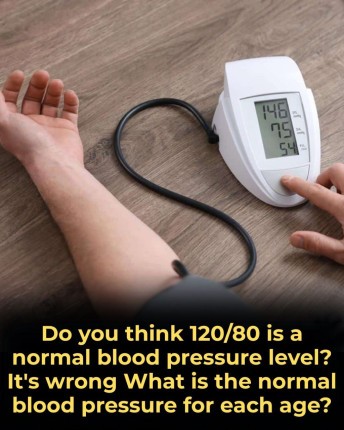
Blood pressure is one of the most important indicators of overall health. It reflects how hard your heart works to pump blood through your arteries and how healthy those blood vessels are. Many people believe blood pressure naturally rises with age and that higher numbers are “normal” as you get older. While slight changes can occur, healthy blood pressure targets are largely the same for adults of all ages. Understanding what’s normal—and what’s not—can help prevent serious conditions like heart disease, stroke, and kidney damage.
Understanding Blood Pressure Numbers
Blood pressure is measured using two numbers:
-
Systolic pressure (top number): The pressure in your arteries when your heart beats.
-
Diastolic pressure (bottom number): The pressure in your arteries when your heart rests between beats.
A reading looks like this: 120/80 mmHg (millimeters of mercury).
General Blood Pressure Categories (Adults)
-
Normal: Below 120/80 mmHg
-
Elevated: 120–129 systolic and below 80 diastolic
-
High Blood Pressure (Stage 1): 130–139 systolic or 80–89 diastolic
-
High Blood Pressure (Stage 2): 140/90 mmHg or higher
-
Hypertensive Crisis: Higher than 180/120 mmHg (requires immediate medical attention)
These categories apply to most adults, regardless of age.
Normal Blood Pressure by Age Group
Children (1–12 years)
Normal blood pressure in children depends on age, height, and sex. Pediatric readings are interpreted differently from adults.
-
Typical range:
-
Systolic: 90–110 mmHg
-
Diastolic: 55–75 mmHg
-
Doctors use percentile charts to determine whether a child’s blood pressure is normal.
Teenagers (13–17 years)
As the body matures, blood pressure approaches adult values.
-
Normal: Around 110–120 / 65–80 mmHg
Consistently high readings in teens may be linked to obesity, poor diet, or lack of physical activity.
Young Adults (18–29 years)
This age group typically has the healthiest blood pressure levels.
-
Ideal: 110–120 / 70–80 mmHg
-
Normal: Below 120/80 mmHg
Maintaining healthy habits at this stage greatly reduces future risk of hypertension.
Adults (30–39 years)
Blood pressure may begin to rise slightly due to stress, sedentary lifestyle, or weight gain.
-
Normal: Below 120/80 mmHg
-
Average healthy range: 115–125 / 75–85 mmHg
Regular monitoring becomes increasingly important.
Middle-Aged Adults (40–49 years)
-
Normal: Below 120/80 mmHg
-
Common healthy readings: 120–130 / 75–85 mmHg
Lifestyle changes such as exercise, reduced salt intake, and stress management play a key role at this stage.
Adults (50–59 years)
-
Normal: Still below 120/80 mmHg
-
Acceptable target (under medical guidance): Around 120–130 / 80–85 mmHg
Blood vessels gradually lose elasticity, which can raise systolic pressure.
Older Adults (60–69 years)
-
Ideal: Below 130/80 mmHg
-
Often considered acceptable: 130–140 / 80–90 mmHg (depending on overall health)
Doctors may individualize targets to avoid dizziness or falls caused by overly low blood pressure.
Seniors (70 years and above)
-
Recommended target for many seniors: Below 130/80 mmHg
-
Sometimes acceptable: Up to 140/90 mmHg if the person feels well and has no complications
Very low blood pressure in seniors can increase fall risk, so balance is essential.
Why Blood Pressure Changes With Age
Several factors contribute to changes in blood pressure as we age:
-
Stiffening of arteries
-
Reduced physical activity
-
Weight gain
-
Increased salt sensitivity
-
Chronic stress
-
Underlying conditions such as diabetes or kidney disease
However, aging alone does not cause high blood pressure. Many older adults maintain normal readings with healthy lifestyles.
How to Maintain Normal Blood Pressure at Any Age
-
Eat a balanced diet rich in fruits, vegetables, and whole grains
-
Limit salt, sugar, and processed foods
-
Stay physically active (at least 30 minutes most days)
-
Maintain a healthy weight
-
Manage stress through relaxation and sleep
-
Avoid smoking and limit alcohol
-
Check your blood pressure regularly
Final Thoughts
Normal blood pressure is a key marker of long-term health. While readings may slightly vary with age, the goal for most adults remains below 120/80 mmHg. Knowing the normal ranges for your age helps you take action early, protect your heart, and enjoy a healthier life.
If your blood pressure readings are consistently higher than normal, it’s important to consult a healthcare professional for proper evaluation and guidance.
