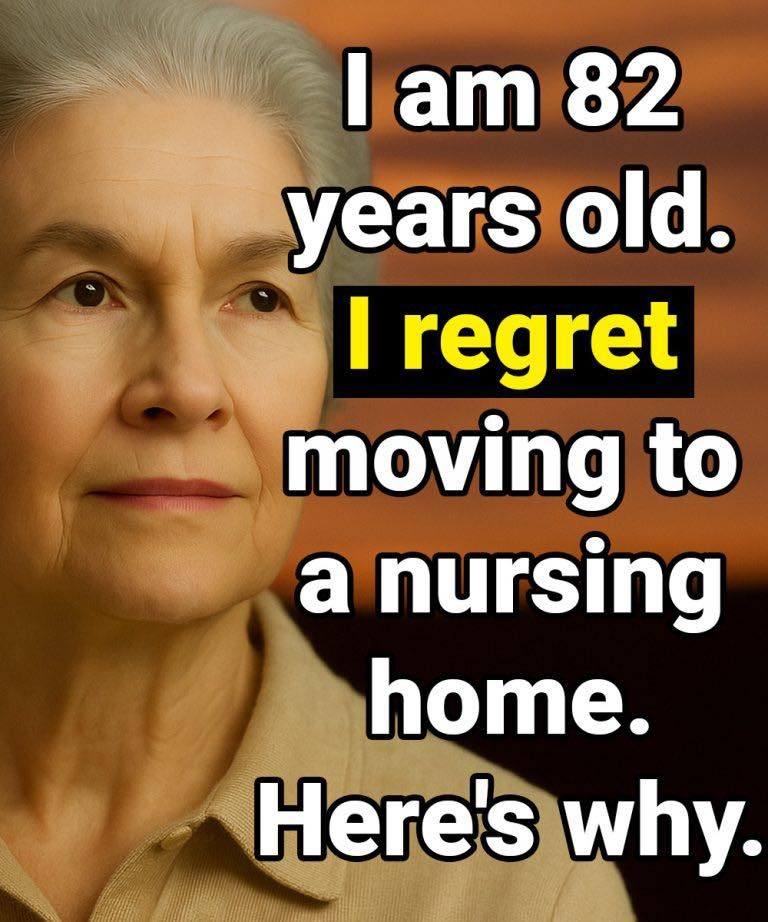
Moving to a nursing home is one of the biggest life transitions a person can make. For some, it brings relief, safety, and proper medical care. But for others, it can come with unexpected emotional and psychological challenges. While every experience is different, here are six hard truths many people don’t talk about — and why some individuals regret moving to a nursing home.
1. The Loss of Independence Hits Harder Than Expected
One of the most painful realities is the sudden loss of independence. At home, even simple tasks like making tea, choosing when to sleep, or deciding what to eat feel empowering. In a nursing home, routines are often structured around staff schedules. Meals are served at fixed times. Medication rounds are planned. Lights may go out at certain hours.
Even if these systems are designed for safety, they can make residents feel like they’ve lost control over their own lives. For someone who spent decades making decisions for a family or running a household, this shift can be emotionally overwhelming.
2. Privacy Becomes Limited
Many nursing homes offer shared rooms. Even in private rooms, staff members enter frequently for care, cleaning, or check-ins. The constant presence of others can feel intrusive.
At home, you close your door and enjoy silence. In a facility, there’s noise in hallways, televisions playing, call bells ringing, and other residents talking. Over time, the lack of quiet personal space can increase stress and reduce the feeling of “home.”
3. Emotional Loneliness Doesn’t Disappear — It Sometimes Grows
Ironically, moving to a place filled with people does not guarantee companionship. Yes, there are group activities and social events, but meaningful connection is different.
Family visits may become less frequent over time. In the beginning, loved ones often come regularly. As weeks turn into months, life outside continues — jobs, school, responsibilities. Some residents quietly feel forgotten, even when their families care deeply.
Being surrounded by other elderly residents, many with serious illnesses or cognitive decline, can also serve as a constant reminder of aging and mortality, which can be emotionally heavy.
4. Quality of Care Can Vary
Not all nursing homes are the same. Some provide excellent, compassionate care. Others struggle with understaffing, burnout, or limited resources.
When staff members are overwhelmed, response times may slow. Personal requests may feel rushed. Residents can sometimes feel like tasks rather than individuals. Even when caregivers are kind, the system itself may not allow enough time for meaningful interaction.
This gap between expectation and reality can lead to disappointment and regret, especially if someone believed the move would guarantee a higher quality of daily life.
5. Health May Decline Faster Than Expected
While nursing homes are designed for medical support, some residents notice a decline in physical or mental health after moving in. Why?
At home, daily routines often involve small movements — cooking, tidying, gardening, walking to the mailbox. In a nursing home, meals are prepared, laundry is done, and mobility may be limited for safety reasons.
Less physical activity can lead to muscle weakness. Reduced mental stimulation may contribute to cognitive decline. Without a strong sense of purpose, motivation can decrease, which impacts overall health.
The environment meant to protect can unintentionally reduce engagement.
6. The Emotional Weight of “Giving Up”
Perhaps the hardest truth is the internal feeling that moving to a nursing home represents surrender. Even when the decision is practical or medically necessary, some residents feel they have “lost” the battle of aging.
This emotional narrative can deeply affect self-esteem. People who once led families, careers, and communities may struggle with identity. Who am I now? What is my purpose?
Without emotional support and encouragement, these thoughts can grow into regret.
But There Is Another Side
It’s important to acknowledge that not everyone regrets moving to a nursing home. For some, it provides safety, social opportunities, and relief from the burden of maintaining a home.
Regret often stems not from the facility itself, but from unmet expectations, lack of preparation, or insufficient emotional support during the transition.
What You Should Know Before Making the Move
If you or a loved one are considering a nursing home, here are some key steps:
-
Visit multiple facilities and ask detailed questions.
-
Talk to current residents and their families.
-
Understand the daily routine and level of independence allowed.
-
Discuss expectations openly with family members.
-
Plan ways to maintain hobbies, purpose, and regular visits.
Moving to a nursing home is not just a change of address — it is a life transformation. The emotional adjustment can be as significant as the physical one.
The six hard truths above are not meant to create fear, but awareness. When people understand the possible challenges, they can better prepare and advocate for a healthier, more fulfilling experience.
In the end, regret often comes from feeling unheard or unprepared. With honest conversations, thoughtful planning, and consistent emotional support, the transition can become less about loss — and more about finding a new way to live with dignity and care.
