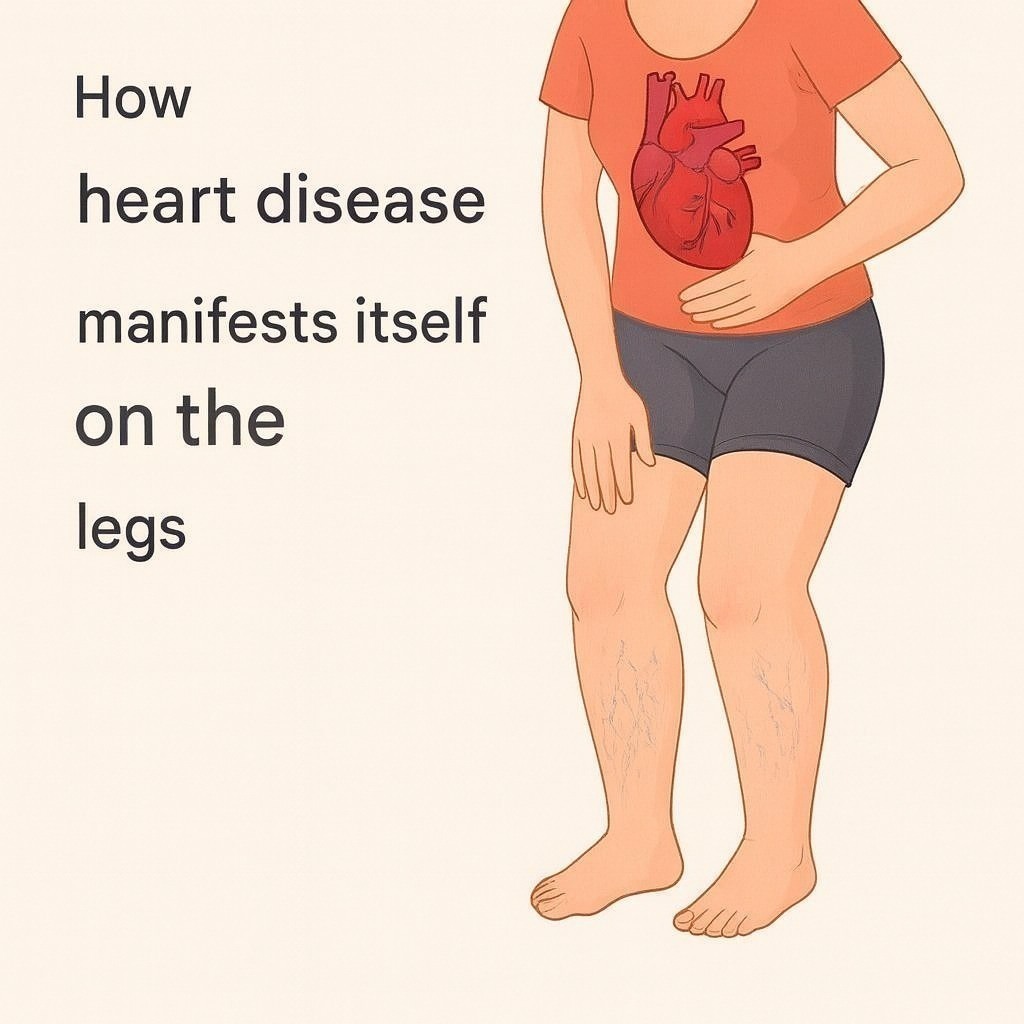
Most people think heart problems announce themselves loudly—with crushing chest pain or sudden shortness of breath. But in many cases, your heart whispers before it screams. And surprisingly, some of the clearest warning signs appear far away from your chest… in your legs.
Your legs are directly connected to your heart through an intricate network of blood vessels. When your heart struggles to pump blood effectively, your legs often suffer first. Pain, swelling, numbness, or strange sensations in your lower limbs can be early red flags of serious cardiovascular trouble.
Here are five alarming leg-related warning signs that may be your heart begging for help—and why you should never ignore them.
1. Leg Pain When Walking (That Disappears With Rest)
If your legs ache, cramp, or feel heavy when you walk—but feel better when you stop—this is not “just aging.”
This classic symptom is called intermittent claudication, and it often points to Peripheral Artery Disease (PAD). PAD occurs when arteries become narrowed or blocked due to plaque buildup, reducing blood flow to your legs.
Why it matters:
PAD is not just a leg problem—it’s a heart attack and stroke warning sign. People with PAD are at much higher risk of coronary artery disease because the same plaque buildup affecting leg arteries often affects the heart as well.
Common sensations include:
- Cramping in calves, thighs, or hips
- Tightness or burning pain
- Weakness during movement
If walking a short distance suddenly feels exhausting or painful, your heart may already be under strain.
2. Swollen Legs, Ankles, or Feet
Swelling in the lower legs—especially when it worsens by evening—is one of the most overlooked heart warning signs.
When the heart weakens, it struggles to pump blood efficiently. This causes fluid to back up in the body, a condition known as congestive heart failure.
Why swelling happens:
- Blood pools in the veins
- Fluid leaks into surrounding tissues
- Gravity pulls excess fluid into the legs and feet
Red flags:
- Shoes suddenly feel tight
- Sock marks remain deep on the skin
- Swelling in both legs (not just one)
Persistent swelling is not normal and should never be dismissed as “too much salt” or “standing too long.”
3. Cold Feet or Legs That Never Feel Warm
Do your feet feel icy—even in warm weather or indoors? This could be more than poor circulation from cold temperatures.
Cold legs and feet may signal restricted blood flow caused by narrowed arteries, often linked to heart disease.
What’s happening:
- Arteries fail to deliver enough warm, oxygen-rich blood
- Tissues become deprived of nutrients
- Nerves may also suffer, causing numbness or tingling
If one leg or foot feels noticeably colder than the other, it could indicate a localized arterial blockage—an urgent medical concern.
4. Skin Changes, Discoloration, or Slow-Healing Wounds
Your skin tells powerful stories about what’s happening inside your body. When heart-related circulation problems develop, your legs often show visible clues.
Warning signs include:
- Pale, bluish, or purplish skin
- Shiny or thin-looking skin
- Hair loss on the legs
- Sores or wounds that heal very slowly—or not at all
These changes often result from chronic poor circulation, meaning tissues are not receiving enough oxygen.
Why this is dangerous:
Poor healing increases the risk of infections, ulcers, and in severe cases, tissue death. It also signals advanced vascular disease that often coexists with serious heart problems.
5. Sudden Leg Pain, Warmth, or Redness
This symptom is especially urgent.
Sudden pain, swelling, warmth, and redness in one leg may indicate a blood clot, known as deep vein thrombosis (DVT). While DVT starts in the leg, it can quickly become life-threatening.
The hidden danger:
If part of the clot breaks loose, it can travel to the lungs and cause a pulmonary embolism, which can be fatal.
Seek immediate medical help if you notice:
- Sharp or throbbing leg pain
- Swelling in one leg only
- Warmth and redness along a vein
Heart disease, heart failure, and irregular heart rhythms significantly increase the risk of dangerous clots.
Why the Heart and Legs Are So Closely Linked
Your heart’s job is to pump blood against gravity to the farthest parts of your body—especially your legs. When the heart weakens or arteries narrow:
- Blood flow slows
- Oxygen delivery drops
- Waste products accumulate
- Tissues begin to suffer
Leg symptoms often appear years before a major heart event. Recognizing them early can save your life.
Who Is Most at Risk?
You should be especially alert if you:
- Are over age 50
- Have diabetes or high blood pressure
- Smoke or previously smoked
- Have high cholesterol
- Live a sedentary lifestyle
- Have a family history of heart disease
But even younger adults should not ignore persistent leg symptoms—heart disease is no longer just an “older person’s” problem.
What You Should Do Next
If your legs are sending warning signals:
- Don’t ignore them – even mild symptoms matter
- See a healthcare professional for proper testing
- Ask about circulation and heart health, not just muscle or joint issues
- Adopt heart-friendly habits:
- Walk daily
- Eat whole, unprocessed foods
- Control blood pressure and sugar
- Quit smoking
Early action can stop disease progression and prevent heart attacks, strokes, and amputations.
Final Thought
Your body is incredibly intelligent. Long before a heart attack strikes, it sends subtle distress signals—often through your legs.
Pain, swelling, coldness, skin changes, or sudden discomfort are not random annoyances. They may be your heart’s way of crying out for help.
Listen closely. Acting now could save your heart—and your life.
