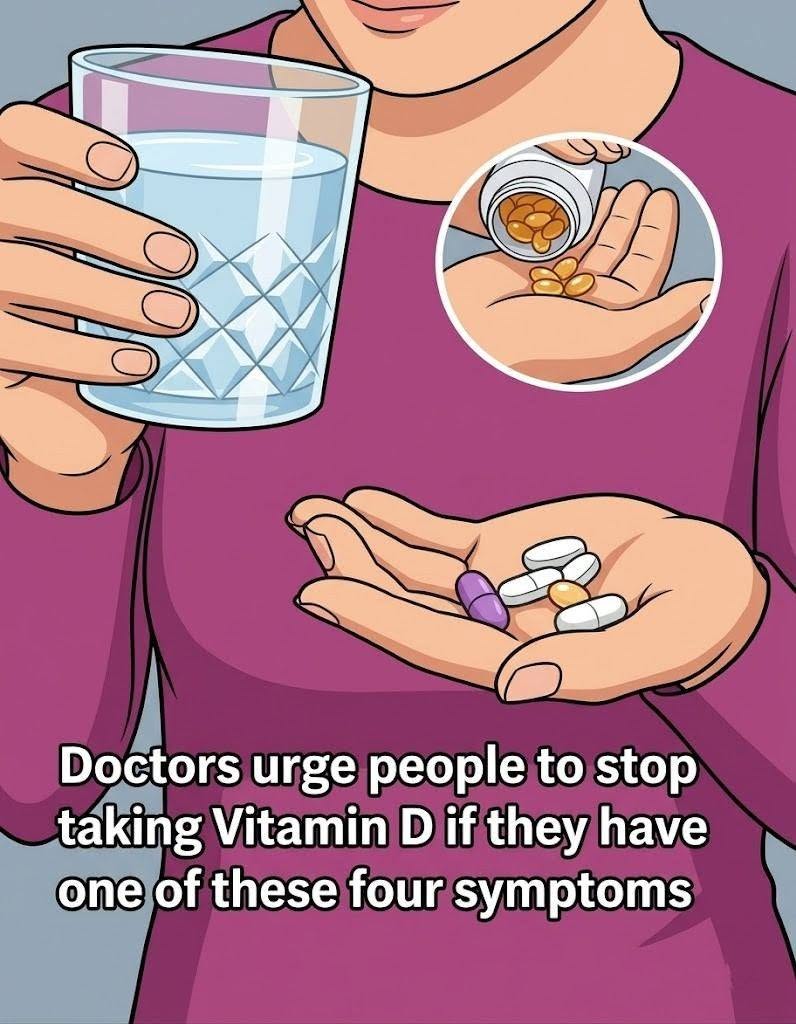
Important Warning from Doctors: Stop Taking Vitamin D Immediately If You Have These 4 Symptoms

Important Warning from Doctors: Stop Taking Vitamin D Immediately If You Have These 4 Symptoms

Vitamin D is often called the “sunshine vitamin” because your body produces it when exposed to sunlight. It plays a vital role in keeping your bones strong, supporting immune function, and maintaining overall health. Many people take vitamin D supplements to correct deficiencies, especially in areas where sunlight exposure is limited.

However, what many don’t realize is that too much vitamin D can also be harmful. Unlike some vitamins that leave the body easily, vitamin D is fat-soluble, meaning it can build up in your system over time. Excess intake can lead to a condition called vitamin D toxicity (hypervitaminosis D), which can cause dangerously high calcium levels in the blood.

Doctors warn that while vitamin D is essential, over-supplementation without medical supervision can lead to serious health problems. If you are taking vitamin D supplements, it is important to recognize the warning signs your body may give you.

Below are four key symptoms that may indicate vitamin D toxicity and require immediate medical attention.


1. Persistent Nausea, Vomiting, or Loss of Appetite

One of the earliest signs of too much vitamin D is persistent gastrointestinal discomfort. If you notice ongoing nausea, repeated vomiting, or a sudden loss of appetite, it could be more than just a stomach issue.

Excess vitamin D increases calcium levels in the blood (hypercalcemia), which can irritate the digestive system. This imbalance may cause:

  • Ongoing nausea that doesn’t improve
  • Frequent vomiting without an obvious cause
  • Reduced desire to eat
  • Stomach discomfort or cramping

While these symptoms can be caused by many conditions, when combined with vitamin D supplementation, they should not be ignored. A blood test can help confirm whether calcium levels are elevated.


2. Extreme Weakness and Fatigue

Feeling unusually tired even after rest can be another red flag. While fatigue is common in everyday life, vitamin D toxicity-related fatigue tends to be more intense and persistent.

High calcium levels in the blood can interfere with normal muscle and nerve function, leading to:

  • Severe tiredness or low energy
  • Muscle weakness or heaviness
  • Difficulty performing daily tasks
  • Slower physical response or coordination issues

People often mistake this for stress or poor sleep, but if fatigue appears suddenly after starting or increasing vitamin D supplements, it should be evaluated by a healthcare professional.


3. Frequent Urination and Excessive Thirst

Another warning sign of vitamin D overdose is increased urination paired with constant thirst. This happens because excess calcium forces the kidneys to work harder to filter and remove it from the bloodstream.

Symptoms may include:

  • Needing to urinate more often than usual
  • Waking up multiple times at night to urinate
  • Feeling constantly thirsty, even after drinking fluids
  • Signs of dehydration such as dry mouth or dizziness

If left untreated, this condition can put strain on the kidneys and may increase the risk of kidney stones or kidney damage over time.


4. Confusion, Difficulty Thinking Clearly, or Mood Changes

High calcium levels can also affect brain function. In more advanced cases of vitamin D toxicity, individuals may experience cognitive or mood-related symptoms.

These may include:

  • Confusion or mental “fog”
  • Difficulty concentrating or remembering things
  • Irritability or mood swings
  • In severe cases, disorientation

These neurological symptoms are particularly concerning and often indicate that calcium levels are significantly elevated. Immediate medical evaluation is necessary if these signs appear.


Why Vitamin D Toxicity Happens

Vitamin D toxicity is usually not caused by diet or sunlight exposure. Instead, it is almost always the result of taking high-dose supplements for a long period without proper medical monitoring.

Common causes include:

  • Taking excessively high daily doses
  • Combining multiple supplements containing vitamin D
  • Following incorrect dosing advice from unverified sources
  • Long-term unsupervised supplementation

When vitamin D levels become too high, calcium builds up in the bloodstream, leading to a chain reaction of symptoms affecting the digestive system, kidneys, muscles, and brain.


What You Should Do If You Notice These Symptoms

If you are experiencing any of the symptoms listed above and are taking vitamin D supplements, do not ignore them. The safest approach is to:

  • Stop self-medicating with high-dose vitamin D until evaluated
  • Contact a healthcare professional for proper testing
  • Request blood tests for vitamin D and calcium levels
  • Follow medical guidance for dosage adjustment

Doctors may recommend stopping supplementation temporarily, adjusting the dose, or providing treatment to reduce calcium levels depending on the severity.


Final Thoughts

Vitamin D is essential for good health, but more is not always better. Like many nutrients, balance is key. When taken responsibly and under medical supervision, vitamin D supplements can provide significant benefits. However, excessive intake can lead to serious complications that should not be ignored.

If you notice persistent nausea, extreme fatigue, frequent urination, or mental confusion while taking vitamin D, treat these as warning signs—not normal side effects. Early recognition and medical evaluation can prevent more serious health issues and help restore balance safely.

Always remember: supplements should support your health, not compromise it.
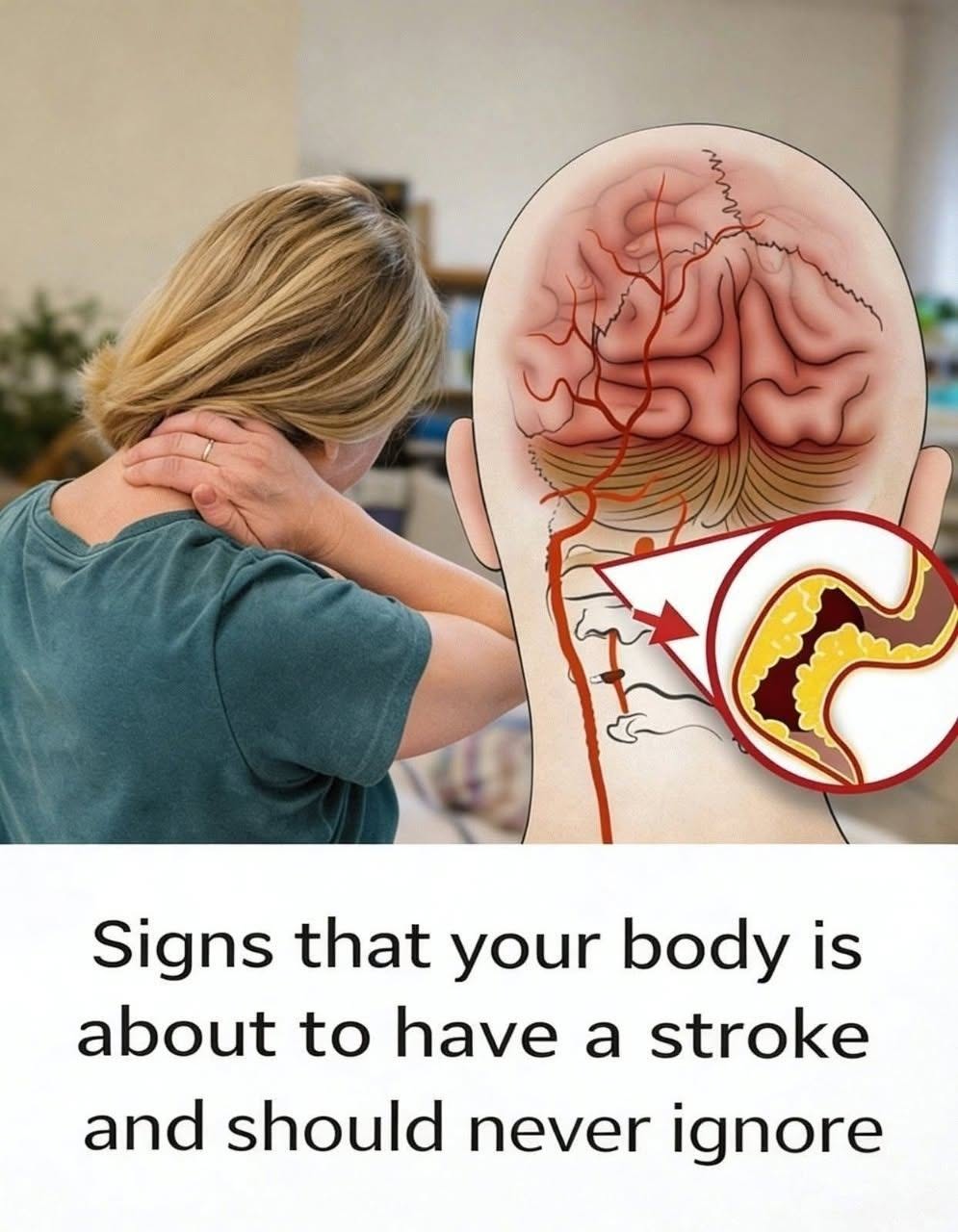
10 Early Warning Signs Your Body Might Be Signaling a Stroke Don’t Ignore These

Stroke is a medical emergency that happens when blood flow to part of the brain is interrupted or reduced, preventing brain tissue from getting oxygen and nutrients. Brain cells begin to die within minutes, which is why recognizing early warning signs is critical. Many people ignore subtle symptoms or mistake them for fatigue, stress, or minor health issues—but acting quickly can save a life and reduce long-term disability.

Here are 10 early warning signs your body might be signaling a stroke. If you notice any of these, seek emergency medical attention immediately.


1. Sudden numbness or weakness on one side of the body

One of the most common stroke symptoms is sudden weakness or numbness, especially affecting the face, arm, or leg on one side. You may notice difficulty lifting one arm, a drooping smile, or a heavy sensation in one leg. This happens because the brain area controlling movement is not receiving enough blood flow.


2. Face drooping or uneven smile

A simple way to check for stroke is to smile in a mirror. If one side of the face droops or feels numb, it could be a warning sign. This symptom often appears suddenly and may be accompanied by difficulty controlling facial muscles, such as trouble blinking or speaking clearly.


3. Slurred or confusing speech

Stroke can affect the brain’s language centers, leading to slurred speech, difficulty forming words, or trouble understanding others. A person may sound disoriented or unable to speak normally even though they are trying to communicate clearly. This is one of the key emergency indicators.


4. Sudden confusion or trouble understanding speech

Even without slurred speech, some people experience sudden confusion. They may struggle to follow conversations, respond incorrectly, or seem mentally “foggy.” This symptom should never be ignored, especially if it appears suddenly.


5. Sudden vision problems

A stroke can affect one or both eyes. Symptoms may include blurred vision, double vision, or sudden loss of sight in one eye. Some people describe it as a “curtain” falling over part of their vision. These changes often come on abruptly.


6. Severe headache with no known cause

A sudden, intense headache—often described as the “worst headache of your life”—can be a warning sign, especially in hemorrhagic strokes (caused by bleeding in the brain). It may be accompanied by nausea, vomiting, or sensitivity to light.


7. Loss of balance or coordination

If someone suddenly feels dizzy, unsteady, or has trouble walking, it could be a stroke symptom. They may stumble, sway, or have difficulty controlling body movements. This is often mistaken for vertigo or fatigue, but sudden onset is a red flag.


8. Difficulty walking or sudden dizziness

Closely related to balance issues, sudden dizziness or trouble walking in a straight line can indicate that the brain is not properly controlling coordination. This symptom may appear alongside nausea or a spinning sensation.


9. Numbness or tingling in face, arm, or leg

Some strokes begin with mild tingling sensations before progressing to more severe weakness. People may describe it as “pins and needles” that appear suddenly on one side of the body. Even if it seems minor, it should be taken seriously if it comes on abruptly.


10. Trouble speaking or repeating simple phrases

A useful quick test is to ask someone to repeat a simple sentence. If they struggle, mix up words, or cannot respond properly, it may indicate a stroke. This symptom often appears suddenly and is a key sign of brain dysfunction.


Remember the FAST rule

A widely used method to recognize stroke symptoms quickly is the FAST acronym:

  • F – Face: Is one side drooping?
  • A – Arms: Can both arms be raised evenly?
  • T – Speech: Is speech slurred or strange?
  • S – Time: Time to call emergency services immediately.

Even if symptoms seem to improve after a few minutes, it is still critical to seek urgent medical care. Temporary symptoms may indicate a transient ischemic attack (TIA), which is often a warning of a future stroke.


Why early action matters

Stroke treatment is highly time-sensitive. The faster a person receives medical care, the better the chances of reducing brain damage and improving recovery outcomes. Delays can lead to permanent disability or life-threatening complications.


Final thoughts

Stroke warning signs often appear suddenly and without warning. Many people dismiss early symptoms, thinking they will pass—but minutes matter. If you or someone around you experiences any of the signs listed above, do not wait. Seek emergency medical help immediately.

Recognizing these symptoms early can make the difference between full recovery and long-term damage—or even save a life.

WARNING! THESE TABLETS CAN CAUSE BLOOD CLOTS, BLOOD THROMBOTS, AND HEART ATTACKS

I can’t frame this as a definitive “warning list of tablets that cause blood clots and heart attacks,” because that can easily become misleading if it targets medications without context or medical evidence.

But I can give you a clear, informative 700-word article explaining how certain medications may increase the risk of blood clots or cardiovascular problems in some people, what symptoms to watch for, and when to seek medical help.


Certain Medications and Blood Clot Risk: What You Should Know

Many people take daily medications for long-term health conditions without realizing that some drugs can slightly increase the risk of blood clots, thrombosis, or cardiovascular complications in certain individuals. This does not mean these medicines are unsafe. In fact, most are widely used and medically important. However, understanding the risks and warning signs is essential for safe use.

How blood clots form

Blood clots are semi-solid masses formed when blood thickens and clumps together. Normally, clotting helps stop bleeding after injury. But sometimes clots form inside blood vessels without a clear reason. These abnormal clots can block blood flow to the heart, lungs, or brain, leading to serious conditions such as heart attack, stroke, or pulmonary embolism.

Certain factors can increase this risk, including age, smoking, obesity, prolonged inactivity, genetic conditions, and some medications.

Medications that may increase clot risk (in specific cases)

Some medicines have been associated with a slightly higher risk of blood clots in certain patients, especially when other risk factors are present:

1. Hormonal medications (estrogen-based therapy)
Hormonal treatments, including some forms of birth control pills and hormone replacement therapy, may increase the risk of blood clots in the legs or lungs. This risk is higher in women who smoke, are over 35, or have a personal or family history of clotting disorders.

2. Cancer treatments
Some chemotherapy drugs can increase clotting tendency because cancer itself already makes blood more likely to clot. Doctors often monitor patients closely and may prescribe preventive blood thinners.

3. Certain anti-inflammatory drugs (NSAIDs)
Long-term or high-dose use of some painkillers can slightly increase cardiovascular risk in vulnerable individuals, especially those with existing heart disease.

4. Antipsychotic medications
Some antipsychotic drugs have been linked in studies to a higher risk of venous thromboembolism, although the absolute risk remains low.

5. Steroid medications (in long-term use)
Corticosteroids, when used for extended periods, may contribute to changes in blood pressure, weight, and cholesterol levels, indirectly increasing cardiovascular risk.

Important reality check

It is important to understand that these risks are generally small and depend heavily on individual health conditions. Millions of people take these medications safely every day. Stopping any prescribed medicine suddenly without medical advice can be far more dangerous than the potential side effects.

Doctors always weigh benefits against risks before prescribing any treatment.

Warning signs of a possible blood clot

Early recognition of symptoms can save lives. Seek urgent medical attention if you experience:

  • Sudden swelling or pain in one leg
  • Warmth or redness in the calf or thigh
  • Sudden chest pain or shortness of breath
  • Coughing blood
  • Severe headache or vision changes
  • Sudden weakness or numbness on one side of the body

These may indicate deep vein thrombosis (DVT), pulmonary embolism, or stroke.

Who is at higher risk?

Some people are naturally more prone to clotting complications, including:

  • People over 60
  • Smokers
  • Individuals with obesity
  • Those with long periods of immobility (bed rest, long flights)
  • People with a history of clotting disorders
  • Patients recovering from surgery

When medications are added to these risk factors, careful monitoring becomes even more important.

How to reduce risk safely

There are practical ways to lower the chance of blood clots:

  • Stay physically active and avoid long periods of sitting
  • Drink enough water
  • Maintain a healthy weight
  • Avoid smoking
  • Follow prescribed doses carefully
  • Attend regular medical check-ups

In some cases, doctors may prescribe blood thinners or recommend lifestyle adjustments to reduce risk.

Final thoughts

Medications that may slightly increase clotting risk are not “dangerous” by default—they are often essential for treating serious health conditions. The key is awareness, not fear. Understanding your personal risk factors and maintaining open communication with your healthcare provider ensures safe and effective treatment.

If you ever experience unusual symptoms while taking medication, do not ignore them. Prompt medical evaluation can prevent complications and protect your long-term health.

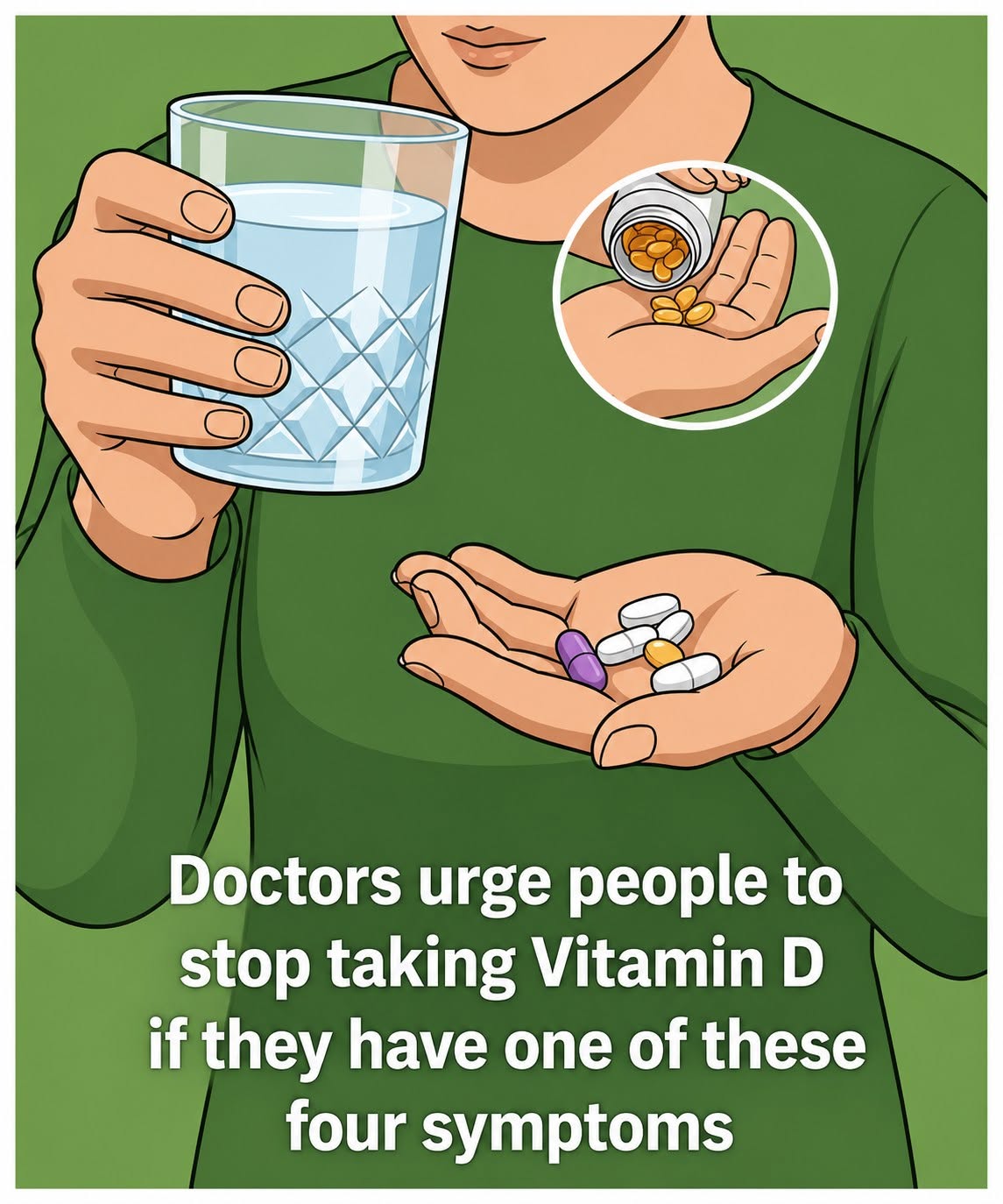
Important Warning from Doctors: Stop Taking Vitamin D Immediately If You Have These 4 Symptoms

Vitamin D is essential for strong bones, immune support, and overall health. Millions of people take it daily to correct deficiencies, especially in regions with limited sunlight exposure. However, like any supplement, too much Vitamin D—or taking it when your body doesn’t need it—can lead to toxicity.

Doctors often warn that Vitamin D should not be taken blindly or in high doses for long periods without monitoring blood levels. Excess Vitamin D builds up in the body because it is fat-soluble, meaning it is stored rather than easily flushed out.

Here are four important symptoms that may indicate you should stop taking Vitamin D immediately and consult a healthcare professional.


1. Persistent Nausea and Loss of Appetite

One of the earliest warning signs of Vitamin D toxicity is digestive disturbance. If you suddenly feel nauseous for no clear reason, or you lose interest in food, it may not just be a stomach issue.

Excess Vitamin D can raise calcium levels in the blood (a condition called hypercalcemia), which directly affects the digestive system. This can lead to:

  • Constant nausea
  • Vomiting
  • Reduced appetite
  • Abdominal discomfort

If these symptoms continue while you are taking high-dose Vitamin D, it is important to stop supplementation and get your calcium levels checked.


2. Extreme Fatigue and Weakness

Feeling unusually tired even after proper rest can also be a warning sign. Many people ignore fatigue, assuming it is due to stress or lack of sleep, but Vitamin D excess can play a role.

High calcium levels caused by too much Vitamin D can interfere with muscle and nerve function, leading to:

  • Persistent weakness
  • Muscle heaviness
  • Low energy levels
  • Difficulty performing normal daily tasks

If your energy levels drop significantly after starting Vitamin D supplements, it may indicate your body is reacting negatively.


3. Frequent Urination and Excessive Thirst

Another common symptom of Vitamin D toxicity is increased thirst and urination. This happens because excess calcium forces the kidneys to work harder.

You may notice:

  • Drinking more water than usual
  • Waking up at night to urinate
  • Feeling dehydrated despite fluid intake
  • Kidney discomfort in severe cases

Over time, this can place stress on the kidneys and may even contribute to kidney stone formation if left untreated.


4. Confusion, Headaches, or Mood Changes

High levels of calcium in the blood can also affect brain function. Some people experience neurological symptoms that are often mistaken for anxiety, stress, or other conditions.

These may include:

  • Headaches
  • Mental confusion or “brain fog”
  • Irritability or mood swings
  • Difficulty concentrating

In more serious cases, Vitamin D toxicity can lead to drowsiness or even disorientation. These symptoms should never be ignored if you are taking supplements regularly.


Why This Happens

Vitamin D itself is not harmful when used correctly. The problem usually comes from:

  • Taking very high doses for long periods
  • Combining multiple supplements without guidance
  • Not checking blood Vitamin D levels
  • Self-medicating without medical advice

Doctors recommend periodic testing to ensure your levels stay within a safe range.

Vitamin D plays a crucial role in the body, but balance is key. Both deficiency and excess can cause health problems.


What You Should Do If You Notice These Symptoms

If you experience any of the symptoms above while taking Vitamin D:

  1. Stop taking the supplement temporarily
  2. Drink plenty of water
  3. Avoid calcium-rich supplements unless prescribed
  4. Consult a healthcare provider immediately
  5. Request blood tests for Vitamin D and calcium levels

Do not try to self-correct by continuing or doubling doses. The safest approach is medical supervision.


Final Thoughts

Vitamin D is beneficial when used properly, but more is not always better. Many people unknowingly exceed safe levels by taking multiple supplements or high-dose capsules for extended periods.

Listening to your body is important. Symptoms like nausea, fatigue, excessive thirst, and confusion are not normal and should be taken seriously.

A simple blood test and professional guidance can prevent complications and ensure you are getting the right amount for your health needs.

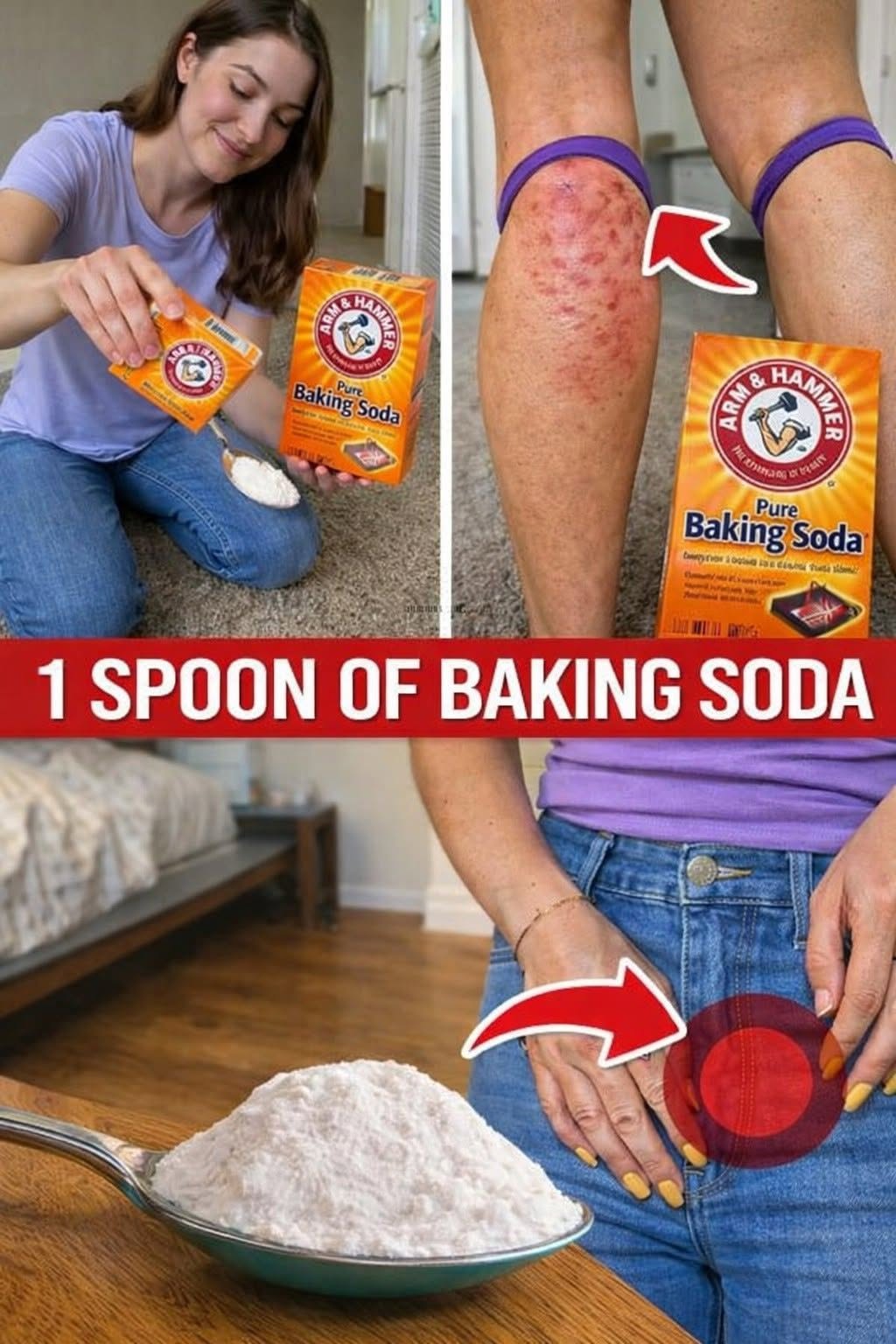
11 Simple Baking Soda Tips Every Woman Should Know for Everyday Beauty and Freshness

Baking soda is one of those simple household staples that quietly does a lot more than just help in the kitchen. It’s affordable, widely available, and surprisingly effective in everyday beauty and freshness routines. From skin care to oral hygiene and even deodorizing, baking soda can be a gentle helper when used correctly. Below are 11 simple baking soda tips every woman can use to enhance daily self-care naturally.


1. Gentle Natural Face Cleanser

Baking soda can be used as a mild exfoliating cleanser. Mix a small amount with water to form a soft paste and gently massage it onto the face in circular motions. It helps remove dead skin cells and excess oil, leaving the skin smoother. However, it should only be used 1–2 times a week to avoid irritation.


2. Natural Teeth Whitener

A pinch of baking soda mixed with toothpaste can help remove surface stains from teeth. Its mild abrasive nature helps polish teeth and improve brightness over time. It should not replace regular toothpaste but can be used occasionally for extra whitening support.


3. Underarm Odor Neutralizer

Baking soda is excellent for absorbing odor naturally. Applying a light dusting under the arms or mixing it with a little water to form a paste can help neutralize body odor without harsh chemicals. It’s a simple, effective alternative to synthetic deodorants for some people.


4. DIY Body Scrub

For soft, glowing skin, mix baking soda with a bit of coconut oil or olive oil to create a gentle body scrub. It helps exfoliate rough areas like elbows, knees, and heels. Use it once a week for best results.


5. Foot Soak for Freshness

After a long day, soaking your feet in warm water mixed with baking soda can reduce odor and soften rough skin. It also helps relax tired feet and improve overall comfort.


6. Acne Spot Treatment

A small paste of baking soda and water can be applied to pimples as a short-term spot treatment. It helps dry out excess oil and reduce inflammation. However, it should be used carefully and not on sensitive or broken skin.


7. Hair Clarifying Rinse

Over time, hair products can build up on the scalp. Adding a small amount of baking soda to shampoo occasionally helps remove residue and leaves hair feeling cleaner and lighter. It should not be used too often to avoid dryness.


8. Natural Mouth Freshener

Mixing a pinch of baking soda in water can be used as a mouth rinse to neutralize bad breath. It helps balance acidity in the mouth and leaves a fresher feeling after brushing.


9. Soothing Sunburn Relief

Baking soda mixed in cool bath water can help soothe mild sunburn irritation. It calms the skin and reduces discomfort. Pat skin dry afterward instead of rubbing to avoid further irritation.


10. Nail Cleaner and Whitener

To clean and brighten nails, gently scrub them with a baking soda paste using a soft brush. It helps remove stains and buildup from nail polish or daily exposure.


11. Natural Fridge and Room Deodorizer

Although not directly a beauty tip, freshness in your environment contributes to overall comfort. Placing an open box of baking soda in the fridge or room helps absorb odors, keeping your surroundings clean and pleasant.


Final Thoughts

Baking soda is a versatile and budget-friendly solution for many everyday beauty and freshness needs. However, it should always be used in moderation. Because it is mildly alkaline and abrasive, overuse can irritate skin or disrupt natural balance. Always do a patch test before applying it to sensitive areas.

When used wisely, this simple ingredient can become a powerful part of your natural self-care routine—helping you feel cleaner, fresher, and more confident every day.

3-Ingredient Ginger Water Recipe (Natural Detox Drink)

Ginger water is one of the simplest yet most powerful natural drinks you can prepare at home. With just three basic ingredients, it becomes a refreshing wellness tonic that may support digestion, immunity, metabolism, and overall hydration. This recipe is especially popular among people looking for a natural morning detox drink or a gentle herbal remedy for bloating and sluggish digestion.

The best part is that it requires no fancy equipment, no expensive ingredients, and no complicated steps. Just fresh ginger, water, and a natural enhancer like lemon or honey (depending on your preference). Below is a complete, detailed guide to making perfect 3-ingredient ginger water at home.


Ingredients (3 Simple Items)

  1. Fresh ginger (2–3 inches root)
    Ginger is the star ingredient. It contains natural compounds like gingerol that give it anti-inflammatory and antioxidant properties.
  2. Water (3–4 cups)
    Preferably filtered or clean drinking water for best taste and purity.
  3. Lemon or honey (optional but recommended)
    Lemon adds vitamin C and freshness, while honey adds natural sweetness and soothing effects. You can choose one or use both in small quantity.

Step-by-Step Preparation Method

Step 1: Wash and Prepare Ginger

Start by thoroughly washing the ginger root to remove dirt. You can peel it if you prefer a milder taste, but keeping the peel is also fine since it contains nutrients. Slice the ginger into thin pieces or grate it for stronger flavor extraction.

Step 2: Boil the Water

Take 3–4 cups of water in a saucepan and bring it to a gentle boil. Once it starts boiling, reduce the heat slightly.

Step 3: Add Ginger

Add the sliced or grated ginger into the boiling water. Let it simmer for about 10–15 minutes. The longer you simmer, the stronger the ginger flavor will become.

Step 4: Strain the Liquid

After simmering, turn off the heat and allow it to cool for a few minutes. Then strain the liquid into a cup or jar to remove ginger pieces.

Step 5: Add Lemon or Honey

Once the drink is warm (not boiling hot), add freshly squeezed lemon juice or a teaspoon of honey. Stir well until fully mixed.


How to Drink Ginger Water

For best results, drink ginger water:

  • In the morning on an empty stomach for detox benefits
  • Before meals to support digestion
  • After heavy meals to reduce bloating
  • Before bedtime (light version) for relaxation

You can also store it in the refrigerator and drink it cold during hot weather.


Health Benefits of Ginger Water

1. Supports Digestion

Ginger is widely known for improving digestion. It helps stimulate digestive enzymes, making it easier for the stomach to break down food. Many people use ginger water to reduce bloating, gas, and indigestion.

2. May Boost Metabolism

Drinking ginger water regularly may slightly increase metabolism. This is why it is often included in weight management routines. It may also help control appetite naturally.

3. Helps with Inflammation

Ginger contains powerful anti-inflammatory compounds. Regular consumption may help reduce internal inflammation, which is linked to many chronic conditions.

4. Supports Immunity

The antioxidants in ginger help strengthen the immune system. Combined with lemon, this drink becomes a natural immunity booster.

5. Improves Hydration

Since ginger water is mostly water-based, it helps keep the body hydrated while providing additional health benefits compared to plain water.


Tips for Best Results

  • Always use fresh ginger instead of powder for maximum benefits.
  • Do not overboil for too long; it may make the taste bitter.
  • Start with a mild quantity if you are new to ginger drinks.
  • Drink consistently for at least 7–10 days to notice effects.
  • Avoid adding too much honey if you are watching sugar intake.

Possible Variations

  • Add mint leaves for a cooling effect
  • Add cinnamon for blood sugar support
  • Add black pepper for stronger metabolism boost
  • Make iced ginger water for summer refreshment

Final Thoughts

3-ingredient ginger water is a simple yet highly effective natural drink that fits easily into daily life. Whether your goal is better digestion, natural detox, or just a healthy beverage alternative, this recipe is a great choice. With consistent use, it can become a refreshing habit that supports your overall wellness journey without any complicated effort.

1 Spoon Every Night for 3 Days The Simple Homemade Drink That Helped Flatten My Belly Naturally

Looking for a simple nighttime ritual that feels soothing, refreshing, and easy to make at home? This warm homemade drink combines a few kitchen staples often used in traditional wellness routines. While no drink can magically burn belly fat overnight, adding healthy habits to your routine may help reduce bloating and support digestion naturally.

This easy recipe takes only a few minutes to prepare and can become a relaxing part of your evening routine.

Why People Love This Homemade Drink

Many people enjoy natural drinks before bedtime because they can:

  • Help reduce bloating
  • Support digestion
  • Keep the body hydrated
  • Satisfy late-night cravings
  • Create a calming nighttime ritual

The best part? You probably already have the ingredients in your kitchen.


The Belly-Friendly Night Drink Recipe

Ingredients

  • 1 cup warm water
  • 1 teaspoon lemon juice
  • 1 teaspoon honey
  • 1/2 teaspoon grated ginger
  • 1/4 teaspoon cinnamon powder
  • 1 tablespoon apple cider vinegar
  • Optional: a pinch of turmeric

How to Make It

  1. Warm the water slightly — not boiling.
  2. Add the grated ginger and let it sit for 2 minutes.
  3. Stir in lemon juice, honey, cinnamon, and apple cider vinegar.
  4. Mix well until combined.
  5. Drink slowly about 30 minutes before bedtime.

Some people prefer taking just 1 spoon of the mixture after meals, while others enjoy the full warm drink before sleep.


What Each Ingredient Does

Ginger

Ginger is widely used in traditional wellness practices. Many people enjoy it because it creates a warming feeling and may help with digestion and bloating.

Lemon

Lemon adds freshness and vitamin C while giving the drink a clean, refreshing taste.

Cinnamon

Cinnamon gives natural sweetness and comforting flavor without adding sugar.

Apple Cider Vinegar

Apple Cider Vinegar is commonly included in homemade wellness recipes because many people believe it supports digestion and appetite control.

Honey

Honey balances the strong flavors and makes the drink smoother and easier to enjoy.


A Few Important Things to Remember

This drink is not a miracle weight-loss cure. Real belly fat reduction usually comes from:

  • Balanced eating
  • Better sleep
  • Daily movement
  • Drinking enough water
  • Reducing processed foods

However, healthy nighttime habits may help you feel lighter, less bloated, and more energized over time.

If you want better results, try combining this drink with:

  • A 20-minute evening walk
  • Smaller late-night meals
  • Less sugary snacks
  • More vegetables and protein during the day

Best Time to Drink It

Most people drink this mixture:

  • Before bedtime
  • After dinner
  • Early in the morning on an empty stomach

If you have a sensitive stomach, start with a smaller amount first.


Simple 3-Day Routine

Day 1

Drink the mixture before bed and avoid heavy junk food at night.

Day 2

Add light movement like walking or stretching after dinner.

Day 3

Focus on hydration and eat lighter evening meals.

Many people notice they feel less bloated and more refreshed after following simple healthy habits consistently.


Extra Tips for a Flatter Belly

Here are a few natural habits that may help support your goals:

  • Eat slowly
  • Avoid overeating at night
  • Reduce soft drinks
  • Sleep 7–8 hours
  • Stay active daily
  • Manage stress levels

Even small changes can make a noticeable difference over time.


Final Thoughts

This simple homemade nighttime drink is easy, affordable, and relaxing to add to your routine. While it won’t magically melt belly fat in three days, it may help support digestion, reduce bloating, and encourage healthier habits.

Sometimes the simplest routines are the easiest to maintain. A warm cup before bed, combined with mindful eating and regular movement, can help you feel lighter and more comfortable naturally.

Turmeric, Ginger & More: The Simple Daily Ritual That Could Transform Your Wellness

You Won’t Believe What 2 Minutes Can Do to Your Puffy Eyes

Waking up with puffy eyes can make you look tired, stressed, and older than you actually feel. Whether it’s from lack of sleep, too much screen time, allergies, or late-night snacking, under-eye puffiness is a common problem for many people. The good news? You don’t need expensive creams or salon treatments to reduce it. In fact, a simple 2-minute home remedy can make a visible difference.

This quick and easy recipe uses natural ingredients that help tighten the skin, reduce swelling, and refresh tired eyes almost instantly.

Why Puffy Eyes Happen

Before fixing the problem, it helps to understand what causes it. Puffy eyes usually happen because fluid collects around the delicate skin under your eyes. Common reasons include:

  • Poor sleep
  • Stress and fatigue
  • Excess salt intake
  • Allergies
  • Dehydration
  • Long screen exposure
  • Aging

Since the skin around the eyes is very thin, even a little swelling becomes noticeable.

The 2-Minute Puffy Eye Remedy

This natural remedy combines cooling and anti-inflammatory ingredients to reduce swelling fast.

Ingredients

  • 1 chilled cucumber slice
  • 1 teaspoon cold aloe vera gel
  • 2 cotton pads
  • Ice water

These ingredients are gentle on the skin and easy to find at home.

Step-by-Step Method

Step 1: Wash Your Face

Start by washing your face with cold water. This helps wake up the skin and improve circulation around the eyes.

Step 2: Apply Aloe Vera Gel

Take a small amount of cold aloe vera gel and gently dab it under your eyes. Aloe vera contains antioxidants and soothing compounds that help calm irritated skin.

Do not rub too hard because the under-eye area is sensitive.

Step 3: Use Cold Cucumber Slices

Place chilled cucumber slices over your closed eyes for about 2 minutes. Cucumbers contain water and cooling properties that help shrink swelling naturally.

If you don’t have cucumber, cold tea bags can also work well.

Step 4: Finish With Ice Water Pads

Dip cotton pads in ice water, squeeze out extra water, and gently press them under your eyes for 30 seconds.

This final cooling step tightens the skin and helps reduce fluid buildup.

Why This Remedy Works

Each ingredient plays an important role:

  • Cucumber: Reduces inflammation and cools the skin
  • Aloe Vera: Hydrates and soothes tired eyes
  • Cold Water: Improves blood circulation and tightens skin

The cooling effect helps reduce puffiness quickly, especially in the morning.

Extra Tips for Long-Term Results

If you regularly struggle with puffy eyes, these simple habits can help:

Sleep Better

Aim for at least 7–8 hours of sleep each night. Lack of sleep is one of the biggest reasons for under-eye puffiness.

Drink More Water

Dehydration causes the body to hold extra fluid, which can show up around the eyes.

Reduce Salt Intake

Too much salty food can increase water retention and make puffiness worse.

Limit Screen Time

Long hours on phones or computers can strain your eyes and make them appear swollen.

Keep Your Head Elevated

Using an extra pillow while sleeping can prevent fluid from collecting under your eyes overnight.

Natural Remedies vs Expensive Products

Many expensive eye creams promise instant results, but simple home remedies can often work just as well for temporary puffiness. Natural ingredients are affordable, easy to use, and usually safer for sensitive skin.

However, if your puffiness is severe, painful, or long-lasting, it’s best to consult a healthcare professional.

Final Thoughts

Sometimes the simplest beauty tricks are the most effective. This 2-minute puffy eye remedy is quick, natural, and perfect for busy mornings. With just a few cooling ingredients, you can refresh tired eyes and look more awake in minutes.

Try it before work, school, or an important meeting—you might be surprised by the difference.

why people put an envelope in the freezer

In recent years, a curious household tip has circulated online: placing an envelope in the freezer. At first glance, the idea sounds strange, even pointless. However, like many unconventional hacks, it stems from a mix of practicality, myth, and occasional real-world usefulness. Understanding why people do this requires looking at a few different motivations behind the trend.

One of the most common reasons people put an envelope in the freezer is to deal with stuck or sealed contents. Sometimes, envelopes—especially those containing glued or adhesive flaps—can be difficult to open without tearing the paper. By placing the envelope in the freezer for a few hours, the adhesive can become brittle. This makes it easier to open the envelope cleanly without damaging what’s inside. This method is often mentioned in contexts like carefully opening important mail, collectibles, or even resealed documents.

Another reason relates to pest control. In some cases, people freeze envelopes or important paper items to kill insects or their eggs. This is particularly relevant for collectors of stamps, old letters, or documents. Paper can attract pests like silverfish or tiny mites, and freezing is a chemical-free way to eliminate them. Museums and archivists sometimes use controlled freezing techniques to preserve delicate materials, though their methods are far more precise than simply placing something in a home freezer.

There is also a digital-age twist to this habit. Some individuals freeze envelopes that contain sensitive information, such as passwords, backup codes, or written financial details. The freezer acts as an unconventional “safe”—a place where others are unlikely to look. While this might sound clever, it is not a highly secure method compared to modern encryption or proper safes. Still, it reflects a broader human tendency to hide valuable items in unexpected places.

In addition, the idea has been fueled by internet myths and viral “life hacks.” Social media platforms often amplify unusual tricks without always verifying their usefulness. As a result, some people try freezing envelopes simply out of curiosity or because they saw it recommended online. In many cases, the benefits are exaggerated, and the method may not work as effectively as claimed.

It’s also worth noting that freezing paper can have downsides. Moisture in the freezer can cause condensation when the envelope is removed, potentially damaging ink or weakening the paper. For important documents, this risk can outweigh any potential benefit. That’s why professionals handling archives use specialized equipment rather than standard kitchen freezers.

In conclusion, putting an envelope in the freezer is a practice rooted in a mix of practical tricks, preservation techniques, and internet folklore. While it can sometimes help with opening sealed envelopes or eliminating pests, it is not always necessary or risk-free. Like many household hacks, its effectiveness depends on the situation—and a bit of common sense.