Baked Potato

The Perfect Baked Potato: Crispy Skin, Fluffy Center, Timeless Comfort

Few foods are as simple, satisfying, and universally loved as a perfectly baked potato. With its crisp, golden skin and light, fluffy interior, the baked potato is a humble dish that has stood the test of time. It can be enjoyed on its own with a pat of butter and a sprinkle of salt, or dressed up with endless toppings to become a hearty meal. Whether served as a side dish or the main attraction, a baked potato proves that comfort food doesn’t need to be complicated.

Why Baked Potatoes Never Go Out of Style

Baked potatoes are affordable, filling, and incredibly versatile. They pair well with almost any cuisine and can be adapted to suit different tastes, diets, and occasions. From classic steakhouse sides to quick family dinners, baked potatoes fit effortlessly into everyday meals. They are also naturally gluten-free and packed with nutrients like potassium, fiber (especially when eaten with the skin), vitamin C, and vitamin B6.

Despite their simplicity, many people struggle to get baked potatoes just right. The secret lies in choosing the right potato, preparing it properly, and baking it with care.

Choosing the Best Potatoes

The best potatoes for baking are russet potatoes. Their thick skin crisps beautifully in the oven, while their high starch content creates a soft, fluffy interior. Look for potatoes that are firm, evenly shaped, and free of sprouts or green patches. Medium to large russets work best, as they bake evenly and provide plenty of room for toppings.

Ingredients You’ll Need

For classic baked potatoes, you only need a few basic ingredients:

Russet potatoes

Olive oil or melted butter

Coarse salt (such as kosher or sea salt)

Optional toppings can include butter, sour cream, cheese, chives, bacon bits, garlic, herbs, or vegetables.

Step-by-Step: How to Make the Perfect Baked Potato

Preheat the oven
Preheat your oven to 425°F (220°C). A hot oven is key to achieving crispy skin.

Wash and dry the potatoes
Scrub the potatoes thoroughly under running water to remove dirt. Dry them completely with a towel. Moisture left on the skin can prevent crisping.

Pierce the potatoes
Use a fork to poke holes all over each potato. This allows steam to escape while baking and prevents the potatoes from bursting.

Oil and season
Rub each potato lightly with olive oil or melted butter, then sprinkle generously with coarse salt. This step enhances flavor and helps create a crisp, flavorful skin.

Bake directly on the oven rack
Place the potatoes directly on the oven rack, with a baking tray on the rack below to catch any drips. Baking directly on the rack allows heat to circulate evenly around the potato.

Bake until tender
Bake for 50–60 minutes, depending on the size of the potatoes. They are done when the skin is crisp and a fork or knife slides easily into the center.

Rest and fluff
Remove the potatoes from the oven and let them rest for a few minutes. To serve, slice open lengthwise and gently squeeze the ends to fluff the inside.

Classic and Creative Topping Ideas

One of the joys of baked potatoes is how customizable they are. Here are some popular and creative topping options:

Classic: Butter, sour cream, shredded cheddar, chives, salt, and pepper

Loaded: Cheese, crispy bacon, sour cream, and green onions

Healthy: Greek yogurt, steamed broccoli, olive oil, and herbs

Vegetarian: Sautéed mushrooms, onions, spinach, and feta cheese

Spicy: Chili, jalapeños, hot sauce, and pepper jack cheese

Mediterranean: Olive oil, garlic, tomatoes, olives, and a sprinkle of oregano

A baked potato can easily be transformed into a complete meal by adding protein such as grilled chicken, tuna, beans, or leftover roast meat.

Common Mistakes to Avoid

Wrapping in foil: Foil traps moisture and results in soft, steamed skin instead of crispy skin.

Skipping the oil and salt: These are essential for flavor and texture.

Underbaking: A potato may look done on the outside but still be dense inside. Always test for tenderness.

Serving and Storage Tips

Serve baked potatoes hot for the best texture and flavor. If you have leftovers, allow them to cool completely, then store them in an airtight container in the refrigerator for up to 3 days. Reheat in the oven to restore crispness, or use the leftover potato flesh in mashed potatoes, soups, or potato pancakes.

Final Thoughts

The baked potato is proof that simple ingredients can create extraordinary comfort. With the right technique, this everyday staple becomes a dish that’s crispy on the outside, fluffy on the inside, and endlessly customizable. Whether you keep it classic or pile it high with toppings, a well-made baked potato is always satisfying, always comforting, and always welcome at the table.


Baked Apple Fritters

Baked Apple Fritters: A Healthier Twist on a Classic Treat

Few things are as comforting as the aroma of warm apples, cinnamon, and vanilla drifting from the oven. Apple fritters have long been a beloved bakery favorite—crispy on the outside, soft and tender inside, and studded with sweet apple pieces. Traditionally deep-fried, classic apple fritters are undeniably delicious but also quite indulgent. Baked apple fritters offer the same cozy flavors and satisfying texture with far less oil, making them a lighter, home-friendly version you can enjoy more often without guilt.

Why Choose Baked Apple Fritters?

Baking instead of frying dramatically reduces the amount of fat while still delivering rich flavor and a golden exterior. Baked fritters are easier to make at home, require less cleanup, and don’t leave your kitchen smelling like oil. They’re perfect for breakfast, brunch, afternoon tea, or a comforting dessert—especially during fall and winter when apples are at their peak.

Choosing the Best Apples

The key to outstanding apple fritters lies in the apples themselves. Firm, slightly tart apples hold their shape during baking and balance the sweetness of the batter. Granny Smith apples are a top choice for their crisp texture and tangy flavor. Honeycrisp, Fuji, or Pink Lady apples also work beautifully if you prefer a sweeter bite. Avoid overly soft apples, as they can become mushy during baking.

Ingredients You’ll Need

For the fritters:

  • 2 cups all-purpose flour
  • ⅓ cup granulated sugar
  • ¼ cup brown sugar
  • 2 teaspoons baking powder
  • 1 teaspoon ground cinnamon
  • ¼ teaspoon nutmeg
  • ¼ teaspoon salt
  • 2 large eggs
  • ½ cup milk
  • 2 teaspoons vanilla extract
  • 2 tablespoons melted butter
  • 2 cups finely chopped apples

For the glaze (optional but highly recommended):

  • 1 cup powdered sugar
  • 2–3 tablespoons milk
  • ½ teaspoon vanilla extract

Step-by-Step Preparation

  1. Preheat and prepare
    Preheat your oven to 190°C (375°F). Line a baking sheet with parchment paper or lightly grease it to prevent sticking.
  2. Mix the dry ingredients
    In a large bowl, whisk together the flour, granulated sugar, brown sugar, baking powder, cinnamon, nutmeg, and salt. This ensures the spices and leavening are evenly distributed.
  3. Combine the wet ingredients
    In a separate bowl, whisk the eggs, milk, vanilla extract, and melted butter until smooth.
  4. Bring it all together
    Add the wet ingredients to the dry mixture and stir gently until just combined. Avoid overmixing, as this can make the fritters dense. Fold in the chopped apples, ensuring they’re evenly spread throughout the batter.
  5. Shape the fritters
    Using a spoon or ice cream scoop, drop mounds of batter onto the prepared baking sheet, leaving space between each fritter. Don’t worry about perfect shapes—rustic fritters are part of the charm.
  6. Bake to golden perfection
    Bake for 15–18 minutes, or until the fritters are lightly golden and a toothpick inserted into the center comes out clean.
  7. Prepare the glaze
    While the fritters bake, whisk the powdered sugar, milk, and vanilla extract until smooth. Adjust the consistency by adding more milk for a thinner glaze or more sugar for a thicker one.
  8. Glaze and serve
    Let the fritters cool slightly, then drizzle the glaze generously over the top. The glaze will seep into the warm fritters, adding sweetness and shine.

Tips for Perfect Baked Apple Fritters

  • Finely chop the apples to ensure even cooking and a tender bite.
  • Don’t overbake, as fritters can dry out quickly. Remove them once they’re just set and golden.
  • Add texture by mixing in chopped walnuts or pecans for a nutty crunch.
  • Boost flavor with a pinch of cloves or allspice for a deeper spice profile.

Serving and Storage

Baked apple fritters are best enjoyed warm, straight from the oven. Serve them with a cup of coffee, tea, or warm milk for a comforting treat. If you have leftovers, store them in an airtight container at room temperature for up to two days or refrigerate for up to four days. Reheat gently in the oven to restore their softness.

A Cozy Treat for Any Occasion

Baked apple fritters capture everything we love about traditional fritters—the sweet apples, warm spices, and tender crumb—while offering a lighter, oven-baked alternative. Whether you’re baking for family, guests, or simply treating yourself, these fritters deliver homemade comfort in every bite. Once you try them, they may just become your new favorite way to enjoy apples all year round. 🍎🍩

Beef on Toast

Beef on Toast: A Comforting Classic Made Simple

Beef on Toast is one of those timeless comfort foods that proves you don’t need fancy ingredients to create something deeply satisfying. Crispy toasted bread topped with rich, savory beef in a thick, flavorful gravy makes this dish perfect for breakfast, lunch, or even a quick dinner. Whether you grew up eating it or are discovering it for the first time, Beef on Toast delivers warmth, nostalgia, and hearty goodness in every bite.

This recipe is especially popular when you want something filling but affordable. It uses basic pantry staples, comes together quickly, and can easily be customized with spices or vegetables you already have on hand. Best of all, it’s a one-pan meal that tastes like it took far more effort than it actually did.


Why Beef on Toast Is So Popular

The beauty of Beef on Toast lies in its simplicity. It’s:

  • Budget-friendly – ground beef stretches easily with gravy
  • Quick to prepare – ready in about 30 minutes
  • Versatile – serve it plain or dress it up with herbs and vegetables
  • Comforting – rich, savory flavors over crunchy toast

It’s the kind of meal that feels cozy on a cold day and satisfying any time hunger strikes.


Ingredients You’ll Need

For the beef mixture:

  • 500 g (1 lb) ground beef
  • 1 medium onion, finely chopped
  • 2 cloves garlic, minced
  • 2 tablespoons butter or oil
  • 2 tablespoons all-purpose flour
  • 1½ cups beef broth (or water with bouillon)
  • ½ cup milk (optional, for creaminess)
  • Salt and black pepper to taste
  • ½ teaspoon paprika
  • ½ teaspoon dried thyme or mixed herbs (optional)

For serving:

  • 6–8 slices of bread (white, brown, or sourdough)
  • Extra butter for toasting
  • Chopped parsley or green onions for garnish (optional)

Step-by-Step Instructions

Step 1: Toast the Bread

Begin by toasting your bread slices until golden and crisp. You can use a toaster, pan, or oven. Lightly butter the toast while it’s still warm, then set it aside. Crisp toast is essential—it holds up better under the rich beef gravy.

Step 2: Cook the Beef

Heat a large skillet over medium heat and add the butter or oil. Once hot, add the chopped onion and cook for 2–3 minutes until soft and fragrant. Add the garlic and stir for another 30 seconds.

Next, add the ground beef. Break it apart with a spoon and cook until browned and no longer pink. Drain excess fat if necessary, but leave a little for flavor.

Step 3: Make the Gravy

Sprinkle the flour evenly over the cooked beef. Stir well and cook for 1–2 minutes to remove the raw flour taste. This step is important for a smooth, thick gravy.

Slowly pour in the beef broth while stirring continuously. The mixture will begin to thicken. Add milk if you want a creamier texture. Season with salt, black pepper, paprika, and thyme.

Reduce the heat to low and let the mixture simmer for 5–7 minutes, stirring occasionally, until the gravy is thick and glossy.

Step 4: Taste and Adjust

Taste the beef mixture and adjust seasoning if needed. You can add a splash more broth if it’s too thick or let it simmer longer if you prefer a richer consistency.


How to Serve Beef on Toast

Place one or two slices of toast on each plate and generously spoon the hot beef mixture over the top. Garnish with chopped parsley or green onions if desired. Serve immediately while everything is hot and fresh.

Beef on Toast pairs beautifully with:

  • A fried or poached egg on top
  • Steamed vegetables like peas or green beans
  • A simple side salad
  • Mashed potatoes for an extra hearty meal

Variations and Tips

  • Cheesy Beef on Toast: Sprinkle grated cheddar or mozzarella over the beef while it’s hot
  • Spicy Version: Add chili flakes or a dash of hot sauce
  • Vegetable Boost: Mix in mushrooms, peas, or bell peppers
  • Creamy Style: Replace half the broth with cream

For leftovers, store the beef mixture separately from the toast. Reheat gently on the stove with a splash of water or broth.


Final Thoughts

Beef on Toast is proof that simple food can still be incredibly delicious. With its rich beefy flavor, thick gravy, and crunchy toast base, it’s a meal that satisfies both the stomach and the soul. Whether you’re cooking for family, guests, or just yourself, this classic dish is always a winner.

Once you try it, Beef on Toast may just become one of your go-to comfort meals—easy, hearty, and endlessly comforting.

Slow cooker crock pot corned beef

Slow Cooker Corned Beef (Tender & Flavorful)

Ingredients

  • 3–4 lb corned beef brisket (flat or point cut)
  • 1 spice packet (included with the corned beef)
  • 4 cups water (or enough to almost cover)
  • 1 small onion, quartered
  • 3 cloves garlic, smashed
  • 2 bay leaves (optional)
  • 1 lb baby potatoes, halved
  • 4 carrots, cut into chunks
  • 1 small head green cabbage, cut into wedges (optional)
  • 1 tablespoon brown sugar (optional, for balance)

Instructions

  1. Rinse the Corned Beef
    Rinse the brisket under cold water to remove excess salt.
  2. Layer the Slow Cooker
    Place onion and garlic in the bottom of the crock pot. Add the corned beef fat side up.
  3. Season & Add Liquid
    Sprinkle the spice packet and bay leaves over the meat. Add water until the meat is mostly covered.
  4. Slow Cook
    • Low: 8–10 hours (best texture)
    • High: 4–5 hours
    The beef is done when it’s fork-tender.
  5. Add Vegetables (Optional but Traditional)
    About 2–3 hours before serving, add potatoes and carrots.
    Add cabbage during the last 45–60 minutes so it doesn’t get mushy.
  6. Rest & Slice
    Remove the beef and let it rest for 10 minutes. Slice against the grain for maximum tenderness.

Optional Glaze (Highly Recommended)

For extra flavor, brush with this glaze and broil for 5 minutes:

  • 2 tbsp Dijon mustard
  • 2 tbsp brown sugar

Serving Ideas

  • Serve with mustard or horseradish
  • Make Reuben sandwiches with leftovers
  • Pair with soda bread or rye bread

Pro Tips

  • Low and slow is best—high heat can make it tough.
  • Always slice against the grain.
  • Leftovers taste even better the next day.

If you want, I can also share:

  • Guinness-style corned beef 🍺
  • Low-sodium version
  • Corned beef for sandwiches only

9 Warning Signs Your Kidneys Are Failing Tests to Avoid Dialysis

9 Warning Signs Your Kidneys Are Failing | Tests to Detect Problems Early and Avoid Dialysis

Your kidneys work quietly every day, filtering waste, balancing fluids, controlling blood pressure, and supporting red blood cell production. Because kidney disease often develops silently, many people don’t realize there’s a problem until significant damage has already occurred. By recognizing early warning signs and getting the right tests on time, it’s often possible to slow or even prevent progression to dialysis.

Below are 9 key warning signs of kidney failure, followed by essential medical tests that help detect kidney problems early.

9 Warning Signs Your Kidneys May Be Failing

  1. Persistent Fatigue and Weakness

Healthy kidneys help produce erythropoietin, a hormone that supports red blood cell production. When kidneys fail, anemia can develop, leading to constant tiredness, weakness, dizziness, and difficulty concentrating.

  1. Swelling in Feet, Ankles, Hands, or Face

Damaged kidneys can’t remove excess sodium and fluids properly. This causes fluid retention, leading to noticeable swelling—especially in the lower legs, feet, and around the eyes.

  1. Changes in Urination

Watch for:

Frequent urination at night

Foamy or bubbly urine (a sign of protein leakage)

Dark, cloudy, or bloody urine

Decreased urine output

Any persistent change in urination should be taken seriously.

  1. Shortness of Breath

Fluid buildup in the lungs or severe anemia caused by kidney failure can make breathing difficult, even with mild physical activity.

  1. Persistent Itching and Dry Skin

When waste products accumulate in the blood, they can cause intense itching, dryness, and skin irritation—often mistaken for allergies or skin conditions.

  1. Nausea, Vomiting, and Loss of Appetite

Toxin buildup (uremia) can upset the digestive system, leading to nausea, vomiting, metallic taste in the mouth, and poor appetite.

  1. Muscle Cramps and Restless Legs

Kidney dysfunction disrupts electrolyte balance, especially calcium, potassium, and phosphorus, which can cause painful muscle cramps and restless leg syndrome—often worse at night.

  1. High Blood Pressure That’s Hard to Control

Kidneys help regulate blood pressure. When they fail, blood pressure often rises—and uncontrolled hypertension further damages the kidneys, creating a dangerous cycle.

  1. Difficulty Sleeping or Mental Fog

Waste buildup can affect the brain, leading to insomnia, confusion, poor memory, and difficulty focusing. Sleep apnea is also more common in kidney disease.

Critical Tests That Help Prevent Dialysis

Early testing is the most powerful tool for protecting kidney health. These tests can detect problems long before symptoms become severe.

  1. Blood Creatinine Test

Creatinine is a waste product filtered by the kidneys. High levels in the blood indicate reduced kidney function.

  1. Estimated Glomerular Filtration Rate (eGFR)

This is one of the most important kidney tests. It shows how well your kidneys are filtering blood.

Normal: 90 or above

Chronic kidney disease: Below 60 for 3 months or more

  1. Urine Albumin-to-Creatinine Ratio (ACR)

This test detects protein leakage in urine—an early sign of kidney damage, even when eGFR is still normal.

  1. Routine Urinalysis

Checks for blood, protein, infection, glucose, and abnormal sediment that may indicate kidney disease or urinary tract issues.

  1. Blood Urea Nitrogen (BUN)

High BUN levels suggest waste accumulation due to impaired kidney filtration.

  1. Blood Pressure Monitoring

Consistently high blood pressure is both a cause and consequence of kidney disease. Regular monitoring is essential.

  1. Ultrasound or Imaging Tests

Imaging helps identify kidney size, blockages, cysts, stones, or structural abnormalities that may affect function.

How Early Detection Helps Avoid Dialysis

When kidney disease is caught early:

Blood pressure and blood sugar can be controlled

Medications can reduce protein loss

Diet changes can slow damage

Lifestyle adjustments can preserve remaining kidney function

Many people live long, healthy lives without dialysis by managing kidney disease proactively.

Who Should Get Tested Regularly?

You should have routine kidney tests if you:

Have diabetes or high blood pressure

Are over 40 years old

Have a family history of kidney disease

Use painkillers frequently

Are obese or smoke

Final Thoughts

Kidney failure rarely happens overnight. Your body often sends subtle warning signs long before dialysis becomes necessary. Listening to those signs—and getting the right tests—can make the difference between lifelong kidney health and irreversible damage.

If you notice any of these symptoms, consult a healthcare professional promptly. Early action saves kidneys—and lives.

Never uproot this plant if it appears in your garden

Never Uproot This Plant If It Appears in Your Garden

At first glance, it may look like just another stubborn weed pushing its way through your garden soil. Many people pull it out without a second thought, assuming it competes with their vegetables or flowers. But what if that humble plant is actually a hidden treasure—one that improves soil health, supports your garden ecosystem, and even offers impressive health benefits? One such plant you should never uproot is purslane.

What Is Purslane?

Purslane (Portulaca oleracea) is a low-growing plant with smooth, reddish stems and small, thick, succulent-like green leaves. It spreads easily and often appears uninvited in gardens, lawns, and even sidewalk cracks. Because of this, it’s commonly labeled a weed. However, across many cultures, purslane has been valued for centuries as both a food and a medicinal plant.

A Nutritional Powerhouse Hiding in Plain Sight

One of the biggest reasons you should think twice before removing purslane is its remarkable nutritional profile. Purslane is one of the richest plant-based sources of omega-3 fatty acids, which are essential for heart and brain health. In fact, it contains more omega-3s than many leafy vegetables.

It is also packed with:

  • Vitamin A (supports eye and skin health)
  • Vitamin C (boosts immunity)
  • Vitamin E (powerful antioxidant)
  • Magnesium, potassium, iron, and calcium

This combination makes purslane a true superfood growing freely in your garden—no fertilizer, no effort.

Natural Medicine From the Garden

Traditional medicine systems around the world have used purslane to support health in many ways. It has been associated with:

  • Reducing inflammation
  • Supporting digestion
  • Helping regulate blood sugar levels
  • Promoting heart health
  • Supporting urinary and kidney function

Modern research has also noted its antioxidant and anti-inflammatory properties, which help protect cells from damage caused by oxidative stress.

Excellent for Your Soil

Beyond human health, purslane is incredibly beneficial for your garden itself. Its deep-growing roots help:

  • Prevent soil erosion
  • Improve soil structure
  • Retain moisture in dry conditions

Purslane thrives where other plants struggle, making it a natural indicator of soil health. When left in place, it acts like a living mulch, protecting the soil surface from harsh sun and reducing water loss.

A Friend to Pollinators

Those tiny yellow flowers you may barely notice are actually valuable to bees and beneficial insects. By allowing purslane to grow, you support pollinators that are essential for fruiting vegetables and overall garden balance.

Edible and Delicious (Yes, Really)

Purslane isn’t just healthy—it’s tasty. Its leaves have a slightly lemony, crisp flavor. You can:

  • Add it fresh to salads
  • Toss it into soups or stews
  • Sauté it with garlic and olive oil
  • Mix it into yogurt-based sauces
  • Use it as a spinach substitute

In many Mediterranean, Middle Eastern, and Asian cuisines, purslane is considered a delicacy rather than a nuisance.

Extremely Resilient and Low Maintenance

Another reason to appreciate purslane is its resilience. It grows in poor soil, survives drought, and requires no special care. In a world facing climate challenges and water shortages, plants like purslane represent sustainable food sources that demand very little in return.

When Should You Control It?

While purslane is beneficial, moderation matters. If it begins to overwhelm delicate plants, you can simply trim it back instead of uprooting it completely. This allows you to enjoy its benefits without letting it dominate your garden space.

A Shift in Perspective

What we often call “weeds” are simply plants whose value we don’t yet recognize. Purslane is a perfect example of nature quietly offering nutrition, medicine, and ecological support—right under our feet.

So next time you see this small, creeping plant spreading across your garden soil, pause before pulling it out. You may be looking at one of the most useful plants you’ll ever grow—without even trying.

9 Signs of Diabetes That Appear at Night

9 Signs of Diabetes That Appear at Night

Diabetes often develops quietly, with symptoms that are easy to overlook—especially at night when the body’s signals can be mistaken for stress, aging, or poor sleep habits. However, nighttime symptoms can be some of the earliest warning signs that blood sugar levels are not well controlled. Recognizing these clues early can lead to faster diagnosis, better management, and fewer long-term complications.

Here are nine common signs of diabetes that tend to appear or worsen at night, and why they matter.

  1. Frequent Urination During the Night (Nocturia)

Waking up multiple times to urinate is one of the most common nighttime signs of diabetes. High blood sugar causes the kidneys to work harder to remove excess glucose from the blood, producing more urine. If you regularly wake up two or more times each night to use the bathroom, it may be more than just drinking water before bed.

  1. Excessive Thirst at Night

If you feel unusually thirsty late at night or wake up with a dry mouth, it could be linked to elevated blood sugar. As your body loses fluids through frequent urination, it tries to compensate by triggering thirst—even while you sleep.

  1. Night Sweats

Unexplained sweating during sleep, especially if it soaks your sheets or clothing, may be a sign of low blood sugar (hypoglycemia), which can occur in people with diabetes—particularly those taking insulin or certain medications. The body releases stressoti
Hormones like adrenaline in response to falling glucose levels, causing sweating and restlessness.

  1. Restless or Poor-Quality Sleep

People with diabetes often experience fragmented sleep. Blood sugar fluctuations, frequent bathroom trips, thirst, or discomfort in the legs can all interfere with deep, restful sleep. Over time, poor sleep can worsen insulin resistance, creating a harmful cycle.

  1. Tingling, Burning, or Numbness in the Feet

Diabetic neuropathy—nerve damage caused by prolonged high blood sugar—often becomes more noticeable at night. Tingling, burning, pins-and-needles sensations, or numbness in the feet and legs may intensify when you lie down and distractions fade.

  1. Leg Cramps at Night

Painful leg cramps or muscle spasms during sleep may be related to diabetes. Poor circulation, nerve damage, or electrolyte imbalances linked to blood sugar problems can trigger nighttime cramps, particularly in the calves.

  1. Snoring or Breathing Problems During Sleep

Diabetes is closely linked to sleep apnea, a condition where breathing repeatedly stops and starts during sleep. Loud snoring, gasping for air, or waking up feeling unrefreshed may indicate sleep apnea, which is more common in people with insulin resistance and type 2 diabetes.

  1. Nighttime Hunger

Waking up hungry in the middle of the night—especially with cravings for sweets or carbohydrates—can be a sign of unstable blood sugar levels. When glucose drops too low, the body sends hunger signals as a way to restore balance.

  1. Morning Fatigue Despite a Full Night’s Sleep

If you wake up feeling exhausted even after sleeping for several hours, diabetes may be a contributing factor. Blood sugar swings during the night can prevent restorative sleep, leaving you tired, foggy, and low on energy the next day.

Why Nighttime Symptoms Should Not Be Ignored

Nighttime signs are particularly important because they often go unnoticed or are blamed on aging, stress, or poor sleep habits. However, when several of these symptoms occur together—or persist over time—they may signal underlying blood sugar problems that need medical attention.

What to Do If You Notice These Signs

If you experience multiple nighttime symptoms regularly, consider the following steps:

Monitor your symptoms and note how often they occur

Get a fasting blood sugar or HbA1c test

Improve evening eating habits (avoid heavy, sugary meals before bed)

Maintain a consistent sleep schedule

Consult a healthcare professional for proper diagnosis

Early detection of diabetes can significantly reduce the risk of complications such as nerve damage, heart disease, kidney problems, and vision loss.

Final Thoughts

Diabetes does not only affect you during the day—your body continues to send signals while you sleep. Paying attention to nighttime symptoms like frequent urination, night sweats, tingling feet, or persistent fatigue can provide valuable early warnings. Listening to your body and acting early can make a powerful difference in long-term health.

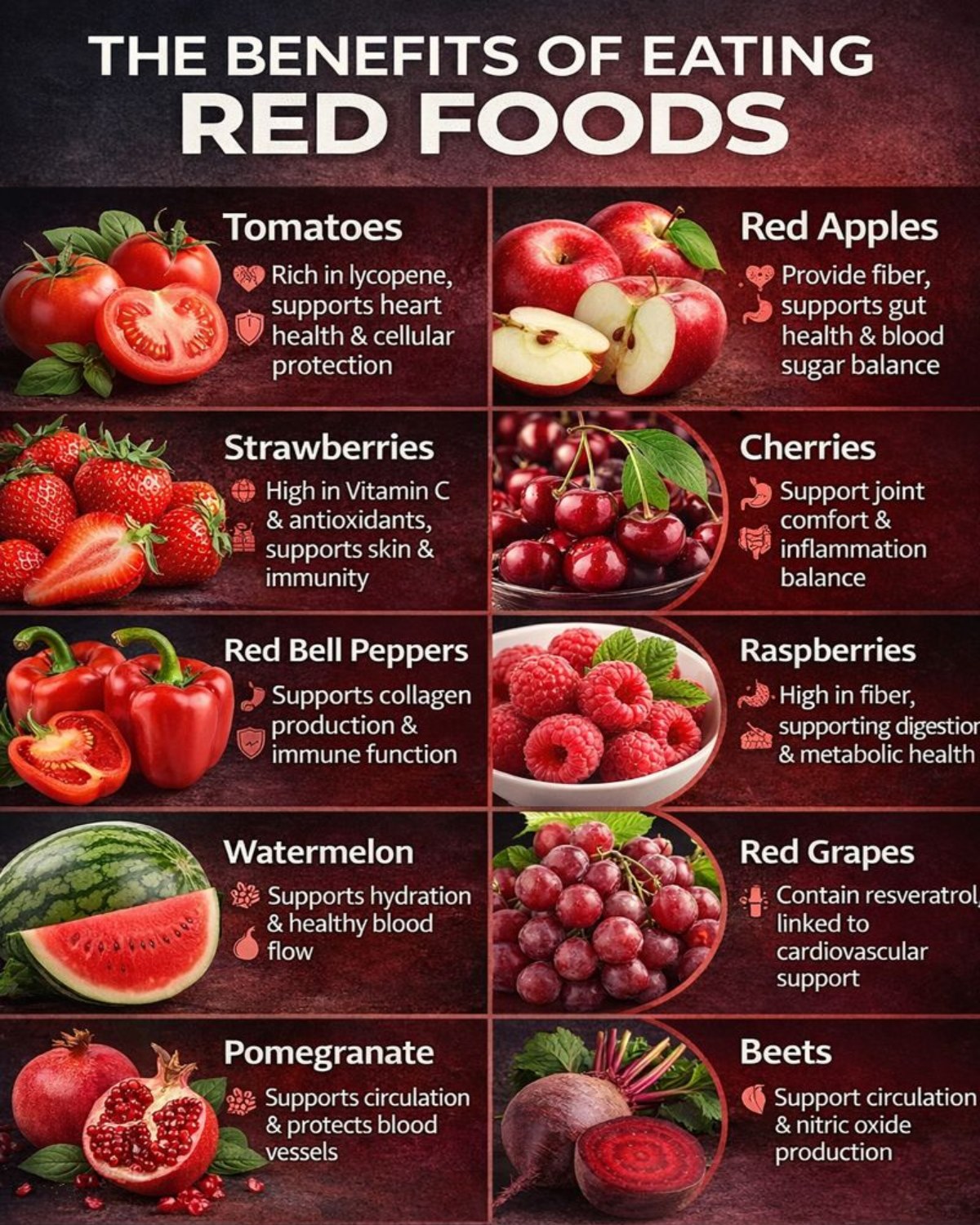
The Benefits of Eating Red 

The Benefits of Eating Red: Why Red Foods Deserve a Place on Your Plate

When it comes to healthy eating, color matters more than many people realize. Nutrition experts often recommend “eating the rainbow,” and red foods are one of the most powerful colors you can choose. From vibrant tomatoes and strawberries to deep red beets and pomegranates, red fruits and vegetables are packed with nutrients that support heart health, fight inflammation, boost immunity, and even protect against certain chronic diseases. Let’s explore in detail why eating red is so beneficial for your body and overall well-being.


1. Rich in Powerful Antioxidants

Red foods are especially high in antioxidants, natural compounds that protect your cells from damage caused by free radicals. One of the most well-known antioxidants found in red foods is lycopene, abundant in tomatoes, watermelon, and pink grapefruit. Lycopene has been linked to a reduced risk of heart disease and certain cancers, particularly prostate cancer.

Other red foods like cherries, raspberries, and red grapes contain anthocyanins, antioxidants that give them their rich red or purple hue. These compounds help reduce oxidative stress, slow cellular aging, and support overall health.


2. Support Heart Health

Eating red foods regularly can have a significant positive impact on your heart. Tomatoes help lower LDL (bad) cholesterol levels, while strawberries and red apples improve blood vessel function. Beets are especially known for their heart benefits; they contain natural nitrates that help relax blood vessels, improve blood flow, and lower blood pressure.

Red grapes and berries also support heart health by reducing inflammation and preventing plaque buildup in the arteries. Together, these effects can lower the risk of heart attacks and strokes.


3. Boost Immunity Naturally

Many red fruits and vegetables are rich in vitamin C, a key nutrient for a strong immune system. Strawberries, red bell peppers, and cherries help stimulate white blood cell production, enabling your body to fight infections more effectively.

Additionally, the antioxidants in red foods reduce inflammation and support gut health, which plays a major role in immune function. A stronger immune system means fewer illnesses and faster recovery.


4. Improve Skin and Slow Aging

If you’re looking for glowing, youthful skin, red foods can help. The antioxidants and vitamins found in red fruits and vegetables protect skin cells from sun damage and environmental stress. Lycopene, in particular, has been shown to help protect the skin from UV damage.

Vitamin C found in strawberries and red peppers also supports collagen production, keeping skin firm and elastic. Regular consumption of red foods may reduce wrinkles, dryness, and dullness over time.


5. Support Brain and Memory Function

Red foods don’t just benefit your body—they also nourish your brain. Berries such as strawberries, cherries, and raspberries contain compounds that improve communication between brain cells. Studies suggest that these foods may slow age-related memory decline and reduce the risk of neurodegenerative diseases like Alzheimer’s.

The anti-inflammatory properties of red foods also help protect brain tissue and improve focus, mood, and mental clarity.


6. Aid Digestion and Gut Health

Many red foods are high in dietary fiber, which is essential for healthy digestion. Apples, raspberries, and beets help regulate bowel movements, prevent constipation, and support beneficial gut bacteria.

A healthy gut not only improves digestion but also affects immunity, metabolism, and even mental health. Eating fiber-rich red foods regularly helps keep your digestive system balanced and efficient.


7. Help with Weight Management

Red foods can be very helpful if you’re trying to manage or lose weight. They are generally low in calories but high in water and fiber, helping you feel full longer. Strawberries, watermelon, and tomatoes satisfy sweet cravings naturally without added sugars.

Some research even suggests that red-colored foods may psychologically signal fullness, potentially helping control appetite and reduce overeating.


8. Protect Against Certain Cancers

The antioxidants and phytochemicals in red foods play a role in cancer prevention. Lycopene has been studied extensively for its potential to reduce the risk of prostate, lung, and stomach cancers. Anthocyanins in berries may help inhibit the growth of cancer cells and reduce inflammation associated with cancer development.

While no single food can prevent cancer, a diet rich in red fruits and vegetables can be a powerful protective factor.


9. Easy Ways to Eat More Red Foods

Incorporating red foods into your daily meals is simple and delicious:

  • Add tomatoes and red peppers to salads and omelets
  • Snack on strawberries, cherries, or apples
  • Drink fresh beet or watermelon juice
  • Use tomato-based sauces instead of creamy ones
  • Add pomegranate seeds to yogurt or oatmeal

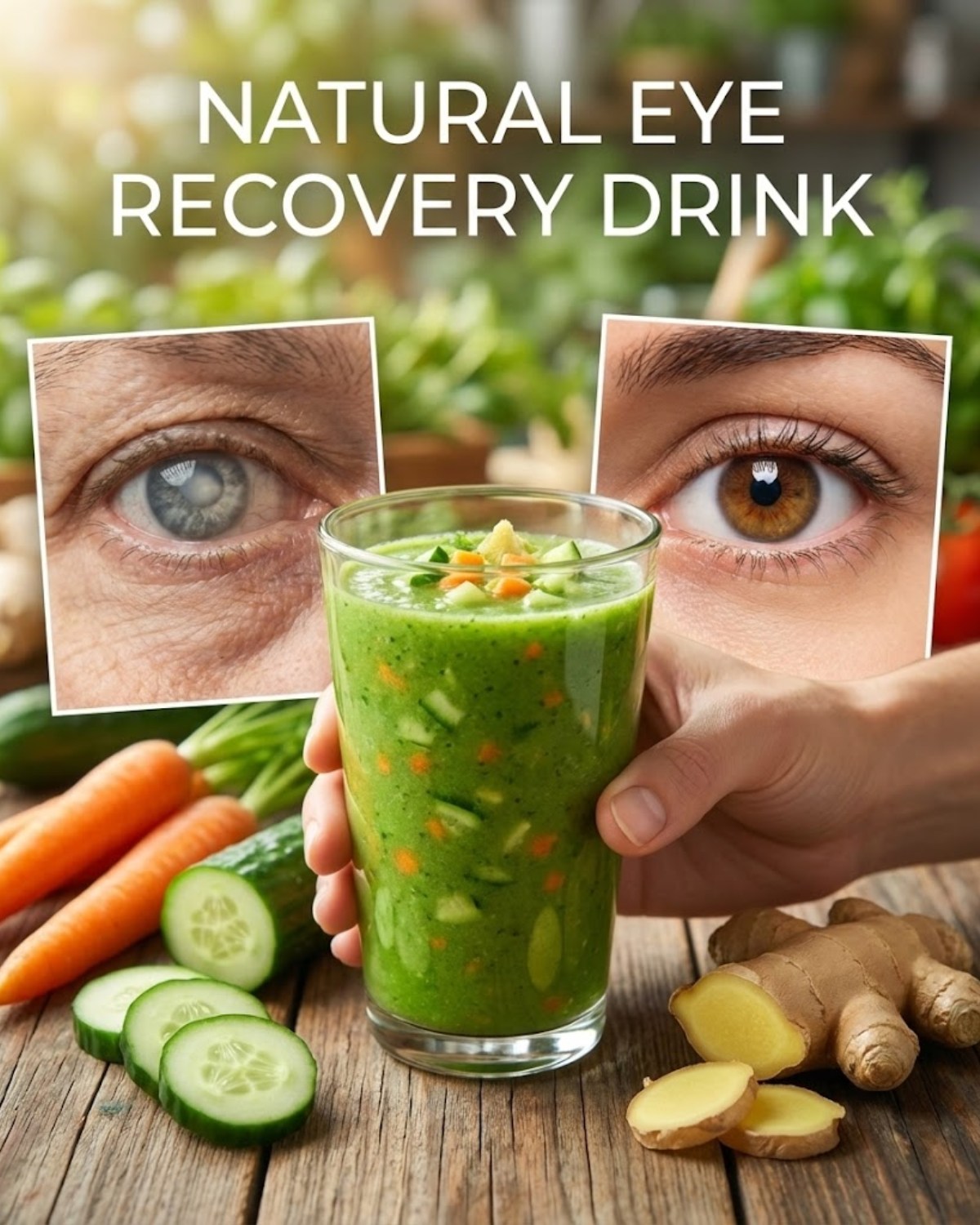
The Drink That Supports Clearer Vision Naturally: How Carrot, Cucumber, and Ginger Juice May Help Your Eyes Stay Healthy and Bright

🥕 The Drink That Supports Clearer Vision Naturally

How Carrot, Cucumber & Ginger Juice May Help Your Eyes Stay Healthy and Bright

Our eyes work hard every day—focusing on screens, adjusting to light changes, and helping us enjoy the world around us. While nothing replaces professional eye care, nourishing your body with the right nutrients can support your eye health. One refreshing drink that combines nature’s best for the eyes is carrot, cucumber, and ginger juice.


🧃 Why This Juice?

This blend isn’t just refreshing—it’s packed with vitamins, antioxidants, and phytonutrients linked with eye health and overall wellness.


🍹 Key Ingredients & Their Vision Benefits

🥕 Carrots — Vision’s Best Friend

Carrots are rich in beta-carotene, a precursor to vitamin A, which is essential for:

  • Healthy retina function
  • Low-light vision
    Vitamin A helps form rhodopsin, a pigment in the retina that enables you to see in dim light. Deficiency can lead to dry eyes and night blindness over time.

🥒 Cucumber — Hydration & Antioxidants

Cucumber is about 95% water, which helps keep your body and eyes hydrated. Dry eyes can cause irritation, blurred vision, and discomfort. Cucumbers also contain:

  • Vitamin C — an antioxidant linked with eye tissue protection
  • Lutein and zeaxanthin — plant compounds that filter high-energy light and may help reduce UV damage to eye cells

🫚 Ginger — Anti-Inflammatory Support

Ginger brings a spicy kick and anti-inflammatory properties. Chronic inflammation may contribute to age-related eye conditions. Some research has shown that ginger compounds:

  • Help reduce oxidative stress
  • Support healthy blood circulation (including to the eyes)
    These factors may help protect eye tissues long-term.

🧠 How This Juice May Support Eye Health

Together, these ingredients may help:

🌟 Supply key antioxidants that fight free radicals
🌟 Reduce oxidative stress linked to aging eyes
🌟 Support hydration for clearer tear film
🌟 Provide essential vitamins tied to retina function


🥤 Easy Homemade Recipe

Ingredients:

  • 3 medium carrots (washed & chopped)
  • 1 medium cucumber (chopped)
  • 1–2 cm piece fresh ginger (adjust to taste)
  • A squeeze of lemon (optional, for flavor)

Steps:

  1. Wash and chop carrots and cucumber.
  2. Peel and slice the ginger.
  3. Run all ingredients through a juicer, or blend and strain.
  4. Stir well and enjoy chilled.

💡 Tip: Drink fresh soon after juicing to maximize nutrient intake.


🧠 What Science Says (and What It Doesn’t)

While many nutrients in this juice have strong links to eye health, no single drink can cure vision problems. Research supports the idea that:

  • Vitamin A is crucial for eye function.
  • Antioxidants may reduce risk of oxidative damage.

However, clinical studies directly proving that this exact juice improves eyesight are limited. Think of it as nutritional support, not a medical treatment.


🧎 Additional Tips for Eye Health

✔ Get regular eye exams
✔ Wear UV-protective sunglasses
✔ Take screen breaks (20-20-20 rule)
✔ Eat a balanced diet with leafy greens, omega-3s & colorful fruits
✔ Stay hydrated throughout the day


🟢 Bottom Line

Carrot, cucumber, and ginger juice is a nutrient-rich, refreshing drink that may complement your routine for maintaining eye health. While it’s not a miracle cure, it delivers powerful compounds linked to healthier vision and overall wellness.

German potato pancakes

German Potato Pancakes (Kartoffelpuffer): A Crispy Comfort Food Classic

German potato pancakes, known as Kartoffelpuffer, Reibekuchen, or Kartoffelpfannkuchen depending on the region, are one of Germany’s most beloved comfort foods. Crispy on the outside, tender on the inside, and deeply satisfying, these golden pancakes are a staple at Christmas markets, family kitchens, and traditional festivals. Simple ingredients, honest flavors, and centuries of tradition make them a timeless dish that continues to win hearts around the world.

A Brief History of Kartoffelpuffer

Potatoes arrived in Europe in the 16th century and quickly became a cornerstone of German cuisine due to their affordability and versatility. Over time, cooks discovered that grating raw potatoes and frying them into pancakes created a delicious way to transform humble ingredients into a filling meal. Kartoffelpuffer became especially popular among working families because they were inexpensive, easy to prepare, and could be served sweet or savory depending on what was available.

Today, potato pancakes are enjoyed across Germany, from street vendors selling them fresh off the griddle to home kitchens passing down family recipes from one generation to the next.

What Makes German Potato Pancakes Special?

Unlike hash browns or latkes, German potato pancakes are typically made with raw grated potatoes, not cooked ones. This gives them their signature crisp texture and rich potato flavor. Onion is almost always included, adding depth and a subtle sweetness, while eggs and a small amount of flour bind everything together.

Another defining feature is how they are served. In Germany, Kartoffelpuffer are commonly paired with applesauce (Apfelmus), creating a perfect contrast between salty, crispy pancakes and sweet, fruity sauce. In savory versions, they may be served with sour cream, quark, smoked salmon, or even alongside sausages.

Ingredients You’ll Need

To make authentic German potato pancakes, you only need a handful of pantry staples:

  • Potatoes (starchy varieties work best)
  • Onion
  • Eggs
  • All-purpose flour
  • Salt
  • Optional: black pepper or nutmeg
  • Oil for frying (sunflower or neutral vegetable oil)

The simplicity of these ingredients is exactly what makes the dish shine.

Step-by-Step Preparation

1. Prepare the Potatoes
Peel the potatoes and grate them finely using a box grater or food processor. Finely grated potatoes create a smoother batter and crispier pancakes.

2. Remove Excess Moisture
Place the grated potatoes in a clean kitchen towel or cheesecloth and squeeze out as much liquid as possible. This step is crucial—too much moisture will prevent the pancakes from becoming crispy.

3. Add Onion and Binding Ingredients
Grate the onion directly into the potatoes. This not only adds flavor but also helps prevent discoloration. Mix in the eggs, flour, and salt. If you like, add a pinch of black pepper or nutmeg for extra warmth.

4. Heat the Oil
Heat a generous amount of oil in a heavy skillet over medium-high heat. The oil should be hot enough that the batter sizzles immediately when added.

5. Fry Until Golden
Spoon small portions of the mixture into the pan and gently flatten them into thin pancakes. Fry for about 3–4 minutes per side until deeply golden and crispy. Avoid overcrowding the pan.

6. Drain and Serve
Transfer the pancakes to a plate lined with paper towels to drain excess oil. Serve immediately while hot and crisp.

Serving Suggestions

Traditional German potato pancakes are incredibly versatile:

  • Classic Sweet Style: Serve hot with applesauce or apple compote.
  • Savory Style: Pair with sour cream, crème fraîche, or herbed quark.
  • Hearty Meal: Serve alongside bratwurst, sauerkraut, or a green salad.
  • Modern Twist: Top with smoked salmon and dill for an elegant appetizer.

Whether sweet or savory, Kartoffelpuffer are best enjoyed fresh from the pan.

Tips for Perfect Kartoffelpuffer

  • Use starchy potatoes for the crispiest result.
  • Always squeeze out excess liquid from the potatoes.
  • Keep the pancakes thin; thick pancakes won’t crisp properly.
  • Fry in batches and avoid lowering the oil temperature.
  • Serve immediately—potato pancakes lose their crispness as they cool.

A Dish That Brings People Together

German potato pancakes are more than just food—they are a memory, a tradition, and a shared experience. The aroma of frying potatoes instantly evokes cozy winter evenings, bustling market stalls, and family gatherings around the stove. With just a few ingredients and a little care, you can recreate this beloved German classic in your own kitchen.

Whether you enjoy them with applesauce like generations before you or add your own modern touch, Kartoffelpuffer remain a perfect example of how simple food can be truly extraordinary.