Many drivers recognize the dashboard icon of a car with a circular arrow, but few truly understand what it does

Many drivers have seen it light up on the dashboard: a small outline of a car with a curved, circular arrow inside. Some glance at it briefly, others ignore it entirely, and a few might even feel a moment of concern. Yet despite being one of the most common symbols found in modern vehicles, surprisingly few drivers truly understand what it means or how it affects their driving experience. This icon represents the air recirculation system, a feature designed to control how air flows inside your car’s cabin—and it plays a much bigger role in comfort, air quality, and efficiency than most people realize.

What the car-with-a-circular-arrow symbol really means

The symbol of a car with a circular arrow indicates that your vehicle’s climate control system is set to recirculate the air inside the cabin rather than drawing in fresh air from outside. When this mode is activated, the air conditioner or heater reuses the air already inside the car, cooling or heating it again instead of starting from scratch with outside air.

At first glance, this might seem like a small technical detail, but the choice between fresh air intake and air recirculation can significantly affect temperature control, fuel efficiency, and even your health during long drives.

Why car manufacturers include this feature

Car makers didn’t add the air recirculation function by accident. It serves several practical purposes. One of the main reasons is faster temperature adjustment. When you first turn on your air conditioner on a hot day, using recirculated air allows the system to cool the cabin much more quickly. The same principle applies in cold weather: recirculation helps warm the interior faster.

Another key reason is energy efficiency. Cooling or heating air that is already close to the desired temperature requires less energy than constantly treating hot or cold outside air. This means the system works less, which can slightly reduce fuel consumption or battery drain in electric and hybrid vehicles.

Protection from pollution and unpleasant odors

One of the most overlooked benefits of the air recirculation mode is its ability to block outside pollution and smells. If you are driving through heavy traffic, tunnels, industrial areas, or places with strong odors, activating recirculation can prevent exhaust fumes, dust, and unpleasant smells from entering the cabin.

This is particularly useful in urban environments where air quality may be poor. By limiting the intake of outside air, the system helps keep the cabin air cleaner—at least temporarily—making your drive more comfortable and potentially healthier.

When using recirculation can become a problem

Despite its advantages, air recirculation is not meant to be used all the time. When the system continuously recirculates the same air, oxygen levels slowly drop, and carbon dioxide levels increase. While modern cars are well-ventilated and this buildup is usually mild, extended use can still lead to drowsiness, headaches, or reduced alertness—especially on long trips.

Another common issue is fogged windows. Moisture from passengers’ breath accumulates in the cabin when fresh air is blocked, making the windows more likely to fog up. This is why many cars automatically disable recirculation when you activate the windshield defrost setting.

Automatic vs. manual recirculation systems

Older vehicles typically rely on a manual button that lets the driver turn recirculation on or off. In newer models, however, the system is often automatic. Sensors monitor temperature, humidity, and sometimes air quality outside the vehicle. Based on this data, the car decides when to switch between fresh air and recirculated air without driver input.

This automation helps balance comfort, efficiency, and safety, but it also contributes to confusion. Drivers may see the icon appear or disappear on its own and not understand why. In most cases, the system is simply doing its job behind the scenes.

Best times to use the recirculation function

Knowing when to use this feature can make a noticeable difference. It’s ideal to turn on recirculation:

  • During very hot or cold weather to reach a comfortable cabin temperature faster

  • When driving in heavy traffic or polluted areas

  • In tunnels or areas with strong odors

  • When using the air conditioner at maximum cooling

However, for long highway drives in mild conditions, switching back to fresh air mode is usually better. It helps maintain air quality, reduces moisture buildup, and keeps you more alert.

Common myths and misunderstandings

Some drivers believe that using air recirculation saves large amounts of fuel. While it does improve efficiency slightly, the difference is relatively small. Others worry that it is dangerous to use at all, which isn’t true either. The key is moderation and awareness.

Another misconception is that recirculation always means better air quality. While it blocks outside pollutants, it doesn’t add oxygen or remove carbon dioxide. Fresh air is still essential for overall comfort and alertness.

A small button with a big impact

The dashboard icon of a car with a circular arrow may look simple, but it represents a smart system designed to enhance your driving experience. When used correctly, air recirculation improves comfort, speeds up cooling or heating, and shields you from pollution. When overused, it can lead to stale air and reduced visibility.

Understanding this small symbol helps you make better choices behind the wheel. Instead of ignoring it or leaving it on by habit, use it intentionally. That simple awareness can make your drives more comfortable, safer, and more enjoyable—proving that even the smallest dashboard icons can have a surprisingly big impact.
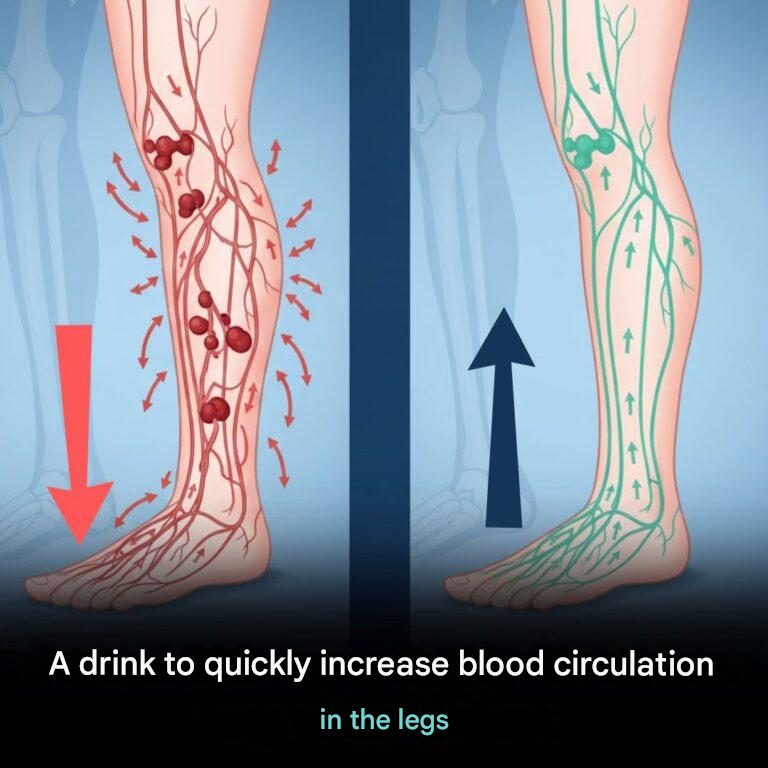
A drink to quickly increase blood circulation in your legs

Poor blood circulation in the legs is a common problem that affects people of all ages, especially those who sit for long periods, stand all day, or are over 40. Symptoms such as cold feet, numbness, tingling, swelling, leg cramps, and fatigue can all be signs that blood is not flowing efficiently. While long-term circulation improvement requires lifestyle changes, certain natural drinks can support faster blood flow and help your legs feel lighter and more energized.

One of the most effective natural options is a ginger–lemon–cayenne circulation drink. This simple yet powerful beverage works by stimulating blood vessels, reducing inflammation, and improving oxygen delivery to the lower extremities.

Why Blood Circulation in the Legs Matters

Your legs rely on strong circulation to deliver oxygen and nutrients to muscles and tissues while removing waste products. When circulation is poor, blood pools in the lower limbs, leading to discomfort and, over time, increasing the risk of varicose veins, nerve problems, and even cardiovascular issues.

Factors that commonly reduce leg circulation include:

  • Prolonged sitting or inactivity

  • Smoking

  • Dehydration

  • Poor diet high in processed foods

  • Aging and stiffening blood vessels

Supporting circulation naturally can make a noticeable difference in comfort and mobility.

The Best Drink for Faster Leg Circulation

Ginger–Lemon–Cayenne Circulation Drink

This drink combines three powerful ingredients known for their circulation-enhancing properties.

Ingredients

  • 1 cup warm water

  • 1 teaspoon freshly grated ginger (or ½ teaspoon ginger powder)

  • Juice of ½ fresh lemon

  • A pinch of cayenne pepper

  • 1 teaspoon raw honey (optional)

How This Drink Improves Circulation

1. Ginger: A Natural Blood Flow Booster

Ginger contains active compounds like gingerol that help relax blood vessels and improve blood flow. It also has warming properties, which can quickly increase circulation in cold or numb legs. Ginger reduces inflammation and prevents blood from becoming too thick, allowing it to move more freely through veins and arteries.

2. Lemon: Cleanses and Strengthens Blood Vessels

Lemon juice is rich in vitamin C, an antioxidant that supports healthy blood vessel walls. Strong, elastic vessels allow blood to circulate more efficiently, especially to the lower body. Lemon also helps reduce plaque buildup and supports hydration, both essential for smooth circulation.

3. Cayenne Pepper: Immediate Circulatory Stimulation

Cayenne pepper contains capsaicin, a compound that stimulates blood flow almost immediately. It helps widen blood vessels and encourages blood to move away from congested areas. Many people feel warmth in their legs within minutes of consuming cayenne, making it especially effective for cold feet and stiffness.

4. Warm Water: Enhances Absorption

Warm water helps ingredients absorb faster and relaxes blood vessels, allowing the circulation-boosting effects to begin more quickly than with cold drinks.

How to Prepare the Drink

  1. Heat one cup of water until warm, not boiling.

  2. Add the grated ginger and let it steep for 3–5 minutes.

  3. Strain if desired, then add lemon juice.

  4. Add a pinch of cayenne pepper and stir well.

  5. Sweeten with honey if needed.

Drink it slowly while warm.

When and How Often to Drink It

  • Best time: Morning on an empty stomach or mid-afternoon

  • Frequency: Once daily for quick circulation support; up to twice daily if tolerated

Many people report feeling warmer legs and reduced stiffness within 20–30 minutes.

Additional Tips to Boost Results

While this drink works quickly, combining it with simple habits enhances the effect:

  • Take a short walk after drinking it

  • Stretch your calves and ankles

  • Elevate your legs for 10 minutes

  • Stay hydrated throughout the day

Even light movement helps push blood downward and back up toward the heart.

Who Should Be Careful

Although natural, this drink may not be suitable for everyone. Avoid or consult a healthcare professional if you:

  • Have stomach ulcers or acid reflux

  • Are taking blood-thinning medications

  • Have low blood pressure

  • Are sensitive to spicy foods

Start with a very small amount of cayenne if you are new to it.

Final Thoughts

Improving blood circulation in your legs doesn’t always require expensive supplements or medications. A simple ginger–lemon–cayenne drink can offer fast, natural support by stimulating blood flow, warming the body, and strengthening blood vessels. When used consistently alongside gentle movement and healthy hydration, this drink can help your legs feel lighter, warmer, and more energized.

Healthy circulation is not just about comfort—it’s essential for long-term mobility and overall well-being. Making this drink part of your routine can be a small but powerful step toward healthier legs and a more active life.

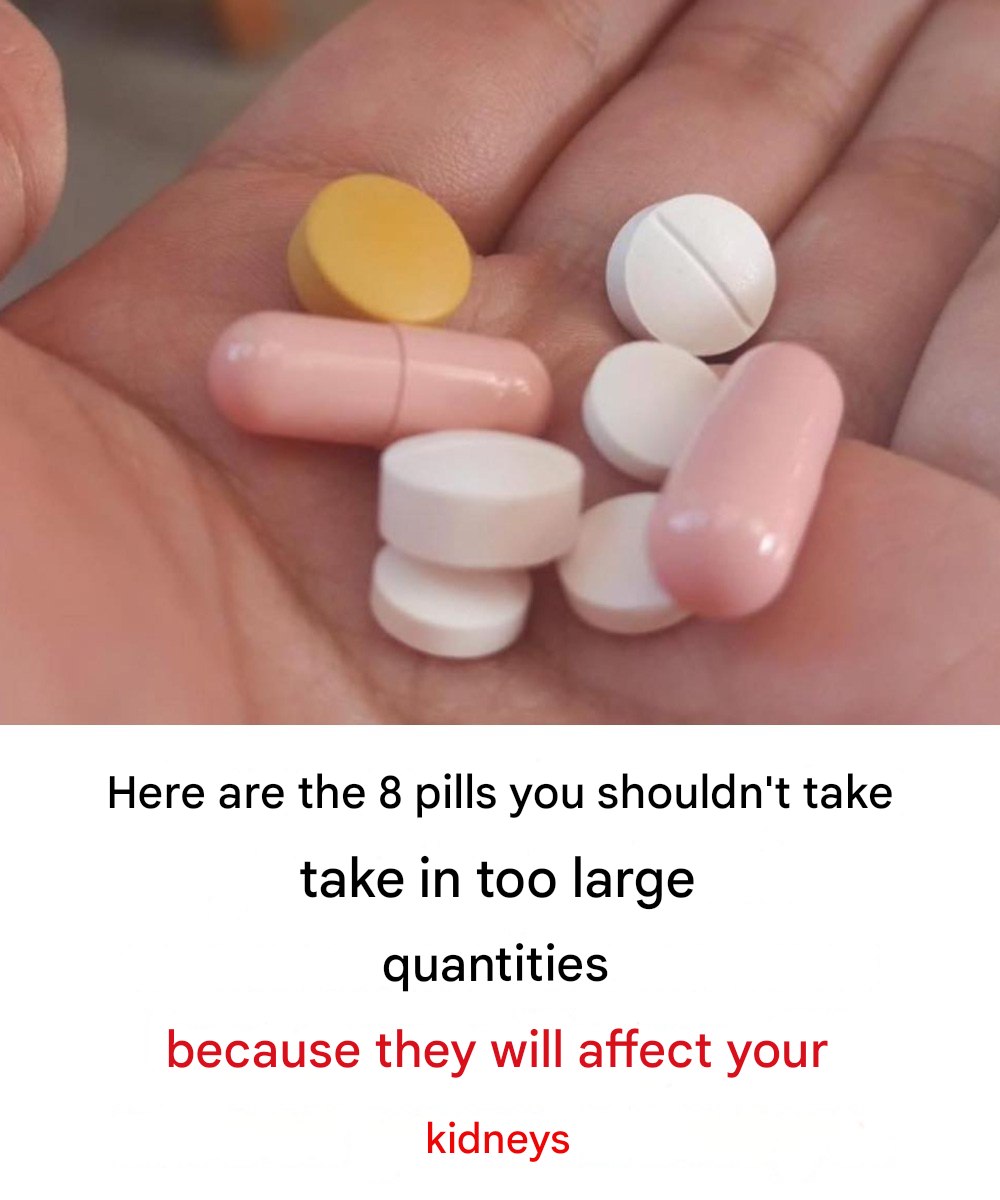
Eight pills that should not be taken because they affect the kidneys

Eight Pills That Should Not Be Taken Because They Affect the Kidneys

Your kidneys work quietly every day, filtering waste, balancing fluids, and keeping your blood clean. Because they are so vital, anything that harms them can have serious consequences. Unfortunately, many commonly used pills—some available without a prescription—can damage the kidneys if taken too often, in high doses, or without medical supervision. Below are eight types of pills that can negatively affect kidney health, especially in older adults or people with existing kidney problems.

1. Painkillers (NSAIDs)

Non-steroidal anti-inflammatory drugs (NSAIDs) such as ibuprofen, naproxen, and diclofenac are among the most common causes of drug-related kidney damage. These medications reduce pain and inflammation, but they also reduce blood flow to the kidneys. Long-term or high-dose use can lead to chronic kidney disease or sudden kidney failure, especially in people who are dehydrated or elderly.

2. Certain Antibiotics

Some antibiotics, particularly aminoglycosides (gentamicin), vancomycin, and amphotericin B, are known to be toxic to the kidneys. While they are effective against serious infections, they can damage kidney cells if doses are not carefully adjusted. This risk increases in people with diabetes, older adults, and those already suffering from kidney issues.

3. Proton Pump Inhibitors (PPIs)

Medications used for acid reflux and ulcers—such as omeprazole, pantoprazole, and esomeprazole—are often taken for months or even years. Studies have linked long-term PPI use to chronic kidney disease and acute interstitial nephritis, an inflammatory condition of the kidneys that may go unnoticed until serious damage occurs.

4. Diuretics (Water Pills)

Diuretics like furosemide and hydrochlorothiazide help remove excess fluid from the body and are often prescribed for high blood pressure or heart failure. However, misuse or overuse can cause severe dehydration and electrolyte imbalances, which place significant stress on the kidneys and may lead to kidney injury.

5. Lithium

Lithium, commonly prescribed for bipolar disorder, can be very effective—but it is also notorious for kidney toxicity. Long-term use may reduce the kidneys’ ability to concentrate urine, leading to excessive thirst and urination. Without regular blood tests and dose adjustments, lithium can cause permanent kidney damage.

6. Certain Blood Pressure Medications (When Misused)

Drugs such as ACE inhibitors and ARBs are often protective for the kidneys when used correctly. However, when taken without proper monitoring or combined with dehydration, NSAIDs, or diuretics, they can suddenly worsen kidney function. This is especially dangerous during illness, vomiting, or diarrhea.

7. Laxatives (Chronic Use)

Occasional use of laxatives is usually safe, but regular or excessive use, especially stimulant laxatives, can cause dehydration and electrolyte loss. This reduces blood flow to the kidneys and may eventually lead to kidney damage. Many people underestimate the danger of long-term laxative use.

8. Herbal and Weight-Loss Pills

Many herbal supplements marketed for weight loss, detoxing, or bodybuilding contain undisclosed chemicals or heavy metals. Some herbs, such as aristolochia, are directly toxic to the kidneys. Because these products are poorly regulated, kidney failure from herbal pills is unfortunately common and often irreversible.


Who Is Most at Risk?

Kidney damage from medications is more likely if you:

  • Are over 60 years old
  • Have diabetes or high blood pressure
  • Are dehydrated
  • Take multiple medications daily
  • Already have reduced kidney function

How to Protect Your Kidneys

  • Never take painkillers daily without medical advice
  • Drink enough water unless advised otherwise
  • Avoid mixing medications on your own
  • Get regular blood and urine tests if you take long-term medications
  • Be cautious with supplements and “natural” remedies

Final Thoughts

Many pills that seem harmless can quietly harm your kidneys over time. Kidney damage often develops without pain or early symptoms, making prevention critical. Always consult a healthcare professional before starting or continuing long-term medication. Protecting your kidneys today can save you from dialysis and serious health complications tomorrow.

 Barilla gluten free lasagna 

Here’s a delicious, foolproof Barilla® Gluten-Free Lasagna recipe that turns out perfectly tender and flavorful every time—no one will guess it’s gluten-free 🍝


Barilla Gluten-Free Lasagna Recipe

Serves: 6–8

Prep Time: 25 minutes

Cook Time: 50–55 minutes


Ingredients

Lasagna Layers

  • 1 box Barilla® Gluten-Free Lasagne
  • 2 cups shredded mozzarella cheese
  • ½ cup grated Parmesan cheese

Meat Sauce (or make it vegetarian)

  • 1 lb (450 g) ground beef or turkey (optional)
  • 1 tablespoon olive oil
  • 1 medium onion, finely chopped
  • 3 cloves garlic, minced
  • 1 jar (24 oz / 680 g) gluten-free marinara sauce
  • 1 teaspoon dried oregano
  • 1 teaspoon dried basil
  • Salt and black pepper to taste

Ricotta Mixture

  • 1½ cups ricotta cheese
  • 1 large egg
  • 1 tablespoon chopped fresh parsley or basil
  • Pinch of salt

Instructions

1. Prepare the Sauce

  • Heat olive oil in a skillet over medium heat.
  • Add onion and sauté until soft (3–4 minutes).
  • Add garlic and cook for 30 seconds.
  • Add ground meat (if using) and cook until browned.
  • Stir in marinara sauce, oregano, basil, salt, and pepper.
  • Simmer for 10 minutes, then remove from heat.

2. Mix the Ricotta

  • In a bowl, combine ricotta, egg, parsley, and salt.
  • Mix until smooth and creamy.

3. Assemble the Lasagna

  • Preheat oven to 375°F (190°C).
  • Spread a thin layer of sauce on the bottom of a greased 9×13-inch baking dish.
  • Add a layer of dry Barilla gluten-free lasagna sheets (no boiling needed).
  • Spread ricotta mixture evenly over the pasta.
  • Add sauce, then sprinkle mozzarella.
  • Repeat layers until ingredients are used.
  • Finish with sauce and top with mozzarella and Parmesan.

4. Bake

  • Cover tightly with foil.
  • Bake for 40 minutes.
  • Remove foil and bake 10–15 minutes until bubbly and lightly golden.
  • Let rest for 10 minutes before slicing.

Helpful Tips for Best Results

✔ Add ¼ cup water or extra sauce around the edges before baking to keep gluten-free noodles moist
✔ For extra flavor, add sautéed mushrooms, spinach, or zucchini
✔ Use whole-milk ricotta for creamier texture


Make It Vegetarian

Simply skip the meat and add:

  • Sliced mushrooms
  • Spinach
  • Roasted bell peppers or zucchini

Storage & Reheating

  • Refrigerate up to 4 days
  • Freeze fully cooked lasagna for up to 2 months
  • Reheat covered to prevent drying

9 Symptoms of Diabetes That Most People Might Overlook When They’re Still Young

9 Symptoms of Diabetes That Most People Might Overlook When They’re Still Young

Diabetes is often thought of as a condition that mainly affects older adults, but the truth is that it can develop at any age. In fact, many young people live with early-stage diabetes or prediabetes for years without realizing it. The reason? The symptoms can be subtle, easily dismissed, or blamed on stress, lifestyle, or being “too busy.” Recognizing these early warning signs can make a huge difference in preventing long-term complications. Here are nine diabetes symptoms that young people commonly overlook.


1. Constant Fatigue That Doesn’t Match Your Lifestyle

Feeling tired after a long day is normal, but persistent exhaustion is not. When blood sugar levels are high, glucose cannot efficiently enter the cells to be used for energy. As a result, your body feels drained even after adequate sleep. Many young people blame this on work, studies, late nights, or screen time, without realizing it could be a metabolic issue.


2. Increased Thirst and Frequent Urination

One of the earliest signs of diabetes is feeling thirsty all the time, followed by frequent trips to the bathroom. High blood sugar forces the kidneys to work harder to remove excess glucose, leading to increased urine production. To compensate, the body demands more fluids. Because young people often drink coffee, energy drinks, or water regularly, this symptom is easy to ignore.


3. Unexplained Weight Loss or Weight Gain

Sudden weight loss without dieting can be a warning sign, especially in type 1 diabetes. When the body can’t use glucose properly, it starts breaking down fat and muscle for energy. On the other hand, insulin resistance in early type 2 diabetes may cause unexplained weight gain, particularly around the abdomen. Both changes are often brushed off as lifestyle-related.


4. Frequent Hunger, Even After Eating

If you feel hungry shortly after meals, it may not be because you didn’t eat enough. In diabetes, glucose remains in the bloodstream instead of entering the cells, so the body signals hunger even when food intake is sufficient. Young people may assume they have a fast metabolism or are simply “always hungry.”


5. Slow-Healing Cuts and Frequent Infections

Small cuts, acne, or bruises that take longer than usual to heal can be an early sign of diabetes. High blood sugar affects blood circulation and weakens the immune response, making healing slower. Frequent infections, such as skin, gum, or urinary tract infections, may also occur. These signs are often overlooked because they don’t seem serious at first.


6. Blurry Vision That Comes and Goes

Temporary blurry vision can happen when blood sugar levels fluctuate, causing the lens of the eye to swell. Young people may blame this on screen use, lack of sleep, or eye strain. However, recurring blurry vision should never be ignored, as long-term diabetes can seriously damage eyesight.


7. Tingling or Numbness in Hands and Feet

Mild tingling, numbness, or a “pins and needles” sensation in the extremities can be an early sign of nerve involvement. High blood sugar can damage nerves over time, even in young individuals. Because these sensations may be occasional or mild, many people dismiss them as poor posture or temporary circulation issues.


8. Mood Changes and Difficulty Concentrating

Blood sugar imbalances can affect the brain, leading to irritability, anxiety, mood swings, and trouble focusing. Young people often attribute these symptoms to stress, hormonal changes, or mental overload. However, consistent mood or concentration problems may be linked to unstable glucose levels.


9. Dark Patches on the Skin

A condition known as acanthosis nigricans causes dark, velvety patches of skin, usually around the neck, armpits, or groin. This is often associated with insulin resistance and is a strong early warning sign of type 2 diabetes. Many young people assume it’s just skin pigmentation, dirt, or a cosmetic issue, missing the underlying cause.


Why Early Detection Matters

Ignoring these symptoms can allow diabetes to progress silently, increasing the risk of serious complications such as heart disease, nerve damage, kidney problems, and vision loss later in life. The good news is that early-stage diabetes and prediabetes can often be managed—or even reversed—through lifestyle changes, proper diet, physical activity, and medical guidance.


What You Should Do

If you notice several of these symptoms, especially if they persist, it’s important to get your blood sugar checked. Simple tests can provide clarity and peace of mind. Being young does not make you immune to diabetes, but being informed gives you the power to act early.

The High Sugar Alert Recognizing the 12 Key Symptoms Your Body is Showing You

The High-Sugar Alert: Recognizing the 12 Key Symptoms Your Body is Showing You

High sugar intake doesn’t just affect your waistline—it can impact your entire body. Often, the signs are subtle at first, but if ignored, prolonged high blood sugar can lead to serious health problems like diabetes, heart disease, and nerve damage. Here are 12 key symptoms your body may show when sugar levels are too high.

1. Persistent Fatigue

If you feel constantly tired even after a full night’s sleep, it could be your body struggling to manage excess sugar. High sugar levels can disrupt insulin balance, leading to energy crashes.

2. Frequent Urination

Excess sugar in the blood forces your kidneys to work overtime to filter it, which can lead to more trips to the bathroom than usual.

3. Increased Thirst

This often goes hand-in-hand with frequent urination. As your body loses more water, it triggers thirst to maintain hydration.

4. Unexplained Weight Changes

High sugar intake can lead to sudden weight gain due to increased fat storage or, in some cases, weight loss due to fluid loss and muscle breakdown.

5. Slow Healing of Cuts and Wounds

Sugar can impair blood circulation and immune function, making it harder for your body to repair itself. Even minor cuts or bruises may take longer to heal.

6. Blurred Vision

Elevated blood sugar can cause fluid shifts in the eyes, temporarily affecting your ability to see clearly.

7. Frequent Infections

High sugar levels feed harmful bacteria and yeast, increasing susceptibility to infections like urinary tract infections, skin infections, and thrush.

8. Skin Changes

Look out for dark patches, especially around the neck or armpits, a condition called acanthosis nigricans, which can indicate insulin resistance.

9. Increased Hunger

Even after eating, your body may crave more food because sugar spikes and crashes disrupt normal hunger signals.

10. Numbness or Tingling in Extremities

Prolonged high sugar levels can damage nerves, especially in your hands and feet, causing tingling, numbness, or a burning sensation.

11. Mood Swings

Blood sugar fluctuations can directly affect brain function, leading to irritability, anxiety, or sudden mood swings.

12. Dental Problems

Sugar is a major culprit behind tooth decay. High sugar intake promotes bacterial growth in the mouth, leading to cavities, gum disease, and bad breath.


Takeaway:
If you notice several of these symptoms, it’s a strong sign your body is struggling with high sugar levels. Making dietary changes, increasing physical activity, and consulting a healthcare professional can help restore balance before it develops into a chronic condition.

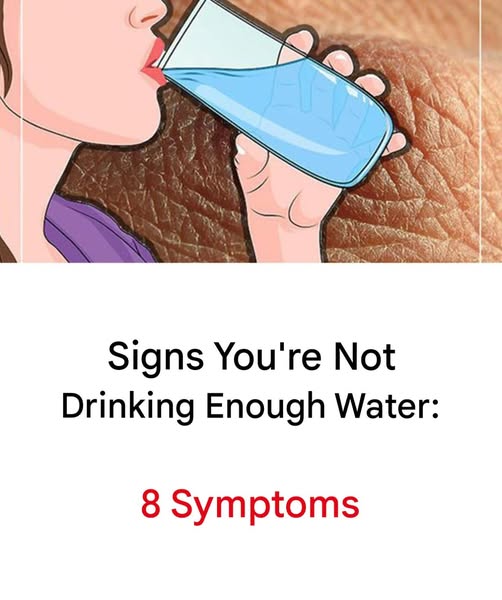
What Happens to Your Body When You Don’t Drink Enough Water

1. Dehydration and Its Early Signs

Water is essential for almost every bodily function, from regulating temperature to transporting nutrients. When you don’t drink enough, you may start experiencing mild dehydration symptoms such as:

  • Dry mouth and lips
  • Fatigue or low energy
  • Thirst (obviously!)
  • Dizziness or lightheadedness

Even mild dehydration can affect your mood, focus, and overall performance.


2. Impact on Digestion

Water is crucial for digestion. Without it:

  • Constipation becomes common because water softens stool.
  • Acid reflux or heartburn may worsen as the digestive system struggles to process food efficiently.
  • The body may also absorb nutrients less effectively, impacting overall health.

3. Kidney Strain and Urinary Problems

Your kidneys rely on water to flush out toxins. Insufficient water intake can lead to:

  • Dark yellow or concentrated urine
  • Kidney stones, caused by minerals crystallizing in the urine
  • Urinary tract infections (UTIs), which can become more frequent or severe

4. Skin and Appearance Changes

Dehydration can affect your skin because water helps maintain elasticity and moisture:

  • Skin may look dry, flaky, or dull
  • Fine lines and wrinkles can appear more noticeable
  • Slow healing of minor cuts or bruises may occur

5. Cognitive and Mood Effects

Even mild dehydration can influence your brain function:

  • Difficulty concentrating
  • Memory issues
  • Irritability or mood swings
  • Increased headaches or migraines

This is because your brain is about 75% water, and even small deficits affect neurotransmitter function.


6. Circulatory and Heart Effects

Water helps maintain blood volume and circulation:

  • Low water intake can lead to lower blood pressure
  • Heart has to work harder to pump thicker blood
  • You may feel rapid heartbeat or palpitations in extreme cases

7. Muscle and Joint Issues

Water lubricates joints and supports muscle function:

  • Dehydrated muscles are prone to cramps and spasms
  • Reduced joint lubrication can cause stiffness or discomfort
  • Physical performance can drop, increasing risk of injury

8. Severe Dehydration – A Medical Emergency

If dehydration continues unchecked, it can become life-threatening:

  • Heatstroke due to inability to regulate body temperature
  • Kidney failure
  • Seizures from electrolyte imbalances
  • Shock, which can be fatal if untreated

How Much Water Do You Really Need?

While it varies by age, climate, and activity level, a general guideline:

  • Men: ~3.7 liters (about 13 cups) per day
  • Women: ~2.7 liters (about 9 cups) per day
  • Remember that water in foods like fruits and vegetables counts toward this total.

Tip: Your urine color is a simple indicator: pale yellow is ideal; dark yellow means you need more water.

Mix Cloves with Vaseline 

Cloves and Vaseline: The Surprising Benefits of This Simple Combination

In the world of natural remedies and DIY skincare, cloves and Vaseline might not seem like an obvious pair. However, when combined, these two ingredients create a surprisingly effective solution for a variety of skin, health, and beauty issues. Cloves, known for their aromatic fragrance and potent medicinal properties, have been used for centuries in traditional medicine. Vaseline, or petroleum jelly, is a staple in many households due to its moisturizing and protective properties. Together, they form a unique mixture that can address multiple concerns naturally.

Why Cloves Are So Powerful

Cloves, the dried flower buds of the Syzygium aromaticum tree, are packed with beneficial compounds, including eugenol, tannins, and flavonoids. Eugenol, the most notable component, has strong antioxidant, anti-inflammatory, and antibacterial properties. This makes cloves effective for treating skin infections, reducing inflammation, and even relieving pain. Traditionally, cloves have been used for dental care, digestive issues, and respiratory problems. Their antiseptic properties make them a popular choice for natural remedies.

The Role of Vaseline in Skincare

Vaseline is a form of petroleum jelly that works as a barrier to lock in moisture. It is non-comedogenic, meaning it does not clog pores, and is safe for most skin types. Vaseline is particularly useful for dry, cracked skin, chapped lips, minor burns, and as a base for other active ingredients. While it does not have inherent medicinal properties like cloves, it enhances the effectiveness of natural ingredients by helping them penetrate the skin and stay in place longer.

How Cloves and Vaseline Work Together

When cloves are mixed with Vaseline, the combination provides a dual benefit. The Vaseline acts as a carrier, helping to deliver the active compounds from cloves directly to the skin while keeping the area moisturized and protected. This mixture can be used in various ways, from soothing minor skin irritations to enhancing oral health and even improving skin tone.

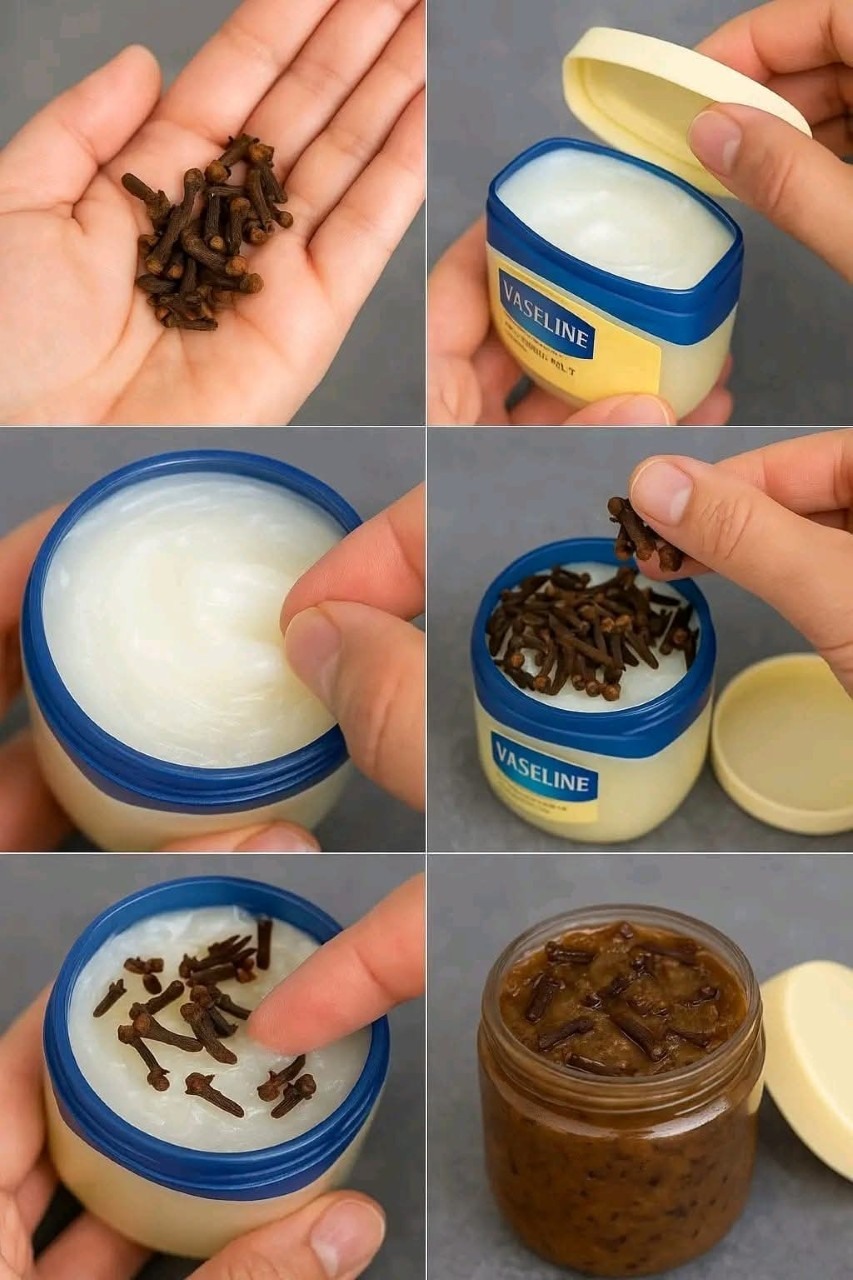
DIY Clove and Vaseline Mixture

Creating a clove-infused Vaseline mixture at home is simple and requires minimal ingredients:

Ingredients:

  • 1 tablespoon of Vaseline
  • 5–7 whole cloves or 1 teaspoon of clove powder
  • Optional: A few drops of essential oil for fragrance

Method:

  1. Gently heat the Vaseline in a small pan on low heat. Avoid boiling or overheating.
  2. Crush the cloves slightly to release their oils. If using clove powder, this step is not necessary.
  3. Add the crushed cloves or clove powder to the warm Vaseline and mix thoroughly.
  4. Let the mixture cool, then store it in a clean jar with a tight-fitting lid.

This mixture can last for a few weeks if stored in a cool, dry place.

Uses of Clove and Vaseline Mixture

  1. For Dry Skin and Cracked Heels:
    The anti-inflammatory properties of cloves can help soothe irritated skin, while Vaseline locks in moisture. Apply a thin layer to dry areas like elbows, knees, or heels before bedtime and cover with socks or a cloth for best results.
  2. For Acne and Skin Infections:
    Cloves’ antibacterial properties can help reduce bacteria on the skin, while Vaseline prevents further irritation. Apply a small amount to affected areas and leave it on for a few hours or overnight.
  3. For Lip Care:
    Chapped lips are a common problem, especially in dry or cold weather. A small dab of clove-Vaseline mixture can help heal cracks, reduce inflammation, and give your lips a healthy shine.
  4. For Toothaches and Oral Health:
    Cloves are well-known for their ability to relieve toothache pain. Applying a tiny amount of clove-infused Vaseline to the gums near a painful tooth may help numb the area and reduce discomfort. However, this should be done cautiously and not swallowed.
  5. For Minor Cuts and Burns:
    The antiseptic properties of cloves can prevent infections in minor cuts and burns, while Vaseline provides a protective barrier. Apply gently to the affected area and cover with a sterile bandage if necessary.

Precautions

While cloves and Vaseline are generally safe, a few precautions are necessary:

  • Conduct a patch test before applying the mixture to sensitive skin to ensure you do not have an allergic reaction.
  • Do not apply the mixture to deep wounds or severe burns; seek medical attention instead.
  • Avoid ingestion unless under professional guidance. Clove oil in high amounts can be toxic.
  • Use sparingly on the lips and gums to prevent irritation.

Conclusion

The combination of cloves and Vaseline is a natural, versatile remedy that offers multiple benefits for skin, lips, and minor ailments. By leveraging the antibacterial, anti-inflammatory, and antioxidant properties of cloves along with the moisturizing and protective nature of Vaseline, this mixture becomes a simple yet powerful addition to your home remedy toolkit. Whether you are battling dry skin, minor infections, or occasional toothaches, a small jar of clove-infused Vaseline can provide relief in a safe, natural way.

Incorporating this mixture into your routine is easy and cost-effective, proving once again that some of the best solutions are found in the simplest ingredients. With minimal effort, you can harness the age-old benefits of cloves and the modern convenience of Vaseline to support your health and skincare naturally.

Vegan Broccoli & Mushroom Stir Fry

Here’s a full, flavorful Vegan Broccoli & Mushroom Stir Fry recipe for you, complete with a simple sauce that makes it restaurant-quality but quick enough for weeknight dinners.


Vegan Broccoli & Mushroom Stir Fry

Servings: 2–3
Prep Time: 10 minutes
Cook Time: 15 minutes
Total Time: 25 minutes


Ingredients

Vegetables:

  • 2 cups broccoli florets
  • 1 cup sliced mushrooms (button, cremini, or shiitake)
  • 1 small red bell pepper, thinly sliced (optional, for color & sweetness)
  • 1 medium carrot, julienned or thinly sliced
  • 2 cloves garlic, minced
  • 1-inch piece ginger, minced

Sauce:

  • 3 tbsp soy sauce or tamari (for gluten-free)
  • 1 tbsp rice vinegar or apple cider vinegar
  • 1 tbsp maple syrup or agave nectar
  • 1 tsp sesame oil (optional, for flavor)
  • 2 tbsp water or vegetable broth
  • 1 tsp cornstarch (optional, for thickening)

Other:

  • 1–2 tbsp neutral oil (canola, sunflower, or avocado oil)
  • Sesame seeds, for garnish
  • Green onions, sliced, for garnish

Instructions

  1. Prep the sauce:
    In a small bowl, whisk together soy sauce, vinegar, maple syrup, sesame oil, water, and cornstarch until smooth. Set aside.
  2. Cook the vegetables:
    • Heat 1–2 tablespoons oil in a large pan or wok over medium-high heat.
    • Add garlic and ginger; sauté for 30 seconds until fragrant.
    • Add mushrooms and cook for 4–5 minutes until they start releasing moisture and turn golden brown.
    • Add broccoli, bell pepper, and carrot. Stir-fry for 5–6 minutes until vegetables are tender but still crisp.
  3. Add the sauce:
    Pour the sauce over the vegetables. Stir well to coat and cook for another 1–2 minutes until the sauce thickens slightly and everything is evenly coated.
  4. Serve:
    Garnish with sesame seeds and sliced green onions. Serve hot with steamed rice, quinoa, or noodles.

Tips & Variations

  • Add protein: Tofu, tempeh, or edamame make it more filling.
  • Spice it up: Add a pinch of red pepper flakes or drizzle sriracha over the finished dish.
  • Veggie swap: Snap peas, baby corn, or zucchini also work beautifully.
  • Make it creamy: Stir in 2 tbsp peanut butter or tahini for a rich, nutty twist.

If Your Legs Cramp at Night You Need to Know This Immediately

If Your Legs Cramp at Night, You Need to Know This Immediately

Waking up in the middle of the night with a sudden, sharp pain in your calf or foot can be alarming. Nighttime leg cramps—also known as nocturnal leg cramps—are extremely common, especially as we get older. They can strike without warning, last from a few seconds to several minutes, and leave lingering soreness that disrupts sleep. While most leg cramps are harmless, recurring night cramps can be a signal that something in your body needs attention. Understanding the causes and knowing how to respond can make a real difference.

What Are Nighttime Leg Cramps?

Nighttime leg cramps are involuntary muscle contractions, most often affecting the calves, feet, or thighs. Unlike restless leg syndrome, which creates an urge to move, cramps are painful and cause the muscle to tighten and harden. They usually occur when you are lying down or asleep, which is why they can feel so sudden and intense.

Common Causes You Shouldn’t Ignore

One of the most frequent reasons for leg cramps at night is mineral imbalance. Low levels of magnesium, potassium, or calcium can interfere with proper muscle contraction and relaxation. These minerals play a crucial role in nerve signaling and muscle function, and even mild deficiencies may trigger cramps.

Dehydration is another major factor. When your body lacks enough fluids, electrolytes become concentrated, making muscles more prone to spasms. This is especially common in people who sweat a lot, drink excessive caffeine, or don’t consume enough water during the day.

Poor circulation can also contribute. Sitting or standing for long periods, crossing your legs frequently, or sleeping in positions that restrict blood flow may increase the likelihood of cramps during the night.

Certain medications are known to cause leg cramps as a side effect. Diuretics, statins, some blood pressure drugs, and asthma medications can alter fluid or mineral balance in the body. If cramps began after starting a new medication, it’s worth discussing with a healthcare professional.

Underlying health conditions may also be involved. Diabetes, thyroid disorders, kidney disease, nerve compression in the spine, and peripheral artery disease can all increase the risk of nighttime leg cramps. While cramps alone don’t mean you have a serious illness, frequent or worsening cramps should not be ignored.

Why They Happen at Night

At night, muscles are more relaxed and movement is limited. Blood circulation slows slightly during sleep, and feet may naturally point downward, shortening the calf muscles. This position makes muscles more susceptible to sudden contraction, especially if they are already tight or fatigued.

What to Do When a Cramp Hits

If a leg cramp wakes you up, gently stretch the affected muscle. For calf cramps, flex your foot upward toward your shin while keeping the leg straight. Massaging the muscle or applying warmth can help it relax. Some people find relief by standing up and walking slowly for a minute or two.

Avoid forceful stretching, as this can worsen the pain or cause muscle strain. Breathe slowly and deeply to help the muscle release.

How to Prevent Nighttime Leg Cramps

Prevention often starts with simple lifestyle adjustments:

  • Stay hydrated throughout the day, especially if you are physically active or live in a hot climate.
  • Eat a balanced diet rich in magnesium, potassium, and calcium. Foods like bananas, leafy greens, nuts, seeds, yogurt, and beans are excellent sources.
  • Stretch before bed, focusing on calves, hamstrings, and feet. Gentle stretching for just a few minutes can significantly reduce cramp frequency.
  • Improve sleep posture by keeping blankets loose around your feet and avoiding positions that point toes downward for long periods.
  • Stay active, but avoid excessive muscle fatigue. Regular walking and light exercise improve circulation and muscle health.

When to See a Doctor

Occasional leg cramps are usually nothing to worry about. However, you should seek medical advice if cramps are severe, frequent, persistent, or accompanied by swelling, numbness, weakness, or skin changes. These symptoms may indicate an underlying condition that requires treatment.

The Bottom Line

Nighttime leg cramps are common, but they are not something you have to simply live with. They are often your body’s way of signaling dehydration, mineral imbalance, muscle fatigue, or circulation issues. By understanding the causes and taking proactive steps, you can reduce their frequency, improve your sleep, and protect your overall muscle health. If cramps continue despite lifestyle changes, getting professional guidance is the smartest next step.