My best friend couldn’t believe how easy this was. Only 3 ingredients for the most flavorful potatoes

Not every two days, not every four days: how often should you wash your hair, according to a dermatologist

When it comes to washing your hair, you’ve probably heard conflicting advice. Some people swear by washing it every day. Others insist you should only wash it once or twice a week. But according to dermatologists, there isn’t a one-size-fits-all rule. The right frequency depends on your scalp type, hair texture, lifestyle, and even your age.

Let’s explore what dermatologists really say about how often you should wash your hair — and why the answer may surprise you.

Understanding Your Scalp First

Dermatologists often emphasize that hair health begins with the scalp. The scalp contains sebaceous glands that produce sebum, a natural oil that protects and moisturizes both your scalp and hair. Washing too frequently can strip away these natural oils, while washing too little can lead to buildup, itching, and even inflammation.

According to experts from organizations like the American Academy of Dermatology, the key is balancing oil production with proper cleansing — not blindly following a rigid schedule.

If You Have Oily Hair

If your scalp becomes greasy within a day or two of washing, you likely have an oily scalp. Dermatologists often recommend washing daily or every other day in this case. Excess oil can trap dirt, pollution, and dead skin cells, which may clog hair follicles and contribute to scalp irritation.

For people who exercise regularly or live in hot, humid climates, daily washing may also be beneficial. Sweat mixes with oil and can create odor or discomfort if left on the scalp too long.

The myth that washing daily “damages” your hair isn’t entirely accurate. Using a gentle shampoo formulated for your hair type can make daily washing perfectly safe.

If You Have Dry or Curly Hair

Dry or curly hair types usually need less frequent washing. Curly hair tends to be drier because natural oils have a harder time traveling down the twists and bends of the hair shaft. In this case, washing two to three times per week is often ideal.

Overwashing dry hair can lead to frizz, breakage, and scalp tightness. Dermatologists recommend using moisturizing shampoos and conditioners and possibly incorporating a leave-in conditioner.

If your scalp feels comfortable and your hair looks healthy, you likely don’t need to wash more often.

If You Have Fine or Thin Hair

Fine hair can appear oily more quickly because oil spreads faster along thinner strands. If this sounds familiar, washing every one to two days may work best for you.

Lightweight shampoos that add volume without heavy conditioning agents are usually recommended. Heavy products can weigh fine hair down and make it look greasy even sooner.

If You Have Thick or Coarse Hair

Thicker hair types often tolerate longer gaps between washes. Washing every three to four days may be sufficient, provided the scalp remains comfortable and clean.

Some dermatologists suggest using dry shampoo between washes if you want to refresh your style without fully cleansing.

Age Matters More Than You Think

Sebum production changes with age. Teenagers and young adults often have oilier scalps due to hormonal fluctuations. That’s why daily washing is common in adolescence.

As people age, oil production tends to decrease. Adults over 40 may find they can comfortably extend washing intervals. In fact, washing too frequently later in life may contribute to dryness and brittleness.

What About Dandruff?

If you experience dandruff or a flaky scalp, washing frequency becomes more important. Conditions like seborrheic dermatitis require consistent cleansing, often with medicated shampoos.

In such cases, dermatologists may recommend washing several times a week using active ingredients like ketoconazole or zinc pyrithione. Reducing washes too much can worsen flaking.

If flakes are persistent, consulting a dermatologist is important rather than experimenting randomly.

Lifestyle Plays a Role

Your environment and habits significantly affect how often you should wash your hair:

  • Do you exercise daily?

  • Do you work in a dusty or polluted area?

  • Do you use heavy styling products?

  • Do you wear hats or helmets frequently?

All of these factors may require more frequent washing to maintain scalp hygiene.

On the other hand, if you spend most of your time indoors and use minimal products, you may stretch out wash days comfortably.

Signs You’re Washing Too Often

Dermatologists say these are common signs of overwashing:

  • Dry, brittle strands

  • Excessive frizz

  • Itchy, tight scalp

  • Increased breakage

If you notice these symptoms, try reducing washing frequency slightly and switching to a gentler formula.

Signs You’re Not Washing Enough

On the flip side, underwashing can also create problems:

  • Persistent itchiness

  • Visible buildup

  • Greasy appearance

  • Unpleasant odor

  • Increased dandruff

Balance is the goal — not extremes.

The Dermatologist-Approved Rule

So, how often should you wash your hair?

Most dermatologists agree on a flexible guideline:

  • Oily scalp: Every day or every other day

  • Normal scalp: Every two to three days

  • Dry or curly hair: Two to three times per week

  • Thick or coarse hair: Every three to four days

The real answer is this: wash your hair when your scalp needs it, not according to a rigid calendar rule.

Your scalp’s comfort is the best indicator. If it feels itchy, greasy, or heavy, it’s time to wash. If it feels balanced and clean, you can wait.

Final Thoughts

Hair washing is not about strict schedules like “every two days” or “every four days.” It’s about understanding your scalp’s biology and responding to its needs.

Dermatologists emphasize that healthy hair starts with a healthy scalp. Pay attention to oil levels, dryness, and lifestyle factors. Adjust your routine as seasons change and as your body ages.

Instead of following trends or social media challenges, listen to your scalp. It tells you more than any rule ever could.

What Does It Symbolize When the Deceased Speaks to You in a Dream

Dreams have fascinated humanity for thousands of years. Among the most powerful and emotional dreams are those in which someone who has passed away speaks to us. These dreams can feel incredibly vivid, real, and deeply personal. Many people wake up wondering: What does it mean when the deceased speaks to you in a dream? Is it a message? A memory? A psychological process? Or something spiritual?

While interpretations vary depending on culture, belief system, and personal experience, there are several common explanations that can help you better understand these meaningful dreams.


A Reflection of Grief and Healing

One of the most widely accepted explanations is psychological. According to dream research influenced by thinkers like Sigmund Freud and Carl Jung, dreams are a window into the subconscious mind. When someone who has passed away speaks to you in a dream, it may reflect unresolved emotions, grief, or longing.

Grief doesn’t end with a funeral. It often lingers quietly beneath the surface. Dreams can become a safe space where your mind continues processing loss. If the deceased speaks comforting words, it may symbolize your own inner need for reassurance. If they express something unresolved, it might reflect feelings you never had the chance to address while they were alive.

In this sense, the dream isn’t necessarily about the deceased person sending a message. Instead, it represents your ongoing emotional healing.


A Symbol of Unfinished Business

Sometimes the words spoken in the dream carry specific meaning. Perhaps the deceased apologizes, gives advice, or mentions something left undone. These types of dreams often symbolize “unfinished business.”

This doesn’t always mean literal unfinished tasks. It can represent emotional closure. Maybe you never had the opportunity to say goodbye. Maybe there were conflicts that remained unresolved. The dream becomes a symbolic conversation where your mind attempts to bring balance and peace.

The deceased speaking may represent your desire for closure or forgiveness. Once the dream occurs, many people report feeling lighter, calmer, or more at peace.


A Sign of Guidance or Inner Wisdom

In many spiritual traditions, dreams are considered a bridge between the physical and spiritual worlds. In ancient cultures such as those of Ancient Egypt and Ancient Greece, dreams were believed to carry messages from ancestors or the divine.

If the deceased gives advice or warnings in your dream, some interpret this as spiritual guidance. Whether you believe in literal visitation or not, the symbolic meaning remains powerful. Often, the advice given in the dream aligns with your own intuition.

In this interpretation, the deceased represents wisdom stored in your subconscious. Their voice may simply be your inner voice, expressed in a familiar and trusted form.


A Manifestation of Love and Connection

Love does not end with death. Many people dream of deceased loved ones during important life events—weddings, births, career changes, or difficult periods. When the deceased speaks words of encouragement or pride, it can symbolize the lasting bond you share.

These dreams may appear when you need strength. Your mind may bring forward the image and voice of someone who once supported you deeply. Hearing them speak can be incredibly comforting, reinforcing the idea that their influence remains part of your life.

In this case, the dream symbolizes emotional continuity. Even though the physical presence is gone, the relationship still exists within your memory and heart.


Cultural and Religious Interpretations

Different cultures interpret these dreams in unique ways. In some religious traditions, dreams of the deceased speaking are viewed as direct messages from the afterlife. In others, they are seen as symbolic spiritual lessons.

For example, in certain spiritual teachings influenced by thinkers like Edgar Cayce, dreams are believed to connect individuals to higher realms of consciousness. Meanwhile, psychological schools inspired by Carl Jung emphasize archetypes and collective unconscious symbolism.

Your personal beliefs play a significant role in how you interpret such dreams. For someone who strongly believes in spiritual communication, the dream may feel like a real visitation. For someone grounded in psychology, it may feel like the mind’s natural way of processing memory and emotion.


Why These Dreams Feel So Real

Dreams involving deceased individuals often feel more vivid than ordinary dreams. There are several reasons for this:

  • Strong emotional memory intensifies dream clarity.

  • The brain areas responsible for emotion are highly active during sleep.

  • The absence of daily distractions allows deeper memories to surface.

Because these dreams are emotionally charged, the experience can feel almost physical. The voice may sound exactly as you remember it. The expressions and mannerisms may appear perfectly preserved.

This vividness often leads people to feel the dream was “more than just a dream.” Whether spiritual or psychological, the impact is undeniably powerful.


When to Pay Attention

While most dreams of deceased loved ones are normal and part of the grieving process, the emotional tone matters.

  • If the dream brings comfort, peace, or reassurance, it may indicate healing.

  • If the dream causes repeated distress or anxiety, it may signal unresolved grief that could benefit from reflection or support.

  • If the dream occurs during a major life decision, it may symbolize your need for guidance.

Keeping a dream journal can help identify patterns or recurring themes.


Final Thoughts

When the deceased speaks to you in a dream, the symbolism often centers around grief, love, memory, closure, or guidance. Whether you interpret it through psychology or spirituality, the meaning usually reflects something deeply personal within you.

Rather than focusing on whether it is a literal message, consider what the words meant to you emotionally. How did you feel during the dream? What was happening in your life at the time?

In the end, dreams of the deceased speaking are less about fear and more about connection. They remind us that relationships shape us permanently. Even after death, the voices of those we loved continue to echo within our hearts, guiding, comforting, and reminding us that love does not simply disappear—it transforms.

Doctors reveal 8 hidden habits that cause bad odor in older women

Why Body Odor Changes in Older Women

Before exploring the specific hidden habits, it helps to understand what body odor really is and how it changes with age:

Body odor doesn’t come from sweat itself — sweat is mostly water. The smell happens when bacteria on the skin feed on sweat and break it down into odorous compounds.

As women age (especially during perimenopause and menopause), hormones shift (e.g., estrogen drops), leading to changes in sweat quantity and quality — which can directly impact body odor.

Research shows that older skin begins to produce a compound called 2-nonenal (an unsaturated aldehyde) in greater amounts. This chemical has a greasy, grassy, musty scent and is linked to what some call “old-person smell.” It is not simply due to poor hygiene but biochemical changes in the skin.

With that background, here are 8 hidden causes doctors commonly highlight — including habits and biological factors that many women may overlook.

1. Unrecognized Menopausal Sweating Patterns

Many older women attribute stronger body odor to lack of cleanliness, but a major medical cause is changes in sweating due to menopause. As estrogen levels decline, hot flashes and night sweats become common, leading to increased sweating episodes and greater bacterial activity on the skin, which intensifies odor.

2. Ignoring Certain Body Areas in Hygiene Routines

Most hygiene routines focus on obvious areas (underarms, groin), but skin folds and overlooked spots can trap sweat and bacteria — for example:

beneath breasts

inner thighs

behind the ears

the nape of the neck

These regions can produce odors even when someone showers daily. Subtle changes in washing technique or using pH-balanced cleansers can make a significant difference.

3. Natural Aging of Skin Oils (2-Nonenal Production)

As women age, especially past 40, the skin’s fatty acids undergo oxidation, producing 2-nonenal — a scent that tends to linger even after normal washing. This isn’t a sign of poor hygiene but an age-related biochemical process. Regular washing helps, but special laundry detergents and exfoliation may be needed to reduce buildup on skin and clothes.

4. Dietary Culprits People Don’t Expect

Some foods are metabolized into compounds excreted through sweat. Foods rich in sulfur or strong aromas — such as:

garlic and onions

spicy foods

red meat

heavy processed foods

can lead to more pungent body odor, especially when older adults’ metabolisms slow and sweat composition changes.

5. Lifestyle Habits Like Stress and Anxiety

Stress doesn’t only affect mood — it triggers stress-induced sweat from apocrine glands. This type of sweat is richer in fat and proteins — ideal food for bacteria — producing stronger odors. Older women under emotional stress (work, family responsibilities, sleep disruption) may experience more pungent smell even without more physical activity.

6. Wearing Non-Breathable Fabrics Daily

Synthetic and tight clothing traps sweat and reduces evaporation. This creates a warm, moist environment where bacteria thrive, making odor stronger. Switching to breathable, natural fabrics like cotton or linen can help odor evaporate more quickly and reduce bacterial growth.

7. Neglected Dental or Mouth Odor Issues

Body odor isn’t limited to the skin. Some older women may not realize that bad breath (halitosis) from dental issues, dry mouth, or gum disease can greatly contribute to overall unpleasant scent. Tackling oral hygiene (regular brushing, flossing, dental check-ups) can help reduce this “hidden” source of odor that is separate from body sweat or skin issues.

8. Underlying Medical Conditions or Medications

Certain health conditions become more common with age and can influence how a person smells:

Diabetes: Can create a sweet or fruity body odor if blood sugar is poorly controlled.

Thyroid disorders: Overactive thyroid can increase sweating and odor.

Kidney or liver issues: These can change how toxins are metabolized and excreted, which may contribute to unusual smells.

Some medications: Antibiotics, antidepressants, and other drugs may alter skin microbes or sweat composition, indirectly affecting how a person smells.

Doctors often recommend checking sudden or persistent changes in body odor with a healthcare provider to rule out these underlying causes.

Practical Tips to Address Hidden Odor Causes

While the causes above are real, there are proven ways to manage or reduce stronger scents:

➤ Improve hygiene routines – shower with antibacterial or gentle, pH-balancing cleansers. Focus on folds and overlooked areas.
➤ Wear breathable, natural clothes that wick away moisture.
➤ Adjust diet – reduce heavily spiced or sulfur-rich foods and increase hydration.
➤ Manage stress through relaxation practices, as stress hormones can increase odor-producing sweat.
➤ Consult healthcare providers if sudden, intense, or unusual body odors emerge — they might indicate an underlying health change.

Final Note

In older women, stronger or persistent body odor is rarely just about “cleanliness.” Aging changes hormones, sweat chemistry, skin oils, and even gut metabolism — all working together to create subtle shifts in scent. Recognizing and addressing hidden habits, dietary influences, stress, clothing choices, and health conditions can make a meaningful difference in how comfortable, confident, and fresh someone feels every day.

Did You Know That Waking Up At 3 Or 4 In The Morning Is A Clear Sign Of

Many people have experienced it: you fall asleep without trouble, only to suddenly wake up at 3:00 or 4:00 in the morning, wide awake and staring at the ceiling. The house is silent. The world feels still. And your mind? Completely alert. It can feel mysterious — even unsettling. Some believe it’s a “clear sign” of something deeper. But what does science actually say?

Waking up at 3 or 4 a.m. is surprisingly common, especially in adults over 35 or 40. In most cases, it is not a supernatural sign or a message from the universe. Instead, it is usually connected to biology, stress, hormones, or lifestyle patterns. Let’s explore what could really be happening inside your body and mind.

First, it’s important to understand how sleep works. Sleep happens in cycles that last about 90 minutes. Throughout the night, you move between light sleep, deep sleep, and REM (rapid eye movement) sleep. In the early part of the night, deep sleep dominates. But in the early morning hours — around 3 or 4 a.m. — REM sleep becomes more frequent, and sleep becomes lighter. This naturally makes it easier to wake up during that time.

One of the most common reasons people wake up at this hour is stress. When you are under emotional pressure — financial worries, family concerns, work problems, health fears — your body produces more cortisol, often called the “stress hormone.” Cortisol levels are naturally lower at night, but in people who are anxious or overwhelmed, cortisol can spike earlier than normal. This can jolt you awake in the early morning hours.

Interestingly, this time of night is also when your brain tends to process emotions. During REM sleep, the brain organizes memories and unresolved feelings. If you have been suppressing worries during the day, your mind may “wake you up” when it tries to process them. That’s why many people who wake at 3 or 4 a.m. notice racing thoughts or sudden anxiety.

Another possible explanation involves blood sugar levels. If you eat a very heavy meal, sugary snacks, or alcohol before bed, your blood sugar may rise and then drop several hours later. That drop can trigger the release of adrenaline and cortisol, waking you suddenly. This is especially common in people with insulin resistance or prediabetes.

Hormonal changes also play a major role. As we age, levels of melatonin — the hormone that regulates sleep — naturally decline. Women going through perimenopause or menopause often experience early-morning awakenings due to fluctuating estrogen and progesterone levels. Men can experience sleep disruptions due to changes in testosterone levels as well.

Sleep apnea is another condition to consider. If you snore loudly or feel tired during the day despite sleeping for many hours, you may be experiencing breathing interruptions during sleep. These pauses can briefly wake you up without you fully realizing it. Many people with mild sleep apnea report consistent awakenings around the same early-morning hour.

There is also a psychological component. If you wake at 3 a.m. once and become anxious about it, your brain may start expecting it. Over time, it can become a habit. The body develops patterns very quickly. Anticipatory anxiety about waking up can actually cause you to wake up again.

Some cultural or spiritual traditions attach special meaning to 3 or 4 a.m., sometimes calling it the “spiritual hour” or “hour of awakening.” While these interpretations can be comforting or meaningful to some, there is no scientific evidence that waking at this time is a mystical sign. In reality, it aligns closely with normal sleep cycle transitions and hormonal shifts.

Mental health also plays a role. Early-morning awakening is a classic symptom of depression. Unlike insomnia at the beginning of the night, depression-related sleep disturbance often causes people to wake earlier than they want and struggle to fall back asleep. If this is accompanied by low mood, lack of interest in activities, fatigue, or feelings of hopelessness, it may be worth speaking to a healthcare professional.

So what can you do if this keeps happening?

First, avoid looking at the clock. Clock-watching increases anxiety and reinforces the pattern. If you wake up, keep the lights low and avoid checking your phone. Blue light suppresses melatonin and makes it harder to fall back asleep.

Second, practice calming techniques. Slow breathing, gentle stretching, or progressive muscle relaxation can signal safety to your nervous system. Even simply lying quietly and resting is beneficial, even if you don’t fall back asleep immediately.

Third, examine your evening habits. Limit caffeine after early afternoon. Avoid alcohol close to bedtime. Try eating a balanced dinner with protein and healthy fats to stabilize blood sugar. Create a consistent sleep schedule, even on weekends.

Fourth, manage stress during the day. Journaling before bed can help release mental tension. Light exercise, sunlight exposure in the morning, and meaningful social interaction all regulate your circadian rhythm.

If early waking continues for several weeks and affects your daily functioning, consider speaking with a doctor. They may evaluate for sleep disorders, anxiety, depression, thyroid issues, or blood sugar imbalances.

In the end, waking up at 3 or 4 in the morning is not a mysterious omen. It is usually a reflection of your body’s natural rhythms combined with stress, hormones, or lifestyle factors. Instead of fearing it, treat it as information — a gentle signal that something in your body or mind may need attention.

Your body is always communicating. The key is learning to listen calmly, not react with fear.

Baked Blueberry Breakfast Cups

Baked Blueberry Breakfast Cups (Soft, Custardy & Comforting)

If you’re looking for a warm, comforting breakfast that feels indulgent yet wholesome, these baked blueberry breakfast cups are perfect. With juicy bursts of blueberries tucked into a soft, custardy base and a lightly golden top, this dish sits somewhere between baked oatmeal, bread pudding, and a breakfast casserole. It’s ideal for slow mornings, brunch gatherings, or even meal prep for the week.

Below is a detailed, step-by-step recipe to help you recreate this delicious treat at home.


Ingredients (Serves 4–6)

Dry Ingredients:

  • 2 cups rolled oats (old-fashioned oats work best)

  • 1 teaspoon baking powder

  • ½ teaspoon ground cinnamon

  • Pinch of salt

Wet Ingredients:

  • 2 large eggs

  • 1 ¾ cups milk (dairy or almond milk)

  • ¼ cup maple syrup or honey

  • 2 tablespoons melted butter or coconut oil

  • 1 teaspoon vanilla extract

Add-ins:

  • 1 ½ cups fresh blueberries (or frozen, not thawed)

  • 1 tablespoon brown sugar (optional, for topping)


Equipment

  • 4 to 6 small oven-safe glass ramekins or one medium baking dish

  • Mixing bowls

  • Whisk

  • Measuring cups and spoons

  • Baking tray (to place ramekins on)


Step-by-Step Instructions

1. Preheat the Oven

Preheat your oven to 180°C (350°F). Lightly grease your ramekins or baking dish with butter or oil to prevent sticking.

If you’re using individual ramekins, place them on a baking tray for easier handling.


2. Mix the Dry Ingredients

In a medium bowl, combine:

  • Rolled oats

  • Baking powder

  • Cinnamon

  • Salt

Stir everything together so the baking powder and spices are evenly distributed. This ensures consistent flavor in every bite.


3. Prepare the Wet Mixture

In another bowl, whisk together:

  • Eggs

  • Milk

  • Maple syrup (or honey)

  • Melted butter

  • Vanilla extract

Whisk until smooth and fully combined. The eggs help bind everything together while giving the dish a soft, custard-like texture.


4. Combine and Fold in Blueberries

Pour the wet mixture into the dry ingredients and stir until fully incorporated. Let the mixture sit for 5 minutes so the oats can absorb some liquid.

Gently fold in most of the blueberries, reserving a handful for topping. This ensures you get blueberries throughout the mixture, not just on top.


5. Fill and Top

Spoon the mixture evenly into your prepared ramekins or baking dish.

Sprinkle the remaining blueberries on top and lightly dust with brown sugar if you want a caramelized golden finish.


6. Bake to Perfection

Bake for 25–35 minutes (depending on dish size). Individual ramekins may cook slightly faster than a single large dish.

You’ll know it’s done when:

  • The center is set but slightly soft

  • The top is lightly golden

  • The edges pull away slightly from the sides

A knife inserted in the center should come out mostly clean with slight moisture.


7. Cool Slightly Before Serving

Allow the baked cups to cool for 5–10 minutes. This helps them firm up and enhances flavor.

Serve warm for the best experience.


Serving Suggestions

These baked blueberry cups are delicious on their own, but you can elevate them with:

  • A dollop of Greek yogurt

  • A drizzle of maple syrup

  • A splash of warm milk

  • A sprinkle of powdered sugar

  • A handful of chopped nuts for crunch

For brunch gatherings, serve them straight in the ramekins for a charming presentation.


Storage & Meal Prep

One of the best things about this recipe is how well it stores.

  • Refrigerator: Store in an airtight container for up to 4 days.

  • Freezer: Wrap individually and freeze for up to 2 months.

  • Reheat: Microwave for 30–60 seconds or warm in the oven at 160°C (325°F) until heated through.

They make an excellent grab-and-go breakfast option.


Variations to Try

This recipe is highly adaptable. Here are a few delicious twists:

1. Lemon Blueberry Version

Add 1 teaspoon lemon zest to the wet mixture for a fresh citrus boost.

2. Banana Blueberry

Mash one ripe banana into the wet ingredients for added sweetness and moisture.

3. Protein Boost

Add 1–2 tablespoons of chia seeds or a scoop of vanilla protein powder.

4. Mixed Berry

Swap half the blueberries for raspberries or strawberries.

5. Crunchy Topping

Sprinkle sliced almonds or oats mixed with a little butter and sugar on top before baking.


Why You’ll Love This Recipe

  • Naturally sweetened

  • Family-friendly

  • Great for meal prep

  • Warm and comforting

  • Packed with antioxidants from blueberries

  • Customizable for dietary needs

The texture is soft and creamy inside with juicy berries bursting in every bite, while the top develops a light golden crust. It feels indulgent but is made from simple, wholesome ingredients.


Final Tips for Perfect Results

  • Use fresh blueberries if possible for the best texture.

  • If using frozen berries, do not thaw — this prevents excess moisture.

  • Don’t overbake; the center should remain slightly soft.

  • Let it rest before serving to allow it to fully set.

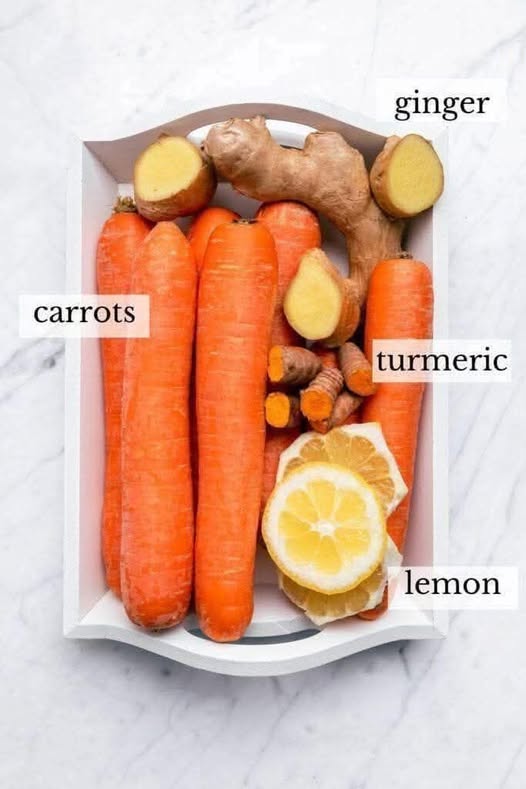
Carrot ginger turmeric juice

Carrot Ginger Turmeric Juice is a vibrant, nutrient-packed drink that combines natural sweetness with a spicy, earthy kick. This golden-orange elixir is loved not only for its refreshing taste but also for its impressive health benefits. Made from simple, wholesome ingredients, it is perfect for boosting immunity, supporting digestion, and providing a natural energy lift.

This juice is often inspired by traditional wellness practices, especially those rooted in ancient systems like Ayurveda, where turmeric and ginger have been used for centuries to promote overall health and balance in the body. Let’s explore how to prepare this powerful drink at home.


Ingredients

  • 4 medium fresh carrots

  • 1-inch fresh ginger root

  • 1-inch fresh turmeric root (or ½ teaspoon turmeric powder)

  • Juice of ½ lemon (optional)

  • 1 teaspoon raw honey (optional)

  • ½ cup cold water (if blending)

  • A pinch of black pepper


Why These Ingredients Matter

Carrots are rich in beta-carotene, which the body converts into vitamin A. They support eye health, strengthen immunity, and promote glowing skin. Carrots also contain antioxidants that help combat free radicals in the body.

Ginger adds a spicy warmth to the juice and is well-known for aiding digestion and reducing inflammation. It may help relieve nausea, improve gut health, and boost circulation.

Turmeric is the golden star of this recipe. It contains curcumin, a powerful compound known for its anti-inflammatory and antioxidant properties. Turmeric has long been used to support joint health and strengthen the immune system.

Black pepper may seem like a small addition, but it plays a crucial role. Piperine, the active compound in black pepper, enhances the absorption of curcumin from turmeric, making the juice even more effective.


Equipment Needed

  • Juicer or high-speed blender

  • Fine mesh strainer or cheesecloth (if blending)

  • Knife and cutting board

  • Glass jar or serving glass


Preparation Method

Step 1: Wash and Prepare the Ingredients

Thoroughly wash the carrots, ginger, and turmeric roots under running water. Scrub gently to remove any dirt. You may peel the carrots and turmeric if desired, but it’s not necessary if they are organic and well-cleaned. Chop the carrots into smaller chunks for easier blending or juicing. Slice the ginger and turmeric into small pieces.

Step 2: Juicing Method

If using a juicer, feed the carrots, ginger, and turmeric through the machine according to the manufacturer’s instructions. Once extracted, stir in the lemon juice, honey (if using), and a pinch of black pepper. Mix well and serve immediately.

Step 3: Blender Method

If you don’t have a juicer, place the chopped carrots, ginger, turmeric, and water into a high-speed blender. Blend until smooth. Pour the mixture through a fine mesh strainer or cheesecloth into a bowl or jug. Press or squeeze to extract as much liquid as possible. Add lemon juice, honey, and black pepper, then stir thoroughly.


Taste and Adjustments

This juice has a naturally sweet and earthy flavor with a spicy kick from the ginger and turmeric. If it tastes too strong, you can:

  • Add a small apple for natural sweetness.

  • Dilute with extra water or coconut water.

  • Add a few ice cubes for a milder, refreshing effect.

If you enjoy a stronger, more intense flavor, increase the ginger or turmeric slightly.


Health Benefits

Drinking carrot ginger turmeric juice regularly may offer several benefits:

1. Boosts Immunity
The combination of vitamin A from carrots and the anti-inflammatory compounds in turmeric and ginger helps strengthen the body’s natural defenses.

2. Supports Digestion
Ginger stimulates digestive enzymes, which can help reduce bloating and discomfort. Turmeric also supports healthy gut function.

3. Promotes Healthy Skin
Carrots are packed with antioxidants that help protect skin cells from damage. Regular consumption may contribute to clearer, brighter skin.

4. Reduces Inflammation
Curcumin in turmeric is known for fighting inflammation, which may help people dealing with joint pain or muscle soreness.

5. Improves Circulation
Ginger encourages better blood flow, helping deliver oxygen and nutrients throughout the body more efficiently.


Best Time to Drink

For maximum benefits, enjoy this juice in the morning on an empty stomach. This allows your body to absorb nutrients more effectively. However, it can also be consumed as a midday energy booster or post-workout refreshment.


Storage Tips

Fresh juice is best consumed immediately to preserve nutrients. However, you can store it in an airtight glass container in the refrigerator for up to 24 hours. Shake well before drinking, as natural separation may occur.


Safety Notes

  • If you are pregnant, breastfeeding, or taking blood-thinning medication, consult a healthcare professional before consuming large amounts of turmeric or ginger.

  • Avoid excessive intake; one small glass (about 200 ml) per day is sufficient.


Final Thoughts

Carrot Ginger Turmeric Juice is more than just a colorful drink—it’s a nourishing tonic that supports your body naturally. With its blend of sweet carrots, spicy ginger, and earthy turmeric, it delivers both flavor and wellness in every sip.

Making it at home ensures freshness and allows you to control the ingredients. Whether you are looking to boost your immune system, improve digestion, or simply enjoy a refreshing beverage, this golden juice is a simple yet powerful addition to your daily routine.

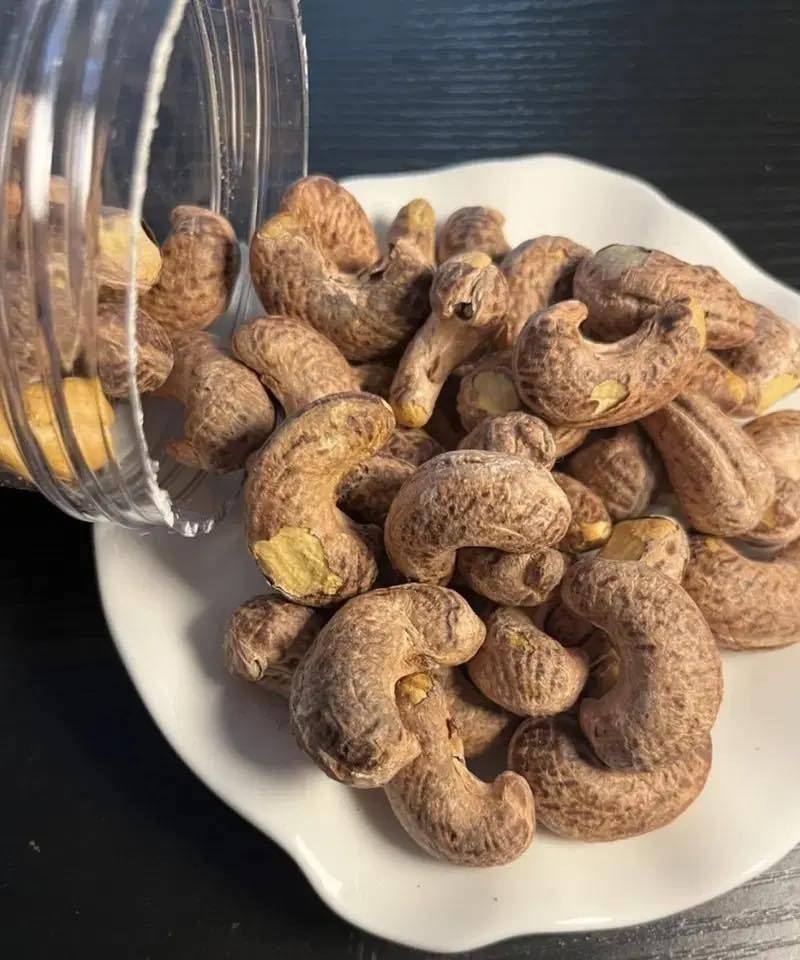
Doctors reveal that eating cashews causes

Cashews are one of the most popular nuts in the world. Creamy, slightly sweet, and satisfying, they are often enjoyed as a snack or added to dishes for extra flavor and texture. But beyond their delicious taste, doctors and nutrition experts reveal that eating cashews regularly can have significant effects on your body—both positive and, in some cases, cautionary.

Here’s what happens when you include cashews in your diet.

First, cashews can support heart health. They are rich in healthy monounsaturated and polyunsaturated fats, which are known to help reduce bad cholesterol (LDL) levels while maintaining or even increasing good cholesterol (HDL). Cardiologists often emphasize the importance of healthy fats in reducing the risk of heart disease. Cashews also contain magnesium and potassium, two minerals essential for maintaining normal blood pressure. Regular but moderate consumption may contribute to improved cardiovascular function.

Second, cashews can strengthen your bones. Many people don’t realize that cashews contain magnesium, phosphorus, and a small amount of calcium—all crucial for bone health. Magnesium plays a key role in helping your body absorb calcium properly. Doctors explain that long-term magnesium deficiency can weaken bones and increase the risk of fractures. Including magnesium-rich foods like cashews may help support bone density as you age.

Third, cashews can improve brain function. Cashews contain healthy fats and antioxidants that support cognitive health. Magnesium is also vital for nerve transmission and brain signaling. Some studies suggest that adequate magnesium intake may reduce the risk of mood disorders and help manage stress. In addition, cashews provide vitamin B6, which helps produce neurotransmitters like serotonin and dopamine—chemicals that influence mood and mental clarity.

Fourth, cashews may help regulate blood sugar levels. Although they are slightly higher in carbohydrates compared to some other nuts, cashews have a low glycemic index. They also contain fiber and healthy fats, which slow down sugar absorption into the bloodstream. Doctors note that replacing processed snacks with nuts like cashews can help stabilize blood sugar and reduce cravings. However, portion control is essential, especially for people with diabetes.

Fifth, cashews support immune function. They are an excellent source of zinc, a mineral that plays a critical role in immune health. Zinc helps the body fight infections, heal wounds, and maintain proper cell growth. A zinc deficiency can weaken immune defenses. Eating a moderate amount of cashews can help meet daily zinc requirements naturally.

Sixth, cashews can benefit skin and hair health. Cashews contain copper, which is important for the production of collagen and melanin. Collagen keeps skin firm and elastic, while melanin gives color to hair and skin. Adequate copper intake may help maintain healthy-looking skin and delay visible signs of aging. The antioxidants in cashews also help fight oxidative stress, which contributes to premature aging.

Seventh, cashews may assist with weight management—if eaten properly. Despite being calorie-dense, nuts like cashews can actually help control appetite. Their combination of protein, fiber, and healthy fats promotes satiety, helping you feel full longer. Doctors often recommend nuts as part of balanced diets because they can reduce the urge to snack on unhealthy foods. However, overeating cashews can lead to excess calorie intake, which may cause weight gain.

Eighth, cashews may improve muscle function. Magnesium and potassium in cashews help regulate muscle contractions and prevent cramps. Athletes and physically active individuals may benefit from these minerals to support recovery and reduce fatigue. Magnesium also plays a role in energy production within cells.

However, doctors also warn about moderation. Cashews are calorie-dense. A small handful (about 28 grams) contains roughly 150–170 calories. Eating large quantities daily can lead to unintended weight gain. Additionally, salted or flavored cashews may contain high levels of sodium, which can raise blood pressure and increase the risk of heart problems. Choosing unsalted, dry-roasted, or raw cashews is generally healthier.

Another important caution involves allergies. Tree nut allergies can be severe and even life-threatening for some individuals. Anyone who has experienced allergic reactions to nuts should avoid cashews entirely and consult a healthcare professional.

Some people also worry about kidney stones due to oxalates found in nuts. Cashews contain moderate levels of oxalates, so individuals prone to kidney stones may need to limit intake and seek medical advice.

In summary, doctors reveal that eating cashews regularly can have multiple health benefits, including improved heart health, stronger bones, better brain function, enhanced immunity, and support for healthy skin. However, these benefits depend on moderation and overall diet quality. Cashews are not a miracle food, but when enjoyed as part of a balanced diet, they can contribute positively to overall health.

As with most nutritious foods, the key is balance. A small handful a day can provide valuable nutrients without excess calories. If you have specific medical conditions, allergies, or dietary concerns, it’s always best to consult your doctor before making significant changes to your diet.

The Magical Herbal Drink for Diabetes, Blood Circulation, Fatty Liver, and Bone Pain

The Magical Herbal Drink for Diabetes, Blood Circulation, Fatty Liver, and Bone Pain

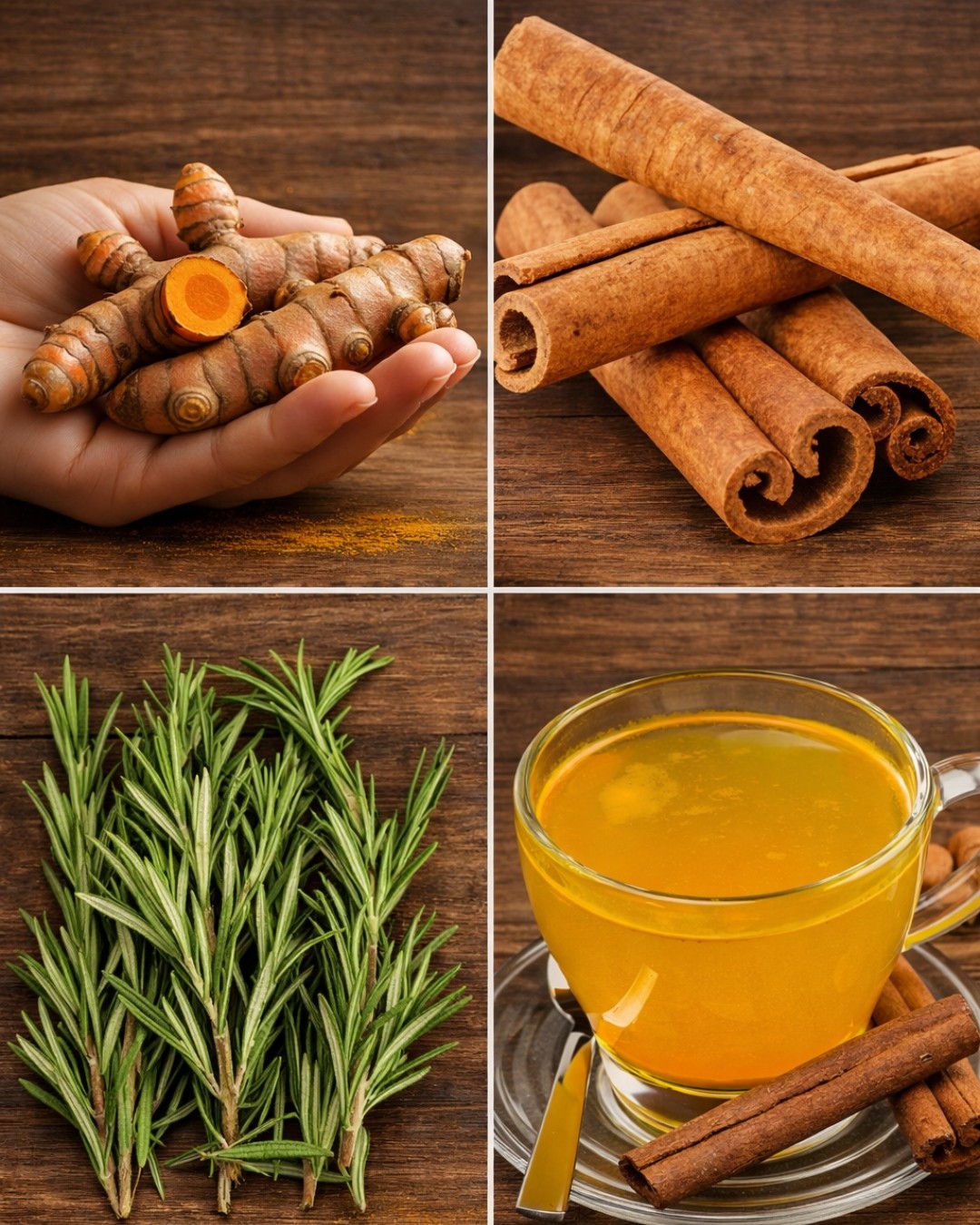
In recent years, more people have been turning back to nature to support their health. While there is no true “magic” cure for chronic conditions like diabetes or fatty liver disease, certain herbal drinks can gently support the body and improve overall wellness when combined with a healthy lifestyle. One powerful herbal combination that has gained attention includes ingredients like turmeric, cinnamon, ginger, fenugreek, and lemon. Together, these natural components create a nourishing drink that may help support blood sugar balance, improve circulation, protect the liver, and reduce inflammation that contributes to bone and joint pain.

Let’s explore how this herbal drink works and how you can prepare it at home.

Why This Herbal Drink Works

The strength of this drink lies in its ingredients. Each herb brings unique benefits, and together they create a powerful blend.

Turmeric contains curcumin, a natural compound known for its anti-inflammatory and antioxidant properties. Chronic inflammation plays a major role in diabetes complications, liver damage, and joint pain. Turmeric helps reduce inflammation and may improve insulin sensitivity, which is important for blood sugar control.

Cinnamon has been studied for its ability to help regulate blood sugar levels. It may improve how the body responds to insulin and can slow the breakdown of carbohydrates in the digestive tract, preventing sudden spikes in blood sugar.

Ginger is well known for improving blood circulation. It helps relax blood vessels, reduce clot formation, and support heart health. Better circulation means more oxygen and nutrients are delivered to tissues throughout the body.

Fenugreek seeds are rich in soluble fiber, which slows sugar absorption and improves blood glucose control. They are also traditionally used to support liver function and digestion.

Lemon juice provides vitamin C and antioxidants, which help detoxify the liver and boost the immune system. It also enhances the absorption of certain nutrients in the drink.

When combined, these ingredients create a drink that targets several systems in the body at once.


Support for Diabetes

Managing diabetes requires balanced nutrition, exercise, and sometimes medication. Herbal drinks like this one may offer supportive benefits by helping stabilize blood sugar levels.

Cinnamon and fenugreek are particularly helpful in slowing sugar absorption and improving insulin sensitivity. Turmeric may reduce inflammation associated with long-term diabetes complications. Drinking this herbal tea regularly—alongside a healthy diet low in refined sugars—can help maintain steadier energy levels and reduce cravings.

However, it is important to monitor blood sugar levels closely, especially if you are already taking medication. Natural remedies can enhance the effects of medication, which may lead to blood sugar dropping too low if not monitored properly.


Improved Blood Circulation

Poor circulation can cause cold hands and feet, numbness, fatigue, and even complications for people with diabetes. Ginger plays a major role in improving blood flow by relaxing blood vessels and reducing inflammation in the arteries.

Turmeric also supports cardiovascular health by reducing oxidative stress. Together, they help maintain flexible, healthy blood vessels and promote better oxygen delivery throughout the body.

Better circulation can also support faster healing and improved brain function.


Support for Fatty Liver

Fatty liver disease often develops due to poor diet, obesity, insulin resistance, and high sugar intake. The liver becomes overloaded with fat, which can lead to inflammation and damage over time.

Turmeric is one of the most researched herbs for liver health. It may help reduce fat accumulation in liver cells and lower inflammation. Lemon supports natural detoxification processes, while fenugreek may assist in improving cholesterol and triglyceride levels.

Of course, no drink can reverse fatty liver alone. Reducing processed foods, limiting sugar, staying physically active, and maintaining a healthy weight are essential steps. This herbal drink can serve as a supportive addition to these lifestyle changes.


Relief from Bone and Joint Pain

Bone and joint pain are often caused by inflammation. Turmeric and ginger are both powerful natural anti-inflammatory agents. Many people with arthritis or age-related joint pain report improvement when consuming these herbs regularly.

By reducing inflammation in the joints, this drink may help improve flexibility and reduce stiffness, especially in the morning. It may also support bone health by reducing oxidative stress that contributes to bone degeneration over time.


How to Prepare This Herbal Drink

Here is a simple recipe you can make at home:

Ingredients:

  • 1 cup warm water

  • ½ teaspoon turmeric powder (or freshly grated turmeric)

  • ½ teaspoon cinnamon powder

  • ½ teaspoon grated fresh ginger

  • 1 teaspoon soaked fenugreek seeds (optional)

  • Juice of half a lemon

  • A small pinch of black pepper (enhances turmeric absorption)

Instructions:

  1. Boil the water and let it cool slightly.

  2. Add turmeric, cinnamon, ginger, and fenugreek seeds.

  3. Stir well and let it steep for 5–10 minutes.

  4. Add lemon juice and black pepper.

  5. Strain if desired and drink warm.

For best results, drink this once daily in the morning on an empty stomach or in the evening before bed.


Important Precautions

Although natural, these ingredients are powerful. People who are pregnant, taking blood thinners, or managing chronic conditions should consult a healthcare professional before starting regular use. Turmeric and ginger may thin the blood, and cinnamon in large amounts can affect the liver if overused.

Moderation is key. One cup per day is generally sufficient.


Final Thoughts

There is no magical cure for diabetes, fatty liver, poor circulation, or bone pain. However, nature offers supportive tools that can help the body heal and function better. This herbal drink combines powerful anti-inflammatory and antioxidant ingredients that may improve blood sugar balance, enhance circulation, protect the liver, and reduce joint discomfort.

When paired with a balanced diet, regular exercise, adequate sleep, and medical guidance, this simple herbal drink can become a nourishing part of your daily routine. Sometimes, small consistent habits make the biggest difference in long-term health.

Moral 4 principles attributed to Confucius to build a fuller and more balanced old age

Aging is not simply a biological process; it is also a moral and spiritual journey. While modern society often focuses on youth, speed, and productivity, ancient wisdom reminds us that old age can be a time of depth, clarity, and fulfillment. The teachings attributed to Confucius continue to offer powerful guidance for living a balanced and meaningful life—especially in our later years.

Here are four moral principles rooted in Confucian thought that can help build a fuller and more balanced old age.

1. Cultivate Ren (Humaneness and Compassion)

At the heart of Confucian philosophy is Ren, often translated as humaneness, kindness, or benevolence. It reflects a deep sense of empathy and care for others. In old age, this principle becomes especially powerful.

As people grow older, they often reflect on relationships more than achievements. Compassion softens regrets, heals misunderstandings, and strengthens bonds with family, friends, and community. Rather than withdrawing from society, Confucius encouraged elders to remain morally engaged—offering wisdom, patience, and understanding.

Practicing Ren in later years might mean listening more than speaking, forgiving past grievances, mentoring younger generations, or participating in community service. Compassion not only benefits others; it also enriches the elder’s emotional well-being. Studies in modern psychology confirm what Confucius taught centuries ago: kindness enhances happiness and reduces loneliness.

Old age grounded in compassion becomes less about loss and more about contribution.

2. Embrace Li (Proper Conduct and Ritual)

Another central Confucian principle is Li, which refers to proper conduct, rituals, and respect for social harmony. While rituals may sound formal, they include everyday acts of courtesy, gratitude, and responsibility.

For older adults, maintaining structure and respectful behavior provides stability and dignity. Simple routines—morning prayers, family meals, greeting neighbors, celebrating traditions—create a sense of order and belonging. These rituals connect elders to their cultural roots and strengthen intergenerational ties.

Confucius believed that harmony in society begins with harmony in personal behavior. Even small acts—speaking gently, dressing neatly, expressing appreciation—affirm self-respect. In old age, when physical strength may decline, dignity through conduct becomes even more important.

Li also reminds elders that they still hold a valued role. In many Asian traditions influenced by Confucian thought, older people are respected as moral anchors of the family. By modeling integrity and courtesy, they preserve harmony and transmit values to children and grandchildren.

A balanced old age is not chaotic or isolated; it is structured, respectful, and connected.

3. Commit to Lifelong Learning

Confucius famously valued education and self-improvement throughout life. He is remembered for saying that learning should never stop, regardless of age. Intellectual growth keeps the mind alive and the spirit curious.

In later years, learning may not involve formal schooling, but it can take many forms: reading, studying scripture, exploring history, learning a language, mastering a craft, or even adapting to new technologies. Mental engagement protects against cognitive decline and strengthens self-confidence.

Beyond intellectual benefits, lifelong learning nurtures humility. Confucius taught that wisdom begins with recognizing how much we still have to understand. For elders, this mindset prevents rigidity and bitterness. Instead of saying, “I know everything already,” they remain open, adaptable, and interested in the world.

This principle also helps older adults bridge generational gaps. Learning about modern ideas, digital tools, or new cultural trends allows elders to connect meaningfully with younger family members. When curiosity replaces criticism, relationships flourish.

A full old age is not stagnant. It grows deeper, richer, and wiser through continued learning.

4. Practice Filial Reciprocity and Gratitude

Confucian ethics strongly emphasize Xiao, often translated as filial piety—respect and care for parents and elders. But this value is not one-sided. It also encourages elders to act in ways worthy of respect.

In old age, this principle evolves into reciprocal gratitude. Elders who once cared for children now accept care with humility rather than pride. At the same time, they offer emotional support, blessings, and guidance in return.

Gratitude transforms aging. Instead of focusing on what has been lost—health, career, independence—older adults can reflect on what has been gained: experience, family, memories, resilience. Expressing appreciation for small daily joys—sunlight, conversation, shared meals—cultivates peace.

Confucius believed that moral character is demonstrated in relationships. By maintaining gratitude and mutual respect within the family, elders strengthen unity. They avoid becoming isolated or resentful. Instead, they embody wisdom and calm.

Reciprocity also means accepting change with grace. As roles shift within the family, humility allows older adults to remain emotionally balanced. Gratitude reduces fear of dependency and fosters harmony.

Building a Balanced Old Age

The teachings attributed to Confucius are not abstract theories; they are practical moral tools. Compassion nurtures connection. Proper conduct sustains dignity. Lifelong learning keeps the mind vibrant. Gratitude preserves harmony within families.

In a fast-paced world that often sidelines the elderly, these principles remind us that old age can be a season of moral refinement. It is a time to harvest the lessons of a lifetime and share them generously.

A fuller and more balanced old age is not measured by wealth or status but by inner character. As Confucian wisdom suggests, the ultimate goal is not merely to live long, but to live rightly.

When elders embody compassion, dignity, curiosity, and gratitude, they become living examples of harmony. Their presence enriches families and communities. In this way, aging becomes not a decline, but a quiet ascent toward wisdom and peace.