If you drool while you sleep, it’s a sign that your brain

If you drool while you sleep, it’s easy to feel embarrassed or worried. Many people wake up to a damp pillow and immediately wonder if something is wrong with their health. The truth is, drooling during sleep is extremely common. In most cases, it is not a bad sign at all. In fact, it can actually tell you something interesting about how your brain and body are functioning at night.

First, it helps to understand what drooling really is. Drooling happens when saliva flows out of your mouth while you are asleep. During the day, your brain constantly signals you to swallow saliva without you even thinking about it. This automatic swallowing reflex keeps your mouth comfortable and prevents saliva from spilling out. At night, however, things change.

When you fall asleep, your brain shifts into different stages of sleep. These stages include light sleep, deep sleep, and REM (rapid eye movement) sleep. During deeper stages of sleep, your muscles become more relaxed. This includes the muscles around your mouth and jaw. If your mouth falls open while you are in a deep, relaxed state, saliva can escape more easily. So one simple explanation is that drooling can be a sign that your body is fully relaxed.

In fact, drooling often happens during deep sleep. Deep sleep is the stage when your brain and body do important repair work. Your tissues heal, your immune system strengthens, and your brain processes memories from the day. If you drool occasionally, it may simply mean that you are sleeping deeply and your body is fully at rest. In that sense, it can actually be a sign of healthy sleep.

Sleeping position also plays a big role. People who sleep on their side or stomach are more likely to drool. Gravity pulls saliva toward the pillow instead of down the throat. If you sleep on your back, saliva is more likely to stay inside your mouth because gravity pulls it toward your throat, where you swallow it unconsciously. So sometimes, drooling has less to do with your brain and more to do with how you position your body at night.

Another important factor is nasal congestion. If your nose is blocked due to allergies, a cold, or sinus issues, you may breathe through your mouth while sleeping. Mouth breathing increases the chance that your mouth stays open, which makes drooling more likely. In this case, drooling is not necessarily a brain issue but a sign that your airways may be partially blocked.

However, there are some situations where frequent or excessive drooling could signal something more serious. If drooling is accompanied by difficulty swallowing, speech problems, weakness on one side of the body, or sudden changes in coordination, it could be related to a neurological issue. Conditions that affect the brain’s control over muscles—such as certain nerve disorders or after a stroke—can interfere with normal swallowing reflexes.

That said, occasional nighttime drooling without other symptoms is almost always harmless. In children, drooling is very common because their swallowing muscles and nervous system are still developing. In adults, stress, fatigue, and even certain medications can temporarily increase saliva production or muscle relaxation.

Interestingly, saliva itself plays an important role in brain and body health. It helps protect your teeth, aids digestion, and keeps harmful bacteria under control. During sleep, saliva production usually decreases. But if your mouth stays open, even a small amount can escape. This is simply a physical effect of relaxation rather than a sign of brain damage or disease.

If drooling bothers you, there are simple steps you can take. Try adjusting your sleeping position by using a supportive pillow that encourages you to stay on your back. Treat nasal congestion if you have allergies or sinus problems. Practicing good sleep hygiene—such as keeping a consistent bedtime, limiting screen time before bed, and maintaining a comfortable sleep environment—can also improve overall sleep quality.

It’s also helpful to pay attention to patterns. Does drooling only happen when you are extremely tired? Does it occur during allergy season? Or does it happen every night with no clear cause? Tracking these details can help you understand whether it’s just normal relaxation or something that needs medical attention.

In summary, if you drool while you sleep, it usually means your body is relaxed and possibly in a deep stage of sleep. It is often a simple combination of muscle relaxation, sleeping position, and gravity. In most cases, it is not a sign that something is wrong with your brain. However, if drooling is severe, sudden, or accompanied by other unusual symptoms, it’s wise to consult a healthcare professional.

So instead of feeling embarrassed, you can think of occasional drooling as a small reminder that your body is switching into rest-and-repair mode. Sleep is one of the most powerful healing tools your brain has—and sometimes, a little drool is just part of the process.


Why I regret moving to a nursing home. 6 hard truths you need to know

Moving to a nursing home is one of the biggest life transitions a person can make. For some, it brings relief, safety, and proper medical care. But for others, it can come with unexpected emotional and psychological challenges. While every experience is different, here are six hard truths many people don’t talk about — and why some individuals regret moving to a nursing home.

1. The Loss of Independence Hits Harder Than Expected

One of the most painful realities is the sudden loss of independence. At home, even simple tasks like making tea, choosing when to sleep, or deciding what to eat feel empowering. In a nursing home, routines are often structured around staff schedules. Meals are served at fixed times. Medication rounds are planned. Lights may go out at certain hours.

Even if these systems are designed for safety, they can make residents feel like they’ve lost control over their own lives. For someone who spent decades making decisions for a family or running a household, this shift can be emotionally overwhelming.

2. Privacy Becomes Limited

Many nursing homes offer shared rooms. Even in private rooms, staff members enter frequently for care, cleaning, or check-ins. The constant presence of others can feel intrusive.

At home, you close your door and enjoy silence. In a facility, there’s noise in hallways, televisions playing, call bells ringing, and other residents talking. Over time, the lack of quiet personal space can increase stress and reduce the feeling of “home.”

3. Emotional Loneliness Doesn’t Disappear — It Sometimes Grows

Ironically, moving to a place filled with people does not guarantee companionship. Yes, there are group activities and social events, but meaningful connection is different.

Family visits may become less frequent over time. In the beginning, loved ones often come regularly. As weeks turn into months, life outside continues — jobs, school, responsibilities. Some residents quietly feel forgotten, even when their families care deeply.

Being surrounded by other elderly residents, many with serious illnesses or cognitive decline, can also serve as a constant reminder of aging and mortality, which can be emotionally heavy.

4. Quality of Care Can Vary

Not all nursing homes are the same. Some provide excellent, compassionate care. Others struggle with understaffing, burnout, or limited resources.

When staff members are overwhelmed, response times may slow. Personal requests may feel rushed. Residents can sometimes feel like tasks rather than individuals. Even when caregivers are kind, the system itself may not allow enough time for meaningful interaction.

This gap between expectation and reality can lead to disappointment and regret, especially if someone believed the move would guarantee a higher quality of daily life.

5. Health May Decline Faster Than Expected

While nursing homes are designed for medical support, some residents notice a decline in physical or mental health after moving in. Why?

At home, daily routines often involve small movements — cooking, tidying, gardening, walking to the mailbox. In a nursing home, meals are prepared, laundry is done, and mobility may be limited for safety reasons.

Less physical activity can lead to muscle weakness. Reduced mental stimulation may contribute to cognitive decline. Without a strong sense of purpose, motivation can decrease, which impacts overall health.

The environment meant to protect can unintentionally reduce engagement.

6. The Emotional Weight of “Giving Up”

Perhaps the hardest truth is the internal feeling that moving to a nursing home represents surrender. Even when the decision is practical or medically necessary, some residents feel they have “lost” the battle of aging.

This emotional narrative can deeply affect self-esteem. People who once led families, careers, and communities may struggle with identity. Who am I now? What is my purpose?

Without emotional support and encouragement, these thoughts can grow into regret.


But There Is Another Side

It’s important to acknowledge that not everyone regrets moving to a nursing home. For some, it provides safety, social opportunities, and relief from the burden of maintaining a home.

Regret often stems not from the facility itself, but from unmet expectations, lack of preparation, or insufficient emotional support during the transition.

What You Should Know Before Making the Move

If you or a loved one are considering a nursing home, here are some key steps:

  • Visit multiple facilities and ask detailed questions.

  • Talk to current residents and their families.

  • Understand the daily routine and level of independence allowed.

  • Discuss expectations openly with family members.

  • Plan ways to maintain hobbies, purpose, and regular visits.

Moving to a nursing home is not just a change of address — it is a life transformation. The emotional adjustment can be as significant as the physical one.

The six hard truths above are not meant to create fear, but awareness. When people understand the possible challenges, they can better prepare and advocate for a healthier, more fulfilling experience.

In the end, regret often comes from feeling unheard or unprepared. With honest conversations, thoughtful planning, and consistent emotional support, the transition can become less about loss — and more about finding a new way to live with dignity and care.

The riskiest time to bathe after age 70

Many people grow up believing that a morning shower is the best way to start the day. It feels refreshing, wakes you up, and helps you feel clean before heading out. However, more people are now discovering the benefits of showering at night. While both habits have their advantages, showering before bed may offer surprising benefits for your health, hygiene, and even sleep quality.

One of the biggest reasons to shower at night is cleanliness. Throughout the day, your body collects sweat, bacteria, dust, pollution, and allergens. Even if you work in a clean environment, your skin naturally produces oils and sweat that can trap dirt. When you go to bed without showering, all of that buildup transfers to your bedsheets and pillowcases. Over time, this can create an environment where bacteria and allergens multiply, which may lead to skin irritation or breakouts. Showering at night helps remove these unwanted particles, allowing you to sleep in a cleaner environment.

Another major advantage is better sleep quality. A warm shower at night helps relax your muscles and calm your nervous system. When you step out of a warm shower, your body temperature gradually drops. This drop in temperature signals your brain that it is time to sleep. Many sleep experts suggest that showering about one to two hours before bedtime can help you fall asleep faster and enjoy deeper sleep. Good sleep is essential for memory, immune health, and mood regulation.

Night showers can also be very beneficial for skin care. During sleep, your body enters repair mode. Skin cells regenerate, and your body heals daily damage caused by sun exposure and environmental stress. If your skin is clean before bed, skincare products such as moisturizers or treatments can absorb better. Dirt and oil buildup can block pores and reduce the effectiveness of nighttime skin products. A clean face and body before bed help support natural skin repair processes.

People who suffer from allergies may also benefit from nighttime showers. During the day, pollen, dust, and other allergens stick to your hair, skin, and clothes. If you go to bed without washing them off, these allergens transfer to your bedding and remain close to your face all night. This can trigger sneezing, itchy eyes, or breathing discomfort. Showering at night removes these allergens and can reduce nighttime allergy symptoms.

Another overlooked benefit is maintaining cleaner bedding. Bedsheets can quickly collect sweat, body oils, and dirt if you go to bed without showering. This means you may need to wash your sheets more frequently. Showering at night helps keep your bed fresher for longer. Cleaner bedding can reduce odors and improve overall sleep comfort.

Night showers may also help people with busy mornings. Many people rush through morning routines, skipping proper hygiene or feeling stressed about time. Showering at night frees up valuable time in the morning. This can allow for a calmer start to the day, more time for breakfast, or simply less stress overall.

For people with dry skin, night showers may be better than morning ones. After showering at night, you can apply moisturizer and allow it to work for several hours while you sleep. This helps lock in moisture more effectively. In the morning, you often rush out, and your skin may not have enough time to fully absorb moisturizing products.

Mental relaxation is another key benefit. Taking a shower at night can serve as a transition ritual between your busy day and restful night. The sound of running water and warm temperature can reduce stress and tension. Many people find that nighttime showers help them mentally “reset” and feel calmer before bed.

However, this does not mean morning showers are bad. Some people sweat heavily at night and may still prefer a quick rinse in the morning. Others need a morning shower to feel awake and energized. Personal preference, lifestyle, and climate can all influence what works best.

The best approach for many people is flexibility. If you exercise in the morning, you may still need a quick shower after workouts. If you work outdoors or in dusty environments, night showers are especially important. Some people even combine both habits by taking a full shower at night and a quick rinse in the morning.

In conclusion, showering at night offers many hidden benefits. It helps remove daily dirt and allergens, supports better sleep, improves skin health, keeps bedding cleaner, and promotes relaxation. While morning showers can feel refreshing, nighttime showers may provide deeper health and hygiene advantages. Choosing when to shower ultimately depends on your body, routine, and comfort, but switching to nighttime showers could be a simple change that improves your overall well-being.

When an elderly person is near dEath their body shows these 4 signs Be very careful

Death is a natural part of life, yet recognizing when a loved one may be nearing the end can be emotionally overwhelming. For elderly individuals, especially those living with chronic illness or frailty, the body often begins to show certain physical and behavioral changes in the final weeks, days, or hours of life. Understanding these signs can help families prepare emotionally, make informed care decisions, and ensure their loved one is as comfortable as possible.

Below are four common signs that may appear when an elderly person is approaching the end of life. While not everyone will experience all of them, they are widely recognized by healthcare providers and caregivers.


1. Extreme Fatigue and Increased Sleeping

One of the earliest and most noticeable signs is a significant increase in fatigue. The person may sleep for most of the day and show little interest in waking up, eating, or interacting. Even simple tasks like speaking or sitting up can feel exhausting.

As the body prepares for death, it naturally conserves energy. Organs begin to slow down, and circulation becomes less efficient. This results in lower energy levels and a strong need for rest. You may notice that the person responds less when spoken to, or they may drift in and out of consciousness.

What to be careful about:
Do not assume they cannot hear you. Hearing is believed to be one of the last senses to fade. Speak gently, offer reassurance, and maintain physical contact if it comforts them. Avoid forcing them to stay awake or engage in conversation if they are tired.


2. Loss of Appetite and Reduced Thirst

Another very common sign is a loss of desire to eat or drink. The digestive system slows down significantly near the end of life. Food may become difficult to swallow, and the body simply no longer requires the same level of nutrition.

Families often worry that their loved one is “starving,” but this is usually a natural process. Forcing food or fluids can sometimes cause discomfort, choking, or nausea.

What to be careful about:
Offer small sips of water, ice chips, or moist swabs for comfort instead of large meals. Lip balm and mouth moisturizers can prevent dryness. Always follow medical guidance regarding feeding, especially if swallowing becomes difficult.


3. Changes in Breathing Patterns

Breathing often changes noticeably near the end of life. It may become irregular, shallow, or include long pauses between breaths. Some people develop noisy breathing caused by fluid collecting in the throat, sometimes called the “death rattle.”

These changes occur because the brain is gradually losing control over breathing patterns, and muscles weaken.

You may notice:

  • Faster breathing followed by slow breathing

  • Periods where breathing stops briefly

  • Gurgling or rattling sounds

  • Open-mouth breathing

What to be careful about:
These sounds can be distressing for family members but are not always uncomfortable for the person experiencing them. Keeping the person slightly turned to one side can help fluid drain. Medications prescribed by healthcare providers may also reduce noise and discomfort.


4. Physical and Mental Withdrawal

As death approaches, many elderly individuals begin withdrawing from the outside world. They may stop talking, avoid eye contact, or appear confused about time, place, or people. Some may speak about seeing deceased relatives or preparing for a “journey.”

This withdrawal is believed to be part physical and part psychological. The brain is receiving less oxygen and blood flow, and the person may be transitioning mentally and emotionally.

What to be careful about:
Avoid correcting or arguing if they seem confused or talk about things you cannot see. Instead, offer comfort and reassurance. Creating a peaceful, quiet environment can help reduce anxiety and agitation.


Additional Signs That May Appear

Besides the four main signs above, you might also notice:

  • Cool hands and feet

  • Changes in skin color (pale, bluish, or mottled)

  • Reduced urine output

  • Swelling in legs or feet

  • Sudden bursts of energy before decline

These signs vary from person to person and may appear gradually or quickly.


How Families Can Provide Comfort

When someone is nearing death, comfort and dignity become the priority. Small acts can make a big difference:

  • Keep the room calm and softly lit

  • Play gentle music if they like it

  • Hold their hand or gently touch their shoulder

  • Speak reassuringly

  • Follow pain management plans from healthcare providers

Emotional presence is often more important than medical intervention during this time.


When to Seek Medical Guidance

If you notice sudden pain, extreme agitation, or breathing distress, contact a healthcare professional. Palliative care or hospice teams specialize in comfort care during end-of-life stages and can support both the patient and the family.

Many people grow the “money tree” at home. But here is what few people know about this plant.

The Hidden Truths About the “Money Tree” Plant

https://www.houseplant.co.uk/cdn/shop/files/Pachira_Aquatica_Money_Tree_Houseplant.jpg?v=1728645955&width=1200
https://www.almanac.com/sites/default/files/money-plant-shutterstock_2228605857.jpg
https://images.thdstatic.com/productImages/cc8a9639-0421-4134-a7e7-d175eaa43357/svn/costa-farms-house-plants-co-pch10-3-cyl-4f_600.jpg
4

The so-called “money tree” is one of the most popular houseplants in the world. Many people keep it in their homes believing it brings good luck, prosperity, and positive energy. While the symbolic meaning is widely known, there are many surprising facts about this plant that most people never hear about. From its real origins to its hidden care secrets and even air-quality benefits, the money tree is more fascinating than it first appears.

Let’s explore what makes this plant special beyond its reputation for attracting wealth.


1. The Money Tree Has a Real Tropical Origin

https://upload.wikimedia.org/wikipedia/commons/thumb/9/98/Pachira_aquatica_Tree.jpg/250px-Pachira_aquatica_Tree.jpg
https://www.cabidigitallibrary.org/cms/10.1079/cabicompendium.39234/asset/89a07635-54cb-474c-b005-24845c0c5716/assets/graphic/39234_02.jpg
https://planetdesert.com/cdn/shop/files/Pachira-Aquatica-_Money-Tree_-2-Gallon_3_1024x1024.jpg?v=1748840271
4

Many people assume the money tree is just a decorative indoor plant, but it actually comes from tropical regions of Central and South America. In nature, it can grow into a large tree reaching heights of up to 60 feet (about 18 meters).

In the wild, it grows in swamps and wetlands. That explains why it tolerates occasional overwatering better than many houseplants. However, indoors, it still needs balanced watering — too much can still cause root rot in pots.

Another little-known fact is that the plant produces large seed pods in nature. Inside those pods are edible seeds that taste similar to chestnuts when roasted.


2. The Braided Trunk Is Man-Made

https://reviews-media.services.klaviyo.com/abc/width%3A260/height%3A260/resizing_type%3Afill/plain/https%3A//klaviyo.s3.amazonaws.com/reviews/images/WEBSxv/9f2269ee-2171-4875-8b05-d17cb3d09a55.jpeg?updated_at=202411202320235539270000
https://images.utopia.org/vo7qjrFq2aMlFz7wjyg2JAhSATYio1UhU6ecp0BKw-8/rt%3Afill/w%3A960/h%3A960/g%3Ace/plain/2022/09/money-tree-propagation-us-scott-webb-pb-cool2compute-210906-1280x720-1.jpg
https://m.media-amazon.com/images/I/710JDwYlZxL.jpg
4

One of the most recognizable features of the money tree is its braided trunk. Many people think the plant grows like that naturally — but it doesn’t.

Growers braid several young stems together while they are still soft and flexible. As the plant grows, the stems harden and keep the braided shape permanently.

This braiding is linked to feng shui symbolism. The woven trunk is believed to “lock in” fortune and positive energy. Whether or not you believe in the symbolism, the braided trunk definitely adds unique visual appeal.


3. It May Help Improve Indoor Air Quality

https://cdn.shopify.com/s/files/1/0043/3628/7813/files/3_1a13b84b-767a-4bd2-967b-617eb78bfb5d_480x480.jpg?v=1760515243
https://www.plantvine.com/plants/Money-Tree-Braided-1gal-Main-819x1024.jpg

While it’s not a miracle air purifier, the money tree can contribute to a healthier indoor environment. Like most green plants, it absorbs carbon dioxide and releases oxygen.

It can also help slightly reduce indoor pollutants and increase humidity levels. This is especially helpful in homes with dry air or heavy use of air conditioning.

Beyond physical air quality, many people find that simply having greenery indoors reduces stress and improves mood.


4. The Number of Leaves Has Symbolic Meaning

https://growcycle.com/images/blog/124/1434.webp
https://media.greg.app/Y2FyZS1wbGFudC1wcm9maWxlL3VzZXJzLzE4MjYzNy9wbGFudC1waG90b3MvTm9uZS8xNjQ5MDA4MTkyMjMxLTIwMjItMDQtMDMtMTMtNDYtNDctODg5LmpwZw%3D%3D?auto=webp&fit=crop&format=pjpeg&height=1080&optimize=medium&precrop=1080%3A1080%2Csmart&width=1080
https://hips.hearstapps.com/hmg-prod/images/close-up-of-female-hand-holding-a-green-leaf-of-a-royalty-free-image-1757612910.pjpeg?crop=0.88889xw%3A1xh%3Bcenter%2Ctop&resize=1200%3A%2A
4

A fascinating detail many people don’t notice is the leaf pattern. Most money tree stems grow with five leaves per cluster. In feng shui, five leaves represent balance — linked to the five natural elements.

Occasionally, you may find stems with six or seven leaves. Some believe this is extra lucky and represents unexpected wealth or opportunities.

While this is cultural symbolism rather than science, it adds to the plant’s charm and popularity.


5. The Money Tree Is Surprisingly Easy to Care For

https://www.bhg.com/thmb/VGda7_mkcujemDmBsBBhfy2LtRQ%3D/4000x0/filters%3Ano_upscale%28%29%3Astrip_icc%28%29/bhg-watering-money-trees-84315716a0144ffc9f18ac638eafe3d7.jpg
https://cdn.shopify.com/s/files/1/0068/4215/5090/files/How_to_Repot_a_Money_Tree_Step-by-Step_2ab4e74e-aec4-4645-b12d-c6584b74b944_480x480.jpg?v=1703244640
https://soltech.com/cdn/shop/articles/Screenshot-2021-12-14-152426_2000x.jpg?v=1652284489
4

One reason the money tree is so common is that it’s beginner-friendly. It tolerates missed watering better than many tropical plants and adapts well to indoor lighting.

Basic care tips include:

• Bright, indirect light is best
• Water when the top soil feels dry
• Avoid standing water in the pot
• Rotate the plant occasionally for even growth

With proper care, a money tree can live for many years indoors.


6. It’s More About Mindset Than Magic

Perhaps the biggest hidden truth is psychological. Plants like the money tree can influence how people feel about their space. A healthy, growing plant can create a sense of progress, calmness, and care.

For some people, the plant becomes a daily reminder to stay hopeful, work hard, and stay positive about finances and life goals. In that sense, the “luck” might come from the mindset it encourages.


Final Thoughts

The money tree is more than just a decorative plant or good-luck symbol. It has real botanical history, interesting cultural meaning, and practical indoor benefits. From its tropical origins to its braided trunk craftsmanship and stress-reducing presence, it’s a plant with both beauty and story.

Whether you keep one for tradition, decoration, or simple love of plants, the money tree remains one of the most meaningful houseplants you can grow at home.

Signs of vitamin B12 deficiency are ignorer

Vitamin B12 is one of the most important nutrients your body needs to function properly, yet many people are deficient without realizing it. Because the symptoms can develop slowly and mimic other health issues, they are often overlooked or misinterpreted. Ignoring these early warning signs can lead to serious health complications over time, including nerve damage and cognitive decline. Understanding the subtle and obvious symptoms can help you take action early and protect your long-term health.

Vitamin B12 plays a key role in producing red blood cells, maintaining nerve function, and supporting DNA production. It is mostly found in animal-based foods like meat, fish, eggs, and dairy. People who follow vegetarian or vegan diets, older adults, and individuals with digestive disorders are at higher risk of deficiency.

Below are some of the most commonly ignored signs of vitamin B12 deficiency.


1. Constant Fatigue and Weakness

One of the earliest and most common symptoms is persistent tiredness. When your body lacks B12, it cannot produce enough healthy red blood cells. This reduces oxygen delivery throughout your body, making you feel weak and exhausted even after rest.

Many people blame fatigue on stress, lack of sleep, or aging, which is why this symptom is often ignored. If you feel tired despite sleeping well and eating normally, B12 deficiency could be a hidden cause.


2. Tingling or Numbness in Hands and Feet

Vitamin B12 is essential for maintaining the protective coating around nerves. When levels drop, nerve signals can become disrupted, leading to pins-and-needles sensations, numbness, or burning feelings in the hands, legs, or feet.

Because these sensations can come and go, many people ignore them or assume poor circulation is to blame.


3. Pale or Slightly Yellow Skin

Low B12 levels can reduce red blood cell production and cause cells to break down faster than normal. This can result in pale skin or a slight yellow tint, similar to mild jaundice.

Since skin tone can vary naturally, this symptom is frequently missed unless it becomes severe.


4. Shortness of Breath and Dizziness

When red blood cell levels are low, oxygen transport decreases. This can make you feel breathless during normal activities like climbing stairs or walking short distances. You might also experience dizziness or lightheadedness.

Many people mistake this for poor fitness or dehydration.


5. Memory Problems and Difficulty Concentrating

Vitamin B12 supports brain function and nerve communication. Deficiency can lead to brain fog, confusion, forgetfulness, or trouble focusing.

These symptoms are often ignored or mistaken for stress, aging, or lack of sleep. In severe cases, prolonged deficiency can contribute to long-term neurological damage.


6. Mood Changes and Depression

Low B12 levels can affect neurotransmitters that regulate mood. Some people experience irritability, anxiety, or depression.

Since mental health symptoms have many causes, B12 deficiency is rarely considered first.


7. Mouth Ulcers and Tongue Changes

A swollen, red, or smooth tongue can be a surprising sign of B12 deficiency. Some people also develop mouth ulcers or burning sensations.

These symptoms are often blamed on spicy foods, dental issues, or minor infections.


8. Vision Problems

Untreated B12 deficiency can damage the optic nerve, leading to blurred or disturbed vision. This is less common but can occur if deficiency continues for a long time.


9. Heart Palpitations

Because your body is working harder to deliver oxygen, you may notice rapid or irregular heartbeats. Many people assume this is caused by anxiety or caffeine.


Who Is Most at Risk?

Certain groups are more likely to develop vitamin B12 deficiency:

  • Adults over age 50

  • Vegetarians and vegans

  • People with stomach or intestinal disorders

  • Individuals taking acid-reducing medications

  • People who have had weight-loss surgery

Why Early Detection Matters

Ignoring B12 deficiency can lead to serious complications, including:

  • Permanent nerve damage

  • Balance and walking problems

  • Severe anemia

  • Cognitive decline

The good news is that B12 deficiency is usually easy to treat once diagnosed. Treatment may include dietary changes, oral supplements, or injections depending on severity.

When to See a Doctor

If you experience multiple symptoms—especially fatigue, numbness, memory problems, or dizziness—it is wise to request a blood test. Early treatment can reverse most symptoms and prevent permanent damage.

Final Thoughts

Vitamin B12 deficiency is more common than many people think, and its symptoms are easy to ignore. Because the signs often develop slowly and resemble other health conditions, people may go years without realizing they have a problem.

Listening to your body is essential. Persistent fatigue, nerve sensations, mood changes, or cognitive issues should never be dismissed as “normal.” With proper testing and treatment, vitamin B12 deficiency is manageable and often reversible.

Taking care of your nutritional health today can protect your brain, nerves, and energy levels for years to come.

What You Should Know Before Buying Meat at the Supermarket

When buying meat, your eyes are your first quality test. Fresh meat should look vibrant and moist, not dull or dried out. For example, beef should be bright red or purplish-red, chicken should be pink (not gray), and pork should have a pale pink tone. If meat looks brown, gray, or has greenish spots, it may already be spoiling.

Also check the fat. Good meat usually has white or creamy fat. Yellow fat can mean the meat is older or from lower-quality sources. For beef, look for marbling — thin streaks of fat inside the muscle — because this usually means better flavor and tenderness.

Avoid packages with excess liquid. A little moisture is normal, but pools of liquid can mean the meat has been sitting too long.


2. Always Check the Smell (If Possible)

If the packaging allows, smell the meat. Fresh meat should have little to no odor. A strong, sour, or rotten smell is a clear warning sign.

Sometimes you can’t smell meat until you open it at home. If you notice a bad smell after opening, do not cook or taste it — throw it away immediately.


3. Understand Expiration and Packaging Dates

https://townsquare.media/site/705/files/2021/08/attachment-Meat.jpg?q=75&w=630
https://yaffa-cdn.s3.amazonaws.com/yaffadsp/images/dmImage/SourceImage/packaged-meat-labels.png
https://www.usatoday.com/gcdn/presto/2020/05/07/PPOH/fafa454e-74cb-4ab9-9e7d-2bdab9a250ef-20200507_coronavirus_meat_packing_0001.jpg?auto=webp&crop=2749%2C1547%2Cx0%2Cy139&format=pjpg&height=800&width=1600
4

Supermarket meat usually has several dates printed on it:

  • Sell-by date: Store should sell before this date

  • Use-by date: Last day you should cook or freeze the meat

  • Pack date: When the meat was packaged

The closer you are to the pack date, the fresher the meat usually is. If you plan to freeze meat, buying close to the sell-by date is usually fine.

Never buy meat past its use-by date, even if it looks okay.


4. Know the Difference Between Meat Grades

In many countries, meat is graded based on quality, tenderness, and fat content. Higher-grade meat usually costs more but tastes better and cooks more easily.

Lower grades are still safe to eat but may require slow cooking methods to become tender.

If you are making stew, soup, or curry, lower-grade cuts can work perfectly. For grilling or frying, higher-grade meat is usually better.


5. Check the Packaging Carefully

Packaging protects meat from bacteria and contamination. Before buying, check:

  • No holes or tears

  • No loose or broken seals

  • No excessive air inside vacuum packs

Damaged packaging can allow bacteria to enter and spoil the meat faster.


6. Watch Out for Added Solutions

Some meats, especially chicken and turkey, may be injected with saltwater or flavor solutions. This isn’t always bad, but it means you are paying for added water weight.

Look for labels like:

  • “Enhanced with solution”

  • “Contains broth”

  • “Water added”

If you want pure meat, choose products without these additions.


7. Choose the Right Cut for Your Cooking Method

https://cdn.apartmenttherapy.info/image/upload/f_auto%2Cq_auto%3Aeco%2Cc_fill%2Cg_center%2Cw_730%2Ch_913/k%2FDesign%2F2023-09%2Ftype-of-beef-cuts%2FTypes-Of-Beef-Cuts_Lead-2
https://www.seriouseats.com/thmb/qcS0UYH-Ikbk0O9Q7vVf63KkWjo%3D/1500x0/filters%3Ano_upscale%28%29%3Amax_bytes%28150000%29%3Astrip_icc%28%29/__opt__aboutcom__coeus__resources__content_migration__serious_eats__seriouseats.com__2019__01__20181109-breakdown-chicken-vicky-wasik-8-piece-1500x1125-29fcd6894803429391c4736b9e13ed88.jpg
https://cdn.apartmenttherapy.info/image/upload/v1717433115/k/Design/2024/05-2024/types-of-pork-cuts/k-types-of-pork-lead-update_instagram.png
4

Not all meat cuts cook the same way. Choosing the right cut saves money and improves results.

Tender cuts (fast cooking):

  • Ribeye

  • Tenderloin

  • Chicken breast

Tougher cuts (slow cooking):

  • Chuck

  • Brisket

  • Shank

  • Shoulder

If you cook a tough cut quickly, it may turn chewy. Slow cooking breaks down tough fibers and makes meat tender.


8. Consider Storage and Transport Time

If you live far from the supermarket, bring an insulated bag, especially in warm weather. Meat should stay cold to prevent bacteria growth.

At home:

  • Refrigerate immediately if using within 1–2 days

  • Freeze if storing longer

Never leave raw meat at room temperature for more than 2 hours (or 1 hour in very hot weather).


9. Don’t Be Afraid to Ask the Butcher

If your supermarket has a butcher counter, ask questions. Butchers can tell you:

  • Which cut is freshest

  • What cut works best for your recipe

  • How long meat has been displayed

This can help you get better value and quality.


10. Price Isn’t Always Equal to Quality

Expensive meat is not always better. Sometimes you are paying for branding, packaging, or convenience cuts. Learning how to cook cheaper cuts well can save a lot of money.


Final Thoughts

Buying meat safely and smartly is about observation, knowledge, and planning. Look carefully at color, packaging, and dates. Choose the right cut for your cooking method, and store it properly once you get home.

When you become more confident in selecting meat, you’ll not only improve your meals but also protect your health and reduce food waste.

That detail isn’t innocent and few people know

If your cat wants to sleep in your bed, the reason might surprise you. While many people assume it’s simply about comfort, there is actually a fascinating mix of instinct, biology, and emotional bonding behind this behavior. Cats are independent creatures, but when they choose to curl up beside you at night, it says more about your relationship than you might think.

First and foremost, cats are driven by instinct. In the wild, felines sleep in places where they feel safe and protected. Sleep is when animals are most vulnerable, so choosing a secure location is crucial for survival. When your cat sleeps in your bed, it may see you as a source of protection. Even though your home is safe, your cat’s instincts remain strong. By sleeping near you, it feels shielded from potential threats. In your cat’s mind, you are part of its trusted circle.

Warmth is another major reason. Cats naturally seek out warm spots because their body temperature runs slightly higher than that of humans. Your bed, especially after you’ve been lying in it, provides the perfect cozy environment. Your body heat makes the blankets and mattress especially inviting. This is also why cats love sunny windowsills, laptop keyboards, and freshly dried laundry. Sleeping beside you simply offers a steady, comforting source of warmth throughout the night.

But the emotional connection may be the most surprising reason of all. Cats form strong bonds with their humans, even if they don’t always show it in obvious ways. When a cat chooses to sleep next to you, it is demonstrating trust and affection. Cats communicate love differently from dogs, but sleeping in close proximity is one of their clearest signs of attachment. Your scent is comforting to them. It reassures them that they are in familiar territory.

Interestingly, scent plays a powerful role in a cat’s world. Cats rely heavily on smell to understand their environment. Your bed smells strongly like you, which creates a sense of security. When your cat curls up on your pillow or near your chest, it is surrounding itself with your scent. This can reduce stress and anxiety, especially if your cat is naturally cautious or easily startled.

Another possible reason is social bonding behavior rooted in kittenhood. Kittens sleep in piles with their littermates and mother to stay warm and protected. This habit can continue into adulthood. When your cat sleeps against you, it may be recreating that early-life sense of safety and comfort. You become a substitute for that early family group. In a way, your bed becomes a shared nest.

Some experts also suggest that cats are attuned to human routines. They observe your daily patterns closely. If you go to bed at a consistent time, your cat learns that nighttime means rest. Joining you may simply be part of its routine. Cats feel calmer when life is predictable. Sleeping with you may be part of their nightly ritual.

There’s also a subtle emotional exchange happening. Studies suggest that pets can sense changes in human mood and stress levels. If you’ve had a long or difficult day, your cat might be drawn to you even more. The quiet nighttime environment gives them uninterrupted time close to you. The steady rhythm of your breathing and heartbeat can be soothing for them.

However, not all cats enjoy sleeping in beds, and that’s perfectly normal too. Personality plays a big role. Some cats prefer solitude and will choose a quiet corner instead. Others are naturally more affectionate and will seek as much physical closeness as possible. Age can also influence behavior. Older cats may prefer softer surfaces for comfort, while younger cats might be more restless at night.

If you enjoy your cat sleeping with you, there is generally no harm in allowing it, provided you maintain good hygiene. Regular grooming, flea prevention, and clean bedding help ensure a healthy environment. However, if you prefer not to share your bed, you can gently train your cat to sleep elsewhere by providing an equally cozy alternative nearby. A soft cat bed placed in your bedroom can help ease the transition.

Ultimately, when your cat chooses your bed, it’s not random. It’s a blend of instinct, warmth, scent, routine, and emotional attachment. While the image of a glowing brain might suggest something mysterious, the real explanation is both simpler and more meaningful. Your cat feels safe, warm, and connected to you.

In a world where cats are often labeled as distant or aloof, this small nightly act tells a different story. Sleeping beside you is one of the highest compliments a cat can give. It means you are trusted. And in the quiet darkness of night, that trust becomes beautifully clear

When a family member passes away, DO NOT KEEP these 4 items

When a loved one passes away, grief can make it incredibly hard to let go of anything that belonged to them. Every object feels sacred. Every small belonging seems filled with memory. But while it’s natural to want to hold on, some items can actually prolong emotional pain, create family tension, or even pose practical risks.

Letting go doesn’t mean forgetting. It means choosing what truly honors their memory and releasing what may quietly harm your healing.

Here are four things you should seriously consider not keeping after a family member passes away.

Medical equipment often carries heavy emotional weight. Hospital beds, oxygen tanks, walkers, wheelchairs, or even large supplies of medication can serve as constant reminders of suffering, illness, and the final difficult days.

Why you may not want to keep them:

  • They can trigger painful memories rather than comforting ones.

  • Medications can be dangerous if stored improperly.

  • Equipment takes up space and may prevent emotional closure.

Instead of keeping these items, consider donating usable equipment to medical charities, clinics, or community organizations. Many families find peace in knowing that something tied to hardship can now help someone else in need.

After a death, paperwork can pile up quickly — credit card bills, loan documents, tax records, and contracts. Holding onto everything indefinitely can create stress and confusion.

Important note: Some documents must be kept temporarily for legal purposes, especially for estate settlement or tax filings. However, once everything is resolved, there is no need to preserve piles of unpaid bills or debt notices.

Why letting go matters:

  • Constant reminders of financial stress can prolong anxiety.

  • Old documents increase the risk of identity theft.

  • Clutter can delay emotional healing.

Keep what’s legally necessary (death certificate copies, will, property deeds), and securely shred what’s no longer required. Organization helps bring clarity during an already overwhelming time.

Sadly, inheritance disputes are common. A piece of jewelry, a watch, artwork, or even furniture can become a source of tension between siblings or relatives.

If an item repeatedly causes arguments, resentment, or division, consider whether keeping it is worth the emotional cost.

Ask yourself:

  • Is this object strengthening family bonds?

  • Or is it creating distance and bitterness?

Sometimes selling the item and dividing the proceeds equally brings more peace than assigning ownership to one person. Other times, donating it removes the source of conflict entirely.

A loved one would likely prefer unity over objects.

Clothing is especially hard to part with because it feels personal. You can still smell their perfume. You remember how they looked wearing a favorite sweater.

But keeping an entire wardrobe untouched for years can freeze your grief in place.

What often happens:

  • Closets remain exactly as they were.

  • Rooms become memorial spaces rather than living spaces.

  • Moving forward feels impossible.

It’s okay to keep a few meaningful items — perhaps a favorite jacket, scarf, or accessory. Some families turn clothing into memory quilts or keepsake pillows. But holding onto everything can delay healing.

Donating clothes to those in need can transform grief into generosity. Each item then carries love outward instead of anchoring you in sorrow.

The Emotional Truth About Letting Go

Grief convinces us that objects are equal to memory. But memories live in stories, photographs, shared laughter, and the values our loved ones passed down.

Letting go of certain items doesn’t erase them from your life. It simply creates space for healthier remembrance.

In fact, decluttering after loss can:

  • Reduce anxiety and overwhelm.

  • Provide a sense of control.

  • Help mark a transition from acute grief to gradual acceptance.

There’s no timeline. Some people sort belongings quickly; others need months or even years. The key is intentional choice, not impulsive clearing — but also not indefinite holding.

What You Should Keep Instead

While this article focuses on what not to keep, it’s equally important to preserve what truly matters:

  • Photographs and videos

  • Handwritten letters

  • Small sentimental keepsakes

  • Items that reflect shared memories rather than suffering

Choose objects that remind you of who they were — not just how they passed.

Final Thoughts

Loss changes us. It reshapes our homes, routines, and hearts. The instinct to keep everything is deeply human. But sometimes, the bravest and most loving act is deciding what serves your healing — and what doesn’t.

Release medical reminders of suffering.
Resolve and discard financial clutter.
Avoid objects that divide family.
Let go of excess clothing you’ll never use.

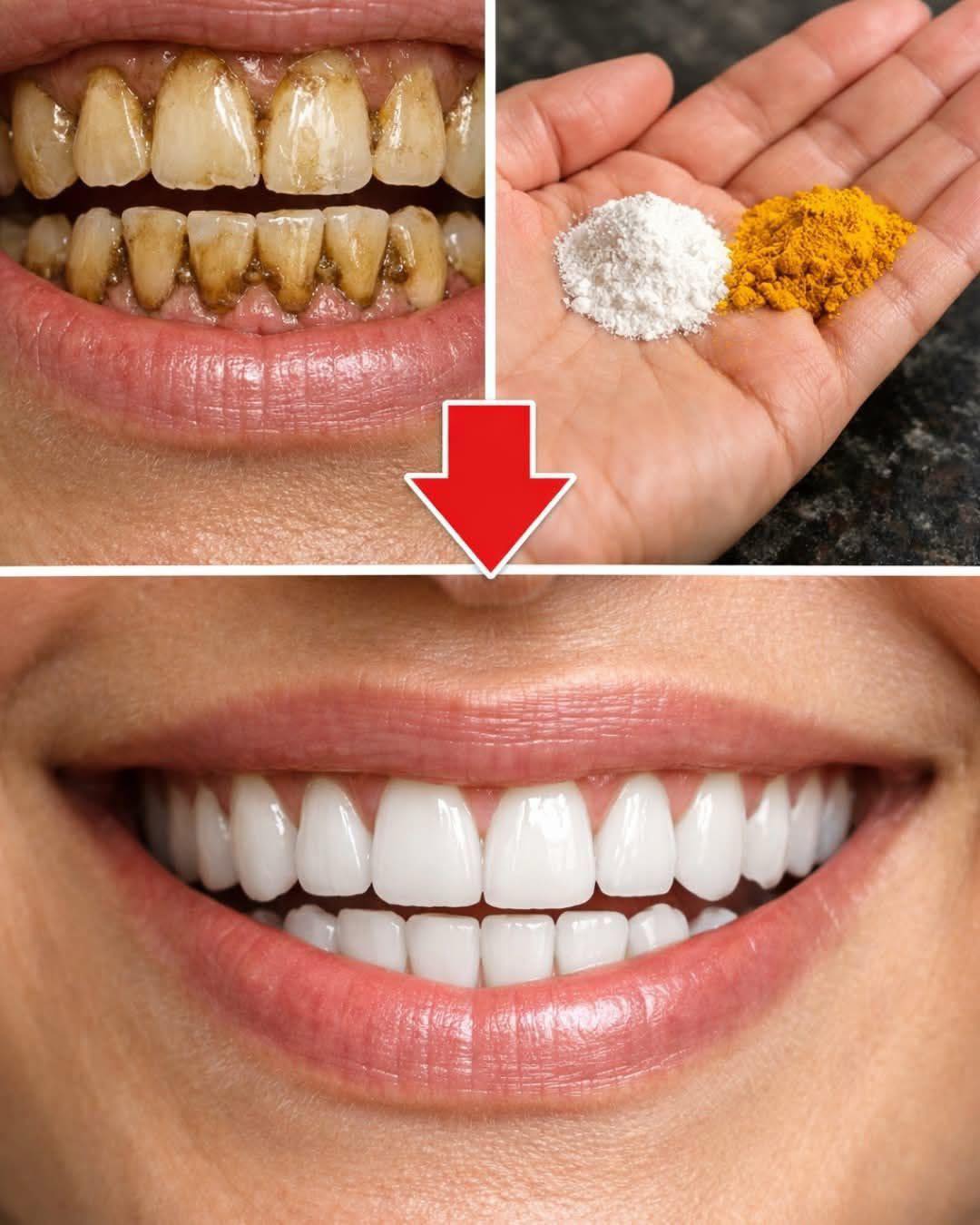
Dentists don’t want you to know: Whiten your teeth in just 2 minutes