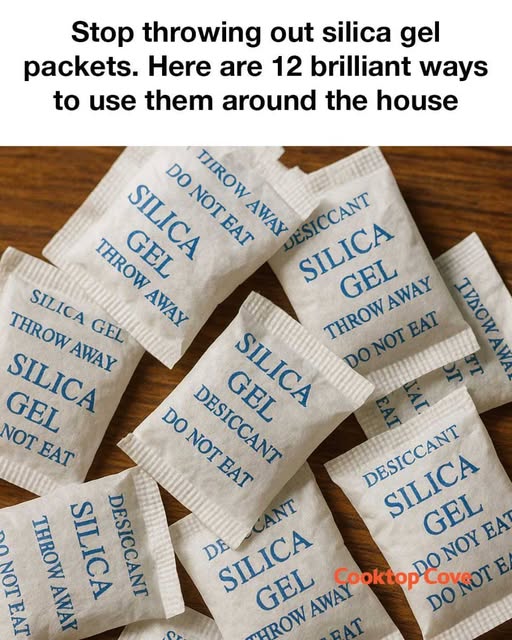
Stop throwing out silica gel packets. Here are 12 brilliant ways to use them around the house

Stop Throwing Out Silica Gel Packets: 12 Brilliant Ways to Use Them Around the House

Most of us have done it without a second thought—open a new pair of shoes, a bag, or an electronics box, spot those tiny packets labeled “Do Not Eat,” and toss them straight into the trash. Those little packets are silica gel, and while they may look useless, they are surprisingly powerful. Silica gel is designed to absorb moisture, and that simple ability makes it incredibly useful in everyday life.

Instead of throwing them away, you can reuse silica gel packets in smart, practical, and even money-saving ways. Here are 12 brilliant ways to put silica gel packets to work around your home.


1. Protect Important Documents

Moisture can ruin important papers like passports, birth certificates, contracts, and old photographs. Place a few silica gel packets inside folders, document boxes, or safes. They help absorb excess humidity and prevent yellowing, mold, and warping over time.


2. Keep Your Shoes Fresh and Odor-Free

Shoes are a breeding ground for moisture and bacteria, especially after a long day. Drop a silica gel packet into each shoe overnight. It will absorb moisture, reduce odor, and help your shoes last longer—especially leather or sports shoes.


3. Save Your Phone (or Other Electronics) from Moisture

If your phone or earbuds get exposed to moisture or light water splashes, silica gel can help. Place the device (powered off) in an airtight container with several silica gel packets. While it’s not a miracle fix for water damage, it can help draw out residual moisture more effectively than air drying.


4. Prevent Rust on Tools

Tools stored in garages, basements, or sheds are prone to rust due to humidity. Toss a few silica gel packets into your toolbox or drawer. They absorb moisture in the air and help protect metal tools from corrosion.


5. Extend the Life of Razor Blades

Razor blades rust quickly when exposed to bathroom humidity. Store your razor in a small airtight container or zip-lock bag with a silica gel packet. This simple trick can keep blades sharper for longer and reduce how often you need replacements.


6. Keep Makeup and Skincare Products Dry

Makeup bags often trap moisture, which can cause powders to clump and creams to spoil faster. Slip a silica gel packet into your makeup pouch to keep everything dry, fresh, and hygienic—especially useful when traveling.


7. Preserve Old Photos and Memories

Photo albums and memory boxes are easily damaged by humidity. Place silica gel packets between album covers or inside storage boxes. This helps protect irreplaceable memories from moisture-related damage like sticking, fading, or mold.


8. Remove Fog from Car Windows

Excess moisture inside cars can cause windows to fog up frequently. Place several silica gel packets in a small breathable pouch and keep it on the dashboard or under a seat. They absorb moisture from the air and help reduce fogging, especially in humid or rainy seasons.


9. Keep Jewelry from Tarnishing

Silver and other metals tarnish faster when exposed to moisture. Store silica gel packets in jewelry boxes or drawers. This helps keep necklaces, rings, and earrings shiny and reduces the need for frequent cleaning.


10. Protect Stored Clothing

Clothes stored in closets, suitcases, or seasonal storage boxes can develop a musty smell or even mildew. Add silica gel packets to storage containers to absorb moisture and keep fabrics smelling fresh.


11. Dry Out Gym Bags and Lunch Bags

Gym bags and lunch bags often trap moisture from sweaty clothes or food containers. Keep a few silica gel packets inside to help absorb dampness and prevent unpleasant odors from building up.


12. Safeguard Seeds and Dry Food Items

If you store seeds, spices, or dry foods in containers, moisture can cause spoilage or mold. Placing a silica gel packet outside the food packaging but inside the container helps keep the environment dry and extends shelf life. Just make sure the packets never come into direct contact with food.


A Few Safety Tips

  • Never open silica gel packets or ingest the contents.
  • Keep them away from children and pets.
  • If packets become saturated, you can often reuse them by drying them in a warm (not hot) oven for a short time—always follow safety guidelines.

Final Thoughts

Silica gel packets may be small, but their usefulness is huge. By reusing them, you reduce waste, save money, and protect your belongings from moisture damage. The next time you open a box and see one of those little packets, don’t throw it away—put it to work instead.


A Simple Trick to Clean Your Oven Door Glass

If you’ve ever tried to clean your oven door glass, you know the struggle. What starts as a clear window into your cooking quickly turns into a cloudy, grease-stained mess that seems impossible to fix. No matter how much you scrub, those baked-on stains refuse to budge. Many people assume the only solution is strong chemical cleaners or hours of exhausting scrubbing—but there’s a much simpler trick that actually works.

This easy, affordable method uses items you likely already have at home. Best of all, it’s gentle on the glass, safe to use, and incredibly effective at cutting through stubborn grease and burnt-on food residue.

Why Oven Door Glass Gets So Dirty

Oven door glass is constantly exposed to high heat, splattered oils, sauces, and food particles. Over time, these spills bake onto the surface, forming a stubborn, brownish film. Each cooking session adds another layer, making the glass darker and harder to clean.

Traditional cleaners often struggle because the grime isn’t just surface-level dirt—it’s carbonized grease fused to the glass by heat. That’s why simple wiping rarely works.

The Simple Trick That Makes All the Difference

The secret lies in using baking soda and water to create a gentle but powerful cleaning paste. Baking soda is mildly abrasive, which means it can scrub away grime without scratching the glass. When combined with water, it breaks down grease and loosens hardened stains effortlessly.

This method is widely used by professional cleaners and is especially popular because it avoids toxic fumes and expensive products.

What You’ll Need

You only need a few basic items:

  • Baking soda
  • Water
  • A small bowl
  • A soft cloth or sponge
  • A plastic scraper or old credit card
  • Vinegar (optional, for finishing shine)

That’s it—no gloves, no masks, no chemical sprays.

Step-by-Step: How to Clean Oven Door Glass Easily

1. Make the Cleaning Paste
In a bowl, mix baking soda with a small amount of water until you get a thick, spreadable paste. It should be similar to toothpaste—not too runny.

2. Apply Generously
Spread the paste over the oven door glass, focusing especially on greasy or stained areas. Don’t be shy—this is where the magic happens.

3. Let It Sit
Allow the paste to sit for 15–30 minutes. For heavily stained glass, you can leave it on for up to an hour. This gives the baking soda time to break down hardened grease.

4. Gently Scrape
Using a plastic scraper or old credit card, gently scrape away the loosened grime. You’ll be surprised at how easily the dirt lifts off. Avoid metal tools, as they can scratch the glass.

5. Wipe Clean
Use a damp cloth or sponge to wipe away the paste and residue. Rinse the cloth and repeat until all baking soda is removed.

6. Optional Shine Boost
For a streak-free finish, lightly spray vinegar on the glass and wipe with a clean cloth. This removes any remaining residue and leaves the glass sparkling.

Why This Trick Works So Well

Baking soda’s natural alkalinity helps dissolve grease and oil, while its fine texture provides just enough abrasion to remove grime without damage. Unlike harsh oven cleaners, it doesn’t rely on corrosive chemicals, making it safer for your home and lungs.

Letting the paste sit is the key step many people skip. Time allows the baking soda to soften baked-on messes so you don’t need to scrub aggressively.

Extra Tips for Best Results

  • Clean when the oven is cool: Never apply this method to a hot oven door.
  • Do it regularly: Cleaning once a month prevents buildup and makes the job even easier.
  • Target the inside glass: Many ovens allow you to remove the door or inner glass panel for deep cleaning—check your manual if stains are trapped between panes.
  • Avoid paper towels: They can leave fibers behind. Microfiber cloths work best.

Common Mistakes to Avoid

  • Using steel wool or razor blades, which can permanently scratch the glass
  • Spraying chemical cleaners directly on hot glass
  • Scrubbing too hard instead of letting the paste do the work

The Result: A Like-New Oven Door

After using this simple trick, your oven door glass will look clear, bright, and almost brand new. You’ll be able to see your food while it cooks—and your kitchen will instantly feel cleaner.

The best part? This method costs almost nothing, takes less than 30 minutes, and avoids harsh chemicals entirely. Once you try it, you’ll never go back to store-bought oven cleaners again.

Here’s how often should you wash your hair, according to a dermatologist

If you’ve ever wondered whether you’re washing your hair too much—or not enough—you’re not alone. Hair-washing habits are one of the most debated topics in personal care. Some people swear by daily shampooing, while others proudly stretch washes to once a week or longer. According to dermatologists, there’s no single rule that fits everyone. The ideal hair-washing frequency depends on your scalp, hair type, lifestyle, and even the climate you live in.

Let’s break down what dermatologists actually recommend—and how to figure out what’s right for you.

Why Hair Washing Matters More Than You Think

Your scalp is skin, just like your face. It produces oil (sebum), sheds dead skin cells, and can collect sweat, dirt, pollution, and product buildup. Washing your hair isn’t really about the strands themselves—it’s about keeping the scalp healthy.

When the scalp is clean and balanced, hair tends to grow better, look shinier, and feel stronger. When it’s neglected or overwashed, problems like dryness, itchiness, dandruff, excess oil, or breakage can appear.

What Dermatologists Say: There’s No Universal Schedule

Dermatologists agree on one key point: how often you wash your hair should be based on your scalp’s needs, not trends or social media rules.

Some people genuinely need to wash daily, while others do better washing only once or twice a week. Both can be perfectly healthy.

If You Have an Oily Scalp

If your hair looks greasy within 24 hours, your scalp likely produces more sebum. Dermatologists often recommend washing every day or every other day in this case.

Skipping washes won’t “train” your scalp to produce less oil—a common myth. In fact, letting oil build up can clog hair follicles and worsen scalp conditions.

Best tips for oily scalps:

  • Use a gentle, sulfate-free shampoo
  • Focus shampoo on the scalp, not the ends
  • Avoid heavy conditioners near the roots
  • Rinse thoroughly to prevent residue

If You Have a Dry or Sensitive Scalp

Dry scalps produce less oil and are more prone to itching, flaking, and tightness. Washing too often can strip away the little oil your scalp makes.

Dermatologists usually suggest washing 1–2 times per week for dry or sensitive scalps.

Helpful advice:

  • Choose moisturizing or “hydrating” shampoos
  • Avoid hot water, which worsens dryness
  • Massage gently—don’t scratch
  • Condition regularly, especially the ends

If You Have Normal Hair and Scalp

If your scalp doesn’t get overly oily or dry, you’re in the “normal” category. Dermatologists often recommend washing every 2–3 days.

This schedule helps maintain a healthy oil balance while keeping hair fresh and manageable.

How Hair Type Changes Everything

Your hair texture also plays a major role in how often you should wash:

Straight hair
Oil travels down straight hair easily, making it look greasy faster. People with straight hair often need to wash more frequently—sometimes every day or every other day.

Wavy hair
Wavy hair tends to be balanced. Washing every 2–3 days usually works well.

Curly or coily hair
Curly and coily hair is naturally drier because oil doesn’t travel down the strands easily. Dermatologists often recommend washing once a week or even every 7–10 days, paired with regular conditioning or co-washing.

Lifestyle Factors Dermatologists Consider

Your daily routine matters just as much as your hair type.

  • Exercise: If you sweat heavily, more frequent washing may be necessary to prevent scalp irritation.
  • Climate: Hot, humid weather increases sweat and oil production.
  • Product use: Styling gels, sprays, and oils cause buildup that requires more frequent cleansing.
  • Headwear: Hats and helmets trap sweat and oil against the scalp.

What Happens If You Wash Too Often?

Overwashing can:

  • Strip natural oils
  • Cause dryness and frizz
  • Irritate the scalp
  • Trigger increased oil production as compensation

Dermatologists often see patients who wash daily with harsh shampoos and end up with flaky, itchy scalps—even though they think they’re being “extra clean.”

What Happens If You Don’t Wash Enough?

Underwashing can lead to:

  • Greasy buildup
  • Dandruff and itching
  • Clogged hair follicles
  • Weakened hair growth

A dirty scalp is not a healthier scalp—balance is key.

Signs You’re Washing Your Hair at the Right Frequency

Dermatologists say you’re on the right track if:

  • Your scalp feels comfortable, not tight or itchy
  • Hair doesn’t look greasy too quickly
  • No excessive flakes or redness
  • Hair feels soft, not brittle

The Bottom Line

According to dermatologists, the best hair-washing schedule is the one that keeps your scalp healthy and your hair manageable. Forget rigid rules like “never wash daily” or “washing once a week is best.” Your scalp tells the truth.

Pay attention to how your hair feels, looks, and responds. Adjust as needed—and remember, what works for someone else may not work for you. Healthy hair always starts with a healthy scalp.

Doctors reveal that eating cucumber in salads causes

Doctors Reveal That Eating Cucumber in Salads Causes Surprising Effects on Your Body

Cucumbers are often seen as one of the healthiest salad ingredients. Crisp, refreshing, low in calories, and packed with water, they seem like the perfect addition to any meal. From weight-loss diets to detox plans, cucumbers are widely praised as a “safe” vegetable. However, doctors and nutrition experts are now revealing that eating cucumber in salads can cause several effects in the body—some beneficial, and others that many people don’t expect.

This doesn’t mean cucumbers are dangerous or should be avoided altogether. But understanding how they affect digestion, hydration, and overall health can help you eat them more wisely.

1. Cucumbers Can Trigger Digestive Discomfort

One of the most common issues doctors point out is digestive discomfort. Cucumbers contain compounds called cucurbitacins, which are responsible for their slightly bitter taste. In sensitive individuals, these compounds can cause gas, bloating, and stomach cramps—especially when cucumbers are eaten raw in large amounts.

Many people notice burping or a heavy feeling in the stomach after eating cucumber salad. This happens because cucumbers are difficult for some digestive systems to break down, particularly when combined with other raw vegetables.

2. They May Cause Bloating When Eaten with Certain Foods

Doctors explain that cucumber is about 95% water, which sounds beneficial, but when eaten alongside foods that digest slowly—such as beans, dairy, or fatty dressings—it can lead to bloating. The high water content can dilute digestive juices, slowing digestion and causing fermentation in the gut.

This is why some people feel uncomfortable after eating cucumber salads topped with creamy sauces or cheese.

3. Cucumbers Can Affect Blood Sugar Levels (Mildly)

Although cucumbers are low in carbohydrates, doctors note that eating them in large quantities—especially with sweet dressings—can influence blood sugar balance in people with diabetes or insulin sensitivity. On their own, cucumbers are safe, but when combined with sugary salad sauces, the overall meal may cause unexpected blood sugar spikes.

Nutritionists recommend pairing cucumbers with protein or healthy fats to reduce this effect.

4. Pesticide Exposure Is a Real Concern

One important warning from doctors involves pesticide residues. Cucumbers often rank high on lists of vegetables that may contain pesticide traces if not washed properly. Eating cucumber salad without thoroughly washing or peeling the skin can expose the body to harmful chemicals over time.

Long-term pesticide exposure has been linked to hormonal disruption, digestive irritation, and weakened immunity. Doctors strongly advise washing cucumbers thoroughly with water and, when possible, choosing organic varieties.

5. Excessive Consumption Can Affect Kidneys

Cucumbers contain potassium, which is generally good for heart and muscle function. However, doctors warn that people with kidney problems should be cautious. Eating large amounts of cucumber salad daily may contribute to potassium buildup, which the kidneys may struggle to filter efficiently.

For healthy individuals, this is rarely an issue—but moderation is key.

6. They Can Cool the Body Too Much

In traditional medicine systems, cucumbers are considered a cooling food. Doctors acknowledge that eating cucumber frequently—especially in colder weather or at night—may lower body temperature and weaken digestion in some people.

This can lead to symptoms such as fatigue, loose stools, or abdominal discomfort, particularly in individuals with slow metabolism or sensitive digestion.

7. Cucumbers May Interfere with Nutrient Absorption

Surprisingly, cucumbers contain enzymes that can interfere with the absorption of certain nutrients, such as vitamin C, when eaten in excess. While this effect is mild, doctors say relying too heavily on cucumber-based salads could slightly reduce the nutritional value of your meals over time.

Balancing cucumbers with other vegetables ensures better nutrient intake.

8. They Still Offer Powerful Health Benefits

Despite these warnings, doctors emphasize that cucumbers are not harmful when eaten correctly. In fact, they offer several benefits:

  • Help with hydration
  • Support weight management
  • Aid in reducing inflammation
  • Promote healthy skin
  • Support heart health

The problems usually arise from overconsumption, poor food combinations, or inadequate washing.

How Doctors Recommend Eating Cucumbers Safely

To enjoy cucumber salads without negative effects, doctors suggest the following tips:

  • Eat cucumbers in moderate portions
  • Wash them thoroughly or peel the skin
  • Avoid heavy, sugary dressings
  • Combine with protein like eggs, chicken, or lentils
  • Avoid eating them late at night if you have digestion issues

Final Thoughts

Doctors reveal that eating cucumber in salads causes a range of effects—from improved hydration to unexpected digestive discomfort. While cucumbers are generally healthy, they are not suitable for everyone in large amounts. Paying attention to how your body reacts, choosing fresh and clean cucumbers, and eating them in balanced meals can help you enjoy their benefits without unwanted side effects.

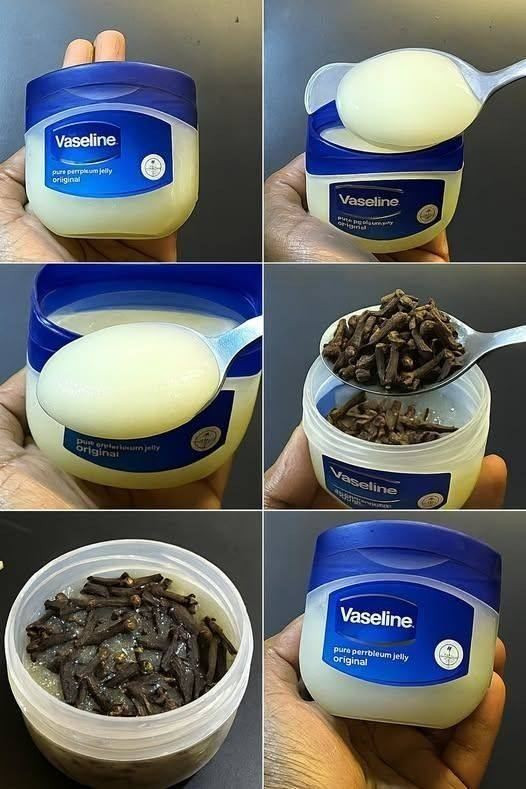
Mix cloves with petroleum jelly a secret no one will ever tell you Thank me later

Mix Cloves With Petroleum Jelly: A Secret No One Will Ever Tell You. Thank Me Later.
For generations, simple household ingredients have been quietly used for beauty, comfort, and everyday problem-solving, long before expensive products filled store shelves. One such overlooked combination is cloves mixed with petroleum jelly. At first glance, it may sound ordinary, even boring. But when you understand what each ingredient brings to the table and how they work together, you’ll realize why this humble blend has been passed around quietly and rarely talked about openly. Cloves are rich in powerful natural compounds, especially eugenol, known for its warming, soothing, and protective properties, while petroleum jelly is a master at sealing in moisture and protecting the skin barrier. When combined, they create a multipurpose remedy that many people swear by for personal care and daily comfort.

Why Cloves Are So Powerful Cloves are dried flower buds packed with antioxidants and natural oils. Traditionally, they’ve been used for their comforting scent, warming sensation, and ability to calm irritated areas. Eugenol, the main active compound in cloves, gives them their distinctive aroma and is widely known for its soothing effect on skin and joints. In many cultures, cloves have been used in home remedies for generations, but their potential is often forgotten in modern routines

. The Role of Petroleum Jelly Petroleum jelly doesn’t treat or heal on its own, but it excels at one crucial job: locking things in. It forms a protective barrier on the skin, preventing moisture loss and shielding sensitive areas from environmental irritation. When infused with cloves, petroleum jelly becomes a carrier that allows clove compounds to stay in contact with the skin longer, enhancing their practical benefits.

How to Prepare the Mixture Making this blend is surprisingly simple. Lightly crush a teaspoon of whole cloves or use clove powder. Gently warm two tablespoons of petroleum jelly until soft, then mix in the cloves. Let the mixture sit for several hours or overnight so the clove essence infuses into the jelly. Strain if you prefer a smoother texture, or leave it as is for a stronger effect. Store it in a small, clean container with a lid. Skin Softening and Protection One of the most common uses of this mixture is for extremely dry or cracked skin. Applied to heels, elbows, knees, or hands before bedtime, it helps soften rough areas while protecting the skin overnight. The cloves add a gentle warming sensation that many find comforting, especially in colder weather.

Lip Care With a Twist Dry, cracked lips can be stubborn. A tiny amount of clove-infused petroleum jelly applied to the lips can help seal in moisture and leave a subtle plumping warmth. Use sparingly, as cloves are potent, and always test first to ensure your skin tolerates it well.

Nail and Cuticle Support Brittle nails and dry cuticles often need more than regular lotion. Massaging a small amount of this mixture into nails and cuticles can help keep them flexible and protected. The petroleum jelly locks in hydration, while cloves contribute a refreshing, stimulating feel that many users enjoy. Comfort for Tired Feet After a long day, feet take the most abuse. Rubbing this mixture into tired feet before bed and covering with cotton socks can leave them feeling softer and more comfortable by morning. The warming nature of cloves makes this especially popular during winter months

. A Natural Fragrance Booster Cloves have a warm, spicy aroma that can subtly scent petroleum jelly. Some people use this mixture as a light, natural fragrance on pulse points, appreciating its understated, comforting smell compared to synthetic perfumes

. Things to Keep in Mind Cloves are strong, and not everyone’s skin reacts the same way. Always perform a patch test before wider use. Avoid broken skin, eyes, and sensitive areas. Use small amounts and discontinue if irritation occurs. This blend is for external use only.

Why No One Talks About It Simple remedies don’t generate profit, so they’re rarely promoted. Yet many people quietly rely on them because they work, cost very little, and use ingredients already found at home. Once you try this combination, you may understand why it’s been kept as a “quiet secret” for so long. Sometimes, the most effective solutions are the simplest ones, passed along by word of mouth rather than advertisements.

ChatGPT can make mistakes. Check important info.

9 Warning Signs Your Kidneys Are Failing Tests to Avoid Dialysis

9 Warning Signs Your Kidneys Are Failing | Tests to Avoid Dialysis

Your kidneys are small, bean-shaped organs, but they play a massive role in keeping you alive. They filter waste from the blood, regulate fluids, balance minerals, and help control blood pressure. The frightening part? Kidney disease often develops silently. Many people don’t realize their kidneys are failing until the damage is severe—and dialysis becomes the only option.

Recognizing early warning signs and getting the right tests in time can help slow or even stop progression. Here are nine warning signs your kidneys may be failing, followed by essential tests that can help prevent dialysis.

1. Persistent Fatigue and Weakness

Failing kidneys cannot remove toxins effectively, allowing waste to build up in the blood. This leads to constant tiredness, weakness, and lack of energy. Many people mistake this for stress or aging, but unexplained fatigue may signal declining kidney function.

2. Changes in Urination

Your urine tells a powerful story about kidney health. Warning signs include:

  • Urinating more often at night
  • Foamy or bubbly urine (a sign of protein leakage)
  • Dark, cloudy, or bloody urine
  • Producing very little urine

Any persistent change should never be ignored.

3. Swelling in Feet, Ankles, Hands, or Face

When kidneys fail to remove excess sodium and fluids, swelling—also called edema—occurs. Puffy eyes in the morning or tight shoes by evening are common early clues.

4. Shortness of Breath

Fluid buildup can reach the lungs when kidney function declines, making breathing difficult. Additionally, kidney-related anemia reduces oxygen in the blood, worsening breathlessness.

5. Itchy, Dry Skin

Healthy kidneys balance minerals and nutrients. When they fail, imbalances can cause intense itching, dry skin, and irritation—often a sign of advanced kidney disease.

6. Loss of Appetite and Nausea

Waste accumulation in the bloodstream affects digestion. Symptoms may include nausea, vomiting, metallic taste in the mouth, and loss of appetite. Many people experience unexplained weight loss as well.

7. Muscle Cramps

Electrolyte imbalances—especially low calcium or high phosphorus—can cause frequent muscle cramps, especially at night. This often occurs when kidney disease is progressing.

8. Difficulty Concentrating or Dizziness

Toxin buildup and anemia reduce oxygen flow to the brain, leading to poor concentration, memory issues, and dizziness. These symptoms are frequently overlooked but can be kidney-related.

9. High Blood Pressure That’s Hard to Control

Kidneys help regulate blood pressure. When they are damaged, blood pressure rises—and high blood pressure further damages kidneys, creating a dangerous cycle. Resistant hypertension is a major red flag.

Tests That Can Help Prevent Dialysis

Early detection is the key to avoiding dialysis. These tests help identify kidney problems before irreversible damage occurs:

1. Blood Creatinine Test

Creatinine is a waste product filtered by the kidneys. Elevated levels indicate reduced kidney function.

2. Estimated Glomerular Filtration Rate (eGFR)

This is one of the most important tests. It estimates how well your kidneys are filtering blood. An eGFR below 60 for three months or more signals chronic kidney disease.

3. Urine Albumin-to-Creatinine Ratio (UACR)

This test detects protein leakage in urine—often the earliest sign of kidney damage, especially in diabetics and people with high blood pressure.

4. Urinalysis

A simple urine test can reveal blood, protein, or infection, providing early warning of kidney issues.

5. Blood Pressure Monitoring

Consistently high readings damage kidneys over time. Keeping blood pressure under control is essential for prevention.

6. Blood Sugar Testing

Diabetes is the leading cause of kidney failure worldwide. Regular glucose and HbA1c testing helps protect kidney health.

7. Kidney Ultrasound

Imaging tests show kidney size, structure, cysts, or blockages, helping doctors identify chronic damage or obstruction

How to Protect Your Kidneys Naturally

  • Stay well hydrated
  • Limit salt and processed foods
  • Control blood sugar and blood pressure
  • Avoid overuse of painkillers
  • Maintain a healthy weight
  • Get regular kidney function tests if you’re high-risk

Final Thoughts

Kidney failure doesn’t happen overnight. Your body sends warning signals long before dialysis becomes necessary—but only if you listen. Early testing, lifestyle changes, and medical care can slow or stop kidney disease progression.

If you notice even one of these symptoms, don’t ignore it. Protecting your kidneys today could save you from dialysis tomorrow.

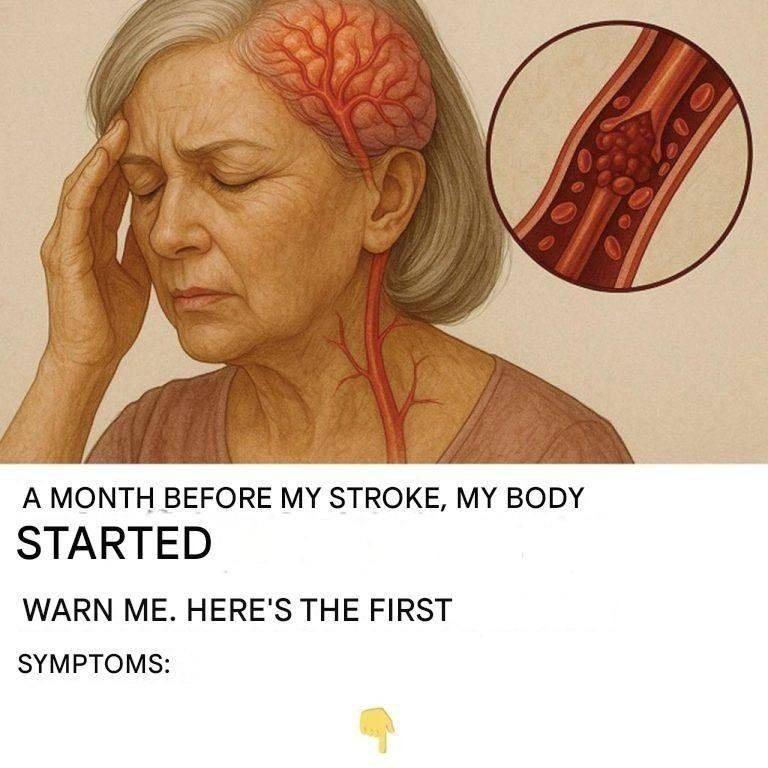
A month before my stroke, my body began to warn me. These were the first symptoms.

A Month Before My Stroke, My Body Began to Warn Me. These Were the First Symptoms

A stroke never feels like something that will happen to you—until it does. Looking back, what haunts me most is not the day of the stroke itself, but the quiet, subtle warnings my body gave me in the weeks before. They were easy to dismiss, easy to explain away as stress, fatigue, or age. A month before my stroke, my body began to whisper that something was wrong. I didn’t listen. I wish I had.

This is not a story meant to scare you, but to inform you. Stroke often doesn’t arrive without notice. Many people experience early warning signs days or even weeks beforehand. Here are the first symptoms I felt—and what they may mean for others.

1. Unusual, Persistent Fatigue

I had never felt tired like that before. This wasn’t the normal end-of-day exhaustion. It was a deep, heavy fatigue that sleep didn’t fix. I would wake up already drained, as if my body had run a marathon overnight. Simple tasks felt overwhelming.

At the time, I blamed stress and poor sleep. But doctors later explained that reduced blood flow to the brain can cause unexplained fatigue weeks before a stroke. When your brain isn’t getting enough oxygen, your entire body suffers.

2. Sudden Dizziness and Loss of Balance

About three weeks before my stroke, I started feeling dizzy for no clear reason. Sometimes the room would spin slightly. Other times, I felt unsteady on my feet, as if the ground wasn’t quite solid beneath me.

I didn’t faint, so I ignored it. But balance problems and unexplained dizziness are classic early neurological warning signs. The brain regions responsible for coordination are especially sensitive to blood flow changes.

3. Brief Vision Problems

One morning, my vision blurred in one eye for a few minutes. Another day, I noticed flashes of light and difficulty focusing. These episodes were short-lived and painless, so I didn’t think much of them.

This symptom is known as amaurosis fugax, a temporary loss of vision caused by reduced blood supply to the eye or brain. It is one of the strongest warning signs of an impending stroke—and one of the most commonly ignored.

4. Headaches That Felt “Different”

I’ve had headaches before, but these were unusual. They came on suddenly and felt sharp, intense, and unfamiliar. Pain relievers barely helped. There was no clear trigger, no dehydration, no long screen time.

Not all strokes cause headaches, but a sudden change in headache pattern—especially in people with risk factors like high blood pressure—can be a red flag that blood vessels are under strain.

5. Trouble Finding Words

This symptom frightened me, but not enough to act. I knew what I wanted to say, but the words wouldn’t come out right. I stumbled over simple sentences or used the wrong words without realizing it at first.

Speech difficulties, even mild or temporary ones, suggest that the brain’s language centers may not be functioning properly. In many cases, this can signal a transient ischemic attack (TIA)—often called a “mini-stroke”—which is a major warning that a full stroke may follow.

6. Numbness and Tingling on One Side

A few weeks before the stroke, I noticed tingling in my hand and slight numbness on one side of my face. It would come and go, lasting only minutes.

Because it disappeared, I assumed it was nerve-related or circulation from sleeping awkwardly. In reality, one-sided numbness is one of the most telling early stroke symptoms, even when it’s temporary.

7. Sudden Mood and Personality Changes

This was the most subtle symptom of all. I became unusually anxious and irritable. Small problems felt overwhelming. I didn’t feel like myself, but I couldn’t explain why.

Changes in mood, judgment, or behavior can occur when parts of the brain responsible for emotional regulation are affected. These signs are often overlooked because they don’t seem “medical.”

The Day Everything Changed

When the stroke finally happened, it was fast and unmistakable—slurred speech, weakness on one side, and confusion. Only then did all the earlier symptoms make sense. I realized my body had been warning me all along.

A Message That Could Save a Life

If you experience sudden fatigue, dizziness, vision changes, speech difficulty, numbness, or unusual headaches, don’t wait. Even if symptoms come and go, seek medical help immediately. A TIA is a medical emergency and a chance to prevent a devastating stroke.

One Vitamin That Opens Blood Vessels and Improves Circulation

Vitamin B3 (Niacin): The Circulation-Boosting Vitamin

Good circulation is essential for overall cardiovascular health. Efficient blood flow delivers oxygen and nutrients to tissues, supports energy levels, helps regulate body temperature, and protects against heart disease. Among nutrients that support healthy circulation, Vitamin B3 (niacin) stands out as one of the most potent vasodilators — meaning it helps widen blood vessels, improving blood flow throughout the body.


What Is Vitamin B3?

Vitamin B3, also called niacin, is one of the B-complex vitamins. It exists in two major forms:

  • Niacin (nicotinic acid)
  • Niacinamide (nicotinamide)

Both forms are involved in energy production and metabolism, but when it comes to improving circulation and dilating blood vessels, nicotinic acid is the more potent form. That’s because it triggers a specific response in blood vessel walls that causes them to widen.


How Niacin Opens Blood Vessels (Mechanism)

Niacin’s ability to improve blood vessel function comes from several biological processes:

1. Direct Vasodilation

When nicotinic acid enters the bloodstream, it interacts with receptors on the smooth muscle cells of blood vessel walls. This triggers a signaling cascade that results in relaxation of the muscle fibers.

Relaxed muscles mean blood vessels expand — a process called vasodilation — which lowers resistance to blood flow and enables circulation to improve.

2. Improved Endothelial Function

The endothelial cells lining blood vessels play a key role in regulating circulation. Healthy endothelial function ensures:

  • Balanced dilation and constriction
  • Reduced inflammation
  • Better responsiveness to stress

Niacin supports endothelial cell health and increases production of nitric oxide, a molecule that further signals vessels to widen.

3. Reducing Inflammatory Stress

Chronic inflammation stiffens arteries and impairs circulation. Niacin has mild anti-inflammatory properties, helping vessels remain more pliable and responsive.

4. Supporting Lipid (Fat) Metabolism

Niacin helps favorably modify blood lipids by:

  • Increasing HDL (“good”) cholesterol
  • Lowering LDL (“bad”) cholesterol and triglycerides

Fewer lipid deposits on vessel walls leads to less narrowing (atherosclerosis) and smoother blood flow.

Overall, these mechanisms improve both macro-circulation (major vessels) and micro-circulation (tiny capillaries) — essential for delivering nutrients deep into tissues.


Circulatory Benefits of Vitamin B3

Here’s an overview of niacin’s benefits linked to blood vessel dilation and circulation:

1. Increased Blood Flow

By relaxing smooth muscle and improving vessel flexibility, niacin increases blood flow to muscles, organs, and extremities.

2. Reduced Vascular Resistance

Lower resistance in vessels means the heart doesn’t have to pump as forcefully, which can reduce strain on the cardiovascular system.

3. Better Oxygen and Nutrient Delivery

Improved circulation enhances oxygen and nutrient delivery to tissues — especially helpful during exercise, recovery, and wound healing.

4. Enhanced Peripheral Circulation

People with cold hands and feet or mild peripheral artery disease may notice improved warmth and sensation as circulation improves.

5. Cardiovascular Protection

Improved lipid profiles and circulation together support long-term heart health. Some studies suggest that niacin supplementation may slow the progression of atherosclerosis.


Niacin vs. Niacinamide: What’s the Difference?

Although both are forms of Vitamin B3, they differ in how they affect circulation:

  • Niacin (nicotinic acid)
    • Causes vasodilation (blood vessel widening)
    • Can lead to the well-known “niacin flush”
    • Most effective for improving circulation
  • Niacinamide (nicotinamide)
    • Does not cause flushing
    • Supports metabolism and skin health
    • Does not significantly dilate blood vessels

So, if your goal is circulation support, nicotinic acid (niacin) is the form you want.


The Niacin Flush: What It Is and Why It Happens

When you take a dose of nicotinic acid, especially in supplemental form, you may experience:

  • Redness in the face and neck
  • Warmth
  • Mild itching or tingling

This reaction is the niacin flush — a result of rapid vasodilation. Prostaglandins (hormone-like substances) are released, causing blood vessels near the skin to widen. It’s harmless in most people and typically subsides within 15–30 minutes.

Tips to reduce flushing:

  • Take niacin with food
  • Start with a small dose and gradually increase
  • Use “flush-free” formulations (though these may not support circulation as well)
  • Take aspirin 30 minutes before the dose (only if safe for you)

If flushing is severe or uncomfortable, consult a healthcare provider.


Dietary Sources of Niacin

You can get niacin naturally through food. Rich sources include:

  • Meats: chicken, turkey, beef, pork
  • Fish: tuna, salmon, anchovies
  • Whole grains and fortified cereals
  • Legumes: peanuts, lentils
  • Seeds: sunflower seeds
  • Mushrooms
  • Brown rice

A balanced diet often provides enough niacin for general health, but higher doses used for circulatory or lipid benefits usually come from supplements.


Supplement Dosage Guidelines

Note: Always consult your healthcare provider before starting any supplement, especially at high doses.

General daily niacin recommendations

  • Adult men: ~16 mg NE (niacin equivalents)
  • Adult women: ~14 mg NE

These are dietary guidelines, not therapeutic doses.

Therapeutic doses for circulation/lipids
In clinical settings, niacin is often used in higher amounts (e.g., 500–2,000 mg/day) to support lipid profiles and circulation. These doses should be prescribed and monitored by a clinician because:

  • Higher doses increase the likelihood of flushing
  • Liver function must be monitored
  • Interactions with medications (especially cholesterol drugs) can occur

Healthcare professionals often start with lower doses and adjust gradually.


Safety, Side Effects, and Precautions

Common Side Effects

  • Niacin flush (harmless but uncomfortable)
  • Mild nausea
  • Headache

Less Common but Important

  • Liver stress or damage: High niacin doses can elevate liver enzymes — regular monitoring is vital.
  • Blood sugar changes: May raise blood glucose levels in some individuals.
  • Gout risk: Can slightly increase uric acid levels.
  • Interactions with medications: Especially cholesterol-lowering drugs (statins), blood pressure medications, and diabetes treatments.

Who Should Be Cautious or Avoid High-Dose Niacin?

  • People with liver disease
  • People with diabetes
  • Individuals with peptic ulcers
  • Those with gout
  • Anyone taking medications that may interact with niacin

Always consult a healthcare provider before long-term or high-dose usage.


Integrating Niacin Into a Healthy Lifestyle

Vitamin B3 works best as part of a holistic approach to circulation:

Lifestyle Habits That Complement Niacin

✅ Regular physical activity (especially aerobic exercise)
✅ Staying well-hydrated
✅ Balanced diet rich in antioxidants (fruits, vegetables)
✅ Healthy fats (omega-3s in fish or flaxseed)
✅ Stress management
✅ Avoiding smoking

Combined, these support endothelial health and enhance the effects of nutrients like niacin.


In Summary

Vitamin B3 (niacin) is a powerful natural vasodilator that helps open blood vessels, improve blood flow, and support overall circulation. It works by relaxing smooth muscle in vessel walls, enhancing endothelial function, and favorably influencing lipid metabolism. While niacin occurs naturally in many foods, higher doses used for circulatory benefits should be taken under medical supervision due to possible side effects and interactions.

Key takeaways:

  • Niacin improves circulation by widening blood vessels.
  • The “niacin flush” is a sign of vasodilation.
  • Dietary niacin is safe and beneficial; supplement use should be guided by a clinician.
  • A heart-healthy lifestyle amplifies circulation benefits.

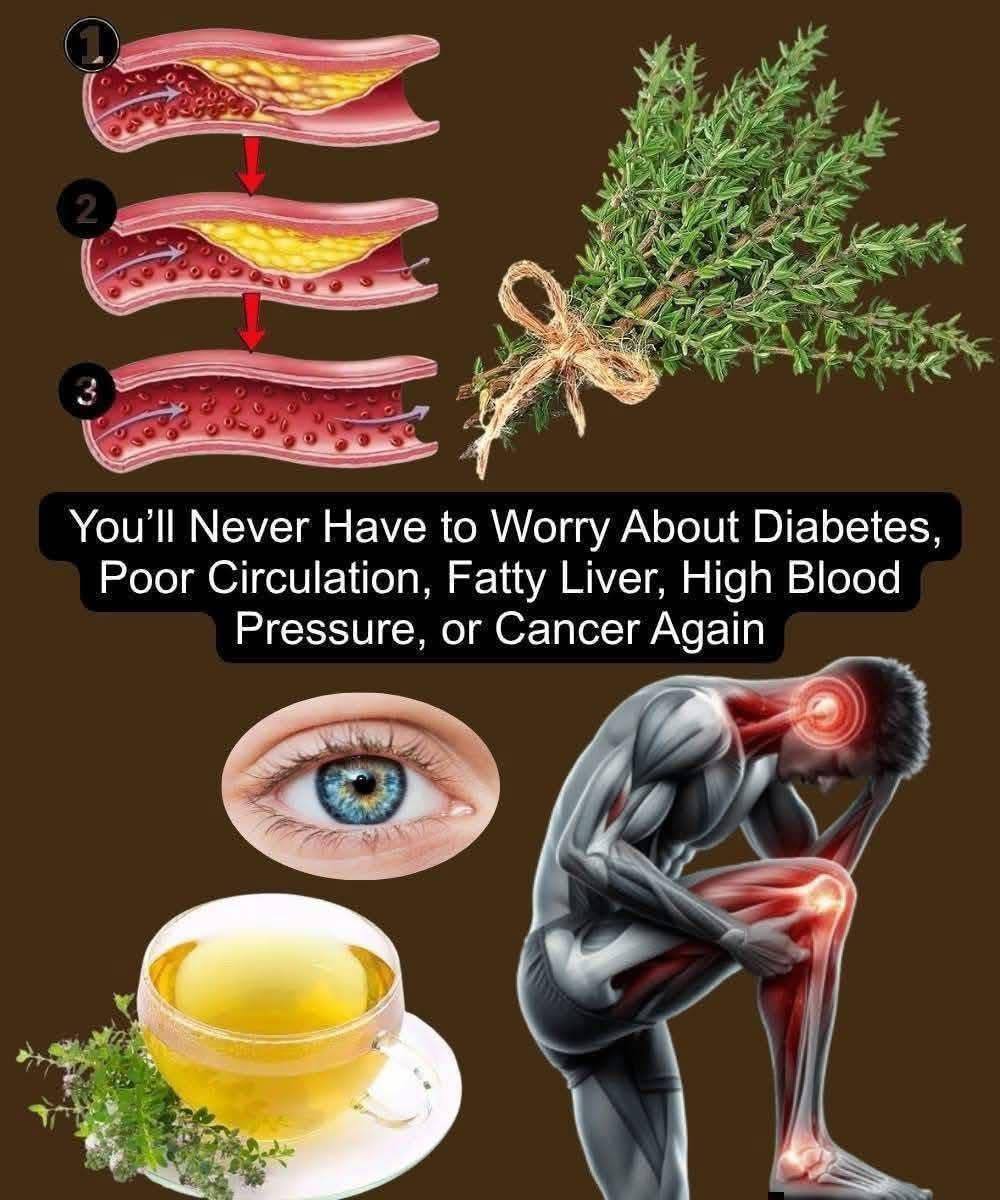
Cure All Your Ailments like Diabetes Poor Circulation, Fatty Liver High Blood Pressure and Cancer with this Plant

Cure-All Myth or Nature’s Powerful Ally? The Truth About One Remarkable Healing Plant

In a world where chronic diseases like diabetes, poor circulation, fatty liver, high blood pressure, and even cancer are on the rise, it’s natural to search for a single, powerful solution. Social media and viral headlines often promise a “miracle plant” that can cure everything—but real healing is more nuanced.

One plant, however, stands out for its wide range of scientifically supported health benefits: Moringa oleifera, often called the Miracle Tree. While it is not a cure for all ailments, moringa is one of the most nutrient-dense medicinal plants on Earth and can play a powerful supportive role in overall health when used correctly.

Let’s explore what moringa truly does—and what it doesn’t.


What Is Moringa?

Moringa oleifera is a fast-growing tree native to South Asia and widely used in traditional medicine across Asia, Africa, and the Middle East. Nearly every part of the plant—leaves, seeds, pods, and roots—has nutritional or medicinal value.

Moringa leaves are especially prized because they contain:

  • High levels of antioxidants
  • Anti-inflammatory compounds
  • Vitamins A, C, E, and B-complex
  • Minerals like potassium, calcium, magnesium, and iron
  • Plant proteins and essential amino acids

This unique nutritional profile explains why moringa has gained global attention from researchers and health professionals.


Moringa and Diabetes Support

Several studies suggest that moringa leaves may help support healthy blood sugar levels. Compounds such as chlorogenic acid and isothiocyanates may improve insulin sensitivity and slow glucose absorption in the gut.

People with type 2 diabetes who incorporate moringa as a dietary supplement—under medical guidance—often report:

  • Better post-meal glucose control
  • Reduced sugar spikes
  • Improved overall metabolic health

Important: Moringa does not replace insulin or diabetes medication, but it may complement a healthy lifestyle.


Improving Poor Circulation Naturally

Poor circulation is often linked to inflammation, high cholesterol, and oxidative stress. Moringa’s antioxidants help protect blood vessels and support endothelial function, which is critical for healthy blood flow.

Potential circulation benefits include:

  • Reduced inflammation in blood vessels
  • Support for healthy cholesterol levels
  • Improved oxygen delivery to tissues

This makes moringa particularly interesting for people with cold hands and feet, leg swelling, or early vascular issues.


Fatty Liver and Detox Support

Non-alcoholic fatty liver disease (NAFLD) is now one of the most common metabolic disorders worldwide. Research shows that moringa may help:

  • Reduce liver fat accumulation
  • Lower liver enzyme levels
  • Protect liver cells from oxidative damage

Its detox-supporting properties come from powerful flavonoids and polyphenols that help the liver neutralize toxins more efficiently.

Again, this works best alongside weight management, reduced sugar intake, and medical supervision.


Blood Pressure Regulation

High blood pressure is closely linked to inflammation, arterial stiffness, and mineral imbalance. Moringa contains potassium, magnesium, and bioactive compounds that may help relax blood vessels and support healthy blood pressure levels.

Possible benefits include:

  • Mild vasodilation (widening of blood vessels)
  • Reduced oxidative stress
  • Improved heart health markers

People already taking blood pressure medication should consult their doctor before using moringa, as it may enhance medication effects.


The Cancer Question: What Science Actually Says

This is where caution is essential.

Laboratory studies show that moringa extracts may:

  • Inhibit cancer cell growth in test tubes
  • Promote apoptosis (programmed cell death)
  • Reduce oxidative DNA damage

However, there is no scientific evidence that moringa cures cancer in humans. These findings are preliminary and do not replace chemotherapy, radiation, or surgery.

What moringa may do is support:

  • Immune function
  • Antioxidant defenses
  • Overall resilience during conventional treatment (with medical approval)

Any claim that moringa “cures cancer” is misleading and dangerous.


How to Use Moringa Safely

Moringa can be consumed in several forms:

  • Powder (added to smoothies, soups, or tea)
  • Capsules or tablets
  • Fresh leaves (cooked like spinach)

Recommended amount:
½ to 1 teaspoon of leaf powder per day for beginners

Safety tips:

  • Avoid roots and bark (can be toxic)
  • Pregnant women should not use moringa medicinally
  • Always consult a healthcare provider if you take medications

The Bottom Line

There is no single plant that cures all diseases—but moringa is undeniably one of nature’s most powerful nutritional allies. When combined with a healthy diet, exercise, medical care, and lifestyle changes, it can support blood sugar balance, circulation, liver health, blood pressure, and immune function.

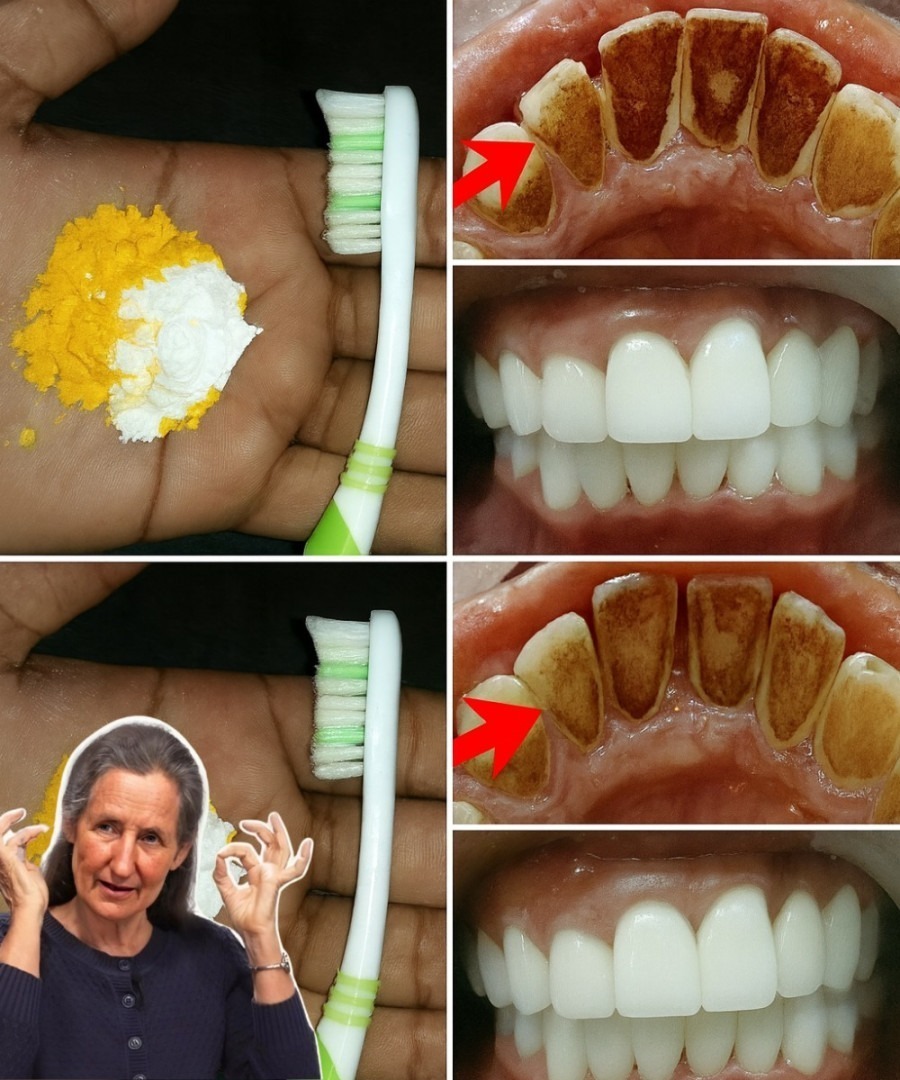
Home Teeth Whitening: Get Whiter Teeth in Just 2 Minutes

A bright, white smile is often associated with confidence, youth, and good health. It’s no surprise that teeth whitening has become one of the most popular cosmetic routines worldwide. While professional whitening treatments can be effective, they’re often expensive, time-consuming, and sometimes harsh on sensitive teeth. The good news? With the right approach, you can visibly brighten your smile at home in as little as two minutes a day—safely and affordably.

This article explains how home teeth whitening works, what actually helps, what to avoid, and how to get the best results without damaging your enamel.


Why Teeth Lose Their Whiteness

Teeth naturally darken over time due to a combination of factors:

  • Food and drinks like coffee, tea, red wine, cola, and berries
  • Smoking or chewing tobacco
  • Poor oral hygiene
  • Aging, which thins enamel and exposes darker dentin
  • Certain medications, such as tetracycline antibiotics

Surface stains are usually the easiest to remove at home. Deep, internal discoloration may require professional care.


Can Teeth Really Get Whiter in 2 Minutes?

Yes—for surface stains, noticeable improvement is possible in just a couple of minutes when you use the right methods consistently. While you won’t get movie-star results instantly, you can restore your natural tooth color quickly and safely.

The key is regularity, gentleness, and the right ingredients.


The 2-Minute Home Whitening Routine

1. Brush Properly (1 Minute)

Start with good brushing technique. Many people rush this step or brush too aggressively.

  • Use a soft-bristled toothbrush
  • Choose a fluoride toothpaste or a gentle whitening toothpaste
  • Brush in small circular motions, not harsh back-and-forth strokes
  • Focus on the gum line where stains build up

Proper brushing alone removes plaque and surface stains, instantly making teeth look cleaner and brighter.


2. Baking Soda Boost (30 Seconds, 2–3 Times a Week)

Baking soda is mildly abrasive and helps neutralize acids that stain teeth.

How to use:

  • Wet your toothbrush
  • Dip it lightly into baking soda
  • Gently brush for 30 seconds
  • Rinse thoroughly

⚠️ Do not use baking soda daily. Overuse can wear down enamel.


3. Hydrogen Peroxide Rinse (30 Seconds, Optional)

Hydrogen peroxide is a common whitening agent used by dentists—but at much higher concentrations.

Safe home method:

  • Use 3% hydrogen peroxide
  • Dilute it 1:1 with water
  • Swish for 30 seconds
  • Rinse well with water

Do this no more than 2–3 times per week.


4. Oil Pulling (Optional, Not in the 2 Minutes)

Oil pulling won’t whiten instantly, but it supports oral health and reduces bacteria.

  • Use coconut oil
  • Swish for 5–10 minutes (not required daily)
  • Spit and rinse

Healthier gums and cleaner teeth look whiter over time.


What to Avoid (Very Important)

Some popular “internet hacks” can actually damage your teeth permanently.

❌ Lemon juice or vinegar
❌ Activated charcoal daily
❌ Scrubbing with salt
❌ Whitening too often
❌ Hard-bristled brushes

Acidic or abrasive methods erode enamel. Once enamel is gone, it does not grow back—and teeth can look darker and more sensitive.


Foods That Naturally Keep Teeth White

Your diet plays a huge role in maintaining a bright smile.

Eat more of these:

  • Apples, carrots, celery (natural scrubbers)
  • Cheese and yogurt (strengthen enamel)
  • Strawberries (contain malic acid)
  • Leafy greens

Limit these:

  • Coffee and tea (or rinse after drinking)
  • Sugary snacks
  • Dark sauces (soy sauce, tomato sauce)
  • Smoking and vaping

How Long Until You See Results?

  • Immediately: Cleaner, brighter appearance after brushing
  • 3–7 days: Noticeable whitening of surface stains
  • 2–4 weeks: Maximum natural brightness

Consistency matters more than intensity.


Who Should Be Careful with Home Whitening?

Home whitening is generally safe, but consult a dentist if you have:

  • Sensitive teeth
  • Gum disease
  • Cavities
  • Crowns, veneers, or fillings (they don’t whiten)
  • Severe discoloration

Pregnant or breastfeeding individuals should avoid whitening products unless approved by a professional.


Professional Whitening vs. Home Whitening

Home WhiteningProfessional Whitening
AffordableExpensive
GentleStrong chemicals
Gradual resultsFaster results
Minimal sensitivityHigher sensitivity risk

For most people, home whitening is enough to maintain a healthy, bright smile.


Final Thoughts

You don’t need expensive treatments or harsh chemicals to enjoy whiter teeth. With a smart 2-minute daily routine, safe ingredients, and a little consistency, you can noticeably brighten your smile at home.

Remember: the goal isn’t unnaturally white teeth—it’s healthy, clean, confident teeth that last a lifetime.