THE MOST DANGEROUS FOOD IN THE WORLD

THE MOST DANGEROUS FOOD IN THE WORLD

When people hear the phrase “the most dangerous food in the world,” they often imagine spoiled leftovers or fast food packed with sugar and fat. Surprisingly, the title belongs to something far more unexpected—a traditional food enjoyed by millions across the globe. This food is cassava, a starchy root that looks harmless, tastes mild, and serves as a daily staple for more than 800 million people. Yet when prepared incorrectly, cassava can be deadly, earning it a reputation as the most dangerous food in the world.


What Is Cassava?

Cassava (also known as yuca or manioc) is a tuberous root native to South America and widely consumed in Africa, Asia, and parts of Latin America. It is valued for its ability to grow in poor soil and harsh climates, making it a lifeline during droughts and food shortages. Cassava is used to make flour, bread, tapioca, porridge, and countless traditional dishes.

But beneath its rough brown skin lies a hidden threat.


The Silent Poison Inside Cassava

Cassava contains cyanogenic glycosides, natural compounds that can release hydrogen cyanide when the plant is damaged, chewed, or improperly processed. Hydrogen cyanide is a powerful poison—it prevents the body’s cells from using oxygen, effectively causing internal suffocation.

There are two main types of cassava:

  • Sweet cassava – contains lower levels of cyanide
  • Bitter cassava – contains dangerously high levels of cyanide

Bitter cassava is especially risky and must be carefully processed before consumption. Even sweet cassava can become toxic if eaten raw or undercooked.


What Happens If Cassava Is Prepared Incorrectly?

Improperly processed cassava can cause acute cyanide poisoning, with symptoms appearing within hours. These include:

  • Dizziness and headache
  • Vomiting and stomach pain
  • Rapid breathing
  • Low blood pressure
  • Confusion and loss of consciousness

In severe cases, cyanide poisoning can lead to respiratory failure and death.

Long-term exposure to low levels of cyanide from poorly prepared cassava is equally dangerous. It has been linked to chronic illnesses such as:

  • Konzo – a sudden, irreversible paralysis of the legs
  • Nerve damage
  • Goiter and thyroid problems
  • Stunted growth in children

Entire communities have been affected during times of famine, when people are forced to skip proper preparation methods due to hunger.


Why Is Cassava Still So Widely Eaten?

If cassava is so dangerous, why is it consumed by millions every day?

The answer lies in knowledge and tradition. For centuries, cultures that rely on cassava have developed methods to make it safe, including:

  • Peeling the root thoroughly
  • Soaking it in water for 24–72 hours
  • Fermenting
  • Sun-drying
  • Cooking for extended periods

When these steps are followed correctly, cassava becomes safe and nutritious, providing carbohydrates, fiber, and essential minerals.

Problems arise when people are unaware of these steps, rush the process, or face food shortages that force them to cut corners.


Other Contenders for “Most Dangerous Food”

While cassava often tops the list, it is not alone. Several other foods can be lethal if mishandled:

1. Fugu (Pufferfish)
A delicacy in Japan, fugu contains tetrodotoxin—200 times more deadly than cyanide. Only licensed chefs are allowed to prepare it, yet deaths still occur.

2. Ackee Fruit
Jamaica’s national fruit is toxic when unripe. It contains hypoglycin, which can cause severe vomiting, seizures, and even death.

3. Raw Cashews
Raw cashews contain urushiol, the same toxin found in poison ivy. They must be roasted to be safe.

4. Nutmeg (in large amounts)
While harmless in small doses, consuming large quantities can cause hallucinations, heart problems, and organ failure.

Despite these risks, none match cassava’s global impact and potential for widespread harm.


Why Cassava Is Considered the Most Dangerous

Cassava earns its reputation not because it is eaten occasionally or as a luxury, but because:

  • It is a daily staple for hundreds of millions
  • It contains a lethal toxin naturally
  • Improper preparation is common during poverty or famine
  • It has caused documented mass poisonings and paralysis outbreaks

The danger is not hypothetical—it is real, ongoing, and well-documented.


Can Cassava Be Safe?

Yes—when handled correctly, cassava is perfectly safe and even beneficial. The danger lies not in the food itself, but in lack of awareness and improper processing.

To safely consume cassava:

  • Never eat it raw
  • Always peel it completely
  • Soak, ferment, or dry it before cooking
  • Cook it thoroughly

Education and food safety programs have already reduced cassava-related illnesses in many regions, proving that knowledge can turn a dangerous food into a lifesaving one.


Final Thoughts

The most dangerous food in the world is not fast food, sugar, or artificial additives—it is a humble root that feeds millions. Cassava is a powerful reminder that natural does not always mean safe, and that tradition, knowledge, and proper preparation can mean the difference between nourishment and poison.

In the right hands, cassava sustains life. In the wrong circumstances, it can take it away. Understanding this balance is essential—not just for those who eat cassava daily, but for anyone interested in the hidden risks and remarkable resilience of the global food supply.
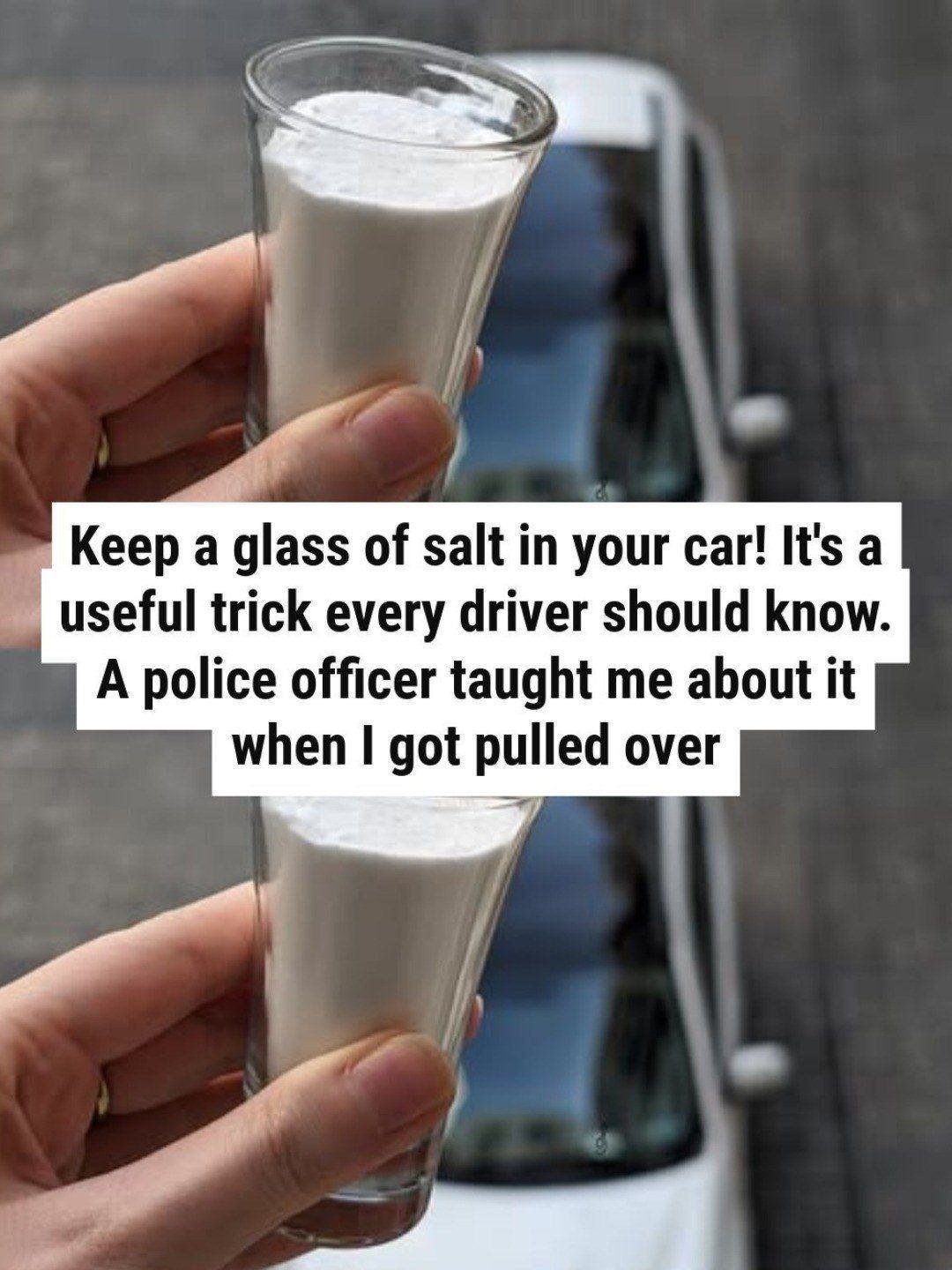
Put 1 Glass of Salt in Your Car: The Surprising Science-Backed Hack Every Driver Needs to Know

Put 1 Glass of Salt in Your Car: The Surprising, Science-Backed Hack Every Driver Needs to Know

If you’ve ever opened your car door on a cold morning only to be greeted by foggy windows, a musty smell, or damp seats, you’re not alone. Moisture buildup inside vehicles is far more common than most drivers realize—and it can quietly damage your car, affect your comfort, and even compromise safety. Surprisingly, one of the simplest and most effective solutions is something you probably already have in your kitchen: salt.

Yes, placing one glass of salt in your car can make a noticeable difference. This isn’t a myth or an internet gimmick—it’s a trick grounded in basic science. Let’s explore why it works, how to do it correctly, and what benefits you can expect.


Why Moisture Is a Hidden Problem in Cars

Cars are essentially sealed metal boxes that constantly experience temperature changes. Moisture gets inside through:

  • Wet shoes and clothes
  • Rain or snow brought in on mats
  • Breathing (yes, even passengers add humidity)
  • Small leaks around doors or windows

When warm, moist air meets cold glass or metal, condensation forms. Over time, this excess moisture can lead to:

  • Foggy windows that reduce visibility
  • Persistent unpleasant odors
  • Mold and mildew growth
  • Rust on internal metal components
  • Faster deterioration of upholstery and electronics

That’s where salt comes in.


The Science Behind Salt as a Moisture Absorber

Salt (sodium chloride) is hygroscopic, which means it naturally attracts and absorbs water molecules from the air. When placed in a humid environment, salt pulls moisture toward itself and traps it.

This principle is used in many industrial dehumidifiers and moisture-control products. The difference? Salt is cheap, natural, and readily available.

Inside a car—especially overnight or during cold, damp seasons—salt helps lower humidity levels, reducing condensation before it becomes a problem.


What Happens When You Put a Glass of Salt in Your Car

When you place a glass or container of salt inside your vehicle, several beneficial things start happening:

1. Reduced Window Fogging

Lower humidity means less condensation on your windshield and windows. This can significantly reduce fogging, especially in winter or rainy weather, improving visibility and safety.

2. Odor Control

Musty smells often come from moisture-related bacteria or mold. By absorbing excess humidity, salt helps limit the conditions that cause bad odors.

3. Mold and Mildew Prevention

Mold thrives in damp environments. Keeping the air drier makes it harder for mold and mildew to grow on seats, carpets, and air vents.

4. Protection for Interior Materials

Leather, fabric, and even electronic components last longer in a dry environment. Salt helps slow moisture-related wear and tear.


How to Do It Correctly (Very Important)

To get the benefits without creating a mess, follow these steps carefully:

  1. Use a sturdy container
    A glass, ceramic bowl, or plastic container works well. Avoid flimsy cups.
  2. Fill it halfway with salt
    Regular table salt works, but rock salt or coarse sea salt lasts longer and absorbs more moisture.
  3. Cover it with breathable fabric (optional but recommended)
    Use gauze, a thin cloth, or coffee filter secured with a rubber band. This prevents spills while still allowing airflow.
  4. Place it in a safe spot
    Ideal locations include:
    • Under a seat
    • In a cup holder (if stable)
    • On the floor behind a seat
    Never place it where it could tip over while driving.
  5. Check it weekly
    When the salt becomes clumpy or wet, it’s time to replace or dry it out.

How Long Does It Last?

Depending on humidity levels, one glass of salt can remain effective for 2–4 weeks. In very damp conditions, it may saturate faster.

You can reuse salt by:

  • Drying it in the sun
  • Heating it gently in an oven (low temperature)

Once dry, it regains its moisture-absorbing ability.


When This Hack Is Especially Useful

This trick is particularly effective if you:

  • Live in a humid or rainy climate
  • Park your car outdoors overnight
  • Notice frequent window fogging
  • Smell damp or musty odors
  • Don’t use your car daily

It’s also helpful for secondary vehicles, RVs, or cars stored for long periods.


What This Hack Does Not Replace

While salt is powerful, it’s not a cure-all. It won’t fix:

  • Leaking seals or damaged door gaskets
  • Flooded carpets
  • Broken air-conditioning or defrost systems

If moisture problems persist, it’s important to check for mechanical or structural issues. Think of salt as preventive maintenance, not a repair tool.


Is It Safe?

Yes—when used properly.

Safety tips:

  • Keep the container sealed or covered
  • Avoid placing it near electronics
  • Never let loose salt spill onto carpets or metal surfaces

Salt can be corrosive if directly applied to metal, which is why containment is essential.


Salt vs. Commercial Dehumidifiers

You might wonder how salt compares to store-bought car dehumidifiers.

Salt advantages:

  • Extremely low cost
  • Natural and chemical-free
  • Easy to replace

Commercial products advantages:

  • Neater packaging
  • Sometimes reusable with indicators
  • Often contain silica gel or calcium chloride

For everyday use, salt performs surprisingly well and is perfect for budget-conscious drivers.


A Simple Habit That Makes a Big Difference

Sometimes the most effective solutions are also the simplest. Placing one glass of salt in your car is an easy, science-backed way to:

  • Improve driving visibility
  • Protect your car’s interior
  • Reduce odors naturally
  • Extend the life of upholstery and components

It takes less than two minutes to set up and can save you from long-term moisture-related problems.

So the next time your windows fog up or your car smells damp, skip the expensive gadgets. Head to your kitchen, grab some salt, and let science do the rest.

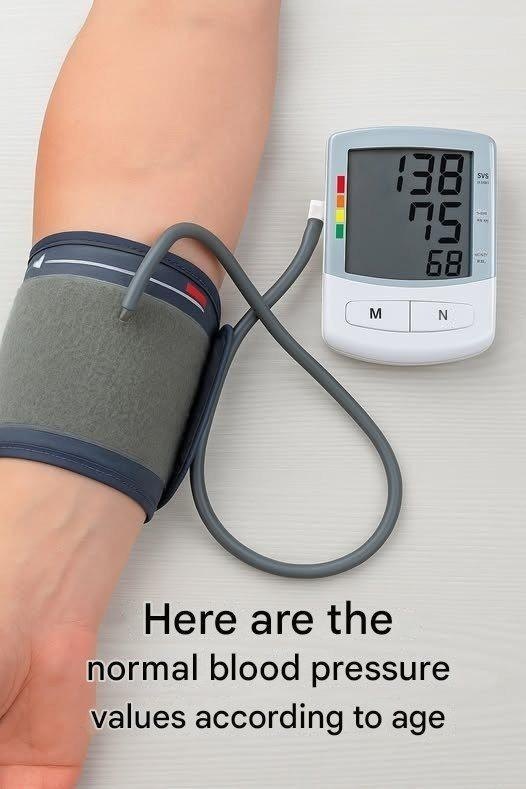
Here are the normal blood pressure values ​​according to age

Understanding Normal Blood Pressure Values According to Age

Blood pressure (BP) is one of the most crucial indicators of overall health, reflecting the force exerted by circulating blood on the walls of blood vessels. Maintaining a healthy blood pressure is essential because deviations—either too high or too low—can lead to serious health issues, including heart disease, stroke, kidney problems, and cognitive decline. Blood pressure is expressed in millimeters of mercury (mmHg) as two numbers: systolic pressure (the pressure when the heart beats) over diastolic pressure (the pressure when the heart rests between beats).

Normal Blood Pressure Ranges:
The American Heart Association (AHA) defines normal blood pressure for adults as:

  • Systolic: Less than 120 mmHg
  • Diastolic: Less than 80 mmHg

Values above this range are categorized as:

  • Elevated: 120–129 / <80 mmHg
  • Hypertension Stage 1: 130–139 / 80–89 mmHg
  • Hypertension Stage 2: ≥140 / ≥90 mmHg
  • Hypertensive Crisis: >180 / >120 mmHg (requires immediate medical attention)

However, blood pressure is not a one-size-fits-all measurement. It naturally changes throughout life, influenced by age, activity levels, genetics, diet, weight, and overall health. Understanding the typical blood pressure ranges according to age helps identify potential health risks early.


Blood Pressure in Children

Children’s blood pressure is significantly lower than that of adults and varies based on age, sex, and height percentile. Pediatric blood pressure is usually measured during routine health check-ups and compared against standardized percentile charts.

  • Newborns (0–1 month): 60–90 / 20–60 mmHg
  • Infants (1–12 months): 70–100 / 50–65 mmHg
  • Toddlers (1–2 years): 85–105 / 50–65 mmHg
  • Preschool (3–5 years): 90–110 / 55–70 mmHg
  • School-age (6–12 years): 95–115 / 60–75 mmHg
  • Adolescents (13–18 years): 110–120 / 65–80 mmHg

Blood pressure in children is sensitive to stress, illness, and growth spurts. Regular monitoring is essential, especially for those with a family history of hypertension, obesity, or chronic kidney disease.


Blood Pressure in Adults

For adults, blood pressure gradually rises with age due to natural changes in blood vessels, including reduced elasticity and increased arterial stiffness. Lifestyle factors—such as diet, physical activity, smoking, alcohol consumption, and stress—also play a significant role.

Normal Adult Blood Pressure by Age:

  • Age 18–29: 110–120 / 70–80 mmHg
  • Age 30–39: 112–122 / 72–82 mmHg
  • Age 40–49: 115–125 / 75–85 mmHg
  • Age 50–59: 118–128 / 76–86 mmHg
  • Age 60–69: 120–130 / 78–85 mmHg
  • Age 70 and above: 120–140 / 80–90 mmHg

It is important to note that while slight increases in systolic pressure are considered normal with aging, diastolic pressure usually remains stable or slightly decreases after 60 years. Elevated blood pressure in adults is a significant risk factor for cardiovascular diseases.


Blood Pressure in Older Adults

In older adults, particularly those above 65, systolic hypertension becomes more common due to stiffening of the large arteries (a condition known as isolated systolic hypertension).

  • Systolic: 120–140 mmHg (acceptable range, depending on overall health)
  • Diastolic: 70–80 mmHg

Healthcare providers often adopt a more individualized approach to blood pressure management in older adults, weighing the benefits of tight control against the risk of falls or other complications.


Factors Affecting Blood Pressure Across Ages

  1. Genetics: Family history of hypertension increases susceptibility at any age.
  2. Diet: High sodium intake can elevate blood pressure; potassium-rich foods help lower it.
  3. Physical Activity: Sedentary lifestyle contributes to higher BP; regular exercise lowers it.
  4. Weight: Overweight and obesity are strongly linked with hypertension.
  5. Stress: Chronic stress can temporarily increase BP and contribute to long-term hypertension.
  6. Hormonal Changes: Pregnancy, menopause, and thyroid disorders can affect blood pressure levels.

Monitoring and Maintaining Healthy Blood Pressure

Consistent monitoring is crucial. Adults should check their blood pressure at least once every two years if normal, or more frequently if elevated. Home blood pressure monitors are widely available and can provide more accurate readings by tracking BP over several days.

Tips to Maintain Healthy Blood Pressure:

  • Reduce Salt Intake: Keep sodium under 2,300 mg per day.
  • Eat a Balanced Diet: Emphasize fruits, vegetables, whole grains, and lean proteins.
  • Exercise Regularly: At least 150 minutes of moderate activity per week.
  • Maintain Healthy Weight: Even a modest weight loss can significantly lower BP.
  • Avoid Tobacco and Limit Alcohol: Both raise blood pressure and increase heart disease risk.
  • Manage Stress: Techniques such as meditation, yoga, and deep breathing can help.
  • Get Regular Check-ups: Early detection of abnormal blood pressure can prevent serious complications.

Conclusion

Blood pressure is a dynamic parameter that changes naturally with age. Understanding the normal ranges according to age is essential for recognizing early signs of hypertension or hypotension. In children, blood pressure is relatively low but gradually rises with growth. In adults, normal BP ranges increase slightly with age, especially systolic pressure. Older adults often experience isolated systolic hypertension due to arterial stiffening, requiring careful management.

Maintaining healthy blood pressure involves a combination of lifestyle habits, regular monitoring, and medical guidance when necessary. By understanding your blood pressure trends relative to your age group, you can take proactive steps to protect your cardiovascular health, prevent complications, and ensure a better quality of life for years to come.


References:

  1. American Heart Association (AHA). Understanding Blood Pressure Readings.
  2. National Heart, Lung, and Blood Institute (NHLBI). High Blood Pressure in Children and Teens.
  3. Whelton PK, Carey RM, Aronow WS, et al. 2017 ACC/AHA Guideline for the Prevention, Detection, Evaluation, and Management of High Blood Pressure in Adults.

The Incredible Benefits of Dates

Dates have been cherished for thousands of years, not only for their rich, caramel-like sweetness but also for their remarkable nutritional value. Often called nature’s candy, dates are far more than a delicious snack. These small, wrinkled fruits pack an impressive array of vitamins, minerals, antioxidants, and natural energy that can support overall health in powerful ways. From improving digestion to boosting heart health and providing sustained energy, the benefits of dates are truly incredible.

1. A Natural Energy Booster

Dates are an excellent source of natural sugars such as glucose, fructose, and sucrose. Unlike refined sugar, these natural sugars come bundled with fiber, minerals, and antioxidants, which help provide steady energy without a sudden crash. This makes dates an ideal snack for athletes, students, or anyone needing a quick yet healthy energy lift. Just two or three dates can refresh the body and mind, making them perfect for breaking a fast or fueling a busy day.

2. Rich in Essential Nutrients

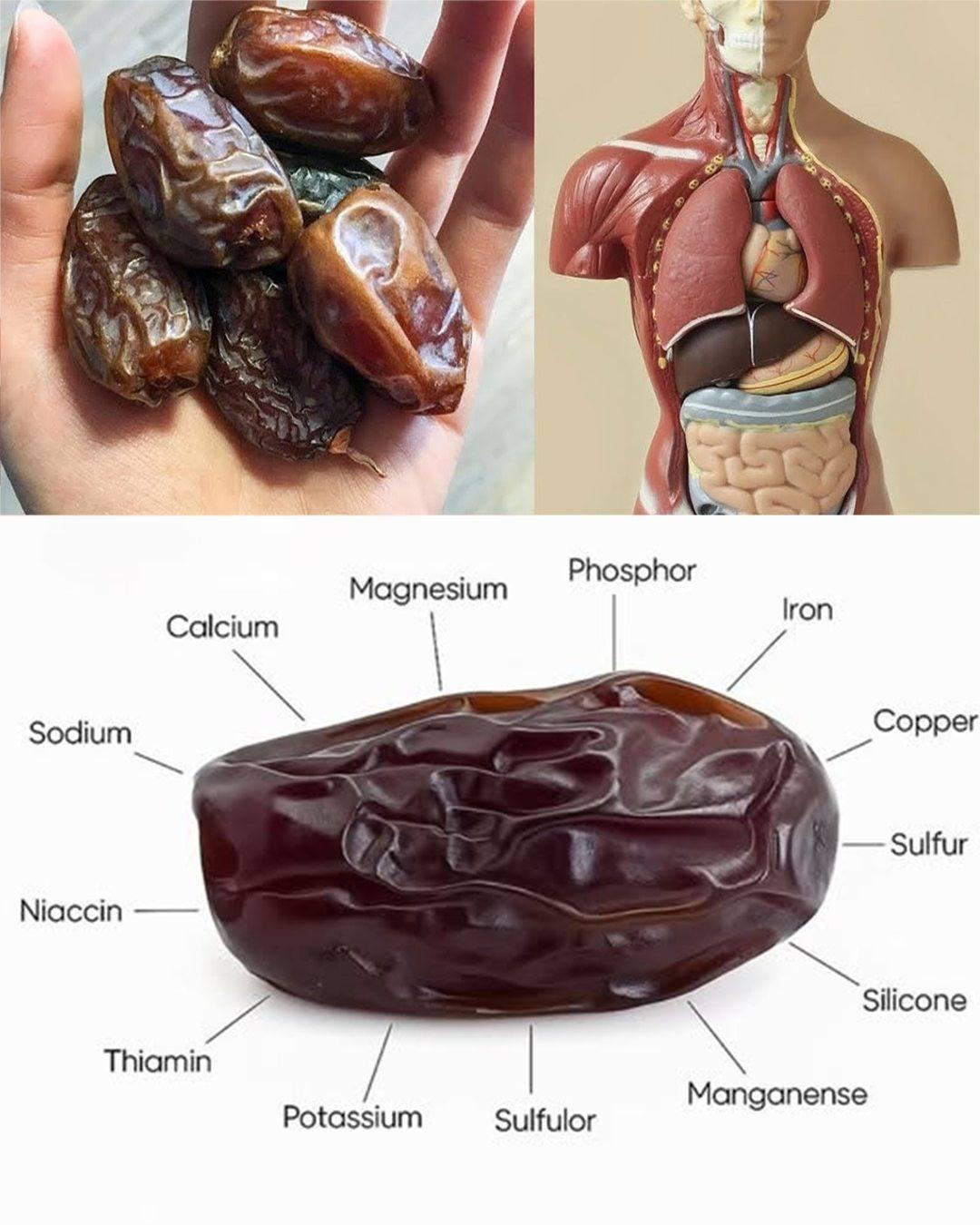
Despite their small size, dates are nutritionally dense. They contain important minerals such as potassium, magnesium, copper, manganese, iron, and phosphorus. Potassium helps regulate blood pressure and supports proper muscle and nerve function, while magnesium contributes to bone health and reduces muscle cramps. Dates also provide small amounts of B-complex vitamins, which play a role in energy production and brain health.

3. Powerful Digestive Support

One of the most celebrated benefits of dates is their positive effect on digestion. Dates are rich in dietary fiber, which helps promote regular bowel movements and prevents constipation. The fiber in dates feeds beneficial gut bacteria, improving overall gut health. Consuming dates regularly can help maintain a healthy digestive system and reduce discomfort such as bloating and indigestion.

4. Heart Health Protection

Dates are heart-friendly fruits. Their high potassium content helps balance sodium levels in the body, which is essential for maintaining healthy blood pressure. Additionally, the fiber in dates can help reduce LDL (bad) cholesterol levels, lowering the risk of heart disease. Dates also contain antioxidants like flavonoids and phenolic acid, which help reduce inflammation and protect blood vessels from damage.

5. Natural Support for Brain Function

Dates contain antioxidants that protect brain cells from oxidative stress. Research suggests that compounds found in dates may help reduce inflammation in the brain, which is linked to neurodegenerative diseases. Regular consumption of dates has been associated with improved memory, learning ability, and overall cognitive function. The natural sugars in dates also provide quick fuel for the brain, helping improve focus and mental clarity.

6. Strengthening Bones and Teeth

Dates are beneficial for bone health thanks to their mineral content, including calcium, phosphorus, magnesium, and potassium. These minerals work together to strengthen bones and teeth and may help reduce the risk of bone-related conditions as we age. Including dates in a balanced diet can support long-term skeletal health, especially for older adults.

7. A Natural Ally Against Anemia

Iron deficiency anemia is a common health concern, and dates can be a helpful natural remedy. Dates contain iron, which is essential for producing hemoglobin in red blood cells. Regular consumption may help increase iron levels, reduce fatigue, and improve circulation. This makes dates particularly beneficial for people who experience weakness or low energy due to iron deficiency.

8. Supporting Healthy Blood Sugar (When Eaten in Moderation)

Although dates are sweet, they have a low to moderate glycemic index when consumed in reasonable amounts. The fiber content slows down sugar absorption, preventing sharp spikes in blood glucose levels. For people without diabetes, dates can be a healthier alternative to refined sweets. Even those monitoring blood sugar can enjoy dates in moderation as part of a balanced meal.

9. Boosting Immunity with Antioxidants

Dates are rich in antioxidants such as flavonoids, carotenoids, and phenolic compounds. These antioxidants help fight free radicals, reduce inflammation, and strengthen the immune system. By protecting cells from damage, dates may help lower the risk of chronic diseases and support overall vitality.

10. A Natural Aid for Better Sleep

Dates contain small amounts of magnesium and tryptophan, both of which play a role in relaxation and sleep quality. Magnesium helps calm the nervous system, while tryptophan is a precursor to serotonin and melatonin, hormones that regulate sleep. Enjoying a few dates in the evening may help promote restful sleep naturally.

11. Supporting Pregnancy and Natural Labor

Traditionally, dates have been recommended for pregnant women, especially in the final weeks of pregnancy. Some studies suggest that eating dates may help support cervical dilation and reduce the need for medical induction during labor. Dates provide natural energy, essential minerals, and nutrients that support both mother and baby.

12. A Versatile and Delicious Superfood

Beyond their health benefits, dates are incredibly versatile. They can be eaten on their own, stuffed with nuts, blended into smoothies, chopped into salads, or used as a natural sweetener in desserts. Date paste or syrup is a healthier alternative to refined sugar in baking and cooking.

Final Thoughts

The incredible benefits of dates make them one of the most valuable fruits you can include in your diet. From boosting energy and digestion to supporting heart, brain, and bone health, dates offer a wide range of advantages in a naturally sweet package. When enjoyed in moderation, these ancient fruits can be a delicious and powerful addition to a healthy lifestyle. Whether you eat them as a snack, a natural sweetener, or part of a meal, dates truly earn their reputation as a superfood worth savoring every day.

Home Teeth Whitening Get Whiter Teeth in Just 2 Minutes

A bright, confident smile can instantly boost how you look and feel. It’s no surprise that teeth whitening is one of the most popular cosmetic routines people try at home. Busy schedules, rising dental costs, and the desire for quick results have fueled interest in fast, DIY whitening methods—some claiming visible results in as little as two minutes. But what really works, what’s safe, and how can you brighten your smile without damaging your enamel?

This comprehensive guide breaks down the science of tooth discoloration, explains what “2-minute whitening” actually means, and shows you the safest, most effective ways to whiten your teeth at home.


Why Teeth Lose Their Whiteness

Before whitening, it helps to understand why teeth darken in the first place. Tooth discoloration usually falls into two categories:

1. Extrinsic stains
These are surface stains caused by foods and habits, such as:

  • Coffee, tea, and red wine
  • Dark sodas and colored juices
  • Smoking or chewing tobacco
  • Certain spices and sauces

Extrinsic stains are the easiest to improve at home.

2. Intrinsic discoloration
These stains occur inside the tooth and may be caused by:

  • Aging and enamel thinning
  • Certain medications
  • Excess fluoride exposure during childhood
  • Tooth trauma

Intrinsic stains are harder to change and usually require professional treatment.

Most “2-minute whitening” methods focus on lifting surface stains, not changing the natural color of the tooth itself.


What “2-Minute Whitening” Really Means

Let’s be clear: no safe home method can permanently transform deeply yellow teeth into movie-star white in two minutes. However, you can noticeably brighten your smile by removing surface stains and buildup in a very short time.

Think of it like polishing silver—sometimes the shine was always there, just hidden.


Safe and Effective 2-Minute Whitening Options

1. Whitening Toothpaste (Fastest Daily Option)

Modern whitening toothpastes contain mild abrasives and stain-lifting agents that work quickly.

How it helps

  • Polishes away surface stains
  • Improves brightness immediately
  • Safe for daily use when enamel-friendly

How to use

  • Use a soft-bristle toothbrush
  • Brush gently for 2 minutes
  • Don’t scrub aggressively—pressure doesn’t equal better whitening

Best for: Coffee, tea, and food stains


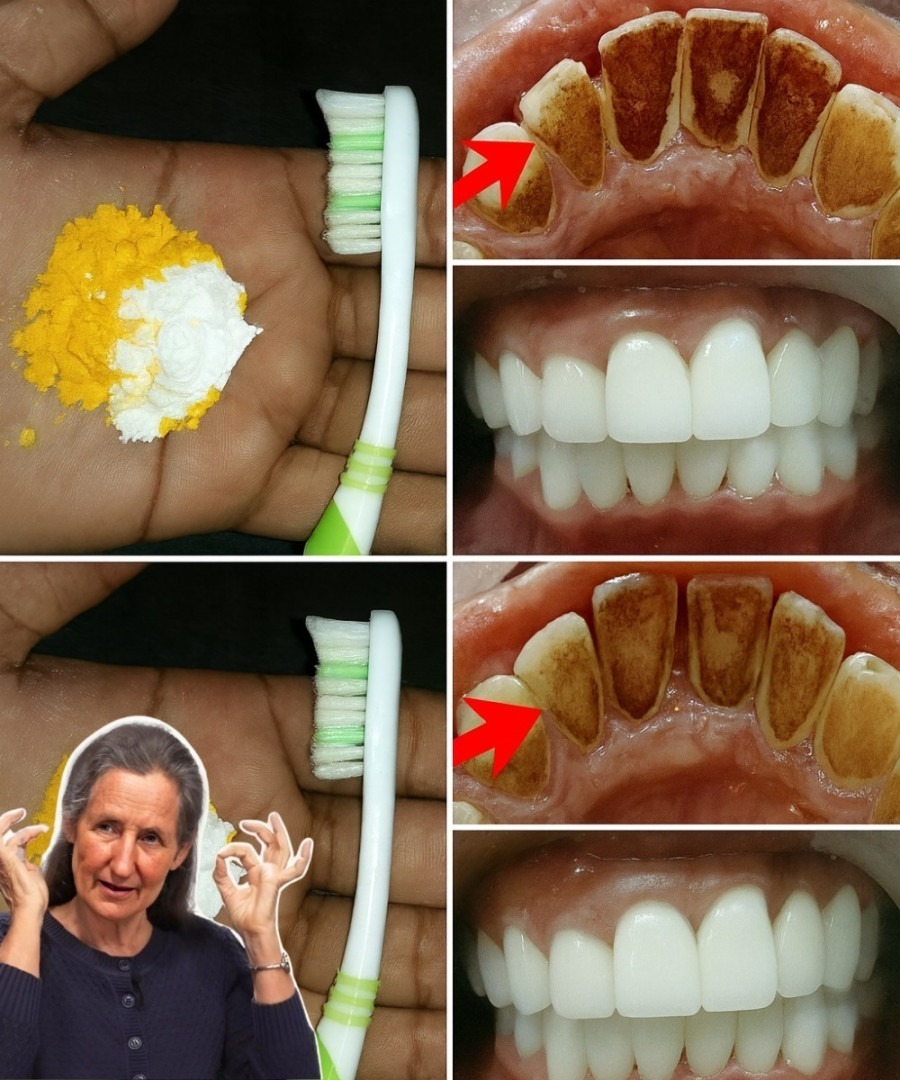
2. Baking Soda Boost (Occasional Use)

Baking soda is mildly abrasive and alkaline, helping to neutralize acids and lift stains.

How to use

  • Mix a pinch of baking soda with water or toothpaste
  • Brush gently for 1–2 minutes
  • Rinse thoroughly

Important:
Limit this to once or twice a week to protect enamel.


3. Hydrogen Peroxide Mouth Rinse (Short Contact)

Hydrogen peroxide is a common whitening ingredient used by dentists—but concentration matters.

How to use safely

  • Use 3% hydrogen peroxide (never stronger)
  • Dilute with equal parts water
  • Swish for 30–60 seconds only
  • Rinse with plain water afterward

This can give a quick brightening effect by breaking down stain molecules.


4. Whitening Strips (Quick Visual Results)

Many over-the-counter whitening strips show visible improvement after just one short use.

Why they work

  • Contain low, safe doses of peroxide
  • Designed to sit directly on the tooth surface

Time factor

  • Some strips are worn for 5–10 minutes
  • Initial brightness can appear quickly, especially on surface stains

Always follow package instructions carefully.


Natural Methods: What Helps and What to Avoid

Helpful (When Used Correctly)

Strawberries
Contain malic acid, which may help loosen surface stains. Mash and mix with baking soda for occasional use.

Oil pulling (coconut oil)
May reduce plaque and improve overall cleanliness, which can enhance brightness over time—not instant whitening.


Methods to Avoid

Some popular online hacks can damage enamel and worsen discoloration:

  • Lemon juice or vinegar (too acidic)
  • Charcoal used aggressively or daily
  • Scraping teeth with sharp objects

If it hurts or feels harsh, stop immediately.


How to Keep Teeth White After Whitening

Getting a brighter smile is only half the battle—maintaining it matters just as much.

Daily habits

  • Brush twice a day
  • Floss daily to prevent plaque buildup
  • Rinse mouth with water after coffee or tea

Smart eating

  • Use a straw for dark beverages
  • Eat crunchy fruits and vegetables (apples, carrots)
  • Limit smoking and sugary drinks

Regular care

  • Replace toothbrush every 3 months
  • Schedule routine dental cleanings

Is Home Whitening Safe?

For most people, gentle, enamel-friendly methods are safe when used correctly. However, you should be cautious if you have:

  • Sensitive teeth
  • Gum disease
  • Worn enamel
  • Dental restorations (crowns don’t whiten)

If you experience pain, burning, or increased sensitivity, stop and consult a dental professional.


Setting Realistic Expectations

A brighter smile in two minutes is usually about revealing your teeth’s natural color, not changing it completely. True whitening is a gradual process, but quick polishing methods can:

  • Instantly improve brightness
  • Remove dull film and stains
  • Make teeth look cleaner and healthier

Consistency and gentle care always beat aggressive shortcuts.


Final Thoughts

Home teeth whitening doesn’t have to be complicated, expensive, or risky. With the right approach, you can refresh your smile in just a couple of minutes by safely removing surface stains and boosting natural shine. Focus on methods that respect your enamel, avoid harsh DIY tricks, and build habits that keep your teeth bright long-term.

A confident smile isn’t about blinding white teeth—it’s about healthy, clean, and well-cared-for ones. 😊

Tips for growing a vibrant peace lily at home

Tips for Growing a Vibrant Peace Lily at Home

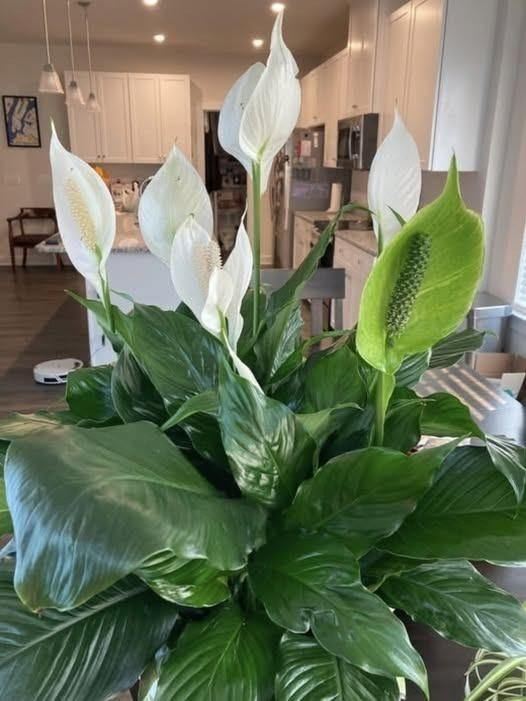
The peace lily (Spathiphyllum) is one of the most popular houseplants in the world—and for good reason. With its glossy green leaves and elegant white blooms, it brings a sense of calm and freshness to any indoor space. Beyond its beauty, the peace lily is also known for improving indoor air quality and being relatively low-maintenance. However, to keep it truly vibrant and blooming, it needs the right care. This guide will walk you through essential tips to help your peace lily thrive at home.

1. Understanding the Peace Lily’s Natural Needs

Peace lilies originate from tropical rainforests, where they grow under dense canopies in warm, humid environments. This background explains many of their preferences: indirect light, moist (but not soggy) soil, and moderate temperatures. Mimicking these conditions indoors is the key to success.

2. Choosing the Right Location

One of the most common mistakes is placing a peace lily in direct sunlight. While they tolerate low light better than many plants, direct sun can scorch their leaves, causing brown patches.

Best placement tips:

  • Choose a spot with bright, indirect light.
  • A few feet away from an east- or north-facing window is ideal.
  • Low light is acceptable, but flowering may be reduced.

If your peace lily has lush leaves but no blooms, light levels are often the issue.

3. Watering the Right Way

Peace lilies are famous for “telling” you when they need water—their leaves dramatically droop when thirsty. While this makes them forgiving, consistent watering leads to better growth and appearance.

Watering guidelines:

  • Water when the top inch of soil feels dry.
  • Use room-temperature water.
  • Avoid letting the plant sit in standing water.
  • Ensure the pot has proper drainage holes.

Overwatering is just as harmful as underwatering and can lead to root rot. Yellow leaves often indicate too much water, while drooping leaves usually signal thirst.

4. Soil and Pot Selection Matter

A well-draining, nutrient-rich soil is essential. Peace lilies prefer slightly loose soil that retains moisture without becoming compacted.

Ideal soil mix:

  • Standard indoor potting mix
  • Added perlite or sand for drainage
  • Optional peat moss for moisture retention

Choose a pot that’s only slightly larger than the root ball. Peace lilies actually prefer being a bit root-bound, which can encourage blooming.

5. Maintaining Proper Humidity

Because peace lilies are tropical plants, they appreciate higher humidity levels. Dry indoor air—especially during winter—can cause brown leaf tips.

Ways to boost humidity:

  • Mist the leaves lightly once or twice a week
  • Place a shallow tray of water with pebbles beneath the pot
  • Group plants together to create a humid microclimate
  • Use a room humidifier if available

Bathrooms and kitchens often provide ideal humidity levels, making them excellent locations if lighting is sufficient.

6. Feeding for Healthy Growth and Blooms

Peace lilies don’t require heavy fertilizing, but occasional feeding helps maintain rich foliage and encourages flowers.

Fertilizing tips:

  • Use a balanced liquid houseplant fertilizer
  • Feed once every 6–8 weeks during spring and summer
  • Dilute fertilizer to half strength
  • Avoid fertilizing in winter when growth slows

Too much fertilizer can cause leaf burn and reduce flowering, so less is more.

7. Encouraging Beautiful White Blooms

The iconic white “flowers” of the peace lily are actually modified leaves called spathes. Blooming depends on light, nutrition, and overall plant health.

To encourage blooms:

  • Increase indirect light exposure
  • Maintain consistent watering
  • Avoid frequent repotting
  • Ensure the plant is mature (young plants may not bloom yet)

Once flowers fade, trim them at the base to redirect energy back into leaf growth.

8. Pruning and Cleaning the Leaves

Regular grooming keeps your peace lily looking fresh and vibrant.

Maintenance tips:

  • Remove yellow or damaged leaves with clean scissors
  • Wipe leaves gently with a damp cloth to remove dust
  • Avoid leaf-shine products, which can clog pores

Clean leaves not only look better but also photosynthesize more efficiently.

9. Repotting When Necessary

Peace lilies don’t need frequent repotting, but if roots are growing out of drainage holes or the plant dries out very quickly, it’s time.

Repotting advice:

  • Repot every 1–2 years
  • Choose a pot only 1–2 inches larger
  • Water thoroughly after repotting
  • Expect a short adjustment period

Spring is the best time to repot, when the plant is entering active growth.

10. Common Problems and How to Fix Them

Brown tips: Low humidity or fluoride in tap water
Yellow leaves: Overwatering or poor drainage
Drooping leaves: Underwatering or root stress
No flowers: Insufficient light or excess fertilizer

Using filtered or distilled water can help prevent mineral buildup, especially in areas with hard water.

11. Safety Note

Peace lilies are toxic to pets and children if ingested. Keep them out of reach of cats, dogs, and curious little hands.

Final Thoughts

With the right balance of light, water, humidity, and care, a peace lily can remain lush and vibrant for many years. It’s a forgiving plant that rewards attention with elegant blooms and rich green foliage. Whether you’re a beginner or an experienced plant lover, mastering peace lily care is both easy and deeply satisfying. A healthy peace lily doesn’t just decorate your home—it brings a sense of tranquility and life into your living space.

warning about a popular supplement after a link was found to a silent killer

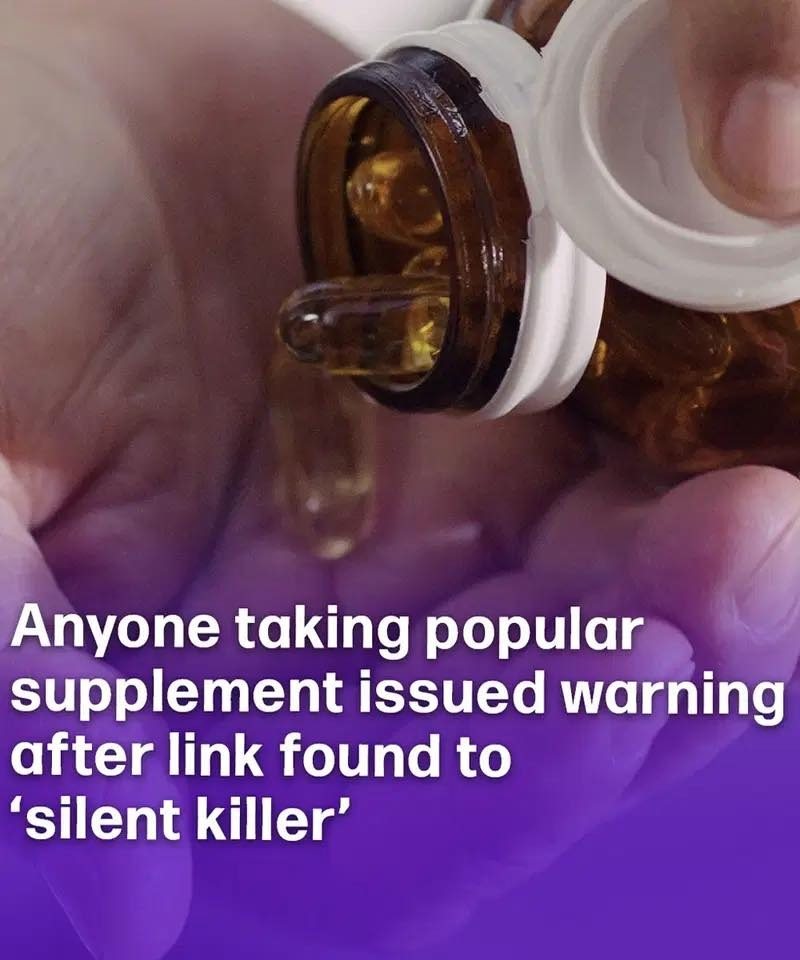
📢 Doctors Warn About Popular Supplement After Link to “Silent Killer”

Medical professionals are sounding the alarm after emerging research found that certain commonly used dietary supplements—especially those in softgel form—may be linked to exposure to chemicals tied to serious health risks, including heart disease, often described in media coverage as a “silent killer.”
Tyla

Although studies do not confidently prove that the supplements themselves directly cause deadly disease, the findings raise fresh concerns about what’s inside the capsules we swallow daily and how those ingredients might affect long-term health.

🧪 The Issue: Phthalates in Softgel Supplements

The core of the recent warning revolves around phthalates, chemicals used as plasticisers—additives that make softgel capsules flexible and easy to swallow. These phthalates help keep supplement shells from breaking too early, but research suggests they may not be as harmless as once thought.
The Independent

Many dietary supplements—including vitamins, fish oil, omega-3s, herbal extracts, and other popular softgels—use these chemical plasticisers in their shell manufacturing. Because supplements are consumed daily by millions, even small amounts of these compounds can accumulate over time.
EHN

The concern isn’t limited to one brand or product, but rather the very way some softgels are formulated. While regulatory bodies allow certain phthalates in softgel capsules, both scientists and physicians are warning that long-term exposure—even at low levels—might not be as safe as previously assumed.
Tyla

🫀 What “Silent Killer” Does This Refer To?

The term “silent killer” in this context refers to heart disease, a leading cause of death worldwide that often develops gradually without obvious early symptoms until severe damage has occurred. In media reports and doctor warnings, the phrase underscores how people can feel healthy while risk factors quietly build up.
Tyla

Independent public health researchers have previously linked phthalate exposure to increased risk of cardiovascular disease, inflammation, and metabolic dysfunction, all key contributors to heart attack and chronic heart issues.
The Independent

One large international study even estimated that exposure to one common phthalate—di-2-ethylhexyl phthalate (DEHP)—may have been associated with hundreds of thousands of heart-related deaths worldwide in a single recent year.
Prevention

📊 What the Research Found

Here’s a clearer breakdown of the scientific concerns raised:

🔹 Phthalates Are Endocrine Disruptors

Some phthalates are known or suspected endocrine-disrupting chemicals (EDCs)—substances that can interfere with hormones and metabolic systems. This interference can promote inflammation and metabolic changes that subtly worsen cardiovascular risk over time.
EHN

🔹 Exposure Is Widespread

Phthalates are found in many everyday products—plastics, food packaging, personal care items, and yes, softgel capsules. Because these compounds are not chemically bound to the materials they’re in, they can leach out and enter the body more easily through ingestion and other routes.
PMC

🔹 Connections to Heart Disease

Although direct causation hasn’t been proven, epidemiological studies have correlated higher phthalate exposure with elevated biomarkers of heart injury and increased cardiovascular risk. These biomarkers include troponins—proteins released into the bloodstream when heart muscle is damaged.
PMC

🔹 Supplements Aren’t Strictly Regulated

Unlike prescription drugs, dietary supplements are regulated more like foods. This means manufacturers don’t need to prove safety or effectiveness before products hit the shelves. The U.S. FDA notes that supplements can enter the market without prior approval and without thorough safety testing for long-term effects.
U.S. Food and Drug Administration

🧠 Why the Concern Is Growing

A few key factors make this warning particularly noteworthy:

🟡 Supplements Are Taken Daily

Many people take vitamins, herbal extracts, and other nutritional supplements as part of their everyday health routine—sometimes in multiple softgel doses daily. If even small amounts of harmful chemicals are present, daily intake could lead to chronic exposure.
The Independent

🟡 Heart Disease Risks Build Over Time

Heart disease often progresses for years with no warning signs. Even subtle increases in inflammatory factors or disruptions in metabolism can tip someone from low risk to clinically significant risk without obvious symptoms.
Tyla

🟡 Phthalates Are Everywhere

Even if supplements alone are not the biggest source of phthalate exposure, they may add to the total daily burden from plastics in food packaging, medical devices, and other consumer products—raising combined risk.
EHN

🩺 What Experts Recommend

Health professionals and researchers suggest the following steps for anyone who takes supplements:

✅ Review What You’re Taking

Check the labels of any softgel supplements. Some brands are now offering phthalate-free softgel alternatives or different delivery forms such as tablets, gummies, or capsules without plasticisers.
The Independent

✅ Talk to Your Doctor

Discuss your supplement regimen with a healthcare provider—especially if you’re on multiple products, have existing heart disease risk factors, or take other medications. A doctor can help assess real benefits versus potential risks.
U.S. Food and Drug Administration

✅ Choose Quality Brands

Look for products with third-party testing seals from certifiers like NSF, USP, or ConsumerLab, which test for contaminants and ingredient accuracy.
U.S. Food and Drug Administration

✅ Prioritize Whole Foods

While supplements can be valuable for filling nutritional gaps, most nutrients are best obtained through a balanced diet rich in whole foods—fruits, vegetables, lean proteins, whole grains, nuts, and seeds—unless you have specific deficiency needs.
Office of Dietary Supplements

🧩 What This Doesn’t Mean

It’s important to clarify what the current evidence doesn’t support:

❌ There is no definitive proof that all supplements cause heart disease.

❌ The link between softgel phthalates and silent killer conditions like heart disease is associative, not proven causal.
Tyla

❌ Not all supplements contain harmful chemicals—many are formulated without phthalates or additives of concern.
NYU Langone Health

📌 Bottom Line

Recent warnings about popular supplements and a potential link to a “silent killer” like heart disease stem from concerns over chemical exposures—especially from softgel phthalate additives—and how they might indirectly influence long-term cardiovascular health. While supplements have recognized benefits in many contexts, this situation highlights the importance of being informed, choosing trusted products, and

Christmas cactus to activate the flowering

The Christmas cactus (Schlumbergera) is one of the most beloved holiday plants, admired for its cascading stems and vibrant blooms that appear just when most houseplants rest. Yet many owners are disappointed when their plant grows lush and green but refuses to flower. The good news? A Christmas cactus isn’t difficult to bloom—it simply needs the right signals. Once you understand how to “activate” flowering, you can enjoy spectacular blossoms year after year.

Understanding the Christmas Cactus Bloom Cycle

Unlike desert cacti, the Christmas cactus is a tropical epiphyte native to Brazilian rainforests. In nature, it grows in tree crevices where days become shorter and nights cooler as winter approaches. These environmental cues trigger bud formation.

To activate flowering indoors, you must recreate three key conditions:

Shorter daylight hours

Cooler night temperatures

Proper watering and feeding balance

When these elements align, your cactus switches from growth mode to bloom mode.

Step 1: Control Light Exposure (This Is Critical)

Christmas cacti are short-day plants, meaning they form buds when nights are long and uninterrupted.

What to Do:

Provide 12–14 hours of complete darkness every night for 6–8 weeks.

During the day, bright indirect light is ideal.

At night, avoid lamps, TV light, or streetlight exposure.

Easy Method:

Move the plant to a dark room each evening.

Or cover it with a breathable box or cloth from evening until morning.

💡 Consistency matters more than perfection. Missing a night or two won’t ruin everything, but frequent light interruptions will delay blooming.

Step 2: Lower the Temperature Slightly

Temperature works hand-in-hand with darkness to trigger flowering.

Ideal Temperatures:

Night: 55–65°F (13–18°C)

Day: 65–70°F (18–21°C)

Cool nights signal the plant that it’s time to reproduce. If your home is warm year-round, place the cactus near a cool window or in an unheated room at night.

⚠️ Avoid drafts, heaters, and sudden temperature swings—these can cause bud drop.

Step 3: Adjust Watering (Less Is More)

Overwatering is one of the most common reasons Christmas cacti fail to bloom.

Correct Watering Routine:

Allow the top inch of soil to dry out between waterings.

Water thoroughly, then let excess drain away.

Never let the pot sit in standing water.

During the pre-bloom phase, slightly reduced watering helps signal the plant to shift energy from leaf growth to flower production.

Step 4: Feed Strategically

Nutrition plays a supporting role in flowering.

Best Fertilizer:

Use a balanced or low-nitrogen fertilizer (such as 10-10-10 or 5-10-10).

Feed once a month from spring through early fall.

Stop fertilizing 6–8 weeks before expected blooming.

Too much nitrogen encourages leafy growth at the expense of flowers.

Step 5: Don’t Repot Before Blooming

Christmas cacti actually bloom best when slightly root-bound.

Avoid repotting in fall.

Repot only every 2–3 years, ideally in spring.

Use a well-draining soil mix (cactus mix with added perlite or orchid bark).

Disturbing the roots right before blooming season can stop flower formation altogether.

Step 6: Be Patient Once Buds Appear

Once buds form, the most important thing is stability.

Do NOT:

Move the plant frequently

Change light conditions

Overwater

Expose it to heat or cold stress

Any sudden change can cause buds to drop before opening.

🌸 When conditions remain steady, buds will swell and open into long-lasting flowers that can bloom for several weeks.

Common Reasons Christmas Cactus Won’t Bloom

If your plant still refuses to flower, check for these issues:

Too much nighttime light

Warm nights above 70°F (21°C)

Overwatering or soggy soil

Excess nitrogen fertilizer

Stress from repotting or frequent movement

Correcting just one of these problems can often restart the blooming process.

After Bloom Care (For Future Flowers)

Once flowering ends:

Resume normal watering

Begin monthly feeding again

Provide bright indirect light

Prune lightly to encourage branching (more branches = more flowers)

Each healthy segment has the potential to produce buds next season.

Final Thoughts

Activating flowering in a Christmas cactus is less about effort and more about timing and consistency. By mimicking nature—long dark nights, cooler temperatures, moderate watering, and gentle care—you unlock the plant’s natural blooming instinct.

With a little patience and attention, your Christmas cactus will reward you with a breathtaking display of color exactly when you want it most, turning your home into a living holiday celebration year after year. 🌺

Your legs are screaming HELP 5 warning signs from your Heart

Most people think heart problems announce themselves loudly—with crushing chest pain or sudden shortness of breath. But in many cases, your heart whispers before it screams. And surprisingly, some of the clearest warning signs appear far away from your chest… in your legs.

Your legs are directly connected to your heart through an intricate network of blood vessels. When your heart struggles to pump blood effectively, your legs often suffer first. Pain, swelling, numbness, or strange sensations in your lower limbs can be early red flags of serious cardiovascular trouble.

Here are five alarming leg-related warning signs that may be your heart begging for help—and why you should never ignore them.


1. Leg Pain When Walking (That Disappears With Rest)

If your legs ache, cramp, or feel heavy when you walk—but feel better when you stop—this is not “just aging.”

This classic symptom is called intermittent claudication, and it often points to Peripheral Artery Disease (PAD). PAD occurs when arteries become narrowed or blocked due to plaque buildup, reducing blood flow to your legs.

Why it matters:

PAD is not just a leg problem—it’s a heart attack and stroke warning sign. People with PAD are at much higher risk of coronary artery disease because the same plaque buildup affecting leg arteries often affects the heart as well.

Common sensations include:

  • Cramping in calves, thighs, or hips
  • Tightness or burning pain
  • Weakness during movement

If walking a short distance suddenly feels exhausting or painful, your heart may already be under strain.


2. Swollen Legs, Ankles, or Feet

Swelling in the lower legs—especially when it worsens by evening—is one of the most overlooked heart warning signs.

When the heart weakens, it struggles to pump blood efficiently. This causes fluid to back up in the body, a condition known as congestive heart failure.

Why swelling happens:

  • Blood pools in the veins
  • Fluid leaks into surrounding tissues
  • Gravity pulls excess fluid into the legs and feet

Red flags:

  • Shoes suddenly feel tight
  • Sock marks remain deep on the skin
  • Swelling in both legs (not just one)

Persistent swelling is not normal and should never be dismissed as “too much salt” or “standing too long.”


3. Cold Feet or Legs That Never Feel Warm

Do your feet feel icy—even in warm weather or indoors? This could be more than poor circulation from cold temperatures.

Cold legs and feet may signal restricted blood flow caused by narrowed arteries, often linked to heart disease.

What’s happening:

  • Arteries fail to deliver enough warm, oxygen-rich blood
  • Tissues become deprived of nutrients
  • Nerves may also suffer, causing numbness or tingling

If one leg or foot feels noticeably colder than the other, it could indicate a localized arterial blockage—an urgent medical concern.


4. Skin Changes, Discoloration, or Slow-Healing Wounds

Your skin tells powerful stories about what’s happening inside your body. When heart-related circulation problems develop, your legs often show visible clues.

Warning signs include:

  • Pale, bluish, or purplish skin
  • Shiny or thin-looking skin
  • Hair loss on the legs
  • Sores or wounds that heal very slowly—or not at all

These changes often result from chronic poor circulation, meaning tissues are not receiving enough oxygen.

Why this is dangerous:

Poor healing increases the risk of infections, ulcers, and in severe cases, tissue death. It also signals advanced vascular disease that often coexists with serious heart problems.


5. Sudden Leg Pain, Warmth, or Redness

This symptom is especially urgent.

Sudden pain, swelling, warmth, and redness in one leg may indicate a blood clot, known as deep vein thrombosis (DVT). While DVT starts in the leg, it can quickly become life-threatening.

The hidden danger:

If part of the clot breaks loose, it can travel to the lungs and cause a pulmonary embolism, which can be fatal.

Seek immediate medical help if you notice:

  • Sharp or throbbing leg pain
  • Swelling in one leg only
  • Warmth and redness along a vein

Heart disease, heart failure, and irregular heart rhythms significantly increase the risk of dangerous clots.


Why the Heart and Legs Are So Closely Linked

Your heart’s job is to pump blood against gravity to the farthest parts of your body—especially your legs. When the heart weakens or arteries narrow:

  • Blood flow slows
  • Oxygen delivery drops
  • Waste products accumulate
  • Tissues begin to suffer

Leg symptoms often appear years before a major heart event. Recognizing them early can save your life.


Who Is Most at Risk?

You should be especially alert if you:

  • Are over age 50
  • Have diabetes or high blood pressure
  • Smoke or previously smoked
  • Have high cholesterol
  • Live a sedentary lifestyle
  • Have a family history of heart disease

But even younger adults should not ignore persistent leg symptoms—heart disease is no longer just an “older person’s” problem.


What You Should Do Next

If your legs are sending warning signals:

  1. Don’t ignore them – even mild symptoms matter
  2. See a healthcare professional for proper testing
  3. Ask about circulation and heart health, not just muscle or joint issues
  4. Adopt heart-friendly habits:
    • Walk daily
    • Eat whole, unprocessed foods
    • Control blood pressure and sugar
    • Quit smoking

Early action can stop disease progression and prevent heart attacks, strokes, and amputations.


Final Thought

Your body is incredibly intelligent. Long before a heart attack strikes, it sends subtle distress signals—often through your legs.

Pain, swelling, coldness, skin changes, or sudden discomfort are not random annoyances. They may be your heart’s way of crying out for help.

Listen closely. Acting now could save your heart—and your life.

Forget Walking Do These 5 Exercises Instead After 60 Surgeon Approved

Walking has long been praised as the gold standard of exercise after 60. It’s simple, free, and gentle on the body. But here’s the truth many orthopedic surgeons and physical therapists now agree on: walking alone is not enough to protect your joints, preserve muscle, and prevent falls as you age.

After 60, the body changes rapidly. Muscle mass declines, balance weakens, joints stiffen, and bone density decreases. Walking helps your heart, but it does little to rebuild strength, stability, and mobility—the very things that determine whether you stay independent or become prone to pain and injury.

The good news? You don’t need long walks or intense workouts. Below are five surgeon-recommended exercises that are safer, more effective, and far more powerful than walking alone for adults over 60.

  1. Sit-to-Stand Squats (The “Chair Exercise” Surgeons Love)

If you could only do one exercise after 60, this would be it.

Sit-to-stand squats strengthen your thighs, hips, knees, and core—the muscles you use every time you get out of a chair, car, or bed. Weak legs are one of the biggest causes of falls in older adults.

How to do it:

Sit on a sturdy chair with feet shoulder-width apart

Cross your arms over your chest

Slowly stand up, then gently sit back down

Use the chair for support if needed

Do: 8–12 repetitions, 2–3 sets

Why it beats walking:
Walking doesn’t build leg strength. This exercise directly trains the muscles that keep you upright and independent.

  1. Wall Push-Ups (Joint-Friendly Upper Body Strength)

Traditional push-ups are too hard on the wrists and shoulders for many people over 60. Wall push-ups deliver the same benefits—without the strain.

They strengthen the chest, shoulders, arms, and core, helping with everyday tasks like lifting groceries or pushing doors.

How to do it:

Stand facing a wall

Place palms on the wall at shoulder height

Step feet back slightly

Bend elbows and lean toward the wall, then push back

Do: 10–15 repetitions, 2 sets

Why surgeons recommend it:
Strong upper body muscles protect shoulder joints and improve posture, reducing neck and back pain.

  1. Heel-to-Toe Balance Walk (Fall-Prevention Gold)

Falls—not heart disease—are one of the leading causes of serious injury after 60. This simple balance exercise retrains your nervous system and stabilizing muscles.

How to do it:

Stand near a wall or counter

Place one foot directly in front of the other (heel touching toe)

Walk forward slowly, focusing on balance

Do: 10–20 steps, 2–3 times daily

Why it’s better than walking:
Normal walking doesn’t challenge balance enough. This exercise actively strengthens the brain-muscle connection that prevents falls.

  1. Seated Leg Raises (Knee-Saving Strength Builder)

Many seniors avoid exercise due to knee pain. Seated leg raises strengthen the muscles that support the knee without joint impact.

Orthopedic surgeons often prescribe this exercise after knee surgery—and for good reason.

How to do it:

Sit upright in a chair

Straighten one leg and hold for 3–5 seconds

Lower slowly and switch legs

Do: 10 reps per leg, 2–3 sets

Why it matters:
Strong quadriceps reduce knee pressure, ease arthritis pain, and make stairs safer.

  1. Standing Marches (Heart + Hip Health in One Move)

Standing marches look simple—but they are incredibly effective.

They improve hip strength, circulation, coordination, and core stability. Weak hips are a major reason older adults develop back pain and poor balance.

How to do it:

Stand tall holding a chair or counter

Lift one knee to hip height

Lower slowly and alternate legs

Do: 30–60 seconds, 2–3 rounds

Why surgeons prefer this:
It activates muscles that walking barely engages, especially the hip flexors and core.

Why Walking Alone Isn’t Enough After 60

Walking is excellent for cardiovascular health—but it doesn’t:

Build muscle mass

Improve balance significantly

Protect joints from degeneration

Prevent falls effectively

That’s why many surgeons now say: walk for pleasure, but train for longevity.

These five exercises work together to:

Strengthen muscles

Stabilize joints

Improve balance

Reduce pain

Preserve independence

How to Get Started Safely

Always warm up for 3–5 minutes

Move slowly and with control

Stop if you feel sharp pain

Breathe normally—never hold your breath

Consistency matters more than intensity

Just 10–15 minutes a day can produce noticeable improvements in strength, confidence, and mobility within weeks.

Final Thought

Aging doesn’t mean slowing down—it means training smarter. By replacing long walks with targeted, surgeon-approved exercises, you give your body exactly what it needs to stay strong, stable, and pain-free after 60.