Why do hotels always have a cloth across the bed

When you enter a hotel room, one of the first things you notice is the neatly made bed. The sheets are crisp, the pillows perfectly arranged, and often, a decorative strip of fabric stretches across the foot of the bed. This piece of cloth, commonly referred to as a bed runner, has become a standard feature in hotels worldwide. But why do hotels include it, and what purpose does it serve? While it might seem purely decorative, the reasons are a mix of practicality, hygiene, branding, and psychology.

1. Protecting the Bedding

One of the main reasons for placing a cloth across the bed is protection. Guests often place their luggage on the bed, and without a bed runner, the main sheets and duvet could become soiled. Bed runners are strategically positioned at the foot of the bed, which is usually the spot where people put their suitcases, bags, or even shoes temporarily. The runner acts as a protective barrier, preventing dirt, dust, and potential stains from reaching the pristine bedding. This simple layer saves hotels significant time and money in laundry costs, allowing housekeeping staff to focus on cleaning the runner rather than changing the entire bed.

2. Enhancing Room Aesthetics

Hotels operate in a highly competitive industry, and presentation matters. A well-designed bed can make the room feel luxurious and inviting. Bed runners add a splash of color, texture, or pattern that can complement the room’s overall design. While the sheets and comforters are usually neutral to appeal to a wide audience, the runner provides a visual accent, making the bed—and by extension, the entire room—look more stylish and finished. Interior designers often use runners to subtly reflect a hotel’s branding colors or to give a room a touch of elegance without overwhelming the space.

3. Signaling Cleanliness and Order

The presence of a bed runner also contributes to the perception of cleanliness. A neatly placed runner suggests that the hotel pays attention to detail and that the bedding underneath is fresh. It’s a visual cue that reinforces the idea that the room is well-maintained. Guests may not consciously notice this, but subconsciously, it adds to their sense of comfort and reassurance. In hospitality, such cues are important because they influence how guests perceive the quality of the establishment.

4. Psychological Impact

Interestingly, bed runners also have a subtle psychological effect on guests. The runner creates a sense of order and symmetry, which can make a room feel more organized and peaceful. This is particularly important in hospitality, where the goal is to make guests feel relaxed and at ease. A bed that looks inviting and carefully arranged can enhance the overall guest experience, contributing to positive reviews and repeat bookings.

5. Practical Use Beyond Decoration

Some hotels also use bed runners for practical purposes beyond protecting the bed. For example, in some boutique or luxury hotels, runners are placed so that guests can sit on them without disturbing the rest of the bedding. In situations where housekeeping hasn’t replaced the duvet after a guest’s short stay, the runner can cover up minor imperfections, keeping the room looking tidy. Essentially, it’s a multi-purpose tool that blends function with style.

6. Branding and Customization

Another reason for bed runners is branding. Many hotels customize runners with their logos or signature colors. This reinforces the hotel’s identity and creates a memorable visual impression. It’s part of a broader design strategy where every detail, no matter how small, contributes to the hotel’s image and guest perception. Luxury hotels, in particular, pay attention to these elements because they distinguish the brand from competitors and elevate the sense of exclusivity.

7. Flexibility in Room Themes

Hotel rooms often need to appeal to a wide range of guests, from business travelers to vacationing families. Bed runners provide a flexible design element that can be changed seasonally or updated without replacing the entire bedding. This allows hotels to refresh their rooms easily, giving a fresh look for holidays, special promotions, or seasonal themes, while keeping costs manageable.

8. Historical and Cultural Influence

The practice of using a bed runner also has historical roots. Traditionally, runners were used in luxury hotels and grand houses to protect expensive bedspreads from dirt while allowing guests to sit on the edge of the bed. Over time, this functional piece evolved into a decorative element, becoming standard in hotels around the world. While many modern hotels now use them mainly for aesthetics, the protective purpose remains relevant, especially in high-traffic rooms.

Conclusion

In summary, the cloth across a hotel bed serves multiple purposes that go far beyond mere decoration. It protects the bedding, enhances aesthetics, reinforces cleanliness, influences guest psychology, provides practical utility, supports branding, and allows flexible design updates. While many guests may view the bed runner as a small, decorative detail, it plays a significant role in hospitality management. It is a clever combination of style and functionality, demonstrating how even minor touches in hotel design can create a lasting impression.

Next time you see that colorful strip across the foot of the bed, you’ll know it’s not just for show—it’s a thoughtful element carefully chosen to protect, decorate, and elevate your hotel experience.


garlic kills 14 types of bacteria and 13 types of infections

Garlic, scientifically known as Allium sativum, has been revered for centuries not just as a culinary delight but also as a powerful medicinal herb. From ancient civilizations like the Egyptians and Greeks to modern scientific studies, garlic has been celebrated for its remarkable health benefits. One of its most impressive claims is its ability to combat bacteria and infections—some studies suggest it can target up to 14 types of bacteria and 13 different infections. But what makes garlic such a potent natural antibiotic? Let’s explore the science behind this tiny yet mighty bulb.

The Science Behind Garlic’s Power

The magic of garlic lies in its sulfur-containing compounds, most notably allicin. Allicin is formed when garlic is chopped, crushed, or chewed, activating an enzymatic reaction. This compound is not just responsible for garlic’s pungent aroma; it is also the main agent behind its antimicrobial effects.

Allicin works by disrupting the cellular functions of bacteria. It interferes with their ability to produce essential enzymes, damages their cell walls, and ultimately inhibits their growth. What’s remarkable is that garlic doesn’t just target one or two strains—it has a broad-spectrum effect against a variety of harmful bacteria and pathogens.

14 Types of Bacteria Garlic Can Combat

Scientific research has shown that garlic has antibacterial activity against a wide range of bacteria. Some of the most significant include:

  1. Escherichia coli (E. coli) – Often linked to food poisoning and urinary tract infections.

  2. Staphylococcus aureus – Known for causing skin infections, pneumonia, and sepsis.

  3. Salmonella – Responsible for foodborne illnesses and typhoid fever.

  4. Listeria monocytogenes – Can cause severe infections in pregnant women and immunocompromised individuals.

  5. Helicobacter pylori – Associated with stomach ulcers and chronic gastritis.

  6. Pseudomonas aeruginosa – A dangerous pathogen for hospital-acquired infections.

  7. Bacillus cereus – Causes food poisoning and gastrointestinal issues.

  8. Klebsiella pneumoniae – Responsible for pneumonia and urinary tract infections.

  9. Shigella – Causes dysentery and severe gastrointestinal issues.

  10. Vibrio cholerae – The bacterium behind cholera outbreaks.

  11. Clostridium perfringens – Leads to food poisoning and tissue infections.

  12. Streptococcus mutans – Contributes to tooth decay and oral infections.

  13. Enterococcus faecalis – Can cause infections in the urinary tract, bloodstream, and wounds.

  14. Mycobacterium tuberculosis – The pathogen that causes tuberculosis, although garlic may only support treatment rather than replace medication.

This broad range makes garlic an impressive natural alternative for preventing and managing bacterial infections.

13 Infections Garlic Can Help Fight

Beyond targeting bacteria, garlic is also effective against several infections:

  1. Common cold – Garlic’s antiviral properties may reduce the severity and duration.

  2. Influenza – Acts as an immune booster and may prevent viral replication.

  3. Ear infections – Topical garlic oil can help reduce bacterial growth in the ear canal.

  4. Fungal infections – Effective against candida and athlete’s foot.

  5. Urinary tract infections (UTIs) – Helps eliminate bacteria causing UTIs.

  6. Gastrointestinal infections – Reduces pathogens causing diarrhea and food poisoning.

  7. Respiratory infections – Including bronchitis and sinusitis.

  8. Skin infections – Such as boils, acne, and minor wounds.

  9. Yeast infections – Garlic can help restore microbial balance.

  10. Ear, nose, and throat infections – Antimicrobial effect soothes infection and inflammation.

  11. Parasitic infections – Helps combat intestinal parasites and worms.

  12. Heart-related infections – Supports the body in reducing bacterial impact on cardiovascular tissues.

  13. Tuberculosis adjunct therapy – Supports the immune system alongside conventional treatment.

These effects are why garlic has been called “nature’s antibiotic.” While it’s not a replacement for professional medical care, incorporating garlic into your diet can significantly strengthen your immune system.

How to Use Garlic Effectively

To maximize garlic’s antibacterial and antiviral properties, proper usage is important:

  • Raw consumption: Crushing or chopping garlic and letting it sit for 10 minutes before consumption boosts allicin formation.

  • Garlic water or tea: Steeping crushed garlic in warm water can aid digestion and immunity.

  • Topical applications: Garlic oil or paste can be applied to minor skin infections or fungal issues, but always patch test to avoid irritation.

  • Supplements: Garlic capsules and powders are available, though raw garlic is generally more potent.

Safety Considerations

While garlic is generally safe, excessive intake can cause digestive discomfort, heartburn, or garlic breath. People on blood-thinning medication or with allergies should consult a doctor before consuming high doses.

Conclusion

Garlic is more than just a flavorful addition to your meals—it’s a natural powerhouse with remarkable antibacterial and infection-fighting properties. With its ability to combat 14 types of bacteria and support the body against 13 different infections, garlic proves that sometimes nature provides the best medicine. Integrating garlic into your diet, whether raw, cooked, or in supplement form, can boost immunity, protect against illness, and enhance overall well-being.

In a world where antibiotic resistance is a growing concern, garlic offers a natural, safe, and effective way to support health—truly earning its title as a medicinal marvel.

Miracle Drink No Pain in a Week for Joints, Legs & Back

Pain in the joints, legs, or back is a common complaint that affects millions of people worldwide. Whether it’s caused by aging, arthritis, long hours of sitting, or intense physical activity, chronic pain can significantly reduce your quality of life. While there are countless medications and treatments available, many come with side effects or only offer temporary relief. Fortunately, natural remedies can provide a safe and effective alternative. One such solution gaining popularity is a “miracle drink” that promises noticeable improvement in just a week.

Why Pain Happens in Joints, Legs, and Back

Before diving into the drink itself, it’s important to understand why pain occurs. Joint, leg, and back pain can be triggered by:

  1. Inflammation: Conditions like arthritis cause inflammation in joints, leading to swelling, stiffness, and discomfort.

  2. Poor circulation: Reduced blood flow can make legs feel heavy, crampy, or numb.

  3. Muscle strain: Overuse or improper posture strains muscles supporting joints and the spine.

  4. Cartilage degeneration: Over time, cartilage wears down, reducing the cushioning between bones.

  5. Nerve compression: Issues like sciatica cause pain that radiates from the back to the legs.

Addressing these root causes is crucial for lasting relief, and this is where natural remedies shine—they target inflammation, improve circulation, and support joint health.

The Miracle Drink: Ingredients and Benefits

This natural drink combines simple, easily available ingredients that work synergistically to reduce inflammation, strengthen joints, and boost circulation.

Ingredients:

  • 1 cup warm water

  • 1 tablespoon apple cider vinegar

  • 1 tablespoon raw honey

  • ½ teaspoon turmeric powder

  • ½ teaspoon ginger powder or 1 teaspoon freshly grated ginger

  • A pinch of black pepper

  • Optional: juice of ½ lemon

Benefits of Each Ingredient:

  • Apple Cider Vinegar (ACV): ACV is known for its alkalizing properties, which help reduce acidity in the body—a contributor to joint pain. It also contains minerals like potassium that may help reduce stiffness.

  • Honey: Raw honey has natural anti-inflammatory and antioxidant properties, soothing pain and improving immune function.

  • Turmeric: Turmeric’s active compound, curcumin, is a potent anti-inflammatory agent that can reduce swelling in joints and ease back pain.

  • Ginger: Ginger improves circulation, reduces inflammation, and alleviates muscle soreness.

  • Black Pepper: Enhances the absorption of curcumin from turmeric, maximizing its benefits.

  • Lemon (optional): Provides vitamin C, which supports collagen production, essential for joint and cartilage health.

How to Prepare the Miracle Drink

  1. Warm 1 cup of water to a comfortable temperature.

  2. Add apple cider vinegar, honey, turmeric, and ginger.

  3. Stir thoroughly until all ingredients are well combined.

  4. Add a pinch of black pepper and optional lemon juice.

  5. Drink it on an empty stomach in the morning for best results.

How It Works in Just a Week

Day 1–2: Your body begins absorbing the anti-inflammatory compounds. You may feel slight warmth or relief in stiff joints. Honey and ginger start soothing muscle aches.

Day 3–4: Improved circulation begins to reduce swelling and heaviness in legs. Inflammation in joints starts decreasing, making movement easier.

Day 5–6: Persistent back pain or stiffness shows noticeable reduction. Cartilage receives nutrients from improved circulation, promoting recovery.

Day 7: Most people report significantly less pain in joints, legs, and back. Mobility is improved, and daily activities feel easier.

Tips to Maximize Results

  1. Stay Active: Gentle stretching or walking supports circulation and strengthens muscles around joints.

  2. Hydrate: Drink plenty of water throughout the day to flush out toxins and maintain joint lubrication.

  3. Balanced Diet: Include foods rich in omega-3 fatty acids, such as fish or flaxseeds, to further reduce inflammation.

  4. Proper Posture: Avoid slouching or prolonged sitting, as this can exacerbate back and joint pain.

  5. Consistency: Drink the mixture daily for at least a week for maximum benefits.

Who Can Benefit?

This drink is safe for most adults, including people with mild arthritis, joint stiffness, leg cramps, or back pain. However, individuals with certain conditions, such as diabetes or kidney issues, should consult a doctor before using apple cider vinegar regularly. Pregnant or breastfeeding women should also check with their healthcare provider.

Why This Drink Is Different

Unlike over-the-counter painkillers, which mask pain temporarily, this natural remedy addresses the root causes of joint and muscle discomfort. It’s chemical-free, simple to make, and works in harmony with your body. Within a week, most people notice reduced swelling, improved mobility, and decreased pain—all without harmful side effects.

Final Thoughts

Chronic pain in joints, legs, and back doesn’t have to control your life. By incorporating this miracle drink into your morning routine, you can experience relief in just seven days. Combined with a healthy lifestyle, proper exercise, and a balanced diet, this simple remedy can be a game-changer for anyone struggling with joint and muscle pain.

Take the first step today—prepare this drink, stay consistent, and watch your body respond. Within a week, you could say goodbye to discomfort and hello to freedom of movement once again.

15 most laxative food in the word they make you go to bathroom quickly

15 Most Laxative Foods That Make You Poop Fast

1. Prunes (Dried Plums)

The #1 natural laxative food. Prunes contain sorbitol, a sugar alcohol that draws water into the intestines, plus fiber that speeds up bowel movement.

2. Papaya

Papaya contains papain, an enzyme that improves digestion and prevents constipation. Eating ripe papaya on an empty stomach works especially fast.

3. Figs (Fresh or Dried)

High in insoluble fiber, figs add bulk to stool and stimulate the colon. Dried figs soaked overnight are extremely effective.

4. Kiwi

Kiwi has a special enzyme called actinidin that enhances gut movement. Studies show eating 2 kiwis a day can relieve constipation naturally.

5. Coffee

Coffee stimulates the gastrocolic reflex, causing your colon to contract. For many people, coffee works within minutes ☕.

6. Chia Seeds

When soaked, chia seeds form a gel-like fiber that softens stool and promotes regular bowel movements.

7. Flaxseeds

Rich in soluble and insoluble fiber. Ground flaxseed works best and can trigger bowel movement within hours.

8. Aloe Vera (Food‑Grade Juice Only)

Aloe contains natural compounds that stimulate intestinal contractions. Use sparingly—too much can cause cramps.

9. Apples (With Skin)

Apples contain pectin, a soluble fiber that softens stool and feeds gut bacteria.

10. Pears

Even more sorbitol than apples. Pears are excellent for fast relief from constipation.

11. Beets

Beets improve digestion and increase bile production, which helps stool move faster through the intestines.

12. Oatmeal

High in soluble fiber called beta‑glucan, oatmeal keeps stools soft and promotes regularity.

13. Spinach

Loaded with magnesium and fiber, spinach helps relax intestinal muscles and improve stool flow.

14. Yogurt (With Live Probiotics)

Probiotics balance gut bacteria and improve bowel regularity, especially if constipation is chronic.

15. Watermelon

Very high water content plus mild fiber makes watermelon a gentle but effective natural laxative 🍉.


⚠️ Important Warning

Eating too many laxative foods at once can cause:

  • Diarrhea

  • Stomach cramps

  • Dehydration

Always increase fiber gradually and drink plenty of water.

7 psychological reasons why a child might not value their mother

Here are seven psychological reasons why a child might not value their mother, explored with depth, balance, and sensitivity. This topic is complex and emotionally charged, so it’s important to approach it without blame and with an understanding that a child’s behavior often reflects unmet needs, confusion, or learned patterns rather than cruelty or ingratitude.


1. Emotional Neglect or Inconsistent Nurturing

One of the most significant psychological reasons a child may fail to value their mother is emotional neglect, whether intentional or unintentional. Emotional neglect does not always mean a lack of physical care; a child may be well-fed, clothed, and educated, yet still feel emotionally unseen or unheard. When a mother is frequently overwhelmed, depressed, stressed, or emotionally unavailable, the child may learn that their feelings do not matter.

Over time, this can lead the child to emotionally detach as a protective mechanism. Instead of seeking closeness, they may devalue the mother to avoid the pain of unmet emotional needs. In adulthood, this detachment can manifest as indifference, resentment, or an inability to recognize the mother’s efforts and sacrifices.


2. Insecure Attachment Formation

Attachment theory suggests that early relationships shape how children perceive love, trust, and emotional safety. If a child develops an insecure attachment—whether anxious, avoidant, or disorganized—they may struggle to form a healthy bond with their mother.

A child with avoidant attachment may suppress emotional needs and appear distant or dismissive, interpreting dependence as weakness. Such children often grow up minimizing the importance of their mother because closeness feels uncomfortable or unsafe. This does not mean the child lacks love; rather, they have learned to disconnect emotionally to survive.


3. Exposure to Parental Conflict or Negative Narratives

Children are deeply influenced by their environment. When they grow up witnessing constant parental conflict, especially if one parent openly criticizes or undermines the mother, the child may unconsciously adopt those negative perceptions. This is particularly common in high-conflict divorces or households where blame and resentment dominate.

A child may feel pressured to “choose sides” and align emotionally with the parent they perceive as stronger or more approving. Over time, this alignment can distort the child’s view of the mother, leading them to undervalue or disrespect her, even if she has not directly harmed them.


4. Unresolved Childhood Anger or Hurt

Children often lack the emotional vocabulary to express disappointment, sadness, or frustration. When their needs are unmet—whether through perceived unfairness, strictness, absence, or misunderstanding—those feelings may turn into unresolved anger.

Rather than processing this pain, some children internalize it and later express it as emotional distance or devaluation. They may focus on their mother’s perceived flaws while minimizing her positive qualities. In many cases, the child is reacting not to the mother as she is now, but to unresolved emotional wounds from the past.


5. Overindulgence or Lack of Healthy Boundaries

Surprisingly, overindulgence can also lead a child to undervalue their mother. When a mother consistently sacrifices her own needs, avoids setting boundaries, or shields the child from consequences, the child may grow up expecting constant accommodation.

Without learning appreciation, responsibility, or empathy, the child may begin to take the mother for granted. Psychologically, value is often developed through balance—care combined with limits. When limits are absent, the child may fail to recognize the mother as an individual deserving of respect, rather than as a resource that exists solely to serve them.


6. Identity Development and Emotional Separation

As children grow, especially during adolescence and early adulthood, they go through a natural phase of individuation—the process of separating emotionally and psychologically from parents to form their own identity. During this stage, some children devalue their mother as a way to assert independence.

This distancing is not always permanent, but if combined with unresolved emotional issues, it can harden into long-term disregard. The child may associate the mother with control, limitation, or dependency and reject her value as part of rejecting their own vulnerability or past self.


7. Modeling Learned Behavior from Society or Family Culture

Children learn how to treat others by observation. If a child grows up in a culture or family system where mothers are undervalued, overburdened, or disrespected—especially women in caregiving roles—they may internalize those beliefs.

This modeling can come from fathers, extended family, media, or societal norms that normalize emotional labor while minimizing its worth. As a result, the child may fail to appreciate their mother’s contributions, viewing them as “expected” rather than meaningful.


Final Thoughts

A child not valuing their mother is rarely about a lack of love. More often, it reflects emotional wounds, learned behaviors, unmet needs, or developmental struggles. Understanding these psychological reasons does not excuse harmful behavior, but it helps explain it—and explanation is the first step toward healing.

With awareness, open communication, therapy, and emotional growth, many children eventually come to recognize and appreciate their mother’s role in their lives. Healing is possible on both sides when compassion replaces blame and understanding replaces silence.

Many drivers recognize the dashboard icon of a car with a circular arrow, but few truly understand what it does

Many drivers have seen it light up on the dashboard: a small outline of a car with a curved, circular arrow inside. Some glance at it briefly, others ignore it entirely, and a few might even feel a moment of concern. Yet despite being one of the most common symbols found in modern vehicles, surprisingly few drivers truly understand what it means or how it affects their driving experience. This icon represents the air recirculation system, a feature designed to control how air flows inside your car’s cabin—and it plays a much bigger role in comfort, air quality, and efficiency than most people realize.

What the car-with-a-circular-arrow symbol really means

The symbol of a car with a circular arrow indicates that your vehicle’s climate control system is set to recirculate the air inside the cabin rather than drawing in fresh air from outside. When this mode is activated, the air conditioner or heater reuses the air already inside the car, cooling or heating it again instead of starting from scratch with outside air.

At first glance, this might seem like a small technical detail, but the choice between fresh air intake and air recirculation can significantly affect temperature control, fuel efficiency, and even your health during long drives.

Why car manufacturers include this feature

Car makers didn’t add the air recirculation function by accident. It serves several practical purposes. One of the main reasons is faster temperature adjustment. When you first turn on your air conditioner on a hot day, using recirculated air allows the system to cool the cabin much more quickly. The same principle applies in cold weather: recirculation helps warm the interior faster.

Another key reason is energy efficiency. Cooling or heating air that is already close to the desired temperature requires less energy than constantly treating hot or cold outside air. This means the system works less, which can slightly reduce fuel consumption or battery drain in electric and hybrid vehicles.

Protection from pollution and unpleasant odors

One of the most overlooked benefits of the air recirculation mode is its ability to block outside pollution and smells. If you are driving through heavy traffic, tunnels, industrial areas, or places with strong odors, activating recirculation can prevent exhaust fumes, dust, and unpleasant smells from entering the cabin.

This is particularly useful in urban environments where air quality may be poor. By limiting the intake of outside air, the system helps keep the cabin air cleaner—at least temporarily—making your drive more comfortable and potentially healthier.

When using recirculation can become a problem

Despite its advantages, air recirculation is not meant to be used all the time. When the system continuously recirculates the same air, oxygen levels slowly drop, and carbon dioxide levels increase. While modern cars are well-ventilated and this buildup is usually mild, extended use can still lead to drowsiness, headaches, or reduced alertness—especially on long trips.

Another common issue is fogged windows. Moisture from passengers’ breath accumulates in the cabin when fresh air is blocked, making the windows more likely to fog up. This is why many cars automatically disable recirculation when you activate the windshield defrost setting.

Automatic vs. manual recirculation systems

Older vehicles typically rely on a manual button that lets the driver turn recirculation on or off. In newer models, however, the system is often automatic. Sensors monitor temperature, humidity, and sometimes air quality outside the vehicle. Based on this data, the car decides when to switch between fresh air and recirculated air without driver input.

This automation helps balance comfort, efficiency, and safety, but it also contributes to confusion. Drivers may see the icon appear or disappear on its own and not understand why. In most cases, the system is simply doing its job behind the scenes.

Best times to use the recirculation function

Knowing when to use this feature can make a noticeable difference. It’s ideal to turn on recirculation:

  • During very hot or cold weather to reach a comfortable cabin temperature faster

  • When driving in heavy traffic or polluted areas

  • In tunnels or areas with strong odors

  • When using the air conditioner at maximum cooling

However, for long highway drives in mild conditions, switching back to fresh air mode is usually better. It helps maintain air quality, reduces moisture buildup, and keeps you more alert.

Common myths and misunderstandings

Some drivers believe that using air recirculation saves large amounts of fuel. While it does improve efficiency slightly, the difference is relatively small. Others worry that it is dangerous to use at all, which isn’t true either. The key is moderation and awareness.

Another misconception is that recirculation always means better air quality. While it blocks outside pollutants, it doesn’t add oxygen or remove carbon dioxide. Fresh air is still essential for overall comfort and alertness.

A small button with a big impact

The dashboard icon of a car with a circular arrow may look simple, but it represents a smart system designed to enhance your driving experience. When used correctly, air recirculation improves comfort, speeds up cooling or heating, and shields you from pollution. When overused, it can lead to stale air and reduced visibility.

Understanding this small symbol helps you make better choices behind the wheel. Instead of ignoring it or leaving it on by habit, use it intentionally. That simple awareness can make your drives more comfortable, safer, and more enjoyable—proving that even the smallest dashboard icons can have a surprisingly big impact.

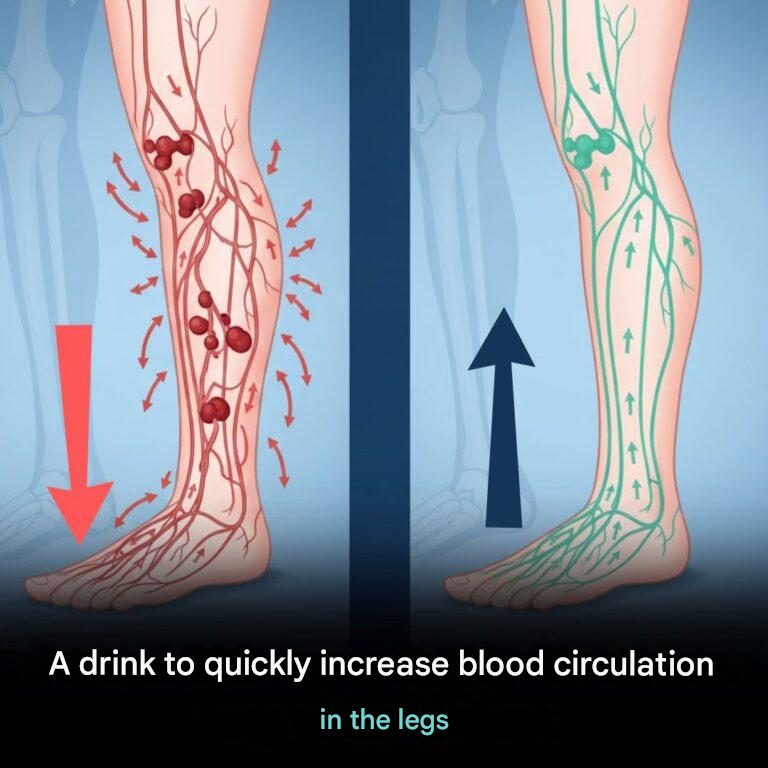
A drink to quickly increase blood circulation in your legs

Poor blood circulation in the legs is a common problem that affects people of all ages, especially those who sit for long periods, stand all day, or are over 40. Symptoms such as cold feet, numbness, tingling, swelling, leg cramps, and fatigue can all be signs that blood is not flowing efficiently. While long-term circulation improvement requires lifestyle changes, certain natural drinks can support faster blood flow and help your legs feel lighter and more energized.

One of the most effective natural options is a ginger–lemon–cayenne circulation drink. This simple yet powerful beverage works by stimulating blood vessels, reducing inflammation, and improving oxygen delivery to the lower extremities.

Why Blood Circulation in the Legs Matters

Your legs rely on strong circulation to deliver oxygen and nutrients to muscles and tissues while removing waste products. When circulation is poor, blood pools in the lower limbs, leading to discomfort and, over time, increasing the risk of varicose veins, nerve problems, and even cardiovascular issues.

Factors that commonly reduce leg circulation include:

  • Prolonged sitting or inactivity

  • Smoking

  • Dehydration

  • Poor diet high in processed foods

  • Aging and stiffening blood vessels

Supporting circulation naturally can make a noticeable difference in comfort and mobility.

The Best Drink for Faster Leg Circulation

Ginger–Lemon–Cayenne Circulation Drink

This drink combines three powerful ingredients known for their circulation-enhancing properties.

Ingredients

  • 1 cup warm water

  • 1 teaspoon freshly grated ginger (or ½ teaspoon ginger powder)

  • Juice of ½ fresh lemon

  • A pinch of cayenne pepper

  • 1 teaspoon raw honey (optional)

How This Drink Improves Circulation

1. Ginger: A Natural Blood Flow Booster

Ginger contains active compounds like gingerol that help relax blood vessels and improve blood flow. It also has warming properties, which can quickly increase circulation in cold or numb legs. Ginger reduces inflammation and prevents blood from becoming too thick, allowing it to move more freely through veins and arteries.

2. Lemon: Cleanses and Strengthens Blood Vessels

Lemon juice is rich in vitamin C, an antioxidant that supports healthy blood vessel walls. Strong, elastic vessels allow blood to circulate more efficiently, especially to the lower body. Lemon also helps reduce plaque buildup and supports hydration, both essential for smooth circulation.

3. Cayenne Pepper: Immediate Circulatory Stimulation

Cayenne pepper contains capsaicin, a compound that stimulates blood flow almost immediately. It helps widen blood vessels and encourages blood to move away from congested areas. Many people feel warmth in their legs within minutes of consuming cayenne, making it especially effective for cold feet and stiffness.

4. Warm Water: Enhances Absorption

Warm water helps ingredients absorb faster and relaxes blood vessels, allowing the circulation-boosting effects to begin more quickly than with cold drinks.

How to Prepare the Drink

  1. Heat one cup of water until warm, not boiling.

  2. Add the grated ginger and let it steep for 3–5 minutes.

  3. Strain if desired, then add lemon juice.

  4. Add a pinch of cayenne pepper and stir well.

  5. Sweeten with honey if needed.

Drink it slowly while warm.

When and How Often to Drink It

  • Best time: Morning on an empty stomach or mid-afternoon

  • Frequency: Once daily for quick circulation support; up to twice daily if tolerated

Many people report feeling warmer legs and reduced stiffness within 20–30 minutes.

Additional Tips to Boost Results

While this drink works quickly, combining it with simple habits enhances the effect:

  • Take a short walk after drinking it

  • Stretch your calves and ankles

  • Elevate your legs for 10 minutes

  • Stay hydrated throughout the day

Even light movement helps push blood downward and back up toward the heart.

Who Should Be Careful

Although natural, this drink may not be suitable for everyone. Avoid or consult a healthcare professional if you:

  • Have stomach ulcers or acid reflux

  • Are taking blood-thinning medications

  • Have low blood pressure

  • Are sensitive to spicy foods

Start with a very small amount of cayenne if you are new to it.

Final Thoughts

Improving blood circulation in your legs doesn’t always require expensive supplements or medications. A simple ginger–lemon–cayenne drink can offer fast, natural support by stimulating blood flow, warming the body, and strengthening blood vessels. When used consistently alongside gentle movement and healthy hydration, this drink can help your legs feel lighter, warmer, and more energized.

Healthy circulation is not just about comfort—it’s essential for long-term mobility and overall well-being. Making this drink part of your routine can be a small but powerful step toward healthier legs and a more active life.

Mix Cloves with Vaseline 

Cloves and Vaseline: The Surprising Benefits of This Simple Combination

In the world of natural remedies and DIY skincare, cloves and Vaseline might not seem like an obvious pair. However, when combined, these two ingredients create a surprisingly effective solution for a variety of skin, health, and beauty issues. Cloves, known for their aromatic fragrance and potent medicinal properties, have been used for centuries in traditional medicine. Vaseline, or petroleum jelly, is a staple in many households due to its moisturizing and protective properties. Together, they form a unique mixture that can address multiple concerns naturally.

Why Cloves Are So Powerful

Cloves, the dried flower buds of the Syzygium aromaticum tree, are packed with beneficial compounds, including eugenol, tannins, and flavonoids. Eugenol, the most notable component, has strong antioxidant, anti-inflammatory, and antibacterial properties. This makes cloves effective for treating skin infections, reducing inflammation, and even relieving pain. Traditionally, cloves have been used for dental care, digestive issues, and respiratory problems. Their antiseptic properties make them a popular choice for natural remedies.

The Role of Vaseline in Skincare

Vaseline is a form of petroleum jelly that works as a barrier to lock in moisture. It is non-comedogenic, meaning it does not clog pores, and is safe for most skin types. Vaseline is particularly useful for dry, cracked skin, chapped lips, minor burns, and as a base for other active ingredients. While it does not have inherent medicinal properties like cloves, it enhances the effectiveness of natural ingredients by helping them penetrate the skin and stay in place longer.

How Cloves and Vaseline Work Together

When cloves are mixed with Vaseline, the combination provides a dual benefit. The Vaseline acts as a carrier, helping to deliver the active compounds from cloves directly to the skin while keeping the area moisturized and protected. This mixture can be used in various ways, from soothing minor skin irritations to enhancing oral health and even improving skin tone.

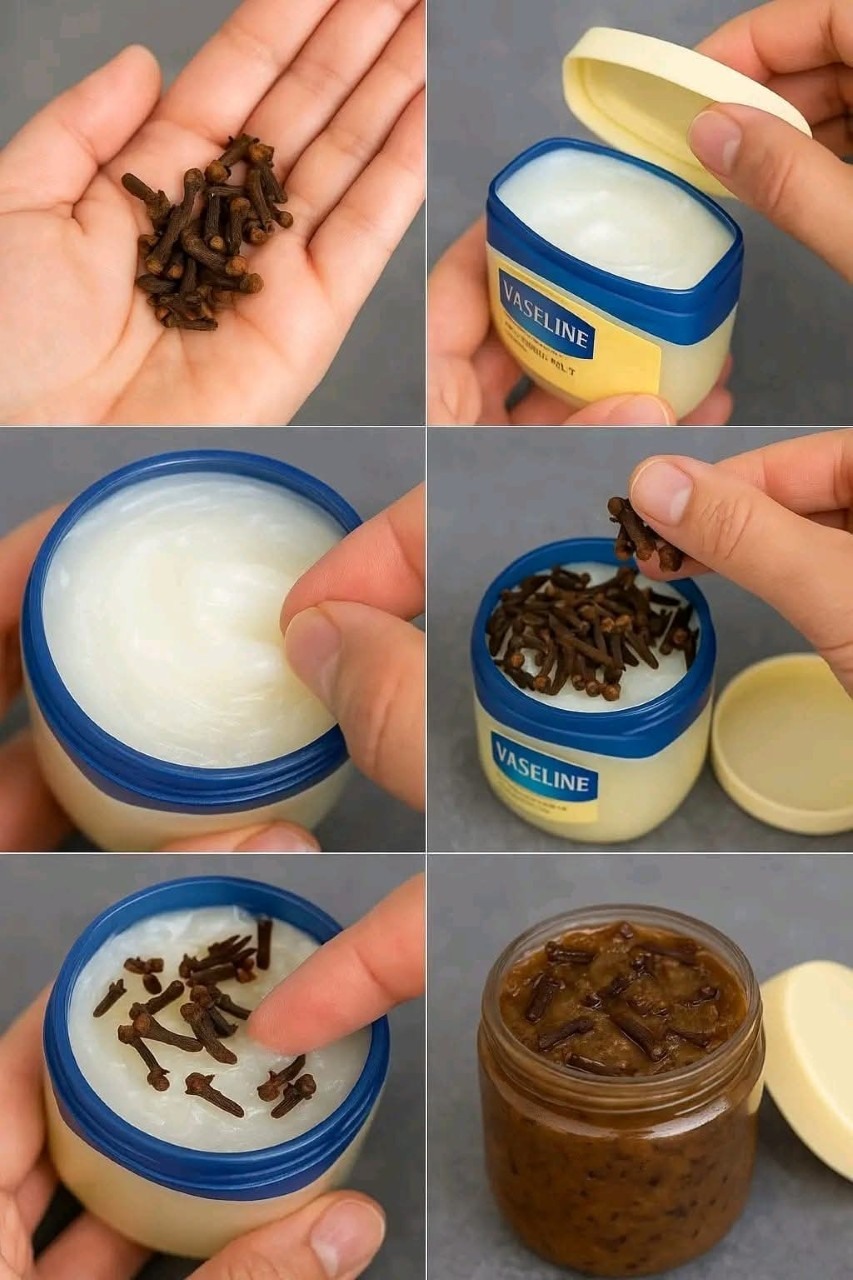
DIY Clove and Vaseline Mixture

Creating a clove-infused Vaseline mixture at home is simple and requires minimal ingredients:

Ingredients:

  • 1 tablespoon of Vaseline
  • 5–7 whole cloves or 1 teaspoon of clove powder
  • Optional: A few drops of essential oil for fragrance

Method:

  1. Gently heat the Vaseline in a small pan on low heat. Avoid boiling or overheating.
  2. Crush the cloves slightly to release their oils. If using clove powder, this step is not necessary.
  3. Add the crushed cloves or clove powder to the warm Vaseline and mix thoroughly.
  4. Let the mixture cool, then store it in a clean jar with a tight-fitting lid.

This mixture can last for a few weeks if stored in a cool, dry place.

Uses of Clove and Vaseline Mixture

  1. For Dry Skin and Cracked Heels:
    The anti-inflammatory properties of cloves can help soothe irritated skin, while Vaseline locks in moisture. Apply a thin layer to dry areas like elbows, knees, or heels before bedtime and cover with socks or a cloth for best results.
  2. For Acne and Skin Infections:
    Cloves’ antibacterial properties can help reduce bacteria on the skin, while Vaseline prevents further irritation. Apply a small amount to affected areas and leave it on for a few hours or overnight.
  3. For Lip Care:
    Chapped lips are a common problem, especially in dry or cold weather. A small dab of clove-Vaseline mixture can help heal cracks, reduce inflammation, and give your lips a healthy shine.
  4. For Toothaches and Oral Health:
    Cloves are well-known for their ability to relieve toothache pain. Applying a tiny amount of clove-infused Vaseline to the gums near a painful tooth may help numb the area and reduce discomfort. However, this should be done cautiously and not swallowed.
  5. For Minor Cuts and Burns:
    The antiseptic properties of cloves can prevent infections in minor cuts and burns, while Vaseline provides a protective barrier. Apply gently to the affected area and cover with a sterile bandage if necessary.

Precautions

While cloves and Vaseline are generally safe, a few precautions are necessary:

  • Conduct a patch test before applying the mixture to sensitive skin to ensure you do not have an allergic reaction.
  • Do not apply the mixture to deep wounds or severe burns; seek medical attention instead.
  • Avoid ingestion unless under professional guidance. Clove oil in high amounts can be toxic.
  • Use sparingly on the lips and gums to prevent irritation.

Conclusion

The combination of cloves and Vaseline is a natural, versatile remedy that offers multiple benefits for skin, lips, and minor ailments. By leveraging the antibacterial, anti-inflammatory, and antioxidant properties of cloves along with the moisturizing and protective nature of Vaseline, this mixture becomes a simple yet powerful addition to your home remedy toolkit. Whether you are battling dry skin, minor infections, or occasional toothaches, a small jar of clove-infused Vaseline can provide relief in a safe, natural way.

Incorporating this mixture into your routine is easy and cost-effective, proving once again that some of the best solutions are found in the simplest ingredients. With minimal effort, you can harness the age-old benefits of cloves and the modern convenience of Vaseline to support your health and skincare naturally.

A month before my stroke, my body began to warn me. These were the first symptoms.

A Month Before My Stroke, My Body Began to Warn Me. These Were the First Symptoms

A stroke never feels like something that will happen to you—until it does. Looking back, what haunts me most is not the day of the stroke itself, but the quiet, subtle warnings my body gave me in the weeks before. They were easy to dismiss, easy to explain away as stress, fatigue, or age. A month before my stroke, my body began to whisper that something was wrong. I didn’t listen. I wish I had.

This is not a story meant to scare you, but to inform you. Stroke often doesn’t arrive without notice. Many people experience early warning signs days or even weeks beforehand. Here are the first symptoms I felt—and what they may mean for others.

1. Unusual, Persistent Fatigue

I had never felt tired like that before. This wasn’t the normal end-of-day exhaustion. It was a deep, heavy fatigue that sleep didn’t fix. I would wake up already drained, as if my body had run a marathon overnight. Simple tasks felt overwhelming.

At the time, I blamed stress and poor sleep. But doctors later explained that reduced blood flow to the brain can cause unexplained fatigue weeks before a stroke. When your brain isn’t getting enough oxygen, your entire body suffers.

2. Sudden Dizziness and Loss of Balance

About three weeks before my stroke, I started feeling dizzy for no clear reason. Sometimes the room would spin slightly. Other times, I felt unsteady on my feet, as if the ground wasn’t quite solid beneath me.

I didn’t faint, so I ignored it. But balance problems and unexplained dizziness are classic early neurological warning signs. The brain regions responsible for coordination are especially sensitive to blood flow changes.

3. Brief Vision Problems

One morning, my vision blurred in one eye for a few minutes. Another day, I noticed flashes of light and difficulty focusing. These episodes were short-lived and painless, so I didn’t think much of them.

This symptom is known as amaurosis fugax, a temporary loss of vision caused by reduced blood supply to the eye or brain. It is one of the strongest warning signs of an impending stroke—and one of the most commonly ignored.

4. Headaches That Felt “Different”

I’ve had headaches before, but these were unusual. They came on suddenly and felt sharp, intense, and unfamiliar. Pain relievers barely helped. There was no clear trigger, no dehydration, no long screen time.

Not all strokes cause headaches, but a sudden change in headache pattern—especially in people with risk factors like high blood pressure—can be a red flag that blood vessels are under strain.

5. Trouble Finding Words

This symptom frightened me, but not enough to act. I knew what I wanted to say, but the words wouldn’t come out right. I stumbled over simple sentences or used the wrong words without realizing it at first.

Speech difficulties, even mild or temporary ones, suggest that the brain’s language centers may not be functioning properly. In many cases, this can signal a transient ischemic attack (TIA)—often called a “mini-stroke”—which is a major warning that a full stroke may follow.

6. Numbness and Tingling on One Side

A few weeks before the stroke, I noticed tingling in my hand and slight numbness on one side of my face. It would come and go, lasting only minutes.

Because it disappeared, I assumed it was nerve-related or circulation from sleeping awkwardly. In reality, one-sided numbness is one of the most telling early stroke symptoms, even when it’s temporary.

7. Sudden Mood and Personality Changes

This was the most subtle symptom of all. I became unusually anxious and irritable. Small problems felt overwhelming. I didn’t feel like myself, but I couldn’t explain why.

Changes in mood, judgment, or behavior can occur when parts of the brain responsible for emotional regulation are affected. These signs are often overlooked because they don’t seem “medical.”

The Day Everything Changed

When the stroke finally happened, it was fast and unmistakable—slurred speech, weakness on one side, and confusion. Only then did all the earlier symptoms make sense. I realized my body had been warning me all along.

A Message That Could Save a Life

If you experience sudden fatigue, dizziness, vision changes, speech difficulty, numbness, or unusual headaches, don’t wait. Even if symptoms come and go, seek medical help immediately. A TIA is a medical emergency and a chance to prevent a devastating stroke.

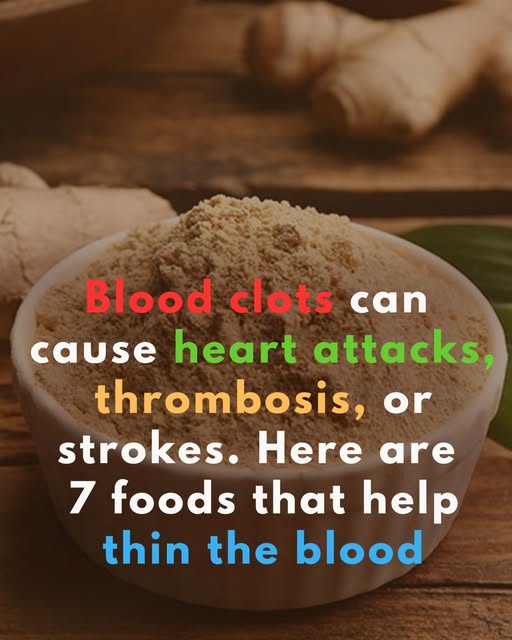
7 powerful blood-thinning foods you need to know about

7 Powerful Blood-Thinning Foods You Need to Know About

Healthy blood flow is essential for delivering oxygen and nutrients throughout the body. When blood becomes too thick or prone to clotting, it can increase the risk of serious conditions such as heart attacks, strokes, and deep vein thrombosis. While medications like anticoagulants are often prescribed for high-risk individuals, certain foods naturally support healthy circulation and help reduce excessive clotting.

These foods don’t “thin” blood in the same way medication does, but they can reduce platelet aggregation, improve vessel flexibility, and lower inflammation, all of which support smoother blood flow. Here are seven powerful blood-thinning foods you should know about—and how to use them safely.


1. Garlic

Nature’s Circulation Booster

Garlic has been used medicinally for thousands of years, and modern research confirms its cardiovascular benefits. Garlic contains sulfur compounds—especially allicin—that help reduce platelet clumping and support healthy blood vessels.

Benefits:

  • Reduces platelet aggregation
  • Helps lower blood pressure
  • Improves overall circulation
  • Supports heart health

How to use it:
Fresh, crushed garlic is the most potent. Add it to soups, stir-fries, sauces, or salad dressings. Let it sit for 5–10 minutes after crushing to activate allicin.

Caution:
Large amounts may increase bleeding risk, especially if you’re on blood-thinning medication.


2. Ginger

A Natural Anti-Clot Spice

Ginger contains compounds called salicylates, similar to those found in aspirin. These compounds may help prevent blood platelets from sticking together while also reducing inflammation.

Benefits:

  • Improves circulation
  • Reduces inflammation
  • Supports heart and digestive health
  • May help lower cholesterol

How to use it:
Fresh ginger tea, grated ginger in meals, or small amounts in smoothies are excellent options.

Caution:
Excessive ginger intake may enhance the effects of anticoagulant drugs.


3. Turmeric

Golden Protection for Your Blood

Turmeric’s active compound, curcumin, has powerful anti-inflammatory and antiplatelet properties. It helps reduce clot formation and supports healthy arteries.

Benefits:

  • Inhibits platelet aggregation
  • Reduces chronic inflammation
  • Supports vascular health
  • May improve circulation over time

How to use it:
Add turmeric to curries, rice, soups, or warm milk. Combine with black pepper to improve absorption.

Caution:
Avoid high doses if you have gallbladder issues or are preparing for surgery.


4. Fatty Fish

Omega-3 Powerhouses

Salmon, sardines, mackerel, and tuna are rich in omega-3 fatty acids, which are well known for their blood-thinning and heart-protective effects.

Benefits:

  • Reduces blood clot formation
  • Lowers triglycerides
  • Decreases inflammation
  • Improves blood vessel function

How to use it:
Aim for two servings per week, grilled or baked rather than fried.

Caution:
Excess omega-3 intake from supplements can increase bleeding risk.


5. Berries

Small Fruits, Big Impact

Blueberries, strawberries, raspberries, and cranberries are rich in flavonoids, which help reduce platelet stickiness and improve circulation.

Benefits:

  • Enhances blood vessel flexibility
  • Reduces oxidative stress
  • Supports heart health
  • Helps prevent abnormal clotting

How to use it:
Eat fresh or frozen berries daily in oatmeal, yogurt, or smoothies.

Bonus tip:
Cranberries may interact with blood-thinning medications like warfarin—consume in moderation.


6. Dark Chocolate

A Heart-Healthy Indulgence

High-quality dark chocolate (70% cocoa or more) contains flavanols that help prevent platelets from clumping and support healthy blood flow.

Benefits:

  • Improves circulation
  • Reduces platelet aggregation
  • Supports heart and brain health
  • Lowers inflammation markers

How to use it:
Enjoy a small square (20–30 grams) a few times per week.

Caution:
Choose low-sugar varieties to avoid counteracting benefits.


7. Green Tea

Gentle Yet Effective

Green tea contains catechins, antioxidants that help reduce blood clot formation and improve vessel function.

Benefits:

  • Supports healthy circulation
  • Reduces inflammation
  • Improves cholesterol levels
  • Protects blood vessels

How to use it:
Drink 1–3 cups daily, preferably without added sugar.

Caution:
Green tea contains vitamin K in small amounts, which may interfere with certain blood-thinning medications.


Important Safety Notes

While these foods are beneficial, they are not substitutes for prescribed blood-thinning medications. If you are taking anticoagulants, have a bleeding disorder, or are preparing for surgery, consult your doctor before significantly increasing these foods in your diet.

Watch for signs of excessive thinning, such as easy bruising, nosebleeds, or prolonged bleeding from cuts.


Final Thoughts

Incorporating natural blood-thinning foods into your daily meals is a smart and delicious way to support heart health and circulation. Garlic, ginger, turmeric, fatty fish, berries, dark chocolate, and green tea all offer powerful compounds that help keep blood flowing smoothly—when used wisely.

A balanced diet, regular movement, hydration, and medical guidance together form the strongest defense against circulation-related problems. Small dietary changes today can make a meaningful difference in long-term cardiovascular health.