Alert 8 Drugs That Cause Serious Dementia

Dementia isn’t a single disease — it’s a broad term for progressive cognitive impairment that affects memory, thinking, behavior, and daily functioning. While age and genetics are well-known risk factors, certain medications have also been linked to cognitive decline and a higher risk of developing dementia. Some drugs don’t cause dementia directly, but long-term use — especially in older adults — can increase the risk or worsen cognitive symptoms

Below we explore eight drugs or drug classes that research and clinical observations associate with dementia risk or serious cognitive impairment. Always talk with your physician before stopping, starting, or changing any medications — especially if you’re concerned about memory or brain health.

Anticholinergics are among the most consistently implicated drugs linked to dementia risk. These medications block acetylcholine, a key neurotransmitter for memory and learning. Long-term use — especially daily for three years or more — has been associated with an increased chance of developing dementia.

Common anticholinergic drugs include:

  • Antidepressants like amitriptyline and nortriptyline
  • Bladder antimuscarinics such as oxybutynin and tolterodine
  • Anti-Parkinson’s medications like benztropine
  • Antipsychotics with anticholinergic properties

Studies show that older adults taking these medications regularly had up to a 50% higher risk of developing dementia compared to non-users, even after adjusting for lifestyle and health factors

Mechanism: Suppressing acetylcholine reduces neural signaling involved in attention, memory, and overall cognition, potentially accelerating decline over time.

2. Benzodiazepines (Anti-Anxiety and Sleep Drugs)

Benzodiazepines — such as Valium (diazepam), Xanax (alprazolam), and Ativan (lorazepam) — are widely prescribed for anxiety and insomnia. Several studies link long-term benzodiazepine use to increased dementia risk

Why they’re concerning:

  • These drugs depress the central nervous system.
  • Long-term use, especially in older adults, can impair memory and processing speed.
  • Some research suggests extended benzodiazepine use is associated with higher Alzheimer’s risk.

While short-term use may be medically justified, benzodiazepines are generally recommended only for brief periods due to dependency and cognitive concerns.

  1. Proton Pump Inhibitors (PPIs)

PPIs — medications that reduce stomach acid — have been linked in some studies to increased dementia risk when used long-term.
UK Reporter
+1

Common PPIs include:

Omeprazole (Prilosec)

Esomeprazole (Nexium)

Lansoprazole (Prevacid)

Researchers speculate long-term PPI use might affect the brain indirectly by interfering with the absorption of nutrients like vitamin B12 — essential for neural health — or by influencing amyloid accumulation.
Wis IT

It’s important to note that the link is associative rather than proven causal, and short-term use for acute gastrointestinal conditions may still be appropriate.

  1. Opioid Pain Medications

Strong painkillers like morphine, hydrocodone, and oxycodone are effective for severe pain. However, evidence suggests that long-term opioid use may be associated with increased dementia risk, particularly in older patients.
UK Reporter
+1

Key concerns:

Opioids depress central nervous system activity.

Chronic use has been linked to cognitive impairment, slowed thinking, and memory issues.

Some large observational studies have shown opioid users had higher rates of dementia than non-users.
UK Reporter

Importantly, chronic pain itself can also affect cognition, making it difficult to untangle the direct effects of opioids from underlying health conditions.

  1. Certain Antidepressants

Some antidepressants, especially tricyclic antidepressants (TCAs) like amitriptyline and doxepin, have strong anticholinergic effects — and that’s a major part of why they’re linked to dementia risk.
Medical News Today
+1

Even some selective serotonin reuptake inhibitors (SSRIs) — often considered safer — have been implicated in cognitive impairment when used long-term, although the evidence is mixed.
inkl

Why it matters:

Anticholinergic depression of neural signaling can worsen memory.

Older TCAs are more likely to have these effects than newer antidepressants.

Treating depression is important, but medication choice should consider cognitive side effects — especially in older adults.

  1. Antipsychotics (Especially in Older Adults)

Antipsychotic drugs are often used to treat severe psychiatric conditions, but they’re also sometimes prescribed off-label for agitation in elderly dementia patients. Unfortunately, these drugs can worsen cognitive decline and are associated with increased risk of death in dementia patients.
Healthline
+1

Examples include:

Risperidone (Risperdal)

Olanzapine (Zyprexa)

Quetiapine (Seroquel)

The FDA warns about increased mortality when antipsychotics are used in elderly people with dementia-related psychosis.
Healthline

Why this matters: These medications can block neurotransmitters crucial for cognition or worsen metabolic health — further impairing brain function.

  1. Corticosteroids

Steroid medications like prednisone and hydrocortisone are powerful anti-inflammatories, but their use — especially long-term — can affect brain chemistry.
Healthline

Potential cognitive effects:

Mood changes

Memory impairment

“Steroid dementia” (a reversible form of cognitive decline in some cases)

While the dementia-risk evidence here is less robust than for anticholinergics or benzodiazepines, steroids can affect memory and mental processing — particularly with prolonged or high-dose use.

  1. Certain Sleep Aids and Muscle Relaxants

Sleep medications beyond benzodiazepines — such as Z-drugs (e.g., zolpidem (Ambien) and eszopiclone (Lunesta)) — and some muscle relaxants (like cyclobenzaprine) may cause confusion, dizziness, sedation, and memory problems, particularly in older adults.
Alzheimer’s Care Partner
+1

Why they’re risky:

Many act on the central nervous system.

They increase risk of falls and cognitive impairment.

In older adults, these effects can be more pronounced and persistent.

What’s the Bottom Line?

Association ≠ causation. Most research shows links rather than proof that medications directly cause dementia.
Alzheimer’s Society

Older age matters. The risk and impact of these drugs on cognition tend to be higher in adults over age 65.

Dose and duration matter. Long-term or high-dose use consistently shows stronger links with cognitive decline.

Talk to your doctor. Never stop or change medications without medical guidance — particularly for essential treatments like antidepressants or pain management.

Takeaway

While many medications are safe and effective when used properly, certain drug classes carry a documented risk of serious cognitive impairment — especially with prolonged use or in older adults. From benzodiazepines and anticholinergics to opioids and antipsychotics, understanding these risks is a key part of preserving brain health.

If you or a loved one are on long-term medications and are concerned about memory loss or cognitive changes, the best thing you can do is have an open conversation with a healthcare provider about risks, benefits, and safer alternatives.


Many of you still don’t know what could happen if you continue to sleep like this all night

Sleep is supposed to heal the body, restore the mind, and prepare you for the day ahead. Yet many people wake up feeling stiff, tired, foggy, or even in pain—without realizing that the problem isn’t how long they sleep, but how they sleep. One common sleeping position, often adopted out of habit or comfort, may quietly be harming your body night after night. If you continue to sleep like this all night, the long-term effects can be far more serious than you think.

Let’s talk about sleeping on your stomach—a position millions of people use without a second thought.

Why Sleeping on Your Stomach Feels Comfortable (At First)

At first glance, stomach sleeping seems harmless. Some people say it reduces snoring, others feel it’s relaxing or helps them fall asleep faster. But comfort in the short term doesn’t always mean safety in the long term. The human body simply wasn’t designed to remain twisted and compressed for six to eight hours every night.

When you sleep on your stomach, your neck must turn sharply to one side to allow breathing. Your spine flattens unnaturally, and your lower back dips downward under the weight of your torso. This unnatural alignment sets off a chain reaction throughout your body.

1. Chronic Neck and Shoulder Pain

One of the first warning signs appears in the neck. Sleeping on your stomach forces your head to remain rotated for hours, placing extreme stress on the cervical spine. Over time, this can lead to:

  • Persistent neck stiffness
  • Shoulder tension
  • Pinched nerves
  • Reduced range of motion

Many people dismiss this pain as “sleeping wrong” for one night, not realizing it’s a nightly habit slowly damaging the neck joints and muscles.

2. Lower Back Problems You Can’t Ignore

Your spine has a natural curve that supports balance and movement. Stomach sleeping flattens this curve, especially in the lower back. The result? Continuous strain on the lumbar spine.

Over time, this can contribute to:

  • Lower back pain
  • Muscle imbalances
  • Disc compression
  • Increased risk of herniated discs

If you wake up with back pain that fades during the day, your sleeping position may be the hidden cause.

3. Nerve Compression and Tingling Sensations

Have you ever woken up with numb hands, tingling arms, or a “pins and needles” feeling? Sleeping on your stomach often places pressure on nerves in the shoulders, arms, and neck.

When nerves are compressed for long periods:

  • Signals between the brain and body are disrupted
  • Circulation may be reduced
  • Nerve inflammation can develop

Over time, this may worsen into chronic nerve pain or weakness.

4. Breathing and Oxygen Issues

While some believe stomach sleeping helps breathing, it can actually restrict it. The chest and lungs are pressed against the mattress, limiting full expansion of the rib cage.

This can lead to:

  • Shallow breathing
  • Reduced oxygen intake
  • Poor sleep quality
  • Morning fatigue and headaches

Shallow breathing during sleep prevents the body from fully restoring itself, leaving you tired even after a full night in bed.

5. Premature Wrinkles and Skin Damage

This consequence surprises many people. When you sleep on your stomach, your face is often pressed firmly against the pillow for hours. This repeated pressure and friction can cause:

  • Sleep lines that turn into permanent wrinkles
  • Puffiness around the eyes
  • Skin irritation and breakouts

Over time, gravity and pressure accelerate facial aging—especially around the cheeks, mouth, and eyes.

6. Digestive Discomfort and Acid Reflux

Sleeping on your stomach can worsen digestive problems. The position increases pressure on the abdomen, which may aggravate acid reflux, bloating, and stomach discomfort.

People who suffer from heartburn or indigestion often notice symptoms are worse in the morning—another clue that their sleep position is working against them.

7. Long-Term Posture Damage

Perhaps the most concerning effect is how stomach sleeping influences your posture over time. Night after night of spinal misalignment trains your body into poor posture patterns.

This may lead to:

  • Rounded shoulders
  • Forward head posture
  • Chronic muscle tightness
  • Reduced mobility with age

What feels like a small habit today can silently reshape your body over the years.

A Better Way to Sleep

If you’re a stomach sleeper, changing positions may feel difficult at first—but the benefits are worth it.

Side sleeping, especially on the left side, supports spinal alignment, improves digestion, and reduces pressure on the neck and back. Back sleeping with proper pillow support can also help maintain a neutral spine.

Helpful tips to break the habit:

  • Use a body pillow to prevent rolling onto your stomach
  • Place a pillow under one side of your torso
  • Choose a supportive mattress and a low-profile pillow

Your body adapts faster than you expect.

The Bottom Line

Sleep is one of the most powerful tools your body has to heal, regenerate, and protect itself. But if you continue to sleep on your stomach all night, you may be unknowingly inviting pain, fatigue, and long-term damage into your life.

The position you choose tonight could shape how you feel tomorrow—and how healthy you are years from now. Sometimes, one simple change is all it takes to protect your spine, improve your sleep, and wake up feeling truly restored.

Natural Drink To Lose 10 Pounds In 10 Days

The idea of losing 10 pounds in just 10 days is incredibly tempting. It sounds fast, powerful, and almost too good to be true—and in many ways, it is. While some people do see rapid changes on the scale in a short period, it’s important to understand what that weight usually represents and how to approach the process safely. A natural drink can certainly support fat loss, reduce bloating, and jump-start metabolism, but it should be viewed as part of a broader reset rather than a miracle cure.

Let’s explore a popular natural weight-loss drink, how it works, what results are realistic, and how to use it wisely.

First, a Reality Check About “10 Pounds in 10 Days”

When people lose a large amount of weight very quickly, the scale is usually reflecting a mix of:

  • Water weight
  • Reduced bloating
  • Empty glycogen (stored carbohydrates)
  • Some fat loss

True body fat loss happens more gradually. That said, reducing inflammation, excess water retention, and overeating can make you look and feel dramatically slimmer in a short time—and that’s where natural detox-style drinks come in.

The Natural Fat-Burning Drink

This drink is simple, affordable, and made from ingredients long used in traditional wellness practices for digestion and metabolism.

Ingredients:

  • 1 liter (4 cups) warm water
  • 1 tablespoon fresh lemon juice
  • 1 teaspoon grated ginger (or ½ teaspoon ginger powder)
  • 1 tablespoon apple cider vinegar (with the “mother”)
  • ½ teaspoon cinnamon powder
  • Optional: 1 teaspoon raw honey (skip if aiming for faster results)

How to Prepare It

  1. Warm the water (do not boil).
  2. Add ginger and cinnamon, stir well.
  3. Add lemon juice and apple cider vinegar.
  4. Let it sit for 5 minutes.
  5. Add honey only if needed for taste.

Drink it fresh for best results.

How to Use It for Maximum Effect

  • Morning (empty stomach): 1 glass
  • Before lunch: 1 glass
  • Before dinner: 1 glass

You can drink up to 3 glasses per day, but do not exceed this amount.

Why This Drink Helps With Weight Loss

1. Reduces Water Retention

Lemon and apple cider vinegar act as mild natural diuretics, helping the body release excess water. Many people notice a flatter stomach within a few days.

2. Boosts Metabolism

Ginger and cinnamon increase thermogenesis—the process by which your body burns calories to produce heat. This can slightly raise calorie burn throughout the day.

3. Controls Appetite

This drink helps stabilize blood sugar levels, reducing sudden cravings, especially for sugar and refined carbs.

4. Improves Digestion

Better digestion means less bloating, improved nutrient absorption, and more efficient fat metabolism.

5. Supports Liver Function

The liver plays a key role in fat burning. Lemon and apple cider vinegar support natural detox pathways, allowing the liver to work more efficiently.

What Results Can You Expect in 10 Days?

While individual results vary, many people experience:

  • Reduced belly bloating in 2–3 days
  • Weight drop of 4–8 pounds (mostly water and inflammation)
  • Noticeably slimmer waist and face
  • Improved energy and digestion

Some people may see numbers close to 10 pounds, but this is not guaranteed—and it shouldn’t be the only measure of success.

What to Eat While Using This Drink

To enhance results, pair the drink with simple dietary adjustments:

Focus On:

  • Vegetables (steamed or raw)
  • Lean protein (eggs, chicken, fish, lentils)
  • Healthy fats (olive oil, nuts in moderation)
  • Plenty of water

Avoid:

  • Sugar and sweets
  • White bread and pastries
  • Fried foods
  • Sugary drinks and sodas

Even small changes can dramatically amplify the drink’s effects.

Common Mistakes to Avoid

  • ❌ Drinking it and continuing heavy junk food intake
  • ❌ Expecting fat loss without lifestyle changes
  • ❌ Overusing apple cider vinegar (can irritate the stomach)
  • ❌ Skipping meals completely (slows metabolism)

Who Should Be Careful?

Avoid or consult a professional if you:

  • Have stomach ulcers or acid reflux
  • Are pregnant or breastfeeding
  • Take medications for blood pressure or blood sugar
  • Have kidney issues

Natural does not always mean risk-free.

The Bigger Picture

This natural drink is best seen as a reset tool—a way to reduce bloating, regain control over appetite, and motivate healthier habits. The real magic happens when you continue balanced eating, hydration, and light movement beyond those 10 days.

Instead of asking, “Can I lose 10 pounds in 10 days?”
A better question is: “Can I feel lighter, healthier, and more in control in 10 days?”

With this drink and smart choices, the answer is often yes.

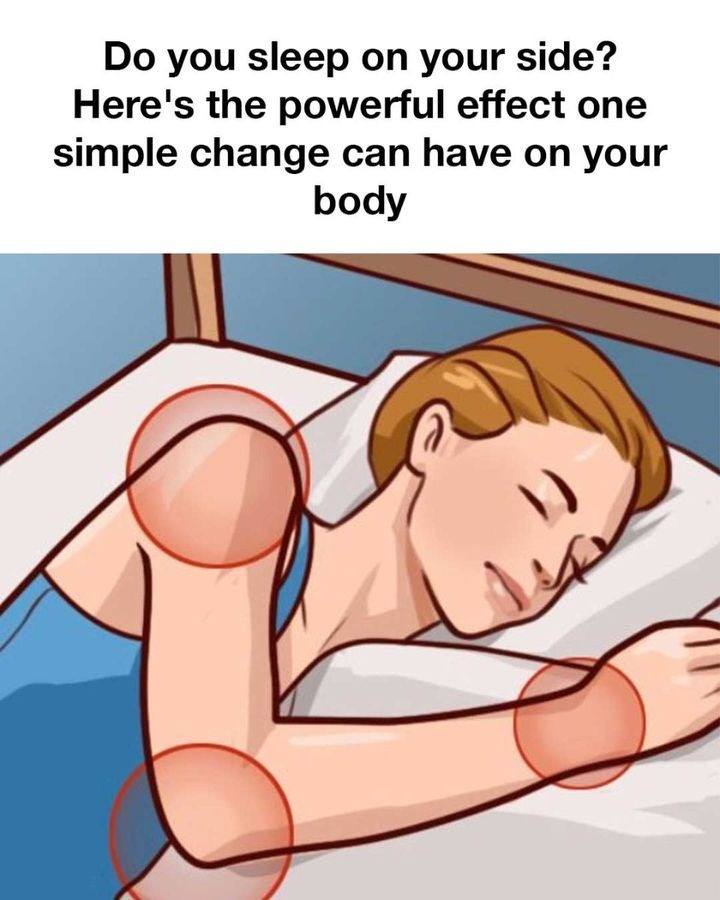
Do You Sleep on Your Side Here’s the Powerful Effect One Simple Change Can Have on Your Body

Do You Sleep on Your Side? Here’s the Powerful Effect One Simple Change Can Have on Your Body

Sleep is something we all do every night, yet few of us think about how we sleep. We focus on getting enough hours, buying a better mattress, or scrolling less before bed—but one of the most powerful sleep upgrades doesn’t cost a single penny. It’s simply changing your sleep position. If you sleep on your side (or are thinking about it), this small adjustment can have surprisingly big effects on your body, from digestion and breathing to brain health and pain relief.

Let’s explore why side sleeping is often called the healthiest sleep position—and how one simple change could transform the way you feel every morning.

Why Sleep Position Matters More Than You Think

Your body spends nearly one-third of its life asleep. During these hours, vital processes take place: tissues repair, hormones balance, the brain clears waste, and muscles relax. Your sleep position directly affects how efficiently these processes occur.

Sleeping flat on your back or curled on your stomach can place stress on your spine, restrict breathing, and interfere with digestion. Side sleeping, on the other hand, aligns your body in a way that supports multiple systems at once.

1. Better Breathing and Less Snoring

One of the most immediate benefits of side sleeping is improved airflow. When you sleep on your back, gravity pulls the tongue and soft tissues backward, partially blocking the airway. This is a major reason why snoring and sleep apnea are more common in back sleepers.

Side sleeping keeps the airway more open, allowing oxygen to flow freely. Many people notice reduced snoring within days of switching to their side. For those with mild sleep apnea, side sleeping can significantly lessen symptoms and improve sleep quality—for both the sleeper and their partner.

2. Improved Digestion and Reduced Acid Reflux

If you’ve ever gone to bed after dinner and woken up with heartburn, your sleep position may be partly to blame. Side sleeping—especially on the left side—is known to support healthier digestion.

The stomach naturally sits on the left side of the body. When you sleep on your left side, gravity helps keep stomach acid where it belongs, reducing the chance of it flowing back into the esophagus. This can ease symptoms of acid reflux, bloating, and indigestion.

Many people who struggle with nighttime heartburn report noticeable relief after just a few nights of left-side sleeping.

3. Spinal Alignment and Less Back Pain

Side sleeping can be a game-changer for people with back or neck pain—if done correctly. When you sleep on your side with proper support, your spine stays in a more natural, neutral position.

Using a pillow between your knees helps prevent your upper leg from pulling your spine out of alignment. A supportive pillow under your head keeps your neck straight rather than tilted. This reduces pressure on the lower back, hips, and shoulders.

Over time, better alignment can mean fewer aches, less morning stiffness, and improved mobility throughout the day.

4. Brain Health and Better Waste Removal

One of the most fascinating discoveries in recent years is how sleep position affects the brain’s ability to clean itself. During deep sleep, the brain flushes out waste products through a system known as the glymphatic system.

Research suggests that side sleeping may be the most efficient position for this process. By improving waste removal, side sleeping may support long-term brain health and potentially lower the risk of neurodegenerative conditions associated with toxin buildup.

While sleep alone isn’t a cure-all, this is a powerful reminder that small habits can support big systems.

5. Reduced Pressure on the Heart

Side sleeping can also be gentler on the heart. Sleeping flat on your back may increase pressure on major blood vessels, especially in people with circulation issues.

Left-side sleeping, in particular, may improve blood flow and reduce the workload on the heart. This is one reason doctors often recommend side sleeping during pregnancy—it helps optimize circulation for both mother and baby.

6. Relief for Pregnant Women

For expectant mothers, side sleeping isn’t just helpful—it’s often essential. As pregnancy progresses, sleeping on the back can compress major blood vessels, reducing blood flow and causing dizziness or discomfort.

Sleeping on the left side improves circulation, supports kidney function, and helps reduce swelling in the legs and feet. It’s widely considered the safest and most comfortable position during pregnancy.

7. How to Transition to Side Sleeping (If You’re Not Used to It)

If you’re a lifelong back or stomach sleeper, switching to your side may feel awkward at first. The good news? Your body adapts quickly with a few simple adjustments:

  • Use a firm pillow that supports your neck without pushing your head too high
  • Place a pillow between your knees to keep your hips aligned
  • Hug a body pillow to prevent rolling onto your stomach
  • Support your back with a rolled towel or pillow if you tend to roll onto your back during sleep

Consistency is key. After a week or two, side sleeping often starts to feel natural—and deeply comfortable.

The Takeaway: One Small Change, Big Results

Side sleeping may seem like a minor detail, but its effects ripple through your entire body. From better breathing and digestion to spinal alignment and brain health, this one simple change can quietly improve your nights—and your days.

You don’t need expensive gadgets or complicated routines. Just a supportive pillow, a mindful position, and the willingness to try something new.

Tonight, when you lie down, consider turning gently onto your side. Your body just might thank you in the morning.

Pharmacist issues warning to anyone who takes Vitamin D

Pharmacist Issues Warning to Anyone Who Takes Vitamin D

Vitamin D is often called the “sunshine vitamin,” praised for its role in bone strength, immune health, muscle function, and even mood. In recent years, it has become one of the most commonly used supplements worldwide. Many people take it daily without a second thought—especially during winter months or when advised by friends, social media, or even well-meaning headlines.

However, pharmacists are increasingly issuing an important warning: Vitamin D is beneficial, but it is not harmless when misused. Taking the wrong dose, combining it incorrectly with other supplements or medications, or assuming “more is better” can quietly lead to serious health problems.

Below is what pharmacists want everyone taking vitamin D to understand.

Vitamin D Is Fat-Soluble — And That Matters

One of the most critical warnings pharmacists emphasize is that vitamin D is fat-soluble, not water-soluble. Unlike vitamin C or B vitamins, excess vitamin D is not easily flushed out in urine. Instead, it is stored in fat and the liver.

This means that taking high doses over time can cause vitamin D toxicity, a condition known as hypervitaminosis D. While rare, it is very real—and often goes unnoticed until damage has already begun.

The Hidden Danger: Too Much Calcium in the Blood

Vitamin D’s main job is to help the body absorb calcium. When vitamin D levels become too high, calcium absorption increases excessively, leading to hypercalcemia (dangerously high calcium levels in the blood).

Pharmacists warn that high calcium can cause symptoms such as:

  • Persistent nausea or vomiting
  • Loss of appetite
  • Constipation
  • Extreme thirst and frequent urination
  • Muscle weakness
  • Fatigue and confusion
  • Kidney stones
  • Irregular heartbeat

In severe cases, it can result in kidney failure or heart rhythm disturbances.

Many people experiencing these symptoms never suspect vitamin D because they view it as “natural” and safe.

High-Dose Supplements Are Not for Everyone

A common mistake pharmacists see is people taking very high doses daily—such as 5,000 IU, 10,000 IU, or more—without medical supervision.

While high doses may be prescribed short-term for people with confirmed deficiency, pharmacists stress that:

  • These doses are not intended for long-term self-use
  • Blood levels should be monitored
  • Dosage should be adjusted once levels normalize

Taking high-dose vitamin D “just in case” or year-round can slowly push blood levels into a dangerous range.

Vitamin D Can Interact With Medications

Another major warning pharmacists give is that vitamin D can interact with certain medications, sometimes reducing effectiveness or increasing side effects.

Medications that may interact include:

  • Thiazide diuretics (used for blood pressure) – may increase calcium levels too much
  • Steroids – can interfere with vitamin D metabolism
  • Cholesterol-lowering drugs (like cholestyramine) – may reduce vitamin D absorption
  • Anti-seizure medications – can lower vitamin D levels, leading people to overcorrect

Pharmacists often discover these interactions only when patients mention all their supplements—something many forget to do.

“I’m Deficient” Doesn’t Always Mean You Need More

Pharmacists frequently warn against self-diagnosing vitamin D deficiency based on symptoms alone. Fatigue, body aches, low mood, and weakness can have many causes, not just low vitamin D.

The only reliable way to know your vitamin D status is through a blood test (25-hydroxyvitamin D). Without testing, people may take supplements unnecessarily or at incorrect doses.

Even more concerning, some individuals continue supplementing long after deficiency has been corrected.

More Is Not Better

One of the strongest messages pharmacists repeat is simple but crucial:
More vitamin D does not equal more health.

Once the body reaches an optimal level, additional vitamin D provides no extra benefit and only increases risk. Bone strength, immunity, and muscle function do not continue to improve endlessly with higher doses.

In fact, excess vitamin D may:

  • Increase fracture risk over time
  • Stress the kidneys
  • Disrupt normal calcium balance

Natural Sources Still Matter

Pharmacists also remind patients that supplements are not the only source of vitamin D. Sun exposure, diet, and fortified foods all contribute to overall intake.

Sources include:

  • Sunlight (short, safe exposure)
  • Fatty fish (salmon, sardines)
  • Egg yolks
  • Fortified milk and cereals

When supplements are added on top of these, total intake can quietly exceed safe limits.

Who Should Be Especially Careful

Pharmacists urge extra caution for:

  • Older adults
  • People with kidney disease
  • Those with a history of kidney stones
  • Individuals with sarcoidosis or parathyroid disorders
  • People taking calcium supplements alongside vitamin D

For these groups, even moderate doses can sometimes cause problems.

The Pharmacist’s Final Advice

Pharmacists are not saying “don’t take vitamin D.” Instead, their warning is about using it wisely.

Their key advice includes:

  • Don’t exceed recommended doses unless advised by a healthcare professional
  • Avoid long-term high-dose use without blood tests
  • Always tell your pharmacist or doctor about supplements you take
  • Be cautious when combining vitamin D with calcium
  • Watch for unusual symptoms and don’t ignore them

Vitamin D is an important nutrient—but like any medication or supplement, it must be respected.