Mix Bananas Honey and Water A Natural Remedy Traditionally Used for Cough and Bronchitis

For generations, people around the world have turned to simple kitchen ingredients to soothe coughs, calm irritated throats, and support recovery during bronchitis. Among these traditional remedies, a warm mixture of bananas, honey, and water stands out as one of the most comforting and widely shared. While it is not a medical cure, many people report noticeable relief from persistent coughing, chest irritation, and throat discomfort after using this natural blend.

Let’s explore why this mixture is so popular, how it may help, and how to prepare it correctly.

Why Bananas, Honey, and Water?

This remedy works not because of magic, but because each ingredient offers gentle, supportive properties that can help the body feel better while it heals.

1. Bananas: Gentle and Soothing

Bananas are rich in potassium, vitamin B6, vitamin C, and dietary fiber. When mashed and mixed with warm water, bananas form a smooth, soothing base that is easy to digest and gentle on the throat.

For people suffering from bronchitis or a lingering cough, eating rough or acidic foods can worsen throat irritation. Bananas, however, coat the throat softly and may help reduce the urge to cough, especially at night.

They also provide natural energy, which is helpful when illness causes fatigue and weakness.

2. Honey: Nature’s Traditional Cough Soother

Honey has been used for centuries in traditional medicine to calm coughs and sore throats. Modern research supports what many cultures already knew: honey has antibacterial, anti-inflammatory, and soothing properties.

When consumed warm, honey can:

  • Help coat the throat

  • Reduce dryness and irritation

  • Calm nighttime coughing

  • Support the immune system

Many doctors even recommend honey (for adults and children over one year old) as a natural alternative to over-the-counter cough syrups.

3. Warm Water: The Unsung Hero

Warm water plays a crucial role in this mixture. It helps:

  • Thin mucus in the chest and airways

  • Promote hydration, which is essential during respiratory illness

  • Deliver the nutrients evenly and comfortably

Warm liquids are often recommended for bronchitis because they can help loosen congestion and make breathing feel easier.

How This Mixture May Help with Cough and Bronchitis

Bronchitis is typically caused by viral infections that inflame the bronchial tubes, leading to coughing, mucus buildup, chest tightness, and fatigue. While this banana-honey-water mixture does not cure infections, it may support symptom relief in several ways:

  • Soothes irritated airways, reducing cough frequency

  • Calms dry, scratchy throats, especially at night

  • Provides gentle nourishment when appetite is low

  • Encourages hydration, which helps thin mucus

Many people notice that their cough becomes less aggressive and their throat feels calmer after drinking this mixture consistently for a few days.

How to Prepare the Banana, Honey, and Water Drink

Ingredients:

  • 2 ripe bananas

  • 2 cups of water

  • 1–2 tablespoons of natural honey

Instructions:

  1. Peel and mash the bananas thoroughly using a fork or blender.

  2. Bring the water to a gentle boil, then remove it from heat.

  3. Add the mashed bananas to the hot water and stir well.

  4. Let the mixture sit for about 10 minutes to cool slightly.

  5. Add honey last, stirring until fully dissolved.

Important: Always add honey after the mixture has cooled a bit. High heat can reduce honey’s beneficial properties.

How to Use It Safely

  • Drink 1 cup, 2–3 times a day, preferably warm

  • Many people find it especially helpful before bedtime to reduce nighttime coughing

  • Use for 3–5 days as supportive care

If symptoms worsen, last longer than two weeks, or include fever, chest pain, or shortness of breath, medical attention is essential.

Who Should Be Careful?

  • Children under one year should never consume honey

  • People with diabetes should monitor honey intake

  • Anyone with banana allergies should avoid this remedy

This drink is meant to support comfort, not replace prescribed medication or professional medical advice.

A Gentle Reminder

Natural remedies like this one work best as part of a broader care routine that includes:

  • Rest

  • Plenty of fluids

  • Proper nutrition

  • Medical care when needed

The banana, honey, and water mixture offers warmth, comfort, and traditional wisdom — sometimes exactly what the body needs while healing.

Final Thoughts

The combination of bananas, honey, and warm water is simple, affordable, and comforting. While it won’t make bronchitis “disappear” overnight, many people find it helps calm coughing, soothe the throat, and make recovery feel easier and more manageable.

Sometimes, the most effective support comes not from complex treatments, but from gentle care, consistency, and listening to what your body needs.
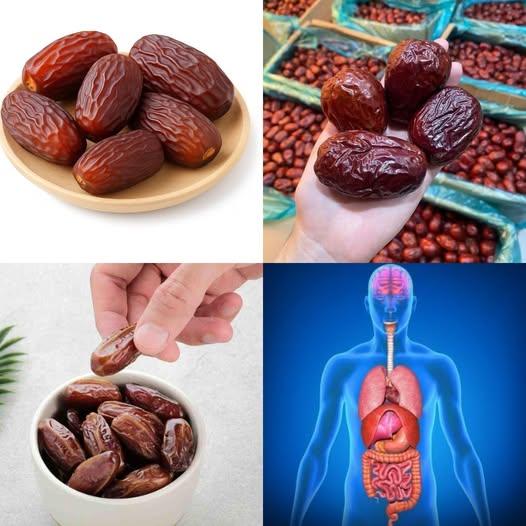
HEALTHIEST FRUIT on Earth What Happens to Your Body If You Eat Just 3 a Day

Dates may look small and simple, but don’t let that fool you. This ancient fruit—often called “nature’s candy”—has been prized for thousands of years for its nutrition, healing reputation, and energy-boosting power. From desert travelers to modern nutritionists, dates have earned their place as one of the healthiest fruits on Earth.

So what really happens to your body if you eat just 3 dates a day? The answer might surprise you.


🌴 Why Dates Are Considered a Superfruit

Dates come from the date palm (Phoenix dactylifera) and are naturally rich in:

  • Fiber

  • Potassium

  • Magnesium

  • Iron

  • Vitamin B6

  • Powerful antioxidants

Unlike refined sugar, dates provide natural sweetness with nutrients, making them one of the healthiest ways to satisfy cravings.

Just 3 dates provide a concentrated dose of energy and micronutrients—without processed ingredients.


1️⃣ Your Energy Levels Rise Naturally

Eating 3 dates a day gives your body a steady source of natural glucose, fructose, and sucrose.

✔ No energy crash
✔ No caffeine jitters
✔ Perfect for mornings or mid-afternoon slumps

This is why dates are often recommended:

  • Before workouts

  • During fasting

  • For mental fatigue

Your brain and muscles get fast fuel—the clean way.


2️⃣ Your Digestion Becomes Smoother

Dates are rich in dietary fiber, which supports healthy digestion.

With just 3 dates a day:

  • Bowel movements become more regular

  • Bloating may reduce

  • Gut bacteria get nourishment

Fiber acts like a natural broom for your intestines, helping move waste efficiently and gently—no harsh laxatives needed.


3️⃣ Your Heart Gets Stronger ❤️

Dates are packed with potassium and magnesium, two minerals essential for heart health.

Eating 3 dates daily may:

  • Help regulate blood pressure

  • Support healthy heart rhythm

  • Reduce strain on blood vessels

Potassium helps balance sodium levels, which is crucial for protecting the heart over time.


4️⃣ Your Blood Sugar Stays More Stable (When Eaten Right)

Despite being sweet, dates have a moderate glycemic index when eaten in small amounts.

When you eat just 3 dates, especially:

  • With nuts

  • With yogurt

  • After a meal

They release sugar slowly, preventing sudden spikes. This makes them a smarter sweet option compared to refined desserts.

(Portion control is key—3 dates is the sweet spot.)


5️⃣ Your Brain Function Improves 🧠

Dates contain vitamin B6, which plays a role in:

  • Neurotransmitter production

  • Memory and concentration

  • Mood balance

Regular intake may help:

  • Reduce mental fatigue

  • Improve focus

  • Support emotional well-being

Some studies suggest the antioxidants in dates may also help protect brain cells from inflammation.


6️⃣ Your Bones Get Extra Support

Three dates a day deliver minerals like:

  • Calcium

  • Phosphorus

  • Magnesium

These nutrients work together to:

  • Maintain bone density

  • Support joint health

  • Reduce risk of bone weakness over time

This is especially important as we age.


7️⃣ Your Immune System Gets a Boost

Dates are rich in antioxidants, including:

  • Flavonoids

  • Carotenoids

  • Phenolic acid

These compounds help:

  • Fight oxidative stress

  • Reduce inflammation

  • Support immune defense

Think of dates as tiny shields protecting your cells daily.


8️⃣ Cravings Decrease Naturally

One of the most underrated benefits of eating 3 dates a day is appetite control.

Dates help:

  • Reduce sugar cravings

  • Promote fullness

  • Prevent overeating

Their natural sweetness satisfies the brain, while fiber keeps you full longer.


🕒 Best Time to Eat Dates

For maximum benefit:

  • Morning: For energy and digestion

  • Afternoon: To fight fatigue

  • After fasting: Gentle on the stomach

Eat them plain or pair with nuts for balanced nutrition.


⚠️ Who Should Be Careful?

Dates are healthy—but moderation matters.

Be mindful if you:

  • Have diabetes (stick to 2–3 max, with meals)

  • Are on a strict calorie plan

Always balance dates with protein or fat to slow sugar absorption.


🌟 Final Verdict: Are Dates the Healthiest Fruit?

While no single fruit can do it all, dates come incredibly close.

Eating just 3 dates a day can:
✔ Boost energy
✔ Improve digestion
✔ Support heart and brain health
✔ Strengthen bones
✔ Reduce cravings

Small habit. Big impact.

Sometimes, the healthiest choices really are the simplest—and the sweetest. 🌴✨

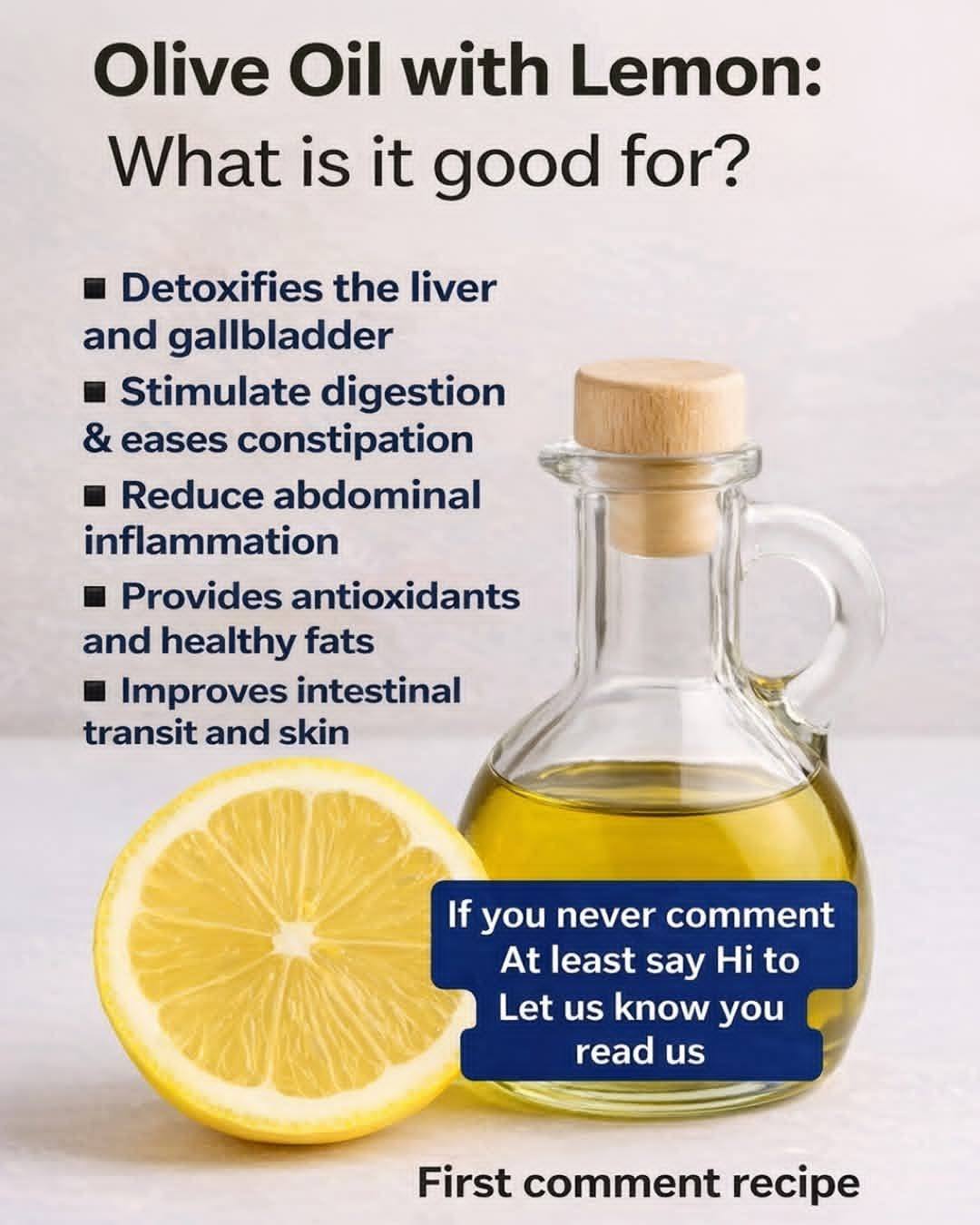
25 Health Benefits of Taking Olive Oil with Lemon

The simple combination of olive oil and lemon has been used for centuries in Mediterranean and traditional wellness practices. Taken together—often first thing in the morning—this duo is believed to gently support digestion, metabolism, and overall vitality. Olive oil provides healthy fats and antioxidants, while lemon adds vitamin C and cleansing compounds. When combined, they may work synergistically to support the body in many ways.

Below are 25 potential health benefits of taking olive oil with lemon, explained in a balanced and realistic way.

1. Supports Digestive Health

Olive oil helps lubricate the digestive tract, while lemon stimulates digestive enzymes, making digestion smoother and more efficient.

2. May Help Relieve Constipation

This mixture is commonly used as a natural remedy to gently encourage bowel movements without harsh laxatives.

3. Promotes Liver Function

Olive oil supports bile flow, and lemon contains compounds traditionally associated with liver cleansing.

4. Aids in Natural Detoxification

Together, they may help the body eliminate waste more effectively by supporting the liver and intestines.

5. Rich in Antioxidants

Extra virgin olive oil contains polyphenols, while lemon provides flavonoids and vitamin C—important for fighting oxidative stress.

6. Supports Heart Health

Healthy monounsaturated fats in olive oil help maintain good cholesterol balance, while lemon supports blood vessel health.

7. May Reduce Inflammation

Both ingredients contain anti-inflammatory compounds that may help calm low-grade inflammation in the body.

8. Supports Healthy Skin

Healthy fats nourish the skin from within, while vitamin C supports collagen production for firmness and glow.

9. Helps Maintain Joint Comfort

Olive oil’s natural compounds are associated with improved joint flexibility and comfort over time.

10. Boosts Immune Support

Lemon’s vitamin C combined with olive oil’s antioxidants may help strengthen immune defenses.

11. Encourages Healthy Weight Management

Healthy fats help promote satiety, reducing unnecessary snacking when taken in moderation.

12. Supports Gallbladder Function

Olive oil encourages bile release, which may help reduce bile stagnation in the gallbladder.

13. Helps Balance Blood Sugar

Healthy fats slow carbohydrate absorption, potentially helping prevent sharp blood sugar spikes.

14. Supports Gut Health

Olive oil may help nourish beneficial gut bacteria, while lemon supports digestive balance.

15. Improves Nutrient Absorption

Fat-soluble vitamins (A, D, E, and K) are better absorbed when healthy fats like olive oil are present.

16. Promotes Oral Health

Lemon’s antibacterial properties and olive oil’s soothing texture may help reduce oral bacteria when used carefully.

17. Supports Kidney Health

Proper hydration plus lemon’s citrate content may support kidney function when consumed responsibly.

18. May Help Reduce Bloating

Stimulating digestion early in the day can help reduce gas and abdominal discomfort.

19. Encourages Healthy Metabolism

Lemon supports enzyme activity, while olive oil provides steady energy without blood sugar crashes.

20. Supports Brain Health

Healthy fats are essential for brain function, memory, and cognitive clarity.

21. Helps Maintain Healthy Hair

Omega fats and antioxidants nourish hair follicles, potentially improving shine and strength.

22. Supports Blood Circulation

Olive oil helps maintain flexible blood vessels, while lemon supports vascular health.

23. May Ease Mild Acid Imbalance

Despite being acidic, lemon has an alkalizing effect after digestion, which may help some people feel more balanced.

24. Gentle Morning Energy Boost

This combination provides steady energy without caffeine, making it ideal for morning routines.

25. Encourages Mindful Wellness Habits

Taking a simple, intentional wellness ritual daily can improve consistency in healthy living.


How to Take Olive Oil with Lemon

  • Use 1 tablespoon of extra virgin olive oil

  • Mix with freshly squeezed juice of half a lemon

  • Take in the morning on an empty stomach

  • Follow with a glass of warm water

Important Notes

This remedy is not a cure and should not replace medical treatment. People with gallstones, acid sensitivity, or digestive conditions should consult a healthcare professional before use.

Final Thoughts

Olive oil with lemon is a simple, affordable, and time-tested wellness habit. While results vary from person to person, many find it supports digestion, energy, and overall balance when used consistently and sensibly.

Plant in the Bible Said to Heal All Ailments

Throughout history, the Bible has been a source of guidance not only for spiritual life but also for understanding the natural world. Among its many references to plants and herbs, there is one plant that stands out for its purported ability to heal all ailments. This plant, often referred to as the “tree of life” or associated with miraculous healing properties, has fascinated scholars, herbalists, and believers for centuries.

Biblical References to Healing Plants

The Bible contains numerous references to plants and their healing powers. In the Book of Ezekiel, for instance, there is a vivid description of a river flowing from the temple, bringing life wherever it goes. Along its banks grows the “tree of life,” which produces leaves “for the healing of the nations” (Ezekiel 47:12). This phrase has intrigued generations because it directly associates a specific tree with universal healing.

Similarly, in the Book of Revelation, the tree of life reappears in the vision of the New Jerusalem: “The leaves of the tree are for the healing of the nations” (Revelation 22:2). This imagery suggests a divine provision of natural medicine, symbolizing health, restoration, and eternal life. The emphasis on the leaves for healing implies that the plant’s natural properties are beneficial not just spiritually but also physically.

Historical Interpretations

Over the centuries, theologians and herbalists have speculated about which plant the Bible might be referring to. Some suggest that the tree of life is symbolic rather than literal, representing God’s care and the spiritual nourishment he provides. Others, however, argue that it may refer to a real plant known in ancient times for its medicinal properties.

Several candidates have been proposed, including the olive tree, fig tree, and various aromatic herbs used in traditional medicine. The olive tree, for instance, was central to ancient diets and medicinal practices. Olive oil was used for wounds, skin care, and digestive issues. Similarly, the fig tree has been praised for its nutritional value and digestive benefits. However, these interpretations often see the “healing” as metaphorical, reflecting spiritual or social restoration rather than literal cure of diseases.

Modern Herbal Connections

Modern herbalists often look to the Bible as a historical record of plants with potent healing properties. Many herbs mentioned in Scripture have been confirmed by modern science to possess therapeutic effects. For example, frankincense and myrrh, both referenced in biblical texts, have anti-inflammatory and antimicrobial properties. Likewise, hyssop, another herb mentioned in the Bible, has been traditionally used to treat respiratory conditions and infections.

The concept of a plant that heals all ailments aligns closely with today’s understanding of superfoods and medicinal herbs. While no single plant can cure every disease, many plants contain compounds that can significantly improve health. Researchers today study these ancient herbs to understand their active components and potential benefits, bridging the gap between spiritual tradition and scientific inquiry.

Symbolism and Spiritual Healing

Beyond physical health, the biblical plant symbolizes spiritual and emotional restoration. The tree of life is often interpreted as a representation of God’s eternal wisdom and the promise of redemption. Its leaves, “for the healing of the nations,” imply that healing is not just a personal matter but a communal one, encompassing the restoration of societies, relationships, and moral balance.

The symbolism extends further when considering the historical context of the Bible. Ancient societies relied heavily on natural remedies, and their observation of plants’ effects often informed spiritual metaphors. The tree of life could therefore serve as both a literal guide to natural remedies and a metaphor for divine provision in times of illness and hardship.

Lessons from Biblical Healing Plants

The mention of a plant that can heal all ailments encourages us to pay attention to the natural world and its potential to improve health. It reminds us of the wisdom embedded in ancient traditions, where spiritual practice, diet, and medicine were deeply intertwined. While modern medicine provides advanced treatments, the principles of holistic healing—nourishment, prevention, and natural remedies—are rooted in the same understanding that plants play a crucial role in our well-being.

Moreover, the biblical approach highlights the importance of balance. Healing is not just about eradicating disease but restoring harmony in the body, mind, and community. The plant symbolizes a holistic vision of health, combining physical restoration with spiritual guidance.

Conclusion

The Bible’s reference to a plant capable of healing all ailments is both literal and symbolic. Whether interpreted as the “tree of life” or specific medicinal herbs, it underscores the significance of nature in human health and spiritual life. The leaves for the healing of the nations suggest a divine blueprint for holistic well-being—one that integrates physical care with spiritual nourishment.

In modern times, this biblical wisdom resonates strongly. As scientific research continues to uncover the medicinal properties of plants mentioned in Scripture, the ancient texts gain new relevance. While no single plant can cure every disease, the biblical emphasis on natural healing invites us to explore the synergy of diet, herbal medicine, and spiritual health.

Ultimately, the plant in the Bible reminds us that healing is a multidimensional process. It is an invitation to honor the natural world, embrace the wisdom of the past, and seek restoration not only for ourselves but for our communities. In doing so, the timeless promise of the “leaves for the healing of the nations” continues to inspire hope, faith, and holistic wellness.

11 Amazing Health Benefits of Papaya Seeds

Papaya is widely celebrated for its sweet, tropical flavor and rich nutritional profile. Most people enjoy the orange flesh of the fruit, but the seeds—often discarded—are a powerhouse of health benefits that are only now gaining recognition. Small, black, and peppery in taste, papaya seeds are packed with enzymes, antioxidants, and essential nutrients that can promote overall wellness. Here are 11 amazing health benefits of papaya seeds that most people don’t know about.

1. Powerful Liver Detoxification

Papaya seeds contain compounds like flavonoids and polyphenols that support liver health. Studies suggest that consuming these seeds can help cleanse the liver by removing toxins and supporting liver enzyme function. They are particularly effective in aiding the liver’s natural detoxification processes, helping to prevent liver damage and promoting better digestion.

2. Supports Digestive Health

Papaya seeds are rich in digestive enzymes, especially papain, which helps break down proteins and improve nutrient absorption. Regular consumption can alleviate digestive issues such as bloating, constipation, and indigestion. They also have mild laxative properties, which promote smooth bowel movements and overall gut health.

3. Anti-Parasitic Properties

One of the most well-known benefits of papaya seeds is their ability to fight intestinal parasites. Research shows that the seeds contain compounds like carpaine and benzyl isothiocyanate, which can help eliminate harmful parasites such as roundworms and tapeworms from the digestive tract. This makes papaya seeds a natural remedy for maintaining gut hygiene.

4. Fights Bacterial Infections

Papaya seeds have natural antibacterial properties that can help combat harmful bacteria like E. coli and Salmonella. These seeds contain bioactive compounds that inhibit bacterial growth, supporting the immune system and reducing the risk of infections. They can also act as a natural preservative when added to certain foods.

5. Promotes Heart Health

The seeds are rich in healthy fats, fiber, and antioxidants, which can contribute to cardiovascular wellness. They help reduce bad cholesterol (LDL) levels and increase good cholesterol (HDL), lowering the risk of heart disease. Their anti-inflammatory properties also help maintain healthy blood vessels and prevent plaque formation.

6. Anti-Inflammatory Benefits

Papaya seeds contain powerful anti-inflammatory compounds that can help reduce inflammation in the body. Chronic inflammation is linked to many diseases, including arthritis, diabetes, and heart disease. Consuming papaya seeds may help alleviate joint pain, swelling, and discomfort caused by inflammation.

7. Supports Kidney Health

Papaya seeds act as a natural diuretic, helping the body flush out excess fluids and toxins. This can support kidney function and prevent the formation of kidney stones. The antioxidants in papaya seeds also protect kidney cells from oxidative damage, promoting overall renal health.

8. Aids Weight Loss

Low in calories but rich in nutrients, papaya seeds can be a useful addition to a weight loss regimen. Their enzymes aid digestion and nutrient absorption, while the seeds’ bitter compounds help suppress appetite and reduce fat accumulation. Incorporating them into smoothies, salads, or simply chewing a few seeds daily can support healthy weight management.

9. Improves Skin Health

The antibacterial and detoxifying properties of papaya seeds also benefit the skin. Consuming or applying crushed papaya seeds may help prevent acne, reduce blemishes, and promote a clear complexion. Their high antioxidant content fights free radicals that contribute to premature aging, helping maintain youthful and radiant skin.

10. Boosts Immune System

Papaya seeds contain vitamins like C, E, and other antioxidants that strengthen the immune system. These compounds help fight off infections, reduce oxidative stress, and support overall immunity. Regular consumption of papaya seeds can help the body ward off common illnesses like colds, flu, and digestive infections.

11. Supports Male Fertility

Some studies suggest that papaya seeds may improve male fertility. The seeds contain antioxidants that protect sperm from oxidative damage and may improve sperm motility. Additionally, their detoxifying effects can support hormonal balance, promoting reproductive health in men.

How to Consume Papaya Seeds

Papaya seeds can be eaten raw, dried, or ground into a powder. To enjoy their benefits:

  • Raw: Chew a teaspoon of seeds daily, followed by water.

  • Smoothies: Add a teaspoon of ground seeds to fruit smoothies.

  • Salads: Sprinkle crushed seeds over salads for a peppery kick.

  • Capsules: Papaya seed extracts are available in capsule form for easier consumption.

Precautions

While papaya seeds are beneficial, they should be consumed in moderation. Excessive intake may cause digestive discomfort or affect fertility if taken in very high doses. Pregnant and breastfeeding women should consult a healthcare provider before consuming papaya seeds.

Conclusion

Papaya seeds are more than just a byproduct of the fruit—they are a potent source of nutrients and bioactive compounds with remarkable health benefits. From detoxifying the liver and fighting parasites to boosting immunity and supporting heart health, these tiny seeds deserve a place in your daily wellness routine. Start small, and gradually incorporate papaya seeds into your diet to experience their full potential.

6 Foods That Negatively Affect Your Thyroid: What to Avoid or Limit

Your thyroid is a small but mighty gland located in the front of your neck. It regulates metabolism, energy levels, body temperature, and even mood. Maintaining optimal thyroid health is essential, but certain foods can interfere with its function. Whether you have hypothyroidism, hyperthyroidism, or are just trying to keep your thyroid healthy, it’s important to know which foods may be harmful. Here are six foods you should avoid or limit to protect your thyroid.

1. Cruciferous Vegetables (When Eaten Raw in Excess)

Cruciferous vegetables like broccoli, cauliflower, cabbage, Brussels sprouts, kale, and bok choy are extremely healthy and packed with vitamins, minerals, and antioxidants. However, they contain compounds called goitrogens, which can interfere with the thyroid’s ability to absorb iodine. Iodine is essential for the production of thyroid hormones, so excessive intake of raw cruciferous vegetables may contribute to hypothyroidism.

Tip: Cooking these vegetables significantly reduces goitrogenic compounds. Enjoy them steamed, roasted, or sautéed rather than eating them in huge raw salads daily.

2. Soy and Soy-Based Products

Soy contains isoflavones, a type of phytoestrogen that can interfere with thyroid hormone production, especially in people who are iodine deficient. Common soy-based foods include tofu, soy milk, edamame, and soy protein powders. Regularly consuming large amounts of soy may affect thyroid function and hormone absorption, particularly in individuals taking levothyroxine, a common thyroid medication.

Tip: If you enjoy soy, limit it to moderate amounts and avoid consuming it at the same time as thyroid medications. This ensures your body can absorb the medication effectively.

3. Gluten-Containing Grains (for Sensitive Individuals)

For people with autoimmune thyroid conditions like Hashimoto’s thyroiditis, gluten may trigger inflammation and worsen symptoms. Gluten is found in wheat, barley, rye, and many processed foods. Research suggests that gluten can exacerbate autoimmune responses, potentially affecting thyroid health. Even if you do not have celiac disease, some individuals may be sensitive to gluten, experiencing fatigue, bloating, or joint pain, which can indirectly affect thyroid function.

Tip: Consider a gluten-free diet if you have autoimmune thyroid disease or notice symptoms after consuming gluten. Focus on whole grains like quinoa, brown rice, and oats as alternatives.

4. Processed Foods and Sugary Snacks

Highly processed foods, fast foods, sugary snacks, and refined carbs may not directly damage your thyroid, but they can contribute to weight gain, insulin resistance, and inflammation, which can indirectly affect thyroid function. Processed foods often contain additives, preservatives, and low nutrient density, which can interfere with your body’s ability to maintain healthy hormone levels.

Tip: Focus on whole, nutrient-rich foods like fruits, vegetables, lean proteins, and healthy fats. Limiting sugar and processed foods helps support thyroid health and overall hormonal balance.

5. Certain Fish High in Mercury

Fish is generally considered healthy, but some varieties contain high levels of mercury, which can impair thyroid function. Mercury exposure may interfere with the enzymes involved in thyroid hormone production. Fish that tend to have higher mercury levels include swordfish, king mackerel, shark, and tilefish.

Tip: Opt for low-mercury fish such as salmon, sardines, trout, and mackerel (Atlantic or smaller varieties) two to three times per week. These provide essential omega-3 fatty acids without risking thyroid disruption.

6. Excessive Alcohol

Alcohol may negatively affect the thyroid by impairing the gland’s ability to produce hormones and altering the conversion of T4 (inactive thyroid hormone) to T3 (active thyroid hormone). Chronic alcohol consumption can also exacerbate autoimmune thyroid conditions, reduce vitamin absorption, and increase inflammation.

Tip: Limit alcohol intake, especially if you have thyroid disease. Occasional moderate consumption may be acceptable, but heavy or frequent drinking should be avoided.

Other Tips to Support Thyroid Health

  • Ensure Adequate Iodine Intake: Iodine is essential for thyroid hormone production. Sources include iodized salt, seaweed, and fish.

  • Get Enough Selenium and Zinc: Both minerals play a role in thyroid hormone metabolism. Brazil nuts, eggs, pumpkin seeds, and seafood are good sources.

  • Monitor Thyroid Medications: If you are on thyroid medication, avoid taking it with foods that can interfere with absorption, such as soy, coffee, and high-fiber meals.

  • Maintain a Balanced Diet: Prioritize whole foods, lean proteins, fruits, vegetables, and healthy fats. A nutrient-rich diet supports overall hormone balance.

Conclusion

Thyroid health is vital for energy, metabolism, and overall well-being. While many foods are beneficial, some can negatively affect thyroid function if consumed in excess or without attention to preparation methods. Cruciferous vegetables, soy products, gluten (for sensitive individuals), processed foods, high-mercury fish, and alcohol should be consumed mindfully. By understanding these dietary impacts and making informed choices, you can support a healthy thyroid and maintain optimal hormone balance.

Maintaining thyroid health isn’t about strict restrictions—it’s about balance, moderation, and making smart food choices that fuel your body without compromising hormonal function.

These are the consequences of sleeping with

Sleep is not a luxury—it is a biological necessity. Yet in today’s fast-paced world, millions of people regularly sacrifice sleep in favor of work, screens, or social obligations. While missing an hour here and there may seem harmless, chronic lack of sleep can quietly damage nearly every system in the body. The consequences of sleeping too little go far beyond feeling tired the next day, and many of them build up slowly, often unnoticed, until they become serious health problems.

1. Constant Fatigue and Low Energy

The most immediate consequence of insufficient sleep is persistent fatigue. When you don’t sleep enough, your body never fully recharges. You may wake up feeling unrefreshed, sluggish, and mentally foggy. Over time, this constant exhaustion can make even simple daily tasks feel overwhelming. Coffee may provide a temporary boost, but it cannot replace the restorative power of real sleep.

2. Reduced Brain Function and Poor Focus

Sleep plays a critical role in brain health. During deep sleep, the brain consolidates memories, processes information, and clears out waste products. When sleep is cut short, concentration, attention, and decision-making suffer. You may find it harder to focus, solve problems, or remember important details. Reaction times also slow down, increasing the risk of mistakes and accidents—especially while driving.

3. Mood Changes and Emotional Instability

One of the lesser-discussed consequences of sleeping too little is its effect on mood. Sleep deprivation makes the brain more reactive to negative emotions and less capable of regulating stress. This can lead to irritability, anxiety, mood swings, and even symptoms of depression. Small problems may feel much bigger when you are sleep-deprived, straining relationships at home and at work.

4. Weakened Immune System

Sleep is essential for a strong immune response. While you sleep, your body produces protective proteins and antibodies that help fight infections. Chronic lack of sleep weakens this defense system, making you more susceptible to colds, flu, and other illnesses. Studies show that people who consistently sleep less than six hours a night are more likely to get sick and take longer to recover.

5. Weight Gain and Metabolic Problems

Not getting enough sleep disrupts hormones that regulate hunger and fullness. Levels of ghrelin (the hunger hormone) increase, while leptin (the hormone that signals fullness) decreases. As a result, sleep-deprived individuals often feel hungrier and crave high-calorie, sugary foods. Over time, this imbalance can contribute to weight gain, obesity, and an increased risk of metabolic disorders such as type 2 diabetes.

6. Increased Risk of Heart Disease

The consequences of sleeping too little extend to the heart and blood vessels. Poor sleep is linked to high blood pressure, inflammation, and elevated stress hormones—all major risk factors for heart disease and stroke. During sleep, the body naturally lowers blood pressure and heart rate, giving the cardiovascular system a chance to rest. Without enough sleep, this recovery period is shortened, placing extra strain on the heart.

7. Hormonal Imbalance and Reduced Libido

Sleep plays a key role in hormone regulation. Chronic sleep deprivation can lower testosterone levels in men and disrupt reproductive hormones in women. This may lead to reduced libido, fertility issues, and changes in menstrual cycles. Growth hormone, which is essential for tissue repair and muscle maintenance, is also primarily released during deep sleep, meaning poor sleep can slow physical recovery.

8. Faster Aging and Skin Problems

Your skin is one of the first places where lack of sleep shows. During sleep, the body repairs skin cells and produces collagen. When sleep is insufficient, this repair process is impaired, leading to dull skin, dark circles, fine lines, and premature aging. Over time, chronic sleep deprivation can make you look older than you are and worsen existing skin conditions.

9. Higher Risk of Mental Health Disorders

Long-term sleep deprivation is strongly associated with mental health issues. Insomnia and short sleep duration are linked to an increased risk of anxiety disorders, depression, and burnout. Poor sleep can both trigger and worsen mental health conditions, creating a vicious cycle where stress and anxiety make it even harder to sleep.

10. Shortened Life Expectancy

Perhaps the most serious consequence of sleeping too little is its impact on longevity. Research consistently shows that chronic sleep deprivation is associated with a higher risk of premature death. This is largely due to its connection with heart disease, diabetes, weakened immunity, and mental health disorders.

Final Thoughts

Sleep is not wasted time—it is an investment in your health, productivity, and overall quality of life. The consequences of sleeping too little affect the body, mind, and emotions in profound ways. Prioritizing 7–9 hours of quality sleep each night is one of the simplest and most powerful steps you can take to protect your long-term well-being. In a world that glorifies busyness, choosing sleep may be one of the healthiest decisions you can make.

Tortilla Wraps with Ground Beef

Tortilla wraps with ground beef are one of those meals that never get old. They’re quick enough for busy weeknights, satisfying enough for a hungry family, and flexible enough to match whatever ingredients you already have in your kitchen. Whether you like them mildly spiced, smoky, cheesy, or loaded with fresh toppings, this recipe delivers juicy beef, warm tortillas, and bold flavor in every bite.

Perfect for lunch, dinner, meal prep, or even casual gatherings, these wraps come together in under 30 minutes and taste like something you’d order from your favorite street-food spot.


Why You’ll Love This Recipe

  • Uses simple, affordable ingredients

  • Ready in less than 30 minutes

  • Customizable for kids or spice lovers

  • Perfect for meal prep and leftovers

  • No special equipment needed

Once you master the basic ground beef filling, you can reinvent these wraps again and again.


Ingredients (Serves 4)

For the Ground Beef Filling

  • 500 g (1 lb) ground beef (80/20 for best flavor)

  • 1 medium onion, finely chopped

  • 2 cloves garlic, minced

  • 1 tablespoon olive oil

  • 1 teaspoon salt (adjust to taste)

  • ½ teaspoon black pepper

  • 1 teaspoon paprika

  • 1 teaspoon ground cumin

  • ½ teaspoon chili powder (optional, for heat)

  • ½ teaspoon oregano

  • 2 tablespoons tomato paste

  • ¼ cup water or beef broth

For the Wraps

  • 6–8 soft flour tortillas

  • 1 cup shredded cheese (cheddar, mozzarella, or a blend)

  • 1 cup shredded lettuce

  • 1 medium tomato, diced

  • ½ cup sliced onions or red onions

  • ½ cup sour cream or yogurt

  • Optional sauces: hot sauce, garlic sauce, or mayo


Step-by-Step Instructions

Step 1: Prepare the Beef Filling

Heat a large skillet over medium heat and add the olive oil. Once warm, add the chopped onion and cook for 3–4 minutes until soft and translucent. This step builds the base flavor, so don’t rush it.

Add the minced garlic and cook for another 30 seconds until fragrant.

Now add the ground beef. Use a wooden spoon to break it apart and cook until browned, about 6–8 minutes. Make sure there’s no pink left.

Step 2: Season for Maximum Flavor

Once the beef is browned, sprinkle in the salt, black pepper, paprika, cumin, chili powder, and oregano. Stir well so the spices coat the meat evenly.

Add the tomato paste and mix thoroughly. Pour in the water or beef broth, reduce the heat slightly, and let the mixture simmer for 5 minutes. This keeps the beef juicy and allows the flavors to deepen.

Taste and adjust seasoning if needed. Remove from heat and set aside.


Assembling the Tortilla Wraps

Step 3: Warm the Tortillas

Warm the tortillas in a dry pan for about 20–30 seconds per side or wrap them in a damp kitchen towel and microwave for 30 seconds. Warm tortillas fold better and won’t tear.

Step 4: Build the Wrap

Lay a tortilla flat on a plate. Spoon a generous amount of the ground beef filling into the center.

Top with shredded cheese while the beef is still warm so it melts slightly. Add lettuce, diced tomatoes, onions, and a drizzle of sour cream or your favorite sauce.

Step 5: Fold and Serve

Fold the bottom of the tortilla up, then fold in both sides and roll tightly to form a wrap. Slice in half if desired.

Serve immediately while warm.


Optional Pan-Toasted Wrap (Highly Recommended 🔥)

For extra texture and restaurant-style results, lightly toast the assembled wraps.

Place the wrap seam-side down in a hot dry skillet and cook for 1–2 minutes per side until golden and slightly crispy. This step locks everything inside and adds amazing flavor.


Tips for the Best Ground Beef Wraps

  • Don’t overcook the beef—dry meat ruins wraps.

  • Use 80/20 ground beef for juicier results.

  • Add a squeeze of lemon or lime juice for brightness.

  • If the filling looks dry, add a splash of broth.

  • Shred your own cheese for better melting.


Easy Variations

  • Spicy version: Add jalapeños or extra chili powder

  • Cheesy beef wraps: Mix cheese directly into the beef

  • Healthy option: Use whole-wheat tortillas and Greek yogurt

  • Mexican-style: Add corn, beans, and taco seasoning

  • Low-carb: Serve the beef in lettuce wraps


Storage & Meal Prep

The ground beef filling can be stored in an airtight container in the refrigerator for up to 3 days. Reheat gently in a pan or microwave before assembling wraps.

You can also freeze the cooked beef for up to 2 months—perfect for quick meals later.


Final Thoughts

Tortilla wraps with ground beef are proof that simple food can still be incredibly satisfying. With juicy, seasoned beef wrapped in soft tortillas and topped with fresh ingredients, this recipe delivers comfort, flavor, and convenience all in one.

Once you try it, this will become one of those go-to recipes you make again and again—because it never disappoints.

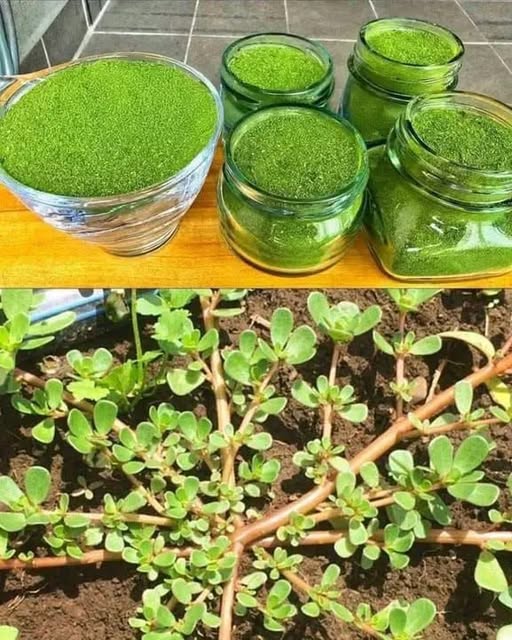
Never step on this weed it’s considered a gold mine in the garden

Most gardeners have done it without a second thought—pulled it out, tossed it aside, or crushed it underfoot while weeding. Yet one of the most overlooked plants in home gardens around the world is actually a quiet treasure. That so-called “weed” is purslane, and once you understand its value, you may never look at it the same way again.

The Weed Everyone Misjudges

Purslane ( Portulaca oleracea ) grows low to the ground with smooth, reddish stems and small, fleshy green leaves. Because it spreads quickly and thrives in cracks, garden beds, and poor soil, it’s often labeled a nuisance. But this hardy survivor is anything but useless.

In fact, purslane has been used for thousands of years in traditional cuisines and natural gardening practices across Asia, the Middle East, the Mediterranean, and parts of Africa. What many modern gardeners don’t realize is that pulling it out is like throwing away free benefits your garden is offering you.

Why Gardeners Call It a “Gold Mine”

Purslane earns its golden reputation for several reasons, starting with how incredibly resilient it is. This plant thrives where others struggle—dry soil, intense heat, compacted ground. That alone makes it a valuable indicator plant. If purslane is growing well in your garden, it’s telling you something important about your soil’s condition and moisture patterns.

But its true value goes far beyond survival.

A Living Soil Protector

One of purslane’s greatest garden superpowers is its ability to protect soil. Its low-growing, spreading habit acts like a natural mulch. It shades the soil, reduces moisture loss, and helps prevent erosion during heavy watering or rainfall. In hot climates, this ground cover effect can be a lifesaver for nearby plants.

Instead of leaving bare soil exposed to sun and wind, purslane quietly works to maintain balance underground.

A Nutrient Accumulator

Purslane is known as a nutrient accumulator, meaning it draws minerals from deep within the soil and stores them in its leaves and stems. When the plant eventually breaks down—or is composted—those nutrients are returned to the soil in a more accessible form for other plants.

Gardeners who compost purslane are essentially recycling minerals for free. It’s nature’s way of fertilizing without chemicals.

Beneficial for Companion Planting

Contrary to popular belief, purslane doesn’t aggressively steal nutrients from nearby plants. Its shallow root system coexists peacefully with deeper-rooted vegetables and flowers. Some gardeners even allow it to grow intentionally between rows to reduce weed competition and keep soil temperatures stable.

When managed thoughtfully, purslane becomes a partner, not a problem.

Edible and Traditionally Valued

Another reason purslane is considered a treasure is that it’s edible and has been traditionally used as a leafy green in many cultures. Its slightly tangy, lemony flavor works well in salads, stir-fries, soups, and even pickles.

Historically, it was valued as a survival food because it grows abundantly with little care. Many cultures considered it too valuable to waste—quite the opposite of how it’s treated in modern gardens.

(Important note: only consume purslane if you are 100% certain of identification and it has not been exposed to pesticides or contaminants.)

A Magnet for Pollinators

When purslane flowers—producing tiny yellow blooms—it attracts beneficial insects, including pollinators. These insects help support the overall health of your garden ecosystem, improving yields and plant resilience.

A garden without insects is a fragile garden. Purslane quietly helps keep that balance intact.

Extremely Low Maintenance

Perhaps one of the most remarkable things about purslane is how little it asks for in return. No fertilizers. No special watering. No pampering. It thrives on neglect, making it ideal for gardeners who want a more natural, self-sustaining space.

Instead of fighting it endlessly, learning how to manage and harvest it can save time, effort, and resources.

When You Should Control It

Calling purslane a gold mine doesn’t mean letting it take over completely. Like any fast-growing plant, it benefits from boundaries. If it begins to crowd delicate seedlings or spread where you don’t want it, simple trimming or selective removal keeps it in check.

The key difference is intention: remove it strategically, not automatically.

Rethinking the Word “Weed”

The biggest lesson purslane teaches gardeners is that the word weed is often just a label for plants we don’t yet understand. What looks like a problem may actually be a solution waiting to be recognized.

By observing before removing, gardeners can learn which plants contribute to soil health, ecosystem balance, and long-term sustainability.

Final Thoughts

So the next time you’re tempted to step on or pull out that creeping plant with fleshy leaves, pause for a moment. You may be standing on one of the most underestimated resources in your garden. Purslane isn’t a pest—it’s a gift.

5 Things Men Want From a Woman After 60 | Jorge Bucay

As people move beyond 60, love stops being about performance, appearances, or social expectations—and starts being about truth. Argentine psychotherapist and writer Jorge Bucay often speaks about mature love as a meeting of two whole individuals, not two halves looking to complete each other. From that lens, what men want from a woman after 60 is quieter, deeper, and far more meaningful than what glossy magazines once promised.

Here are five things men genuinely want from a woman after 60, inspired by Bucay’s philosophy of emotional maturity, self-knowledge, and authentic connection.


1. Emotional Peace, Not Emotional Drama

By the time a man reaches 60, he has usually lived through enough storms—work stress, family responsibilities, losses, disappointments, and maybe divorce or grief. What he wants now is emotional peace.

This doesn’t mean he wants a woman without feelings. Quite the opposite. He wants someone who can express emotions without turning them into battles. A woman who can talk about what she feels, listen without attacking, and disagree without humiliating.

Jorge Bucay emphasizes that mature love is not about control or dependency, but about shared calm. Men after 60 value a woman who brings serenity into their lives, not constant tension. Peace becomes more attractive than passion fueled by chaos.


2. Authenticity Over Perfection

At this stage of life, masks are exhausting. Men no longer want to impress or be impressed by unrealistic ideals. What they seek is authenticity.

A woman who is comfortable with who she is—her body, her history, her opinions—radiates a confidence that no cosmetic procedure can replace. Bucay often highlights that loving oneself is the foundation for loving another without manipulation or fear.

Men after 60 appreciate a woman who says:

  • “This is me.”

  • “I don’t need to pretend.”

  • “I accept my flaws.”

That honesty creates safety. And safety, in mature love, is deeply seductive.


3. Companionship, Not Dependency

One of Bucay’s most repeated ideas is that healthy love is shared walking, not leaning. Men after 60 want a partner, not someone who needs rescuing or constant validation.

They value a woman who:

  • Has her own interests

  • Enjoys her own time

  • Maintains friendships and passions

This independence doesn’t push men away—it draws them closer. It says, “I choose you, not because I need you to survive, but because I want to share life with you.”

After 60, love becomes less about filling emptiness and more about walking side by side.


4. Honest Communication and Emotional Intelligence

Mature men are tired of guessing games. Silence as punishment, passive aggression, or emotional manipulation feels heavy at this stage of life.

What they want instead is clear, respectful communication.

A woman who can say what she feels without cruelty, who can listen without immediately defending herself, and who understands that conflict doesn’t mean failure—it means growth.

Bucay teaches that emotional intelligence is the true mark of adulthood. Men after 60 deeply value women who can:

  • Talk about difficult topics calmly

  • Set boundaries without guilt

  • Apologize when necessary

These skills create trust, and trust becomes the backbone of late-life love.


5. Shared Meaning and Simple Joys

After 60, men begin to think less about “what’s next” and more about what truly matters. They want a woman who can find joy in simple things:

  • Morning coffee

  • Quiet walks

  • Deep conversations

  • Shared laughter

They also value shared meaning—similar values about family, freedom, spirituality, or personal growth. Bucay often writes that love in later life is not about grand plans, but about shared presence.

A woman who can be fully present—without constantly reaching for the past or worrying about the future—offers something priceless.


A Final Thought

According to Jorge Bucay’s philosophy, mature love is not desperate, loud, or demanding. It is conscious, calm, and chosen every day.

Men after 60 don’t want to be completed. They want to be met—by a woman who knows herself, respects herself, and invites connection without fear.

In the end, what they want most is not youth, beauty, or perfection—but truth, peace, and companionship.