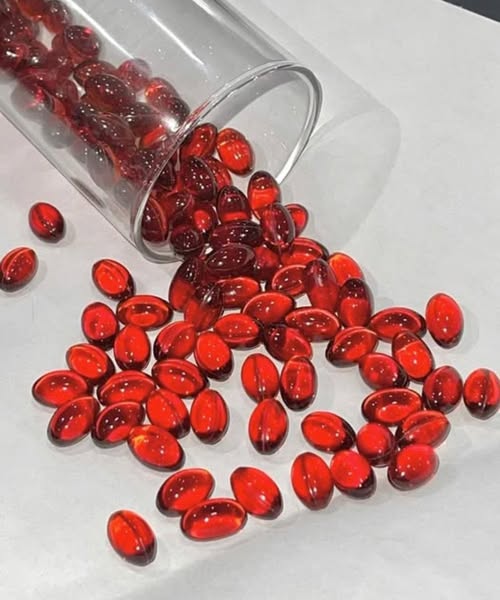
Doctor Reveals: What Happens When You Consume Omega 3 Regularly

Omega-3 fatty acids have earned a reputation as one of the most powerful nutrients for long-term health. You see them mentioned on supplement bottles, heart-health labels, and even baby food. But what actually happens inside your body when you consume omega-3 regularly? According to doctors and nutrition experts, the effects go far beyond just “good fats.” From your heart and brain to your joints, skin, and even mood, omega-3s quietly influence nearly every system in your body.

Let’s break down, in clear and practical terms, what doctors say really happens when omega-3 becomes part of your daily routine.


First, What Exactly Is Omega-3?

Omega-3s are essential fatty acids, meaning your body cannot produce them on its own. You must get them from food or supplements. The three most important types are:

  • EPA (eicosapentaenoic acid) – supports heart health and reduces inflammation
  • DHA (docosahexaenoic acid) – crucial for brain, eye, and nervous system function
  • ALA (alpha-linolenic acid) – found in plants and partially converted to EPA and DHA

Doctors generally emphasize EPA and DHA, which are mainly found in fatty fish like salmon, sardines, and mackerel.


1. Your Heart Becomes More Protected

Cardiologists consistently point to omega-3 as one of the most heart-friendly nutrients available.

When you consume omega-3 regularly:

  • Triglyceride levels decrease
  • Blood vessels become more flexible
  • Inflammation in the arteries is reduced
  • Risk of abnormal heart rhythms lowers

Omega-3 helps prevent plaque buildup and improves blood flow, reducing the risk of heart attack and stroke. Doctors often recommend it to people with high cholesterol, high blood pressure, or a family history of heart disease.


2. Inflammation Quietly Drops Throughout the Body

Chronic inflammation is at the root of many modern diseases, including arthritis, diabetes, heart disease, and even cancer.

Omega-3 works as a natural anti-inflammatory agent. Unlike painkillers that mask symptoms, omega-3 helps regulate the body’s inflammatory response at a cellular level.

Doctors report that patients who consume omega-3 regularly often experience:

  • Less joint stiffness and swelling
  • Reduced muscle soreness
  • Fewer flare-ups of inflammatory conditions

This is especially noticeable in people with rheumatoid arthritis or chronic pain.


3. Brain Function and Memory Improve Over Time

DHA is a major structural component of the brain. In fact, nearly 60% of the brain is fat, and omega-3 plays a critical role in maintaining healthy brain cells.

Neurologists note that regular omega-3 intake is linked to:

  • Better memory and focus
  • Slower cognitive decline with age
  • Improved learning ability

In older adults, omega-3 may help reduce the risk of Alzheimer’s disease and other forms of dementia. In younger adults, it supports concentration, productivity, and mental clarity.


4. Mood, Anxiety, and Depression May Improve

One of the most surprising doctor-observed benefits of omega-3 is its effect on mental health.

Studies show that people with depression often have lower omega-3 levels. Regular intake has been associated with:

  • Reduced symptoms of depression
  • Lower anxiety levels
  • More stable mood

Omega-3 influences serotonin and dopamine, the brain’s “feel-good” chemicals. Many doctors now consider it a supportive therapy alongside traditional treatments for mood disorders.


5. Your Eyes Receive Long-Term Protection

DHA is also a key component of the retina. Eye doctors emphasize omega-3 for both vision quality and eye comfort.

Regular consumption may:

  • Reduce dry eye symptoms
  • Slow age-related macular degeneration
  • Support overall visual sharpness

For people who spend long hours on screens, omega-3 can help counteract eye strain and dryness.


6. Joints Become More Flexible and Comfortable

As inflammation decreases, joints benefit significantly.

Doctors often observe that patients taking omega-3 consistently report:

  • Less morning stiffness
  • Improved mobility
  • Reduced reliance on pain medication

This makes omega-3 especially valuable for older adults and those with arthritis or physically demanding lifestyles.


7. Skin Health Improves from the Inside Out

Dermatologists explain that omega-3 strengthens the skin barrier and improves hydration.

With regular intake:

  • Skin becomes less dry and flaky
  • Redness and irritation decrease
  • Acne inflammation may calm down
  • Signs of premature aging slow

Omega-3 helps skin defend itself against environmental damage, including pollution and UV exposure.


8. Immune System Becomes More Balanced

Omega-3 doesn’t simply “boost” immunity—it helps regulate it.

Doctors note that it:

  • Enhances immune response when needed
  • Prevents overactive immune reactions
  • May reduce autoimmune flare-ups

This balanced effect is especially important for people prone to frequent infections or chronic inflammatory illnesses.


9. Blood Pressure May Gradually Lower

Regular omega-3 intake has been shown to slightly reduce blood pressure, particularly in people with hypertension.

It works by:

  • Relaxing blood vessels
  • Improving circulation
  • Reducing vascular inflammation

While it’s not a replacement for medication, doctors often recommend omega-3 as a natural supportive measure.


10. What Happens If You Don’t Get Enough?

Doctors warn that omega-3 deficiency can contribute to:

  • Dry skin and brittle hair
  • Joint pain
  • Poor concentration
  • Mood swings
  • Increased risk of heart disease

Because modern diets are high in omega-6 fats and low in omega-3, deficiency is more common than most people realize.


Best Sources Doctors Recommend

Food sources (preferred):

  • Fatty fish (salmon, sardines, mackerel)
  • Chia seeds
  • Flaxseeds
  • Walnuts

Supplements:

  • Fish oil
  • Krill oil
  • Algae oil (plant-based DHA)

Doctors usually recommend consuming omega-3 at least 2–3 times per week through food or a daily supplement, depending on individual needs.


Final Word from Doctors

When consumed regularly, omega-3 doesn’t act like a quick fix—it works quietly and consistently, supporting your body from the inside out. Over time, it strengthens your heart, sharpens your mind, calms inflammation, and supports long-term health in ways few nutrients can match.

THE MOST DANGEROUS FOOD IN THE WORLD

THE MOST DANGEROUS FOOD IN THE WORLD

When people hear the phrase “the most dangerous food in the world,” they often imagine spoiled leftovers or fast food packed with sugar and fat. Surprisingly, the title belongs to something far more unexpected—a traditional food enjoyed by millions across the globe. This food is cassava, a starchy root that looks harmless, tastes mild, and serves as a daily staple for more than 800 million people. Yet when prepared incorrectly, cassava can be deadly, earning it a reputation as the most dangerous food in the world.


What Is Cassava?

Cassava (also known as yuca or manioc) is a tuberous root native to South America and widely consumed in Africa, Asia, and parts of Latin America. It is valued for its ability to grow in poor soil and harsh climates, making it a lifeline during droughts and food shortages. Cassava is used to make flour, bread, tapioca, porridge, and countless traditional dishes.

But beneath its rough brown skin lies a hidden threat.


The Silent Poison Inside Cassava

Cassava contains cyanogenic glycosides, natural compounds that can release hydrogen cyanide when the plant is damaged, chewed, or improperly processed. Hydrogen cyanide is a powerful poison—it prevents the body’s cells from using oxygen, effectively causing internal suffocation.

There are two main types of cassava:

  • Sweet cassava – contains lower levels of cyanide
  • Bitter cassava – contains dangerously high levels of cyanide

Bitter cassava is especially risky and must be carefully processed before consumption. Even sweet cassava can become toxic if eaten raw or undercooked.


What Happens If Cassava Is Prepared Incorrectly?

Improperly processed cassava can cause acute cyanide poisoning, with symptoms appearing within hours. These include:

  • Dizziness and headache
  • Vomiting and stomach pain
  • Rapid breathing
  • Low blood pressure
  • Confusion and loss of consciousness

In severe cases, cyanide poisoning can lead to respiratory failure and death.

Long-term exposure to low levels of cyanide from poorly prepared cassava is equally dangerous. It has been linked to chronic illnesses such as:

  • Konzo – a sudden, irreversible paralysis of the legs
  • Nerve damage
  • Goiter and thyroid problems
  • Stunted growth in children

Entire communities have been affected during times of famine, when people are forced to skip proper preparation methods due to hunger.


Why Is Cassava Still So Widely Eaten?

If cassava is so dangerous, why is it consumed by millions every day?

The answer lies in knowledge and tradition. For centuries, cultures that rely on cassava have developed methods to make it safe, including:

  • Peeling the root thoroughly
  • Soaking it in water for 24–72 hours
  • Fermenting
  • Sun-drying
  • Cooking for extended periods

When these steps are followed correctly, cassava becomes safe and nutritious, providing carbohydrates, fiber, and essential minerals.

Problems arise when people are unaware of these steps, rush the process, or face food shortages that force them to cut corners.


Other Contenders for “Most Dangerous Food”

While cassava often tops the list, it is not alone. Several other foods can be lethal if mishandled:

1. Fugu (Pufferfish)
A delicacy in Japan, fugu contains tetrodotoxin—200 times more deadly than cyanide. Only licensed chefs are allowed to prepare it, yet deaths still occur.

2. Ackee Fruit
Jamaica’s national fruit is toxic when unripe. It contains hypoglycin, which can cause severe vomiting, seizures, and even death.

3. Raw Cashews
Raw cashews contain urushiol, the same toxin found in poison ivy. They must be roasted to be safe.

4. Nutmeg (in large amounts)
While harmless in small doses, consuming large quantities can cause hallucinations, heart problems, and organ failure.

Despite these risks, none match cassava’s global impact and potential for widespread harm.


Why Cassava Is Considered the Most Dangerous

Cassava earns its reputation not because it is eaten occasionally or as a luxury, but because:

  • It is a daily staple for hundreds of millions
  • It contains a lethal toxin naturally
  • Improper preparation is common during poverty or famine
  • It has caused documented mass poisonings and paralysis outbreaks

The danger is not hypothetical—it is real, ongoing, and well-documented.


Can Cassava Be Safe?

Yes—when handled correctly, cassava is perfectly safe and even beneficial. The danger lies not in the food itself, but in lack of awareness and improper processing.

To safely consume cassava:

  • Never eat it raw
  • Always peel it completely
  • Soak, ferment, or dry it before cooking
  • Cook it thoroughly

Education and food safety programs have already reduced cassava-related illnesses in many regions, proving that knowledge can turn a dangerous food into a lifesaving one.


Final Thoughts

The most dangerous food in the world is not fast food, sugar, or artificial additives—it is a humble root that feeds millions. Cassava is a powerful reminder that natural does not always mean safe, and that tradition, knowledge, and proper preparation can mean the difference between nourishment and poison.

In the right hands, cassava sustains life. In the wrong circumstances, it can take it away. Understanding this balance is essential—not just for those who eat cassava daily, but for anyone interested in the hidden risks and remarkable resilience of the global food supply.

The Incredible Benefits of Dates

Dates have been cherished for thousands of years, not only for their rich, caramel-like sweetness but also for their remarkable nutritional value. Often called nature’s candy, dates are far more than a delicious snack. These small, wrinkled fruits pack an impressive array of vitamins, minerals, antioxidants, and natural energy that can support overall health in powerful ways. From improving digestion to boosting heart health and providing sustained energy, the benefits of dates are truly incredible.

1. A Natural Energy Booster

Dates are an excellent source of natural sugars such as glucose, fructose, and sucrose. Unlike refined sugar, these natural sugars come bundled with fiber, minerals, and antioxidants, which help provide steady energy without a sudden crash. This makes dates an ideal snack for athletes, students, or anyone needing a quick yet healthy energy lift. Just two or three dates can refresh the body and mind, making them perfect for breaking a fast or fueling a busy day.

2. Rich in Essential Nutrients

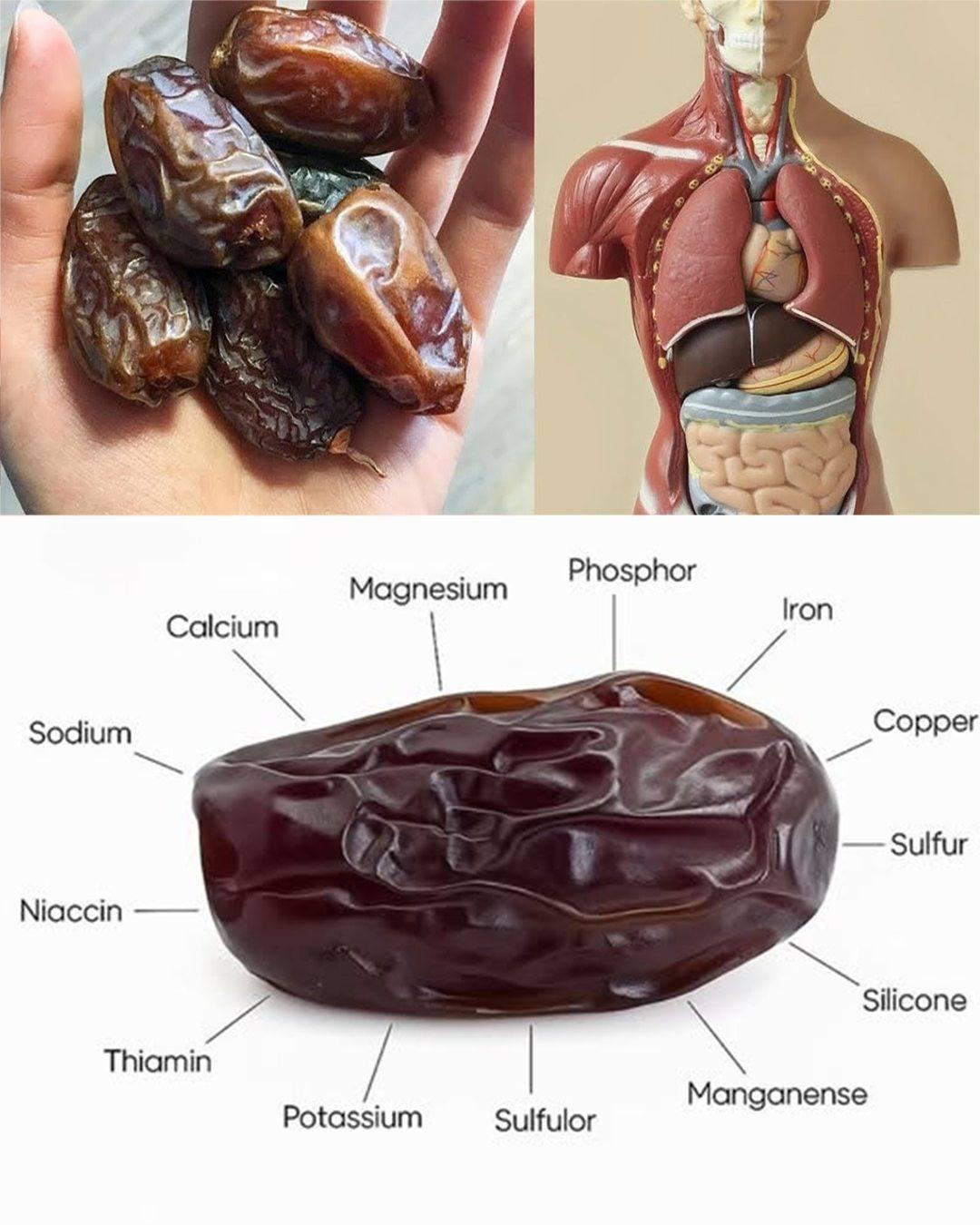
Despite their small size, dates are nutritionally dense. They contain important minerals such as potassium, magnesium, copper, manganese, iron, and phosphorus. Potassium helps regulate blood pressure and supports proper muscle and nerve function, while magnesium contributes to bone health and reduces muscle cramps. Dates also provide small amounts of B-complex vitamins, which play a role in energy production and brain health.

3. Powerful Digestive Support

One of the most celebrated benefits of dates is their positive effect on digestion. Dates are rich in dietary fiber, which helps promote regular bowel movements and prevents constipation. The fiber in dates feeds beneficial gut bacteria, improving overall gut health. Consuming dates regularly can help maintain a healthy digestive system and reduce discomfort such as bloating and indigestion.

4. Heart Health Protection

Dates are heart-friendly fruits. Their high potassium content helps balance sodium levels in the body, which is essential for maintaining healthy blood pressure. Additionally, the fiber in dates can help reduce LDL (bad) cholesterol levels, lowering the risk of heart disease. Dates also contain antioxidants like flavonoids and phenolic acid, which help reduce inflammation and protect blood vessels from damage.

5. Natural Support for Brain Function

Dates contain antioxidants that protect brain cells from oxidative stress. Research suggests that compounds found in dates may help reduce inflammation in the brain, which is linked to neurodegenerative diseases. Regular consumption of dates has been associated with improved memory, learning ability, and overall cognitive function. The natural sugars in dates also provide quick fuel for the brain, helping improve focus and mental clarity.

6. Strengthening Bones and Teeth

Dates are beneficial for bone health thanks to their mineral content, including calcium, phosphorus, magnesium, and potassium. These minerals work together to strengthen bones and teeth and may help reduce the risk of bone-related conditions as we age. Including dates in a balanced diet can support long-term skeletal health, especially for older adults.

7. A Natural Ally Against Anemia

Iron deficiency anemia is a common health concern, and dates can be a helpful natural remedy. Dates contain iron, which is essential for producing hemoglobin in red blood cells. Regular consumption may help increase iron levels, reduce fatigue, and improve circulation. This makes dates particularly beneficial for people who experience weakness or low energy due to iron deficiency.

8. Supporting Healthy Blood Sugar (When Eaten in Moderation)

Although dates are sweet, they have a low to moderate glycemic index when consumed in reasonable amounts. The fiber content slows down sugar absorption, preventing sharp spikes in blood glucose levels. For people without diabetes, dates can be a healthier alternative to refined sweets. Even those monitoring blood sugar can enjoy dates in moderation as part of a balanced meal.

9. Boosting Immunity with Antioxidants

Dates are rich in antioxidants such as flavonoids, carotenoids, and phenolic compounds. These antioxidants help fight free radicals, reduce inflammation, and strengthen the immune system. By protecting cells from damage, dates may help lower the risk of chronic diseases and support overall vitality.

10. A Natural Aid for Better Sleep

Dates contain small amounts of magnesium and tryptophan, both of which play a role in relaxation and sleep quality. Magnesium helps calm the nervous system, while tryptophan is a precursor to serotonin and melatonin, hormones that regulate sleep. Enjoying a few dates in the evening may help promote restful sleep naturally.

11. Supporting Pregnancy and Natural Labor

Traditionally, dates have been recommended for pregnant women, especially in the final weeks of pregnancy. Some studies suggest that eating dates may help support cervical dilation and reduce the need for medical induction during labor. Dates provide natural energy, essential minerals, and nutrients that support both mother and baby.

12. A Versatile and Delicious Superfood

Beyond their health benefits, dates are incredibly versatile. They can be eaten on their own, stuffed with nuts, blended into smoothies, chopped into salads, or used as a natural sweetener in desserts. Date paste or syrup is a healthier alternative to refined sugar in baking and cooking.

Final Thoughts

The incredible benefits of dates make them one of the most valuable fruits you can include in your diet. From boosting energy and digestion to supporting heart, brain, and bone health, dates offer a wide range of advantages in a naturally sweet package. When enjoyed in moderation, these ancient fruits can be a delicious and powerful addition to a healthy lifestyle. Whether you eat them as a snack, a natural sweetener, or part of a meal, dates truly earn their reputation as a superfood worth savoring every day.

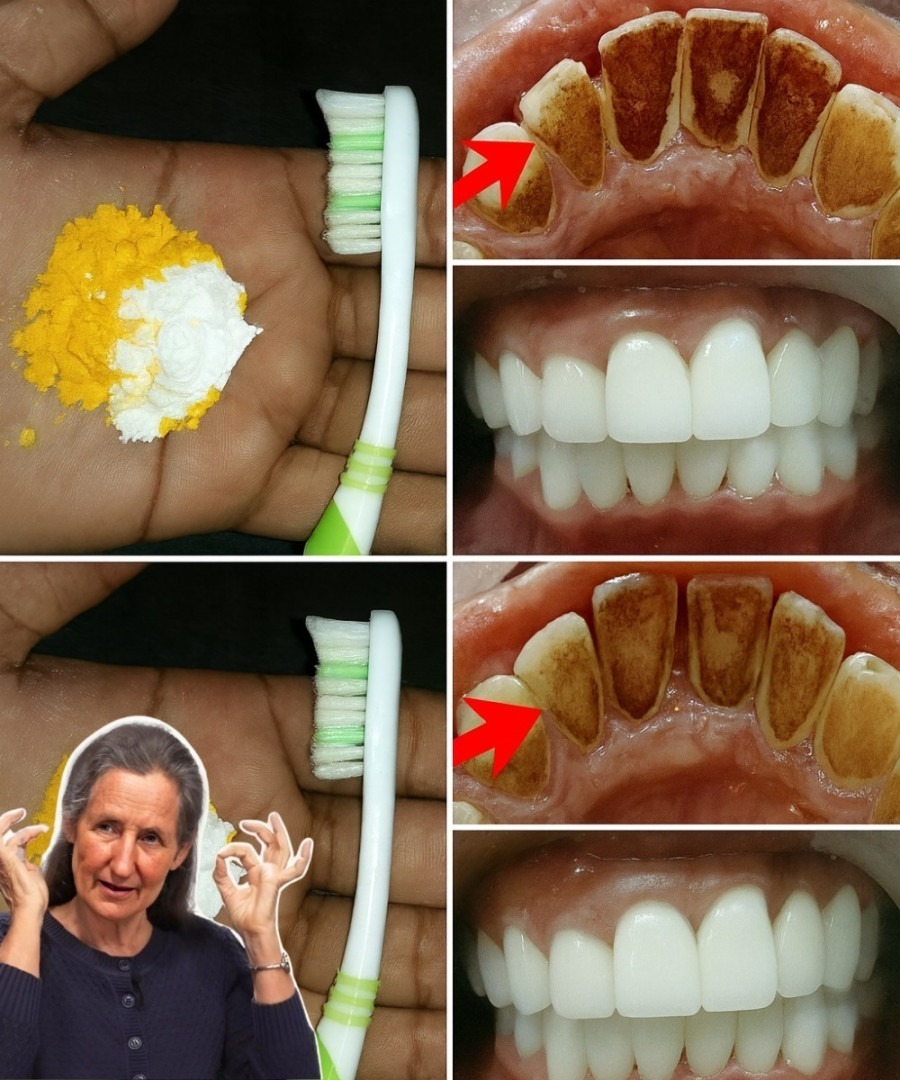
Home Teeth Whitening Get Whiter Teeth in Just 2 Minutes

A bright, confident smile can instantly boost how you look and feel. It’s no surprise that teeth whitening is one of the most popular cosmetic routines people try at home. Busy schedules, rising dental costs, and the desire for quick results have fueled interest in fast, DIY whitening methods—some claiming visible results in as little as two minutes. But what really works, what’s safe, and how can you brighten your smile without damaging your enamel?

This comprehensive guide breaks down the science of tooth discoloration, explains what “2-minute whitening” actually means, and shows you the safest, most effective ways to whiten your teeth at home.


Why Teeth Lose Their Whiteness

Before whitening, it helps to understand why teeth darken in the first place. Tooth discoloration usually falls into two categories:

1. Extrinsic stains
These are surface stains caused by foods and habits, such as:

  • Coffee, tea, and red wine
  • Dark sodas and colored juices
  • Smoking or chewing tobacco
  • Certain spices and sauces

Extrinsic stains are the easiest to improve at home.

2. Intrinsic discoloration
These stains occur inside the tooth and may be caused by:

  • Aging and enamel thinning
  • Certain medications
  • Excess fluoride exposure during childhood
  • Tooth trauma

Intrinsic stains are harder to change and usually require professional treatment.

Most “2-minute whitening” methods focus on lifting surface stains, not changing the natural color of the tooth itself.


What “2-Minute Whitening” Really Means

Let’s be clear: no safe home method can permanently transform deeply yellow teeth into movie-star white in two minutes. However, you can noticeably brighten your smile by removing surface stains and buildup in a very short time.

Think of it like polishing silver—sometimes the shine was always there, just hidden.


Safe and Effective 2-Minute Whitening Options

1. Whitening Toothpaste (Fastest Daily Option)

Modern whitening toothpastes contain mild abrasives and stain-lifting agents that work quickly.

How it helps

  • Polishes away surface stains
  • Improves brightness immediately
  • Safe for daily use when enamel-friendly

How to use

  • Use a soft-bristle toothbrush
  • Brush gently for 2 minutes
  • Don’t scrub aggressively—pressure doesn’t equal better whitening

Best for: Coffee, tea, and food stains


2. Baking Soda Boost (Occasional Use)

Baking soda is mildly abrasive and alkaline, helping to neutralize acids and lift stains.

How to use

  • Mix a pinch of baking soda with water or toothpaste
  • Brush gently for 1–2 minutes
  • Rinse thoroughly

Important:
Limit this to once or twice a week to protect enamel.


3. Hydrogen Peroxide Mouth Rinse (Short Contact)

Hydrogen peroxide is a common whitening ingredient used by dentists—but concentration matters.

How to use safely

  • Use 3% hydrogen peroxide (never stronger)
  • Dilute with equal parts water
  • Swish for 30–60 seconds only
  • Rinse with plain water afterward

This can give a quick brightening effect by breaking down stain molecules.


4. Whitening Strips (Quick Visual Results)

Many over-the-counter whitening strips show visible improvement after just one short use.

Why they work

  • Contain low, safe doses of peroxide
  • Designed to sit directly on the tooth surface

Time factor

  • Some strips are worn for 5–10 minutes
  • Initial brightness can appear quickly, especially on surface stains

Always follow package instructions carefully.


Natural Methods: What Helps and What to Avoid

Helpful (When Used Correctly)

Strawberries
Contain malic acid, which may help loosen surface stains. Mash and mix with baking soda for occasional use.

Oil pulling (coconut oil)
May reduce plaque and improve overall cleanliness, which can enhance brightness over time—not instant whitening.


Methods to Avoid

Some popular online hacks can damage enamel and worsen discoloration:

  • Lemon juice or vinegar (too acidic)
  • Charcoal used aggressively or daily
  • Scraping teeth with sharp objects

If it hurts or feels harsh, stop immediately.


How to Keep Teeth White After Whitening

Getting a brighter smile is only half the battle—maintaining it matters just as much.

Daily habits

  • Brush twice a day
  • Floss daily to prevent plaque buildup
  • Rinse mouth with water after coffee or tea

Smart eating

  • Use a straw for dark beverages
  • Eat crunchy fruits and vegetables (apples, carrots)
  • Limit smoking and sugary drinks

Regular care

  • Replace toothbrush every 3 months
  • Schedule routine dental cleanings

Is Home Whitening Safe?

For most people, gentle, enamel-friendly methods are safe when used correctly. However, you should be cautious if you have:

  • Sensitive teeth
  • Gum disease
  • Worn enamel
  • Dental restorations (crowns don’t whiten)

If you experience pain, burning, or increased sensitivity, stop and consult a dental professional.


Setting Realistic Expectations

A brighter smile in two minutes is usually about revealing your teeth’s natural color, not changing it completely. True whitening is a gradual process, but quick polishing methods can:

  • Instantly improve brightness
  • Remove dull film and stains
  • Make teeth look cleaner and healthier

Consistency and gentle care always beat aggressive shortcuts.


Final Thoughts

Home teeth whitening doesn’t have to be complicated, expensive, or risky. With the right approach, you can refresh your smile in just a couple of minutes by safely removing surface stains and boosting natural shine. Focus on methods that respect your enamel, avoid harsh DIY tricks, and build habits that keep your teeth bright long-term.

A confident smile isn’t about blinding white teeth—it’s about healthy, clean, and well-cared-for ones. 😊

Your legs are screaming HELP 5 warning signs from your Heart

Most people think heart problems announce themselves loudly—with crushing chest pain or sudden shortness of breath. But in many cases, your heart whispers before it screams. And surprisingly, some of the clearest warning signs appear far away from your chest… in your legs.

Your legs are directly connected to your heart through an intricate network of blood vessels. When your heart struggles to pump blood effectively, your legs often suffer first. Pain, swelling, numbness, or strange sensations in your lower limbs can be early red flags of serious cardiovascular trouble.

Here are five alarming leg-related warning signs that may be your heart begging for help—and why you should never ignore them.


1. Leg Pain When Walking (That Disappears With Rest)

If your legs ache, cramp, or feel heavy when you walk—but feel better when you stop—this is not “just aging.”

This classic symptom is called intermittent claudication, and it often points to Peripheral Artery Disease (PAD). PAD occurs when arteries become narrowed or blocked due to plaque buildup, reducing blood flow to your legs.

Why it matters:

PAD is not just a leg problem—it’s a heart attack and stroke warning sign. People with PAD are at much higher risk of coronary artery disease because the same plaque buildup affecting leg arteries often affects the heart as well.

Common sensations include:

  • Cramping in calves, thighs, or hips
  • Tightness or burning pain
  • Weakness during movement

If walking a short distance suddenly feels exhausting or painful, your heart may already be under strain.


2. Swollen Legs, Ankles, or Feet

Swelling in the lower legs—especially when it worsens by evening—is one of the most overlooked heart warning signs.

When the heart weakens, it struggles to pump blood efficiently. This causes fluid to back up in the body, a condition known as congestive heart failure.

Why swelling happens:

  • Blood pools in the veins
  • Fluid leaks into surrounding tissues
  • Gravity pulls excess fluid into the legs and feet

Red flags:

  • Shoes suddenly feel tight
  • Sock marks remain deep on the skin
  • Swelling in both legs (not just one)

Persistent swelling is not normal and should never be dismissed as “too much salt” or “standing too long.”


3. Cold Feet or Legs That Never Feel Warm

Do your feet feel icy—even in warm weather or indoors? This could be more than poor circulation from cold temperatures.

Cold legs and feet may signal restricted blood flow caused by narrowed arteries, often linked to heart disease.

What’s happening:

  • Arteries fail to deliver enough warm, oxygen-rich blood
  • Tissues become deprived of nutrients
  • Nerves may also suffer, causing numbness or tingling

If one leg or foot feels noticeably colder than the other, it could indicate a localized arterial blockage—an urgent medical concern.


4. Skin Changes, Discoloration, or Slow-Healing Wounds

Your skin tells powerful stories about what’s happening inside your body. When heart-related circulation problems develop, your legs often show visible clues.

Warning signs include:

  • Pale, bluish, or purplish skin
  • Shiny or thin-looking skin
  • Hair loss on the legs
  • Sores or wounds that heal very slowly—or not at all

These changes often result from chronic poor circulation, meaning tissues are not receiving enough oxygen.

Why this is dangerous:

Poor healing increases the risk of infections, ulcers, and in severe cases, tissue death. It also signals advanced vascular disease that often coexists with serious heart problems.


5. Sudden Leg Pain, Warmth, or Redness

This symptom is especially urgent.

Sudden pain, swelling, warmth, and redness in one leg may indicate a blood clot, known as deep vein thrombosis (DVT). While DVT starts in the leg, it can quickly become life-threatening.

The hidden danger:

If part of the clot breaks loose, it can travel to the lungs and cause a pulmonary embolism, which can be fatal.

Seek immediate medical help if you notice:

  • Sharp or throbbing leg pain
  • Swelling in one leg only
  • Warmth and redness along a vein

Heart disease, heart failure, and irregular heart rhythms significantly increase the risk of dangerous clots.


Why the Heart and Legs Are So Closely Linked

Your heart’s job is to pump blood against gravity to the farthest parts of your body—especially your legs. When the heart weakens or arteries narrow:

  • Blood flow slows
  • Oxygen delivery drops
  • Waste products accumulate
  • Tissues begin to suffer

Leg symptoms often appear years before a major heart event. Recognizing them early can save your life.


Who Is Most at Risk?

You should be especially alert if you:

  • Are over age 50
  • Have diabetes or high blood pressure
  • Smoke or previously smoked
  • Have high cholesterol
  • Live a sedentary lifestyle
  • Have a family history of heart disease

But even younger adults should not ignore persistent leg symptoms—heart disease is no longer just an “older person’s” problem.


What You Should Do Next

If your legs are sending warning signals:

  1. Don’t ignore them – even mild symptoms matter
  2. See a healthcare professional for proper testing
  3. Ask about circulation and heart health, not just muscle or joint issues
  4. Adopt heart-friendly habits:
    • Walk daily
    • Eat whole, unprocessed foods
    • Control blood pressure and sugar
    • Quit smoking

Early action can stop disease progression and prevent heart attacks, strokes, and amputations.


Final Thought

Your body is incredibly intelligent. Long before a heart attack strikes, it sends subtle distress signals—often through your legs.

Pain, swelling, coldness, skin changes, or sudden discomfort are not random annoyances. They may be your heart’s way of crying out for help.

Listen closely. Acting now could save your heart—and your life.

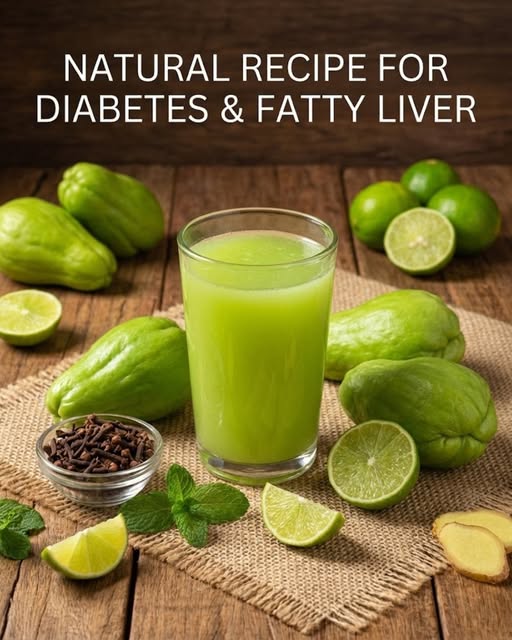
Chayote Juice The Miracle That Restored My Grandmother’s Vitality

Chayote Juice: The Miracle That Restored My Grandmother’s Vitality

When my grandmother turned seventy-eight, the woman who once outworked people half her age seemed to fade almost overnight. Her steps grew slower, her appetite weaker, and her spark—once impossible to miss—felt dim. Doctor visits became routine, prescriptions multiplied, and yet she still complained of fatigue, joint stiffness, and digestion problems. We accepted it as “just aging,” until one simple, humble vegetable changed everything: chayote.

A Forgotten Vegetable With Quiet Power

Chayote, also known as vegetable pear or chow chow, is common in many traditional kitchens but often overlooked. It looks plain—light green, wrinkled, pear-shaped—and carries none of the hype of exotic superfoods. Yet in folk medicine, chayote has long been valued for supporting digestion, circulation, hydration, and overall strength.

My grandmother remembered her own mother using chayote during hard times when medicine was scarce. One afternoon, almost as an afterthought, she asked us to bring some from the market. That request marked the beginning of a remarkable transformation.

Why Chayote Juice?

Rather than cooking it, she insisted on fresh chayote juice. Raw chayote is rich in:

  • Vitamin C – supports immunity and energy
  • Potassium – helps maintain healthy blood pressure and muscle function
  • Folate (Vitamin B9) – supports cell repair and brain health
  • Fiber and antioxidants – aid digestion and reduce inflammation
  • High water content – deeply hydrating, especially for seniors

Juicing made it easier for her aging digestive system to absorb nutrients quickly, without heaviness or bloating.

The Simple Recipe She Used

There was nothing complicated about it—no fancy equipment, no expensive ingredients.

Ingredients:

  • 1 fresh chayote (washed, peeled if desired)
  • ½ glass of water
  • Optional: a few drops of lemon juice

Method:
The chayote was chopped and blended with water, then strained lightly. She drank it fresh, once daily in the morning, on an empty stomach.

That was it.

The First Changes We Noticed

Within the first week, subtle changes appeared. She asked for breakfast earlier. She complained less about stomach discomfort. Her sleep improved. By the second week, the differences were impossible to ignore.

  • Her energy levels increased—she began walking around the house more
  • Joint stiffness eased, especially in the knees
  • Digestion improved—no more constipation or heaviness
  • Her skin looked more hydrated and brighter
  • Most surprisingly, her mood lifted—she laughed more, spoke more, lived more

This wasn’t an overnight miracle, but a steady return to herself.

How Chayote Supports the Aging Body

What made this simple juice so effective? The answer lies in how chayote gently supports multiple systems at once.

1. Supports Heart and Circulation
Chayote is naturally low in sodium and rich in potassium, helping maintain healthy blood pressure and reduce fluid retention—common issues in older adults.

2. Eases Joint and Muscle Discomfort
Its antioxidants help combat low-grade inflammation, which often contributes to joint pain and stiffness.

3. Improves Digestion Naturally
The soluble fiber supports gut health, while its mild nature soothes the stomach rather than irritating it.

4. Boosts Hydration and Energy
Many seniors are chronically dehydrated without realizing it. Chayote’s high water content replenishes fluids gently and effectively.

5. Supports Brain and Nerve Health
Folate and vitamin B6 play a role in cognitive function, memory, and nervous system balance.

A Gentle Remedy, Not a Drug

What impressed us most was how gentle chayote juice was. No side effects. No dependency. No sudden spikes or crashes. It worked with her body, not against it.

Of course, it did not replace her prescribed medications—but it clearly enhanced her overall vitality, allowing her body to respond better to everything else she was doing.

What Doctors Often Don’t Emphasize

Modern medicine excels at treating disease, but it sometimes overlooks the power of nutrient-dense, traditional foods. Chayote doesn’t promise miracles—but when consumed consistently, it nourishes the body at a cellular level.

Many cultures have long relied on vegetables like chayote to maintain strength into old age. My grandmother’s experience reminded us that wisdom doesn’t always come in pill form.

Who Can Benefit From Chayote Juice?

Chayote juice may be especially helpful for:

  • Seniors with low energy or poor appetite
  • People with digestive sluggishness or bloating
  • Those experiencing mild joint discomfort
  • Individuals looking for natural hydration
  • Anyone wanting gentle nutritional support

Pregnant women, people on potassium-restricted diets, or those with kidney conditions should consult a healthcare professional before regular use.

A New Morning Ritual

Today, chayote juice is part of my grandmother’s daily routine. She still moves slower than she did decades ago—but she moves with purpose, clarity, and life. She gardens again. She cooks again. She tells stories again.

All from a vegetable most people walk past in the market.

Final Thoughts

Chayote juice didn’t turn back time—but it gave my grandmother her days back. It reminded us that vitality doesn’t always require expensive supplements or complex regimens. Sometimes, healing begins with listening to the quiet wisdom of nature.

If you’re searching for a gentle, affordable way to support energy, digestion, and overall wellness, don’t overlook this modest green fruit. Like my grandmother discovered, the simplest remedies often carry the deepest power.

9 URGENT SIGNS of VITAMIN B12 DEFICIENCY You Should Never Ignore

Vitamin B12 is a small nutrient with a massive role in your body. It helps produce red blood cells, supports brain and nerve function, and keeps your energy levels stable. Yet millions of people around the world are deficient—often without realizing it. Because the symptoms can be subtle at first, B12 deficiency is frequently mistaken for stress, aging, or other common conditions. Ignoring these warning signs, however, can lead to serious and sometimes irreversible damage.

Here are 9 urgent signs of vitamin B12 deficiency you should never ignore.

1. Constant Fatigue and Weakness

One of the earliest and most common signs of B12 deficiency is persistent tiredness. Vitamin B12 is essential for making red blood cells, which carry oxygen throughout your body. When B12 levels are low, your body produces fewer healthy red blood cells, leading to reduced oxygen delivery. The result is ongoing fatigue, weakness, and a feeling of being drained—even after a full night’s sleep.

If you feel exhausted doing simple tasks that never used to tire you, low B12 could be a hidden cause.

2. Tingling or Numbness in Hands and Feet

Vitamin B12 plays a key role in maintaining the protective coating (myelin) around nerves. Without enough B12, nerves become damaged, leading to tingling, numbness, or a “pins and needles” sensation, especially in the hands, feet, arms, or legs.

This symptom is often mistaken for poor circulation or diabetes, but untreated B12-related nerve damage can become permanent.

3. Memory Problems and Brain Fog

Struggling to remember names, misplacing items, or feeling mentally “foggy” may not just be normal aging. Vitamin B12 deficiency can impair brain function, affecting memory, concentration, and clarity of thought.

In severe cases, long-term deficiency has been linked to cognitive decline and symptoms that resemble dementia. Early detection is crucial, as neurological effects may worsen if B12 levels remain low.

4. Mood Changes, Depression, or Anxiety

Vitamin B12 helps produce neurotransmitters like serotonin and dopamine, which regulate mood. Low levels can lead to depression, irritability, anxiety, or sudden mood swings.

People with B12 deficiency often report feeling unusually low, unmotivated, or emotionally unstable without an obvious reason. Restoring B12 levels can significantly improve emotional well-being in many cases.

5. Pale or Yellowish Skin

A noticeable change in skin tone can be a red flag. B12 deficiency may cause pale, dull, or slightly yellowish skin, due to improper red blood cell production. When red blood cells break down abnormally, bilirubin levels rise, giving the skin a yellow tint.

This symptom is sometimes confused with liver problems, but low B12 should also be considered.

6. Shortness of Breath and Dizziness

If climbing stairs leaves you breathless or you feel dizzy when standing up, your body may not be getting enough oxygen. B12 deficiency–related anemia reduces oxygen delivery, leading to shortness of breath, lightheadedness, and even fainting in severe cases.

These symptoms should never be ignored, especially if they occur frequently or worsen over time.

7. Sore Tongue and Mouth Problems

Vitamin B12 deficiency often shows up in the mouth. Common signs include a swollen, red, or painful tongue, mouth ulcers, burning sensations, or changes in taste.

The tongue may appear smooth instead of textured—a condition known as glossitis. These oral symptoms can be an early and visible warning sign.

8. Balance Problems and Difficulty Walking

Damage to the nervous system caused by B12 deficiency can affect coordination and balance. You may notice unsteadiness, frequent stumbling, or difficulty walking, especially in low light or on uneven surfaces.

This symptom is particularly dangerous for older adults, as it increases the risk of falls and injuries.

9. Rapid or Irregular Heartbeat

Low B12 levels can cause the heart to work harder to compensate for reduced oxygen in the blood. This may result in heart palpitations, rapid heartbeat, or irregular rhythms.

Over time, untreated deficiency-related anemia can strain the heart, increasing the risk of cardiovascular complications.

Who Is Most at Risk?

Vitamin B12 deficiency is more common in:

  • Older adults
  • Vegetarians and vegans
  • People with digestive disorders (gastritis, celiac disease, Crohn’s disease)
  • Those who have had stomach or intestinal surgery
  • Long-term users of acid-reducing medications or metformin

Because absorption decreases with age, even people who eat enough B12-rich foods can become deficient.

Why Early Detection Matters

Some effects of vitamin B12 deficiency—especially nerve damage—can become irreversible if not treated promptly. The good news is that B12 deficiency is usually easy to diagnose with a blood test and highly treatable through diet changes, supplements, or injections when necessary.

Final Thoughts

Vitamin B12 deficiency is often silent at first but can quietly damage your nerves, brain, blood, and heart. If you recognize one or more of these 9 urgent warning signs, do not ignore them or dismiss them as “normal.” Early action can protect your health, restore your energy, and prevent serious long-term complications.

If symptoms persist, consult a qualified healthcare professional for proper testing and guidance. Your body may be signaling that it needs vitamin B12—listen before it’s too late.

Put 2 drops in your ear and you will hear like before Recover your hearing

Across the internet, dramatic headlines promise that putting two drops of a natural liquid into your ear can instantly restore hearing. For millions of people struggling with muffled sounds, ringing ears, or gradual hearing loss, these claims are incredibly tempting. But can hearing really be recovered so easily? The truth is more nuanced — and far safer — than the viral promise suggests.

Let’s separate fact from fiction, explain when drops can help, and outline what truly supports better hearing.

Why Hearing Often Declines

Hearing loss does not happen for just one reason. The most common causes include:

  • Earwax (cerumen) buildup
  • Age-related hearing decline (presbycusis)
  • Exposure to loud noise
  • Ear infections or inflammation
  • Fluid trapped behind the eardrum
  • Damage to inner-ear hair cells
  • Poor circulation or chronic conditions like diabetes

Only some of these causes are reversible, and most cannot be fixed with drops alone.

The Earwax Exception: When Drops Can Help

One situation where ear drops may genuinely improve hearing is earwax blockage.

Excess earwax can:

  • Muffle sound
  • Cause fullness or pressure
  • Trigger ringing (tinnitus)
  • Reduce hearing clarity

In these cases, softening the wax can restore hearing — sometimes dramatically.

Safe options commonly recommended:

  • Warm olive oil
  • Mineral oil
  • Glycerin
  • Over-the-counter ear drops designed for wax

Using 2–3 drops once or twice daily for several days can soften wax enough for it to exit naturally or be removed safely by a professional.

⚠️ Important: This only works if hearing loss is caused by wax — not nerve damage or inner-ear conditions.

Dangerous Myths You Should Avoid

Many viral posts recommend substances that should never be placed in the ear, including:

  • Garlic juice
  • Onion extract
  • Hydrogen peroxide (undiluted)
  • Vinegar
  • Essential oils
  • Alcohol
  • Herbal tinctures

These can:

  • Burn the ear canal
  • Damage the eardrum
  • Cause infections
  • Worsen hearing loss permanently

If a remedy promises instant hearing recovery, it is almost certainly false.

When Drops Will NOT Restore Hearing

Ear drops cannot repair:

  • Damaged auditory nerves
  • Inner-ear hair cell loss
  • Age-related hearing decline
  • Noise-induced hearing damage
  • Genetic hearing conditions

In these cases, improvement requires:

  • Medical evaluation
  • Hearing aids
  • Treatment of underlying conditions
  • Hearing therapy or assistive devices

Natural Ways to Support Hearing Health (That Actually Help)

While no liquid can magically restore hearing, certain habits protect and support auditory function:

1. Improve Circulation

Good blood flow is essential for the inner ear.

  • Stay physically active
  • Manage blood pressure
  • Control blood sugar
  • Eat omega-3-rich foods (fish, walnuts, flaxseed)

2. Reduce Inflammation

Chronic inflammation harms delicate ear structures.

  • Eat anti-inflammatory foods
  • Reduce excess sugar and processed foods
  • Get enough sleep

3. Protect Your Ears from Noise

  • Use ear protection in loud environments
  • Keep headphone volume moderate
  • Take listening breaks

4. Maintain Ear Hygiene — Safely

  • Never insert cotton swabs deep into the ear
  • Avoid ear candles (they do not work and can cause burns)
  • See a professional for wax removal if needed

When to See a Doctor Immediately

Seek medical help if hearing loss is accompanied by:

  • Sudden hearing loss
  • Severe pain
  • Dizziness or vertigo
  • Drainage or bleeding
  • One-sided hearing loss
  • Persistent ringing

Sudden hearing loss is a medical emergency and must be treated quickly.

The Bottom Line

The idea that two drops in the ear can restore hearing like before is mostly a myth — except in the specific case of earwax blockage. In that situation, safe oils or medical ear drops may help soften wax and improve hearing.

However, for most forms of hearing loss, there is no instant cure. Protecting your ears, managing overall health, and seeking proper medical care remain the most effective paths to better hearing.

If something sounds too good to be true — especially when it involves your ears — it usually is.

Your hearing is precious. Treat it with care, not shortcuts.

Colon Cleanse The 3 Ingredient Juice That Flushes Pounds of Toxins From the Body

In today’s fast-paced world, many people struggle with bloating, sluggish digestion, constipation, and a general feeling of heaviness. It’s no surprise that “colon cleanse” remedies have gained massive attention. While the body already has built-in detoxification systems—primarily the liver, kidneys, and digestive tract—certain natural foods can support these processes and help your colon function more efficiently.

One simple, refreshing, and natural option is a 3-ingredient juice made from everyday ingredients that are rich in fiber, water, and plant compounds. This juice doesn’t perform miracles overnight, but when used consistently, it may help promote regular bowel movements, reduce bloating, and support a healthier digestive system.

Let’s explore how this juice works, what’s in it, and how to use it safely.

Why Colon Health Matters

The colon (large intestine) plays a crucial role in digestion. Its main jobs include absorbing water and electrolytes, processing waste, and housing trillions of beneficial gut bacteria. When the colon becomes sluggish—often due to low fiber intake, dehydration, stress, or a highly processed diet—waste can move more slowly. This can lead to:

  • Constipation
  • Gas and bloating
  • Fatigue
  • Poor nutrient absorption
  • Discomfort after meals

Supporting colon health through hydration, fiber, and plant-based nutrients can make a noticeable difference in how you feel day to day.

The 3-Ingredient Colon-Supporting Juice

This juice is simple, affordable, and easy to prepare at home. Each ingredient plays a specific role in digestive support.

Ingredients:

  1. Fresh Lemon
  2. Cucumber
  3. Aloe Vera Gel (food-grade)

Combined with water, these ingredients create a light, hydrating drink that supports digestion without harsh laxatives or extreme cleansing methods.

How Each Ingredient Supports the Colon

1. Lemon – Gentle Digestive Stimulation

Lemon juice is rich in vitamin C and natural acids that can stimulate digestive juices. Drinking lemon juice diluted in water may help “wake up” the digestive system, especially when consumed in the morning.

Benefits include:

  • Supporting bile production for fat digestion
  • Encouraging hydration
  • Helping reduce bloating

While lemons don’t “flush toxins,” they can support the body’s natural digestive rhythm.

2. Cucumber – Hydration and Fiber

Cucumbers are over 95% water, making them excellent for hydration. Proper hydration is essential for healthy bowel movements, as water helps soften stool and support regular elimination.

Why cucumber helps:

  • Provides gentle fiber
  • Soothes the digestive tract
  • Helps prevent constipation caused by dehydration

Cucumbers also contain antioxidants that support overall gut health.

3. Aloe Vera Gel – Soothing the Gut

Food-grade aloe vera gel (not latex or whole-leaf extract) has long been used to support digestion. In small amounts, it may help soothe the intestinal lining and promote regularity.

Potential benefits:

  • Supports smoother bowel movements
  • May help calm mild digestive irritation
  • Encourages balance in the gut

⚠️ Important: Aloe vera should be used in moderation. Excessive intake can cause cramps or diarrhea.

How to Make the Juice

Ingredients:

  • 1 medium cucumber, chopped
  • Juice of 1 fresh lemon
  • 1 tablespoon food-grade aloe vera gel
  • 1–1½ cups water

Instructions:

  1. Add all ingredients to a blender.
  2. Blend until smooth.
  3. Strain if desired (optional).
  4. Drink immediately for best freshness.

How and When to Drink It

  • Best consumed in the morning on an empty stomach
  • Drink 3–4 times per week, not daily long-term
  • Follow with a balanced, fiber-rich diet

This juice works best as part of a healthy lifestyle—not as a replacement for meals or medical treatment.

What Results Can You Expect?

When combined with healthy eating and hydration, people often report:

  • Reduced bloating
  • Improved bowel regularity
  • Feeling lighter and more energized
  • Less digestive discomfort

Any weight changes are typically due to reduced water retention and improved digestion—not fat loss. Be cautious of claims promising dramatic or instant results.

Supporting Your Colon Naturally (Beyond Juice)

For lasting digestive health, consider these habits:

  • Eat more fiber (vegetables, fruits, oats, lentils)
  • Drink plenty of water throughout the day
  • Limit ultra-processed foods
  • Stay physically active
  • Manage stress, which strongly affects digestion

Juices are most effective when used as supportive tools, not shortcuts.

Who Should Avoid This Juice?

You should consult a healthcare professional before using this drink if you:

  • Are pregnant or breastfeeding
  • Have kidney disease or digestive disorders
  • Take medications that affect digestion
  • Experience chronic diarrhea

Natural does not always mean risk-free, especially in large amounts.

Final Thoughts

The idea of “flushing pounds of toxins” can be misleading, but supporting your colon with hydration, fiber, and gentle plant compounds is both realistic and beneficial. This 3-ingredient juice is a refreshing way to encourage better digestion, reduce bloating, and help your body do what it’s already designed to do—maintain balance naturally.

 Cleanse your bladder and strengthen your prostate at home

Cleanse Your Bladder and Strengthen Your Prostate at Home: Natural Ways to Support Urinary Health

Bladder and prostate health are essential for overall well-being, especially for men over 40. Frequent urination, weak urine flow, nighttime bathroom trips, or a constant feeling of incomplete emptying are common concerns that many quietly accept as “normal aging.” The good news is that your body has a remarkable ability to heal and strengthen itself when supported with the right habits.

While serious symptoms always require medical attention, many people can support bladder cleansing and prostate strength naturally at home through hydration, nutrition, gentle detox habits, and lifestyle changes. Let’s explore how you can do this safely and effectively.

Understanding the Bladder–Prostate Connection

The bladder stores urine, while the prostate sits just below it and surrounds the urethra. When the prostate becomes enlarged or irritated, it can press against the urethra, interfering with urine flow and bladder emptying. This can lead to bladder strain, infections, urgency, or leakage.

Supporting prostate health often improves bladder function—and vice versa.

1. Hydration: The Simplest Bladder Cleanse

Many people reduce water intake to avoid frequent urination, but this often makes the problem worse.

Why hydration matters:

  • Flushes bacteria and waste from the bladder
  • Prevents urine from becoming too concentrated
  • Reduces irritation and burning sensations

Best practice:

  • Drink 6–8 glasses of water daily
  • Sip consistently throughout the day
  • Reduce fluids 2–3 hours before bedtime

Adding a squeeze of lemon can gently stimulate detoxification without irritating the bladder for most people.

2. Cranberry and Blueberry Support

Cranberries and blueberries contain compounds that help prevent bacteria from sticking to the bladder wall.

Benefits:

  • Supports bladder cleansing
  • Reduces urinary discomfort
  • Provides antioxidants that protect prostate cells

How to use:

  • Unsweetened cranberry juice (½ cup daily)
  • Fresh or frozen blueberries added to meals
  • Avoid sugary commercial juices, which may worsen inflammation

3. Pumpkin Seeds: A Prostate Superfood

Pumpkin seeds have been traditionally used to support prostate and urinary health.

Why they work:

  • Rich in zinc, essential for prostate function
  • Contain phytosterols that may support normal prostate size
  • Help improve urine flow

How to use:

  • Eat 1–2 tablespoons daily
  • Raw or lightly roasted (no added salt)
  • Can be added to salads, yogurt, or smoothies

4. Herbal Teas for Gentle Cleansing

Certain herbal teas have mild diuretic and anti-inflammatory effects that support bladder cleansing without harsh stimulation.

Best options:

  • Dandelion leaf tea – supports natural detox
  • Nettle tea – traditionally used for prostate support
  • Green tea – rich in antioxidants

Drink 1–2 cups daily, preferably earlier in the day.

5. Reduce Irritants That Stress the Bladder

Some everyday foods and habits can irritate the bladder and prostate.

Limit or avoid:

  • Caffeine (coffee, energy drinks)
  • Alcohol
  • Spicy foods
  • Artificial sweeteners
  • Smoking

Replacing coffee with herbal tea or warm lemon water can make a noticeable difference within days.

6. Pelvic Floor Exercises for Bladder Control

Often overlooked, pelvic floor muscles help control urination and support the prostate.

Simple exercise (Kegels):

  1. Tighten the muscles you’d use to stop urine flow
  2. Hold for 5 seconds
  3. Relax for 5 seconds
  4. Repeat 10–15 times, twice daily

Stronger pelvic muscles mean better bladder control and reduced leakage.

7. Anti-Inflammatory Diet for Prostate Strength

Chronic inflammation plays a major role in prostate discomfort.

Include more:

  • Tomatoes (rich in lycopene)
  • Fatty fish (omega-3s)
  • Olive oil
  • Garlic and onions
  • Leafy green vegetables

Reduce:

  • Processed meats
  • Excess sugar
  • Refined carbohydrates

A cleaner diet supports both urinary flow and hormonal balance.

8. Warm Sitz Baths for Natural Relief

Warm water therapy relaxes pelvic muscles and improves blood flow to the prostate.

How to do it:

  • Sit in warm (not hot) water for 10–15 minutes
  • Do this 3–4 times per week
  • Helps relieve tension and urinary discomfort

This simple practice has been used for centuries to support pelvic health.

9. Maintain Regular Bathroom Habits

Holding urine for long periods strains the bladder and weakens its muscles over time.

Healthy habits:

  • Urinate when you feel the urge
  • Fully empty the bladder (take your time)
  • Avoid straining

Double voiding—urinating, waiting a few seconds, then trying again—can help empty the bladder more completely.

When to See a Doctor

Natural support is helpful, but medical care is essential if you experience:

  • Blood in urine
  • Severe pain
  • Sudden inability to urinate
  • Fever or chills
  • Rapid worsening of symptoms

These may indicate infection or other conditions that require treatment.

Final Thoughts

Cleansing your bladder and strengthening your prostate at home doesn’t require extreme detoxes or expensive supplements. Simple daily habits—hydration, supportive foods, gentle herbs, movement, and awareness—can make a powerful difference over time.

Consistency is key. Treat your urinary system with patience and care, and it will often respond with improved comfort, stronger flow, and better quality of life.