Baked Blueberry Breakfast Cups

Baked Blueberry Breakfast Cups (Soft, Custardy & Comforting)

If you’re looking for a warm, comforting breakfast that feels indulgent yet wholesome, these baked blueberry breakfast cups are perfect. With juicy bursts of blueberries tucked into a soft, custardy base and a lightly golden top, this dish sits somewhere between baked oatmeal, bread pudding, and a breakfast casserole. It’s ideal for slow mornings, brunch gatherings, or even meal prep for the week.

Below is a detailed, step-by-step recipe to help you recreate this delicious treat at home.


Ingredients (Serves 4–6)

Dry Ingredients:

  • 2 cups rolled oats (old-fashioned oats work best)

  • 1 teaspoon baking powder

  • ½ teaspoon ground cinnamon

  • Pinch of salt

Wet Ingredients:

  • 2 large eggs

  • 1 ¾ cups milk (dairy or almond milk)

  • ¼ cup maple syrup or honey

  • 2 tablespoons melted butter or coconut oil

  • 1 teaspoon vanilla extract

Add-ins:

  • 1 ½ cups fresh blueberries (or frozen, not thawed)

  • 1 tablespoon brown sugar (optional, for topping)


Equipment

  • 4 to 6 small oven-safe glass ramekins or one medium baking dish

  • Mixing bowls

  • Whisk

  • Measuring cups and spoons

  • Baking tray (to place ramekins on)


Step-by-Step Instructions

1. Preheat the Oven

Preheat your oven to 180°C (350°F). Lightly grease your ramekins or baking dish with butter or oil to prevent sticking.

If you’re using individual ramekins, place them on a baking tray for easier handling.


2. Mix the Dry Ingredients

In a medium bowl, combine:

  • Rolled oats

  • Baking powder

  • Cinnamon

  • Salt

Stir everything together so the baking powder and spices are evenly distributed. This ensures consistent flavor in every bite.


3. Prepare the Wet Mixture

In another bowl, whisk together:

  • Eggs

  • Milk

  • Maple syrup (or honey)

  • Melted butter

  • Vanilla extract

Whisk until smooth and fully combined. The eggs help bind everything together while giving the dish a soft, custard-like texture.


4. Combine and Fold in Blueberries

Pour the wet mixture into the dry ingredients and stir until fully incorporated. Let the mixture sit for 5 minutes so the oats can absorb some liquid.

Gently fold in most of the blueberries, reserving a handful for topping. This ensures you get blueberries throughout the mixture, not just on top.


5. Fill and Top

Spoon the mixture evenly into your prepared ramekins or baking dish.

Sprinkle the remaining blueberries on top and lightly dust with brown sugar if you want a caramelized golden finish.


6. Bake to Perfection

Bake for 25–35 minutes (depending on dish size). Individual ramekins may cook slightly faster than a single large dish.

You’ll know it’s done when:

  • The center is set but slightly soft

  • The top is lightly golden

  • The edges pull away slightly from the sides

A knife inserted in the center should come out mostly clean with slight moisture.


7. Cool Slightly Before Serving

Allow the baked cups to cool for 5–10 minutes. This helps them firm up and enhances flavor.

Serve warm for the best experience.


Serving Suggestions

These baked blueberry cups are delicious on their own, but you can elevate them with:

  • A dollop of Greek yogurt

  • A drizzle of maple syrup

  • A splash of warm milk

  • A sprinkle of powdered sugar

  • A handful of chopped nuts for crunch

For brunch gatherings, serve them straight in the ramekins for a charming presentation.


Storage & Meal Prep

One of the best things about this recipe is how well it stores.

  • Refrigerator: Store in an airtight container for up to 4 days.

  • Freezer: Wrap individually and freeze for up to 2 months.

  • Reheat: Microwave for 30–60 seconds or warm in the oven at 160°C (325°F) until heated through.

They make an excellent grab-and-go breakfast option.


Variations to Try

This recipe is highly adaptable. Here are a few delicious twists:

1. Lemon Blueberry Version

Add 1 teaspoon lemon zest to the wet mixture for a fresh citrus boost.

2. Banana Blueberry

Mash one ripe banana into the wet ingredients for added sweetness and moisture.

3. Protein Boost

Add 1–2 tablespoons of chia seeds or a scoop of vanilla protein powder.

4. Mixed Berry

Swap half the blueberries for raspberries or strawberries.

5. Crunchy Topping

Sprinkle sliced almonds or oats mixed with a little butter and sugar on top before baking.


Why You’ll Love This Recipe

  • Naturally sweetened

  • Family-friendly

  • Great for meal prep

  • Warm and comforting

  • Packed with antioxidants from blueberries

  • Customizable for dietary needs

The texture is soft and creamy inside with juicy berries bursting in every bite, while the top develops a light golden crust. It feels indulgent but is made from simple, wholesome ingredients.


Final Tips for Perfect Results

  • Use fresh blueberries if possible for the best texture.

  • If using frozen berries, do not thaw — this prevents excess moisture.

  • Don’t overbake; the center should remain slightly soft.

  • Let it rest before serving to allow it to fully set.
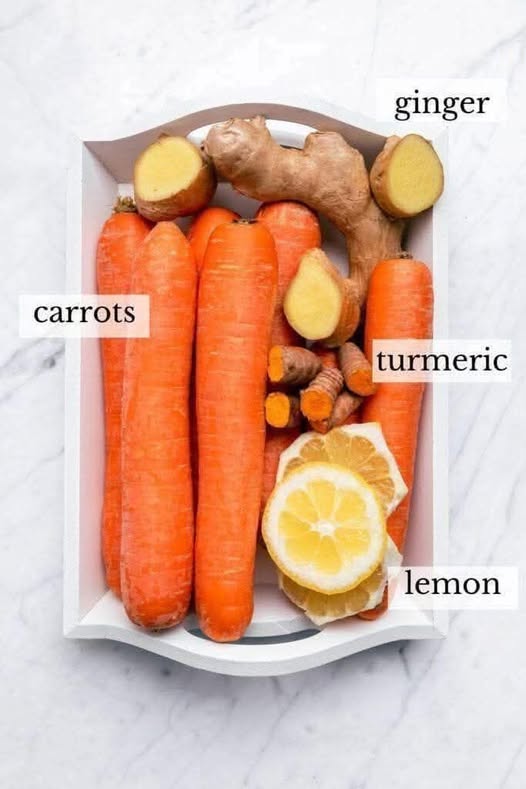
Carrot ginger turmeric juice

Carrot Ginger Turmeric Juice is a vibrant, nutrient-packed drink that combines natural sweetness with a spicy, earthy kick. This golden-orange elixir is loved not only for its refreshing taste but also for its impressive health benefits. Made from simple, wholesome ingredients, it is perfect for boosting immunity, supporting digestion, and providing a natural energy lift.

This juice is often inspired by traditional wellness practices, especially those rooted in ancient systems like Ayurveda, where turmeric and ginger have been used for centuries to promote overall health and balance in the body. Let’s explore how to prepare this powerful drink at home.


Ingredients

  • 4 medium fresh carrots

  • 1-inch fresh ginger root

  • 1-inch fresh turmeric root (or ½ teaspoon turmeric powder)

  • Juice of ½ lemon (optional)

  • 1 teaspoon raw honey (optional)

  • ½ cup cold water (if blending)

  • A pinch of black pepper


Why These Ingredients Matter

Carrots are rich in beta-carotene, which the body converts into vitamin A. They support eye health, strengthen immunity, and promote glowing skin. Carrots also contain antioxidants that help combat free radicals in the body.

Ginger adds a spicy warmth to the juice and is well-known for aiding digestion and reducing inflammation. It may help relieve nausea, improve gut health, and boost circulation.

Turmeric is the golden star of this recipe. It contains curcumin, a powerful compound known for its anti-inflammatory and antioxidant properties. Turmeric has long been used to support joint health and strengthen the immune system.

Black pepper may seem like a small addition, but it plays a crucial role. Piperine, the active compound in black pepper, enhances the absorption of curcumin from turmeric, making the juice even more effective.


Equipment Needed

  • Juicer or high-speed blender

  • Fine mesh strainer or cheesecloth (if blending)

  • Knife and cutting board

  • Glass jar or serving glass


Preparation Method

Step 1: Wash and Prepare the Ingredients

Thoroughly wash the carrots, ginger, and turmeric roots under running water. Scrub gently to remove any dirt. You may peel the carrots and turmeric if desired, but it’s not necessary if they are organic and well-cleaned. Chop the carrots into smaller chunks for easier blending or juicing. Slice the ginger and turmeric into small pieces.

Step 2: Juicing Method

If using a juicer, feed the carrots, ginger, and turmeric through the machine according to the manufacturer’s instructions. Once extracted, stir in the lemon juice, honey (if using), and a pinch of black pepper. Mix well and serve immediately.

Step 3: Blender Method

If you don’t have a juicer, place the chopped carrots, ginger, turmeric, and water into a high-speed blender. Blend until smooth. Pour the mixture through a fine mesh strainer or cheesecloth into a bowl or jug. Press or squeeze to extract as much liquid as possible. Add lemon juice, honey, and black pepper, then stir thoroughly.


Taste and Adjustments

This juice has a naturally sweet and earthy flavor with a spicy kick from the ginger and turmeric. If it tastes too strong, you can:

  • Add a small apple for natural sweetness.

  • Dilute with extra water or coconut water.

  • Add a few ice cubes for a milder, refreshing effect.

If you enjoy a stronger, more intense flavor, increase the ginger or turmeric slightly.


Health Benefits

Drinking carrot ginger turmeric juice regularly may offer several benefits:

1. Boosts Immunity
The combination of vitamin A from carrots and the anti-inflammatory compounds in turmeric and ginger helps strengthen the body’s natural defenses.

2. Supports Digestion
Ginger stimulates digestive enzymes, which can help reduce bloating and discomfort. Turmeric also supports healthy gut function.

3. Promotes Healthy Skin
Carrots are packed with antioxidants that help protect skin cells from damage. Regular consumption may contribute to clearer, brighter skin.

4. Reduces Inflammation
Curcumin in turmeric is known for fighting inflammation, which may help people dealing with joint pain or muscle soreness.

5. Improves Circulation
Ginger encourages better blood flow, helping deliver oxygen and nutrients throughout the body more efficiently.


Best Time to Drink

For maximum benefits, enjoy this juice in the morning on an empty stomach. This allows your body to absorb nutrients more effectively. However, it can also be consumed as a midday energy booster or post-workout refreshment.


Storage Tips

Fresh juice is best consumed immediately to preserve nutrients. However, you can store it in an airtight glass container in the refrigerator for up to 24 hours. Shake well before drinking, as natural separation may occur.


Safety Notes

  • If you are pregnant, breastfeeding, or taking blood-thinning medication, consult a healthcare professional before consuming large amounts of turmeric or ginger.

  • Avoid excessive intake; one small glass (about 200 ml) per day is sufficient.


Final Thoughts

Carrot Ginger Turmeric Juice is more than just a colorful drink—it’s a nourishing tonic that supports your body naturally. With its blend of sweet carrots, spicy ginger, and earthy turmeric, it delivers both flavor and wellness in every sip.

Making it at home ensures freshness and allows you to control the ingredients. Whether you are looking to boost your immune system, improve digestion, or simply enjoy a refreshing beverage, this golden juice is a simple yet powerful addition to your daily routine.

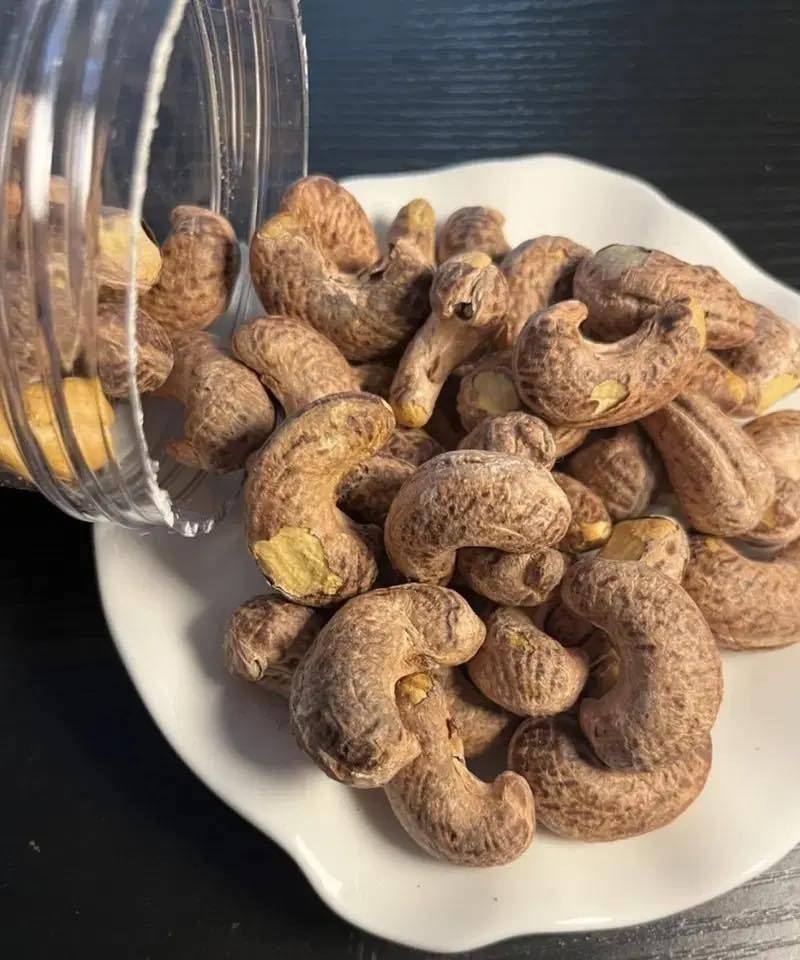
Doctors reveal that eating cashews causes

Cashews are one of the most popular nuts in the world. Creamy, slightly sweet, and satisfying, they are often enjoyed as a snack or added to dishes for extra flavor and texture. But beyond their delicious taste, doctors and nutrition experts reveal that eating cashews regularly can have significant effects on your body—both positive and, in some cases, cautionary.

Here’s what happens when you include cashews in your diet.

First, cashews can support heart health. They are rich in healthy monounsaturated and polyunsaturated fats, which are known to help reduce bad cholesterol (LDL) levels while maintaining or even increasing good cholesterol (HDL). Cardiologists often emphasize the importance of healthy fats in reducing the risk of heart disease. Cashews also contain magnesium and potassium, two minerals essential for maintaining normal blood pressure. Regular but moderate consumption may contribute to improved cardiovascular function.

Second, cashews can strengthen your bones. Many people don’t realize that cashews contain magnesium, phosphorus, and a small amount of calcium—all crucial for bone health. Magnesium plays a key role in helping your body absorb calcium properly. Doctors explain that long-term magnesium deficiency can weaken bones and increase the risk of fractures. Including magnesium-rich foods like cashews may help support bone density as you age.

Third, cashews can improve brain function. Cashews contain healthy fats and antioxidants that support cognitive health. Magnesium is also vital for nerve transmission and brain signaling. Some studies suggest that adequate magnesium intake may reduce the risk of mood disorders and help manage stress. In addition, cashews provide vitamin B6, which helps produce neurotransmitters like serotonin and dopamine—chemicals that influence mood and mental clarity.

Fourth, cashews may help regulate blood sugar levels. Although they are slightly higher in carbohydrates compared to some other nuts, cashews have a low glycemic index. They also contain fiber and healthy fats, which slow down sugar absorption into the bloodstream. Doctors note that replacing processed snacks with nuts like cashews can help stabilize blood sugar and reduce cravings. However, portion control is essential, especially for people with diabetes.

Fifth, cashews support immune function. They are an excellent source of zinc, a mineral that plays a critical role in immune health. Zinc helps the body fight infections, heal wounds, and maintain proper cell growth. A zinc deficiency can weaken immune defenses. Eating a moderate amount of cashews can help meet daily zinc requirements naturally.

Sixth, cashews can benefit skin and hair health. Cashews contain copper, which is important for the production of collagen and melanin. Collagen keeps skin firm and elastic, while melanin gives color to hair and skin. Adequate copper intake may help maintain healthy-looking skin and delay visible signs of aging. The antioxidants in cashews also help fight oxidative stress, which contributes to premature aging.

Seventh, cashews may assist with weight management—if eaten properly. Despite being calorie-dense, nuts like cashews can actually help control appetite. Their combination of protein, fiber, and healthy fats promotes satiety, helping you feel full longer. Doctors often recommend nuts as part of balanced diets because they can reduce the urge to snack on unhealthy foods. However, overeating cashews can lead to excess calorie intake, which may cause weight gain.

Eighth, cashews may improve muscle function. Magnesium and potassium in cashews help regulate muscle contractions and prevent cramps. Athletes and physically active individuals may benefit from these minerals to support recovery and reduce fatigue. Magnesium also plays a role in energy production within cells.

However, doctors also warn about moderation. Cashews are calorie-dense. A small handful (about 28 grams) contains roughly 150–170 calories. Eating large quantities daily can lead to unintended weight gain. Additionally, salted or flavored cashews may contain high levels of sodium, which can raise blood pressure and increase the risk of heart problems. Choosing unsalted, dry-roasted, or raw cashews is generally healthier.

Another important caution involves allergies. Tree nut allergies can be severe and even life-threatening for some individuals. Anyone who has experienced allergic reactions to nuts should avoid cashews entirely and consult a healthcare professional.

Some people also worry about kidney stones due to oxalates found in nuts. Cashews contain moderate levels of oxalates, so individuals prone to kidney stones may need to limit intake and seek medical advice.

In summary, doctors reveal that eating cashews regularly can have multiple health benefits, including improved heart health, stronger bones, better brain function, enhanced immunity, and support for healthy skin. However, these benefits depend on moderation and overall diet quality. Cashews are not a miracle food, but when enjoyed as part of a balanced diet, they can contribute positively to overall health.

As with most nutritious foods, the key is balance. A small handful a day can provide valuable nutrients without excess calories. If you have specific medical conditions, allergies, or dietary concerns, it’s always best to consult your doctor before making significant changes to your diet.

The Magical Herbal Drink for Diabetes, Blood Circulation, Fatty Liver, and Bone Pain

The Magical Herbal Drink for Diabetes, Blood Circulation, Fatty Liver, and Bone Pain

In recent years, more people have been turning back to nature to support their health. While there is no true “magic” cure for chronic conditions like diabetes or fatty liver disease, certain herbal drinks can gently support the body and improve overall wellness when combined with a healthy lifestyle. One powerful herbal combination that has gained attention includes ingredients like turmeric, cinnamon, ginger, fenugreek, and lemon. Together, these natural components create a nourishing drink that may help support blood sugar balance, improve circulation, protect the liver, and reduce inflammation that contributes to bone and joint pain.

Let’s explore how this herbal drink works and how you can prepare it at home.

Why This Herbal Drink Works

The strength of this drink lies in its ingredients. Each herb brings unique benefits, and together they create a powerful blend.

Turmeric contains curcumin, a natural compound known for its anti-inflammatory and antioxidant properties. Chronic inflammation plays a major role in diabetes complications, liver damage, and joint pain. Turmeric helps reduce inflammation and may improve insulin sensitivity, which is important for blood sugar control.

Cinnamon has been studied for its ability to help regulate blood sugar levels. It may improve how the body responds to insulin and can slow the breakdown of carbohydrates in the digestive tract, preventing sudden spikes in blood sugar.

Ginger is well known for improving blood circulation. It helps relax blood vessels, reduce clot formation, and support heart health. Better circulation means more oxygen and nutrients are delivered to tissues throughout the body.

Fenugreek seeds are rich in soluble fiber, which slows sugar absorption and improves blood glucose control. They are also traditionally used to support liver function and digestion.

Lemon juice provides vitamin C and antioxidants, which help detoxify the liver and boost the immune system. It also enhances the absorption of certain nutrients in the drink.

When combined, these ingredients create a drink that targets several systems in the body at once.


Support for Diabetes

Managing diabetes requires balanced nutrition, exercise, and sometimes medication. Herbal drinks like this one may offer supportive benefits by helping stabilize blood sugar levels.

Cinnamon and fenugreek are particularly helpful in slowing sugar absorption and improving insulin sensitivity. Turmeric may reduce inflammation associated with long-term diabetes complications. Drinking this herbal tea regularly—alongside a healthy diet low in refined sugars—can help maintain steadier energy levels and reduce cravings.

However, it is important to monitor blood sugar levels closely, especially if you are already taking medication. Natural remedies can enhance the effects of medication, which may lead to blood sugar dropping too low if not monitored properly.


Improved Blood Circulation

Poor circulation can cause cold hands and feet, numbness, fatigue, and even complications for people with diabetes. Ginger plays a major role in improving blood flow by relaxing blood vessels and reducing inflammation in the arteries.

Turmeric also supports cardiovascular health by reducing oxidative stress. Together, they help maintain flexible, healthy blood vessels and promote better oxygen delivery throughout the body.

Better circulation can also support faster healing and improved brain function.


Support for Fatty Liver

Fatty liver disease often develops due to poor diet, obesity, insulin resistance, and high sugar intake. The liver becomes overloaded with fat, which can lead to inflammation and damage over time.

Turmeric is one of the most researched herbs for liver health. It may help reduce fat accumulation in liver cells and lower inflammation. Lemon supports natural detoxification processes, while fenugreek may assist in improving cholesterol and triglyceride levels.

Of course, no drink can reverse fatty liver alone. Reducing processed foods, limiting sugar, staying physically active, and maintaining a healthy weight are essential steps. This herbal drink can serve as a supportive addition to these lifestyle changes.


Relief from Bone and Joint Pain

Bone and joint pain are often caused by inflammation. Turmeric and ginger are both powerful natural anti-inflammatory agents. Many people with arthritis or age-related joint pain report improvement when consuming these herbs regularly.

By reducing inflammation in the joints, this drink may help improve flexibility and reduce stiffness, especially in the morning. It may also support bone health by reducing oxidative stress that contributes to bone degeneration over time.


How to Prepare This Herbal Drink

Here is a simple recipe you can make at home:

Ingredients:

  • 1 cup warm water

  • ½ teaspoon turmeric powder (or freshly grated turmeric)

  • ½ teaspoon cinnamon powder

  • ½ teaspoon grated fresh ginger

  • 1 teaspoon soaked fenugreek seeds (optional)

  • Juice of half a lemon

  • A small pinch of black pepper (enhances turmeric absorption)

Instructions:

  1. Boil the water and let it cool slightly.

  2. Add turmeric, cinnamon, ginger, and fenugreek seeds.

  3. Stir well and let it steep for 5–10 minutes.

  4. Add lemon juice and black pepper.

  5. Strain if desired and drink warm.

For best results, drink this once daily in the morning on an empty stomach or in the evening before bed.


Important Precautions

Although natural, these ingredients are powerful. People who are pregnant, taking blood thinners, or managing chronic conditions should consult a healthcare professional before starting regular use. Turmeric and ginger may thin the blood, and cinnamon in large amounts can affect the liver if overused.

Moderation is key. One cup per day is generally sufficient.


Final Thoughts

There is no magical cure for diabetes, fatty liver, poor circulation, or bone pain. However, nature offers supportive tools that can help the body heal and function better. This herbal drink combines powerful anti-inflammatory and antioxidant ingredients that may improve blood sugar balance, enhance circulation, protect the liver, and reduce joint discomfort.

When paired with a balanced diet, regular exercise, adequate sleep, and medical guidance, this simple herbal drink can become a nourishing part of your daily routine. Sometimes, small consistent habits make the biggest difference in long-term health.

Moral 4 principles attributed to Confucius to build a fuller and more balanced old age

Aging is not simply a biological process; it is also a moral and spiritual journey. While modern society often focuses on youth, speed, and productivity, ancient wisdom reminds us that old age can be a time of depth, clarity, and fulfillment. The teachings attributed to Confucius continue to offer powerful guidance for living a balanced and meaningful life—especially in our later years.

Here are four moral principles rooted in Confucian thought that can help build a fuller and more balanced old age.

1. Cultivate Ren (Humaneness and Compassion)

At the heart of Confucian philosophy is Ren, often translated as humaneness, kindness, or benevolence. It reflects a deep sense of empathy and care for others. In old age, this principle becomes especially powerful.

As people grow older, they often reflect on relationships more than achievements. Compassion softens regrets, heals misunderstandings, and strengthens bonds with family, friends, and community. Rather than withdrawing from society, Confucius encouraged elders to remain morally engaged—offering wisdom, patience, and understanding.

Practicing Ren in later years might mean listening more than speaking, forgiving past grievances, mentoring younger generations, or participating in community service. Compassion not only benefits others; it also enriches the elder’s emotional well-being. Studies in modern psychology confirm what Confucius taught centuries ago: kindness enhances happiness and reduces loneliness.

Old age grounded in compassion becomes less about loss and more about contribution.

2. Embrace Li (Proper Conduct and Ritual)

Another central Confucian principle is Li, which refers to proper conduct, rituals, and respect for social harmony. While rituals may sound formal, they include everyday acts of courtesy, gratitude, and responsibility.

For older adults, maintaining structure and respectful behavior provides stability and dignity. Simple routines—morning prayers, family meals, greeting neighbors, celebrating traditions—create a sense of order and belonging. These rituals connect elders to their cultural roots and strengthen intergenerational ties.

Confucius believed that harmony in society begins with harmony in personal behavior. Even small acts—speaking gently, dressing neatly, expressing appreciation—affirm self-respect. In old age, when physical strength may decline, dignity through conduct becomes even more important.

Li also reminds elders that they still hold a valued role. In many Asian traditions influenced by Confucian thought, older people are respected as moral anchors of the family. By modeling integrity and courtesy, they preserve harmony and transmit values to children and grandchildren.

A balanced old age is not chaotic or isolated; it is structured, respectful, and connected.

3. Commit to Lifelong Learning

Confucius famously valued education and self-improvement throughout life. He is remembered for saying that learning should never stop, regardless of age. Intellectual growth keeps the mind alive and the spirit curious.

In later years, learning may not involve formal schooling, but it can take many forms: reading, studying scripture, exploring history, learning a language, mastering a craft, or even adapting to new technologies. Mental engagement protects against cognitive decline and strengthens self-confidence.

Beyond intellectual benefits, lifelong learning nurtures humility. Confucius taught that wisdom begins with recognizing how much we still have to understand. For elders, this mindset prevents rigidity and bitterness. Instead of saying, “I know everything already,” they remain open, adaptable, and interested in the world.

This principle also helps older adults bridge generational gaps. Learning about modern ideas, digital tools, or new cultural trends allows elders to connect meaningfully with younger family members. When curiosity replaces criticism, relationships flourish.

A full old age is not stagnant. It grows deeper, richer, and wiser through continued learning.

4. Practice Filial Reciprocity and Gratitude

Confucian ethics strongly emphasize Xiao, often translated as filial piety—respect and care for parents and elders. But this value is not one-sided. It also encourages elders to act in ways worthy of respect.

In old age, this principle evolves into reciprocal gratitude. Elders who once cared for children now accept care with humility rather than pride. At the same time, they offer emotional support, blessings, and guidance in return.

Gratitude transforms aging. Instead of focusing on what has been lost—health, career, independence—older adults can reflect on what has been gained: experience, family, memories, resilience. Expressing appreciation for small daily joys—sunlight, conversation, shared meals—cultivates peace.

Confucius believed that moral character is demonstrated in relationships. By maintaining gratitude and mutual respect within the family, elders strengthen unity. They avoid becoming isolated or resentful. Instead, they embody wisdom and calm.

Reciprocity also means accepting change with grace. As roles shift within the family, humility allows older adults to remain emotionally balanced. Gratitude reduces fear of dependency and fosters harmony.

Building a Balanced Old Age

The teachings attributed to Confucius are not abstract theories; they are practical moral tools. Compassion nurtures connection. Proper conduct sustains dignity. Lifelong learning keeps the mind vibrant. Gratitude preserves harmony within families.

In a fast-paced world that often sidelines the elderly, these principles remind us that old age can be a season of moral refinement. It is a time to harvest the lessons of a lifetime and share them generously.

A fuller and more balanced old age is not measured by wealth or status but by inner character. As Confucian wisdom suggests, the ultimate goal is not merely to live long, but to live rightly.

When elders embody compassion, dignity, curiosity, and gratitude, they become living examples of harmony. Their presence enriches families and communities. In this way, aging becomes not a decline, but a quiet ascent toward wisdom and peace.

If you drool while you sleep, it’s a sign that your brain

If you drool while you sleep, it’s easy to feel embarrassed or worried. Many people wake up to a damp pillow and immediately wonder if something is wrong with their health. The truth is, drooling during sleep is extremely common. In most cases, it is not a bad sign at all. In fact, it can actually tell you something interesting about how your brain and body are functioning at night.

First, it helps to understand what drooling really is. Drooling happens when saliva flows out of your mouth while you are asleep. During the day, your brain constantly signals you to swallow saliva without you even thinking about it. This automatic swallowing reflex keeps your mouth comfortable and prevents saliva from spilling out. At night, however, things change.

When you fall asleep, your brain shifts into different stages of sleep. These stages include light sleep, deep sleep, and REM (rapid eye movement) sleep. During deeper stages of sleep, your muscles become more relaxed. This includes the muscles around your mouth and jaw. If your mouth falls open while you are in a deep, relaxed state, saliva can escape more easily. So one simple explanation is that drooling can be a sign that your body is fully relaxed.

In fact, drooling often happens during deep sleep. Deep sleep is the stage when your brain and body do important repair work. Your tissues heal, your immune system strengthens, and your brain processes memories from the day. If you drool occasionally, it may simply mean that you are sleeping deeply and your body is fully at rest. In that sense, it can actually be a sign of healthy sleep.

Sleeping position also plays a big role. People who sleep on their side or stomach are more likely to drool. Gravity pulls saliva toward the pillow instead of down the throat. If you sleep on your back, saliva is more likely to stay inside your mouth because gravity pulls it toward your throat, where you swallow it unconsciously. So sometimes, drooling has less to do with your brain and more to do with how you position your body at night.

Another important factor is nasal congestion. If your nose is blocked due to allergies, a cold, or sinus issues, you may breathe through your mouth while sleeping. Mouth breathing increases the chance that your mouth stays open, which makes drooling more likely. In this case, drooling is not necessarily a brain issue but a sign that your airways may be partially blocked.

However, there are some situations where frequent or excessive drooling could signal something more serious. If drooling is accompanied by difficulty swallowing, speech problems, weakness on one side of the body, or sudden changes in coordination, it could be related to a neurological issue. Conditions that affect the brain’s control over muscles—such as certain nerve disorders or after a stroke—can interfere with normal swallowing reflexes.

That said, occasional nighttime drooling without other symptoms is almost always harmless. In children, drooling is very common because their swallowing muscles and nervous system are still developing. In adults, stress, fatigue, and even certain medications can temporarily increase saliva production or muscle relaxation.

Interestingly, saliva itself plays an important role in brain and body health. It helps protect your teeth, aids digestion, and keeps harmful bacteria under control. During sleep, saliva production usually decreases. But if your mouth stays open, even a small amount can escape. This is simply a physical effect of relaxation rather than a sign of brain damage or disease.

If drooling bothers you, there are simple steps you can take. Try adjusting your sleeping position by using a supportive pillow that encourages you to stay on your back. Treat nasal congestion if you have allergies or sinus problems. Practicing good sleep hygiene—such as keeping a consistent bedtime, limiting screen time before bed, and maintaining a comfortable sleep environment—can also improve overall sleep quality.

It’s also helpful to pay attention to patterns. Does drooling only happen when you are extremely tired? Does it occur during allergy season? Or does it happen every night with no clear cause? Tracking these details can help you understand whether it’s just normal relaxation or something that needs medical attention.

In summary, if you drool while you sleep, it usually means your body is relaxed and possibly in a deep stage of sleep. It is often a simple combination of muscle relaxation, sleeping position, and gravity. In most cases, it is not a sign that something is wrong with your brain. However, if drooling is severe, sudden, or accompanied by other unusual symptoms, it’s wise to consult a healthcare professional.

So instead of feeling embarrassed, you can think of occasional drooling as a small reminder that your body is switching into rest-and-repair mode. Sleep is one of the most powerful healing tools your brain has—and sometimes, a little drool is just part of the process.

Why I regret moving to a nursing home. 6 hard truths you need to know

Moving to a nursing home is one of the biggest life transitions a person can make. For some, it brings relief, safety, and proper medical care. But for others, it can come with unexpected emotional and psychological challenges. While every experience is different, here are six hard truths many people don’t talk about — and why some individuals regret moving to a nursing home.

1. The Loss of Independence Hits Harder Than Expected

One of the most painful realities is the sudden loss of independence. At home, even simple tasks like making tea, choosing when to sleep, or deciding what to eat feel empowering. In a nursing home, routines are often structured around staff schedules. Meals are served at fixed times. Medication rounds are planned. Lights may go out at certain hours.

Even if these systems are designed for safety, they can make residents feel like they’ve lost control over their own lives. For someone who spent decades making decisions for a family or running a household, this shift can be emotionally overwhelming.

2. Privacy Becomes Limited

Many nursing homes offer shared rooms. Even in private rooms, staff members enter frequently for care, cleaning, or check-ins. The constant presence of others can feel intrusive.

At home, you close your door and enjoy silence. In a facility, there’s noise in hallways, televisions playing, call bells ringing, and other residents talking. Over time, the lack of quiet personal space can increase stress and reduce the feeling of “home.”

3. Emotional Loneliness Doesn’t Disappear — It Sometimes Grows

Ironically, moving to a place filled with people does not guarantee companionship. Yes, there are group activities and social events, but meaningful connection is different.

Family visits may become less frequent over time. In the beginning, loved ones often come regularly. As weeks turn into months, life outside continues — jobs, school, responsibilities. Some residents quietly feel forgotten, even when their families care deeply.

Being surrounded by other elderly residents, many with serious illnesses or cognitive decline, can also serve as a constant reminder of aging and mortality, which can be emotionally heavy.

4. Quality of Care Can Vary

Not all nursing homes are the same. Some provide excellent, compassionate care. Others struggle with understaffing, burnout, or limited resources.

When staff members are overwhelmed, response times may slow. Personal requests may feel rushed. Residents can sometimes feel like tasks rather than individuals. Even when caregivers are kind, the system itself may not allow enough time for meaningful interaction.

This gap between expectation and reality can lead to disappointment and regret, especially if someone believed the move would guarantee a higher quality of daily life.

5. Health May Decline Faster Than Expected

While nursing homes are designed for medical support, some residents notice a decline in physical or mental health after moving in. Why?

At home, daily routines often involve small movements — cooking, tidying, gardening, walking to the mailbox. In a nursing home, meals are prepared, laundry is done, and mobility may be limited for safety reasons.

Less physical activity can lead to muscle weakness. Reduced mental stimulation may contribute to cognitive decline. Without a strong sense of purpose, motivation can decrease, which impacts overall health.

The environment meant to protect can unintentionally reduce engagement.

6. The Emotional Weight of “Giving Up”

Perhaps the hardest truth is the internal feeling that moving to a nursing home represents surrender. Even when the decision is practical or medically necessary, some residents feel they have “lost” the battle of aging.

This emotional narrative can deeply affect self-esteem. People who once led families, careers, and communities may struggle with identity. Who am I now? What is my purpose?

Without emotional support and encouragement, these thoughts can grow into regret.


But There Is Another Side

It’s important to acknowledge that not everyone regrets moving to a nursing home. For some, it provides safety, social opportunities, and relief from the burden of maintaining a home.

Regret often stems not from the facility itself, but from unmet expectations, lack of preparation, or insufficient emotional support during the transition.

What You Should Know Before Making the Move

If you or a loved one are considering a nursing home, here are some key steps:

  • Visit multiple facilities and ask detailed questions.

  • Talk to current residents and their families.

  • Understand the daily routine and level of independence allowed.

  • Discuss expectations openly with family members.

  • Plan ways to maintain hobbies, purpose, and regular visits.

Moving to a nursing home is not just a change of address — it is a life transformation. The emotional adjustment can be as significant as the physical one.

The six hard truths above are not meant to create fear, but awareness. When people understand the possible challenges, they can better prepare and advocate for a healthier, more fulfilling experience.

In the end, regret often comes from feeling unheard or unprepared. With honest conversations, thoughtful planning, and consistent emotional support, the transition can become less about loss — and more about finding a new way to live with dignity and care.

The riskiest time to bathe after age 70

Many people grow up believing that a morning shower is the best way to start the day. It feels refreshing, wakes you up, and helps you feel clean before heading out. However, more people are now discovering the benefits of showering at night. While both habits have their advantages, showering before bed may offer surprising benefits for your health, hygiene, and even sleep quality.

One of the biggest reasons to shower at night is cleanliness. Throughout the day, your body collects sweat, bacteria, dust, pollution, and allergens. Even if you work in a clean environment, your skin naturally produces oils and sweat that can trap dirt. When you go to bed without showering, all of that buildup transfers to your bedsheets and pillowcases. Over time, this can create an environment where bacteria and allergens multiply, which may lead to skin irritation or breakouts. Showering at night helps remove these unwanted particles, allowing you to sleep in a cleaner environment.

Another major advantage is better sleep quality. A warm shower at night helps relax your muscles and calm your nervous system. When you step out of a warm shower, your body temperature gradually drops. This drop in temperature signals your brain that it is time to sleep. Many sleep experts suggest that showering about one to two hours before bedtime can help you fall asleep faster and enjoy deeper sleep. Good sleep is essential for memory, immune health, and mood regulation.

Night showers can also be very beneficial for skin care. During sleep, your body enters repair mode. Skin cells regenerate, and your body heals daily damage caused by sun exposure and environmental stress. If your skin is clean before bed, skincare products such as moisturizers or treatments can absorb better. Dirt and oil buildup can block pores and reduce the effectiveness of nighttime skin products. A clean face and body before bed help support natural skin repair processes.

People who suffer from allergies may also benefit from nighttime showers. During the day, pollen, dust, and other allergens stick to your hair, skin, and clothes. If you go to bed without washing them off, these allergens transfer to your bedding and remain close to your face all night. This can trigger sneezing, itchy eyes, or breathing discomfort. Showering at night removes these allergens and can reduce nighttime allergy symptoms.

Another overlooked benefit is maintaining cleaner bedding. Bedsheets can quickly collect sweat, body oils, and dirt if you go to bed without showering. This means you may need to wash your sheets more frequently. Showering at night helps keep your bed fresher for longer. Cleaner bedding can reduce odors and improve overall sleep comfort.

Night showers may also help people with busy mornings. Many people rush through morning routines, skipping proper hygiene or feeling stressed about time. Showering at night frees up valuable time in the morning. This can allow for a calmer start to the day, more time for breakfast, or simply less stress overall.

For people with dry skin, night showers may be better than morning ones. After showering at night, you can apply moisturizer and allow it to work for several hours while you sleep. This helps lock in moisture more effectively. In the morning, you often rush out, and your skin may not have enough time to fully absorb moisturizing products.

Mental relaxation is another key benefit. Taking a shower at night can serve as a transition ritual between your busy day and restful night. The sound of running water and warm temperature can reduce stress and tension. Many people find that nighttime showers help them mentally “reset” and feel calmer before bed.

However, this does not mean morning showers are bad. Some people sweat heavily at night and may still prefer a quick rinse in the morning. Others need a morning shower to feel awake and energized. Personal preference, lifestyle, and climate can all influence what works best.

The best approach for many people is flexibility. If you exercise in the morning, you may still need a quick shower after workouts. If you work outdoors or in dusty environments, night showers are especially important. Some people even combine both habits by taking a full shower at night and a quick rinse in the morning.

In conclusion, showering at night offers many hidden benefits. It helps remove daily dirt and allergens, supports better sleep, improves skin health, keeps bedding cleaner, and promotes relaxation. While morning showers can feel refreshing, nighttime showers may provide deeper health and hygiene advantages. Choosing when to shower ultimately depends on your body, routine, and comfort, but switching to nighttime showers could be a simple change that improves your overall well-being.

When an elderly person is near dEath their body shows these 4 signs Be very careful

Death is a natural part of life, yet recognizing when a loved one may be nearing the end can be emotionally overwhelming. For elderly individuals, especially those living with chronic illness or frailty, the body often begins to show certain physical and behavioral changes in the final weeks, days, or hours of life. Understanding these signs can help families prepare emotionally, make informed care decisions, and ensure their loved one is as comfortable as possible.

Below are four common signs that may appear when an elderly person is approaching the end of life. While not everyone will experience all of them, they are widely recognized by healthcare providers and caregivers.


1. Extreme Fatigue and Increased Sleeping

One of the earliest and most noticeable signs is a significant increase in fatigue. The person may sleep for most of the day and show little interest in waking up, eating, or interacting. Even simple tasks like speaking or sitting up can feel exhausting.

As the body prepares for death, it naturally conserves energy. Organs begin to slow down, and circulation becomes less efficient. This results in lower energy levels and a strong need for rest. You may notice that the person responds less when spoken to, or they may drift in and out of consciousness.

What to be careful about:
Do not assume they cannot hear you. Hearing is believed to be one of the last senses to fade. Speak gently, offer reassurance, and maintain physical contact if it comforts them. Avoid forcing them to stay awake or engage in conversation if they are tired.


2. Loss of Appetite and Reduced Thirst

Another very common sign is a loss of desire to eat or drink. The digestive system slows down significantly near the end of life. Food may become difficult to swallow, and the body simply no longer requires the same level of nutrition.

Families often worry that their loved one is “starving,” but this is usually a natural process. Forcing food or fluids can sometimes cause discomfort, choking, or nausea.

What to be careful about:
Offer small sips of water, ice chips, or moist swabs for comfort instead of large meals. Lip balm and mouth moisturizers can prevent dryness. Always follow medical guidance regarding feeding, especially if swallowing becomes difficult.


3. Changes in Breathing Patterns

Breathing often changes noticeably near the end of life. It may become irregular, shallow, or include long pauses between breaths. Some people develop noisy breathing caused by fluid collecting in the throat, sometimes called the “death rattle.”

These changes occur because the brain is gradually losing control over breathing patterns, and muscles weaken.

You may notice:

  • Faster breathing followed by slow breathing

  • Periods where breathing stops briefly

  • Gurgling or rattling sounds

  • Open-mouth breathing

What to be careful about:
These sounds can be distressing for family members but are not always uncomfortable for the person experiencing them. Keeping the person slightly turned to one side can help fluid drain. Medications prescribed by healthcare providers may also reduce noise and discomfort.


4. Physical and Mental Withdrawal

As death approaches, many elderly individuals begin withdrawing from the outside world. They may stop talking, avoid eye contact, or appear confused about time, place, or people. Some may speak about seeing deceased relatives or preparing for a “journey.”

This withdrawal is believed to be part physical and part psychological. The brain is receiving less oxygen and blood flow, and the person may be transitioning mentally and emotionally.

What to be careful about:
Avoid correcting or arguing if they seem confused or talk about things you cannot see. Instead, offer comfort and reassurance. Creating a peaceful, quiet environment can help reduce anxiety and agitation.


Additional Signs That May Appear

Besides the four main signs above, you might also notice:

  • Cool hands and feet

  • Changes in skin color (pale, bluish, or mottled)

  • Reduced urine output

  • Swelling in legs or feet

  • Sudden bursts of energy before decline

These signs vary from person to person and may appear gradually or quickly.


How Families Can Provide Comfort

When someone is nearing death, comfort and dignity become the priority. Small acts can make a big difference:

  • Keep the room calm and softly lit

  • Play gentle music if they like it

  • Hold their hand or gently touch their shoulder

  • Speak reassuringly

  • Follow pain management plans from healthcare providers

Emotional presence is often more important than medical intervention during this time.


When to Seek Medical Guidance

If you notice sudden pain, extreme agitation, or breathing distress, contact a healthcare professional. Palliative care or hospice teams specialize in comfort care during end-of-life stages and can support both the patient and the family.

Signs of vitamin B12 deficiency are ignorer

Vitamin B12 is one of the most important nutrients your body needs to function properly, yet many people are deficient without realizing it. Because the symptoms can develop slowly and mimic other health issues, they are often overlooked or misinterpreted. Ignoring these early warning signs can lead to serious health complications over time, including nerve damage and cognitive decline. Understanding the subtle and obvious symptoms can help you take action early and protect your long-term health.

Vitamin B12 plays a key role in producing red blood cells, maintaining nerve function, and supporting DNA production. It is mostly found in animal-based foods like meat, fish, eggs, and dairy. People who follow vegetarian or vegan diets, older adults, and individuals with digestive disorders are at higher risk of deficiency.

Below are some of the most commonly ignored signs of vitamin B12 deficiency.


1. Constant Fatigue and Weakness

One of the earliest and most common symptoms is persistent tiredness. When your body lacks B12, it cannot produce enough healthy red blood cells. This reduces oxygen delivery throughout your body, making you feel weak and exhausted even after rest.

Many people blame fatigue on stress, lack of sleep, or aging, which is why this symptom is often ignored. If you feel tired despite sleeping well and eating normally, B12 deficiency could be a hidden cause.


2. Tingling or Numbness in Hands and Feet

Vitamin B12 is essential for maintaining the protective coating around nerves. When levels drop, nerve signals can become disrupted, leading to pins-and-needles sensations, numbness, or burning feelings in the hands, legs, or feet.

Because these sensations can come and go, many people ignore them or assume poor circulation is to blame.


3. Pale or Slightly Yellow Skin

Low B12 levels can reduce red blood cell production and cause cells to break down faster than normal. This can result in pale skin or a slight yellow tint, similar to mild jaundice.

Since skin tone can vary naturally, this symptom is frequently missed unless it becomes severe.


4. Shortness of Breath and Dizziness

When red blood cell levels are low, oxygen transport decreases. This can make you feel breathless during normal activities like climbing stairs or walking short distances. You might also experience dizziness or lightheadedness.

Many people mistake this for poor fitness or dehydration.


5. Memory Problems and Difficulty Concentrating

Vitamin B12 supports brain function and nerve communication. Deficiency can lead to brain fog, confusion, forgetfulness, or trouble focusing.

These symptoms are often ignored or mistaken for stress, aging, or lack of sleep. In severe cases, prolonged deficiency can contribute to long-term neurological damage.


6. Mood Changes and Depression

Low B12 levels can affect neurotransmitters that regulate mood. Some people experience irritability, anxiety, or depression.

Since mental health symptoms have many causes, B12 deficiency is rarely considered first.


7. Mouth Ulcers and Tongue Changes

A swollen, red, or smooth tongue can be a surprising sign of B12 deficiency. Some people also develop mouth ulcers or burning sensations.

These symptoms are often blamed on spicy foods, dental issues, or minor infections.


8. Vision Problems

Untreated B12 deficiency can damage the optic nerve, leading to blurred or disturbed vision. This is less common but can occur if deficiency continues for a long time.


9. Heart Palpitations

Because your body is working harder to deliver oxygen, you may notice rapid or irregular heartbeats. Many people assume this is caused by anxiety or caffeine.


Who Is Most at Risk?

Certain groups are more likely to develop vitamin B12 deficiency:

  • Adults over age 50

  • Vegetarians and vegans

  • People with stomach or intestinal disorders

  • Individuals taking acid-reducing medications

  • People who have had weight-loss surgery

Why Early Detection Matters

Ignoring B12 deficiency can lead to serious complications, including:

  • Permanent nerve damage

  • Balance and walking problems

  • Severe anemia

  • Cognitive decline

The good news is that B12 deficiency is usually easy to treat once diagnosed. Treatment may include dietary changes, oral supplements, or injections depending on severity.

When to See a Doctor

If you experience multiple symptoms—especially fatigue, numbness, memory problems, or dizziness—it is wise to request a blood test. Early treatment can reverse most symptoms and prevent permanent damage.

Final Thoughts

Vitamin B12 deficiency is more common than many people think, and its symptoms are easy to ignore. Because the signs often develop slowly and resemble other health conditions, people may go years without realizing they have a problem.

Listening to your body is essential. Persistent fatigue, nerve sensations, mood changes, or cognitive issues should never be dismissed as “normal.” With proper testing and treatment, vitamin B12 deficiency is manageable and often reversible.

Taking care of your nutritional health today can protect your brain, nerves, and energy levels for years to come.