Are Your Nails Always Splitting or Breaking? Here’s What Your Body Is Trying to Tell You

Are Your Nails Always Splitting or Breaking? Here’s What Your Body Is Trying to Tell You

If your nails constantly split, peel, or break no matter how careful you are, it can be frustrating. While brittle nails may seem like a small cosmetic issue, they often reflect what’s happening inside your body. Your nails are made of keratin, a protein that depends on proper nutrition, hydration, and overall health to grow strong and smooth. When something is off, your nails are often one of the first places it shows.

Let’s explore what your body might be trying to tell you.

1. You May Be Dehydrated

One of the most common causes of brittle, splitting nails is simple dehydration. Just like your skin and hair, your nails need moisture. When your body lacks enough water, nails become dry, weak, and prone to cracking.

If you frequently wash your hands, use harsh soaps, or live in a dry climate, your nails may lose moisture even faster. Drinking enough water daily and using a nourishing hand cream or cuticle oil can make a noticeable difference.

2. Iron Deficiency Could Be the Culprit

Iron plays a critical role in carrying oxygen to your cells, including those responsible for nail growth. When iron levels are low, nails can become thin, brittle, and may even develop ridges or a spoon-like shape.

Other symptoms of iron deficiency may include fatigue, pale skin, shortness of breath, or feeling cold often. If you suspect low iron, a simple blood test can confirm it. Iron-rich foods such as spinach, lentils, red meat, beans, and fortified cereals can help improve levels.

3. You Might Be Lacking Biotin

Biotin, also known as vitamin B7, is often associated with healthy hair and nails. A deficiency can cause nails to become weak and split easily.

Biotin helps your body metabolize proteins and supports keratin production. Foods rich in biotin include eggs, almonds, sweet potatoes, seeds, and whole grains. While supplements are popular, it’s always best to consult a healthcare provider before starting one.

4. Protein Intake May Be Too Low

Because nails are made of protein, not getting enough in your diet can directly affect their strength. If you follow a restrictive diet or consume minimal protein, your body may prioritize vital organs over nail growth.

Make sure your meals include adequate protein sources such as chicken, fish, eggs, dairy, legumes, tofu, or nuts. Even small improvements in protein intake can support healthier nail growth over time.

5. Thyroid Imbalance Can Affect Nails

Your thyroid gland regulates metabolism, and when it’s underactive (hypothyroidism), it can cause dry skin, hair thinning, and brittle nails. Nails may grow slowly and split frequently.

If you’re also experiencing weight changes, fatigue, hair loss, or sensitivity to cold, it may be worth discussing thyroid testing with your doctor. Treating the underlying thyroid issue often improves nail health.

6. Too Much Exposure to Water and Chemicals

Sometimes the problem isn’t internal—it’s environmental. Frequent exposure to water, cleaning products, nail polish remover, or harsh chemicals can weaken the nail structure.

Repeated wetting and drying causes nails to expand and contract, which leads to splitting. Wearing gloves while cleaning and limiting acetone-based removers can protect your nails from damage.

7. Aging Naturally Weakens Nails

As we age, our bodies produce less natural oil and keratin production slows down. This can lead to thinner, more fragile nails. While aging is unavoidable, proper nutrition, hydration, and gentle nail care can help maintain strength.

Regular trimming, gentle filing in one direction, and moisturizing can prevent further splitting.

8. Underlying Health Conditions

In some cases, brittle nails may signal other health issues such as psoriasis, eczema, or circulatory problems. If your nail changes are severe, painful, discolored, or accompanied by other unusual symptoms, medical evaluation is important.

Pay attention to changes in color (yellowing, bluish tint), thickening, or separation from the nail bed. These signs may indicate infections or systemic conditions that require treatment.


How to Strengthen Brittle Nails Naturally

If your nails are splitting often, try these practical steps:

  • Stay hydrated: Aim for consistent water intake throughout the day.

  • Eat a balanced diet: Include iron, protein, healthy fats, and B vitamins.

  • Use cuticle oil daily: Jojoba oil and vitamin E oil are excellent choices.

  • Avoid harsh nail treatments: Limit acrylics, gels, and frequent polish changes.

  • Wear gloves while cleaning: Protect nails from chemicals and excess water.

  • File gently: Always file in one direction to prevent micro-tears.

Consistency is key. Nails grow slowly—about 3 millimeters per month—so improvements may take several weeks to become visible.


When to See a Doctor

Occasional splitting is common and usually harmless. However, you should consider medical advice if:

  • Nails are severely misshapen

  • You experience persistent fatigue or weakness

  • There is sudden nail discoloration

  • Nails separate from the nail bed

  • You notice other unusual body symptoms

Your nails are more than just a cosmetic feature—they’re small indicators of your overall health. While brittle nails are often caused by dehydration, nutritional gaps, or environmental damage, they can sometimes reflect deeper imbalances.

By paying attention to what your nails are telling you and making simple lifestyle adjustments, you can restore strength and shine from the inside out. Healthy nails begin with a healthy body—and sometimes, a small crack is your body’s quiet way of asking for better care.

Why Do We Dream of Those Who Have Passed Away

Why Do We Dream of Those Who Have Passed Away?

Dreams about loved ones who have passed away can be deeply emotional, comforting, confusing, or even unsettling. Many people report seeing deceased parents, grandparents, spouses, or friends in vivid dreams that feel incredibly real. These experiences often leave us wondering: Why did I dream about them? Does it mean something? While interpretations vary depending on cultural, spiritual, and psychological perspectives, there are several meaningful explanations behind these dreams.

1. The Mind Processing Grief

One of the most common reasons we dream of those who have passed away is that our minds are still processing grief. Losing someone we love creates a significant emotional impact. Even if years have passed, the brain continues to store memories, emotions, and unresolved feelings connected to that person.

During sleep—especially in the REM (rapid eye movement) stage—our brains actively process emotions and experiences. Dreams become a safe space where the mind can revisit memories and work through feelings we may not fully express while awake. If grief was complicated, sudden, or unresolved, dreams may serve as a healing mechanism.

Sometimes these dreams feel like conversations. Other times, they may involve reliving old memories. Both are natural parts of emotional processing.

2. Memory Activation and Emotional Bonds

Our brains never truly erase strong emotional connections. The stronger the bond, the more likely it is that memories of that person will surface in dreams. Significant dates such as anniversaries, birthdays, or holidays often trigger these dreams because they reactivate emotional memories.

Even subtle reminders—a smell, a song, a familiar place—can influence the subconscious mind. You may not consciously think about the person during the day, yet your brain associates certain experiences with them. At night, those associations can appear in dream form.

In many cases, dreaming of someone who has passed away simply reflects the lasting impact they had on your life.

3. Unfinished Conversations or Regret

Sometimes dreams of the deceased involve unresolved issues. Perhaps there were words left unsaid, conflicts unresolved, or apologies never given. The subconscious mind may create dream scenarios where these conversations take place.

In such dreams, people often report receiving comfort, forgiveness, or closure. While the experience happens within the mind, the emotional relief can feel very real. Psychologists suggest that this is the brain’s way of helping us resolve internal tension and restore emotional balance.

These dreams do not necessarily mean the other person is trying to communicate; rather, they may represent our own need for peace.

4. Comfort and Emotional Support

Interestingly, many people describe dreams of deceased loved ones as comforting rather than frightening. The person may appear healthy, smiling, or reassuring. In times of stress, uncertainty, or loneliness, the brain may draw upon comforting figures from our past.

If your grandmother always made you feel safe, your mind may “bring her back” in a dream when you are facing a difficult situation. This does not diminish the emotional significance of the experience—it simply highlights how powerful our memories are in providing psychological support.

These dreams can feel like emotional hugs from the past.

5. Spiritual and Cultural Interpretations

Across cultures and religions, dreams of the dead are often viewed through a spiritual lens. Some believe these dreams are visitations or messages from the afterlife. In certain traditions, dreaming of ancestors is considered a blessing or guidance.

While science explains dreams as neurological activity shaped by memory and emotion, spiritual interpretations focus on connection beyond the physical world. For many people, the meaning they choose to believe brings comfort.

It is important to recognize that personal belief systems strongly influence how we interpret such dreams. Whether seen as psychological processing or spiritual contact, the emotional impact is what matters most.

6. Symbolic Representation

Sometimes, the deceased person in a dream represents something symbolic rather than literal. For example:

  • A father might symbolize authority or protection.

  • A mother might represent nurturing or guidance.

  • A friend might symbolize a certain time in your life.

If you are facing a life decision, your mind may present the image of someone whose qualities you associate with wisdom or strength. In this case, the dream reflects inner guidance rather than the person themselves.

Dream interpretation often depends more on how you felt in the dream than on what actually happened.

7. Stress, Change, and Life Transitions

Major life changes—marriage, moving, career shifts, or becoming a parent—can trigger dreams of loved ones who have passed away. During transitions, the mind revisits foundational relationships that shaped us.

It is as if the brain checks in with the emotional roots that helped build who we are. These dreams may surface when you need reassurance or when you are reflecting on how far you have come.

8. When Dreams Feel Extremely Real

Some dreams of the deceased are unusually vivid. People describe clear conversations, detailed environments, and strong emotions that linger after waking. This intensity can occur because emotional memory networks in the brain are highly active during REM sleep.

The realism does not necessarily make the dream supernatural—but it does show how deeply embedded that person is in your memory system.

Final Thoughts

Dreaming of someone who has passed away is a deeply human experience. It can be a sign of grief processing, emotional healing, memory activation, or personal symbolism. For others, it may hold spiritual meaning.

Rather than focusing only on why the dream happened, it may be more helpful to reflect on how it made you feel. Did it bring comfort? Closure? Sadness? Peace? The emotional response often reveals more than the dream itself.

In the end, dreams remind us that love and connection do not simply disappear. Even after loss, the bonds we form continue to live within our minds and hearts.

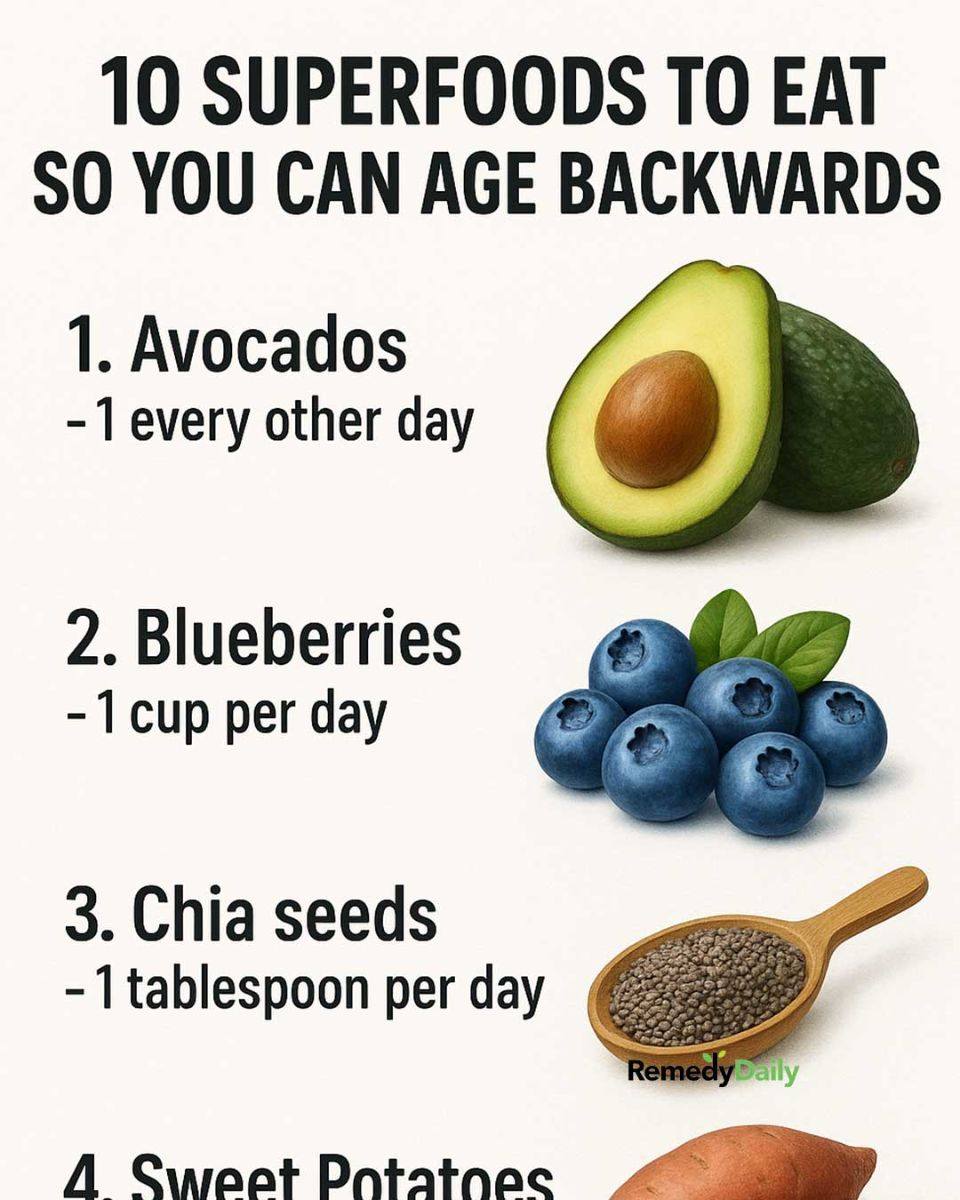
10 superfoods to eat so you can age backwards

10 Superfoods to Eat So You Can Age Backwards

Aging is natural — but how you age is largely influenced by what you eat. While no food can literally turn back time, certain nutrient-dense superfoods can slow cellular damage, reduce inflammation, boost collagen production, protect your brain, and keep your heart strong. Think of them as nature’s anti-aging toolkit.

Here are 10 powerful superfoods that can help you look younger, feel stronger, and support longevity.


1. Blueberries – The Ultimate Anti-Aging Berry

Blueberries are packed with antioxidants, especially anthocyanins, which fight free radicals that damage your skin and cells. Free radicals accelerate wrinkles, dullness, and cognitive decline.

Benefits:

  • Improve memory and brain function

  • Protect skin from premature aging

  • Support heart health

  • Reduce inflammation

A handful of blueberries daily can help protect your body at the cellular level.


2. Avocados – Nature’s Skin Moisturizer

Avocados are rich in healthy monounsaturated fats that keep your skin hydrated and supple. They also contain vitamin E, a powerful antioxidant that protects against UV damage.

Benefits:

  • Boost collagen production

  • Support glowing skin

  • Lower bad cholesterol

  • Reduce inflammation

Half an avocado a day can make a visible difference in skin elasticity.


3. Salmon – The Wrinkle-Fighting Protein

Fatty fish like salmon are loaded with omega-3 fatty acids, which reduce inflammation and keep skin firm and plump. Omega-3s also protect your heart and brain as you age.

Benefits:

  • Maintain skin thickness

  • Reduce dryness and fine lines

  • Support heart health

  • Improve mood and memory

Aim for two servings of fatty fish per week.


4. Spinach – The Green Youth Booster

Spinach is full of vitamins A, C, E, and K, plus iron and magnesium. Vitamin C helps produce collagen, the protein responsible for firm, youthful skin.

Benefits:

  • Improve skin elasticity

  • Strengthen bones

  • Support eye health

  • Boost immune function

Add spinach to smoothies, soups, or salads for an easy anti-aging boost.


5. Nuts (Especially Almonds and Walnuts)

Nuts provide healthy fats, fiber, protein, and vitamin E. They help protect your skin from oxidative stress and support heart health.

Benefits:

  • Reduce inflammation

  • Support brain health

  • Promote healthy skin

  • Help control blood sugar

A small handful daily is enough.


6. Green Tea – The Liquid Youth Elixir

Green tea is rich in catechins, antioxidants that protect against sun damage and improve skin elasticity.

Benefits:

  • Reduce wrinkles

  • Boost metabolism

  • Improve brain function

  • Protect against chronic diseases

Drink 1–2 cups daily for maximum benefits.


7. Sweet Potatoes – The Glow Enhancer

Sweet potatoes are rich in beta-carotene, which converts to vitamin A in the body. Vitamin A helps repair skin cells and protect against sun damage.

Benefits:

  • Promote radiant skin

  • Support eye health

  • Strengthen immunity

  • Improve gut health

Roast or steam them for a healthy side dish.


8. Pomegranate – The Collagen Protector

Pomegranates are loaded with antioxidants that protect collagen from breaking down.

Benefits:

  • Improve skin regeneration

  • Reduce inflammation

  • Support heart health

  • Enhance blood circulation

Add fresh seeds to yogurt or salads.


9. Dark Chocolate (70% or Higher)

Yes, chocolate can be anti-aging — when it’s dark and minimally processed. It contains flavonoids that improve blood flow to the skin and protect against sun damage.

Benefits:

  • Improve skin hydration

  • Support heart health

  • Boost mood

  • Enhance brain function

Stick to a small square daily.


10. Turmeric – The Golden Anti-Inflammatory Spice

Turmeric contains curcumin, a powerful anti-inflammatory compound that helps fight chronic disease and cellular aging.

Benefits:

  • Reduce joint pain

  • Protect brain function

  • Improve skin clarity

  • Support overall longevity

Add turmeric to soups, teas, or smoothies for daily protection.


How These Superfoods Help You “Age Backwards”

The secret to youthful aging lies in reducing inflammation, protecting collagen, balancing blood sugar, and preventing oxidative stress. These superfoods work together to:

  • Slow cellular damage

  • Support hormone balance

  • Improve gut health

  • Protect heart and brain function

  • Maintain skin elasticity

When combined with proper sleep, hydration, stress management, and regular movement, these foods can dramatically improve how you age.


Simple Daily Anti-Aging Routine

Morning:
Green tea + blueberries with yogurt

Lunch:
Spinach salad with salmon and avocado

Snack:
Handful of nuts + small piece of dark chocolate

Dinner:
Sweet potatoes with lean protein and turmeric seasoning


Aging gracefully isn’t about expensive creams or miracle supplements. It starts in your kitchen. By consistently choosing nutrient-rich superfoods, you nourish your body at the deepest level.

You may not literally age backwards — but you can absolutely age stronger, sharper, and more vibrant than ever before

Three Types of People You Should Avoid If You Want to Age Gracefully

Aging gracefully isn’t just about skincare, diet, or exercise. It’s also about protecting your peace, managing your energy, and choosing wisely who you allow into your inner circle. As we grow older, our time becomes more valuable and our emotional resilience more precious. The people around us can either nourish our spirit or slowly drain it.

If you want to age with dignity, vitality, and joy, here are three types of people you should avoid.

1. The Constant Complainer

We all face challenges. Illness, financial stress, family problems — life doesn’t stop being complicated as we age. But there is a difference between sharing struggles and living in a permanent state of negativity.

The constant complainer sees problems in everything. The weather is never right. The food is never good enough. Their health is always worse than anyone else’s. Conversations with them feel heavy, repetitive, and exhausting. Over time, this constant negativity can subtly affect your own mindset.

Studies in psychology suggest that emotions are contagious. Spend enough time with someone who focuses only on what’s wrong, and you may start seeing the world through the same gray lens. Chronic stress and negativity are linked to higher blood pressure, weaker immunity, and faster aging at the cellular level.

As you grow older, your goal should be emotional balance. Surround yourself with people who acknowledge life’s difficulties but still search for solutions, gratitude, and small joys. Aging gracefully means protecting your mental environment just as much as your physical one.

2. The Energy Drainer

This person may not complain constantly, but they leave you feeling tired every time you interact. Energy drainers come in many forms:

  • The friend who only calls when they need something

  • The relative who brings drama to every gathering

  • The acquaintance who competes instead of supports

They often dominate conversations, dismiss your experiences, or subtly make everything about themselves. You may find yourself giving advice, emotional support, time, and effort — without receiving much in return.

As we age, our energy reserves change. Recovery takes longer. Sleep becomes more important. Stress impacts the body more deeply. Constant emotional labor can contribute to fatigue, anxiety, and even physical symptoms like headaches or digestive problems.

Healthy relationships should feel reciprocal. You don’t need constant praise or attention, but there should be balance. Mutual respect. Shared listening. Shared laughter.

Protecting your energy isn’t selfish — it’s wise. Aging gracefully requires conserving your strength for the things that truly matter: your health, your passions, your loved ones, and your peace of mind.

3. The Fear Spreader

Some people thrive on spreading fear. They constantly predict disasters — economic collapse, health catastrophes, family breakdowns. Every conversation circles back to worst-case scenarios.

While staying informed is important, living in chronic fear is harmful. Fear triggers stress hormones like cortisol, which, over time, can impact heart health, memory, sleep, and immune function.

The fear spreader often disguises their behavior as “just being realistic.” But there’s a difference between being informed and being consumed by anxiety. If every discussion leaves you more worried than before, that relationship may be quietly harming your well-being.

As you age, your focus should shift toward stability and inner calm. You deserve relationships that encourage preparedness without panic, awareness without alarm, and caution without obsession.

Why This Matters More With Age

In youth, we often tolerate toxic dynamics because we have more energy, more distractions, and more time to “recover” emotionally. But with age comes clarity — and a stronger awareness that time is finite.

Aging gracefully means:

  • Choosing calm over chaos

  • Choosing encouragement over criticism

  • Choosing balance over drama

Your nervous system becomes more sensitive to chronic stress as you grow older. Persistent tension can accelerate visible aging, disrupt sleep, increase inflammation, and weaken resilience.

The people in your life either contribute to your healing or to your stress. There is rarely a neutral effect over the long term.

What to Do Instead

Avoiding certain personality types doesn’t mean cutting everyone off harshly. It means creating healthy boundaries.

You can:

  • Limit time spent with negative individuals

  • Redirect conversations away from constant complaints

  • Politely decline invitations that feel draining

  • Invest more energy in supportive friendships

Seek out people who:

  • Laugh easily

  • Take responsibility for their own emotions

  • Encourage healthy habits

  • Respect your boundaries

  • Bring calm into your life

These relationships act like emotional vitamins. They support longevity, mental clarity, and even physical health.

The Quiet Secret to Graceful Aging

Graceful aging is less about looking younger and more about feeling lighter. It’s about reducing unnecessary burdens — physical, emotional, and social.

You cannot control how quickly time passes. But you can control the environment you create around yourself.

As you move through the later chapters of life, remember: peace is priceless. Energy is limited. Joy is intentional.

Protect your mind from chronic negativity. Guard your energy from constant takers. Shield your heart from those who live in fear.

The people you choose today shape the quality of your tomorrow.

Choose wisely — and age gracefully.

Ranch Potatoes

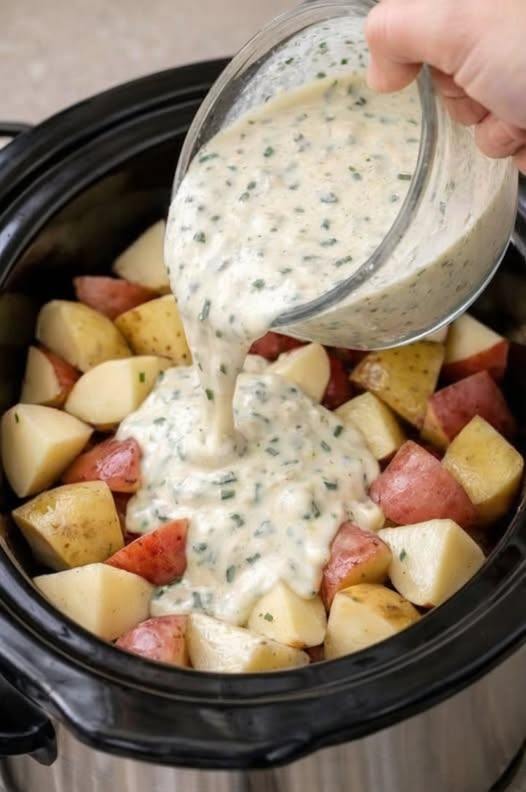
If you’re looking for a no-fuss, crowd-pleasing side dish, these Slow Cooker Ranch Potatoes are about to become a regular in your kitchen. They’re creamy, savory, and packed with that unmistakable ranch flavor everyone secretly loves. Best of all? The slow cooker does almost all the work while you focus on the main dish—or just relax.

This recipe is perfect for family dinners, potlucks, holidays, or Sunday meals. It pairs beautifully with chicken, beef, pork, or even a simple salad. The potatoes turn tender, the sauce gets luxuriously creamy, and the ranch seasoning ties everything together in the most comforting way possible.

Why You’ll Love This Recipe

  • Uses simple pantry ingredients

  • No boiling or pre-cooking required

  • Creamy without being overly heavy

  • Easy to customize with cheese, bacon, or herbs

  • Perfect make-ahead slow cooker side dish

  • Ingredients (Serves 6–8)

    • 2½ to 3 pounds potatoes (Yukon Gold or red potatoes work best)

    • 1 packet ranch seasoning mix (about 1 oz)

    • 1 cup sour cream

    • 1 can (10.5 oz) cream of chicken soup (or cream of mushroom)

    • ½ cup milk or heavy cream

    • 2 tablespoons melted butter

    • 1 teaspoon garlic powder

    • ½ teaspoon onion powder

    • ½ teaspoon black pepper

    • ¼ teaspoon paprika (optional, for warmth)

    • 1½ cups shredded cheddar cheese (optional but highly recommended)

    • 2 tablespoons chopped fresh parsley or green onions (for garnish)

    Step-by-Step Instructions

    1. Prepare the Potatoes

    Wash the potatoes well and cut them into bite-sized chunks. You don’t need to peel them—keeping the skins on adds texture and flavor. Try to keep the pieces roughly the same size so they cook evenly.

    Lightly grease the inside of your slow cooker with butter or nonstick spray.

    2. Make the Creamy Ranch Sauce

    In a medium bowl, whisk together:

    • Ranch seasoning mix

    • Sour cream

    • Cream of chicken soup

    • Milk or cream

    • Melted butter

    • Garlic powder

    • Onion powder

    • Black pepper

    • Paprika (if using)

    Mix until smooth and creamy. The sauce should be thick but pourable.

    3. Combine Everything

    Add the chopped potatoes directly into the slow cooker. Pour the ranch sauce over the top and gently stir until all the potatoes are well coated.

    If you’re adding cheddar cheese, stir in about 1 cup now and reserve the rest for later.

    4. Slow Cook to Perfection

    Cover and cook:

    • Low: 5–6 hours

    • High: 3–4 hours

    The potatoes are done when they’re fork-tender and the sauce has thickened beautifully.

    About 30 minutes before serving, sprinkle the remaining cheese over the top, cover again, and let it melt into a gooey, irresistible layer.

    5. Garnish and Serve

    Once done, gently stir (or leave the cheesy top intact for presentation). Sprinkle with chopped parsley or green onions for a fresh finish.

    Serve hot and watch it disappear fast.

    Tips for the Best Ranch Potatoes

    • Don’t over-stir during cooking—potatoes can break apart.

    • Yukon Gold potatoes give the creamiest texture.

    • If the sauce seems thick at the end, stir in a splash of warm milk.

    • Keep the lid on as much as possible—slow cookers lose heat quickly.

    Easy Variations

    Cheesy Bacon Ranch Potatoes

    Add ¾ cup cooked, crumbled bacon during the last hour of cooking for a smoky, savory twist.

    Garlic Parmesan Ranch

    Replace half the cheddar with grated Parmesan and add 1 teaspoon minced garlic for bold flavor.

    Lighter Version

    Use light sour cream and reduced-fat soup, and skip the cheese—or use less.

    Spicy Ranch Potatoes

    Add a pinch of cayenne pepper or chopped jalapeños for a subtle kick.

    What to Serve With Ranch Potatoes

    These creamy potatoes pair perfectly with:

    • Roast chicken or baked chicken thighs

    • Meatloaf or grilled steak

    • BBQ ribs or pulled pork

    • Green beans, broccoli, or a crisp salad to balance the richness

    They’re especially popular at holiday dinners and buffets because they stay warm and creamy for hours in the slow cooker.

    Make-Ahead & Storage

    • Make ahead: Assemble everything the night before, refrigerate the slow cooker insert, then cook the next day.

    • Refrigerate leftovers: Store in an airtight container for up to 3 days.

    • Reheat: Warm gently on the stove or microwave with a splash of milk to loosen the sauce.

Kentucky Crockpot Potatoes

There’s something deeply comforting about Kentucky-style cooking. It’s humble, hearty, and made to feed a crowd without fuss. Kentucky Crockpot Potatoes are exactly that kind of dish—the sort that simmers away gently while you go about your day, filling the house with a warm, buttery aroma that promises comfort before you even lift the lid.

This recipe is rich, creamy, and satisfying, often served as a side dish at church suppers, family reunions, and Sunday dinners across the South. The magic is in the slow cooker: simple ingredients, low heat, and time doing most of the work for you.

Why You’ll Love This Recipe

  • Hands-off cooking: Let the crockpot do the heavy lifting

  • Budget-friendly: Uses everyday pantry ingredients

  • Crowd-pleaser: Creamy, cheesy, and comforting

  • Versatile: Perfect with chicken, beef, or as a stand-alone dish

Ingredients (Serves 6–8)

  • 2½ to 3 pounds potatoes (Yukon Gold or russet potatoes work best)

  • 1 small onion, finely chopped

  • 2 cups shredded cheddar cheese (sharp cheddar preferred)

  • 1 can (10.5 oz) cream of chicken soup

  • ½ cup sour cream

  • ¼ cup melted butter

  • ½ cup milk

  • 1 teaspoon salt

  • ½ teaspoon black pepper

  • ½ teaspoon garlic powder

  • ½ teaspoon paprika

  • Optional: chopped fresh parsley or green onions for garnish

Step-by-Step Instructions

1. Prepare the Potatoes

Wash and peel the potatoes (peeling is optional if you prefer a rustic texture). Slice them into thin, even rounds—about ⅛ to ¼ inch thick. Uniform slices ensure even cooking and that perfect tender bite.

Place the sliced potatoes in a bowl of cold water while you prepare the rest of the ingredients. This prevents browning and removes excess starch. Drain and pat dry before layering.

2. Make the Creamy Sauce

In a medium mixing bowl, combine the cream of chicken soup, sour cream, milk, melted butter, salt, black pepper, garlic powder, and paprika. Whisk until smooth and creamy. This sauce is the heart of the dish—rich, savory, and classic Southern comfort.

3. Layer the Crockpot

Lightly grease the inside of your crockpot with butter or nonstick spray.

Start with a layer of sliced potatoes, followed by a sprinkle of chopped onion and a handful of shredded cheese. Spoon some of the creamy sauce over the top.

Repeat the layers until all ingredients are used, finishing with sauce and a generous layer of cheese on top.

4. Slow Cook to Perfection

Cover the crockpot with the lid and cook:

  • On LOW: 6–7 hours

  • On HIGH: 3–4 hours

The potatoes are done when they’re fork-tender and the sauce is bubbling gently around the edges. Avoid lifting the lid too often—slow cookers like consistency.

5. Rest and Garnish

Once cooked, turn off the heat and let the potatoes rest for 10–15 minutes. This allows the sauce to thicken and settle.

Garnish with chopped parsley or green onions if desired, adding a touch of freshness and color.

Tips for the Best Kentucky Crockpot Potatoes

  • Use Yukon Gold potatoes for a naturally buttery flavor

  • Shred your own cheese for better melting (pre-shredded cheese contains anti-caking agents)

  • Don’t overslice the potatoes—too thin and they’ll turn mushy

  • Season each layer lightly for balanced flavor throughout

Tasty Variations

  • Bacon Lover’s Version: Add cooked, crumbled bacon between layers

  • Extra Cheesy: Mix mozzarella or Monterey Jack with cheddar

  • Herb Boost: Add dried thyme or rosemary to the sauce

  • Meaty Main Dish: Stir in diced cooked ham or shredded chicken

How to Serve

Kentucky Crockpot Potatoes pair beautifully with:

  • Fried or baked chicken

  • Meatloaf or pot roast

  • Barbecue ribs

  • Roasted vegetables or green beans

They’re also hearty enough to stand on their own as a cozy vegetarian main dish.

Storage & Reheating

  • Refrigerator: Store leftovers in an airtight container for up to 3 days

  • Reheating: Warm gently in the microwave or oven with a splash of milk to restore creaminess

Final Thoughts

Kentucky Crockpot Potatoes are more than just a side dish—they’re a taste of Southern hospitality. Creamy, comforting, and incredibly easy to make, this recipe is perfect for busy days, family gatherings, or anytime you need a little food-made-with-love feeling on your table.

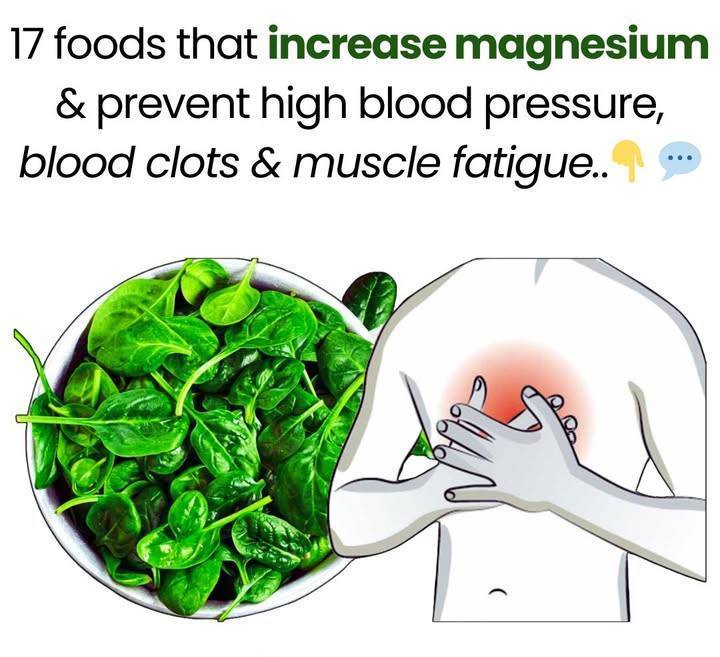
17 Foods That Increase Magnesium and Help Prevent High Blood Pressure, Blood Clots, and Muscle Fatigue

Magnesium is one of the most underrated minerals in the human body, yet it plays a role in more than 300 biochemical reactions. It helps regulate blood pressure, supports healthy blood flow, prevents muscle cramps, and keeps your heart rhythm steady. Unfortunately, many people don’t get enough magnesium from their daily diet, which may contribute to high blood pressure, circulation problems, blood clots, and persistent muscle fatigue.

The good news? You can significantly boost your magnesium levels by choosing the right foods. Below are 17 magnesium-rich foods that support heart health, reduce clotting risk, and help muscles relax and recover naturally.


1. Spinach

Spinach is a magnesium powerhouse. One cooked cup provides nearly 40% of your daily magnesium needs. Magnesium helps relax blood vessels, allowing blood to flow more easily and lowering blood pressure naturally.

2. Pumpkin Seeds

These small seeds pack a serious mineral punch. Just one ounce contains about 150 mg of magnesium. Pumpkin seeds also support healthy circulation and may reduce platelet aggregation, lowering clot risk.

3. Almonds

Almonds are rich in magnesium, healthy fats, and antioxidants. Eating a small handful daily may help regulate blood pressure while preventing muscle fatigue and nighttime leg cramps.

4. Avocados

Avocados contain magnesium along with potassium—an ideal combination for heart health. Together, these minerals help balance fluids, relax blood vessels, and protect against hypertension.

5. Black Beans

Black beans provide magnesium, fiber, and plant protein. Fiber helps control cholesterol, while magnesium supports proper muscle contraction and prevents spasms.

6. Dark Chocolate (70% or Higher)

Dark chocolate is surprisingly rich in magnesium. It also improves blood vessel function and reduces inflammation, which may help prevent abnormal clot formation when eaten in moderation.

7. Bananas

While known for potassium, bananas also provide magnesium. This combination helps prevent muscle cramps, supports nerve signaling, and aids recovery after physical activity.

8. Chia Seeds

Chia seeds are loaded with magnesium, omega-3 fatty acids, and fiber. These nutrients help reduce blood pressure, improve circulation, and support heart rhythm stability.

9. Oats

Whole oats are an excellent breakfast choice for magnesium intake. They help regulate blood sugar levels while supporting relaxed muscles and steady blood flow throughout the day.

10. Cashews

Cashews are rich in magnesium and healthy fats. Regular consumption may help reduce muscle fatigue and improve vascular relaxation, especially in people with magnesium deficiency.

11. Swiss Chard

This leafy green contains magnesium, potassium, and calcium—three minerals essential for healthy blood pressure and muscle function. Swiss chard also supports circulation by improving arterial flexibility.

12. Yogurt

Yogurt provides magnesium along with calcium and probiotics. These nutrients work together to support heart health, muscle recovery, and proper nerve function.

13. Lentils

Lentils are a plant-based magnesium source that also supports blood sugar balance and reduces inflammation—both important factors in preventing blood clots.

14. Salmon

Salmon contains magnesium and omega-3 fatty acids, which help thin the blood naturally, reduce clot risk, and support relaxed blood vessels.

15. Figs

Fresh or dried figs provide magnesium and antioxidants. They support muscle relaxation and may help regulate blood pressure when eaten regularly.

16. Brown Rice

Unlike refined grains, brown rice retains its magnesium content. It supports energy production in muscles and helps prevent fatigue caused by mineral imbalance.

17. Tofu

Tofu is rich in magnesium and protein, making it ideal for muscle repair and recovery. It also supports vascular health by helping blood vessels remain flexible.


Why Magnesium Is Essential for Blood Pressure and Circulation

Magnesium helps regulate calcium movement in blood vessel walls. When magnesium levels are low, blood vessels may tighten, increasing blood pressure and the risk of clot formation. Adequate magnesium intake encourages vessel relaxation, smooth blood flow, and balanced muscle contraction.


Signs You May Be Low in Magnesium

  • Muscle cramps or twitching

  • Fatigue and weakness

  • Irregular heartbeat

  • High blood pressure

  • Poor sleep quality

If these symptoms are frequent, increasing magnesium-rich foods may help.


Simple Tips to Increase Magnesium Naturally

  • Eat leafy greens daily

  • Snack on nuts and seeds instead of processed foods

  • Choose whole grains over refined ones

  • Limit excessive caffeine and sugar, which deplete magnesium


Final Thoughts

Magnesium is a silent protector of your heart, muscles, and circulation. By including these 17 magnesium-rich foods in your diet, you can naturally support healthy blood pressure, reduce the risk of blood clots, and keep muscle fatigue at bay—without relying solely on supplements.

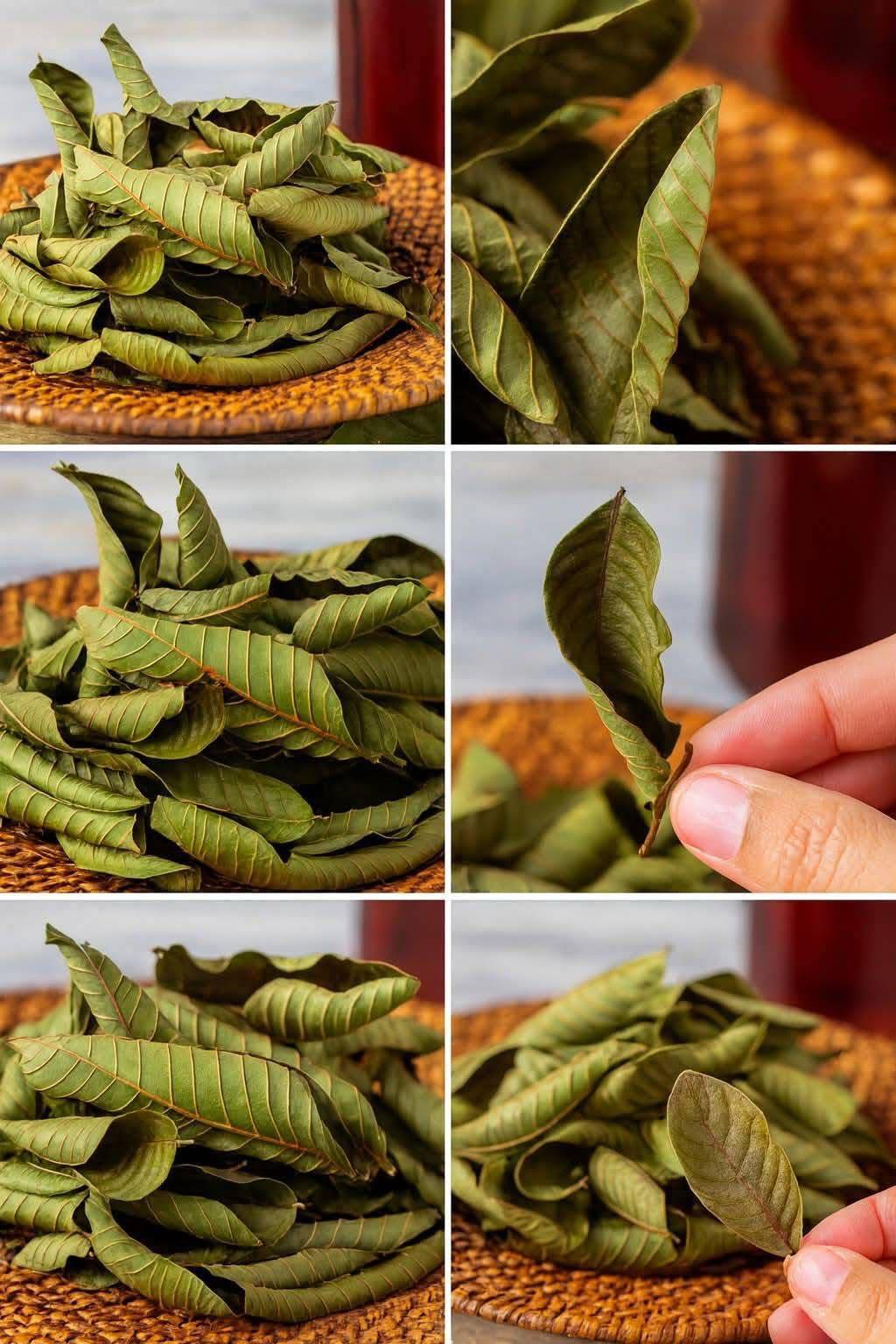
he secret hidden in guava leaves

6 trigger foods that cause agonizing pain if you have neuropathy

Living with neuropathy can feel like walking on live wires. Burning, stabbing, tingling, or electric-shock sensations can appear without warning and make even simple daily activities exhausting. While neuropathy is often linked to conditions like diabetes, vitamin deficiencies, autoimmune disorders, or nerve injuries, many people don’t realize that food choices can dramatically influence nerve pain.

Certain foods may worsen inflammation, disrupt blood sugar, or irritate already-damaged nerves—turning manageable symptoms into agonizing pain. If you live with neuropathy, avoiding these common trigger foods could make a noticeable difference.

1. Refined Sugar and Sweets

Sugar is one of the biggest enemies of nerve health, especially for people with diabetic or prediabetic neuropathy. Consuming sweets, sugary drinks, pastries, and desserts causes rapid spikes in blood sugar. These spikes damage small blood vessels that nourish nerves, leading to increased pain, numbness, and burning sensations.

High sugar intake also fuels inflammation throughout the body. Inflamed nerves become hypersensitive, making pain feel sharper and more persistent. Over time, excess sugar can even accelerate nerve degeneration.

Common sources to watch out for:
Candy, soda, fruit juices, cakes, cookies, sweetened yogurt, and breakfast cereals.

2. Refined Carbohydrates

White bread, white rice, pasta, and baked goods made with refined flour break down quickly into glucose. Even if they don’t taste sweet, they act like sugar in the body—causing blood sugar surges that can worsen neuropathic pain.

For many people, these foods increase tingling, numbness, and that uncomfortable “pins and needles” sensation. Refined carbs also lack fiber and essential nutrients needed for nerve repair.

Better alternatives:
Whole grains, oats, brown rice, quinoa, and high-fiber vegetables help stabilize blood sugar and reduce inflammation.

3. Alcohol

Alcohol is a well-known nerve toxin. In fact, alcoholic neuropathy is a recognized medical condition. Even moderate drinking can irritate nerves and intensify pain for those who already have neuropathy.

Alcohol interferes with the absorption of B vitamins—especially B1, B6, and B12—which are crucial for nerve function. It also increases oxidative stress, damaging nerve endings further.

Many people with neuropathy report worse burning and stabbing pain at night after drinking alcohol, along with increased numbness in the feet and hands.

If you have neuropathy:
Limiting or completely avoiding alcohol may significantly reduce flare-ups.

4. Fried and Processed Foods

Fried foods and heavily processed snacks are loaded with unhealthy fats, additives, and advanced glycation end products (AGEs). These compounds trigger inflammation and oxidative stress, both of which are known to worsen nerve pain.

Fast food, packaged snacks, frozen meals, and processed meats can increase swelling around nerves, making pain signals stronger and more frequent.

Examples to avoid:
French fries, fried chicken, chips, sausages, hot dogs, and packaged pastries.

5. Foods High in Saturated and Trans Fats

Diets high in saturated and trans fats impair blood circulation, reducing oxygen and nutrients reaching the nerves. Poor circulation is a major contributor to neuropathy pain, particularly in the feet and legs.

These fats also increase systemic inflammation, making nerve endings more sensitive to pain signals. Over time, they may worsen nerve damage and slow healing.

Common sources:
Fatty cuts of red meat, butter, margarine, full-fat dairy, baked goods, and commercially prepared snacks.

Healthier fats:
Olive oil, avocados, nuts, seeds, and fatty fish like salmon support nerve health.

6. Artificial Sweeteners and Additives

Many people turn to artificial sweeteners thinking they are safer than sugar—but for neuropathy sufferers, they can be problematic. Some artificial sweeteners and food additives may overstimulate nerves or trigger inflammation in sensitive individuals.

Monosodium glutamate (MSG), aspartame, and artificial flavor enhancers have been linked by some people to increased nerve pain, headaches, and tingling sensations.

While reactions vary, it’s worth paying attention to how your body responds after consuming diet sodas, sugar-free candies, and highly processed foods.

Final Thoughts

Neuropathy pain isn’t caused by food alone, but diet can either calm or aggravate damaged nerves. By reducing sugar, refined carbs, alcohol, fried foods, unhealthy fats, and artificial additives, many people experience fewer flare-ups and improved comfort.

A nerve-friendly diet focuses on whole foods, stable blood sugar, anti-inflammatory nutrients, and proper vitamin intake—especially B vitamins. Small changes, made consistently, can lead to meaningful relief.

If neuropathy pain feels overwhelming, your plate may be one of the most powerful tools you have to take back control.

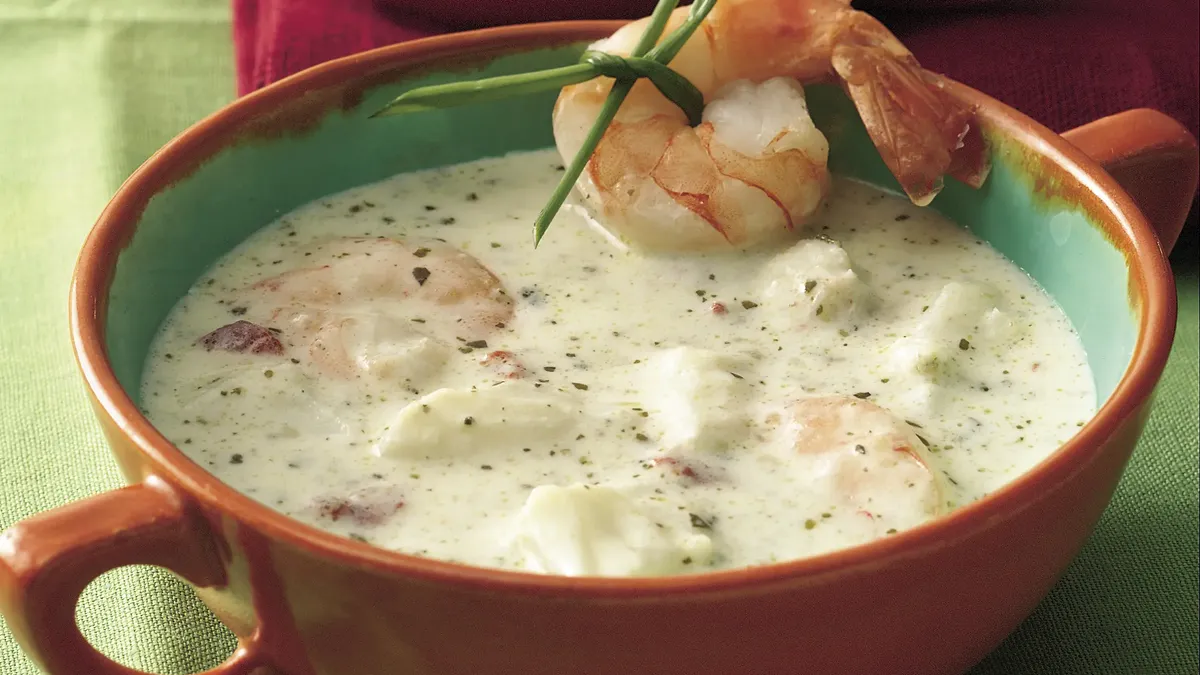
Creamy Crab and Shrimp Seafood Bisque

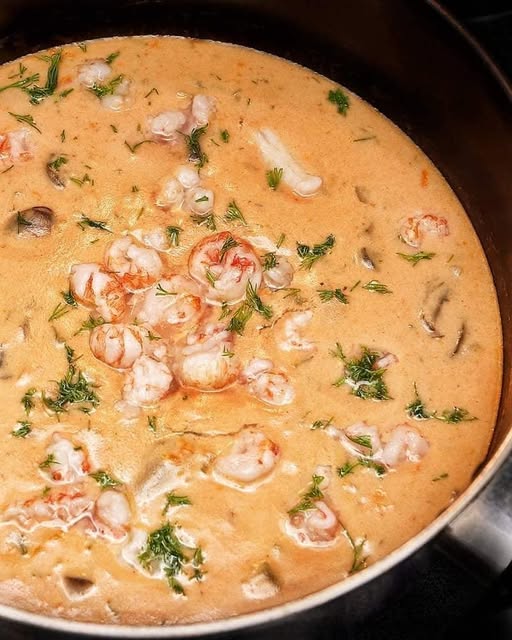
Few dishes feel as comforting and luxurious as a warm bowl of seafood bisque. Silky, rich, and deeply flavorful, this Creamy Crab and Shrimp Seafood Bisque is the kind of recipe you make when you want to slow down, impress guests, or simply treat yourself to something special. Inspired by classic coastal cooking, this bisque balances the sweetness of crab and shrimp with aromatic vegetables, gentle spices, and a velvety cream base. The best part? It’s surprisingly achievable at home.

This recipe serves 4–6 and is perfect as a starter for a dinner party or as a cozy main course with crusty bread.

Ingredients

Seafood

  • 200 g (7 oz) fresh crab meat (lump or claw, picked over for shells)

  • 250 g (9 oz) raw shrimp, peeled and deveined

  • Shrimp shells (optional, for extra flavor)

Vegetables & Aromatics

  • 2 tablespoons butter

  • 1 tablespoon olive oil

  • 1 medium onion, finely chopped

  • 2 celery stalks, finely chopped

  • 1 medium carrot, finely chopped

  • 3 cloves garlic, minced

Liquids & Base

  • 3 tablespoons all-purpose flour

  • 2 cups seafood stock (or fish stock)

  • 1 cup milk

  • 1 cup heavy cream

Seasonings

  • 1 teaspoon tomato paste

  • ½ teaspoon paprika (smoked paprika works beautifully)

  • ¼ teaspoon cayenne pepper (optional, for gentle heat)

  • ½ teaspoon dried thyme or 1 teaspoon fresh thyme

  • 1 bay leaf

  • Salt and black pepper, to taste

Finishing Touches

  • 1 tablespoon fresh lemon juice

  • 1–2 tablespoons chopped fresh parsley or chives

  • Step-by-Step Instructions

    1. Build the Flavor Base

    In a large heavy-bottomed pot or Dutch oven, heat the butter and olive oil over medium heat. Once the butter melts and starts to foam, add the chopped onion, celery, and carrot. Cook gently for 6–8 minutes, stirring often, until the vegetables soften and become fragrant. You’re not looking for browning here—just a sweet, tender base.

    Add the minced garlic and cook for another 30 seconds, just until aromatic.

    2. Create the Roux

    Sprinkle the flour evenly over the vegetables. Stir continuously for about 2 minutes to cook out the raw flour taste. The mixture should look slightly thick and paste-like. Stir in the tomato paste, paprika, cayenne (if using), thyme, and bay leaf.

    This step is crucial—it forms the backbone of the bisque’s creamy texture.

    3. Add the Stock

    Slowly pour in the seafood stock, stirring constantly to avoid lumps. Bring the mixture to a gentle simmer and let it cook for 10–12 minutes. The bisque will thicken slightly as the flavors meld together.

    If you have shrimp shells, you can simmer them in the stock beforehand and strain for even deeper seafood flavor.

    4. Blend for Smoothness

    Remove the bay leaf. Using an immersion blender, carefully blend the soup until smooth and velvety. If you don’t have an immersion blender, allow the soup to cool slightly and blend in batches in a regular blender, then return it to the pot.

    This step transforms the soup from chunky to luxurious.

    5. Add Milk, Cream, and Seafood

    Reduce the heat to low. Stir in the milk and heavy cream. Add the shrimp and cook gently for 3–4 minutes, just until the shrimp turn pink and are cooked through.

    Fold in the crab meat carefully so it stays in nice pieces. Let the bisque warm for another 2–3 minutes—do not boil.

    6. Finish and Balance

    Stir in the lemon juice, then season with salt and black pepper to taste. The lemon brightens the richness and brings everything into balance.

  • https://mojo.generalmills.com/api/public/content/uAOzt_I85ka4XGBzMl-jSg_webp_base.webp?t=191ddcab8d1c415fa10fa00a14351227&v=7d9c9f73
  • Serving Suggestions

    Ladle the bisque into warm bowls and garnish with fresh parsley or chives. Serve with:

    • Crusty baguette or sourdough bread

    • Garlic toast

    • A light green salad with lemon vinaigrette

    For an extra-special touch, drizzle a little cream on top or add a few whole shrimp as garnish.

  • Tips for the Best Bisque

    • Use fresh seafood: Fresh crab and shrimp make a noticeable difference in sweetness and texture.

    • Don’t rush the base: Slowly cooking the vegetables builds depth of flavor.

    • Low heat after cream: High heat can cause the cream to separate—gentle warming is key.

    • Make it your own: A splash of white wine added before the stock or a pinch of Old Bay seasoning can add a personal twist.

    • Final Thoughts

      This Creamy Crab and Shrimp Seafood Bisque is rich without being heavy, elegant yet comforting. It’s the kind of dish that feels restaurant-worthy but is made with simple, honest ingredients at home. Whether you’re serving it for a holiday meal, a romantic dinner, or a quiet night in, this bisque delivers warmth, flavor, and a little bit of coastal magic in every spoonful. 🦐🦀

    • https://www.thespruceeats.com/thmb/GDpOappTiYuWUXeOk2YuESj8dpc%3D/1500x0/filters%3Ano_upscale%28%29%3Amax_bytes%28150000%29%3Astrip_icc%28%29/crab-and-shrimp-seafood-bisque-3060729-hero-01-131207f18aec46378c3ed233b823d2d8.jpg