 Skip to content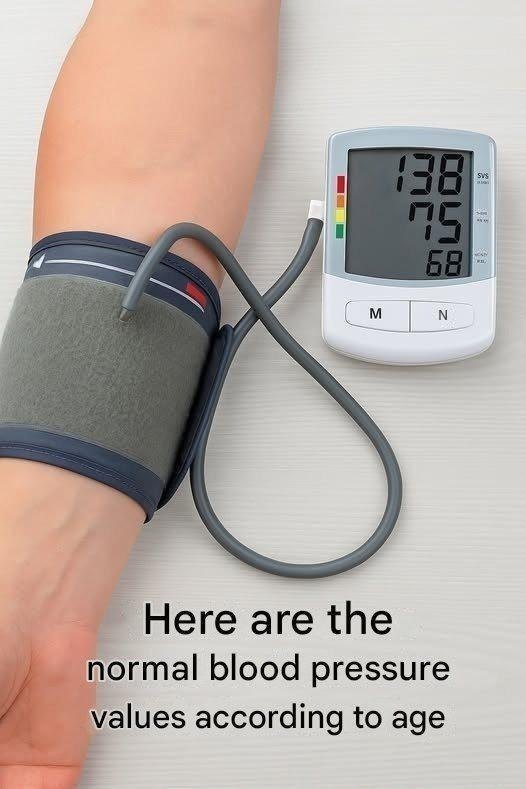
Blood pressure is one of the most important indicators of overall health. It reflects how hard your heart is working to pump blood through your arteries. While many people think there is one “perfect” blood pressure number for everyone, the truth is that normal blood pressure values can vary depending on age, overall health, and lifestyle.
Understanding what is considered normal for your age can help you recognize early warning signs and take steps to protect your heart, brain, and kidneys.
What Do Blood Pressure Numbers Mean?
Blood pressure is measured using two numbers:
-
Systolic pressure (top number): The pressure in your arteries when your heart beats
-
Diastolic pressure (bottom number): The pressure when your heart rests between beats
For example, a reading of 120/80 mmHg is read as “120 over 80.”
General Blood Pressure Categories (All Adults)
Before looking at age-specific values, it’s helpful to understand the standard adult categories:
-
Normal: Less than 120/80 mmHg
-
Elevated: 120–129 / less than 80
-
High Blood Pressure (Stage 1): 130–139 / 80–89
-
High Blood Pressure (Stage 2): 140 or higher / 90 or higher
-
Low Blood Pressure: Below 90/60 mmHg (if symptoms are present)
Normal Blood Pressure by Age Group
Children (1–12 Years)
Normal blood pressure in children depends on age, height, and gender, but general averages include:
-
Toddlers (1–3 years):
-
Normal: 90–105 / 55–70 mmHg
-
-
Preschool (4–5 years):
-
Normal: 95–110 / 60–75 mmHg
-
-
School-age (6–12 years):
-
Normal: 100–120 / 60–80 mmHg
-
Children with readings consistently above these levels should be evaluated by a pediatrician.
Teenagers (13–18 Years)
As the body grows, blood pressure gradually rises:
-
Normal: 110–120 / 65–80 mmHg
Teenagers are increasingly affected by high blood pressure due to poor diet, obesity, stress, and lack of physical activity.
Young Adults (18–39 Years)
This age group typically has the healthiest blood pressure readings:
-
Ideal: 110–120 / 70–80 mmHg
-
Acceptable: Less than 120/80 mmHg
At this stage, high blood pressure often develops silently, especially in people with a family history of hypertension.
Adults (40–59 Years)
Blood pressure tends to rise with age due to artery stiffness and lifestyle factors:
-
Normal: 115–130 / 70–85 mmHg
-
Target: Below 130/80 mmHg
Doctors may begin recommending lifestyle changes or medication if readings remain elevated.
Older Adults (60–69 Years)
For older adults, slightly higher readings may be considered acceptable:
-
Normal: 120–135 / 70–85 mmHg
-
Acceptable upper limit: Up to 140/90 mmHg (depending on health status)
Very low blood pressure in this age group can cause dizziness and falls, which is why balance is important.
Seniors (70 Years and Older)
Blood pressure management becomes more individualized:
-
Recommended: 120–140 / 70–90 mmHg
-
Too low: Below 110/60 mmHg may cause weakness or fainting
Doctors focus on preventing both stroke and falls, adjusting targets based on mobility and medical conditions.
Why Blood Pressure Changes With Age
Several factors influence rising blood pressure as we age:
-
Hardening of the arteries
-
Reduced elasticity of blood vessels
-
Weight gain
-
Decreased physical activity
-
Chronic stress
-
Hormonal changes
This is why regular monitoring becomes more important over time.
When Should You Be Concerned?
You should speak with a healthcare provider if:
-
Your readings are consistently above 130/80 mmHg
-
You experience dizziness, headaches, chest pain, or blurred vision
-
You have diabetes, kidney disease, or heart disease
-
Your blood pressure suddenly drops or spikes
Tips to Maintain Healthy Blood Pressure at Any Age
-
Reduce salt intake
-
Eat more fruits, vegetables, and whole grains
-
Stay physically active
-
Maintain a healthy weight
-
Manage stress
-
Avoid smoking and excessive alcohol
-
Get regular blood pressure checks
Final Thoughts
While 120/80 mmHg is often cited as the ideal blood pressure, what’s considered “normal” can vary depending on your age and overall health. The key is consistency and balance—avoiding both high and excessively low readings.
Knowing your age-appropriate blood pressure range empowers you to take control of your health and seek help early when needed. A few small lifestyle changes today can protect your heart for years to come ❤️.