Why is it so important not to flush the toilet after every trip to the toilet to urinate

In most households, flushing the toilet is considered an automatic, almost reflexive action. The moment urine hits the bowl, many people instinctively reach for the handle. However, experts are increasingly questioning whether this habit is necessary—or even environmentally responsible. Skipping a flush after every urination may seem trivial, but it carries significant benefits for the environment, your wallet, and even public health. Here’s why it’s worth reconsidering the “flush every time” rule.

1. Environmental Impact of Excessive Flushing

One of the most pressing reasons to reconsider frequent flushing is the environmental burden it creates. Modern toilets use an average of 1.6 gallons (6 liters) per flush. While low-flow toilets have reduced this figure compared to older models, the water usage still adds up remarkably quickly. If a household of four flushes the toilet ten times per person per day, that totals 64 gallons (around 242 liters) of water just for urination. Over a year, this adds up to more than 23,000 gallons (87,000 liters) of water.

In many parts of the world, water scarcity is a serious issue. Freshwater resources are limited, and the overuse of water in daily activities contributes to environmental stress. By choosing to “urine flush sparingly,” households can significantly reduce water consumption. Some estimates suggest that reducing toilet flushing for urination alone could save thousands of gallons of water per year per household, which is equivalent to the annual water usage of a small household in some regions.

2. Lower Energy Use and Reduced Carbon Footprint

The water used in flushing doesn’t appear magically—it’s treated, pumped, and transported to your home, all of which require energy. Municipal water systems use electricity to clean and move water, and wastewater treatment plants consume even more energy to process sewage. Every gallon of water flushed contributes indirectly to energy consumption and carbon emissions. By flushing less often, you help conserve energy and reduce your household’s carbon footprint, making a small but meaningful contribution to environmental sustainability.

3. Cost Savings

Water may seem inexpensive on a day-to-day basis, but over time, frequent flushing can increase your utility bills. Water charges, especially in urban areas, are often calculated based on usage. Reducing unnecessary flushes for urination could lower your household water bill, saving money every month. While the individual savings per flush are small, they accumulate over time, making this practice financially beneficial in the long term.

4. Hygiene Myths and Reality

Many people worry that skipping a flush after urination is unhygienic or leads to bad smells. While it’s true that urine can sometimes produce odor, urine itself is mostly sterile when it leaves the body, especially in healthy adults. Unlike feces, which contains high concentrations of bacteria, pathogens, and viruses, urine is less likely to carry infectious agents. In other words, leaving urine in the toilet for a short period before flushing is generally safe from a health perspective.

Simple hygiene practices, such as rinsing the bowl periodically or flushing once at the end of the day in a shared household, can mitigate odors without needing a flush after every urination. Additionally, using a toilet with a lid and closing it when not in use can prevent aerosolized particles from spreading in the bathroom.

5. Reducing Wear and Tear on Plumbing

Constant flushing can also place unnecessary strain on plumbing systems. Each flush sends a surge of water through pipes, potentially contributing to wear, leaks, or clogs over time. By reducing the number of flushes, you are not only conserving water but also prolonging the life of your toilet and household plumbing. This can help avoid costly repairs and reduce the frequency of plumbing maintenance.

6. Cultural and Global Perspectives

Interestingly, in many parts of the world, frequent flushing after urination is not considered a necessity. In countries where water conservation is critical, public awareness campaigns encourage residents to flush only when needed. Some eco-friendly households have adopted “urine-diverting toilets” that separate liquid and solid waste, allowing liquid waste to be reused or disposed of with minimal water use. These practices highlight that the habit of flushing every time is more cultural than functional.

7. Practical Tips for Reducing Flushing

For those concerned about hygiene or odor, there are practical strategies to minimize flushing without compromising cleanliness:

  • Flush strategically: Consider flushing only after solid waste or at the end of the day.

  • Use a toilet deodorizer: Tablets or essential oil-based sprays can neutralize urine odors.

  • Encourage household awareness: Explain the environmental benefits to all household members to make it a collective habit.

  • Install water-efficient toilets: Even if flushing is reduced, low-flow toilets further conserve water when flushes are necessary.

This one vitamin could help stop you from waking up to pee every night

This One Vitamin Could Help Stop You from Waking Up to Pee Every Night

Waking up multiple times during the night to urinate is a frustrating and often exhausting experience. While it may seem like a normal part of aging, frequent nighttime urination—medically known as nocturia—can significantly impact your sleep quality, energy levels, and overall well-being. Surprisingly, research shows that a simple nutrient deficiency may be contributing to this problem. In fact, one vitamin in particular has emerged as a potential solution: Vitamin D.

Understanding Nocturia

Nocturia occurs when your body produces more urine than the bladder can comfortably hold during sleep hours. While occasional nighttime trips to the bathroom are normal, waking up two or more times per night can indicate an underlying issue. Common causes include:

  • Age-related changes: As we age, the bladder’s capacity often decreases, and the kidneys may produce more urine at night.

  • Medical conditions: Diabetes, heart disease, kidney problems, and sleep apnea can contribute to nocturia.

  • Medications: Diuretics and certain blood pressure medications may increase nighttime urination.

  • Lifestyle factors: Consuming caffeine or alcohol close to bedtime can exacerbate the issue.

However, recent studies suggest that vitamin deficiencies, particularly low levels of vitamin D, may play an unexpected role in nocturia.

The Role of Vitamin D in Bladder Health

Vitamin D is most widely recognized for its role in bone health, immune support, and calcium absorption. Yet, research indicates that it also influences bladder function. Vitamin D receptors are found in several organs, including the bladder, prostate, and kidneys. These receptors help regulate muscle function and inflammation, both of which are crucial for maintaining healthy urinary habits.

A deficiency in vitamin D can contribute to several issues that may worsen nocturia:

  1. Weakened bladder muscles: Vitamin D deficiency may impair the strength and function of the detrusor muscle, which controls bladder contractions. A weaker detrusor can lead to incomplete emptying, urgency, and more frequent nighttime trips to the bathroom.

  2. Increased inflammation: Low vitamin D levels are linked to chronic inflammation, which can irritate the bladder and worsen overactive bladder symptoms.

  3. Hormonal imbalance: Vitamin D influences the production of certain hormones, including antidiuretic hormone (ADH), which helps the kidneys control urine production at night. Low vitamin D may reduce ADH efficiency, causing excess urine production while you sleep.

Scientific Evidence

Several studies support the connection between vitamin D and urinary function. A study published in the International Urology and Nephrology Journal found that men and women with lower vitamin D levels reported significantly more frequent nighttime urination compared to those with sufficient levels. Another clinical trial demonstrated that vitamin D supplementation improved bladder control and reduced urgency in individuals with overactive bladder.

Moreover, research suggests that vitamin D deficiency is widespread, especially among older adults. Factors such as limited sun exposure, darker skin, and certain medical conditions can increase the risk of deficiency, making nocturia a common but often overlooked symptom.

How to Incorporate Vitamin D for Bladder Health

If you’re struggling with frequent nighttime urination, ensuring adequate vitamin D levels may help. Here’s how:

  1. Sunlight exposure: Your body produces vitamin D naturally when your skin is exposed to sunlight. Aim for 10–30 minutes of direct sunlight several times per week, depending on your skin type and geographic location.

  2. Dietary sources: Include vitamin D-rich foods in your diet. Fatty fish like salmon, mackerel, and sardines are excellent sources. Egg yolks, fortified dairy products, and mushrooms also contain vitamin D.

  3. Supplements: If natural sources are insufficient, vitamin D supplements can help restore optimal levels. The recommended daily allowance for adults varies, but many experts suggest 1,000–2,000 IU daily. A blood test can determine your exact needs.

  4. Lifestyle adjustments: Reducing caffeine and alcohol intake in the evening, staying hydrated during the day (but tapering fluid intake before bed), and managing underlying medical conditions can all enhance the effects of vitamin D on nocturia.

Other Considerations

While vitamin D may offer relief, nocturia can sometimes signal more serious health issues, including diabetes, prostate enlargement, or kidney disease. If you frequently wake up at night to urinate, it’s important to consult a healthcare provider. They may recommend additional tests, bladder training exercises, or medications alongside vitamin D supplementation.

It’s also worth noting that vitamin D works best as part of a holistic approach. Maintaining a healthy weight, exercising regularly, and practicing good sleep hygiene can amplify its benefits. Strengthening the pelvic floor muscles through targeted exercises may also reduce nighttime urgency.

Conclusion

Frequent nighttime urination is more than just an annoyance—it can disrupt sleep, impair daytime functioning, and even impact long-term health. While many factors contribute to nocturia, vitamin D deficiency is emerging as a significant and modifiable contributor. By ensuring adequate levels of this essential nutrient, you may support bladder muscle function, reduce inflammation, and improve hormone regulation, all of which can help you sleep through the night uninterrupted.

If you’ve been struggling with nighttime trips to the bathroom, consider speaking with your doctor about checking your vitamin D levels. Alongside lifestyle adjustments, supplementation could be the simple and effective solution that finally restores a good night’s sleep.

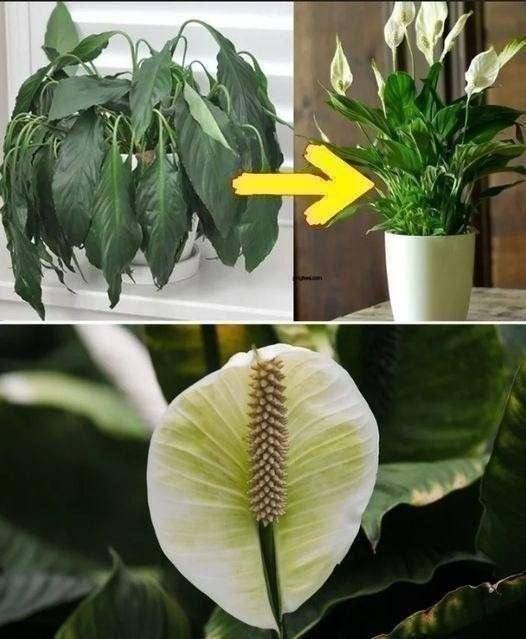
1 tablespoon directly into the pot and my poor plant has bloomed beautifully again

Sometimes the smallest actions can have the most remarkable results. If you’re like many plant lovers, you’ve probably experienced that mix of frustration and hope when a beloved plant looks like it’s struggling. Leaves may droop, flowers fade, or the overall vibrancy seems lost. Yet, with just a tiny adjustment—a simple teaspoon or tablespoon of the right thing—your plant can spring back to life in ways that amaze you. This is the story of how I discovered a miracle boost for my plants and how a single tablespoon directly into the pot led to a stunning bloom that left me in awe.

It all started one rainy afternoon when I noticed my favorite indoor plant looking a little under the weather. The leaves weren’t as green as usual, and the stems seemed slightly weaker. I had tried all the usual care routines—consistent watering, proper sunlight, and occasional pruning—but something was still missing. After some research and advice from gardening forums, I learned that sometimes plants simply need a tiny nutrient boost, something that can penetrate the soil directly and feed the roots efficiently. That’s when I decided to try something new.

The “magic” solution was surprisingly simple: just one tablespoon of a natural, nutrient-rich solution poured directly into the soil. No complicated formulas, no fancy equipment—just a straightforward boost for my plant’s roots. I remember feeling a mix of skepticism and hope. Could such a small amount really make a difference? Well, I was about to find out.

The first few days after adding the tablespoon felt uneventful. I kept my usual routine of watering lightly, making sure the plant had enough sunlight, and monitoring its general health. But on the third day, something remarkable happened. Tiny green shoots started appearing at the base, and the leaves looked glossier, healthier, and more vibrant. It was subtle at first, but anyone familiar with plants can recognize that almost imperceptible change that signals wellness. The plant was responding to the nutrients, and I knew that the transformation was only beginning.

By the end of the first week, my plant had grown noticeably. But the real magic happened in the second week. Small buds began to form, delicate at first, almost shy, but undeniably there. And then, like a painter adding the final touches to a canvas, the buds began to open. Flowers bloomed in clusters that seemed more beautiful than ever. Their colors were brighter, their petals fuller, and their fragrance more distinct. It was as if my plant was expressing gratitude for that tiny tablespoon of nourishment that had been added directly to the pot. Every time I passed by, I felt a sense of awe and joy at witnessing this revival.

What made this experience even more fascinating was understanding why just one tablespoon could have such a powerful effect. Plants absorb nutrients primarily through their roots. Sometimes, when nutrients are applied broadly or diluted in water, they may not reach the roots effectively. By placing a concentrated amount directly into the soil, the roots can access it immediately, giving the plant the energy it needs to grow and flower. It’s a small action with a disproportionately large effect—a reminder that sometimes, precision matters more than quantity.

Of course, it’s essential to be cautious. Not every plant reacts the same way to nutrient boosts, and too much of anything can harm rather than help. The key is moderation. That single tablespoon was enough for my pot and my plant’s size. For larger plants or different species, the amount might vary, but the principle remains the same: targeted nutrition can work wonders. Observing the plant’s reaction and adjusting as necessary is part of the joy of gardening—a dance of intuition, care, and learning from nature.

This experience also reminded me of the broader lesson in life that small, thoughtful actions can lead to remarkable results. Just as one tablespoon revived my plant, small acts of care, attention, and intention can revitalize situations, relationships, or personal growth. It’s not always the grand gestures that make the difference; sometimes, the simplest, most mindful action is enough to spark change.

Looking back now, every time I see that plant in full bloom, I smile. It’s not just about the beauty of the flowers or the lush green leaves—it’s about the process, the patience, and the tiny intervention that made such a difference. I share this story with fellow plant lovers not to offer a one-size-fits-all solution but to inspire experimentation, observation, and appreciation for the wonders of nature.

So, if you find yourself struggling with a plant that seems to have lost its spark, remember: sometimes all it takes is a little nudge—a tablespoon of love poured right where it’s needed. Watch carefully, give it time, and enjoy the miracle as it unfolds. Nature has a remarkable way of responding to even the smallest gestures, and your efforts, no matter how minor they seem, can result in breathtaking beauty.

In conclusion, the power of a single tablespoon cannot be underestimated. What seemed like a modest, almost trivial step turned into a spectacular display of life, color, and vitality. My plant’s bloom became a reminder that care, precision, and patience can create extraordinary outcomes, even from the humblest beginnings. And as I continue to nurture my indoor garden, I carry this lesson forward, knowing that sometimes, the smallest interventions yield the most magnificent rewards.

7 Signs That Predict How Long You will Live After 70

7 Signs That Predict How Long You’ll Live After 70

Reaching the age of 70 is a significant milestone—a testament to resilience, lifestyle choices, and sometimes, sheer luck. But many people wonder: once you cross this age, are there ways to predict how long you might live? While no method is foolproof, research has shown that certain physical, mental, and lifestyle indicators can provide clues about longevity. Here are seven signs that can predict life expectancy after 70.

1. Mobility and Walking Speed

One of the most reliable predictors of longevity in older adults is mobility. Studies have consistently shown that how quickly a person can walk correlates strongly with overall health. A brisk walking pace often indicates strong cardiovascular health, balanced muscles, and good bone density. Conversely, slow or unstable walking may point to underlying health issues such as muscle weakness, arthritis, or cardiovascular disease. Even simple daily exercises like brisk walks or gentle resistance training can help maintain mobility and improve life expectancy.

2. Grip Strength

Grip strength may seem like a trivial measure, but research shows it’s a powerful predictor of survival in older adults. Weak handgrip strength often reflects loss of muscle mass, frailty, and higher risk of falls. A strong grip usually signals better overall muscle function, endurance, and resilience against age-related illnesses. Healthcare providers often use handgrip dynamometers during check-ups for this very reason—it’s a simple yet revealing gauge of health.

3. Cognitive Health

Mental sharpness is another critical factor. Cognitive decline, memory loss, or confusion may indicate underlying neurodegenerative conditions such as Alzheimer’s or vascular dementia, which can impact both quality and length of life. Maintaining cognitive health through mental exercises, social engagement, reading, or even learning new skills has been linked with longer life expectancy. Staying mentally active keeps the brain resilient, and evidence suggests it may slow the progression of age-related diseases.

4. Heart Health and Blood Pressure

Cardiovascular health is a cornerstone of longevity at any age. After 70, high blood pressure, irregular heart rhythms, or a history of heart disease can significantly impact life expectancy. Those with healthy blood pressure and no serious cardiovascular issues tend to live longer and more independently. Regular check-ups, a diet low in sodium, regular physical activity, and stress management can help maintain heart health, directly influencing lifespan.

5. Weight and Body Composition

Body weight and composition remain important indicators of longevity. Both underweight and obesity can increase health risks in older adults. Being underweight may signal malnutrition or chronic illness, while excess weight—particularly around the abdomen—can lead to diabetes, heart disease, and joint problems. Maintaining a balanced diet rich in vegetables, lean proteins, and whole grains, combined with light exercise, helps support a healthy weight and prolongs life.

6. Social Connections

While many signs of longevity are physical, social factors are equally powerful. Older adults who remain socially active—maintaining friendships, participating in community activities, or staying engaged with family—tend to live longer. Isolation and loneliness have been linked to higher risks of depression, heart disease, and cognitive decline. Staying socially connected provides emotional support, reduces stress, and fosters a sense of purpose, all of which contribute to a longer, healthier life.

7. Daily Energy Levels and Sleep Quality

How energized or fatigued you feel can reveal a lot about your overall health. Older adults who maintain consistent energy, feel capable of performing daily tasks, and sleep well generally live longer than those experiencing chronic fatigue or poor sleep. Sleep is crucial for cell repair, hormonal balance, and cognitive function. Prioritizing sleep hygiene, managing stress, and treating sleep disorders like sleep apnea can have a meaningful impact on longevity.

Putting It All Together

While these signs are not definitive predictors, they provide valuable insights into overall health and resilience after 70. The good news is that many of these indicators are modifiable. Improving mobility, strength, and heart health, staying mentally and socially active, and maintaining proper nutrition can all increase the odds of a longer, healthier life.

Longevity isn’t just about the number of years—it’s about the quality of life in those years. People who remain active, connected, and engaged often enjoy not only a longer life but also more independence and satisfaction in their later years.

The key takeaway is simple: after 70, paying attention to both physical and social health can provide crucial clues about lifespan. Regular check-ups, healthy habits, and staying mentally and socially engaged make a measurable difference. Every small step—whether it’s a daily walk, learning a new hobby, or connecting with a friend—contributes to a longer, more fulfilling life.

Ultimately, aging gracefully is less about trying to predict exactly how many years remain and more about maximizing health and happiness in the years ahead. These seven signs are guideposts, showing where attention and care can make the biggest difference for life after 70.

Pinto Beans with Smoked Ham Hocks and Cornbread

There are some meals that feel like home the moment they start simmering, and pinto beans with smoked ham hocks is one of them. This humble, slow-cooked dish has been a staple across the American South and beyond for generations, prized for its deep flavor, affordability, and comforting simplicity. Paired with a pan of golden cornbread, it becomes a complete, soul-warming meal that’s perfect for family dinners, cold evenings, or anytime you crave honest, nourishing food.

Why This Dish Endures

Pinto beans are mild, creamy, and incredibly satisfying. When cooked low and slow with smoked ham hocks, they absorb rich, smoky flavors that transform them into something far greater than the sum of their parts. Ham hocks, taken from the lower leg of the pig, contain meat, fat, and collagen that melt into the beans as they cook, creating a broth that’s silky, savory, and deeply comforting.

Cornbread is the natural partner to these beans. Its slightly sweet, crumbly texture contrasts beautifully with the smoky, tender beans, and it’s perfect for soaking up every last spoonful of that flavorful pot liquor.


Pinto Beans with Smoked Ham Hocks

Ingredients

  • 1 pound dried pinto beans

  • 2 smoked ham hocks

  • 1 medium onion, diced

  • 3 cloves garlic, minced

  • 1 teaspoon smoked paprika

  • 1 teaspoon black pepper

  • 1/2 teaspoon dried thyme (optional)

  • 1 bay leaf

  • 6–8 cups water or low-sodium chicken broth

  • Salt, to taste

Preparation

Start by sorting and rinsing the pinto beans, removing any debris or damaged beans. For best results, soak them overnight in plenty of cold water. This step helps the beans cook more evenly and improves their texture. If you’re short on time, you can use a quick-soak method by boiling the beans for two minutes, then letting them rest for an hour before draining.

In a large, heavy-bottomed pot or Dutch oven, place the soaked beans and ham hocks. Add the diced onion, garlic, smoked paprika, black pepper, thyme, and bay leaf. Pour in enough water or broth to cover everything by about two inches.

Bring the pot to a gentle boil, then reduce the heat to low. Cover partially and let the beans simmer slowly for 2 to 2½ hours, stirring occasionally. As they cook, the ham hocks will release smoky flavor and richness into the broth.

After about two hours, check the beans for tenderness. They should be soft and creamy but not falling apart. Remove the ham hocks and let them cool slightly. Shred any usable meat from the bones and return it to the pot, discarding skin and excess fat. Taste the beans and add salt as needed—be cautious, as ham hocks can be quite salty.

For a thicker consistency, lightly mash some of the beans against the side of the pot and stir them back in. Remove the bay leaf before serving.


Classic Skillet Cornbread

Ingredients

  • 1 cup cornmeal

  • 1 cup all-purpose flour

  • 1 tablespoon baking powder

  • 1/2 teaspoon salt

  • 2 tablespoons sugar (optional)

  • 1 cup milk or buttermilk

  • 2 large eggs

  • 1/4 cup melted butter or oil

Preparation

Preheat your oven to 425°F (220°C). If you have a cast-iron skillet, place it in the oven while it heats—this gives the cornbread its signature crisp crust.

In a large bowl, whisk together the cornmeal, flour, baking powder, salt, and sugar if using. In another bowl, mix the milk, eggs, and melted butter. Combine the wet and dry ingredients just until blended; do not overmix.

Carefully remove the hot skillet from the oven and grease it lightly. Pour in the batter—it should sizzle slightly. Bake for 20–25 minutes, or until the top is golden and a toothpick inserted in the center comes out clean.


Serving and Variations

Serve the pinto beans hot, with chunks of ham nestled throughout and plenty of broth in each bowl. Add a wedge of warm cornbread on the side, along with butter, hot sauce, or sliced raw onions if you like.

This dish is endlessly adaptable. Some cooks add diced jalapeños or green chilies for heat, while others stir in a splash of apple cider vinegar at the end to brighten the flavors. Leftovers are even better the next day, as the beans continue to absorb the smoky broth.


A Meal That Feeds More Than Hunger

Pinto beans with smoked ham hocks and cornbread isn’t fancy, but it doesn’t need to be. It’s the kind of meal that brings people together, stretches ingredients, and fills the kitchen with aromas that feel like tradition itself. Simple, hearty, and deeply satisfying, it’s proof that the best food often comes from patience, care, and a well-loved pot on the stove.

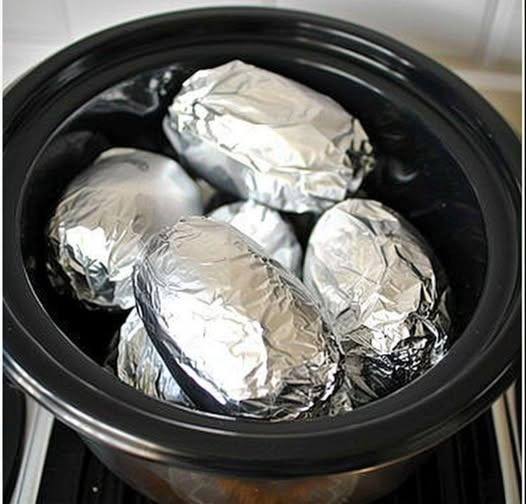
Wrap potatoes in tin foil and put in crock pot

Wrapping potatoes in tin foil and cooking them in a crock pot may sound almost too simple, but this slow-cooking method delivers surprisingly delicious results. Soft, fluffy on the inside with a gently steamed skin, crock pot foil-wrapped potatoes are perfect for busy days, family meals, or anytime you want a hands-off way to prepare a comforting staple. This method requires minimal ingredients, almost no monitoring, and works beautifully whether you’re cooking for two people or a crowd.

Why Use a Crock Pot for Potatoes?

The crock pot (slow cooker) is ideal for potatoes because it provides steady, even heat over several hours. Unlike boiling, which can waterlog potatoes, or baking, which requires precise timing, slow cooking gently steams the potatoes in their own moisture. Wrapping them in tin foil helps trap heat and steam, ensuring even cooking and preventing the potatoes from drying out or scorching on the bottom of the pot.

This technique is especially useful when your oven is already full, during hot weather when you don’t want to turn on the oven, or when you need a reliable “set it and forget it” side dish.

Choosing the Right Potatoes

Almost any potato works well in a crock pot, but some varieties shine more than others:

  • Russet potatoes: Best for classic baked-style potatoes. They become fluffy and light inside.

  • Yukon Gold potatoes: Creamy and slightly buttery, perfect if you plan to mash or top generously.

  • Red potatoes: Firmer texture, great for serving whole or slicing after cooking.

Choose potatoes that are similar in size so they cook evenly.

Basic Ingredients

You only need a few simple ingredients to get started:

  • Potatoes (as many as will comfortably fit in your crock pot)

  • Aluminum (tin) foil

  • Olive oil or butter (optional)

  • Salt and black pepper (optional)

Everything else—cheese, herbs, sour cream, or spices—can be added after cooking.

Step-by-Step Instructions

  1. Wash and scrub the potatoes
    Rinse the potatoes thoroughly under running water and scrub off any dirt. Since the skins will be eaten, this step is important.

  2. Dry and season (optional)
    Pat the potatoes dry with a towel. If you like, rub each potato lightly with olive oil or butter and sprinkle with salt and pepper. This adds flavor but isn’t strictly necessary.

  3. Wrap in tin foil
    Wrap each potato individually in aluminum foil. Make sure the foil is sealed well but not so tight that it tears. Individual wrapping helps the potatoes cook evenly and prevents them from sticking together.

  4. Place in the crock pot
    Arrange the foil-wrapped potatoes in a single layer if possible. Stacking is fine if you’re cooking many potatoes, but avoid overcrowding too tightly.

  5. Cook low and slow

    • On LOW: 7–8 hours

    • On HIGH: 3–4 hours

    Cooking time depends on the size of the potatoes. Larger potatoes may need a bit longer.

  6. Check for doneness
    Carefully unwrap one potato (watch for steam) and pierce it with a fork or knife. It should slide in easily with no resistance.

Serving Ideas

Once cooked, crock pot potatoes are incredibly versatile. Here are a few serving ideas:

  • Classic baked potato: Split open and top with butter, sour cream, salt, pepper, and chives.

  • Loaded potatoes: Add shredded cheese, bacon bits, green onions, and a dollop of sour cream.

  • Herb butter potatoes: Mash lightly and mix with butter, garlic, and fresh herbs like parsley or thyme.

  • Simple side dish: Slice and serve with a drizzle of olive oil and a pinch of sea salt.

Tips for Best Results

  • Don’t add water: The potatoes create their own steam inside the foil. Adding water can make them soggy.

  • Avoid puncturing the foil during cooking: Holes allow steam to escape and may lead to uneven cooking.

  • Keep the lid closed: Every time you lift the crock pot lid, heat escapes and increases cooking time.

  • Use a liner if desired: While not necessary, a crock pot liner makes cleanup even easier.

Can You Cook Potatoes Without Foil?

Yes, you can cook potatoes directly in the crock pot without foil, but wrapping them provides more consistent results and prevents over-drying. Without foil, potatoes may develop a tougher skin or cook unevenly, especially if they sit against the sides of the pot.

Make-Ahead and Storage

Crock pot potatoes are great for meal prep. Once cooked, let them cool, then store them in the refrigerator (still wrapped or unwrapped) for up to 4 days. Reheat in the microwave, oven, or even back in the crock pot on low.

Final Thoughts

Wrapping potatoes in tin foil and cooking them in a crock pot is one of the easiest, most reliable ways to prepare this humble vegetable. With almost no effort, you get tender, flavorful potatoes that can be dressed up or kept simple depending on your mood. Whether you’re planning a family dinner, a holiday meal, or just want a dependable side dish, this method deserves a permanent place in your kitchen routine.

Ugly Habits of Old Age That Bother People But No One Tells You

Ugly Habits of Old Age That Bother People — But No One Tells You

Aging is a natural part of life, and growing older brings wisdom, experience, and perspective that younger generations often lack. Yet alongside these positives, certain habits tend to develop with age—habits that can quietly irritate, frustrate, or even hurt the people around us. The uncomfortable truth is that most people notice these behaviors, but very few ever mention them out loud, often out of respect, guilt, or fear of being rude. As a result, these habits persist unchecked.

Here are some of the “ugly” habits of old age that commonly bother others—but are rarely discussed openly.


1. Repeating the Same Stories Over and Over

One of the most common complaints is repetition. Older adults often retell the same stories—sometimes within the same conversation—without realizing it. While these memories may be precious to the teller, listeners may feel trapped, bored, or impatient.

Most people smile politely and listen anyway, not wanting to hurt feelings. Over time, however, this repetition can strain relationships, especially with family members who hear the same anecdotes for years.


2. Relentless Complaining

Complaining about health issues, the weather, the government, prices, neighbors, or “how things used to be better” becomes a frequent habit for some older adults. While occasional venting is normal, constant negativity can drain the energy from any room.

People around them may begin to avoid conversations altogether—not because they don’t care, but because every interaction feels heavy, pessimistic, or emotionally exhausting.


3. Refusing to Adapt or Learn Anything New

Technology, language, social norms, and lifestyles evolve. Some older individuals refuse to adapt, proudly declaring, “I don’t need to learn this” or “That’s not how we did it in my day.”

This stubborn resistance can come across as dismissive or arrogant, especially to younger people who are simply trying to help. While it’s understandable to feel overwhelmed by change, outright refusal often creates unnecessary conflict and distance.


4. Oversharing Personal or Inappropriate Details

Another habit people rarely confront is oversharing. This may include graphic health details, bathroom issues, family conflicts, or deeply personal stories told at inappropriate times or to the wrong audience.

Listeners often feel uncomfortable but remain silent out of politeness. Over time, this lack of boundaries can make social interactions awkward and cause others to limit contact.


5. Being Blunt to the Point of Rudeness

Many older adults pride themselves on “telling it like it is,” believing honesty excuses harshness. Comments about weight, appearance, life choices, parenting, or careers are often delivered without tact.

What’s framed as “just being honest” can feel deeply hurtful to others. Because confronting elders is culturally discouraged in many societies, these comments often go unchallenged, even when they cause emotional damage.


6. Expecting Special Treatment Constantly

While aging does come with legitimate physical limitations, some people develop an expectation that others should always accommodate them, prioritize them, or excuse poor behavior simply because of their age.

This entitlement—cutting lines, interrupting conversations, dismissing others’ needs—can irritate those around them, especially when respect is demanded but not returned.


7. Dwelling Only on the Past

Sharing memories is beautiful, but constantly living in the past can alienate others. When every conversation turns into “back in my day” or comparisons about how everything used to be better, younger people may feel dismissed or invalidated.

It can also prevent meaningful connection, as relationships thrive on shared present experiences—not just nostalgia.


8. Ignoring Personal Hygiene or Appearance

This is one of the most uncomfortable topics—and therefore the least discussed. Poor hygiene, strong body odor, unwashed clothes, or neglecting grooming can become more common with age due to depression, physical limitations, or lack of awareness.

Unfortunately, no one wants to bring it up, even when it affects shared living spaces or social comfort. Silence, however, doesn’t solve the problem.


9. Talking Down to Younger People

Assuming younger people are ignorant, lazy, or incapable simply because of their age creates resentment. While experience is valuable, dismissing new ideas or perspectives shuts down healthy dialogue.

This habit often pushes younger family members away, even when they deeply respect their elders.


10. Refusing to Admit Fault or Apologize

Some older adults believe apologizing diminishes authority or status. As a result, they may refuse to admit mistakes, even when clearly wrong.

This behavior damages relationships, as unresolved conflicts accumulate and emotional wounds remain open—especially within families.


Why No One Tells You

Most people stay silent out of respect, cultural expectations, fear of confrontation, or love. They don’t want to hurt someone who has already lived a long life or may be vulnerable. However, silence often leads to emotional distance rather than harmony.


A Gentle Truth

Aging does not excuse unkindness, rigidity, or neglect—just as youth does not excuse recklessness. Self-awareness at any age is a gift. By staying open to feedback, practicing humility, and maintaining curiosity, growing older can mean becoming wiser—not harder to be around.

The habits we don’t notice are often the ones that shape how others remember us.

Mystery Objects That Almost Broke The Internet

The internet has a remarkable ability to turn the unexplained into global obsession. A blurry photo, a strange sound, or an object with no clear origin can spark millions of theories within hours. From ancient artifacts to modern-day enigmas, these mystery objects captivated online communities, divided experts, and nearly “broke” the internet with speculation, memes, and debates. Here are some of the most famous mystery objects that left the world guessing.


1. The Voynich Manuscript

Often called the world’s most mysterious book, the Voynich Manuscript is a 600-year-old text written in an unknown language, filled with strange diagrams of plants, stars, and human figures. When high-resolution scans were made available online, cryptographers, linguists, and hobbyists flooded forums trying to decode it. Despite countless attempts—including claims of alien language, secret medical knowledge, and elaborate hoaxes—no one has conclusively deciphered it. Every “solution” only reignites debate.


2. The Antikythera Mechanism

Discovered in a shipwreck off the Greek island of Antikythera, this corroded lump of bronze turned out to be one of the most astonishing ancient objects ever found. Once 3D scans were shared online, the internet erupted. The mechanism appeared to be a sophisticated astronomical calculator, over 2,000 years old—far more advanced than anything thought possible for its time. How did ancient Greeks build such technology, and why was it seemingly lost for centuries? The mystery challenged our understanding of ancient engineering.


3. The Taos Hum

In the early days of online forums, residents of Taos, New Mexico began sharing stories of a low, persistent humming sound only some people could hear. Audio recordings, maps, and personal testimonies spread rapidly. Theories ranged from secret military experiments and underground bases to geological activity or mass hysteria. No definitive source has ever been identified, making the Taos Hum one of the internet’s most enduring sound-based mysteries.


4. The Isdal Woman

When photos and documents related to the Isdal Woman—a unidentified woman found dead in Norway in 1970—were released online, amateur sleuths took over. She had fake identities, coded notes, and no clear past. Reddit threads exploded with theories involving espionage, Cold War secrets, and international intrigue. Despite renewed investigations inspired by online interest, her true identity remains unknown.


5. The Wow! Signal

In 1977, a powerful radio signal was detected by a telescope in Ohio and labeled “Wow!” by the astronomer who spotted it. Decades later, when the data resurfaced online, it caused massive speculation. Was it a message from extraterrestrials? A natural cosmic phenomenon? Or human interference? Despite extensive searching, the signal has never repeated, keeping the mystery alive and fueling endless online debates about alien life.


6. The Devil’s Kettle

At a waterfall in Minnesota’s Judge C. R. Magney State Park, half the river disappears into a hole known as the Devil’s Kettle. For years, no one knew where the water went. When videos and experiments—people throwing objects into the hole—went viral, theories spread like wildfire. Did it connect to underground tunnels? Another river? A bottomless pit? Only recently did scientists conclude the water rejoins the river downstream, but many internet users remain skeptical.


7. The Georgia Guidestones

Dubbed “America’s Stonehenge,” the Georgia Guidestones were massive granite slabs inscribed with cryptic messages in multiple languages, offering guidelines for humanity after an apocalypse. When photos circulated online, conspiracy theories exploded—secret societies, population control, doomsday prophecies. Even after the monument’s mysterious destruction in 2022, debates continued about who built it and why.


8. The Baltic Sea Anomaly

In 2011, sonar images of a strange circular object on the floor of the Baltic Sea surfaced online. It looked eerily like a crashed UFO or ancient structure. Internet forums went into overdrive, with theories involving aliens, Nazi technology, and lost civilizations. While scientists suggest it’s a natural geological formation, the unusual shape keeps skepticism alive.


9. The Baghdad Battery

This ancient artifact—clay jars with metal components—was rumored to be an early form of battery, possibly used thousands of years ago. When images and experiments recreating its potential electrical output went viral, it challenged conventional history. Could ancient civilizations have understood electricity? Or was it something else entirely? The lack of definitive answers keeps the mystery trending.


10. The D.B. Cooper Tie

The unsolved case of D.B. Cooper, who hijacked a plane in 1971 and vanished, resurfaced when microscopic particles were found on his clip-on tie. Once shared online, citizen investigators analyzed the findings, proposing new identities and escape theories. The object became a symbol of one of America’s greatest unsolved crimes.


Why These Mysteries Go Viral

What makes these objects almost “break” the internet is a perfect storm: visual intrigue, incomplete information, and the human desire to solve puzzles. Social media and forums turn curiosity into collective investigation, where professionals and amateurs collaborate—and clash.


Final Thought

Mystery objects remind us that despite advanced technology and global connectivity, some questions remain unanswered. And perhaps that’s the real reason they captivate us: they prove the world still holds secrets waiting to be uncovered.

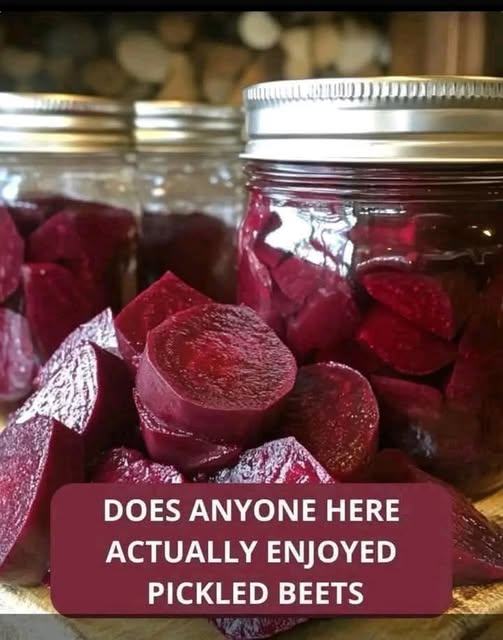
Homemade Pickled Beets Recipe

Homemade Pickled Beets Recipe (Sweet, Tangy & Old-Fashioned)

Homemade pickled beets are a timeless classic—vibrant in color, sweet-tangy in flavor, and incredibly versatile. Whether you remember them from your grandmother’s kitchen or you’re discovering them for the first time, pickled beets are one of those simple recipes that deliver big rewards with minimal effort. Making them at home not only tastes better than store-bought versions, but it also allows you to control the sweetness, acidity, and spices to suit your preference.

This recipe creates tender beets soaked in a balanced vinegar brine that’s perfect for salads, sandwiches, side dishes, or simply eaten straight from the jar.


Why Make Pickled Beets at Home?

Homemade pickled beets have several advantages:

  • No preservatives or artificial colors

  • Customizable flavor (more sweet, more tangy, or extra spiced)

  • Budget-friendly

  • Long refrigerator life

Beets are also packed with nutrients like fiber, folate, potassium, and antioxidants, making this recipe both delicious and wholesome.


Ingredients

For the beets:

  • 2 pounds fresh beets (red beets are traditional)

  • Water (for boiling)

For the pickling brine:

  • 1 cup white vinegar or apple cider vinegar

  • ½ cup granulated sugar

  • ½ cup water

  • ½ teaspoon salt

  • ½ teaspoon whole cloves

  • ½ teaspoon whole allspice

  • 1 small cinnamon stick (optional, but highly recommended)

  • 1 small onion, thinly sliced (optional)


Step-by-Step Instructions

Step 1: Prepare the Beets

Wash the beets thoroughly under running water to remove dirt. Leave the skins on and trim the stems to about 1 inch to prevent bleeding during cooking.

Place the beets in a large pot and cover them with water. Bring to a boil, then reduce heat and simmer for 30–45 minutes, depending on size, until a knife slides easily into the center.

Drain and let the beets cool slightly. Once cool enough to handle, rub off the skins using your fingers or a paper towel. Slice the beets into rounds, wedges, or cubes according to your preference.


Step 2: Make the Pickling Brine

In a medium saucepan, combine vinegar, sugar, water, salt, cloves, allspice, cinnamon stick, and onion (if using). Bring the mixture to a gentle boil, stirring until the sugar dissolves completely.

Reduce heat and let the brine simmer for about 5 minutes to allow the spices to infuse.


Step 3: Combine Beets and Brine

Place the sliced beets into clean glass jars or a heat-safe container. Carefully pour the hot brine over the beets until they are fully submerged.

Let the mixture cool to room temperature, then cover and refrigerate.


Step 4: Let Them Pickle

For the best flavor, allow the beets to pickle for at least 24 hours, though they become even better after 3–5 days. The longer they sit, the deeper and richer the flavor becomes.


Flavor Variations

One of the joys of homemade pickled beets is how easy they are to customize:

  • Less sweet: Reduce sugar to ⅓ cup

  • More tangy: Increase vinegar slightly and reduce water

  • Spicy: Add a few peppercorns or a pinch of red chili flakes

  • Herbal: Add a bay leaf or fresh dill

  • Citrus twist: Add a strip of orange peel to the brine


How to Serve Pickled Beets

Pickled beets are incredibly versatile and can be enjoyed in many ways:

  • As a classic side dish with roasted meats

  • Sliced into green salads with goat cheese or feta

  • Chopped into potato or pasta salads

  • Served on sandwiches and burgers

  • Paired with hard-boiled eggs for a protein-rich snack

They also add stunning color and flavor to cheese boards.


Storage Tips

  • Store pickled beets in an airtight container in the refrigerator

  • They keep well for up to 3–4 weeks

  • Always use clean utensils to prevent contamination

If you want to store them long-term at room temperature, proper water-bath canning techniques must be used.


Helpful Tips for Best Results

  • Use fresh, firm beets for the best texture

  • Smaller beets tend to be sweeter and more tender

  • Don’t overcook the beets—they should be tender, not mushy

  • Glass jars are best, as metal can react with vinegar


Final Thoughts

Homemade pickled beets are a perfect blend of simplicity and tradition. With just a handful of ingredients and a little patience, you can create a colorful, flavorful dish that elevates everyday meals. Once you try making them yourself, you’ll never want to go back to store-bought jars again.

Whether you like them sweet, tangy, or boldly spiced, this recipe is a wonderful starting point that you can adjust again and again to make it truly your own.

Our grandparents ate it every day and they were healthy it cleanses the intestines, lowers cholesterol and is excellent for losing weight

Our Grandparents Ate It Every Day and They Were Healthy: Why Oats Still Deserve a Place on Your Table

Long before protein powders, detox teas, and diet trends flooded our screens, our grandparents relied on simple, wholesome foods to stay strong and healthy. One of the most trusted staples on their tables was oats. Affordable, filling, and easy to prepare, oats were eaten daily in many households—and not without reason. Modern nutrition science now confirms what previous generations knew by experience: oats support digestive health, help manage cholesterol levels, and can be an excellent ally for healthy weight loss.

A Humble Grain with Powerful Benefits

Oats are whole grains, meaning they contain all parts of the grain kernel: the bran, germ, and endosperm. This makes them naturally rich in fiber, vitamins, minerals, and plant compounds. Unlike refined grains, oats are slowly digested, providing steady energy and keeping you full for longer periods.

Our grandparents may not have known the biochemical details, but they understood that a bowl of oats in the morning could sustain them through hours of hard physical work. Today, that same quality makes oats ideal for people trying to control appetite and avoid unnecessary snacking.

Cleansing the Intestines—Gently and Naturally

One of the most celebrated benefits of oats is their positive effect on digestion. Oats are especially rich in a type of soluble fiber called beta-glucan. When mixed with water in the digestive tract, beta-glucan forms a gel-like substance that helps soften stool and promote regular bowel movements.

Rather than acting as a harsh “cleanse,” oats support the intestines in a gentle, natural way. The fiber feeds beneficial gut bacteria, helping maintain a balanced microbiome. A healthy gut is linked not only to better digestion, but also to improved immunity, mood, and metabolic health.

For people who struggle with constipation or irregular digestion, eating oats regularly—along with adequate water—can make a noticeable difference over time.

Helping Lower Cholesterol Levels

Heart disease was far less common in our grandparents’ youth than it is today, and diet played a major role. Oats have been extensively studied for their cholesterol-lowering properties. The beta-glucan fiber binds to cholesterol-rich bile acids in the intestines and helps remove them from the body.

As a result, the liver draws more cholesterol from the bloodstream to produce new bile acids, which can help lower total and LDL (“bad”) cholesterol levels. This effect is most noticeable when oats are eaten consistently as part of a balanced diet low in excessive saturated fats.

It’s no coincidence that many heart-health guidelines still recommend oats as one of the best grains for cardiovascular support.

An Excellent Food for Weight Loss

Despite being filling and comforting, oats can be very helpful for weight loss when prepared correctly. Their high fiber content slows digestion and stabilizes blood sugar levels, reducing sudden hunger spikes and cravings.

A bowl of oats provides:

  • Long-lasting fullness

  • Fewer blood sugar fluctuations

  • Reduced urge to snack between meals

This makes it easier to maintain a calorie deficit without feeling deprived. Unlike many modern “diet foods,” oats don’t rely on artificial ingredients or extreme restrictions. They simply work with your body’s natural signals of hunger and satiety.

How Oats Support Metabolism

Oats contain important nutrients such as magnesium, iron, zinc, and B vitamins, all of which play roles in energy production and metabolism. A well-nourished metabolism functions more efficiently, helping the body use food for energy rather than storing it as fat.

Additionally, the steady release of glucose from oats supports physical activity and mental focus, making it easier to stay active—another key factor in healthy weight management.

How Our Grandparents Ate Oats

Traditionally, oats were eaten in simple ways:

  • Cooked slowly with water or milk

  • Lightly salted or sweetened with fruit

  • Sometimes fermented or soaked overnight

They were rarely loaded with sugar. This simplicity is important. Many modern oat products are heavily processed and sweetened, which can reduce their benefits.

The Best Way to Eat Oats Today

To get the most benefits:

  • Choose whole oats, steel-cut oats, or rolled oats

  • Avoid instant oats with added sugars and flavors

  • Pair oats with protein (like yogurt, nuts, or seeds)

  • Add fiber-rich fruits such as apples or berries

Soaking oats overnight or cooking them slowly can improve digestibility and nutrient absorption.

A Timeless Food for Modern Health

Oats are proof that good health doesn’t require complicated solutions. What sustained our grandparents through long lives of physical work and resilience can still support us today. By nourishing the intestines, supporting heart health, and helping control weight naturally, oats remain one of the most valuable foods you can eat regularly.

In a world constantly searching for the next miracle ingredient, perhaps the real secret has been sitting in our kitchens all along—simple, humble oats, just as our grandparents enjoyed them every day.