What does it mean when a person who has passed away appears in your dream. It should make you think

Dreams are strange, fleeting glimpses of the subconscious mind, often leaving us with lingering emotions that can be both comforting and unsettling. One of the most powerful and emotionally charged dreams is when someone who has passed away appears. Such dreams can evoke a wide range of feelings—grief, nostalgia, fear, even joy—and they often leave us questioning their meaning. To truly understand what it might signify when a deceased person shows up in your dream, it’s worth exploring the psychological, spiritual, and symbolic dimensions of such experiences.

From a psychological perspective, dreams are often a reflection of unresolved emotions. The appearance of someone who has passed away may indicate that your mind is processing grief or loss that you may not have fully acknowledged while awake. Grief is not a linear process; it ebbs and flows, sometimes unexpectedly. Seeing a loved one in a dream could signify that you are still integrating their absence into your life. Your subconscious may use the dream as a safe space to express feelings you may not confront during the day—longing, guilt, regret, or even anger. For instance, if the dream involves conversation with the deceased, it may reflect your desire for closure, or it could represent an internal dialogue where you are seeking guidance or reassurance from someone you once trusted deeply.

On a symbolic level, deceased individuals in dreams often embody qualities or lessons that your mind is trying to highlight. Psychologists like Carl Jung believed that dreams use symbols to communicate hidden truths or insights. A departed loved one might symbolize wisdom, strength, or unresolved issues from your past. Their appearance could be a reminder to pay attention to certain aspects of your life—perhaps lessons they taught you, habits you shared, or unresolved conflicts that need addressing. In some cases, the dream may not be about the person themselves, but about the emotions they represent. For example, dreaming of a nurturing grandmother could symbolize your need for comfort or guidance in a current situation, whereas a stern parent appearing might reflect guilt, judgment, or a moral lesson your subconscious is emphasizing.

Beyond psychology, many cultures and spiritual traditions interpret these dreams as messages from the other side. In some belief systems, dreaming of the deceased is seen as a visit from the soul or spirit of the person, often intended to provide comfort, guidance, or warning. For instance, in some Eastern traditions, such dreams are believed to indicate that the spirit is at peace and is trying to communicate reassurance to the living. In Western spiritual traditions, particularly in folklore, such dreams can be interpreted as a sign that the deceased is watching over you or attempting to convey an important message. The context of the dream—the setting, the emotions experienced, and the actions of the deceased—often plays a crucial role in determining the meaning. A calm, loving interaction may be a symbol of protection and reassurance, while a disturbing or frightening dream might indicate unresolved conflict or unfinished business.

There is also a reflective, introspective aspect to consider. Dreaming of someone who has passed away often makes us confront our own mortality and the transient nature of life. These dreams can be deeply philosophical, prompting thoughts about the fragility of existence, the value of relationships, and the way we process memories. They remind us that the people we lose continue to live on in our hearts, influencing our decisions, behaviors, and even our dreams. In a way, these dreams serve as bridges between past and present, between what was and what continues to shape us, urging us to examine how we carry the memory of the departed in our daily lives.

It’s also worth noting that the emotional tone of the dream can provide insight. If the dream leaves you feeling comforted, it may indicate acceptance and healing. If it evokes fear or sadness, it could suggest unresolved grief or lingering emotional attachment. Reflecting on your waking life circumstances—recent losses, major life changes, or unresolved conflicts—can help you interpret why the deceased person appeared now, at this particular moment. Often, these dreams arrive at times when your subconscious needs guidance, reassurance, or closure, even if you are not fully aware of it while awake.

Finally, seeing a deceased person in your dream can encourage personal growth and introspection. It can make you think about the nature of life, death, and the legacies we leave behind. It may push you to reach out to loved ones, express feelings you have long held back, or resolve lingering conflicts. It reminds you that life is fragile and that every relationship has the power to leave a lasting impact. Whether viewed as a psychological manifestation, a spiritual encounter, or a symbolic reflection, these dreams are a reminder that those who have passed continue to influence our journey, teaching lessons, offering comfort, or challenging us to face emotions we might otherwise ignore.

In essence, when a deceased person appears in your dream, it is an invitation to pause, reflect, and feel. It makes you think about your emotional landscape, the bonds that transcend death, and the inner workings of your own heart and mind. It asks you to confront unresolved feelings, cherish memories, and consider how the influence of the departed continues to shape your present. These dreams are not mere figments of imagination—they are windows into the complex, often mysterious dialogue between memory, emotion, and the subconscious mind, urging you to explore the depths of your own humanity.

As a Doctor I am SHOCKED THIS Vitamin Raises Stroke Risk Overnight

When it comes to vitamins, most of us assume they are harmless—or even beneficial—in virtually any dose. After all, we’ve been told that they can boost our immunity, improve our energy, and support heart and brain health. But what if one commonly taken vitamin could actually increase your risk of stroke almost overnight? That’s exactly what recent research is warning about, and as a doctor, I can’t stress enough how serious this could be for millions of people.

The Vitamin in Question: Vitamin E

Vitamin E is a fat-soluble antioxidant, long celebrated for its ability to protect cells from damage, improve skin health, and even support cognitive function. Many people take it daily in the form of capsules, often as part of anti-aging regimens or to support heart health. It’s available over-the-counter, widely marketed, and generally considered safe.

But here’s the shocking part: several large-scale studies and meta-analyses have now linked high doses of Vitamin E supplementation to a significant increase in stroke risk, particularly hemorrhagic stroke—the type caused by bleeding in the brain.

How Does Vitamin E Raise Stroke Risk?

The mechanism behind this is surprisingly straightforward. Vitamin E is known to have a blood-thinning effect, similar in some ways to low-dose aspirin. While this can sound beneficial for preventing heart attacks or clots, it also comes with a dangerous downside. By reducing blood clotting, high doses of Vitamin E can increase the likelihood of bleeding, including bleeding in the brain. Hemorrhagic strokes are often far more severe than ischemic strokes and carry a higher risk of long-term disability or death.

Research shows that doses exceeding 400 IU per day may be particularly risky. While the recommended dietary allowance (RDA) for Vitamin E is around 15 mg per day (roughly 22 IU) for adults, many supplements provide 10 to 20 times this amount—well beyond what most people actually need. This is a classic example of “more is not always better.”

Evidence from Studies

One of the landmark studies on this topic was a meta-analysis published in the Annals of Internal Medicine, which examined over 135,000 participants across multiple trials. The researchers found that individuals taking high-dose Vitamin E had a 22% higher risk of hemorrhagic stroke compared to those not supplementing.

Another study from the New England Journal of Medicine looked specifically at elderly adults who were taking Vitamin E supplements for heart disease prevention. Alarmingly, the data suggested that these individuals were significantly more likely to experience bleeding-related strokes, especially if they were also on other medications such as blood thinners or anti-inflammatory drugs.

Even more concerning is that these strokes often occur without warning, which is why some experts describe the risk as “overnight.” A person may be perfectly healthy one day, take their usual supplement, and then suddenly face a catastrophic brain bleed the next.

Who Is Most at Risk?

Not everyone taking Vitamin E will experience stroke, but certain groups are particularly vulnerable:

  1. People on blood-thinning medications – Coumadin, warfarin, or aspirin users may face compounded bleeding risks.

  2. Elderly individuals – The blood-thinning effects of Vitamin E are more pronounced in older adults, who already have fragile blood vessels.

  3. High-dose supplement users – Daily doses exceeding 400 IU are associated with the greatest risk.

  4. Those with a history of hemorrhagic stroke or bleeding disorders – Any additional anticoagulant effect can be dangerous.

Safe Ways to Get Vitamin E

Before anyone panics and throws out all their supplements, it’s important to understand that Vitamin E is still essential for health, but food sources are far safer than high-dose pills. Nuts, seeds, spinach, and avocado provide Vitamin E in amounts your body can safely process. These sources rarely cause blood-thinning complications, unlike concentrated supplements.

For most adults, a balanced diet easily meets the RDA for Vitamin E. If supplementation is necessary—such as for certain medical conditions—it should be done under the supervision of a healthcare professional, who can determine a safe dose and monitor for potential risks.

Signs You May Be Taking Too Much

Some early warning signs of excessive Vitamin E intake include:

  • Unusual bruising or bleeding

  • Nosebleeds

  • Gum bleeding

  • Gastrointestinal upset

  • Fatigue or dizziness

If any of these symptoms occur, it’s crucial to stop supplementation immediately and consult a doctor.

The Bottom Line

Vitamins are not inherently harmless. While they can offer real health benefits, high-dose Vitamin E supplements have been shown to increase the risk of life-threatening hemorrhagic strokes. The danger is real, it can occur suddenly, and many people are unaware of it.

As a doctor, my advice is simple: stop taking high-dose Vitamin E supplements unless medically prescribed, prioritize natural food sources, and discuss any supplementation with your healthcare provider. Protecting your brain and heart is not about megadoses—it’s about balance, moderation, and being informed.

In the world of health, sometimes the most common assumptions—like “vitamins are always safe”—can be the most dangerous. Vitamin E is a perfect example: a supplement many take daily with good intentions, yet one that could pose a hidden, immediate threat to life.

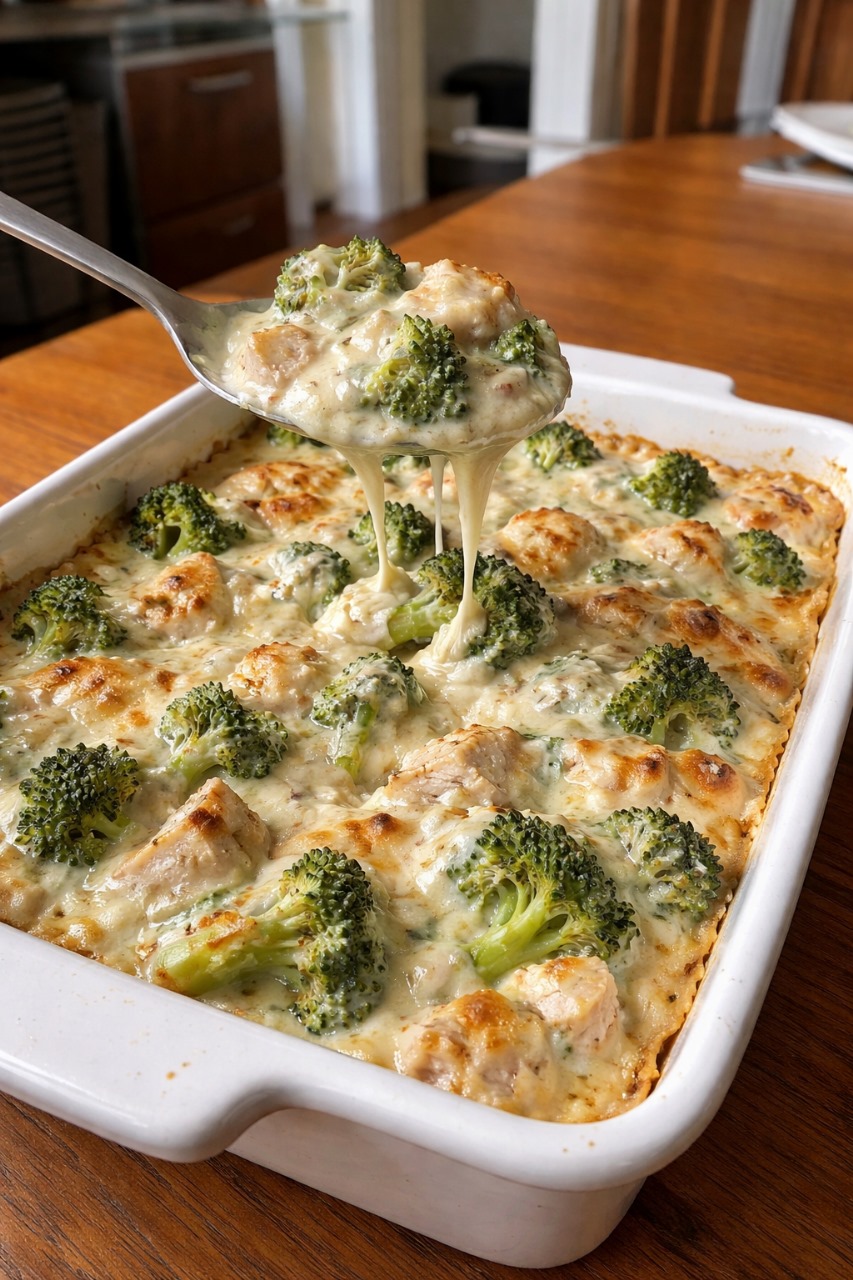
Zero-Carb Creamy Broccoli and Chicken

Zero-Carb Creamy Broccoli and Chicken (Rich, Comforting & Diabetic-Friendly)

If you’re looking for a comforting, creamy meal that fits a zero-carb or ultra-low-carb lifestyle, this Creamy Broccoli and Chicken dish is exactly what you need. Designed for people following keto, carnivore-leaning, or diabetic-friendly diets, this recipe delivers rich flavor, satisfying texture, and nourishing protein—without spiking blood sugar.

While broccoli naturally contains trace carbohydrates, the amount used here keeps net carbs extremely low, making this dish widely accepted as “zero-carb” in practical ketogenic cooking. It’s perfect for dinner, meal prep, or even a luxurious lunch that keeps you full for hours.

Why This Recipe Works for Low-Carb and Diabetic Diets

This dish focuses on three nutritional pillars:

  1. High-quality protein from chicken breast or thigh

  2. Healthy fats from cream, butter, or cream cheese

  3. Low-glycemic vegetables used sparingly for fiber and micronutrients

There are no grains, starches, sugar, flour, or processed fillers, which means stable blood sugar levels and long-lasting energy. The creaminess comes entirely from fat—not carbs—making it ideal for insulin control.

Ingredients (4 Simple, Powerful Components)

You only need four core ingredients, plus salt and optional seasoning:

  • 500 g chicken breast or chicken thighs (boneless, skinless)

  • 1½ cups broccoli florets (finely chopped for minimal carbs)

  • 1 cup heavy cream (or full-fat cooking cream)

  • 2 tablespoons butter or 2 oz cream cheese

Optional seasonings (don’t add carbs):

  • Salt and black pepper

  • Garlic powder

  • Onion powder

  • Paprika or white pepper

Step-by-Step Cooking Instructions

1. Prepare the Chicken

Cut the chicken into bite-sized pieces. Season lightly with salt and pepper. If using thighs, trim excess fat but keep enough for flavor.

Heat a skillet over medium heat and add 1 tablespoon of butter. Once melted, add the chicken and cook until lightly golden and fully cooked through. Remove from the pan and set aside.

2. Cook the Broccoli

In the same pan, add the remaining butter. Add the finely chopped broccoli and sauté gently for 2–3 minutes. The goal is to soften the broccoli without overcooking, preserving color and nutrients.

Keeping broccoli finely chopped allows it to blend seamlessly into the sauce while keeping carbs minimal.

3. Create the Creamy Sauce

Lower the heat and pour in the heavy cream. Stir continuously and allow it to gently simmer for 3–4 minutes.

If using cream cheese, add it now and stir until fully melted and smooth. The sauce should thicken naturally without flour or starch.

4. Combine and Simmer

Return the cooked chicken to the pan. Stir everything together so the chicken is fully coated in the creamy broccoli sauce.

Let the mixture simmer on low heat for another 5 minutes until thick, glossy, and rich. Adjust seasoning to taste.

Texture and Flavor Profile

This dish is:

  • Ultra-creamy and silky

  • Savory with mild vegetal notes

  • Filling without heaviness

The broccoli absorbs the cream and butter, almost disappearing into the sauce while still adding nutrients and texture. The chicken stays tender and juicy, especially if thighs are used.

Nutritional Highlights (Approximate)

Per serving:

  • Protein: 35–40 g

  • Fat: 30–35 g

  • Net carbs: ~2–3 g

  • Sugar: 0 g

This makes the dish suitable for:

  • Type 2 diabetes

  • Keto and low-carb diets

  • Insulin resistance

  • Weight-loss meal plans

Tips for Best Results

  • Use full-fat cream only—low-fat cream can curdle

  • Chop broccoli very finely for a smoother sauce

  • Avoid high heat once cream is added

  • Chicken thighs give richer flavor, breasts are leaner

Serving Suggestions

Serve this dish:

  • On its own as a complete meal

  • Over cauliflower rice

  • With sautéed mushrooms

  • With extra butter drizzled on top

Leftovers keep well for up to 3 days in the refrigerator and reheat gently on the stovetop.

Final Thoughts

This Zero-Carb Creamy Broccoli and Chicken recipe proves that healthy eating doesn’t mean sacrificing comfort or flavor. With minimal ingredients, simple preparation, and powerful nutrition, it’s a reliable go-to for anyone managing blood sugar or embracing a low-carb lifestyle.

Creamy, hearty, and deeply satisfying—this is comfort food done right. 🥦🍗

Mini Pizza Burgers Recipe

Mini Pizza Burgers Recipe: The Ultimate Comfort Food Mash-Up

If you love burgers and pizza, get ready to fall in love with Mini Pizza Burgers—a fun, flavorful combination that brings together the juicy satisfaction of a burger with the cheesy, saucy goodness of pizza. These bite-sized delights are perfect for parties, family dinners, game nights, or even as a quick snack when cravings hit. Easy to prepare and endlessly customizable, mini pizza burgers are guaranteed to become a favorite in your kitchen.

What makes mini pizza burgers so special is their versatility. You can keep them classic with pepperoni and mozzarella, make them spicy, or load them with veggies. Whether baked in the oven or cooked on the stovetop, they deliver big flavor in a small package.

Why You’ll Love Mini Pizza Burgers

Mini pizza burgers are ideal for both kids and adults. Their small size makes them easy to eat, while their bold flavors make them irresistible. They’re also great for meal prepping, as they reheat beautifully. Best of all, they require simple ingredients you likely already have at home.

These mini burgers are:

  • Perfect for parties and gatherings

  • Kid-friendly and customizable

  • Ready in under 30 minutes

  • A great alternative to regular burgers or pizza

Ingredients You’ll Need

To make delicious mini pizza burgers, gather the following ingredients:

For the patties:

  • 500 grams (1 lb) ground beef or chicken

  • 1 teaspoon garlic powder

  • 1 teaspoon onion powder

  • ½ teaspoon salt

  • ½ teaspoon black pepper

  • 1 teaspoon Italian seasoning

For assembly:

  • Mini burger buns or dinner rolls

  • Pizza sauce or marinara sauce

  • Shredded mozzarella cheese

  • Pepperoni slices (halved for mini size)

  • Optional toppings: sliced olives, mushrooms, bell peppers, jalapeños

For finishing:

  • Melted butter (optional)

  • Dried oregano or Italian herbs

Step-by-Step Instructions

Step 1: Prepare the Meat

In a large bowl, combine the ground meat with garlic powder, onion powder, salt, pepper, and Italian seasoning. Mix gently until just combined—overmixing can make the patties tough.

Step 2: Shape the Mini Patties

Divide the mixture into small portions and shape into mini patties slightly larger than the buns, as they will shrink while cooking. Aim for uniform size so they cook evenly.

Step 3: Cook the Patties

Heat a skillet over medium heat and lightly oil it. Cook the patties for about 2–3 minutes per side, or until fully cooked and nicely browned. Remove from heat and set aside.

Step 4: Assemble the Pizza Burgers

Preheat your oven to 180°C (350°F). Place the bottom halves of the mini buns on a baking tray. Add one cooked patty to each bun. Spoon a small amount of pizza sauce over the patty, then sprinkle generously with mozzarella cheese.

Top with pepperoni slices and any additional toppings you like.

Step 5: Bake to Perfection

Place the tray in the oven and bake for 8–10 minutes, or until the cheese is melted, bubbly, and slightly golden. If desired, brush the tops of the buns with melted butter and sprinkle with oregano for extra flavor.

Step 6: Serve and Enjoy

Remove from the oven, add the top buns, and serve warm. Watch them disappear in minutes!

Tips for the Best Mini Pizza Burgers

  • Use soft buns: Brioche or potato buns work especially well.

  • Don’t overload toppings: Too many toppings can make them soggy.

  • Toast the buns lightly: This helps keep them from absorbing too much sauce.

  • Try different cheeses: Mozzarella is classic, but cheddar or provolone adds depth.

Fun Variations to Try

One of the best things about mini pizza burgers is how easy they are to customize:

  • Veggie Pizza Burgers: Skip the meat and use grilled mushrooms or veggie patties.

  • Spicy Pizza Burgers: Add chili flakes, jalapeños, or spicy sausage.

  • BBQ Pizza Burgers: Swap pizza sauce for BBQ sauce and add red onions.

  • Hawaiian Style: Add pineapple chunks with ham or chicken.

Serving Suggestions

Mini pizza burgers pair wonderfully with:

  • French fries or potato wedges

  • Coleslaw or a fresh green salad

  • Garlic bread or cheesy breadsticks

  • Dipping sauces like ranch or extra pizza sauce

They’re also great served on a platter as appetizers for parties or family gatherings.

Final Thoughts

Mini Pizza Burgers are proof that comfort food doesn’t have to be complicated. With simple ingredients, quick preparation, and endless customization options, they’re perfect for busy weeknights or special occasions. Whether you’re feeding a crowd or just treating yourself, these mini burgers deliver maximum flavor in every bite.

Once you try them, don’t be surprised if they become a regular request in your home—because when pizza meets burgers, everyone wins. 🍔🍕

Cheesecake

Cheesecake is one of the world’s most beloved desserts—rich, creamy, and indulgent, yet surprisingly versatile. From classic baked versions to light no-bake varieties, cheesecake has earned a permanent place on dessert menus and family tables across cultures. Its smooth texture and balanced sweetness make it a favorite for celebrations, holidays, and everyday treats alike.

A Brief History of Cheesecake

Cheesecake is far older than many people realize. Its origins can be traced back to ancient Greece, where a simple mixture of cheese, honey, and wheat was served to athletes during the first Olympic Games. When the Romans conquered Greece, they adapted the recipe and spread it throughout Europe. Over centuries, cheesecake evolved as ingredients and techniques changed. By the time European settlers arrived in America, cream cheese became the defining ingredient, giving rise to the dense, velvety style now known as New York–style cheesecake.

What Makes Cheesecake So Special

At its core, cheesecake is all about contrast. The creamy filling pairs beautifully with a firm crust, usually made from crushed biscuits or graham crackers mixed with butter. The filling itself typically combines cream cheese, sugar, eggs, and vanilla, creating a smooth and rich texture. What sets cheesecake apart from other cakes is that it contains little to no flour, relying instead on eggs for structure. This gives it a custard-like consistency that melts in the mouth.

Another reason cheesecake is so loved is its adaptability. It can be flavored with chocolate, citrus, coffee, or spices, and topped with fruits, caramel, nuts, or sauces. Whether served plain or dressed up, cheesecake always feels luxurious.

Classic Cheesecake Ingredients

A traditional baked cheesecake usually includes:

  • Cream cheese: The star ingredient, providing richness and smoothness.

  • Sugar: Adds sweetness and balances the tang of the cheese.

  • Eggs: Help bind the mixture and create a creamy yet firm texture.

  • Vanilla extract: Enhances flavor without overpowering it.

  • Crust: Made from crushed biscuits or cookies, butter, and sometimes a little sugar.

Each ingredient plays a key role, and small changes can significantly affect the final result. Full-fat cream cheese yields the best texture, while room-temperature ingredients ensure a smooth, lump-free batter.

Baking the Perfect Cheesecake

Baking cheesecake requires patience and care. One of the most common mistakes is overbaking, which can cause cracks and a dry texture. Cheesecakes are usually baked at a low temperature to prevent curdling and uneven cooking. Many bakers use a water bath—placing the cheesecake pan in a larger pan filled with hot water—to provide gentle, even heat and reduce cracking.

After baking, cheesecake should cool gradually. Sudden temperature changes can cause the surface to crack. Letting it cool in the oven with the door slightly open, then chilling it in the refrigerator for several hours or overnight, results in the best flavor and texture.

No-Bake Cheesecake: A Simple Alternative

No-bake cheesecake is a popular option for those who want the creamy taste without turning on the oven. Instead of eggs, it relies on whipped cream or gelatin to set the filling. The texture is lighter and mousse-like, making it perfect for warm weather. No-bake versions are quicker to prepare and ideal for beginners, while still delivering that unmistakable cheesecake flavor.

Popular Cheesecake Variations

Cheesecake comes in countless styles around the world. New York–style cheesecake is dense and rich, often served plain or with a simple fruit topping. Italian cheesecake uses ricotta cheese, resulting in a lighter, slightly grainy texture. Japanese cheesecake is airy and sponge-like, almost soufflé-like in consistency. There are also vegan cheesecakes made with cashews or coconut cream, catering to modern dietary preferences.

Flavors are endless: strawberry, blueberry, lemon, chocolate, salted caramel, pumpkin, and even matcha. Each variation offers a unique twist while preserving the essence of cheesecake.

Serving and Storing Cheesecake

Cheesecake is best served chilled, allowing the flavors to fully develop. A clean, sharp knife dipped in warm water helps achieve neat slices. It pairs beautifully with fresh fruit, a drizzle of sauce, or even a simple dusting of powdered sugar.

When it comes to storage, cheesecake should be kept refrigerated and covered to prevent it from absorbing other odors. It typically stays fresh for up to five days. Cheesecake also freezes well; tightly wrapped slices can be frozen for several weeks and thawed in the refrigerator when needed.

Why Cheesecake Never Goes Out of Style

Cheesecake’s enduring popularity lies in its perfect balance of richness, sweetness, and versatility. It can be elegant or comforting, simple or extravagant. Whether enjoyed at a bakery, a restaurant, or homemade in your own kitchen, cheesecake offers a timeless pleasure that few desserts can match.

In every bite, cheesecake delivers a sense of indulgence and satisfaction, making it more than just a dessert—it’s an experience.

What happens to your blood pressure if you eat bananas every day

Eating bananas every day can have a noticeable and generally positive effect on your blood pressure, especially when they are part of a balanced diet. Bananas are widely known for their potassium content, but their impact on blood pressure goes beyond a single nutrient. Understanding how bananas interact with your cardiovascular system can help you make smarter dietary choices for long-term heart health.

The Role of Potassium in Blood Pressure Control

One of the main reasons bananas are linked to healthier blood pressure levels is their high potassium content. Potassium is an essential mineral that helps regulate fluid balance, nerve signals, and muscle contractions—including the muscles that control your heart and blood vessels. A medium-sized banana contains about 400–450 milligrams of potassium, which contributes meaningfully toward the daily recommended intake.

Potassium helps counteract the effects of sodium in the body. Sodium tends to cause the body to retain water, which increases blood volume and, in turn, raises blood pressure. Potassium encourages the kidneys to excrete excess sodium through urine. When sodium levels drop, pressure on blood vessel walls is reduced, leading to lower blood pressure. Eating bananas daily can therefore support a healthier sodium–potassium balance, particularly for people who consume salty foods.

How Bananas Affect Blood Vessels

Potassium doesn’t just influence fluid balance—it also affects the way blood vessels function. Adequate potassium intake helps blood vessels relax and widen, a process known as vasodilation. When blood vessels are relaxed, blood flows more easily, reducing resistance and lowering blood pressure. This effect is especially beneficial for people with prehypertension or mild hypertension.

Bananas also contain magnesium, another mineral that plays a role in blood vessel relaxation. Although bananas are not extremely high in magnesium, regular consumption contributes to overall intake, supporting cardiovascular function over time.

Impact on Systolic and Diastolic Blood Pressure

Studies consistently show that diets rich in potassium are associated with lower systolic (top number) and diastolic (bottom number) blood pressure. Eating bananas every day may lead to modest but meaningful reductions, especially when combined with other healthy habits such as reducing salt intake, staying physically active, and maintaining a healthy weight.

For people with normal blood pressure, daily banana consumption can help maintain stable levels and reduce the risk of developing hypertension later in life. For those already diagnosed with high blood pressure, bananas can be a supportive dietary addition—but they should not replace prescribed medications or medical advice.

Bananas and Heart Health Beyond Blood Pressure

Lower blood pressure is just one part of the cardiovascular benefits of eating bananas regularly. Bananas are rich in antioxidants and fiber, both of which support heart health. Dietary fiber helps regulate cholesterol levels by reducing the absorption of LDL (“bad”) cholesterol in the bloodstream. Lower cholesterol reduces plaque buildup in arteries, improving blood flow and reducing strain on the heart.

Bananas also contain vitamin B6, which helps reduce levels of homocysteine—an amino acid linked to an increased risk of heart disease when present in high amounts. Together, these nutrients create a heart-friendly package that supports overall cardiovascular wellness.

Who Benefits the Most from Daily Banana Consumption?

People who are sensitive to sodium, those with early-stage hypertension, and individuals whose diets are low in fruits and vegetables tend to see the greatest blood pressure benefits from eating bananas daily. Older adults may also benefit, as potassium requirements increase with age while kidney efficiency may decline.

Athletes and physically active individuals often lose potassium through sweat, and bananas can help replenish this loss, preventing electrolyte imbalances that could affect blood pressure regulation.

When Bananas May Not Be Ideal

While bananas are generally safe and healthy, they may not be suitable for everyone. People with kidney disease or impaired kidney function need to be cautious with potassium intake. When kidneys cannot efficiently remove excess potassium, levels in the blood can rise too high, potentially leading to heart rhythm problems. In such cases, daily banana consumption should be discussed with a healthcare provider.

Additionally, bananas contain natural sugars and carbohydrates. While they do not directly raise blood pressure, excessive consumption—especially in people with diabetes—should be balanced with other low-glycemic foods.

How Many Bananas Are Enough?

For most healthy adults, one banana per day is sufficient to support blood pressure health. Some people may safely eat two, especially if they are physically active and consume a low-sodium diet. However, more is not necessarily better. Balance is key, and bananas should be part of a varied diet that includes other potassium-rich foods such as leafy greens, beans, avocados, and sweet potatoes.

The Bigger Picture

Eating bananas every day can help lower or stabilize blood pressure by improving potassium intake, reducing sodium effects, relaxing blood vessels, and supporting overall heart health. However, bananas are not a magic solution. Their benefits are strongest when combined with a healthy lifestyle that includes regular exercise, stress management, adequate sleep, and a diet rich in whole, unprocessed foods.

In summary, daily banana consumption is a simple, natural, and accessible way to support healthy blood pressure. While the changes may be gradual rather than dramatic, the long-term benefits for your heart and circulatory system can be significant when bananas are part of a balanced, heart-conscious diet.

If you find these strange black balls in your garden dont come near them what are they

At first glance, they may look harmless—small, dark, round objects scattered across your lawn, flower beds, or near a fence. Many people assume they are seeds, pebbles, animal droppings, or something carried in by the wind. But in some cases, these strange black balls found in gardens can pose a real risk to humans, children, and especially pets. Knowing what they might be—and what to do if you find them—can help you avoid a dangerous situation.

Why You Should Never Touch Unknown Objects in Your Garden

Gardens are natural environments, but they can also become dumping grounds for hazardous materials, toxic substances, or invasive organisms. Touching unknown objects with bare hands, allowing pets to sniff or eat them, or letting children play nearby can lead to poisoning, infections, or allergic reactions.

Black spherical objects are particularly concerning because several dangerous materials naturally or artificially appear in this form.

Below are the most common and serious possibilities.


1. Rodent Poison Pellets (Extremely Dangerous)

One of the most alarming possibilities is that the black balls are rodenticide bait pellets. These are commonly used to kill rats and mice and are often placed in gardens, sheds, or near walls.

  • They are usually round or oval

  • Dark blue, green, or black in color

  • Often mistaken for seeds or animal droppings

⚠️ Why they are dangerous:
Rodent poisons are designed to kill mammals. If a dog, cat, bird, or child ingests even a small amount, it can cause internal bleeding, seizures, organ failure, or death. Secondary poisoning can also occur if a pet eats a poisoned rodent.

If you suspect poison:

  • Do not touch with bare hands

  • Keep pets and children away

  • Contact local authorities or pest control immediately


2. Toxic Fungal Growths or Fungus “Eggs”

Some fungi begin life as small, dark, round balls beneath or on the surface of soil. Certain species, such as stinkhorn fungi, can appear harmless at first but later release strong odors and spores.

While many fungi are not deadly, some can:

  • Cause skin irritation

  • Trigger breathing problems

  • Be toxic if ingested by pets

Dogs are especially at risk because they may chew or swallow them out of curiosity.


3. Animal Droppings That Carry Disease

Not all droppings look like what you expect. Some animals—such as rats, foxes, or large reptiles—can leave dark, round feces that resemble balls or pellets.

These droppings may carry:

  • Salmonella

  • Leptospirosis

  • Parasites

Direct contact or accidental ingestion (via contaminated hands, shoes, or garden tools) can transmit illness to humans and animals.


4. Industrial Waste or Burnt Residue

In urban and semi-rural areas, black balls may be:

  • Burnt coal or charcoal residue

  • Industrial pellets

  • Waste material dumped illegally

These substances may contain heavy metals or toxic chemicals that contaminate soil and plants over time.


5. Toxic Seeds or Nuts

Some plants produce dark, round seeds or nuts that are highly toxic. Examples include certain ornamental trees and invasive plants.

Pets and children are at risk because:

  • Seeds may look edible

  • Toxins can cause vomiting, heart problems, or neurological symptoms


What To Do If You Find Black Balls in Your Garden

If you come across these objects, follow these safety steps immediately:

  1. Do not touch them directly

  2. Keep pets and children away

  3. Wear gloves if removal is necessary

  4. Place them in a sealed container

  5. Contact local environmental services, pest control, or municipal authorities

  6. Wash hands and tools thoroughly afterward

If a pet has already interacted with them, seek veterinary help immediately, even if no symptoms are visible yet.


Warning Signs of Poisoning in Pets

Be alert for:

  • Vomiting or drooling

  • Weakness or lethargy

  • Seizures

  • Difficulty breathing

  • Loss of appetite

Time is critical—early treatment can save lives.


Final Thoughts

Your garden should be a place of peace, not danger. While many natural objects are harmless, unidentified black balls should always be treated as potentially hazardous. The risk is simply too high to ignore, especially when pets and children are involved.

When in doubt, stay away, stay safe, and seek professional advice. What looks like an ordinary object could hide a serious threat—one that’s best handled with caution rather than curiosity.

How to naturally cure cavities

Cavities are one of the most common dental problems worldwide. They develop when bacteria in the mouth produce acids that slowly erode tooth enamel. Many people search for natural ways to “cure” cavities, hoping to avoid drills and fillings. While it’s important to be honest—advanced cavities cannot be cured naturally—the good news is that early tooth decay can often be stopped or even reversed using natural methods that support enamel remineralization and oral health.

Understanding where natural care works and where professional treatment is necessary is the key to protecting your teeth long-term.

Understanding the Stages of Cavities

Tooth decay doesn’t happen overnight. It progresses in stages:

  1. Demineralization (early stage) – White spots appear as minerals are lost from enamel.

  2. Enamel decay – Small cavities form but may not cause pain.

  3. Dentin decay – Decay reaches deeper layers, causing sensitivity.

  4. Pulp infection – Severe pain, infection, and abscesses develop.

👉 Natural methods can help only in the earliest stage, before a hole forms in the tooth. Once enamel is broken, professional dental care is required.

Can Cavities Heal Naturally?

Yes—but only early cavities. Teeth cannot regrow lost enamel, but they can regain minerals through a process called remineralization. This happens when the mouth has the right balance of minerals, saliva, and reduced acid levels.

The goal of natural care is to:

  • Strengthen enamel

  • Reduce harmful bacteria

  • Support saliva production

  • Prevent further decay

Natural Ways to Stop and Reverse Early Cavities

1. Improve Your Diet

Diet plays a major role in tooth decay.

Reduce or avoid:

  • Sugary foods and drinks

  • Soda and fruit juices

  • Frequent snacking

  • Processed carbohydrates

Eat more:

  • Leafy greens (rich in calcium and magnesium)

  • Dairy or fermented dairy (cheese, yogurt)

  • Nuts and seeds

  • Fatty fish (vitamin D source)

  • Eggs and bone broth

These foods provide minerals your teeth need to stay strong.

2. Practice Oil Pulling

Oil pulling is an ancient practice that may help reduce harmful bacteria.

How to do it:

  • Swish 1 tablespoon of coconut or sesame oil in your mouth

  • Do not swallow

  • Swish for 10–15 minutes

  • Spit out and rinse with warm water

Oil pulling does not cure cavities, but it can improve oral hygiene and reduce plaque.

3. Use Natural Toothpaste or Remineralizing Products

Some natural toothpastes contain ingredients that support enamel health:

  • Hydroxyapatite

  • Calcium carbonate

  • Baking soda

  • Xylitol

Xylitol is especially helpful because it reduces cavity-causing bacteria and stimulates saliva.

Avoid harsh abrasives that can wear enamel over time.

4. Increase Saliva Production

Saliva is your body’s natural defense against cavities.

To increase saliva:

  • Drink plenty of water

  • Chew sugar-free gum with xylitol

  • Avoid smoking and alcohol

  • Breathe through your nose, not your mouth

Dry mouth increases cavity risk significantly.

5. Maintain Proper Oral Hygiene

Good brushing and flossing habits are essential.

  • Brush twice daily using gentle circular motions

  • Floss once a day to remove plaque between teeth

  • Avoid brushing immediately after acidic foods—wait 30 minutes

Consistency is more important than brushing aggressively.

6. Ensure Adequate Minerals and Vitamins

Teeth need minerals to stay strong.

Key nutrients include:

  • Calcium

  • Phosphorus

  • Magnesium

  • Vitamin D

  • Vitamin K2

A balanced diet or supplements (if recommended by a healthcare provider) can help support tooth remineralization.

7. Limit Acid Exposure

Acid weakens enamel, making it easier for cavities to form.

Tips:

  • Avoid sipping acidic drinks throughout the day

  • Use a straw for acidic beverages

  • Rinse your mouth with water afterward

  • Balance acidic foods with mineral-rich meals

What Natural Methods Cannot Do

It’s important to be clear:

❌ Natural remedies cannot:

  • Repair holes in teeth

  • Cure deep cavities

  • Replace fillings

  • Treat infections or abscesses

Delaying professional treatment for advanced cavities can lead to severe pain, tooth loss, and systemic infection.

When to See a Dentist

You should seek dental care if you experience:

  • Tooth pain or sensitivity

  • Visible holes or dark spots

  • Swelling or gum pain

  • Persistent bad breath

  • Pain when chewing

Early treatment is simpler, less expensive, and less invasive.

Final Thoughts

Natural approaches can be powerful tools for preventing cavities and reversing early enamel damage, but they are not a replacement for professional dental care. Think of natural methods as a way to support your body’s ability to protect and strengthen teeth—especially when combined with good oral hygiene and a healthy diet.

If you catch decay early, make the right changes, and work alongside a dentist, you can often stop cavities before they become serious.

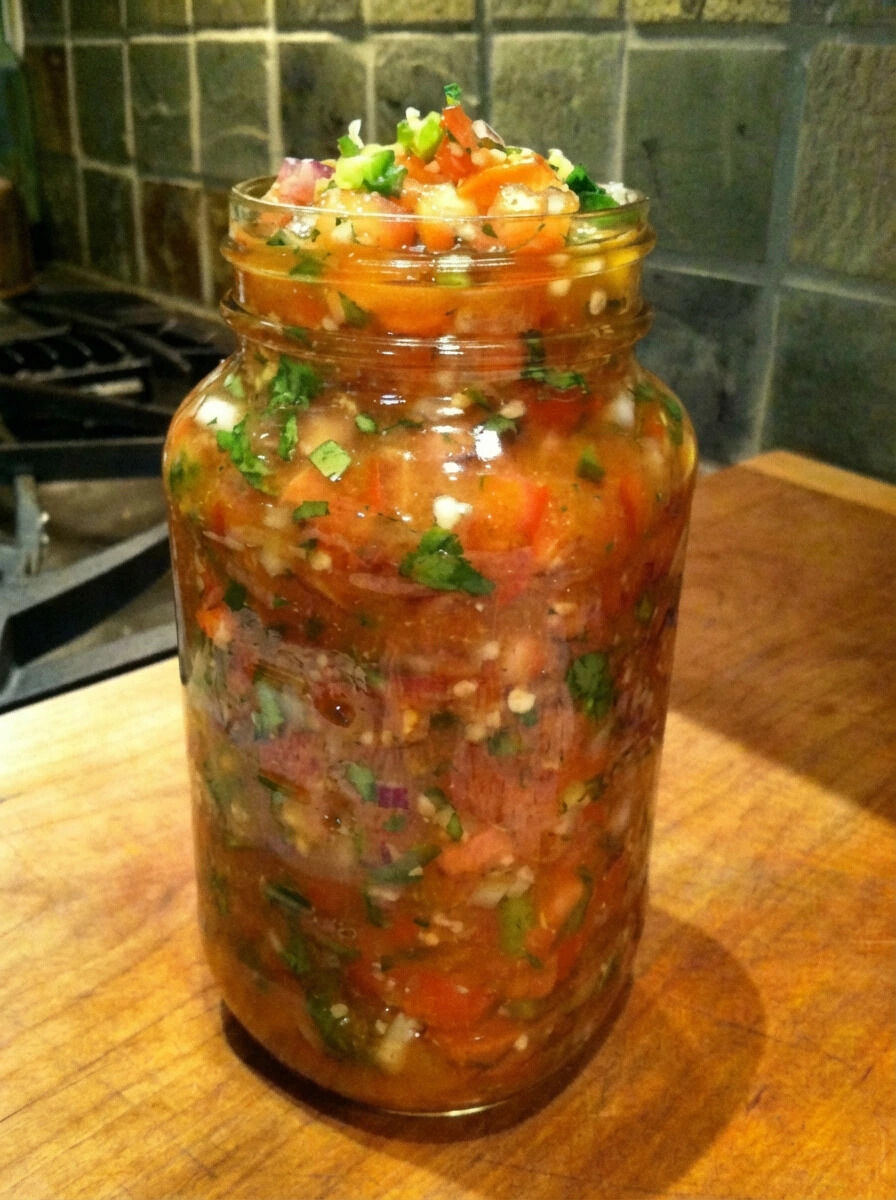
pico de gallo

Pico de gallo is one of those simple dishes that proves how powerful fresh ingredients can be. Bright, colorful, and bursting with flavor, this classic Mexican salsa has earned a permanent place on tables around the world. Unlike blended salsas, pico de gallo is chopped, chunky, and fresh, allowing every ingredient to shine on its own. Whether spooned over tacos, served with tortilla chips, or used as a topping for grilled meats, pico de gallo adds an instant burst of freshness to any meal.

What Is Pico de Gallo?

Pico de gallo, also known as salsa fresca or salsa cruda, literally means “rooster’s beak” in Spanish. There are several theories about the name, but one popular explanation is that it refers to the pointed shape of the chopped ingredients or the way people once ate it—pinching it between fingers like a beak. Regardless of the origin, pico de gallo is defined by its simplicity: fresh tomatoes, onions, cilantro, chili peppers, lime juice, and salt.

Unlike restaurant-style smooth salsa, pico de gallo is never blended. The ingredients are diced by hand, creating a crisp texture and a clean, refreshing taste. It is meant to be eaten fresh, often made just before serving to preserve its vibrant flavor and crunch.

The Core Ingredients

The beauty of pico de gallo lies in its short ingredient list. Each component plays an important role, so quality matters.

Tomatoes:
Ripe, firm tomatoes are essential. Roma tomatoes are a popular choice because they are less watery and have a dense flesh, but vine-ripened or cherry tomatoes also work well. Removing some of the seeds helps prevent the salsa from becoming watery.

Onion:
White onion is traditional, offering a sharp, clean bite that balances the sweetness of the tomatoes. Red onion can be used for a slightly milder flavor and added color.

Chili Peppers:
Fresh jalapeños are the most common choice, providing a gentle heat. For more spice, serrano peppers can be used. Removing the seeds and membranes reduces the heat, while leaving them in makes the pico de gallo spicier.

Cilantro:
Fresh cilantro adds a bright, herbal note that defines pico de gallo. If you enjoy its flavor, don’t be shy—but it should complement, not overpower, the other ingredients.

Lime Juice:
Freshly squeezed lime juice adds acidity, enhancing all the flavors and tying the ingredients together.

Salt:
A simple seasoning that brings everything to life. Start with a small amount and adjust to taste.

How to Make Pico de Gallo

Making pico de gallo is straightforward, but technique matters.

  1. Chop Carefully: Dice the tomatoes, onions, and peppers into small, even pieces. Uniform chopping ensures that every bite has a balanced mix of flavors.

  2. Drain Excess Liquid: If your tomatoes are very juicy, gently drain off excess liquid after chopping. This keeps the salsa fresh and chunky.

  3. Mix Gently: Combine all ingredients in a bowl and toss gently. Overmixing can break down the tomatoes.

  4. Taste and Adjust: Add salt and lime juice gradually, tasting as you go. The goal is a bright, balanced flavor.

  5. Rest Briefly: Letting the pico de gallo rest for 10–15 minutes allows the flavors to meld, but it’s best enjoyed the same day.

Variations to Try

While the classic recipe is beloved, pico de gallo is incredibly adaptable.

  • Fruit Pico de Gallo: Add diced mango, pineapple, or peach for a sweet and spicy twist.

  • Avocado Pico: Gently fold in diced avocado for a creamy variation, similar to a chunky guacamole.

  • Garlic-Lime Pico: Add a small amount of finely minced garlic for extra depth.

  • Cucumber Pico: Replace part of the tomato with cucumber for an ultra-refreshing version.

Each variation keeps the spirit of pico de gallo while offering a new flavor profile.

How to Serve Pico de Gallo

Pico de gallo is one of the most versatile condiments you can make. Serve it with tortilla chips as a light appetizer, spoon it over tacos, burritos, or quesadillas, or use it as a topping for grilled chicken, fish, or steak. It’s also delicious on scrambled eggs, omelets, or even mixed into rice for a fresh side dish.

Because it’s fresh and uncooked, pico de gallo adds contrast to rich or spicy foods, cutting through heaviness with its crisp texture and tangy flavor.

Storage Tips

Pico de gallo is best eaten fresh, ideally within a few hours of making it. If you need to store it, keep it in an airtight container in the refrigerator for up to 24 hours. Over time, the tomatoes release more liquid, and the texture softens, but the flavor remains enjoyable.

Why Pico de Gallo Never Goes Out of Style

Pico de gallo has endured for generations because it celebrates simplicity. With just a handful of fresh ingredients and a few minutes of preparation, it delivers bold flavor, vibrant color, and endless versatility. Whether you’re cooking a full Mexican feast or just looking for a fresh topping to brighten your meal, pico de gallo is a timeless classic that never disappoints.

If You Suffer from Poor Circulation and Your Legs Feel Like This, Here Is the Solution

Poor circulation in the legs is more common than many people realize. It often creeps in quietly, showing up as cold feet, numbness, tingling, heaviness, swelling, or aching legs—especially after long periods of sitting or standing. For some, the discomfort is mild and occasional. For others, it can interfere with daily life, sleep, and overall well-being. The good news is that in many cases, circulation can be improved with the right combination of lifestyle changes, daily habits, and medical guidance.

What Poor Circulation in the Legs Feels Like

People with poor circulation often describe similar sensations. Your legs may feel heavy or tired even after minimal activity. You might notice swelling around the ankles, cramps at night, or a pins-and-needles feeling when you stand up. Cold feet that don’t warm up easily are another common sign. In more advanced cases, the skin may look pale or bluish, wounds may heal slowly, and pain can appear when walking short distances.

These symptoms occur because blood is not flowing efficiently through the blood vessels, depriving muscles and tissues of oxygen and nutrients.

Common Causes of Poor Leg Circulation

Several conditions and habits can contribute to circulation problems:

  • Sedentary lifestyle: Sitting for long hours slows blood flow, especially in the legs.

  • Smoking: Nicotine damages blood vessels and restricts blood flow.

  • Diabetes: High blood sugar can damage nerves and blood vessels over time.

  • High blood pressure and cholesterol: These can narrow or stiffen arteries.

  • Peripheral artery disease (PAD): A condition where narrowed arteries reduce blood flow to the limbs.

  • Varicose veins: Weakened veins can cause blood to pool in the legs.

Understanding the cause is important, because it helps determine the most effective solution.

The First and Most Important Solution: Move More

Movement is one of the most powerful ways to improve circulation in the legs. When muscles contract, they help push blood back toward the heart.

  • Walking daily: Even 20–30 minutes a day can make a noticeable difference.

  • Leg exercises: Simple movements like ankle circles, calf raises, and leg lifts improve blood flow.

  • Break long sitting periods: Stand up, stretch, or walk for a few minutes every hour.

If your legs feel heavy or numb by the end of the day, regular movement can significantly reduce these sensations over time.

Elevation and Compression: Simple but Effective

  • Elevate your legs: Lying down and raising your legs above heart level for 15–20 minutes helps blood drain from the legs and reduces swelling.

  • Compression stockings: These specially designed socks gently squeeze the legs, helping veins move blood upward. They are especially helpful for people who stand or sit for long periods.

Improve Circulation Through Diet

What you eat plays a major role in vascular health.

  • Stay hydrated: Dehydration thickens the blood, making circulation harder.

  • Eat circulation-friendly foods: Leafy greens, berries, citrus fruits, garlic, ginger, and fatty fish support blood vessel health.

  • Reduce salt intake: Too much salt can worsen swelling in the legs.

  • Limit processed foods and sugar: These contribute to inflammation and vessel damage.

A balanced diet supports healthy blood flow and reduces strain on your circulatory system.

Warmth and Massage

  • Warm baths or foot soaks: Heat helps blood vessels relax and expand, improving flow.

  • Gentle massage: Massaging the legs in upward strokes encourages blood movement toward the heart and can relieve tension and discomfort.

These methods are especially soothing at the end of the day when symptoms tend to worsen.

Lifestyle Changes That Make a Big Difference

  • Quit smoking: This is one of the most important steps for improving circulation.

  • Maintain a healthy weight: Excess weight puts extra pressure on veins and arteries.

  • Manage chronic conditions: Keeping diabetes, blood pressure, and cholesterol under control protects blood vessels.

When to See a Doctor

While lifestyle changes help many people, persistent or worsening symptoms should never be ignored. Seek medical advice if you experience:

  • Pain in the legs while walking that improves with rest

  • Non-healing sores or wounds

  • Sudden swelling, redness, or warmth in one leg

  • Severe numbness or color changes

These may indicate conditions that require medical treatment.

The Bottom Line

If your legs feel heavy, cold, numb, or swollen, poor circulation may be the underlying cause. The solution often starts with simple, consistent changes: moving more, eating well, elevating your legs, and caring for your blood vessels. While these steps can greatly improve comfort and quality of life, listening to your body and seeking professional guidance when needed is essential. Healthy circulation is not just about comfort—it’s about long-term health and mobility.