3 Colors You Should Never Wear to a Funeral

Funerals are moments of deep reflection, remembrance, and respect. What you wear to such an occasion silently communicates your empathy for the grieving family and your understanding of the solemnity of the event. While customs vary across cultures and religions, most societies agree on one core principle: funeral attire should be modest, understated, and respectful. Certain colors, however fashionable or meaningful in other settings, can feel jarring or inappropriate at a funeral. Here are three colors you should generally never wear to a funeral, along with the reasons why—and what to choose instead.

1. Bright Red

Red is one of the most emotionally charged colors in the world. It symbolizes passion, love, power, celebration, and even aggression. In many cultures, red is associated with weddings, festivals, and joyful milestones. Because of this strong, energetic symbolism, red tends to clash sharply with the quiet, reflective mood of a funeral.

Why Red Is Inappropriate

At a funeral, red can appear attention-seeking or celebratory, even if that is not your intention. Mourners may perceive it as a lack of sensitivity, as the color draws the eye and shifts focus away from remembrance and toward the wearer. In some traditions, red is also linked with vitality and life force, which can feel emotionally contradictory in a setting that honors loss.

Cultural Perspective

In South Asian cultures, including Pakistan and India, red is strongly associated with weddings and happiness. Wearing red to a funeral in these regions can be especially offensive or confusing, as it symbolically represents the opposite of mourning.

Better Alternatives

Instead of red, choose muted, darker tones such as black, charcoal gray, navy, or deep brown. These colors convey seriousness and respect without drawing unnecessary attention.

2. Bright Yellow or Neon Colors

Yellow, especially in its bright or neon forms, is widely associated with cheerfulness, optimism, energy, and sunshine. Neon shades of any color—yellow, green, pink, or orange—are designed to stand out. While these colors are perfectly fine for casual outings or celebrations, they are almost always inappropriate for funerals.

Why Bright Colors Feel Disrespectful

Funerals are not meant to be visually stimulating. Bright yellow or neon shades can feel disruptive and out of place, unintentionally suggesting a festive or carefree attitude. Even if the deceased was known for their vibrant personality, traditional funerals prioritize collective mourning over personal expression.

Bright colors can also emotionally unsettle grieving individuals who are in a vulnerable state. What may seem like a harmless fashion choice to one person may feel deeply insensitive to another.

Exceptions to Consider

Some modern funerals or “celebrations of life” may request guests to wear bright colors in honor of the deceased. In such cases, it is completely acceptable—but only when explicitly stated by the family.

Better Alternatives

Soft neutrals such as beige, taupe, soft gray, or off-white (where culturally appropriate) are safer choices. These colors maintain calmness and humility.

3. Pure White (in Many Western Contexts)

White is often associated with purity, innocence, and peace. However, its appropriateness at funerals depends heavily on cultural and religious context.

Why White Can Be Problematic

In many Western societies, white is traditionally worn by brides and symbolizes new beginnings. Wearing pure white to a funeral in these cultures may feel symbolically inappropriate or even distracting. It can also stand out sharply against the darker tones typically worn by mourners.

Additionally, white clothing can appear too formal, too celebratory, or too pristine for an occasion rooted in grief and remembrance.

Cultural Sensitivity Matters

It’s important to note that in many Asian and Islamic traditions, including parts of South Asia, white is actually a traditional mourning color. In Muslim funerals, for example, white is commonly worn and considered respectful. This highlights why understanding the cultural background of the deceased and their family is essential.

Better Alternatives

If you are unsure about the cultural expectations, opt for darker neutrals. When white is appropriate, choose subdued off-white shades and simple, modest designs rather than bright or elaborate outfits.

Final Thoughts: Respect Over Fashion

Funeral attire is not about personal style—it’s about empathy, respect, and solidarity with those who are grieving. When in doubt, simplicity is always the safest approach. Dark, muted colors, modest cuts, and minimal accessories communicate care without words.

Before attending a funeral, consider these questions:

What are the cultural or religious customs of the family?

Has the family requested specific attire?

Does my outfit draw attention to me or honor the occasion?

By avoiding bright red, neon or overly bright colors, and culturally inappropriate whites, you ensure that your presence contributes to the dignity and solemnity of the moment. In times of loss, quiet respect speaks louder than any fashion statement.
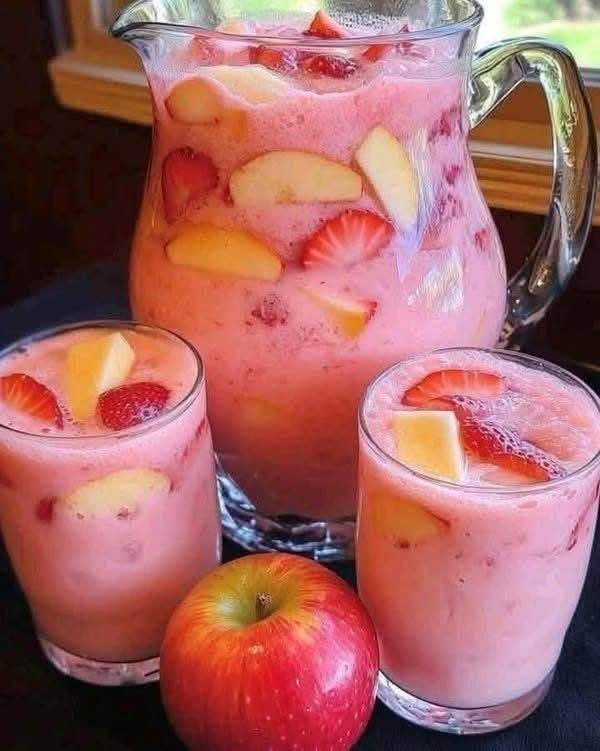

Creamy Strawberry Apple Punch

There are drinks you make to quench thirst, and then there are drinks you make to create a moment. Creamy Strawberry Apple Punch belongs firmly in the second category. It’s the kind of refreshing, softly sweet beverage that instantly brightens a table, whether you’re hosting a family gathering, celebrating a special occasion, or simply treating yourself on a warm afternoon. With the natural sweetness of apples, the vibrant flavor of strawberries, and a smooth, creamy finish, this punch strikes a perfect balance between fruity freshness and indulgent comfort.

What makes this punch especially appealing is its versatility. It feels festive enough for parties, yet simple enough for everyday enjoyment. Children love its pink, milkshake-like appearance, while adults appreciate the layered flavors that are neither too sugary nor too heavy. Served chilled, it’s soothing, satisfying, and incredibly refreshing.

Why Strawberry and Apple Work So Well Together

Strawberries bring a bright, slightly tart sweetness that feels light and summery. Apples, especially apple juice, add a mellow, rounded sweetness with gentle acidity that enhances fruit flavors without overpowering them. When these two fruits come together, they create a naturally balanced base—fresh, fragrant, and pleasing to almost every palate.

Adding creaminess transforms this fruit punch from ordinary to irresistible. The creamy element softens the sharpness of the fruit, giving the drink a luxurious mouthfeel. Instead of tasting like simple juice, it becomes a dessert-like beverage that still feels refreshing rather than heavy.

Ingredients You’ll Need

One of the joys of this punch is how accessible the ingredients are. You don’t need anything fancy or hard to find, making it perfect for last-minute gatherings.

  • Fresh strawberries, washed and hulled

  • Apple juice (clear or cloudy, both work well)

  • Cold milk or evaporated milk for extra richness

  • Sweetened condensed milk (adjust to taste)

  • Vanilla essence for warmth and aroma

  • Ice cubes

  • Fresh strawberry slices and apple slices for garnish

Optional additions include a splash of cream, strawberry syrup for deeper color, or a little lemon juice if you prefer a brighter edge.

How to Make Creamy Strawberry Apple Punch

Start by blending the strawberries until smooth. If you prefer a silkier texture, you can strain the puree to remove seeds, but this step is optional. The puree forms the heart of the punch, delivering color, flavor, and natural sweetness.

In a large jug or punch bowl, combine the strawberry puree with chilled apple juice. Stir gently to mix. Slowly add the milk or evaporated milk, stirring continuously. You’ll notice the color turn into a beautiful soft pink, instantly inviting and festive.

Next, add sweetened condensed milk a little at a time. This allows you to control the sweetness and creaminess. Some prefer a lighter, more refreshing punch, while others enjoy a richer, dessert-like drink. A few drops of vanilla essence add depth and a subtle aroma that ties everything together.

Finally, add ice cubes just before serving to keep the punch cold without diluting it too quickly. Garnish with thin strawberry slices or small apple wedges for a polished, café-style presentation.

Tips for the Best Flavor

Always use chilled ingredients. This helps the punch stay refreshing and prevents the dairy from separating. Fresh strawberries offer the best flavor, but frozen strawberries can work if fresh ones are unavailable—just thaw them first.

If you’re making the punch ahead of time, wait to add ice until serving. This keeps the flavor concentrated and creamy. Taste before serving and adjust sweetness or acidity as needed; a small squeeze of lemon juice can brighten the flavors if the punch tastes too sweet.

Perfect Occasions to Serve This Punch

Creamy Strawberry Apple Punch is a crowd-pleaser at birthday parties, bridal showers, baby showers, and family get-togethers. It’s also ideal during Ramadan iftar, summer picnics, or festive dinners when you want something special without serving soda.

Because it’s non-carbonated and gentle on the stomach, it’s suitable for all ages. You can even turn it into a frozen slush by blending it with extra ice for extremely hot days.

A Drink That Feels Like a Treat

What truly sets this punch apart is how it feels like a treat without being complicated. Each sip delivers fruity freshness followed by a smooth, creamy finish that lingers pleasantly. It’s comforting yet light, sweet but not overwhelming.

Creamy Strawberry Apple Punch proves that simple ingredients, when thoughtfully combined, can create something memorable. Whether you serve it in elegant glasses at a celebration or pour it into a tall glass at home, this punch is guaranteed to bring smiles, compliments, and requests for refills.

Take two tablespoons in the morning and say goodbye to bone pain, nerve problems, cartilage wear, anxiety, depression and insomnia.

You’ve probably seen bold claims online promising that two tablespoons in the morning can erase bone pain, nerve problems, cartilage wear, anxiety, depression, and insomnia. It sounds miraculous—and understandably appealing. While no single remedy can magically cure such a wide range of conditions, certain nutrient-dense morning blends can support bone health, calm the nervous system, and promote better sleep and mood when used consistently as part of a healthy lifestyle.

Let’s talk honestly about what a simple two-tablespoon wellness mix can do, what science actually supports, and how to use it safely.


The Popular Two-Tablespoon Blend

One commonly shared combination includes:

  • Extra virgin olive oil (1 tablespoon)

  • Raw honey or black seed oil (1 tablespoon)

Some versions add turmeric, ginger, or ground flaxseed, but the idea is the same: a small, concentrated dose of anti-inflammatory fats and natural compounds taken on an empty stomach.


Why People Swear by It

1. Bone and Joint Comfort
Extra virgin olive oil is rich in oleocanthal, a compound with anti-inflammatory properties similar to mild NSAIDs. Chronic inflammation contributes to joint stiffness and discomfort, so reducing it may help people feel less pain over time. Honey and black seed oil contain antioxidants that can support tissue health and reduce oxidative stress—important for aging cartilage.

Important note: This does not rebuild cartilage or reverse arthritis. It may help manage discomfort when combined with movement, proper nutrition, and medical care.


2. Nerve Support
Healthy fats are essential for nerve cell membranes. Olive oil’s monounsaturated fats support brain and nerve function, while black seed oil contains thymoquinone, studied for its neuroprotective and antioxidant effects. Some people report reduced tingling or nerve sensitivity after weeks of consistent use.

This is supportive, not curative. Conditions like neuropathy require medical evaluation.


3. Mood, Anxiety, and Depression
The gut–brain connection is real. Natural honey provides small amounts of glucose that help stabilize morning cortisol levels, while olive oil supports brain health and reduces systemic inflammation—both linked to mood regulation. Black seed oil has been studied for mild anxiolytic (anti-anxiety) effects.

While this blend can support emotional balance, it is not a replacement for therapy or medication for clinical anxiety or depression.


4. Better Sleep and Less Insomnia
Inflammation, blood sugar swings, and nervous system overstimulation can interfere with sleep. Taking this blend in the morning may indirectly improve sleep by supporting hormonal balance and reducing inflammation throughout the day.

Some users notice deeper sleep after a few weeks—not because it’s a sedative, but because the body is better nourished and calmer overall.


How to Take It Properly

  • Take two tablespoons total on an empty stomach in the morning

  • Follow with a glass of warm water

  • Wait 20–30 minutes before eating

Consistency matters more than quantity. More is not better.


What Science Actually Says

Research supports the individual components:

  • Olive oil: Anti-inflammatory, heart- and brain-supportive

  • Honey: Antioxidant, gut-soothing, mild stress modulator

  • Black seed oil: Anti-inflammatory, antioxidant, possible mood support

What science does not support is the idea that this mixture can cure bone disease, regenerate cartilage, or eliminate mental health disorders overnight.

Think of it as a daily support habit, not a miracle drug.


Who Should Be Careful

Avoid or consult a doctor if you:

  • Have diabetes (honey affects blood sugar)

  • Take blood-thinning medication

  • Are pregnant or breastfeeding

  • Have chronic pain, nerve damage, or mental health conditions requiring treatment

Natural does not always mean risk-free.


The Bigger Picture

If you truly want relief from bone pain, nerve issues, anxiety, or insomnia, this blend works best when combined with:

  • Adequate vitamin D, calcium, and magnesium

  • Gentle daily movement

  • Quality sleep habits

  • Stress management

  • Medical guidance when needed

No single remedy replaces a healthy foundation—but small, consistent habits can make a meaningful difference.


Final Thoughts

Taking two tablespoons of a nutrient-rich blend in the morning won’t magically erase pain or emotional struggles, but it can support your body’s natural healing processes, reduce inflammation, and promote a calmer, more balanced day.

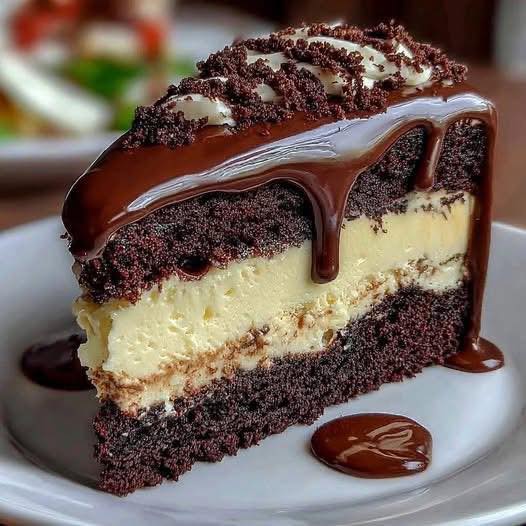
Decadent Chocolate Layer Cake with Vanilla Cream Filling

Few desserts command attention quite like a rich, towering chocolate layer cake. It’s the kind of dessert that turns an ordinary gathering into a celebration and makes birthdays, holidays, or simple family dinners feel extra special. This Decadent Chocolate Layer Cake with Vanilla Cream Filling is everything a chocolate lover dreams of: deeply moist chocolate cake layers, a silky smooth vanilla cream filling, and a luscious chocolate frosting that ties it all together. Each bite offers the perfect balance of intense cocoa flavor and light, creamy sweetness.

Why This Cake Is So Special

What sets this cake apart is its texture and contrast. The chocolate layers are tender and moist thanks to a combination of cocoa powder, oil, and hot liquid, which helps bloom the cocoa for maximum flavor. The vanilla cream filling adds a soft, cloud-like layer that cuts through the richness of the chocolate, preventing the cake from feeling too heavy. When frosted generously, the result is a bakery-quality dessert you can confidently make at home.

This cake is ideal for celebrations, but it’s also perfect when you simply want to impress guests or treat yourself to something truly indulgent.

Ingredients

For the Chocolate Cake Layers

  • 2 cups all-purpose flour

  • 2 cups granulated sugar

  • ¾ cup unsweetened cocoa powder

  • 2 teaspoons baking soda

  • 1 teaspoon baking powder

  • 1 teaspoon salt

  • 2 large eggs

  • 1 cup buttermilk (or milk with 1 tablespoon vinegar)

  • ½ cup vegetable oil

  • 2 teaspoons vanilla extract

  • 1 cup hot coffee or hot water

For the Vanilla Cream Filling

  • 1½ cups heavy whipping cream

  • ⅓ cup powdered sugar

  • 1 teaspoon vanilla extract

  • 8 oz cream cheese, softened

For the Chocolate Frosting

  • 1 cup unsalted butter, softened

  • 3½ cups powdered sugar

  • ½ cup unsweetened cocoa powder

  • ½ cup heavy cream (more if needed)

  • 1 teaspoon vanilla extract

  • Pinch of salt

Instructions

Step 1: Prepare the Chocolate Cake

Preheat your oven to 350°F (175°C). Grease and line two 9-inch round cake pans with parchment paper.

In a large bowl, whisk together the flour, sugar, cocoa powder, baking soda, baking powder, and salt. In another bowl, combine the eggs, buttermilk, oil, and vanilla extract. Slowly mix the wet ingredients into the dry ingredients until smooth.

Gradually pour in the hot coffee or water, stirring gently. The batter will be thin—this is exactly what you want for a moist cake. Divide the batter evenly between the prepared pans.

Bake for 30–35 minutes, or until a toothpick inserted in the center comes out clean. Allow the cakes to cool in the pans for 10 minutes, then transfer to a wire rack to cool completely.

Step 2: Make the Vanilla Cream Filling

In a mixing bowl, beat the softened cream cheese until smooth and creamy. Add powdered sugar and vanilla extract, mixing until fully combined.

In a separate bowl, whip the heavy cream until stiff peaks form. Gently fold the whipped cream into the cream cheese mixture. The result should be light, fluffy, and smooth—perfect for layering between cake layers.

Step 3: Prepare the Chocolate Frosting

In a large bowl, beat the softened butter until creamy. Add the cocoa powder and powdered sugar gradually, mixing well after each addition. Pour in the heavy cream, vanilla extract, and a pinch of salt. Beat until the frosting is smooth, fluffy, and spreadable. Adjust the consistency with more cream if needed.

Step 4: Assemble the Cake

Place one chocolate cake layer on a serving plate or cake stand. Spread a generous layer of vanilla cream filling evenly across the top. Carefully place the second cake layer on top, pressing gently to secure.

Frost the top and sides of the cake with the chocolate frosting. Use a spatula or cake scraper to create smooth sides or decorative swirls, depending on your preference.

Tips for the Perfect Cake

  • Use room-temperature ingredients: This ensures a smoother batter and cream filling.

  • Chill before slicing: Refrigerating the cake for 30–45 minutes helps the layers set and makes slicing easier.

  • Enhance the flavor: Add a pinch of espresso powder to the cake batter for an even deeper chocolate taste.

  • Decorate creatively: Top with chocolate shavings, fresh berries, or a light dusting of cocoa powder.

Serving and Storage

Serve this cake slightly chilled or at room temperature for the best texture and flavor. Each slice reveals beautiful layers of dark chocolate cake and creamy vanilla filling that are sure to impress.

Store leftovers in an airtight container in the refrigerator for up to 4 days. The flavors often deepen by the second day, making it just as delicious—if not better—than when it was freshly made.

Final Thoughts

This Decadent Chocolate Layer Cake with Vanilla Cream Filling is more than just a dessert—it’s a statement. Rich, elegant, and irresistibly indulgent, it’s the kind of cake people remember long after the last crumb is gone. Whether you’re celebrating a milestone or simply satisfying a chocolate craving, this cake delivers pure dessert perfection in every slice. 🍫🎂

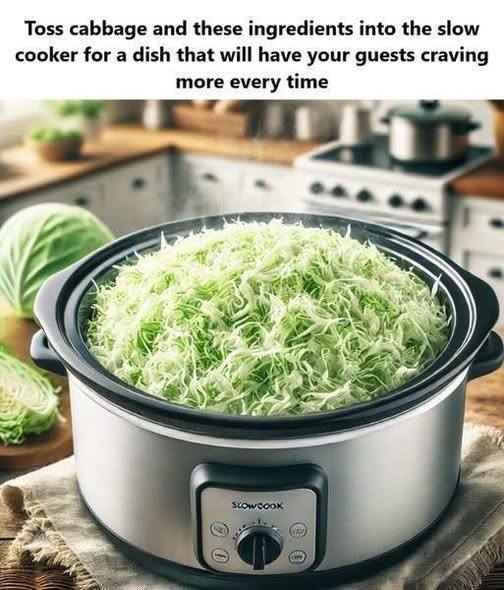
Dump cabbage and these ingredients in slow cooker for a meal guests will crave over and and over

If you’re looking for a comforting, low-effort meal that tastes like you spent all day in the kitchen, this slow cooker cabbage dish is about to become your secret weapon. It’s the kind of recipe people ask for before they’ve even finished their plate. Hearty, savory, and deeply satisfying, this “dump-and-go” meal transforms humble cabbage into something rich, flavorful, and completely crave-worthy.

The beauty of this dish lies in its simplicity. There’s no browning, no complicated prep, and no babysitting the stove. You simply add the ingredients to your slow cooker, turn it on, and let time do the hard work. As the hours pass, the cabbage softens, the flavors meld, and the broth becomes infused with smoky, savory goodness. The result is a meal that feels rustic and homemade in the best possible way.

Why Cabbage Shines in the Slow Cooker

Cabbage is often overlooked, but it’s one of the best vegetables for slow cooking. It holds its shape without turning mushy, absorbs flavors beautifully, and becomes slightly sweet as it cooks. When paired with protein, aromatics, and a well-seasoned broth, cabbage turns into the star of the meal rather than a side dish.

This recipe is especially perfect for feeding guests because it’s:

  • Budget-friendly without tasting cheap

  • Easy to scale up for a crowd

  • Comforting and familiar, yet interesting enough to feel special

  • Practically foolproof, even for beginner cooks

The Ingredients That Make the Magic Happen

Here’s what you’ll need to dump into your slow cooker:

  • 1 large head of green cabbage, chopped into large chunks

  • 1½ pounds smoked sausage or kielbasa, sliced into thick rounds

  • 1 large onion, thinly sliced

  • 3 cloves garlic, minced

  • 4 medium potatoes, peeled and cut into chunks

  • 2 cups chicken broth (or vegetable broth)

  • 1 can (14.5 oz) diced tomatoes, with juices

  • 2 tablespoons tomato paste

  • 1 teaspoon smoked paprika

  • ½ teaspoon black pepper

  • ½ teaspoon salt (adjust to taste)

  • ½ teaspoon dried thyme or Italian seasoning

  • 1 tablespoon Worcestershire sauce

  • 1 tablespoon olive oil or butter (optional, but adds richness)

These ingredients come together to create layers of flavor: smoky from the sausage, savory from the broth, slightly tangy from the tomatoes, and gently sweet from the cabbage and onions.

How to Make It (No Fuss Required)

Start by lightly greasing the inside of your slow cooker. This helps prevent sticking and makes cleanup easier.

  1. Add the chopped cabbage to the bottom of the slow cooker. It may seem like a lot, but it will shrink significantly as it cooks.

  2. Layer in the potatoes, sliced onion, and garlic.

  3. Scatter the sliced sausage evenly over the top.

  4. In a bowl, stir together the broth, diced tomatoes, tomato paste, smoked paprika, black pepper, salt, thyme, and Worcestershire sauce.

  5. Pour this mixture over everything in the slow cooker.

  6. Drizzle with olive oil or dot with butter if using.

  7. Cover and cook on LOW for 7–8 hours or HIGH for 4–5 hours, until the potatoes are tender and the cabbage is silky and flavorful.

That’s it. No stirring required, no extra steps.

The Aroma Alone Will Win Them Over

As this dish cooks, your home will fill with a warm, savory aroma that immediately signals comfort. Guests will start asking what’s cooking the moment they walk in. The cabbage absorbs the smoky broth, the sausage releases its seasoning into the pot, and everything becomes infused with deep, slow-cooked flavor.

When it’s ready, give it a gentle stir and taste for seasoning. Adjust salt and pepper if needed.

How to Serve It for Maximum Praise

This slow cooker cabbage meal is incredibly versatile when it comes to serving. For a cozy, rustic presentation, serve it straight from the slow cooker with a ladle, making sure each bowl gets plenty of sausage, potatoes, and cabbage.

Pair it with:

  • Crusty bread or dinner rolls to soak up the broth

  • A dollop of sour cream or Greek yogurt for richness

  • Fresh chopped parsley for a pop of color

  • A simple green salad to balance the meal

For guests, this dish feels generous and abundant, which is exactly what makes it so memorable.

Why Guests Keep Asking for It Again

There’s something deeply comforting about this meal. It tastes like home cooking, like something passed down through generations, even if it’s the first time you’ve made it. The flavors are bold but not overwhelming, familiar but not boring. It satisfies without being heavy, and it somehow tastes even better the next day.

Leftovers reheat beautifully, making it perfect for meal prep or next-day lunches. In fact, many people swear it’s even more flavorful after sitting overnight.

If you want a no-stress, slow cooker meal that delivers big on taste and comfort, dumping cabbage and these ingredients into your slow cooker is the answer. Make it once, and don’t be surprised when your guests ask you to make it again—and again—and again.

The best mashed potatoes

Mashed potatoes may seem simple, but making the best mashed potatoes is an art. When done right, they are creamy without being gluey, rich without being heavy, and flavorful without overpowering the meal. This humble side dish has the power to steal the spotlight at any table—from everyday dinners to festive holiday feasts. The secret lies not in fancy ingredients, but in technique, balance, and a few professional tips that transform ordinary potatoes into something unforgettable.

Choosing the Right Potatoes

The foundation of great mashed potatoes starts with the right variety. Yukon Gold potatoes are widely considered the best choice. They have a naturally buttery flavor and a creamy texture that mashes beautifully. Russet potatoes are another excellent option, especially if you prefer lighter, fluffier mashed potatoes. They are starchier, which helps create a soft, airy texture. Avoid waxy potatoes like red or fingerling varieties, as they tend to become gummy when mashed.

Proper Preparation Makes the Difference

Always start by peeling your potatoes unless you prefer a rustic texture with skins included. Cut them into evenly sized chunks—this ensures they cook at the same rate. Place them in a pot of cold, well-salted water before heating. Starting in cold water allows the potatoes to cook evenly from the inside out, preventing a mushy exterior and undercooked center.

Bring the water to a gentle boil and cook until the potatoes are fork-tender. This usually takes about 15–20 minutes, depending on the size of the pieces. Be careful not to overcook them, as waterlogged potatoes lead to bland, watery mash.

Draining and Drying: A Crucial Step

Once cooked, drain the potatoes thoroughly and return them to the hot pot. Place the pot back over low heat for 30–60 seconds, gently shaking it. This step allows excess moisture to evaporate, which is essential for achieving rich, creamy mashed potatoes rather than soggy ones.

The Right Tools Matter

To achieve the best texture, use a potato masher, ricer, or food mill. These tools break down the potatoes gently, preserving their structure. Avoid using a blender or food processor, as they overwork the starches and turn the potatoes into glue. If you want ultra-smooth mashed potatoes, a ricer is the gold standard.

Warm Your Dairy

One of the most overlooked secrets to perfect mashed potatoes is warming your dairy. Cold butter or milk can cool the potatoes and prevent proper absorption. Heat your butter and cream (or milk) until warm—not boiling—before adding them. This allows the potatoes to absorb the fat evenly, resulting in a smoother, richer texture.

Butter First, Always

For the best flavor, add butter before milk or cream. Butter coats the starch molecules and prevents them from absorbing too much liquid, which helps maintain a creamy consistency. Use good-quality unsalted butter so you can control the salt level. Generous amounts are encouraged—this is not the dish to skimp on richness.

Seasoning Is Everything

Salt is essential, but timing matters. Salting the cooking water seasons the potatoes from the inside. After mashing, add more salt gradually and taste as you go. Freshly ground black pepper adds warmth, while optional additions like roasted garlic, chives, or sour cream can elevate the flavor without overwhelming it.

Texture: Customize to Your Taste

The “best” mashed potatoes are the ones that match your personal preference. For extra creamy mashed potatoes, add more warm cream and butter. For a fluffier texture, use russet potatoes and mash gently, incorporating air. If the potatoes seem too thick, add small splashes of warm milk until the desired consistency is reached.

Avoiding Common Mistakes

Several mistakes can ruin mashed potatoes. Overmixing is the most common—it releases excess starch and creates a gummy texture. Adding cold ingredients can make the mash stiff and uneven. Underseasoning leaves them bland, while too much liquid turns them soupy. Paying attention to these details ensures consistently excellent results.

Serving and Storing

Mashed potatoes are best served immediately while hot and fluffy. If you need to keep them warm, cover the pot and place it over very low heat or in a warm oven. For leftovers, store them in an airtight container in the refrigerator for up to three days. Reheat gently with a splash of milk or butter to restore creaminess.

Final Thoughts

The best mashed potatoes are more than just a side dish—they are comfort food at its finest. With the right potatoes, careful preparation, warm ingredients, and thoughtful seasoning, you can create mashed potatoes that are silky, rich, and deeply satisfying. Once you master these techniques, this classic dish will never be an afterthought again—it will be the reason people come back for seconds.

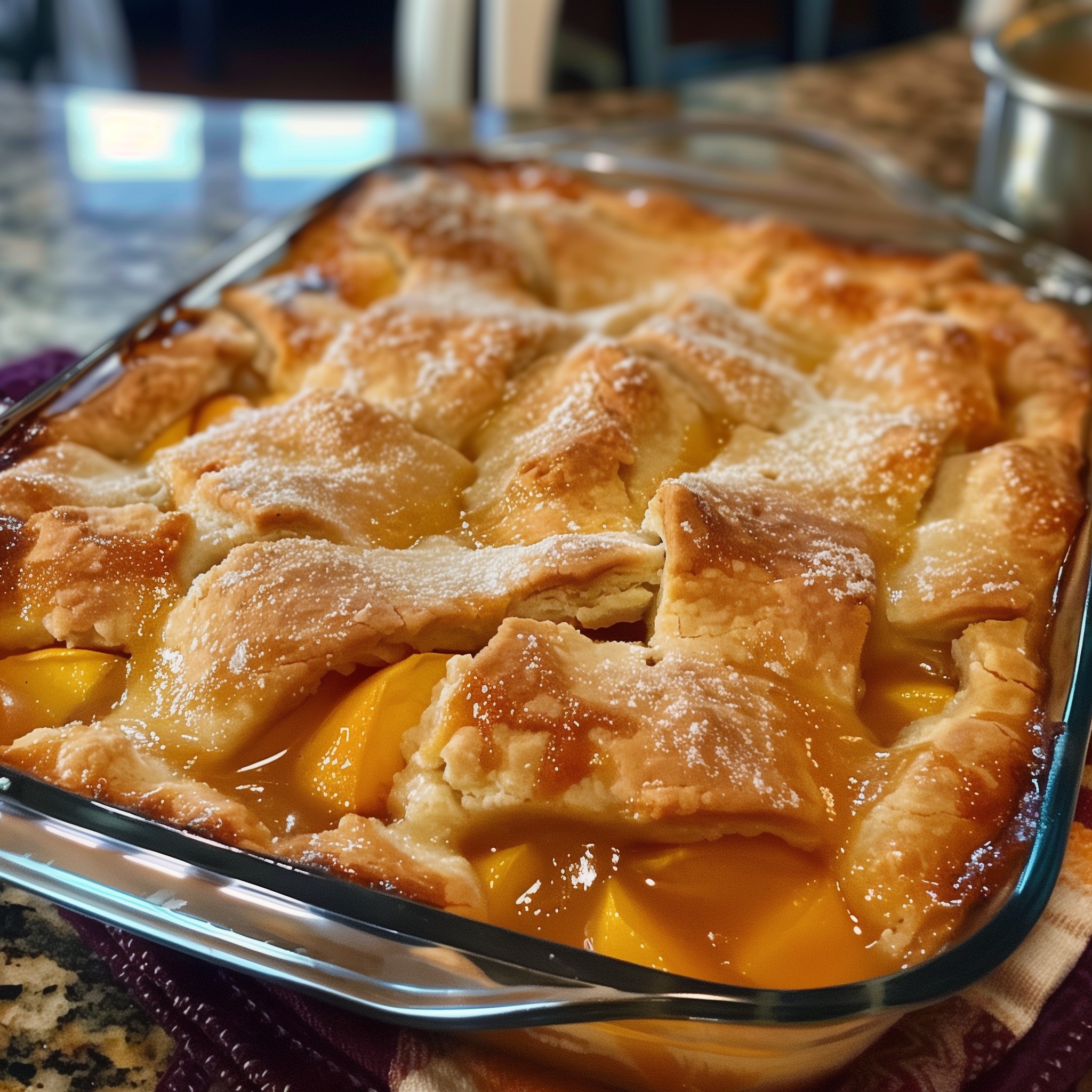
Triple Crust Peach Cobbler

When it comes to comforting desserts, few things compare to the warm, fruity goodness of a peach cobbler. Its sweet, juicy filling paired with a tender, buttery crust has made it a favorite for generations. But imagine taking this classic to the next level — enter the Triple Crust Peach Cobbler. This elevated version combines layers of flaky pastry and rich peach filling, creating a dessert that is as visually stunning as it is delicious. If you thought cobblers couldn’t get more indulgent, this recipe will prove you wrong.

What Makes Triple Crust Peach Cobbler Special

Traditional peach cobblers usually feature a single layer of crust or biscuit topping over the peaches. The triple crust variation, however, introduces a bottom crust, a lattice or full top crust, and an extra layer in between, which adds structure and flavor. The result is a cobbler that boasts a flaky exterior with pockets of syrupy peaches in every bite. This dessert is perfect for special occasions, family gatherings, or simply a cozy weekend treat.

The triple crust technique ensures that each slice is stable enough to hold its shape when served, making it ideal for parties or potlucks. It also enhances the texture contrast — crisp edges, tender middle crust, and luscious fruit filling — which is the hallmark of a great cobbler.

Ingredients You’ll Need

To make this triple crust peach cobbler, you’ll need a mix of pantry staples and fresh ingredients:

For the crust:

  • 3 cups all-purpose flour

  • 1 teaspoon salt

  • 1 tablespoon sugar

  • 1 cup unsalted butter, chilled and cubed

  • 6–8 tablespoons ice water

For the peach filling:

  • 6–8 ripe peaches, peeled and sliced (about 6 cups)

  • ¾ cup granulated sugar

  • ¼ cup brown sugar

  • 2 tablespoons cornstarch

  • 1 teaspoon vanilla extract

  • ½ teaspoon ground cinnamon

  • ¼ teaspoon ground nutmeg

  • 1 tablespoon lemon juice

Optional topping:

  • 1 egg, beaten (for egg wash)

  • Turbinado sugar for sprinkling

Preparing the Triple Crust

Step 1: Make the dough
In a large bowl, combine flour, salt, and sugar. Cut in the chilled butter using a pastry cutter or fork until the mixture resembles coarse crumbs. Gradually add ice water, one tablespoon at a time, until the dough just comes together. Divide into three portions: one slightly larger for the bottom crust, and two smaller ones for the middle and top layers. Wrap each portion in plastic wrap and refrigerate for at least 30 minutes.

Step 2: Prepare the peaches
While the dough chills, mix sliced peaches with granulated sugar, brown sugar, cornstarch, cinnamon, nutmeg, and lemon juice in a large bowl. Toss until the peaches are evenly coated, then let them sit for 10–15 minutes. This step allows the sugars to draw out some juice, which will thicken as the cobbler bakes.

Step 3: Assemble the cobbler
Preheat your oven to 375°F (190°C). Roll out the largest portion of dough and line a greased 9×13-inch baking dish to form the bottom crust. Spoon half of the peach mixture over the crust. Roll out the second portion of dough and cover the peaches, pressing gently around the edges. Layer the remaining peaches on top, and finally roll out the last portion of dough to cover the cobbler. Seal the edges by pressing them together with a fork or your fingers. For a decorative touch, you can create a lattice top instead of a full crust. Brush the top with beaten egg and sprinkle with turbinado sugar for a golden finish.

Baking and Serving

Bake the cobbler for 45–55 minutes, or until the crust is golden brown and the peach filling is bubbly. You may need to cover the edges with foil halfway through baking to prevent over-browning. Allow the cobbler to cool for at least 15 minutes before slicing. This resting period helps the filling thicken slightly, making it easier to serve.

Triple Crust Peach Cobbler is best served warm with a scoop of vanilla ice cream or a dollop of whipped cream. The creamy cold topping contrasts perfectly with the warm, gooey peaches and buttery crust.

Tips for Perfect Triple Crust Cobbler

  1. Use ripe peaches: Sweet, juicy peaches are key for a flavorful filling. If fresh peaches are out of season, canned peaches (drained and lightly mashed) can be used.

  2. Chill your butter: Cold butter ensures a flaky crust. Avoid overworking the dough to prevent it from becoming tough.

  3. Adjust sweetness: Taste your peaches before baking. If they’re extremely sweet, reduce the added sugar slightly.

  4. Prevent soggy crust: A light dusting of cornstarch between peach layers helps absorb excess juice.

  5. Experiment with spices: Add a pinch of ginger or cardamom for a unique twist.

Why You’ll Love It

Triple Crust Peach Cobbler is more than just a dessert; it’s an experience. Each bite delivers a perfect balance of textures: crisp, buttery pastry and soft, juicy peaches spiced to perfection. It’s impressive enough to serve to guests, yet comforting enough to enjoy as a treat for yourself. Its rich flavors evoke nostalgia while the triple crust adds a sophisticated twist, making it a dessert that everyone will remember.

Whether it’s a summer barbecue, a holiday dinner, or a simple weekend indulgence, this triple crust cobbler elevates the classic peach dessert to a new level of decadence. Making it may require a bit more effort than your average cobbler, but the reward — a golden, fruit-filled masterpiece — is well worth it.

The most effective tricks for making the Christmas cactus bloom year

The Christmas cactus (Schlumbergera spp.) is a beloved holiday plant, known for its vibrant, tubular flowers that bring a splash of color to homes during the festive season. Unlike traditional desert cacti, the Christmas cactus thrives in tropical climates and prefers indirect light, humidity, and consistent care. However, one common frustration among gardeners is coaxing this beautiful plant to bloom. If your Christmas cactus has been reluctant to flower, understanding its growth cycle, environmental needs, and proper care can dramatically improve your chances of a spectacular holiday display.

Understanding the Blooming Cycle

Before trying to induce flowering, it’s important to understand how Christmas cacti bloom. Unlike most plants, Christmas cacti are triggered by changes in light and temperature. Flower buds start forming when the plant experiences long nights (approximately 12-14 hours of darkness) and cooler temperatures. This is why they naturally bloom in winter. The buds may take several weeks to develop, so patience is essential. Disruptions such as moving the plant frequently or exposing it to excessive light during nighttime hours can prevent blooms from forming.

1. Give Your Cactus the Right Light Conditions

Light plays a crucial role in the flowering of Christmas cacti. During the growing season (spring through early fall), place your cactus in bright but indirect sunlight. Too much direct sun can scorch the leaves, while too little light may result in weak growth. As the fall season approaches, start providing long nights—12-14 hours of uninterrupted darkness each day for about six weeks. A closet, darkened room, or covering the plant with a box at night can simulate this environment. Consistency is key; even brief exposure to artificial lights can disrupt bud formation.

2. Control Temperature Carefully

Temperature is another major factor in inducing blooms. Christmas cacti prefer cooler nights of around 50-55°F (10-13°C) during the bud-setting phase. Daytime temperatures should be moderate, around 65-70°F (18-21°C). Sudden temperature fluctuations or exposure to heat sources such as radiators or fireplaces can stress the plant and prevent flower development. Once buds have formed, maintain slightly warmer conditions to encourage full bloom, but avoid placing the plant in drafty areas.

3. Water Properly and Avoid Overwatering

Proper watering is crucial for both healthy growth and flowering. Christmas cacti do not like to sit in waterlogged soil, which can lead to root rot. Allow the top inch of soil to dry out between waterings. During the bud-forming period, slightly reduce watering to mimic the plant’s natural winter cycle. Once buds appear, increase watering slightly but keep the soil evenly moist. Avoid getting water directly on the buds, as this can cause them to drop prematurely.

4. Provide Balanced Fertilization

Nutrition is another factor that can influence blooming. Use a balanced, water-soluble fertilizer formulated for flowering plants, such as one with a ratio of 10-10-10 or 20-20-20. Feed the cactus every 2-4 weeks during the growing season (spring and summer). As the fall approaches, reduce fertilization to allow the plant to focus on bud development. Avoid high-nitrogen fertilizers late in the season, as they encourage leaf growth rather than flowers.

5. Repot When Necessary

Christmas cacti prefer slightly crowded roots, which can actually encourage flowering. Repotting should be done only every 2-3 years and ideally after the plant has finished blooming. When repotting, use a well-draining soil mix, typically a combination of potting soil, sand, and perlite. Avoid using heavy garden soils, as they retain too much water and can cause root rot. Overly large pots can lead to excessive vegetative growth at the expense of flowers.

6. Reduce Stress and Avoid Disturbances

Christmas cacti are sensitive to changes in their environment. Moving the plant frequently, exposing it to drafts, or touching buds can cause stress and lead to bud drop. Keep the plant in a stable location throughout the bud-setting and blooming phases. Gentle care, patience, and minimal interference are essential for a full display of flowers.

7. Prune After Blooming

After the flowers have faded, pruning the plant can encourage healthier growth and more abundant blooms in the future. Trim back sections of the plant, ideally just above a segment joint, to maintain shape and promote branching. This helps the cactus produce more flower buds the following season. Avoid heavy pruning late in the season, as it can remove potential buds.

8. Consider Humidity

Christmas cacti originate from humid tropical forests, so they thrive in environments with moderate humidity. If your home is dry, especially during winter, consider placing a humidity tray near the plant or misting it lightly. Avoid excessive moisture on leaves and buds, which can lead to fungal problems.

Conclusion

Successfully getting a Christmas cactus to bloom requires understanding its natural growth cycle, mimicking its preferred light and temperature conditions, and providing consistent, gentle care. By offering the right environment—long nights, cooler temperatures, balanced watering, and proper nutrition—you can enjoy vibrant blooms that brighten your home each holiday season. Remember, patience is key: buds take time to form, and disturbances can easily set back the process. With attention to these tricks, your Christmas cactus can become a stunning centerpiece year after year, bringing both beauty and a sense of accomplishment to your holiday traditions.

Many people wear rings without knowing this… the middle finger has a hidden meaning

Many People Wear Rings Without Knowing This… The Middle Finger Has a Hidden Meaning

Rings have been worn by humans for thousands of years, not just as decorative items, but as symbols of status, commitment, and personal expression. While most people are aware that wedding rings, engagement rings, or signet rings have specific meanings, fewer know that the choice of finger itself can carry symbolism. Among all the fingers, the middle finger holds a unique and often overlooked significance. Many people wear rings on this finger purely out of habit, style preference, or convenience, but understanding the hidden meaning can reveal surprising insights about personality, intention, and even cultural beliefs.

The Central Symbolism of the Middle Finger

The middle finger is, as the name suggests, located at the center of the hand. Its central position gives it a special role in symbolism. In palmistry and cultural interpretations, the middle finger is associated with balance, responsibility, and self-analysis. Because it sits between the ring finger (often linked to love and creativity) and the index finger (associated with power and leadership), the middle finger represents equilibrium—between emotions and logic, personal desires and social responsibilities.

Wearing a ring on the middle finger can indicate a person’s desire for self-awareness and personal responsibility. It is often chosen by individuals who value balance in life and who seek to strengthen their sense of identity. Unlike the index or ring fingers, which may communicate social messages about authority, marital status, or romantic commitment, the middle finger focuses on the self, making it a deeply personal choice.

Personality Traits of Middle-Finger Ring Wearers

Psychologists and experts in body language have suggested that the way a person adorns their hands can subtly reflect aspects of their personality. People who choose the middle finger for their rings are often seen as confident, honest, and self-reliant. The middle finger does not traditionally symbolize romance or power in the same direct way as other fingers, so wearing a ring here may suggest independence from societal expectations.

Moreover, a middle-finger ring can be a statement of individuality. It’s often the finger of choice for those who want to attract attention subtly but without overtly flaunting status or relationships. Some people even use it as a form of silent rebellion, rejecting traditional symbolism in favor of personal expression.

Cultural and Historical Perspectives

Throughout history, different cultures have attached various meanings to finger rings. In ancient Rome, for example, the left hand was considered the hand of personal power, while the right hand reflected social connections. Rings on the middle finger were sometimes worn to indicate responsibility or to invoke protection against negative energies.

In modern Western culture, the middle finger’s central position has led to associations with balance and ethical alignment. Some spiritual and metaphysical interpretations claim that wearing a ring on this finger can enhance self-confidence, focus, and clarity of thought. Additionally, certain gemstones placed on the middle finger are believed to amplify these qualities. For example, amethyst rings are said to boost calmness and insight, while onyx may encourage self-discipline.

Practical Considerations

Many people choose the middle finger simply because it is large and stable, providing a secure place for larger rings or statement pieces. Unlike the ring finger, which is smaller and primarily associated with marital symbolism, the middle finger can accommodate bold designs that would be impractical elsewhere.

Interestingly, the middle finger is also often the least constrained by societal rules when it comes to ring-wearing. There is no universal expectation about what kind of ring must go there, giving the wearer freedom to express style, beliefs, or mood. For some, it may even act as a protective talisman, placed deliberately to remind them to maintain balance in life.

Psychological Impact

Wearing a ring on the middle finger can also influence the wearer psychologically. Because it is centrally located, it serves as a constant visual reminder of personal responsibility and balance. Some psychologists suggest that having a tangible symbol on the middle finger can reinforce mindfulness and conscious decision-making. Every time the wearer notices their ring, they may be subtly reminded to stay centered, act ethically, or maintain personal integrity.

A Modern Trend

In contemporary fashion, middle-finger rings have gained popularity among both men and women as statement pieces. Celebrities, influencers, and trendsetters often showcase bold rings on this finger, combining style with symbolism. However, while aesthetics play a major role in the choice, the hidden meanings—balance, independence, and self-awareness—continue to resonate quietly beneath the surface.

Conclusion

Next time you see someone wearing a ring on the middle finger, it might not just be a fashion statement. It could be a reflection of inner balance, personal responsibility, and self-expression. For many wearers, the middle finger is a subtle yet powerful way to convey individuality and confidence. Unlike the ring finger’s romantic connotations or the index finger’s social power, the middle finger quietly speaks of self-awareness, equilibrium, and personal growth.

So, whether you wear a ring on your middle finger for style, habit, or deeper meaning, now you know that there’s more to this choice than meets the eye. It’s a hidden message about who you are—or who you aspire to be—and about the subtle ways humans use adornment to communicate personality, values, and intention.

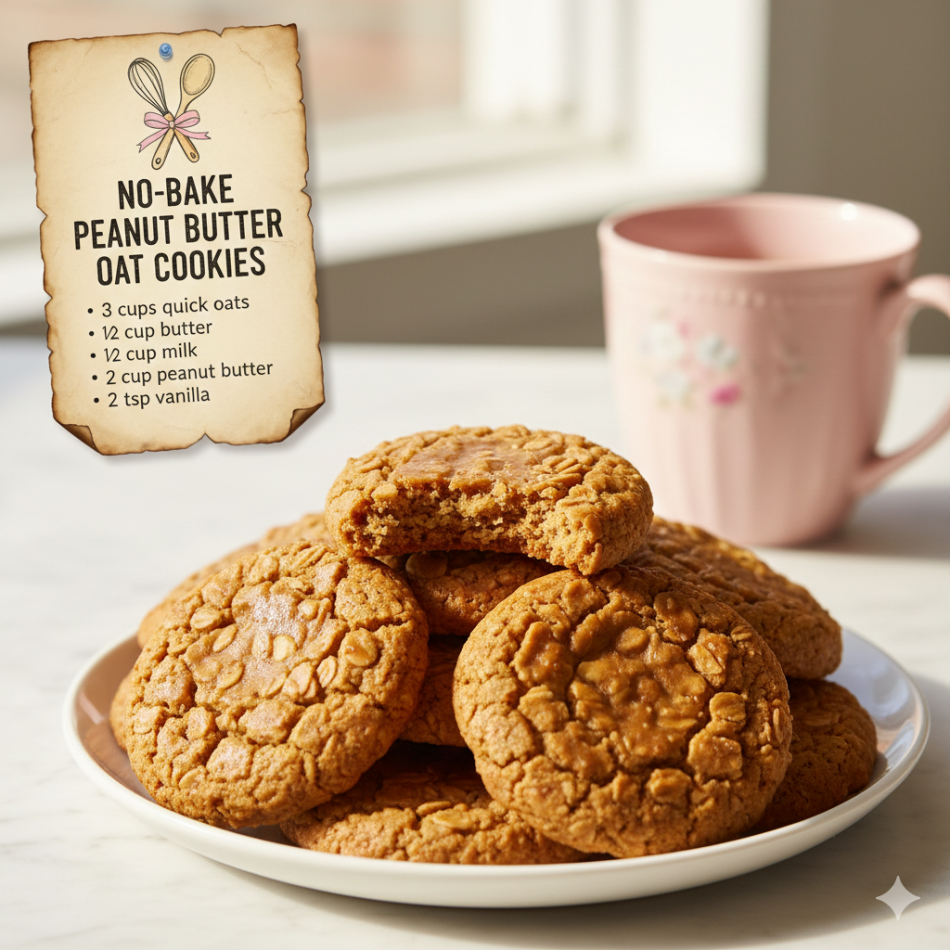
No-Bake Peanut Butter Oat Cookies

If you’re craving a sweet, satisfying treat but don’t want to spend hours in the kitchen or heat up your oven, no-bake peanut butter oat cookies are the perfect solution. These cookies combine the rich, creamy flavor of peanut butter with the wholesome goodness of oats, resulting in a snack that’s not only delicious but also quick and easy to make. Best of all, you can whip them up in less than 30 minutes, making them ideal for busy weekdays, a last-minute dessert, or even a healthy snack for kids.

Why No-Bake Cookies Are Great

No-bake cookies are a kitchen lifesaver for several reasons. First, they require minimal ingredients, most of which you probably already have in your pantry: oats, peanut butter, sugar, cocoa powder, butter, and a splash of vanilla. Second, since there’s no baking involved, they’re perfect for hot days when you don’t want to turn on the oven. Third, they are highly customizable. You can add chocolate chips, shredded coconut, dried fruits, or nuts to suit your taste. And finally, they offer a slightly healthier alternative to traditional baked cookies because they retain the natural texture and nutrients of the oats and nut butter.

Ingredients You’ll Need

Here’s a simple list of ingredients for making about 24 cookies:

  • 1/2 cup (115g) unsalted butter

  • 2 cups (400g) granulated sugar

  • 1/2 cup (120ml) milk

  • 1/4 cup (25g) unsweetened cocoa powder

  • 1/2 cup (130g) creamy peanut butter

  • 2 teaspoons vanilla extract

  • 3 cups (240g) rolled oats

  • Optional: 1/2 cup chocolate chips, 1/4 cup shredded coconut, 1/4 cup chopped nuts

Each ingredient plays an essential role. Butter, sugar, and milk create a sweet, syrupy base. Cocoa powder adds chocolatey richness. Peanut butter provides both flavor and a creamy texture that binds the oats. Vanilla enhances the overall aroma and taste, and oats give structure while contributing fiber and a hearty texture.

Step-by-Step Instructions

  1. Prepare your workspace: Line a baking sheet with parchment paper or a silicone mat. This is where you’ll place the cookies to set. Gather all your ingredients so you can work quickly once the syrup is ready.

  2. Make the chocolate-peanut butter mixture: In a medium saucepan over medium heat, combine butter, sugar, and milk. Stir constantly until the butter melts and the mixture begins to boil. Once it reaches a rolling boil, allow it to cook for 1-2 minutes while continuing to stir. This ensures the sugar is fully dissolved and the mixture will set properly when cooled.

  3. Add cocoa powder and peanut butter: Remove the saucepan from heat and stir in the cocoa powder until fully combined. Then, add the peanut butter and vanilla extract, stirring until smooth and glossy. If you want to include extras like chocolate chips, shredded coconut, or nuts, fold them in at this stage.

  4. Incorporate the oats: Gradually add the oats to the mixture, stirring until every oat is coated in the chocolate-peanut butter syrup. The mixture should be thick but still scoopable.

  5. Form the cookies: Using a spoon or cookie scoop, drop portions of the mixture onto the prepared baking sheet. Flatten them slightly if desired; no-bake cookies don’t spread like traditional baked cookies. For uniform shapes, you can use a small ice cream scoop.

  6. Let them set: Allow the cookies to cool at room temperature for about 20-30 minutes. If your kitchen is warm, you can place them in the refrigerator for 10-15 minutes to speed up the setting process. Once firm, they are ready to enjoy!

Tips for the Perfect No-Bake Cookie

  • Use fresh peanut butter: Natural peanut butter works, but make sure it’s well-stirred and creamy. Avoid peanut butter that’s too oily or overly dry, as it can affect the texture.

  • Measure oats properly: Too many oats can make the cookies dry, while too few can make them overly sticky. Rolled oats work best; quick oats can be used in a pinch but may result in softer cookies.

  • Don’t overcook the syrup: Boiling for too long can make the mixture too hard once cooled, while undercooking can prevent it from setting properly.

Variations to Try

No-bake peanut butter oat cookies are incredibly versatile. Here are a few variations to inspire you:

  1. Chocolate lover’s version: Add 1/2 cup of mini chocolate chips to the mixture for an extra chocolatey treat.

  2. Nutty delight: Stir in chopped almonds, walnuts, or pecans for added crunch.

  3. Coconut twist: Add shredded coconut to the oats mixture for a tropical flavor.

  4. Protein boost: Mix in a scoop of chocolate or vanilla protein powder to make them a post-workout snack.

Storage Tips

No-bake cookies are surprisingly resilient. You can store them in an airtight container at room temperature for up to a week. If you prefer a firmer texture, keep them in the refrigerator for up to two weeks. For longer storage, they freeze beautifully: place them in a freezer-safe container or bag and freeze for up to 3 months. To enjoy, simply thaw at room temperature for 10-15 minutes.

Conclusion

No-bake peanut butter oat cookies are the ultimate combination of simplicity, taste, and convenience. With just a handful of ingredients, you can create a treat that’s rich, chewy, and utterly irresistible. Whether you’re making them for yourself, your family, or a gathering with friends, these cookies are sure to satisfy any sweet tooth without requiring an oven or complicated baking skills.

The next time you need a quick snack or a dessert that everyone will love, reach for this no-bake recipe. It’s a classic example of how a few wholesome ingredients can come together to create something truly delicious. So grab your oats, peanut butter, and chocolate, and enjoy making – and eating – these delightful cookies. Your taste buds will thank you!