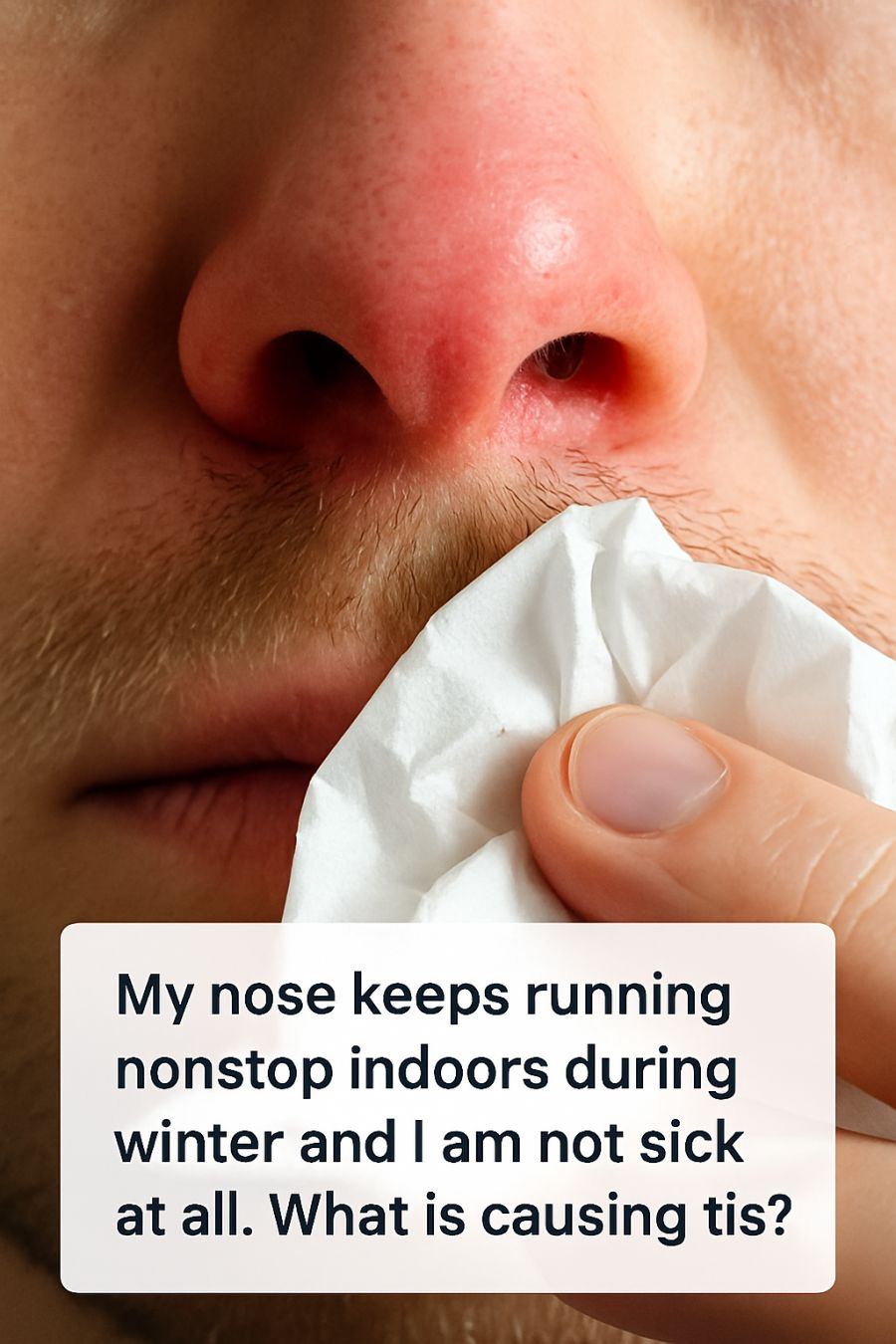
My nose keeps running nonstop indoors during winter and I am not sick at all What is causing

If your nose runs constantly indoors during winter—even when you’re not sick—you’re not imagining it. This is a surprisingly common issue, and it has very little to do with infections. Instead, it’s usually your nose reacting to environmental changes, dry air, and overactive nasal nerves. Let’s break down what’s really happening and why winter makes it worse.

1. Dry Indoor Air Is the Biggest Culprit

During winter, heating systems become our best friends—and our noses’ worst enemies. Indoor heaters drastically reduce humidity, drying out the air you breathe. Your nasal passages are lined with delicate membranes that need moisture to function properly.

When the air is too dry, your nose goes into defense mode. To protect itself, it produces extra mucus to keep the tissues moist. The result? A constantly runny nose, even though you feel perfectly healthy.

This type of nasal response is not an illness—it’s a protective reflex.

2. Nonallergic Rhinitis (Very Common in Winter)

One of the most common causes of a nonstop runny nose indoors is nonallergic rhinitis. Unlike allergies, this condition isn’t triggered by pollen, dust mites, or pet dander. Instead, it’s caused by irritation of the nasal nerves.

Triggers include:

  • Warm indoor air after cold outdoor exposure

  • Dry air from heaters

  • Strong smells (cleaning products, perfumes)

  • Sudden temperature changes

Your nasal nerves become overly sensitive and signal your glands to release mucus—even when there’s no real threat.

Key clue:
👉 No itching, no sneezing fits, no red eyes—just constant dripping.

3. Temperature Changes Confuse Your Nose

Walking from freezing outdoor air into a warm room sends mixed signals to your nasal blood vessels. Cold air causes them to constrict, while warm air makes them expand rapidly.

This rapid change leads to:

  • Increased blood flow

  • Swollen nasal tissues

  • Overproduction of clear, watery mucus

Your nose basically overshoots its adjustment and produces more fluid than necessary.

4. Overactive Nasal Glands (Vasomotor Rhinitis)

In some people, the glands inside the nose are simply overreactive, especially in winter. This condition is often called vasomotor rhinitis.

It’s linked to:

  • Nerve sensitivity rather than infection

  • Cold weather and indoor heating

  • Stress or hormonal changes

The mucus is usually clear and watery, not thick or colored, which is another sign that it’s not a cold or flu.

5. Low Humidity Irritates the Nasal Lining

When humidity drops below 30% (very common indoors in winter), the nasal lining becomes irritated and inflamed. Tiny blood vessels inside your nose may leak fluid as a response.

This irritation can also cause:

  • Post-nasal drip

  • Frequent throat clearing

  • A “wet” nose without congestion

Your body is simply trying to rehydrate the nasal tissues.

6. Dust and Indoor Irritants Increase in Winter

Ironically, winter can increase exposure to irritants even if you’re indoors more often.

Common indoor irritants include:

  • Dust buildup from closed windows

  • Carpet fibers and upholstery

  • Cleaning sprays and air fresheners

  • Smoke from cooking or fireplaces

Even if you’re not allergic, these particles can irritate the nasal lining and trigger mucus production.

7. Cold Air Triggers a Reflex Response

Cold air stimulates special nerve endings in the nose. These nerves activate glands that release mucus to warm and humidify the air before it reaches your lungs.

When you’re indoors in winter, your nose may still be reacting to:

  • Residual cold exposure

  • Chilled nasal tissues

  • Rapid air temperature fluctuations

This reflex can persist long after you’ve warmed up.

8. It’s Not a Cold—Here’s How You Can Tell

A winter runny nose caused by environmental factors usually has these features:

  • Clear, watery discharge

  • No fever

  • No body aches

  • No sore throat

  • No fatigue

If mucus becomes thick, yellow, or green—or you develop pain or fever—that’s when infection may be involved.

9. Why It Happens More as We Age

As we get older, the nerves controlling nasal blood vessels and mucus glands become less precise. This makes the nose more reactive to temperature and humidity changes, which is why many adults notice this issue more over time.

10. When to See a Doctor

Most winter runny noses are harmless, but medical advice is helpful if:

  • Symptoms persist year-round

  • You have nasal bleeding or pain

  • The discharge becomes thick or foul-smelling

  • It interferes with sleep or daily life

A doctor can rule out structural issues or chronic rhinitis.

Final Thoughts

A nonstop runny nose indoors during winter is usually your body’s natural response to dry air, heating systems, and temperature changes—not illness. Your nose is doing its job: protecting your airways, maintaining moisture, and filtering the air you breathe.
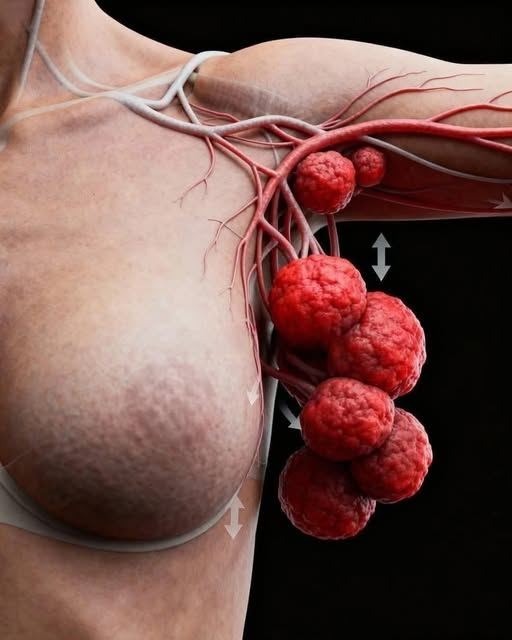
Mother’s cancer 4 early warnings that all women should be aware

When we hear the words “mother’s cancer,” it often stops us cold. For many families, a mother’s illness is the moment when life suddenly feels fragile. Among the different cancers that affect women, breast cancer remains one of the most common worldwide. The hopeful truth is this: when detected early, breast cancer is highly treatable.

The challenge is that early signs are often subtle, painless, and easy to ignore. Many women dismiss them as hormonal changes, stress, or simple fatigue. Awareness can quite literally save lives. Below are four early warning signs of breast cancer that every woman should know, watch for, and never ignore.


1. A Lump or Thickening in the Breast or Armpit

This is the most widely known warning sign, yet it’s also the one people misunderstand the most.

A cancer-related lump:

  • Is often hard

  • Has irregular edges

  • Usually feels different from surrounding tissue

  • May be painless

However, not all breast cancer lumps feel the same. Some are soft, round, and tender. Lumps can also appear in the armpit, where lymph nodes are located. This can happen even before changes are noticeable in the breast itself.

It’s important to remember that not every lump is cancer. Cysts, hormonal changes, and benign growths are common. But the key rule is simple:
👉 Any new lump, swelling, or thickening should be checked by a doctor, especially if it doesn’t go away after a menstrual cycle.

Regular self-exams help women become familiar with their normal breast texture, making unusual changes easier to detect early.


2. Changes in Breast Shape, Size, or Appearance

Breasts naturally change over time due to age, pregnancy, weight changes, and hormones. But sudden or unexplained changes deserve attention.

Early warning signs may include:

  • One breast becoming noticeably larger or lower than the other

  • Swelling in part of the breast

  • A change in the overall contour or shape

  • Breast skin that looks tight or stretched

Some women describe a feeling of “heaviness” in one breast that wasn’t there before. These changes can occur without pain, which is why they’re often overlooked.

Cancer can affect breast tissue deep beneath the surface, altering structure before a lump can even be felt. That’s why visual checks—looking at your breasts in the mirror with arms raised and lowered—are just as important as physical exams.


3. Skin Changes: Dimpling, Redness, or an “Orange Peel” Look

One of the most overlooked early warning signs involves changes in the skin of the breast.

Be alert for:

  • Dimpling or puckering of the skin

  • Redness or darkened patches

  • Skin that looks thickened or textured, similar to an orange peel

  • Persistent warmth or inflammation

These changes can indicate a rare but aggressive form known as inflammatory breast cancer, which often does not cause a distinct lump. Because it may resemble a skin infection or rash, many women delay medical care, assuming it will resolve on its own.

If redness, swelling, or skin texture changes do not improve within a few days, especially without fever or injury, medical evaluation is essential.


4. Nipple Changes or Unusual Discharge

The nipple can reveal early signs of deeper problems in the breast.

Warning signs include:

  • Inverted or retracted nipples that were previously normal

  • Changes in nipple position or shape

  • Flaking, crusting, or scaling around the nipple

  • Pain or burning sensation in the nipple area

  • Unusual discharge, especially if it is bloody, clear, or occurs without squeezing

While nipple discharge can be caused by hormonal changes or breastfeeding history, discharge that appears suddenly, affects only one breast, or contains blood should never be ignored.

In rare cases, persistent nipple skin changes may signal Paget’s disease of the breast, a form of cancer that often starts in the milk ducts.


Why Early Detection Matters So Much

When breast cancer is found early:

  • Treatment is often less aggressive

  • Survival rates are significantly higher

  • Quality of life during and after treatment is better

Many mothers ignore symptoms because they are busy caring for others. They delay appointments, minimize discomfort, or hope signs will disappear. Unfortunately, cancer does not wait.

Routine screenings such as mammograms, clinical breast exams, and self-awareness are powerful tools. Women with a family history of breast or ovarian cancer should discuss earlier or more frequent screening with their healthcare provider.


A Message Every Mother and Daughter Should Hear

Cancer does not always announce itself loudly. Sometimes it whispers through small changes that are easy to brush aside. Listening to your body, trusting your instincts, and seeking medical advice early can make all the difference.

If you notice any unusual breast change, no matter how small, don’t panic—but don’t ignore it either. Early action can save your life or the life of someone you love.

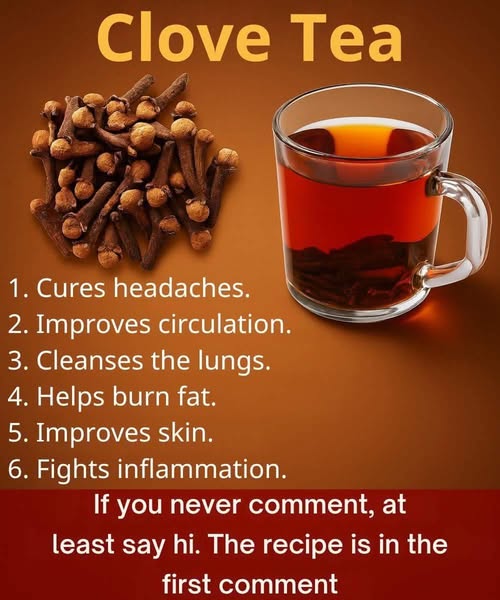
18 Powerful Ways to Use Clove Tea to Boost Health and Heal Naturally

Clove tea may look simple, but this aromatic herbal drink has been treasured for centuries in traditional medicine systems across Asia, the Middle East, and Africa. Made from dried clove buds, clove tea is packed with powerful plant compounds—especially eugenol, a natural antioxidant and anti-inflammatory agent. When used wisely, clove tea can support overall wellness and gently assist the body’s natural healing processes.

Below are 18 powerful ways clove tea can benefit your health, along with tips on how to use it safely.


1. Supports Digestive Health

Clove tea stimulates digestive enzymes, helping reduce bloating, gas, and indigestion. Drinking a warm cup after meals may soothe the stomach and improve gut comfort.

2. Relieves Nausea

The warming properties of clove tea can calm nausea and mild stomach upset, making it useful during travel or after heavy meals.

3. Boosts Immunity

Rich in antioxidants, clove tea helps the body fight oxidative stress and supports immune defenses, especially during seasonal changes.

4. Soothes Sore Throat

Clove tea’s natural antimicrobial properties may help ease throat irritation and dryness when consumed warm.

5. Supports Oral Health

Clove has long been used in dental care. Drinking clove tea may help reduce bacteria linked to bad breath and gum discomfort.

6. Helps Reduce Inflammation

Eugenol in cloves may help calm inflammation in the body, which is linked to joint stiffness and muscle discomfort.

7. Supports Liver Function

Traditional practices suggest clove tea may assist the liver’s natural detox processes when consumed in moderation.

8. Promotes Better Sleep

A mild cup of clove tea in the evening can help relax the nervous system and prepare the body for restful sleep.

9. Eases Headaches

The warming, calming effect of clove tea may help relieve tension-related headaches when paired with rest and hydration.

10. Supports Respiratory Comfort

Clove tea may help loosen mucus and soothe the airways, making breathing feel easier during cold seasons.

11. Helps Regulate Blood Sugar (Supportive)

Some studies suggest cloves may support healthy blood sugar metabolism, though clove tea should never replace prescribed treatment.

12. Aids Weight Management

Clove tea may support metabolism and help curb cravings when combined with a balanced diet and active lifestyle.

13. Improves Circulation

The warming nature of clove tea may help stimulate blood flow, which supports overall energy levels.

14. Fights Free Radicals

Cloves rank among the highest antioxidant spices, helping protect cells from damage caused by free radicals.

15. Supports Skin Health

By reducing internal inflammation and oxidative stress, clove tea may indirectly promote clearer, healthier-looking skin.

16. Helps Reduce Stress

The comforting aroma of clove tea has calming effects that may help reduce daily stress and mental fatigue.

17. Supports Women’s Health

Traditionally, clove tea has been used to ease mild menstrual discomfort due to its warming properties.

18. Natural Detox Support

When consumed occasionally, clove tea may support the body’s natural cleansing systems, especially when paired with adequate water intake.


How to Prepare Clove Tea

Ingredients:

  • 3–4 whole cloves

  • 1 cup hot water

Instructions:

  1. Lightly crush the cloves.

  2. Steep in hot water for 5–10 minutes.

  3. Strain and drink warm.
    Optional: Add honey or a slice of ginger for flavor.


Important Safety Tips

  • Drink clove tea in moderation (1 cup per day is usually enough).

  • Avoid excessive use, as cloves are very potent.

  • Pregnant women, people on blood-thinning medication, or those with medical conditions should consult a healthcare professional before regular use.


Final Thoughts

Clove tea is a powerful yet gentle herbal remedy that can support digestion, immunity, relaxation, and overall wellness when used correctly. While it’s not a cure-all, adding clove tea to your routine can be a simple and natural way to support your health—one warm cup at a time.

The Way You Sleep Reveals How Lazy You Are

The Way You Sleep Reveals How Lazy You Are (According to Psychology)

We all have a favorite sleeping position. Some people curl up tightly like a cat, others sprawl across the bed like a starfish, and a few sleep so neatly they look ready for inspection. But what if the way you sleep says more about you than just comfort? According to psychologists and sleep researchers, your sleeping habits may quietly reflect your motivation levels, work ethic, and even how others perceive your energy and ambition.

Before you get defensive—this isn’t about judging anyone. Laziness isn’t always a bad thing, and rest is essential for health. Still, patterns in sleep posture, routine, and habits can offer fascinating clues about personality traits, including productivity and drive.

Let’s break it down.


1. Sleeping Too Much: The Hidden Red Flag

One of the most common signs people associate with laziness is sleeping excessively. Adults typically need 7–9 hours of sleep, but regularly sleeping 10–12 hours without a medical reason may signal more than just tiredness.

Psychologists note that oversleeping is often linked to:

  • Low motivation

  • Avoidance behavior

  • Mental fatigue or burnout

  • Mild depression

When someone uses sleep as an escape from responsibilities, it can appear as laziness on the surface. In reality, the brain may be overwhelmed, not idle. Still, consistently sleeping far beyond your needs can reduce momentum and reinforce low-energy habits.


2. The Starfish Sleeper: Relaxed or Too Comfortable?

Starfish sleepers lie on their backs with arms and legs spread wide. This position is associated with openness and relaxation—but also a tendency to get too comfortable.

People who sleep this way are often:

  • Easygoing

  • Not easily stressed

  • Resistant to urgency

While this doesn’t mean they’re lazy, starfish sleepers may struggle with discipline and deadlines. Comfort is a priority, and when life demands effort or discomfort, motivation can drop quickly.


3. The Fetal Position: Hardworking but Emotionally Drained

Curling up tightly on your side is one of the most common sleep positions. Interestingly, this posture is rarely associated with laziness.

Fetal sleepers tend to be:

  • Hardworking

  • Sensitive to pressure

  • Mentally active

However, constant exhaustion can look like laziness. If you’re productive but emotionally drained, your body may curl inward as a form of self-protection. From the outside, your need for extra rest might be misread as low effort.


4. Falling Asleep Anywhere, Anytime

If you can fall asleep on the couch, during car rides, or within minutes of lying down, it might seem like a “lazy” trait. But psychologists say it often points to chronic sleep deprivation.

That said, people who ignore sleep schedules and rely on “catch-up sleep” often develop:

  • Poor time management

  • Low morning productivity

  • A reputation for sluggishness

This pattern creates a cycle: poor sleep leads to low energy, which leads to procrastination, which then leads to more poor sleep.


5. Sleeping in Clothes or Daywear

Surprisingly, people who sleep in the clothes they wore during the day are often labeled as lazy—but research suggests something more complex.

This habit is linked to:

  • Mental overload

  • Decision fatigue

  • Emotional exhaustion

When the brain is drained, even small tasks like changing clothes feel unnecessary. While not laziness in the traditional sense, it can reflect burnout and disengagement from routines that support productivity.


6. No Fixed Sleep Schedule = Low Self-Discipline

One of the strongest links between sleep and perceived laziness is irregular sleep timing. Going to bed and waking up at different hours every day disrupts the body’s internal clock.

People without consistent sleep schedules often struggle with:

  • Morning motivation

  • Focus and follow-through

  • Long-term goals

Laziness here isn’t about unwillingness—it’s about a brain that never fully syncs into “action mode.”


7. The “Just Five More Minutes” Habit

Hitting the snooze button repeatedly is one of the clearest signals of low morning drive. Studies show that frequent snoozing increases grogginess and delays mental alertness.

This habit reinforces:

  • Avoidance

  • Short-term comfort over long-term goals

  • A slow, unmotivated start to the day

Over time, it trains the brain to resist effort the moment it’s required.


So… Are You Really Lazy?

Here’s the truth: sleep doesn’t reveal laziness—it reveals energy management.

What looks like laziness is often:

  • Poor sleep quality

  • Mental overload

  • Emotional stress

  • Burnout

However, when unhealthy sleep habits go unaddressed, they can turn into chronic low motivation and reduced productivity.


The Takeaway

Your sleeping position, habits, and schedule offer subtle insights into how you handle effort, comfort, and discipline. If you want to appear—and feel—less lazy, improving sleep consistency often works better than forcing motivation.

Sometimes, the most productive thing you can do… is fix how you sleep.

A 95 Year Old Chinese Doctor Drinks THIS Every Day His Liver and Intestines Are Like a Teenager’s

A 95-Year-Old Chinese Doctor Drinks THIS Every Day – His Liver and Intestines Are “Like a Teenager’s”?

Stories like this spread fast online: a 95-year-old Chinese doctor, still sharp, energetic, and healthy, credits one simple daily drink for keeping his liver and intestines youthful. While claims like “organs like a teenager’s” should be taken metaphorically—not literally—the habits behind these stories often reveal valuable wisdom rooted in traditional Chinese medicine (TCM) and modern science.

So what is this famous daily drink?
Warm water with goji berries (and sometimes ginger or lemon peel).

Let’s explore why this drink is so respected, what it actually does for the body, and how you can safely incorporate it into your routine.


The Philosophy Behind Longevity in Chinese Medicine

In traditional Chinese medicine, longevity is not about miracle cures. It’s about daily consistency, gentle detoxification, and supporting the body’s natural balance—especially the liver and intestines, which are seen as the foundation of health.

According to TCM:

  • The liver is responsible for detoxification, blood circulation, and emotional balance

  • The intestines control nutrient absorption and waste elimination

  • A healthy gut supports immunity, energy, and even mental clarity

Aging, in this system, accelerates when digestion weakens and toxins accumulate.


The Daily Drink: Warm Goji Berry Water

Ingredients:

  • 1 tablespoon dried goji berries

  • 1–2 cups warm (not boiling) water

Optional additions used by some practitioners:

  • A few slices of fresh ginger

  • A small piece of dried tangerine peel (chen pi)

  • A squeeze of lemon (modern variation)

The drink is usually consumed in the morning on an empty stomach or between meals.


Why Goji Berries Are So Highly Valued

Goji berries (Lycium barbarum) have been used in Chinese medicine for over 2,000 years. They are not a miracle food, but they are nutrient-dense and gentle, making them suitable even for older adults.

Key benefits supported by research:

  • Rich in antioxidants that help protect liver cells

  • Supports gut bacteria balance

  • Contains polysaccharides that may enhance immune function

  • Provides vitamin A, C, iron, and amino acids

In TCM, goji berries are said to:

  • Nourish the liver and kidneys

  • Support digestion without overstimulating the body

  • Promote healthy aging when used consistently


How This Drink Supports the Liver

The liver works nonstop to filter toxins, process fats, and regulate hormones. Over time, poor diet, stress, and medications can burden it.

Warm goji water helps by:

  • Encouraging gentle hydration first thing in the morning

  • Supporting bile flow and liver enzyme activity

  • Reducing oxidative stress caused by free radicals

This does not mean it “reverses aging” of the liver, but it may help the organ function more efficiently—especially when combined with a healthy lifestyle.


Benefits for the Intestines and Digestion

Aging often slows digestion, leading to bloating, constipation, and poor nutrient absorption.

This drink may help by:

  • Stimulating intestinal movement naturally

  • Feeding beneficial gut bacteria

  • Reducing inflammation in the digestive tract

  • Preventing dryness in the intestines (a common TCM concern in elders)

Warm liquids are easier on digestion than cold drinks, which is why TCM strongly discourages ice water.


Why Consistency Matters More Than Ingredients

The reason this 95-year-old doctor’s story resonates isn’t because of a secret ingredient—it’s because of daily discipline.

Common habits reported among long-living Chinese doctors include:

  • Eating until 70–80% full

  • Drinking warm liquids instead of cold

  • Walking daily after meals

  • Sleeping early and waking with the sun

  • Managing stress and emotions

The drink is just one piece of a larger lifestyle.


Important Reality Check

Let’s be clear:

  • No drink can make organs literally “like a teenager’s”

  • This is not a cure for liver disease or intestinal disorders

  • It does not replace medical treatment

However, as a supportive daily habit, warm goji berry water is generally safe for most people and may contribute to better digestion and metabolic health over time.

People who should consult a doctor first:

  • Diabetics (goji berries may affect blood sugar)

  • People on blood thinners

  • Those with chronic liver conditions


How to Use It Safely at Home

  1. Rinse goji berries thoroughly

  2. Add them to warm water (not boiling)

  3. Let steep for 5–10 minutes

  4. Drink the water and chew the berries

  5. Limit to 1 cup per day

Less is more.


Final Thoughts

The real lesson from this 95-year-old Chinese doctor isn’t a magic drink—it’s respect for the body, patience, and daily care.

Warm goji berry water won’t turn back time, but when paired with mindful eating, gentle movement, and stress reduction, it may help your liver and intestines age more gracefully.

And sometimes, that’s the most powerful medicine of all.

If You Have These Two Dimples on Your Lower Back read

You may have noticed two small, symmetrical indentations on the lower back of some people—right above the buttocks, where the spine meets the hips. These charming little marks are often called “Dimples of Venus” (or “Venus holes”), and they’ve sparked curiosity, myths, and admiration for centuries. But what do they actually mean? Are they rare? Do they signal good health or genetics? Let’s separate fact from fiction and explore the real story behind these lower-back dimples.

What Are Lower Back Dimples?

Lower back dimples are natural indentations that appear where the pelvis and spine connect, specifically over the posterior superior iliac spine. They are present from birth and are not something you develop later in life through exercise or posture.

In men, they’re sometimes called “Dimples of Apollo,” while in women they’re more commonly known as Dimples of Venus, named after Venus, the Roman goddess of beauty. The association with beauty is ancient—these dimples were admired in classical art and sculpture long before modern anatomy explained them.

Why Do Some People Have Them?

The primary reason is genetics. These dimples form when the skin is naturally tethered to underlying ligaments and bone, creating small depressions. Whether or not you have them depends on:

  • Bone structure

  • Ligament placement

  • Genetic inheritance

They are not caused by weight, although they may appear more visible in people with lower body fat. Importantly, their presence—or absence—says nothing about your fitness level, lifestyle, or habits.

Are They Rare?

Lower back dimples are not extremely rare, but not everyone has them either. Estimates vary, but they appear more commonly in women than men. Because they’re subtle and often hidden by clothing, many people don’t even realize they have them until someone points them out.

Do They Indicate Good Health?

This is where myths often take over. You may have heard claims that these dimples mean:

  • Better blood circulation

  • Higher fertility

  • Stronger core muscles

  • Better sexual health

While these ideas are popular online, there is no solid scientific evidence supporting most of them.

However, one claim does have a small anatomical basis: the area where these dimples appear typically has good blood supply and nerve pathways, simply because of its location near the pelvis. That said, this applies to everyone—not just people with visible dimples.

So while they are harmless and normal, they are not a medical indicator of superior health.

Can You Get Them Through Exercise?

Short answer: no.

You cannot create true Dimples of Venus through workouts, weight loss, or posture correction. Exercise can change muscle tone and fat distribution, which might make existing dimples more noticeable, but it won’t create them if your anatomy doesn’t support it.

Any product, routine, or “hack” claiming to give you lower back dimples is misleading.

Are They Linked to Pain or Spine Problems?

No. Lower back dimples are not associated with back pain, spinal issues, or nerve problems. They are purely a surface anatomical feature.

That said, don’t confuse them with sacral dimples, which appear lower on the back (near the tailbone) and are usually seen in infants. Sacral dimples can, in rare cases, be associated with spinal conditions and should be evaluated by a doctor. Dimples of Venus, however, are higher up and completely benign.

Why Are They Considered Attractive?

Cultural perception plays a big role here. In many societies, lower back dimples are associated with:

  • Symmetry

  • Youth

  • Physical balance

  • Classical beauty standards

Because they subtly accentuate the natural curve of the lower back, they’ve been celebrated in art, fashion, and modern media. But attractiveness is subjective—having or not having these dimples does not define beauty.

Should You Be Concerned If You Don’t Have Them?

Absolutely not.

Most people do not have visible lower back dimples, and that is completely normal. Their absence does not indicate poor health, weak bones, or anything negative. Human bodies vary widely, and these dimples are simply one of many harmless variations.

The Bottom Line

If you have two small dimples on your lower back, here’s the truth:

  • ✔ They are genetic

  • ✔ They are harmless

  • ✔ They are not a health diagnosis

  • ✔ They cannot be created or removed naturally

  • ✔ They are simply a natural anatomical feature

Enjoy them if you have them, and don’t worry if you don’t. Bodies come in countless shapes and details, and lower back dimples are just one small—yet fascinating—example of human diversity.

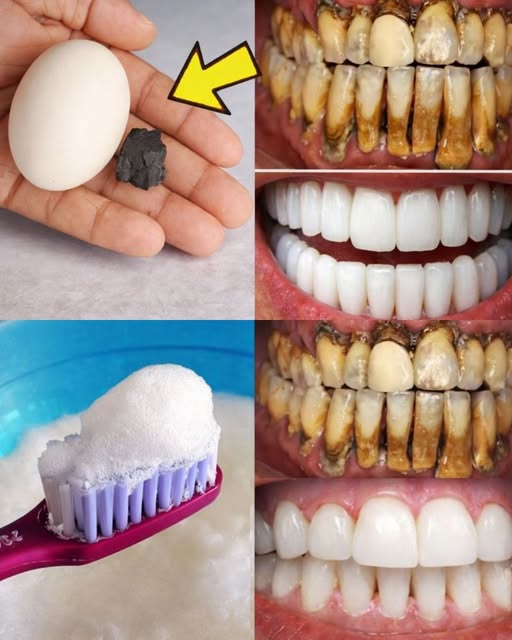
This Recipe for Teeth Whitening is the Fastest, Brush for 3 Minutes

This Teeth Whitening Recipe Is the Fastest: Brush for 3 Minutes and See the Difference

A bright, white smile is often seen as a sign of confidence, health, and good personal care. While professional teeth whitening treatments can be effective, they’re also expensive and sometimes harsh on sensitive teeth. That’s why so many people are searching for safe, natural ways to whiten teeth at home—without damaging enamel.

If you’ve been struggling with yellow teeth caused by coffee, tea, smoking, or poor oral habits, this simple 3-minute brushing recipe may help improve the appearance of your smile when used correctly and consistently.

Let’s break down how it works, how to use it safely, and what results you can realistically expect.

Why Do Teeth Turn Yellow?

Before whitening your teeth, it’s important to understand why discoloration happens in the first place.

Common causes include:

  • Drinking coffee, tea, or cola regularly

  • Smoking or tobacco use

  • Poor oral hygiene

  • Aging (enamel naturally thins over time)

  • Certain medications

  • Excess sugar and acidic foods

Yellowing usually occurs when stains build up on the enamel, the outer layer of your teeth. The goal of whitening is to gently remove these surface stains—without harming the enamel underneath.

The 3-Minute Teeth Whitening Recipe

This method focuses on gentle stain removal, not bleaching. It uses ingredients known for their mild cleansing and antibacterial properties.

Ingredients:

  • ½ teaspoon baking soda

  • A few drops of water or coconut oil

  • Your regular fluoride toothpaste

Why These Ingredients Work:

  • Baking soda is mildly abrasive, helping scrub away surface stains.

  • Coconut oil may help reduce bacteria that contribute to plaque.

  • Fluoride toothpaste protects enamel and strengthens teeth.

How to Use It (Brush for 3 Minutes)

  1. In a small bowl, mix baking soda with water or coconut oil to form a smooth paste.

  2. Add a small amount of your regular toothpaste.

  3. Dip your toothbrush into the mixture.

  4. Brush gently for 3 minutes using circular motions.

  5. Rinse thoroughly with water.

  6. Follow with plain water or an alcohol-free mouthwash.

Use only 2–3 times per week, not daily.

What Results Can You Expect?

This recipe does not bleach teeth instantly, but many people notice:

  • Reduced surface stains

  • A brighter, cleaner look

  • Fresher breath

  • Smoother teeth texture

Results depend on your diet, habits, and consistency. For best results, avoid staining foods and drinks immediately after brushing.

Important Safety Tips (Don’t Skip This)

While baking soda is generally safe in small amounts, overuse can damage enamel.

Do NOT:

  • Brush aggressively

  • Use this method every day

  • Skip fluoride toothpaste

  • Use lemon juice or vinegar (these destroy enamel)

If you have:

  • Sensitive teeth

  • Gum disease

  • Dental restorations (crowns, veneers)

👉 Consult a dentist before trying any whitening method.

Foods That Help Keep Teeth White Naturally

Whitening doesn’t stop at brushing—your diet matters too.

Include:

  • Apples and carrots (natural scrubbers)

  • Cheese and yogurt (calcium-rich)

  • Strawberries (natural enzymes)

  • Green leafy vegetables

Avoid excessive:

  • Coffee and black tea

  • Soda

  • Red wine

  • Sugary snacks

How Long Does It Take to See Results?

Most people notice a difference within 1–2 weeks when used correctly. The key is consistency, gentleness, and good oral hygiene.

Remember: Healthy teeth are more important than white teeth. Natural methods work best when combined with regular brushing, flossing, and dental checkups.

Final Thoughts

There is no magic recipe that instantly turns teeth Hollywood white overnight. However, this 3-minute teeth whitening brushing method can be a helpful, affordable way to improve your smile safely when used in moderation.

If you want dramatic whitening, professional dental treatments are still the gold standard. But for everyday maintenance and stain control, this simple recipe can be a useful addition to your oral care routine.

A brighter smile starts with smarter habits—not harsh chemicals.

12 Ugly Habits of Old Age That Bother People But No One Tells You About

Aging is a privilege, not a flaw. With age comes wisdom, experience, and stories worth listening to. But let’s be honest: certain habits that develop over time can quietly irritate others. The tricky part? Most people are too polite—or too afraid—to point them out. These habits aren’t “bad,” and they’re rarely intentional, but becoming aware of them can improve relationships and quality of life at any age.

Here are 12 common habits associated with old age that often bother people—yet rarely get discussed openly.

1. Repeating the Same Stories Again and Again

Sharing memories is natural, especially meaningful ones. However, telling the same story multiple times in a single conversation can test people’s patience. This often happens due to memory changes or simply because those stories hold emotional value. The key is noticing cues—if listeners seem distracted, it might be time to switch topics.

2. Constant Complaining About Health

Aches, pains, medications, doctor visits—health becomes a big part of life with age. But when every conversation circles back to symptoms, it can drain others emotionally. Loved ones care, but they also appreciate balance. Talking about hobbies, ideas, or current events keeps conversations richer.

3. Resistance to Change

“I’ve always done it this way” becomes a familiar phrase. Whether it’s technology, routines, or social norms, strong resistance to change can frustrate younger people. The world evolves quickly, and even small efforts to adapt—like learning basic smartphone skills—can make interactions smoother.

4. Being Overly Critical

With years of experience comes strong opinions. Unfortunately, this can turn into constant criticism—of clothing, parenting styles, food choices, or lifestyles. While advice may be well-intended, unsolicited judgment often pushes people away rather than helping them.

5. Poor Listening Habits

Some older adults dominate conversations, interrupt frequently, or redirect topics back to themselves. This isn’t selfishness—it’s often excitement or hearing difficulties—but it can make others feel unheard. Active listening is a skill worth practicing at any age.

6. Ignoring Personal Hygiene Changes

Changes in smell, grooming habits, or clothing cleanliness can happen due to reduced senses, mobility issues, or depression. Sadly, people rarely speak up about this, even though it can seriously affect social interactions. Gentle self-checks and routines can prevent awkward situations.

7. Oversharing Private Details

Talking openly about bodily functions, medical procedures, or deeply personal matters in public or social settings can make others uncomfortable. Boundaries differ between generations, but learning when and where to share certain details is important.

8. Being Blunt to the Point of Rudeness

Many older adults pride themselves on “speaking the truth,” but honesty without tact can come across as harsh. Saying exactly what you think—about someone’s appearance, weight, or life choices—can unintentionally hurt feelings.

9. Refusing Help While Complaining

A common frustration is rejecting help yet continuing to complain about the same problems. This often comes from a desire to maintain independence, but it leaves others feeling helpless or annoyed. Accepting assistance doesn’t mean losing dignity.

10. Living in the Past

Talking endlessly about “how things used to be better” can feel dismissive of the present and the experiences of younger generations. Nostalgia is comforting, but embracing the present helps build stronger connections with others.

11. Poor Volume Control

Speaking too loudly—or too softly—can make social situations awkward. This is often linked to hearing loss, not awareness. Regular hearing checks and mindful communication can make a big difference.

12. Expecting Automatic Respect Without Giving It

Age deserves respect, but respect also grows from kindness, empathy, and mutual understanding. When older individuals dismiss younger people’s opinions or experiences, it creates distance instead of admiration.

A Gentle Truth Worth Remembering

These habits are not flaws, and they don’t define aging. Most develop gradually, often without awareness. The real issue isn’t having these habits—it’s refusing to acknowledge them. Self-awareness, humility, and openness to growth don’t have an age limit.

Aging gracefully isn’t about pretending to be young. It’s about staying curious, kind, and connected. When we notice our habits—and gently adjust—we don’t just become easier to be around. We become better versions of ourselves.

Because growing older should mean growing wiser, not lonelier.

Oatmeal and Apple Breakfast Recipe for Weight Loss

If you’re looking for a nutritious, filling, and metabolism-boosting breakfast, look no further than oatmeal with apple. This simple breakfast combines the fiber-packed goodness of oats with the natural sweetness of apples, creating a dish that supports weight loss, stabilizes blood sugar, and keeps you energized throughout the morning. In this article, we’ll share a step-by-step recipe, tips for preparation, and the health benefits that make this breakfast a must-have for anyone aiming to shed pounds naturally.

Ingredients (Serves 1-2)

  • Rolled oats: ½ cup (50 grams)

  • Water or milk: 1 cup (240 ml) – use almond milk or low-fat milk for a lighter version

  • Apple: 1 medium, chopped into small cubes

  • Cinnamon: ½ teaspoon

  • Honey or maple syrup: 1 teaspoon (optional, for natural sweetness)

  • Chia seeds or flaxseeds: 1 teaspoon (for added fiber and omega-3s)

  • Nuts (optional): A small handful of walnuts or almonds for crunch

  • Vanilla extract: ¼ teaspoon (optional)

Step-by-Step Instructions

Step 1: Prepare the Oats

Start by placing ½ cup of rolled oats in a small saucepan. Add 1 cup of water or milk. Bring the mixture to a gentle boil over medium heat. Stir occasionally to prevent the oats from sticking to the bottom of the pan. Cooking the oats slowly allows them to release their natural starches, creating a creamy, smooth texture that’s both comforting and filling.

Step 2: Add the Apple

Once the oats have started to thicken (after about 3-5 minutes), add the chopped apple. The natural sugars in the apple will infuse into the oats, giving your breakfast a subtle sweetness without the need for processed sugar. Stir well and allow the apple pieces to soften slightly. This will take about 2-3 minutes.

Step 3: Flavor with Cinnamon and Vanilla

Add ½ teaspoon of cinnamon and ¼ teaspoon of vanilla extract to the mixture. Cinnamon not only adds warmth and flavor but also helps regulate blood sugar levels, making it ideal for weight management. Vanilla extract enhances the sweetness naturally and adds a lovely aroma.

Step 4: Add Healthy Fats and Fiber

Sprinkle in 1 teaspoon of chia seeds or flaxseeds. These tiny seeds are nutritional powerhouses, rich in fiber, protein, and omega-3 fatty acids. If you like a bit of crunch, top your oatmeal with a small handful of chopped walnuts or almonds. These healthy fats help keep you full longer, reducing mid-morning cravings.

Step 5: Sweeten Naturally

If you prefer a slightly sweeter taste, drizzle 1 teaspoon of honey or maple syrup over the oatmeal. Remember, the apple already adds natural sweetness, so this step is optional.

Step 6: Serve and Enjoy

Transfer your oatmeal to a bowl and, if desired, add extra apple slices or a sprinkle of cinnamon on top. Enjoy it warm for a comforting breakfast that energizes your body, boosts metabolism, and supports your weight loss goals.

Tips for Maximum Weight Loss Benefits

  1. Choose the Right Oats: Rolled oats or steel-cut oats are better than instant oats because they are less processed and keep you full longer.

  2. Control Portion Size: Stick to about ½ cup of dry oats per serving to avoid excessive calorie intake.

  3. Use Low-Calorie Milk Alternatives: Almond, soy, or oat milk are great low-calorie options that also add flavor.

  4. Avoid Refined Sugar: The apple provides natural sweetness, making additional sugar unnecessary.

  5. Add Protein: For an extra weight loss boost, stir in a scoop of protein powder or Greek yogurt. Protein helps maintain muscle mass while losing fat.

  6. Meal Prep Option: Make a larger batch of oatmeal at the start of the week and store in the fridge. Reheat with a splash of milk for a quick, healthy breakfast.

Health Benefits of Oatmeal and Apple Breakfast

  1. High in Fiber: Both oats and apples are rich in dietary fiber, which slows digestion, stabilizes blood sugar, and keeps you full longer.

  2. Supports Weight Loss: The combination of complex carbs, protein, and healthy fats in this breakfast helps reduce cravings and overeating later in the day.

  3. Boosts Metabolism: Cinnamon and chia seeds are known to support metabolism and fat burning.

  4. Heart Health: Oats contain beta-glucan, a soluble fiber that helps reduce LDL cholesterol. Nuts and seeds provide heart-healthy fats.

  5. Rich in Antioxidants: Apples are full of flavonoids and antioxidants, which combat inflammation and support overall health.

  6. Energy Sustaining: Unlike sugary breakfasts, this meal provides slow-releasing energy, keeping you alert and focused until your next meal.

Variations to Keep It Interesting

  • Apple-Cinnamon Delight: Add a sprinkle of nutmeg or ginger for extra warmth.

  • Caramelized Apple Version: Sauté apple slices in a tiny bit of coconut oil for a richer flavor.

  • Berry Apple Oatmeal: Mix in blueberries or raspberries for additional antioxidants and taste.

  • Vegan Version: Use plant-based milk and skip honey or use maple syrup instead.

Final Thoughts

The Oatmeal and Apple Breakfast is more than just a meal—it’s a weight loss ally. Its perfect balance of fiber, healthy fats, protein, and natural sweetness makes it a satisfying start to your day while helping you manage your weight naturally. Incorporate this breakfast into your daily routine, and you’ll notice increased satiety, better energy levels, and support for a healthier metabolism.

Start your mornings the right way—with a warm, comforting, and nutrient-packed bowl of oatmeal and apple. Your body—and your waistline—will thank you.

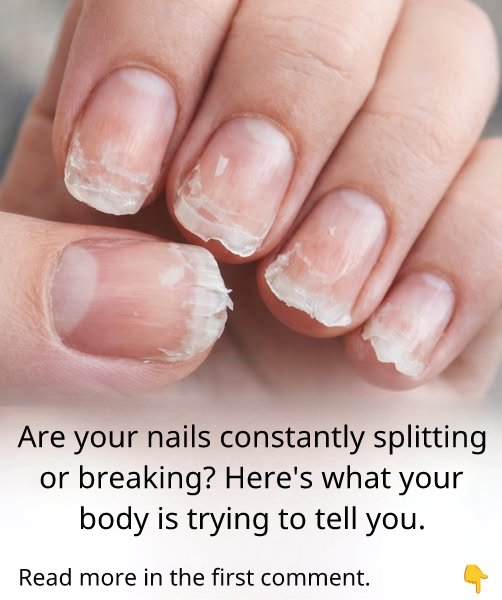
Fragile or brittle nails what your body is trying to tell you

Have you noticed your nails breaking, splitting, or peeling more than usual? Fragile or brittle nails may seem like a small cosmetic issue, but in many cases, they are your body’s quiet way of sending signals about what’s happening internally. Healthy nails are typically smooth, strong, and uniform in color. When they become weak or brittle, it’s worth paying attention—because your nails can reflect your overall health, nutrition, and daily habits.

Let’s break down the most common reasons behind brittle nails and what your body may be trying to tell you.

1. Nutritional Deficiencies: The Most Common Cause

One of the leading causes of brittle nails is nutrient deficiency.

  • Iron deficiency: Nails may become thin, weak, or develop a spoon-like shape (koilonychia). This is often linked to anemia, especially in women.

  • Biotin (Vitamin B7) deficiency: Biotin supports keratin production—the protein that makes up nails. Low levels can lead to splitting and peeling.

  • Protein deficiency: Since nails are made of keratin (a protein), inadequate protein intake can slow nail growth and weaken them.

  • Zinc deficiency: Can cause white spots, slow nail growth, and increased brittleness.

  • Vitamin A, C, and E deficiencies: These vitamins support cell repair, collagen formation, and protection from oxidative damage.

👉 What this means: Your body may not be getting (or absorbing) the nutrients it needs to maintain strong tissues.

2. Dehydration: Dry Body, Dry Nails

Just like your skin and hair, nails need hydration. If you’re not drinking enough water, nails can become dry and brittle.

Signs dehydration may be affecting your nails:

  • Nails break easily

  • Peeling layers at the tips

  • Dull, lifeless appearance

👉 What this means: Your body may be running low on fluids, affecting circulation and nutrient delivery to nail beds.

3. Thyroid Disorders: A Hormonal Red Flag

Brittle nails can be an early sign of thyroid imbalance.

  • Hypothyroidism (underactive thyroid) often causes nails to become dry, brittle, and slow-growing.

  • Hyperthyroidism (overactive thyroid) can also lead to nail weakness and separation from the nail bed.

👉 What this means: Hormones that regulate metabolism and cell growth may be out of balance.

4. Frequent Water and Chemical Exposure

Excessive exposure to water, detergents, and cleaning chemicals can strip nails of their natural oils.

Common culprits include:

  • Frequent hand washing

  • Dishwashing without gloves

  • Harsh soaps, sanitizers, and nail polish removers (especially acetone)

👉 What this means: The nail’s protective barrier is being damaged from the outside, not necessarily from within.

5. Aging: Natural but Manageable

As we age, the body produces less natural oil, and nail growth slows. This makes nails more prone to dryness and breakage.

👉 What this means: Aging is a factor, but proper care and nutrition can significantly reduce its impact.

6. Underlying Health Conditions

Brittle nails can sometimes point to chronic or systemic issues, such as:

  • Anemia

  • Psoriasis (may cause pitting or crumbling nails)

  • Diabetes (poor circulation affects nail health)

  • Fungal infections (thick, discolored, fragile nails)

👉 What this means: Your nails may be reflecting an underlying condition that needs medical attention.

7. Poor Nail Care Habits

Certain habits weaken nails over time:

  • Biting or picking nails

  • Using nails as tools

  • Overuse of artificial nails or gel manicures

  • Skipping base coats when applying polish

👉 What this means: Mechanical stress is damaging the nail structure.

How to Strengthen Brittle Nails Naturally

Here’s what you can do to restore nail health:

1. Improve your diet

  • Eat iron-rich foods (spinach, lentils, red meat)

  • Add biotin-rich foods (eggs, nuts, seeds)

  • Ensure adequate protein intake

  • Include fruits and vegetables for vitamins and antioxidants

2. Stay hydrated

  • Drink enough water daily to support nail and skin hydration

3. Moisturize regularly

  • Apply hand cream or cuticle oil daily, especially after washing hands

4. Protect your nails

  • Wear gloves when cleaning or washing dishes

  • Avoid harsh chemicals and excessive acetone use

5. Give nails a break

  • Take breaks from acrylics, gels, and frequent polishing

When to See a Doctor

If your brittle nails:

  • Persist despite good nutrition and care

  • Are accompanied by fatigue, hair loss, or skin changes

  • Change color, thickness, or shape suddenly

…it’s time to consult a healthcare professional for proper testing and diagnosis.

Final Thoughts

Fragile or brittle nails are more than a beauty concern—they’re a window into your overall health. Whether the cause is nutritional deficiency, dehydration, hormonal imbalance, or daily habits, your nails are asking for attention. Listen to them. Small changes in diet, hydration, and care can make a big difference—and sometimes, they can even help uncover health issues early.