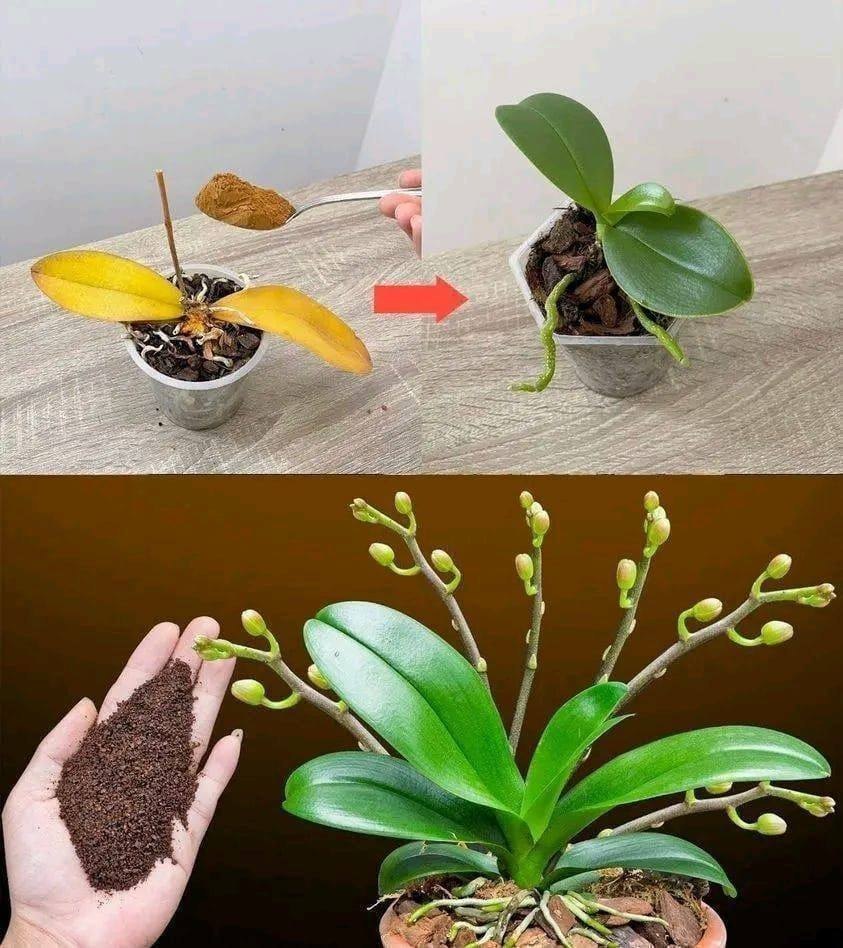
Just one teaspoon, and suddenly the orchid miraculously blooms many flowers

Just One Teaspoon, and Suddenly the Orchid Miraculously Blooms Many Flowers

Orchids have a reputation for being beautiful but stubborn. You buy one in full bloom, enjoy it for a few weeks, and then—nothing. The flowers drop, the leaves sit there looking healthy, and months go by with no sign of new spikes. Many people assume their orchid is “done” or impossible to please. In reality, orchids often just need a small nutritional nudge at the right time. Surprisingly, that nudge can be as simple as one teaspoon of the right natural supplement.

Why Orchids Stop Blooming

Before talking about the teaspoon that makes the difference, it’s important to understand why orchids often refuse to flower. Most common household orchids, especially Phalaenopsis (moth orchids), bloom in response to a balance of light, temperature, and nutrients. They may grow leaves and roots just fine, but flowering requires extra energy—particularly certain minerals.

Many orchid owners water regularly but forget that plain water, especially distilled or rainwater, contains very few nutrients. Over time, the plant survives but lacks the strength to produce flower spikes. This is where a gentle, targeted supplement can work wonders.

The Magic Teaspoon: Epsom Salt

The “miracle” teaspoon many experienced growers swear by is Epsom salt, also known as magnesium sulfate. Magnesium plays a key role in photosynthesis and helps orchids produce stronger leaves, healthier roots, and—most importantly—more abundant blooms.

Magnesium is a central component of chlorophyll. When an orchid has enough of it, the plant can convert light into energy more efficiently. That extra energy often goes straight into flower production.

How to Use It Correctly

Using Epsom salt is simple, but moderation is crucial. Orchids are sensitive plants, and more is not better.

What you need:

  • 1 teaspoon of plain Epsom salt (unscented, no additives)

  • 1 liter (about 4 cups) of room-temperature water

How to apply:

  1. Dissolve the teaspoon of Epsom salt completely in the water.

  2. Use this solution to water your orchid as you normally would, letting excess water drain out of the pot.

  3. Apply once every 3–4 weeks, not more.

That’s it. No soaking overnight, no daily feeding, no complicated schedules.

What Happens Afterward

Within a few weeks, many orchid owners notice subtle but exciting changes:

  • Leaves become deeper green and slightly firmer

  • Root tips look more active and healthy

  • A new flower spike may begin to emerge from the base of the leaves

When conditions are right, that spike can develop multiple buds, leading to a dramatic burst of blooms. While it may look “miraculous,” it’s really the plant responding to finally getting what it was missing.

When This Works Best

This teaspoon trick is most effective when:

  • Your orchid has healthy leaves and roots but hasn’t bloomed in months

  • The plant receives bright, indirect light

  • Night temperatures are slightly cooler than daytime temperatures

  • You’re not overwatering

Epsom salt won’t rescue a severely damaged or rotting orchid, but it can absolutely push a healthy plant from “surviving” into “thriving.”

Common Mistakes to Avoid

Many people get excited and make these mistakes:

  • Using too often: Monthly is enough. Overuse can cause salt buildup.

  • Mixing with other fertilizers at the same time: Alternate weeks instead.

  • Applying to dry roots: Lightly water first, then apply the solution.

  • Expecting instant flowers: Orchids work on their own schedule. Patience is part of the process.

Extra Tips for Maximum Blooming

To support the effect of that one teaspoon, keep these basics in mind:

  • Use a pot with drainage holes

  • Never let the orchid sit in standing water

  • Provide 10–12 hours of indirect light daily

  • Wipe leaves occasionally to remove dust and improve photosynthesis

Some growers also rotate between Epsom salt water and a diluted orchid fertilizer, giving the plant a balanced diet without overwhelming it.

A Small Change, Big Results

Orchids don’t need expensive products or complicated routines to bloom beautifully. Sometimes, all it takes is understanding what the plant is missing and providing it gently. One teaspoon of Epsom salt, used correctly, can restore balance, boost energy, and encourage your orchid to do what it does best—produce stunning flowers.

If your orchid has been quiet for too long, this simple method may be the little secret that turns green leaves into a cascade of elegant blooms once again.


These 5 Questions That Envious People Always Ask

Envy is a quiet emotion. It rarely announces itself openly, yet it often reveals itself through carefully chosen words. Most envious people don’t say, “I’m jealous of you.” Instead, their insecurity slips out in the form of seemingly innocent questions. These questions may sound casual, even friendly—but beneath them lies comparison, self-doubt, and a desire to measure themselves against you.

Here are five questions envious people often ask, what they really mean, and how to recognize them without letting them affect your confidence.


1. “How did you manage to do that?”

At first glance, this sounds like admiration. But the emphasis on you is often telling. This question isn’t always about learning—it’s about disbelief.

An envious person may secretly think, If they can do it, why haven’t I? Instead of celebrating your achievement, they are questioning its legitimacy. Sometimes the tone carries surprise, as if your success doesn’t align with the version of you they’ve constructed in their mind.

What’s really happening is a challenge to their own self-image. Your progress forces them to confront their lack of action or results, which can feel uncomfortable. Rather than reflect inwardly, they look outward—toward you.

How to respond:
Keep it simple and factual. You don’t owe anyone a detailed breakdown of your effort, sacrifices, or struggles.


2. “Was it really that hard?”

This question minimizes your effort. It suggests that what you accomplished wasn’t as challenging as it appeared—or worse, that it came easily to you.

Envious people ask this when they want to downplay your hard work to protect their own ego. If your success required grit and persistence, it highlights what they haven’t been willing to endure. By implying it wasn’t “that hard,” they mentally reduce the gap between you and them.

This question often appears after you’ve shared a struggle or milestone. Instead of empathy, you receive doubt.

What it really means:
If it wasn’t hard, then I don’t need to feel bad for not achieving it.

How to respond:
A calm acknowledgment works best: “It took time and effort, but it was worth it.”


3. “Don’t you think you’re lucky?”

Luck is real—but when envy is involved, this question becomes a way to erase your discipline, planning, and resilience.

By framing your success as luck, the envious person avoids recognizing your responsibility for your own progress. If it’s luck, then it’s random. If it’s random, then they didn’t fail—you just got “fortunate.”

This question often carries a subtle edge, especially when said repeatedly. It’s less about chance and more about denial.

Why it stings:
Because it invalidates your journey.

How to respond:
You can acknowledge opportunity without surrendering credit: “I had opportunities, but I worked hard to make the most of them.”


4. “Are you sure this will last?”

This is one of the most revealing questions envy produces. It plants doubt where confidence should live.

An envious person may secretly hope your success is temporary. Asking this question allows them to imagine a future where the balance is restored—where you fall back to their level or below.

This isn’t concern. It’s projection.

They’re often asking themselves whether their own position is permanent, and seeing your growth makes them uneasy. Instead of addressing their fear, they question your stability.

What’s beneath it:
Fear that your progress is real—and theirs is stagnant.

How to respond:
Neutral confidence: “I’m focused on continuing to grow.”


5. “Why do you even need all that?”

This question attacks your ambition.

Whether it’s about money, education, health, confidence, or lifestyle, envious people often question why you want more. The implication is that your goals are excessive or unnecessary.

But ambition makes people uncomfortable—especially those who’ve settled into complacency. Your desire to improve highlights their acceptance of “good enough.”

By questioning your needs, they attempt to morally reframe your success as greed, vanity, or ego.

The hidden message:
If I don’t want more, you shouldn’t either.

How to respond:
You don’t need to justify your goals. A simple “It matters to me” is enough.


Final Thoughts

Envy doesn’t always look like hostility. Often, it hides behind curiosity, concern, or humor. These questions are less about you—and more about the internal struggles of the person asking them.

Recognizing these patterns helps you stay grounded. You don’t need to explain, defend, or dim your light to make others comfortable. Growth will always challenge those who aren’t growing.

An early sign of Alzheimer’s disease could be detected in the shower

An Early Sign of Alzheimer’s Disease Could Be Detected in the Shower

Alzheimer’s disease often develops quietly, long before obvious memory problems appear. In its earliest stages, the brain begins to struggle with tasks that once felt automatic—small, everyday activities that we rarely think about. Surprisingly, one of those activities may reveal itself in a very ordinary place: the shower.

While a single odd moment in the bathroom does not mean someone has Alzheimer’s, experts agree that subtle changes in routine behaviors can sometimes be among the first clues that the brain is under strain. The shower, because it combines memory, sequencing, sensory awareness, and decision-making, can act like a “stress test” for cognitive function.

Why the Shower Is So Demanding on the Brain

Taking a shower seems simple, but it actually requires multiple brain systems working together. You have to remember what to do first, recognize familiar objects, manage time, and respond to sensory input like temperature and water pressure. For a healthy brain, this all happens seamlessly. In the early stages of Alzheimer’s disease, however, these processes can begin to break down.

The brain areas affected early in Alzheimer’s—particularly those involved in memory, orientation, and executive function—are the same ones needed to perform routine self-care tasks. That’s why subtle shower-related changes can sometimes appear before more obvious symptoms like forgetting names or getting lost.

The Early Sign: Confusion or Disorientation While Showering

One of the earliest warning signs that may show up in the shower is confusion about the sequence of actions. A person might:

  • Forget whether they have already washed their hair or body

  • Stand under running water without knowing what to do next

  • Struggle to figure out which product to use (shampoo vs. conditioner vs. soap)

  • Repeat the same step multiple times

This is not about being distracted or tired. It reflects difficulty with procedural memory—the brain’s ability to remember how to do familiar tasks in the correct order.

Difficulty Adjusting Water Temperature

Another subtle but telling sign can involve water temperature. A person in the early stages of Alzheimer’s may:

  • Be unable to adjust the water to a comfortable temperature

  • Not realize the water is too hot or too cold

  • Take an unusually long time fiddling with the controls

This happens because Alzheimer’s can interfere with how the brain processes sensory information and makes quick judgments. What was once an automatic adjustment suddenly requires conscious effort.

Forgetting to Shower—or Showering Too Often

Changes in shower habits themselves can also be an early signal. Some people may begin to:

  • Forget to shower entirely, believing they already did

  • Shower multiple times a day without realizing it

  • Resist showering because it feels overwhelming or confusing

Family members sometimes interpret this as laziness, stubbornness, or depression. In reality, the person may feel anxious because the task no longer feels predictable or safe.

Losing Track of Time in the Shower

Spending an unusually long time in the shower can be another early clue. Someone may enter the shower and then lose track of how long they’ve been there, remaining under the water far longer than usual. This can reflect early problems with time perception and attention, both of which are commonly affected in Alzheimer’s disease.

Trouble Recognizing the Bathroom Environment

In some cases, people may feel briefly disoriented in their own bathroom. They might:

  • Forget where towels are kept

  • Feel unsure about how to exit the shower

  • Appear anxious or panicked during or after bathing

These moments of confusion can be frightening for the person experiencing them, even if they are short-lived.

Why These Signs Are Often Missed

Early Alzheimer’s symptoms are frequently overlooked because they don’t look like memory loss at first. Shower-related issues are often explained away as normal aging, stress, or simple forgetfulness. Many people are also embarrassed to talk about personal hygiene difficulties, so these signs can remain hidden.

It’s important to remember that everyone has occasional off days. One confusing shower does not mean Alzheimer’s. What matters is pattern and progression—repeated difficulties that gradually worsen over time.

What to Do If You Notice These Changes

If you notice consistent shower-related confusion in yourself or a loved one, it’s wise to take note rather than panic. Steps to consider include:

  • Gently observing whether the issue is recurring

  • Looking for other subtle changes, such as trouble managing finances or following recipes

  • Encouraging a medical evaluation, especially if multiple signs are present

Early detection of Alzheimer’s disease can make a meaningful difference. While there is currently no cure, early diagnosis allows for better planning, treatment options that may slow progression, and lifestyle changes that support brain health.

Supporting Safety and Dignity

If shower confusion becomes noticeable, small adjustments can help maintain independence and safety. These might include simplifying the shower setup, using clearly labeled products, installing anti-slip mats, or setting a gentle routine. The goal is not to take over, but to reduce stress and preserve dignity.

A Quiet Clue Worth Noticing

The shower is one of the most private and routine spaces in daily life, which is exactly why changes there can be so revealing. Alzheimer’s disease often announces itself not with dramatic symptoms, but with small disruptions in familiar habits.

Paying attention to these early, easily missed signs—without jumping to conclusions—can lead to earlier support, better outcomes, and a deeper understanding of how the disease truly begins. Sometimes, the most important clues are hidden in the simplest moments of everyday life.

ugly habits of old age that bother people but no one tells you about

12 Ugly Habits of Old Age That Bother People—but No One Tells You About

Aging is a privilege, but it’s not always graceful. While society often focuses on wrinkles and gray hair, there are less glamorous habits that can develop with age—habits that quietly irritate family, friends, and even strangers. The tricky part? Most people are too polite or uncomfortable to point them out. Understanding these habits isn’t about blame; it’s about awareness, dignity, and maintaining strong relationships as we grow older.

Here are 12 ugly habits of old age that bother people—but rarely get talked about openly.

1. Constant Complaining About Health

It’s natural to talk about aches and pains, but when every conversation turns into a medical report, people tune out. Repeatedly listing symptoms, medications, and doctor visits can drain social energy and make interactions feel heavy instead of enjoyable.

2. Refusing to Adapt to Change

Statements like “That’s how we’ve always done it” may feel comforting, but they frustrate others. Technology, language, and social norms evolve. Digging in your heels against all change can come across as stubborn rather than wise.

3. Oversharing Personal Details

As social filters weaken with age, some older adults share intimate details about bodily functions, finances, or family conflicts—often at inappropriate times. What feels like honesty can make others uncomfortable.

4. Repeating the Same Stories Over and Over

Everyone loves a good story, but hearing the same one five times in the same week can test patience. Repetition often happens unconsciously and may be linked to memory changes—but it still wears on listeners.

5. Offering Unsolicited Advice

Advice rooted in experience can be valuable—when asked for. Constantly correcting, lecturing, or telling others how to live their lives can feel controlling, especially to younger family members trying to find their own way.

6. Becoming Chronically Negative

Aging can bring loss, disappointment, and fear—but dwelling only on what’s wrong creates emotional distance. Constant negativity pushes people away, even when they care deeply.

7. Ignoring Personal Hygiene Changes

Declining senses of smell or mobility challenges can lead to unnoticed hygiene issues—such as body odor, bad breath, or unwashed clothes. Unfortunately, others notice long before the individual does.

8. Being Rude “Because I’m Old”

Some people use age as an excuse to be blunt, dismissive, or outright rude. Saying hurtful things and brushing them off as “just being honest” damages relationships and reputations.

9. Hoarding Unnecessary Items

Accumulating stacks of papers, expired food, broken items, or cluttered spaces can frustrate family members—especially those trying to help. What feels like security often looks like chaos to others.

10. Resisting Help While Complaining

A common contradiction is rejecting assistance while constantly expressing difficulty. Refusing help but lamenting struggles creates tension and confusion for loved ones who want to support but feel shut out.

11. Talking Down to Younger People

Assuming younger generations are lazy, ignorant, or disrespectful quickly alienates them. Wisdom isn’t proven by criticism—it’s shown through listening and mutual respect.

12. Making Every Conversation About the Past

Reminiscing is healthy, but living entirely in the past can disconnect you from the present. Constantly comparing “then” to “now” makes others feel like their current experiences don’t matter.


Why No One Talks About These Habits

Most people stay silent out of respect, fear of hurting feelings, or cultural norms that discourage confronting elders. Unfortunately, silence allows habits to grow stronger—and relationships weaker.

The Good News: Awareness Changes Everything

Noticing these behaviors is not about shame—it’s about choice. Small adjustments can dramatically improve how others respond to you:

  • Ask more questions than you answer

  • Practice gratitude daily

  • Stay curious about modern life

  • Laugh at yourself

  • Accept help with grace

Aging doesn’t mean becoming invisible, bitter, or difficult. It can mean becoming kinder, wiser, and more enjoyable to be around—if we’re willing to look honestly at ourselves.

Growing older is inevitable. Growing unpleasant is not.

This Is the Vitamin Your Body Is Missing When Your Legs and Bones Hurt

This Is the Vitamin Your Body Is Missing When Your Legs and Bones Hurt

Aching legs. Sore bones. That deep, dull pain that seems to come from nowhere and refuses to go away. Many people blame age, arthritis, long hours on their feet, or even bad weather. While those factors can certainly play a role, there is one extremely common and often overlooked cause behind persistent leg and bone pain: vitamin D deficiency.

Vitamin D is not just another supplement on the shelf. It plays a central role in how your bones, muscles, and nerves function. When your body doesn’t have enough of it, pain is often one of the first warning signs.

Why Vitamin D Matters So Much

Vitamin D is essential for calcium absorption. Without it, your body cannot effectively absorb calcium from the food you eat, no matter how calcium-rich your diet is. Calcium is what gives bones their strength and density. When vitamin D levels are low, bones gradually become weaker, softer, and more prone to pain.

But bones are not the only tissues affected. Vitamin D also plays a key role in muscle function, nerve signaling, and inflammation control. That’s why deficiency can cause pain that feels muscular, skeletal, or both.

The Hidden Link Between Vitamin D and Leg Pain

One of the most common symptoms of low vitamin D is aching or throbbing pain in the legs, especially in the calves, thighs, and hips. Many people describe it as a deep bone pain rather than surface muscle soreness.

This happens because vitamin D deficiency can lead to a condition called osteomalacia in adults. Osteomalacia causes bones to soften, making them more sensitive to pressure and movement. Even simple activities like walking, climbing stairs, or standing for long periods can trigger discomfort.

At the same time, muscles weakened by low vitamin D may fatigue more easily, cramp frequently, or feel heavy and sore. This combination of weak bones and weak muscles often shows up first in the legs because they carry the weight of your body every day.

Bone Pain Isn’t Just “Getting Older”

Many people accept bone and joint pain as an inevitable part of aging. However, studies consistently show that vitamin D deficiency is widespread, even among younger adults. People who spend most of their time indoors, cover their skin from the sun, or live in areas with limited sunlight are especially at risk.

Older adults are even more vulnerable because aging skin produces less vitamin D from sunlight, and the kidneys become less efficient at converting it into its active form.

Bone pain caused by vitamin D deficiency often affects:

  • The shins and lower legs

  • Hips and pelvis

  • Lower back

  • Knees

Unlike arthritis, this pain may feel more diffuse and persistent rather than sharp or localized.

Other Warning Signs You Shouldn’t Ignore

Leg and bone pain rarely appear alone. Low vitamin D often comes with additional symptoms, including:

  • Frequent muscle cramps or spasms

  • Weakness when standing up or climbing stairs

  • Fatigue and low energy

  • Increased risk of falls

  • Slow recovery after exercise

  • Brittle bones or frequent fractures

If you experience several of these symptoms together, vitamin D deficiency becomes even more likely.

Why Deficiency Is So Common Today

Despite being called the “sunshine vitamin,” modern lifestyles make it surprisingly hard to get enough vitamin D naturally.

Common reasons include:

  • Spending most of the day indoors

  • Regular use of sunscreen (important for skin health, but it blocks vitamin D production)

  • Air pollution reducing UV exposure

  • Limited dietary sources of vitamin D

  • Poor absorption due to gut or kidney issues

Even people living in sunny regions can be deficient if they avoid direct sun exposure or have darker skin, which naturally produces less vitamin D.

How to Restore Healthy Vitamin D Levels

The good news is that vitamin D deficiency is one of the easiest nutritional problems to correct.

Sunlight
Exposing your skin to sunlight for about 15–30 minutes several times a week can significantly boost vitamin D levels, depending on skin tone, location, and time of year.

Dietary Sources
Foods that naturally contain or are fortified with vitamin D include:

  • Fatty fish like salmon, sardines, and mackerel

  • Egg yolks

  • Fortified milk and yogurt

  • Fortified cereals

However, diet alone is often not enough.

Supplements
Many healthcare professionals recommend vitamin D supplements, especially for people with confirmed deficiency. Vitamin D3 (cholecalciferol) is generally considered the most effective form.

When Pain Begins to Fade

One of the most encouraging signs that vitamin D was the missing piece is how quickly symptoms can improve. Many people report reduced leg pain, stronger muscles, and better mobility within weeks to a few months of correcting their levels.

Bones take longer to rebuild strength, but consistent vitamin D intake helps stop further weakening and supports long-term skeletal health.

The Bottom Line

If your legs ache, your bones feel sore, and nothing seems to explain the pain, your body may be quietly asking for vitamin D. This essential nutrient supports bone strength, muscle function, and pain regulation—and without it, discomfort becomes almost inevitable.

Before assuming pain is simply part of life, consider that your body might just be missing one crucial vitamin. Restoring vitamin D levels doesn’t just reduce pain—it helps you move, stand, and live with greater strength and confidence every day.

18 Effective Ways to Use Clove Tea for Natural Healing and Health Benefits

Clove tea, made from the aromatic flower buds of the clove tree (Syzygium aromaticum), has been valued for centuries in traditional wellness practices. Rich in antioxidants and the natural compound eugenol, clove tea is known for its warming flavor and wide range of supportive health uses. While it’s not a cure-all, incorporating clove tea mindfully into your routine can offer gentle, natural benefits. Here are 18 effective ways to use clove tea for everyday healing and well-being.


1. Supports Digestive Comfort

Clove tea may help ease bloating, gas, and mild stomach discomfort. Drinking a warm cup after meals can encourage smoother digestion and reduce heaviness.

2. Helps Relieve Nausea

The soothing warmth and aromatic oils in clove tea can calm the stomach. Sipping it slowly may help reduce mild nausea or queasiness.

3. Promotes Oral Health

Clove has long been used for oral care. Gargling cooled clove tea may help freshen breath and support gum comfort thanks to its natural antimicrobial properties.

4. Eases Sore Throats

Warm clove tea can be comforting during a sore throat. Its warming nature may help soothe irritation, especially when combined with honey.

5. Supports Immune Defenses

Cloves contain antioxidants that help the body combat oxidative stress. Regular, moderate intake of clove tea may support overall immune health.

6. May Help Reduce Inflammation

Eugenol in cloves is known for its anti-inflammatory properties. Drinking clove tea may help ease mild inflammation-related discomfort in the body.

7. Aids Respiratory Comfort

The warming steam and compounds in clove tea can help open airways and soothe coughs, especially during cold or damp weather.

8. Helps Manage Blood Sugar Balance

Some studies suggest cloves may help support healthy blood sugar levels when used as part of a balanced diet. Clove tea can be a gentle, sugar-free beverage option.

9. Encourages Better Circulation

Clove tea’s warming effect may help stimulate blood flow, which can be especially comforting for those who often feel cold.

10. Supports Liver Health

Antioxidants in cloves may help protect liver cells from oxidative stress. Enjoying clove tea occasionally can complement a liver-friendly lifestyle.

11. Relieves Mild Headaches

The calming aroma and warmth of clove tea may help relax tension. Drinking it slowly in a quiet setting can support headache relief.

12. Helps Reduce Stress and Tension

Clove tea has a grounding, comforting scent. Enjoying it in the evening may help relax the nervous system and reduce daily stress.

13. Supports Dental Discomfort Relief

Clove has traditionally been used for tooth discomfort. Sipping or gently rinsing with clove tea may provide temporary comfort for mild dental sensitivity.

14. Promotes Skin Health from Within

Antioxidants help fight free radicals that affect skin aging. Drinking clove tea may support clearer, healthier-looking skin over time.

15. Helps Combat Bad Breath

Clove’s natural aromatic oils can help neutralize odor-causing bacteria in the mouth, making clove tea a refreshing choice after meals.

16. Aids Weight Management Goals

As a naturally caffeine-free, low-calorie drink, clove tea can replace sugary beverages and support mindful eating habits.

17. Supports Joint Comfort

Thanks to its anti-inflammatory properties, clove tea may help ease mild joint stiffness when consumed regularly as part of a healthy routine.

18. Enhances Overall Wellness Rituals

Beyond physical benefits, clove tea encourages slowing down. Making and sipping it mindfully can become a calming daily ritual that supports overall well-being.


How to Prepare Clove Tea

  • Boil 1–2 cups of water

  • Add 3–5 whole cloves

  • Simmer for 5–10 minutes

  • Strain and enjoy
    Optional additions include cinnamon, ginger, lemon, or honey for flavor and added benefits.


Important Notes

Clove tea is potent. Moderate consumption is key—1 to 2 cups per day is generally sufficient. Pregnant individuals, those on blood-thinning medications, or people with specific medical conditions should consult a healthcare professional before regular use.

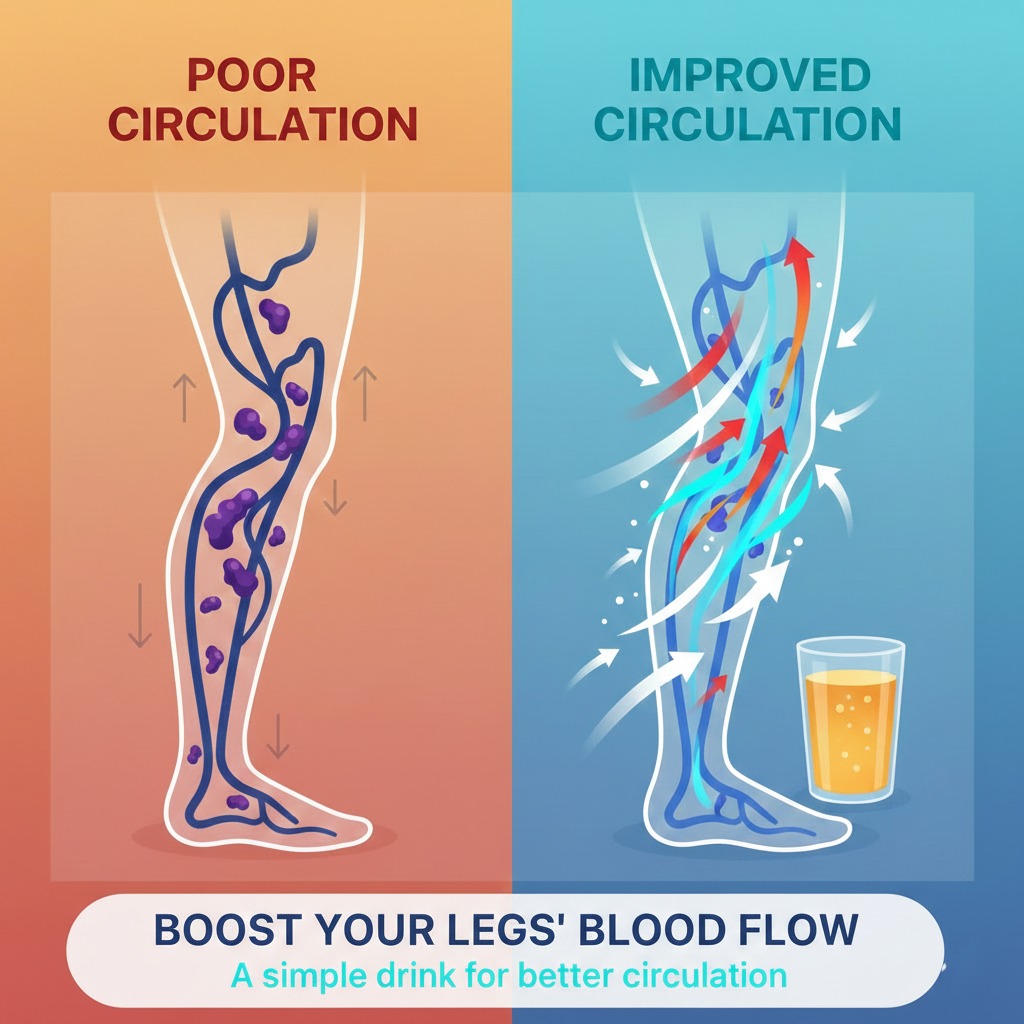
BOOST LEG CIRCULATION QUICKLY THE ULTIMATE NATURAL DRINK GUIDE

Poor leg circulation is more common than many people realize. Cold feet, swelling around the ankles, tingling, cramps, or a heavy feeling in the legs are often signs that blood flow isn’t as strong as it should be. While movement and lifestyle changes are essential, what you drink can also play a powerful supporting role. Certain natural beverages help hydrate the blood, relax blood vessels, reduce inflammation, and support healthy circulation—sometimes with surprisingly quick effects.

This guide walks you through the best natural drinks to help boost leg circulation safely and effectively, along with tips on how and when to use them.

Why Circulation in the Legs Matters

Your legs work against gravity all day. Blood must travel downward easily and return upward efficiently to the heart. When circulation slows, oxygen and nutrients don’t reach tissues properly, and waste products linger longer than they should. Over time, this can contribute to swelling, discomfort, varicose veins, and fatigue.

Hydration, minerals, antioxidants, and mild vasodilators found in natural drinks can help blood flow more smoothly—especially when paired with light movement.

1. Warm Lemon Water with Ginger

This simple drink is one of the fastest ways to support circulation in the morning.

Why it works:

  • Ginger gently warms the body and encourages blood vessel dilation

  • Lemon supports hydration and blood vessel flexibility

  • Warm liquids stimulate blood flow better than cold ones

How to make it:

  • 1 cup warm (not boiling) water

  • Juice of ½ lemon

  • ½ teaspoon freshly grated ginger

Drink first thing in the morning or before walking. Many people notice warmer feet and less stiffness within 30–60 minutes.

2. Beetroot Juice (Nature’s Circulation Tonic)

Beets are rich in natural nitrates, which the body converts into nitric oxide—a compound that helps blood vessels relax and widen.

Benefits for legs:

  • Improves blood flow to lower extremities

  • May reduce leg fatigue during walking

  • Supports oxygen delivery to muscles

How to drink it:

  • ½ to 1 cup fresh beet juice

  • Best taken mid-morning or before activity

If the taste is strong, blend beet juice with apple or carrot juice.

3. Pomegranate Juice

Pomegranate is packed with antioxidants that support blood vessel health and reduce oxidative stress.

Why it helps circulation:

  • Protects arteries from stiffness

  • Encourages smoother blood flow

  • Supports healthy blood pressure

How much to drink:

  • ½ cup daily

  • Choose unsweetened, pure juice

This drink is especially helpful for people who sit or stand for long hours.

4. Cinnamon and Honey Water

This traditional combination has been used for centuries to support circulation and warmth in the body.

How it helps:

  • Cinnamon improves blood flow and reduces inflammation

  • Honey supports energy and gentle vessel relaxation

How to prepare:

  • 1 cup warm water

  • ¼ teaspoon cinnamon powder

  • 1 teaspoon raw honey

Drink in the afternoon or early evening. Many people report reduced coldness in the feet after consistent use.

5. Green Tea

Green tea contains flavonoids that support the lining of blood vessels and improve circulation over time.

Leg circulation benefits:

  • Reduces inflammation in blood vessels

  • Improves flexibility of arteries

  • Helps reduce leg swelling

How to use it:

  • 1–2 cups daily

  • Avoid adding sugar

For best results, drink between meals.

6. Cayenne Pepper Water (Use Carefully)

Cayenne contains capsaicin, which stimulates blood flow and warmth.

Why it works:

  • Encourages blood vessel dilation

  • Improves circulation to hands and feet

How to make it:

  • 1 cup warm water

  • A pinch (⅛ teaspoon) cayenne pepper

  • Optional: lemon juice

Start small. This drink is powerful and not suitable for sensitive stomachs.

7. Hydration with Mineral-Rich Water

Sometimes the biggest circulation booster is simply drinking enough water.

Why it matters:

  • Dehydration thickens the blood

  • Proper hydration improves blood flow speed

  • Minerals support muscle and vessel function

Add a pinch of natural salt or a splash of coconut water to one glass per day for electrolytes.

When You’ll Feel Results

Many people notice:

  • Warmer feet within 30–90 minutes

  • Reduced swelling within a few days

  • Less leg heaviness after one week of consistent use

Results improve dramatically when paired with light walking, ankle rotations, and leg elevation.

Important Safety Notes

  • These drinks support circulation but do not replace medical treatment

  • If you have diabetes, kidney disease, or are on blood pressure medication, use juices in moderation

  • Stop if you experience dizziness, discomfort, or digestive upset

Final Thoughts

Boosting leg circulation doesn’t always require complicated supplements or extreme routines. Simple, natural drinks—used consistently—can gently and effectively support blood flow, warmth, and comfort in your legs. Choose one or two that fit your lifestyle, drink them regularly, and combine them with light movement for the best results.

5 colors to avoid after 50they can dull your glow

5 Colors to Avoid After 50: They Can Dull Your Glow

Turning 50 doesn’t mean fading into the background—quite the opposite. This stage of life often comes with confidence, wisdom, and a clearer sense of personal style. But one factor many people overlook is color choice. The shades you wear can either enhance your natural radiance or quietly drain the life from your complexion.

As skin tone, hair color, and texture change with age, certain colors that once worked beautifully may no longer flatter you the same way. Some hues can emphasize dullness, shadows, or fine lines, making you look tired even when you feel great. Here are five colors to be cautious with after 50, and why adjusting your palette can instantly restore your glow.


1. Stark Black

Black is timeless, slimming, and sophisticated—but after 50, head-to-toe black can be harsh. As skin naturally loses some of its warmth and contrast with age, pure black can create stark shadows around the face, emphasizing wrinkles, dark circles, and uneven skin tone.

This doesn’t mean you must eliminate black entirely. Instead:

  • Avoid black tops right near your face

  • Swap jet black for charcoal, soft navy, or deep espresso

  • Add a scarf, necklace, or collar in a warmer shade to soften the look

Black still has its place—but balance is key.


2. Muted Pastels

Soft pastel shades like baby pink, powder blue, pale lavender, and mint green often look delicate and romantic. Unfortunately, on mature skin, they can wash you out and make your complexion appear gray or tired.

As we age, skin naturally loses some color intensity. When paired with very light, chalky pastels, the face may lack contrast and vitality.

Better alternatives:

  • Choose richer versions of pastels (rose instead of baby pink, periwinkle instead of pale blue)

  • Opt for warm undertones rather than icy ones

  • Add structure or texture so the color doesn’t feel flat


3. Beige and Dull Neutrals

Beige, taupe, stone, and greige are wardrobe staples—but when overused, they can make you look drained and invisible. Many of these neutrals sit too close to mature skin tones, offering little contrast.

If your outfit blends into your complexion, it can:

  • Highlight sallowness

  • Make skin appear dull

  • Reduce definition in facial features

How to fix it:

  • Choose neutrals with warmth or depth (camel, warm gray, mocha)

  • Pair neutrals with a brighter accent color

  • Use accessories near the face to add contrast

Neutrals should support your glow—not erase it.


4. Neon and Ultra-Bright Colors

While vibrant colors can feel youthful, neon shades often backfire after 50. Electric pinks, neon greens, and highlighter yellows reflect harsh light onto the face, drawing attention to texture, redness, and fine lines.

These colors tend to overwhelm mature features rather than complement them.

Instead:

  • Choose jewel tones like emerald, sapphire, ruby, or teal

  • Opt for rich saturation rather than extreme brightness

  • Use bold colors strategically, not head-to-toe

Bold doesn’t have to mean blinding.


5. Cool Icy Shades

Icy gray, silver, frosty blue, and blue-based purples may look elegant in theory, but they can emphasize cool shadows and uneven skin tone as we age. These shades often drain warmth from the face, making skin look pale or tired.

Unless you naturally have very cool undertones, icy colors can:

  • Accentuate dark circles

  • Highlight fine lines

  • Reduce facial warmth

More flattering options include:

  • Warm grays

  • Soft metallics like champagne or gold

  • Blue shades with a hint of green or warmth


The Real Secret: Contrast and Warmth

After 50, the most flattering colors tend to:

  • Add warmth to the complexion

  • Provide contrast near the face

  • Reflect light softly rather than harshly

Colors like coral, soft red, teal, olive, plum, warm navy, and rich burgundy often work beautifully because they enhance natural skin tones instead of fighting them.


Final Thoughts

Aging doesn’t mean giving up style—it means refining it. By avoiding colors that dull your glow and choosing shades that bring warmth and life to your complexion, you can look fresher, brighter, and more confident instantly.

The right color won’t make you look younger—it will make you look vibrant, healthy, and beautifully you.

Homemade Bread with Just 4 Ingredients

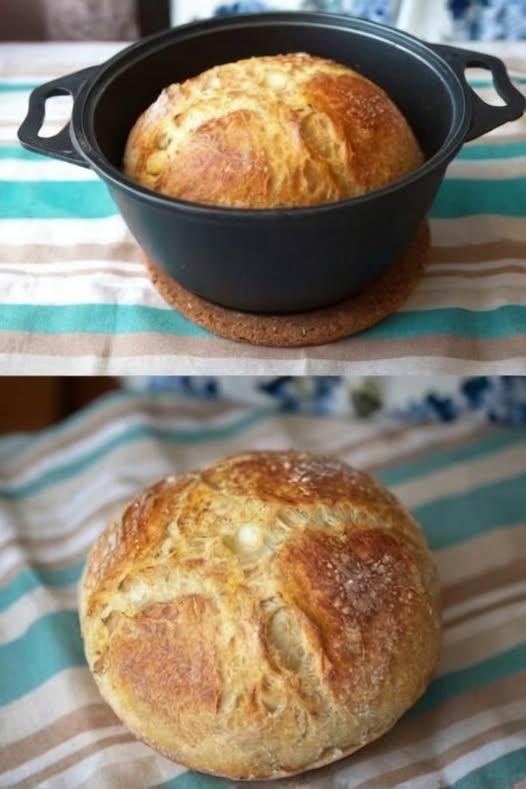
Homemade Bread with Just 4 Ingredients – Simple, Soft, and Foolproof

There’s something deeply comforting about the smell of freshly baked bread filling your kitchen. For many people, baking bread sounds complicated, time-consuming, or intimidating. The truth is, homemade bread can be incredibly simple. In fact, you only need four basic ingredients—no fancy equipment, no preservatives, and no advanced baking skills.

This recipe proves that real bread doesn’t have to be complicated. With flour, water, yeast, and salt, you can create a soft, flavorful loaf that rivals bakery bread and tastes far better than anything store-bought.

Why Make Bread at Home?

Store-bought bread often contains additives, dough conditioners, sugars, and preservatives to extend shelf life. Homemade bread gives you full control over what goes into your food. It’s healthier, fresher, and surprisingly affordable.

Beyond nutrition, bread baking is satisfying. Kneading dough can be relaxing, and watching a simple mixture transform into a golden loaf feels like a small everyday miracle.

The 4 Ingredients Explained

  1. All-Purpose Flour
    Flour is the foundation of bread. All-purpose flour works perfectly for this recipe, giving you a soft interior and a lightly crisp crust. You don’t need bread flour to get great results.

  2. Warm Water
    Water activates the yeast and hydrates the flour. The water should be warm—not hot—about the temperature of a warm bath. Water that’s too hot can kill the yeast.

  3. Yeast
    Yeast is what makes the bread rise. Active dry yeast or instant yeast both work well. Yeast feeds on the natural sugars in the flour, producing carbon dioxide that creates air pockets in the dough.

  4. Salt
    Salt enhances flavor and strengthens the dough structure. Without salt, bread tastes flat and bland.

Ingredients List

  • 3½ cups all-purpose flour

  • 1½ cups warm water

  • 2 teaspoons yeast

  • 1½ teaspoons salt

That’s it. No oil, no sugar, no milk, no eggs.

Step-by-Step Instructions

1. Activate the Yeast

In a large bowl, pour the warm water and sprinkle the yeast over it. Let it sit for 5–10 minutes until it becomes foamy. This step ensures your yeast is alive and ready to work.

2. Add Flour and Salt

Add the flour and salt to the bowl. Mix with a spoon or your hands until a rough dough forms. The dough will look slightly sticky—that’s normal.

3. Knead the Dough

Transfer the dough to a lightly floured surface. Knead for about 8–10 minutes. Push the dough away with the heel of your hand, fold it back over itself, and repeat. The dough should become smooth, elastic, and soft.

4. First Rise

Place the dough in a lightly floured bowl. Cover with a clean kitchen towel. Let it rise in a warm place for 1 to 1½ hours, or until it doubles in size.

5. Shape the Dough

Punch down the risen dough to release air. Shape it into a loaf or round ball. Place it on a baking tray lined with parchment paper or lightly floured.

6. Second Rise

Cover again and let it rise for 30–45 minutes. This second rise gives the bread a lighter texture.

7. Bake

Preheat your oven to 220°C (425°F). Bake for 25–30 minutes, until the crust is golden brown and the loaf sounds hollow when tapped on the bottom.

8. Cool Before Slicing

Let the bread cool for at least 20 minutes before cutting. This allows the interior to set properly.

What Makes This Bread So Good?

  • Crispy crust with a soft interior

  • Pure wheat flavor without additives

  • Perfect for sandwiches, toast, or dipping

  • Beginner-friendly and nearly fail-proof

Because the recipe is so simple, the natural flavor of the flour really shines.

Tips for Perfect Results

  • If your kitchen is cold, let the dough rise inside an oven that’s turned off but slightly warm.

  • If the dough feels too sticky, add a tablespoon of flour at a time—don’t overdo it.

  • For a crunchier crust, place a small oven-safe dish of water in the oven while baking.

  • Store bread wrapped in a cloth or paper bag for up to two days, or freeze slices for longer storage.

Final Thoughts

This 4-ingredient homemade bread recipe proves that great food doesn’t need to be complicated. With just flour, water, yeast, and salt, you can bake a wholesome loaf that’s fresher, healthier, and more satisfying than anything from the store.

Once you make this bread, you may never go back to buying it again. Simple ingredients, honest flavor, and the joy of baking—this is bread the way it was meant to be. 🍞

Homemade Mounjaro Recipe with Pink Salt

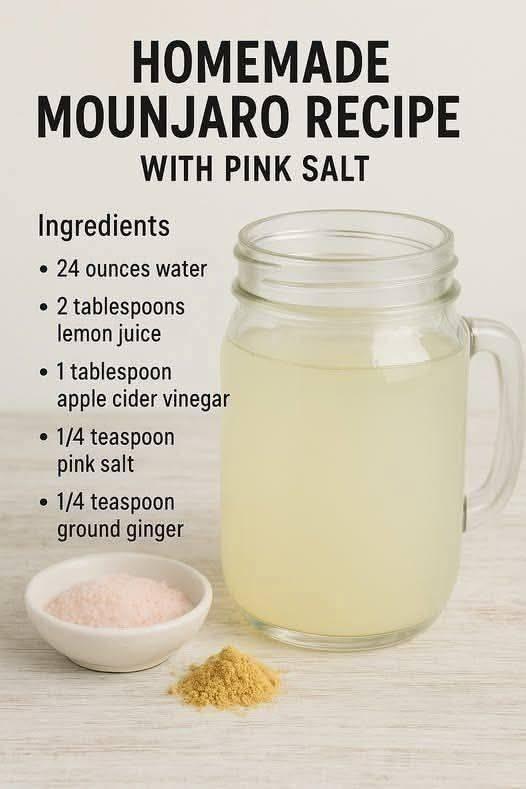
Homemade Mounjaro Recipe with Pink Salt: A Refreshing Health Elixir

Mounjaro, a rising star in the world of health drinks, is celebrated for its hydrating, mineral-rich properties and its natural ability to support energy and wellness. Traditionally enjoyed in its simplest form as a rejuvenating beverage, it can now be crafted at home with just a few wholesome ingredients, including the magical touch of pink Himalayan salt. This recipe will guide you step by step to create a delicious, nutrient-packed drink that revitalizes the body, replenishes electrolytes, and delights the taste buds.

Ingredients You’ll Need

To make about 4 servings of homemade Mounjaro, gather the following ingredients:

  • 4 cups (1 liter) of filtered water – using filtered or spring water ensures a clean, pure base.

  • 1 teaspoon of pink Himalayan salt – packed with trace minerals that support hydration and electrolyte balance.

  • 2 tablespoons of raw honey – for natural sweetness and immune support.

  • 1 fresh lemon or lime – for vitamin C, tang, and freshness.

  • 1 teaspoon of apple cider vinegar (optional) – adds a gentle tang and digestive benefits.

  • Fresh herbs like mint or basil (optional) – to enhance flavor and add a refreshing aroma.

  • Ice cubes (optional) – for a chilled, refreshing drink.

Step-by-Step Preparation

Step 1: Prepare Your Water Base
Start with 4 cups of filtered or spring water. Using pure water is essential as it allows the minerals and flavors to shine without interference from chemicals like chlorine, which are present in tap water. Pour the water into a large jug or pitcher for easy mixing.

Step 2: Add Pink Himalayan Salt
Pink Himalayan salt is the secret ingredient that transforms plain water into a rejuvenating mineral drink. Unlike regular table salt, pink salt contains over 80 trace minerals, including potassium, magnesium, and calcium, which help maintain electrolyte balance. Add 1 teaspoon to your water and stir thoroughly until fully dissolved. The water should have a light briny taste, but it shouldn’t be overwhelming.

Step 3: Sweeten Naturally
Next, add 2 tablespoons of raw honey. Raw honey is preferred because it retains enzymes, antioxidants, and nutrients lost during processing. Stir well to ensure the honey dissolves completely into the water. For those who prefer a less sweet version, start with 1 tablespoon and adjust to taste.

Step 4: Add Citrus Zest and Juice
Cut your lemon or lime in half and squeeze the juice into the mixture. Citrus juice not only adds a refreshing flavor but also provides vitamin C, which boosts immunity and helps the body absorb minerals more efficiently. For an extra touch of aroma, you can add a small strip of lemon or lime zest.

Step 5: Optional Boosts
If you want to elevate your Mounjaro even further, add 1 teaspoon of apple cider vinegar. This addition introduces probiotics and supports digestion while giving a slight tanginess that pairs beautifully with honey and citrus. Fresh herbs like mint or basil can also be added for aroma and a gentle cooling effect.

Step 6: Chill or Serve Immediately
You can enjoy your homemade Mounjaro immediately or let it chill in the refrigerator for about 30 minutes to an hour. Adding ice cubes is perfect for hot days or post-workout hydration. Stir well before serving, as some minerals or honey may settle at the bottom.

Tips for the Perfect Mounjaro

  1. Balance Salt and Sweetness: The pink salt should complement the sweetness of honey. Taste as you go to avoid an overly salty or sweet drink.

  2. Use Fresh Ingredients: Always use fresh citrus and herbs to maintain the maximum nutritional content and vibrant flavor.

  3. Customize Flavor: Try adding a slice of ginger or a few berries for a flavor twist and extra antioxidants.

  4. Store Properly: Keep Mounjaro in a sealed container in the fridge for up to 2 days. Shake or stir before drinking.

  5. Hydration Boost: For athletes or anyone needing a hydration boost, Mounjaro is a natural electrolyte drink. It’s perfect post-workout or on a long hike.

Health Benefits of Homemade Mounjaro

  • Electrolyte Replenishment: The combination of pink salt and water provides essential electrolytes, supporting nerve and muscle function.

  • Immune Support: Lemon juice and honey contribute vitamin C and antioxidants, which help the body fight off infections.

  • Digestive Aid: Apple cider vinegar and warm water can improve digestion, balance stomach acidity, and support gut health.

  • Detoxification: The mineral content in pink salt may aid the body in flushing out toxins, while hydration helps maintain kidney function.

  • Natural Energy Boost: Unlike sugary sodas or energy drinks, Mounjaro provides a subtle, sustained energy lift thanks to electrolytes and natural sugars from honey.

Serving Suggestions

Serve Mounjaro in clear glasses to showcase its light golden hue. Garnish with a thin lemon slice or a sprig of fresh mint for a visually appealing touch. For a spa-like experience, serve alongside fresh fruit or cucumber slices to create a refreshing, nutrient-rich hydration station.

Homemade Mounjaro with pink Himalayan salt is not just a beverage—it’s a lifestyle choice for anyone looking to enhance hydration, improve wellness, and enjoy a delicious, natural drink. With minimal ingredients and simple preparation, this drink can become a staple in your daily routine. Whether you’re recovering from a workout, combating fatigue, or simply seeking a refreshing drink, Mounjaro delivers both taste and nourishment in every sip.