If You Pee in the Shower This Is What Can Happen

If You Pee in the Shower, This Is What Can Happen

For years, peeing in the shower has been one of those quietly debated habits—some people swear it’s harmless and eco-friendly, while others find it unhygienic or even risky. Despite the jokes and taboos, there are real health, plumbing, and environmental considerations worth understanding. So what actually happens if you pee in the shower? The answer is more nuanced than a simple yes or no.

1. It’s Usually Sterile—But Not Always

Fresh urine from a healthy person is generally sterile, meaning it doesn’t contain harmful bacteria at the moment it leaves the body. This is why many doctors say that, in most cases, peeing in the shower isn’t dangerous. However, urine can still contain trace bacteria, salts, and waste products. If you have a urinary tract infection (UTI) or another infection, urine may carry bacteria that can contaminate surfaces in the shower.

While hot water and soap help wash everything away, shared showers—such as in gyms or dorms—can increase the chance of spreading germs, especially if the area isn’t cleaned regularly.

2. It Can Affect Your Pelvic Floor Over Time

One of the lesser-known concerns involves bladder training. Repeatedly peeing in the shower can condition your brain to associate the sound or feel of running water with urination. Over time, this may make it harder to “hold it” when you hear running water, such as while washing dishes or brushing your teeth.

For some people, especially women, this habit may also contribute to pelvic floor dysfunction. Standing while urinating and not fully relaxing the pelvic muscles can, over many years, interfere with normal bladder control.

3. Potential Foot and Skin Risks

Urine itself is unlikely to cause skin problems, but bathrooms are warm, damp environments—perfect breeding grounds for fungi and bacteria. If someone has athlete’s foot, plantar warts, or open cuts, peeing in the shower could slightly increase the risk of spreading infections through microscopic breaks in the skin.

This risk is low in private, regularly cleaned showers, but higher in shared spaces. Wearing shower shoes in public facilities is still the safest option.

4. Plumbing and Drain Considerations

From a plumbing perspective, urine is mostly water with dissolved salts and nitrogen compounds. In modern plumbing systems, occasional shower urination won’t damage pipes. In fact, urine is far less problematic than grease, hair, or soap buildup.

However, in older plumbing or homes with septic systems, frequent urination in the shower may contribute to mineral buildup over time. While this isn’t a major concern, it’s another reason moderation matters.

5. Environmental Impact: Surprisingly Positive

One argument in favor of peeing in the shower is water conservation. Flushing a toilet uses between 6 and 12 liters (1.6–3 gallons) of water per flush. If you urinate in the shower instead of flushing, you save that water.

Over a year, this can add up significantly—especially in water-scarce regions. Some environmental advocates even promote the practice as a small but meaningful eco-friendly habit, provided it’s done hygienically and in private settings.

6. Odor and Cleanliness Issues

If you pee in the shower and rinse thoroughly with soap and water, there should be no lingering smell. Problems arise when urine dries on tiles, grout, or shower curtains. Over time, this can lead to unpleasant odors and discoloration, particularly in grout lines that absorb liquids easily.

Regular cleaning with disinfectant and ensuring good drainage are essential if this habit becomes frequent.

7. Psychological and Social Factors

While peeing in the shower isn’t inherently harmful, social norms still matter—especially when sharing a bathroom with others. Many people find the idea uncomfortable, and ignoring household boundaries can create tension.

In shared homes, it’s important to consider the comfort of everyone involved. What seems practical to one person may feel unsanitary to another.

8. When You Should Avoid It

There are situations where peeing in the shower isn’t a good idea:

  • If you have a UTI or contagious infection

  • In public or shared showers

  • If you have open wounds on your feet or legs

  • In homes with septic sensitivity or poor drainage

In these cases, using the toilet is the safer and more considerate option.

Final Thoughts

Peeing in the shower isn’t as shocking—or as dangerous—as many people believe. For healthy individuals in private bathrooms, it’s generally harmless and can even save water. However, it’s not completely risk-free, especially if done frequently or in shared spaces.

Like many habits, moderation and hygiene make all the difference. Understanding what can happen helps you make an informed choice—one that balances health, cleanliness, and consideration for others.


20 Signs a Deceased Loved One Is Still Watching Over You

20 Signs a Deceased Loved One Is Still Watching Over You

The loss of a loved one leaves a space that no words can fully fill. Yet many people around the world believe that death does not end love or connection. Across cultures, religions, and personal experiences, there is a shared idea that those who have passed may still watch over us, offering guidance, comfort, and reassurance in subtle ways. While science cannot prove these experiences, they often bring peace and healing to those who feel them. Here are 20 signs people believe may indicate a deceased loved one is still watching over you.

1. You Sense Their Presence

Sometimes you feel as if someone familiar is nearby—especially during quiet moments. This comforting presence may feel calm, warm, and protective rather than frightening.

2. Vivid Dreams About Them

Dreams where your loved one appears healthy, peaceful, and communicative are often described as more vivid than normal dreams. Many people wake up feeling comforted, as if they truly visited.

3. Familiar Scents Appear

You may suddenly smell their perfume, cologne, cooking, or cigarette smoke—even when there’s no physical source. Smell is deeply tied to memory and emotion.

4. Songs Play at the Right Moment

A meaningful song may come on the radio or playlist exactly when you’re thinking of them or feeling emotional, offering a sense of connection or reassurance.

5. Repeating Numbers or Symbols

Seeing repeating numbers like 11:11, 222, or meaningful dates connected to them can feel like a gentle nudge or reminder that you’re not alone.

6. Finding Feathers or Coins

Many people believe feathers or coins appearing unexpectedly—especially in unusual places—are small signs of comfort or acknowledgment from loved ones.

7. Electrical Disturbances

Lights flickering, electronics turning on or off, or devices malfunctioning at emotional moments are commonly reported experiences.

8. Animals Behave Strangely

Pets may stare at empty spaces, wag their tails, or act playfully as if interacting with someone unseen, often during emotionally significant moments.

9. Sudden Warmth or Chill

A brief wave of warmth or a gentle chill without explanation can feel like a loving touch or acknowledgment.

10. You Hear Their Voice

Hearing your name called softly or familiar phrases they used—especially during stress or sadness—can be deeply comforting.

11. Strong Intuition or Guidance

You may feel guided away from danger or toward the right decision, sensing their protection during difficult moments.

12. Objects Move or Appear

Small items connected to them—photos, jewelry, or keepsakes—may seem to shift or appear in unexpected places.

13. Feeling Comforted During Grief

In moments of deep sadness, you may suddenly feel calm, supported, or reassured without knowing why.

14. Synchronicities and “Coincidences”

Meaningful coincidences—like meeting the right person at the right time—may feel orchestrated rather than random.

15. Sudden Emotional Waves

Out of nowhere, you may feel love, peace, or reassurance that seems to come from beyond yourself.

16. Messages Through Others

Someone may unknowingly say words your loved one used often or offer advice that feels deeply personal and timely.

17. Signs During Special Dates

Birthdays, anniversaries, or difficult days may bring an unusual number of comforting signs or emotional closeness.

18. Nature Feels More Meaningful

Rainbows, butterflies, birds, or sunsets may suddenly feel symbolic or deeply connected to your loved one.

19. Inner Conversations Feel Answered

Talking to them in your thoughts or out loud may bring sudden clarity, peace, or emotional relief.

20. Love That Never Feels Gone

Perhaps the strongest sign of all is love itself. Love does not vanish—it changes form. Many believe that enduring love is the bridge between worlds.


A Gentle Reminder

Whether these signs are spiritual, emotional, or psychological, their impact is real. Grief has many layers, and finding comfort in signs—real or symbolic—can help heal the heart. If believing your loved one is watching over you brings peace, strength, and hope, then that belief holds meaning.

Love transcends time, space, and even death. And for many, that love never truly leaves—it simply watches quietly, guiding from afar.

Doctors warn Limit eating these 4 foods immediately they contain a lot of parasites is spreading online

A dramatic headline is circulating across social media: “Doctors warn: Limit eating these 4 foods immediately, they contain a lot of parasites.” Posts like this are often accompanied by alarming images, vague references to “experts,” and a list of everyday foods meant to provoke fear. Unsurprisingly, the claim has gone viral. But how accurate is it? Are doctors really warning people to avoid certain foods because they’re “full of parasites,” or is this another example of health misinformation spreading online?

Let’s unpack where this claim comes from, why it sounds convincing, and what medical science actually says.


Why Parasite Claims Spread So Easily

Parasites trigger a strong emotional reaction. The idea that something alive is lurking inside food is disturbing, and fear-based content spreads faster than calm, evidence-based explanations. Social media algorithms tend to amplify sensational headlines, especially those that suggest hidden dangers in common habits like eating.

Most of these posts do not cite specific studies, name real doctors, or explain how parasites actually infect humans. Instead, they rely on half-truths mixed with exaggeration.


The “Four Foods” Usually Named

Although the lists vary, these viral posts almost always include the same types of foods:

  1. Raw or undercooked meat (especially pork and beef)

  2. Raw fish and sushi

  3. Unwashed fruits and vegetables

  4. Unpasteurized dairy products

At first glance, this list seems reasonable — but the context is often completely wrong.


What Doctors Actually Say About Parasites and Food

Medical professionals do not warn people to “immediately limit” these foods out of panic. Instead, doctors emphasize safe handling, proper cooking, and hygiene.

Parasites are not automatically present in these foods, nor do they infect people simply because the food exists. Infection depends on preparation, cleanliness, storage, and cooking temperature.

Let’s look at each category more accurately.


1. Raw or Undercooked Meat

It’s true that parasites such as Trichinella (in pork) or Toxoplasma can be transmitted through undercooked meat. However, modern food safety standards have dramatically reduced this risk in most countries.

Doctors do not say “avoid meat.” They say:

  • Cook meat to safe internal temperatures

  • Freeze meat when appropriate

  • Buy from reputable sources

Properly cooked meat does not contain live parasites.


2. Raw Fish and Sushi

Raw fish can carry parasites like Anisakis, which is why sushi-grade fish is frozen at very low temperatures before serving. This process kills parasites.

Medical advice does not ban sushi for healthy adults. Instead:

  • Eat sushi from licensed, reputable restaurants

  • Avoid raw fish if pregnant, immunocompromised, or advised otherwise by a doctor

Again, this is about risk management, not fear.


3. Unwashed Fruits and Vegetables

This is one area where doctors strongly agree: fruits and vegetables should always be washed.

Parasite eggs and bacteria can be present due to soil contamination or poor handling. But the solution is simple:

  • Wash thoroughly with clean running water

  • Peel when appropriate

  • Practice kitchen hygiene

Doctors encourage eating fruits and vegetables — they do not warn people to avoid them.


4. Unpasteurized Dairy Products

Unpasteurized milk and cheese can carry harmful bacteria and, rarely, parasites. That’s why many health authorities recommend pasteurized dairy, especially for children, elderly adults, and pregnant women.

However, this advice is decades old and well-established — not a sudden emergency warning.


The Biggest Red Flag: Vague “Doctor Warnings”

One of the clearest signs of misinformation is the phrase “doctors warn” without naming:

  • Which doctors

  • Which medical organization

  • Which study or guideline

Legitimate medical advice comes from institutions like the World Health Organization (WHO), Centers for Disease Control and Prevention (CDC), or peer-reviewed research — not anonymous viral posts.


Are Parasites Common in Humans?

In developed regions with access to clean water and regulated food systems, parasitic infections are relatively uncommon. When they do occur, they are usually linked to:

  • Poor sanitation

  • Unsafe water

  • Improper food preparation

Doctors focus far more on bacterial food poisoning than parasites when discussing food safety.


The Real Medical Advice (Without the Fear)

Instead of panicking over viral headlines, doctors consistently recommend:

  • Cook meat and fish properly

  • Wash produce thoroughly

  • Practice good hand hygiene

  • Store food safely

  • Follow local food safety guidelines

These steps dramatically reduce any risk — without cutting out nutritious foods.


The Bottom Line

The claim “Doctors warn: Limit eating these 4 foods immediately, they contain a lot of parasites” is misleading and exaggerated. It mixes small elements of truth with fear-driven language designed to go viral.

Doctors are not telling people to fear their food. They are encouraging informed, practical food safety habits.

Before sharing alarming health claims online, it’s worth asking:

Eating Just One Bite is Already Harmful, But Many Still Eat It Without Worry

Some foods look harmless, taste familiar, and are even common in kitchens around the world. Yet few people realize that just one bite of certain foods—when prepared incorrectly—can already cause harm. One of the most overlooked examples is raw or undercooked kidney beans. They’re nutritious when cooked properly, but dangerous when they’re not—and millions of people have no idea.

This isn’t fearmongering. It’s science.


The Hidden Danger Inside Raw Kidney Beans

Kidney beans contain a naturally occurring toxin called phytohaemagglutinin, a type of lectin. Lectins are proteins found in many plants, but this particular one is especially potent.

Here’s the shocking part:

  • Eating as few as 4–5 raw or undercooked kidney beans can cause severe poisoning

  • Symptoms can begin within 1 to 3 hours

  • Even a small bite can trigger intense reactions in sensitive individuals

Despite this, kidney beans are widely used in salads, slow cookers, soups, and vegetarian dishes—sometimes without being cooked correctly.


What Happens When You Eat Them Raw?

When phytohaemagglutinin enters the body, it interferes with digestion and damages the lining of the gut. The result is sudden and dramatic.

Common symptoms include:

  • Severe nausea

  • Violent vomiting

  • Abdominal cramps

  • Diarrhea

  • Dehydration

  • Weakness and dizziness

In some cases, people require hospital treatment, especially children, older adults, or those with weaker immune systems.

The frightening thing? Many victims think they’ve caught a “stomach bug,” never realizing food poisoning was the real cause.


Why So Many People Still Eat Them

Despite the risks, raw or undercooked kidney bean poisoning continues to happen worldwide. Why?

1. Slow Cookers Give a False Sense of Safety

Slow cookers often don’t reach high enough temperatures to destroy the toxin. Cooking kidney beans at low heat for hours can actually increase toxicity instead of reducing it.

2. Raw Food Trends

Some health trends promote eating foods “as natural as possible.” While this may work for fruits and vegetables, raw legumes are a completely different story.

3. Lack of Public Awareness

Unlike poisonous mushrooms or spoiled meat, kidney beans don’t look dangerous. There’s no smell, no bitter taste, and no warning sign.

4. Canned Beans Confusion

Canned kidney beans are safe because they’re fully cooked during processing. But people often assume dried beans can be handled the same way—which is a dangerous mistake.


“But People Have Eaten Beans for Centuries…”

Yes—but proper cooking has always been essential.

Traditional methods involved soaking beans overnight and boiling them vigorously. Problems began when modern shortcuts—like slow cookers or partial cooking—became popular.

This isn’t about beans being “bad.” It’s about how they’re prepared.


The Right Way to Make Kidney Beans Safe

To completely destroy phytohaemagglutinin, kidney beans must be cooked correctly.

Safe preparation steps:

  1. Soak dried kidney beans in water for at least 5–8 hours

  2. Drain and rinse them thoroughly

  3. Boil vigorously for at least 10 minutes

  4. Only after boiling can they be simmered or added to recipes

⚠️ Never eat:

  • Raw kidney beans

  • Soaked but uncooked beans

  • Beans cooked only in a slow cooker without prior boiling


Who Is Most at Risk?

Some people are more vulnerable to even small amounts of the toxin:

  • Children

  • Elderly individuals

  • Pregnant women

  • People with digestive disorders

  • Those with weakened immune systems

For them, one bite really can be enough to cause serious distress.


Other Foods With “One-Bite” Risks

Kidney beans aren’t alone. Other foods that can be harmful if eaten raw or improperly prepared include:

  • Raw cassava (cyanide compounds)

  • Green potatoes (solanine)

  • Bitter apricot kernels (cyanide)

  • Raw elderberries

  • Undercooked chicken or eggs

These foods are safe only when handled correctly—yet many people still take them lightly.


The Takeaway

The most dangerous foods aren’t always exotic or rare. Sometimes, they’re sitting quietly in your pantry.

Raw or undercooked kidney beans prove a powerful lesson:
“Natural” does not always mean “safe.”
Familiar does not mean harmless.

Just one bite can be enough to make you violently ill—but with proper knowledge and preparation, the risk is completely avoidable.

Doctors reveal that avocado consumption causes

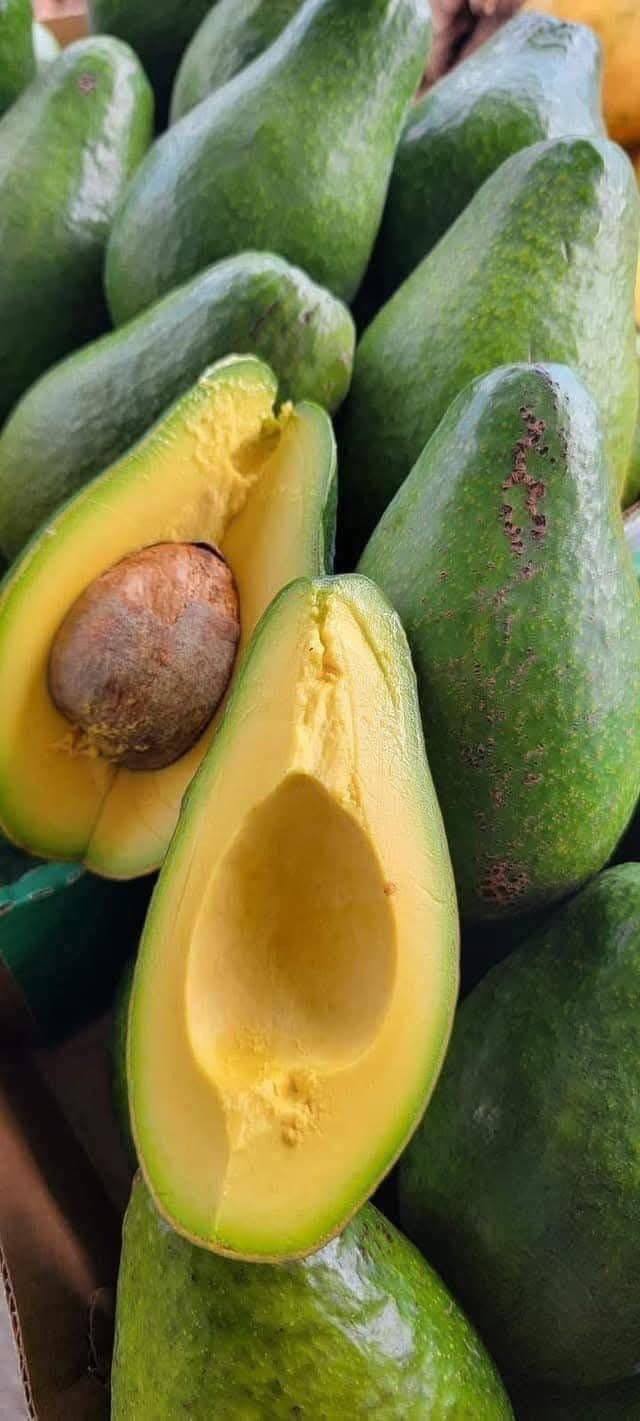
Avocados have earned a reputation as a “superfood,” but doctors and nutrition experts say their benefits go far beyond trendy toast toppings. Regular avocado consumption causes a series of positive changes throughout the body—from the heart and brain to the skin, digestion, and even weight management. Rich, creamy, and packed with nutrients, avocados are one of the few foods that truly deserve their healthy halo.

1. Improved Heart Health

Doctors consistently highlight avocados as a heart-friendly food. They are rich in monounsaturated fats, the same type of healthy fat found in olive oil. These fats help lower “bad” LDL cholesterol while supporting “good” HDL cholesterol. Studies have shown that people who eat avocados regularly tend to have better cholesterol profiles and a reduced risk of heart disease.

Avocados are also an excellent source of potassium—containing even more than bananas. Potassium helps regulate blood pressure by balancing sodium levels in the body, which reduces strain on blood vessels and the heart.

2. Better Brain Function and Mood

Avocado consumption causes noticeable benefits for brain health. The healthy fats in avocados support blood flow to the brain, improving concentration and mental clarity. Doctors explain that the brain is made largely of fat, so consuming quality fats is essential for memory, focus, and long-term cognitive health.

Avocados also contain folate and vitamin B6, nutrients linked to the production of neurotransmitters like serotonin and dopamine. These “feel-good” chemicals play a role in mood regulation, which may explain why diets rich in avocados are associated with lower rates of depression and anxiety.

3. Healthier Skin, Hair, and Nails

Dermatologists often recommend avocados for natural beauty from the inside out. Avocado consumption causes improvements in skin elasticity, hydration, and overall glow due to its high vitamin E and vitamin C content. Vitamin E protects skin cells from oxidative damage, while vitamin C supports collagen production.

The healthy fats in avocados also help keep hair shiny and strong and reduce brittle nails. That’s why avocado oil is commonly used in skincare and haircare products—but eating the fruit delivers those benefits internally.

4. Enhanced Digestion and Gut Health

Doctors reveal that avocados are surprisingly high in fiber, providing around 10 grams per fruit. Fiber supports healthy digestion, prevents constipation, and feeds beneficial gut bacteria. A healthy gut microbiome is linked to stronger immunity, improved mood, and better nutrient absorption.

Avocado consumption causes a gentler digestive process compared to many processed foods, making it suitable even for people with sensitive stomachs. The combination of soluble and insoluble fiber helps keep digestion smooth and regular.

5. Support for Weight Management

Despite being calorie-dense, avocados can actually support healthy weight control. Doctors explain that the fats and fiber in avocados increase satiety, helping you feel full longer and reducing the urge to snack between meals.

Research shows that people who include avocados in their meals tend to consume fewer calories overall during the day. Instead of causing weight gain, avocado consumption often leads to better portion control and more balanced eating habits.

6. Reduced Inflammation in the Body

Chronic inflammation is linked to many modern diseases, including arthritis, diabetes, and heart disease. Avocados contain powerful antioxidants such as lutein, zeaxanthin, and polyphenols that help reduce inflammation at the cellular level.

Doctors note that avocado consumption causes a calming effect on inflammatory pathways in the body, which may help ease joint stiffness, muscle soreness, and general aches—especially when combined with an overall healthy diet.

7. Better Blood Sugar Control

Unlike many fruits, avocados are very low in sugar. This makes them an excellent choice for people managing diabetes or insulin resistance. The healthy fats slow digestion and prevent rapid blood sugar spikes after meals.

Doctors often recommend pairing avocados with carbohydrates—such as rice, bread, or fruit—to reduce the glycemic impact of those foods and keep blood sugar levels stable.

8. Improved Nutrient Absorption

One lesser-known benefit doctors reveal is that avocado consumption causes better absorption of nutrients from other foods. Vitamins A, D, E, and K are fat-soluble, meaning they require fat to be properly absorbed.

Adding avocado to salads or vegetable-based meals significantly increases the body’s ability to absorb antioxidants and vitamins from those foods, maximizing their nutritional value.

The Bottom Line

Doctors agree that avocado consumption causes a wide range of health benefits when eaten in moderation. From protecting the heart and brain to improving digestion, skin, and weight control, avocados are one of nature’s most complete foods.

While no single food is a cure-all, adding avocados to a balanced diet can support long-term health in a delicious and satisfying way. Whether sliced, mashed, blended, or drizzled as oil, avocados prove that healthy eating doesn’t have to be boring—it can be creamy, nourishing, and deeply beneficial. 🥑

Don’t Throw Them Away Anymore: How to Use Eggshells for Your Health and Your Plants

Don’t Throw Them Away Anymore: How to Use Eggshells for Your Health and Your Plants

Eggs are a staple in kitchens worldwide, but how often do you stop to think about what happens to the eggshells? Most people discard them without a second thought, but eggshells are nutritional powerhouses and natural garden boosters. Before you toss them in the trash, read on to discover how you can use eggshells for your health and your plants.

Eggshells: A Nutritional Goldmine

Eggshells are made primarily of calcium carbonate, the same compound found in many over-the-counter calcium supplements. Calcium is essential for strong bones, teeth, and overall body health. A single eggshell can contain about 2 grams of calcium, which is nearly double the amount in a typical calcium tablet. Beyond calcium, eggshells contain small amounts of magnesium, phosphorus, and other trace minerals vital for your body.

How to Prepare Eggshells for Consumption

If you want to benefit from eggshells for your health, you need to prepare them properly to ensure safety and digestibility:

  1. Clean Thoroughly – After cracking an egg, rinse the shell to remove any residual egg white or yolk. Avoid using soap, as it may leave residues.

  2. Boil for Safety – Boil the cleaned shells in water for 5–10 minutes to kill any bacteria, such as Salmonella, which can sometimes be present on eggshells.

  3. Dry Completely – Let the shells air-dry or bake them at 200°F (90°C) for 10–15 minutes to ensure they are completely dry.

  4. Grind to Powder – Crush the shells into a fine powder using a coffee grinder, mortar and pestle, or food processor. The finer the powder, the easier it is to digest.

Once powdered, eggshells can be added to smoothies, soups, or yogurt. A teaspoon of eggshell powder provides a significant calcium boost. Some people even mix it with a little lemon juice to make a natural calcium supplement, as the citric acid can help increase calcium absorption.

Benefits of Eggshells for Your Health

  1. Bone Health – Regular intake of calcium from eggshells can help prevent osteoporosis and support overall bone density.

  2. Dental Health – Calcium is crucial for maintaining strong teeth. Eggshell powder can contribute to better dental health when used regularly.

  3. Joint Support – Eggshells contain collagen-rich membranes that surround the shell. These membranes have proteins and nutrients that may help improve joint health and reduce inflammation.

  4. Digestive Health – Some studies suggest that eggshell powder can act as a mild supplement for maintaining a healthy digestive tract by balancing minerals in the gut.

Eggshells as a Garden Miracle

Eggshells are not just for your body—they can transform your garden. Their natural composition makes them ideal for enriching soil and protecting plants.

  1. Soil Fertilizer – Crushed eggshells add calcium and trace minerals to your soil. Calcium is essential for plant cell structure and growth. Simply crush eggshells and sprinkle them around your plants or mix them into the soil. Tomatoes, peppers, and eggplants particularly benefit from extra calcium.

  2. Pest Deterrent – Crushed eggshells can act as a natural barrier against soft-bodied pests like slugs and snails. The sharp edges deter them from crawling over, protecting your precious seedlings.

  3. Seed Starters – Eggshell halves can be used as mini planters for seedlings. Fill them with soil, plant your seeds, and once the seedlings are ready, plant the entire eggshell in the ground. The shell will decompose and provide nutrients to the plant.

  4. Compost Booster – Eggshells are a great addition to compost piles. They add valuable minerals while balancing acidity, helping create nutrient-rich compost for your garden.

How to Use Eggshells Efficiently in Your Garden

  • Crushing Tip: For fertilizer, grind eggshells into small pieces or powder so they decompose faster in the soil.

  • Application: Sprinkle powdered eggshells around the base of plants or mix into the potting soil.

  • Protection: Scatter larger, crushed pieces around vulnerable plants to create a pest barrier.

  • Seedling Support: Use eggshell halves as biodegradable seedling pots.

Other Creative Uses for Eggshells

Beyond health and gardening, eggshells can serve other practical purposes:

  • Household Cleaning – Crushed eggshells can act as a gentle abrasive for scrubbing pots, pans, or sinks.

  • Natural Dye – Boiling eggshells with vegetable scraps or tea can create natural dyes for crafts or Easter eggs.

  • Bird Feed Supplement – Crushed eggshells can be added to bird feeders to provide wild birds with essential calcium.

Final Thoughts

Before you toss your eggshells in the trash, consider the multiple ways they can benefit both your health and your garden. From boosting calcium intake and supporting bones and joints to enriching soil, deterring pests, and even starting seedlings, eggshells are far more valuable than most people realize. With a little preparation, these humble kitchen scraps can become a powerhouse of nutrition and sustainability.

By incorporating eggshells into your daily routine and garden care, you not only reduce waste but also gain a natural, cost-effective source of nutrients for yourself and your plants. Start collecting your eggshells today and unlock their hidden potential—you’ll be amazed at the difference these simple scraps can make!

No calories Only 3 ingredients Low-calorie drink

No Calories! Only 3 Ingredients! The Ultimate Low-Calorie Drink

In today’s world, where almost every drink comes loaded with sugar, calories, and additives, finding a refreshing, healthy, and low-calorie alternative can feel like searching for a needle in a haystack. But what if you could make a delicious, invigorating beverage with only three simple ingredients and zero calories? Yes, it’s possible, and it’s easier than you think!

This drink isn’t just a thirst-quencher—it’s a lifestyle choice, perfect for anyone looking to cut down on sugar, manage weight, or simply enjoy a guilt-free refreshment. Let’s dive into the recipe, benefits, and variations that make this drink a must-have in your daily routine.

The Three Ingredients

The beauty of this drink lies in its simplicity. All you need are three natural, readily available ingredients:

  1. Water – The foundation of this drink is pure, cold water. Water is essential for hydration, metabolism, and overall health. By using water as the base, this drink keeps your calorie intake at zero, while still providing a refreshing experience.

  2. Lemon – Lemon adds a burst of flavor without adding any significant calories. Its tangy taste brightens up plain water and offers numerous health benefits, including vitamin C, antioxidants, and support for digestion. Freshly squeezed lemon is always best, as it provides maximum nutrients and a zesty flavor.

  3. Mint Leaves – Mint is the secret ingredient that transforms a simple lemon-water mix into a revitalizing beverage. Mint leaves add a refreshing aroma, aid in digestion, and can help soothe the stomach. Plus, mint has zero calories, making it the perfect addition to this low-calorie drink.

How to Make It

Creating this drink takes less than five minutes, and you don’t need any fancy equipment. Here’s a step-by-step guide:

Ingredients:

  • 1 liter of cold water

  • 1 fresh lemon

  • 6–8 fresh mint leaves

Instructions:

  1. Wash the lemon and mint leaves thoroughly.

  2. Slice the lemon into thin rounds or wedges.

  3. In a large pitcher, add the water, lemon slices, and mint leaves.

  4. Stir gently to combine and allow the flavors to infuse for 5–10 minutes.

  5. Serve chilled, optionally with ice cubes for extra refreshment.

And that’s it! You now have a delicious, zero-calorie drink that’s perfect for any time of the day.

Health Benefits of This Drink

While it may seem simple, this three-ingredient drink offers multiple health benefits:

  1. Hydration Without Calories – Staying hydrated is crucial for metabolism, energy levels, and overall health. Unlike sugary drinks, this lemon-mint water hydrates your body without adding a single calorie.

  2. Supports Digestion – Lemon and mint both aid digestion. Lemon stimulates digestive juices, while mint relaxes the stomach muscles and can reduce bloating or discomfort.

  3. Boosts Immunity – Lemons are rich in vitamin C, a powerful antioxidant that strengthens the immune system and helps your body fight infections.

  4. Detoxification – Drinking water infused with lemon and mint can help flush out toxins, supporting liver function and keeping your system clean.

  5. Enhances Metabolism – Lemon water has been linked to increased metabolic activity, which can aid in weight management when combined with a healthy diet and regular exercise.

Tips to Make It Even Better

  • Use filtered water for a cleaner, crisper taste.

  • Let it infuse longer if you prefer a stronger lemon-mint flavor.

  • Add ice cubes or freeze lemon slices to create a naturally chilled beverage.

  • Adjust lemon and mint quantity based on your preference—some like it tangier, others more minty.

Variations

Even with just three ingredients, you can create subtle variations to keep your drink exciting:

  1. Cucumber Mint Lemon Water – Add a few thin cucumber slices for extra hydration and a cool, refreshing taste.

  2. Sparkling Lemon Mint Water – Replace still water with sparkling water for a fizzy twist that feels like a zero-calorie soda.

  3. Ginger Lemon Mint Water – Add a small slice of fresh ginger to boost digestion and add a hint of spice.

These variations keep the drink interesting while maintaining its low-calorie, healthy nature.

When to Drink It

This lemon-mint water is incredibly versatile:

  • Morning Detox – Start your day with a glass to wake up your metabolism and hydrate your body.

  • Midday Refresher – Replace sugary sodas or juices during lunch breaks for a light, refreshing pick-me-up.

  • Workout Hydration – Stay hydrated before, during, and after exercise without adding unnecessary calories.

  • Evening Relaxation – Serve it cold in the evening to unwind and enjoy a refreshing beverage without affecting your sleep or calorie count.

Conclusion

This three-ingredient, zero-calorie drink is proof that simplicity can be delicious and healthy. With just water, lemon, and mint, you can create a refreshing beverage that not only quenches your thirst but also supports digestion, boosts immunity, and helps maintain a healthy lifestyle.

Whether you’re aiming to reduce sugar intake, manage weight, or simply enjoy a flavorful drink without the guilt, this lemon-mint water is your go-to solution. It’s easy to make, versatile, and packed with natural goodness.

Next time you reach for a soda, juice, or flavored water loaded with sugar, remember: the healthiest option may just be hiding in your kitchen. Grab a lemon, some mint, and water, and sip your way to hydration, health, and happiness—without a single calorie.

Stuffed Pepper Soup

When you think of comfort food, nothing quite beats the warm, hearty flavors of a home-cooked soup. Among the many soup varieties, Stuffed Pepper Soup stands out for its ability to capture all the delicious essence of a classic stuffed bell pepper in a lighter, spoonable form. This soup is rich, filling, and perfect for family dinners or cozy nights at home. Best of all, it’s a flexible recipe that allows you to adapt the ingredients based on what you have on hand.

Ingredients

To make a generous pot of stuffed pepper soup, you’ll need the following ingredients:

  • 1 pound ground beef (or ground turkey for a leaner option)

  • 1 tablespoon olive oil

  • 1 medium onion, diced

  • 3 cloves garlic, minced

  • 4 large bell peppers (preferably a mix of red, yellow, and green), diced

  • 2 medium carrots, diced

  • 2 celery stalks, diced

  • 1 (28-ounce) can diced tomatoes

  • 1 (15-ounce) can tomato sauce

  • 4 cups beef or chicken broth

  • 1 teaspoon dried oregano

  • 1 teaspoon dried basil

  • 1/2 teaspoon smoked paprika (optional, for depth of flavor)

  • Salt and pepper, to taste

  • 1 cup uncooked long-grain rice (or substitute with quinoa or cauliflower rice for low-carb)

  • Fresh parsley, chopped, for garnish

Step 1: Browning the Meat

Begin by heating the olive oil in a large pot or Dutch oven over medium heat. Add the ground beef and cook until browned, breaking it apart with a spoon as it cooks. Browning the meat first ensures rich flavor in your soup. Once the meat is cooked, transfer it to a plate and set it aside, leaving any remaining fat in the pot.

Step 2: Sautéing the Vegetables

In the same pot, add the diced onion, garlic, carrots, and celery. Sauté for about 5 minutes until the vegetables begin to soften and the onions turn translucent. Next, add the diced bell peppers. The bell peppers are the star of this soup, so letting them cook just until tender will help release their sweetness and aroma.

Step 3: Building the Soup Base

Return the cooked meat to the pot. Add the diced tomatoes, tomato sauce, and broth, stirring everything together. Sprinkle in the oregano, basil, smoked paprika, and season with salt and pepper. Stir well to combine, ensuring all the flavors start mingling beautifully.

Step 4: Cooking the Rice

Add the uncooked rice to the soup. Stir it in thoroughly, then bring the mixture to a gentle boil. Reduce the heat to low, cover the pot, and let the soup simmer for about 20–25 minutes, or until the rice is tender. The rice will absorb some of the flavorful broth, thickening the soup slightly and creating a comforting, stew-like texture.

Tip: Stir occasionally to prevent the rice from sticking to the bottom of the pot.

Step 5: Adjusting Flavors

Once the rice is cooked, taste the soup and adjust seasoning as needed. Some recipes benefit from a small pinch of sugar if your tomatoes are too acidic, or a dash of hot sauce for a subtle kick. The key to a perfect stuffed pepper soup is balancing the sweetness of the bell peppers with the savory notes of the meat and tomatoes.

Step 6: Serving and Garnishing

Ladle the hot soup into bowls and garnish with freshly chopped parsley for a burst of color and freshness. For extra indulgence, sprinkle a little shredded cheddar or Parmesan cheese on top. Serve with crusty bread, garlic toast, or even a side salad to complete the meal.

Variations and Tips

  1. Vegetarian Version: Swap the meat for hearty beans, such as kidney beans or black beans, and use vegetable broth instead of meat broth. Adding mushrooms can enhance the umami flavor.

  2. Low-Carb Option: Skip the rice and add chopped cauliflower for a lighter, low-carb soup.

  3. Spicy Twist: Add a diced jalapeño or a pinch of crushed red pepper flakes while sautéing the vegetables.

  4. Meal Prep Friendly: This soup stores beautifully in the fridge for up to 4 days and freezes well for up to 3 months. Make a big batch on the weekend and enjoy easy lunches or dinners during the week.

Why Stuffed Pepper Soup Is a Winner

Stuffed Pepper Soup is more than just a soup; it’s an experience. It combines the familiar comfort of stuffed peppers with the convenience and warmth of a hearty soup. The balance of tender vegetables, savory meat, and rich tomato broth creates a satisfying meal that warms the soul. Plus, it’s incredibly versatile and forgiving—perfect for beginner cooks or anyone looking to impress without stress.

Whether you’re enjoying it on a chilly evening, serving it at a family gathering, or making a large batch for meal prep, stuffed pepper soup never disappoints. Its rich flavors, vibrant colors, and heartwarming aroma will fill your kitchen and your belly with satisfaction.

So grab your favorite pot, dice those colorful peppers, and get ready to enjoy a soup that tastes just like a classic stuffed pepper—but in every comforting, slurpable spoonful.

Ooey Gooey Coconut Cake

If you’re a fan of rich, indulgent desserts, the Ooey Gooey Coconut Cake will quickly become your new favorite. With its moist, buttery layers, sweet coconut filling, and a luscious glaze, this cake is a perfect treat for any occasion—from birthdays and family gatherings to a simple weekend indulgence. Unlike dry, crumbly cakes, the ooey-gooey texture of this dessert makes every bite melt in your mouth, while the coconut adds a tropical twist that is both comforting and exotic.

The magic of this cake lies in its layers. A soft, tender cake base forms the perfect foundation for a rich coconut filling that oozes with sweetness. A light glaze or frosting ties everything together, ensuring each bite is decadently satisfying. What’s more, this recipe is surprisingly simple, using ingredients you likely already have in your pantry, and can be baked in under an hour, making it both convenient and irresistible.

Ingredients

For the Cake:

  • 1 cup (2 sticks) unsalted butter, softened

  • 1 ½ cups granulated sugar

  • 4 large eggs

  • 2 teaspoons vanilla extract

  • 2 cups all-purpose flour

  • 2 teaspoons baking powder

  • ½ teaspoon salt

  • ¾ cup whole milk

For the Coconut Filling:

  • 1 can (14 oz) sweetened condensed milk

  • 1 ½ cups sweetened shredded coconut

  • 2 large eggs

  • 1 teaspoon vanilla extract

For the Glaze (Optional but Recommended):

  • 1 cup powdered sugar

  • 2–3 tablespoons milk

  • ½ teaspoon vanilla extract

Step-by-Step Instructions

1. Preheat and Prepare
Begin by preheating your oven to 350°F (175°C). Grease a 9×13-inch baking pan with butter or non-stick spray, and lightly dust it with flour. This step ensures that the cake comes out cleanly and prevents sticking. For added flavor, you can line the pan with parchment paper.

2. Make the Cake Batter
In a large mixing bowl, cream together the softened butter and sugar until light and fluffy. This usually takes about 3–4 minutes using a hand mixer or stand mixer. Add the eggs one at a time, beating well after each addition, then stir in the vanilla extract.

In a separate bowl, whisk together the flour, baking powder, and salt. Gradually add the dry ingredients to the wet mixture, alternating with the milk. Start and end with the flour mixture, mixing just until combined. Overmixing can make the cake dense, so a gentle hand is key.

3. Prepare the Coconut Filling
In another bowl, combine the sweetened condensed milk, shredded coconut, eggs, and vanilla extract. Mix until smooth and creamy. This filling is what gives the cake its signature ooey-gooey texture.

4. Layer and Bake
Pour half of the cake batter into the prepared pan, spreading it evenly. Gently spoon the coconut filling over the batter, leaving a small border around the edges. Top with the remaining cake batter, using a spatula to smooth it out.

Bake in the preheated oven for 45–50 minutes, or until the top is golden brown and a toothpick inserted into the cake comes out mostly clean (the coconut layer may still leave a few sticky crumbs, which is perfect).

5. Make the Glaze
While the cake is baking, prepare the optional glaze by mixing powdered sugar, milk, and vanilla in a small bowl until smooth. Adjust the milk to achieve a pourable consistency. The glaze adds an extra layer of sweetness and a glossy finish to the cake.

6. Cool and Serve
Allow the cake to cool in the pan for about 15–20 minutes before drizzling the glaze over the top. This ensures the glaze sets slightly but still soaks into the cake for maximum flavor. Slice into generous squares and serve warm or at room temperature.

Tips for the Perfect Ooey Gooey Coconut Cake

  1. Use Fresh Coconut: If possible, use freshly shredded coconut instead of dried for a more vibrant flavor and texture.

  2. Room Temperature Ingredients: Ensure butter, eggs, and milk are at room temperature for a smoother batter and more even baking.

  3. Avoid Overbaking: The “gooey” part comes from a slightly underbaked center, so keep an eye on the cake during the last 10 minutes.

  4. Customize: Add chopped nuts, chocolate chips, or a hint of almond extract to make your cake uniquely yours.

  5. Storage: Store leftover cake in an airtight container in the refrigerator for up to 4 days. Reheat briefly for a fresh-out-of-the-oven taste.

Why This Cake Is Special

The combination of moist cake, rich coconut filling, and optional glaze makes this dessert unforgettable. Unlike traditional coconut cakes that can sometimes be dry or overly sweet, this version strikes the perfect balance of textures and flavors. It’s the kind of cake that invites second, even third helpings. The ooey-gooey texture ensures that every bite is a little indulgence, while the coconut brings a light, tropical note that makes it stand out.

Whether you’re baking for a special occasion or simply craving a comforting dessert, this Ooey Gooey Coconut Cake is sure to impress. Its simplicity, combined with its rich, indulgent flavors, makes it a crowd-pleaser for both kids and adults alike. The best part? The recipe is straightforward enough that even novice bakers can achieve bakery-quality results with a little care and patience.

So preheat your oven, gather your ingredients, and get ready to experience the bliss of an ooey-gooey slice of coconut heaven. One bite, and you’ll understand why this cake is destined to become a favorite in your dessert repertoire.

Zero-Carb Authentic Turkish Pide Bread Pide Recipe Soft Chewy & Topped with Sesame Seeds

Zero-Carb Authentic Turkish Pide Bread (Pide) Recipe: Soft, Chewy & Topped with Sesame Seeds

Turkish cuisine is celebrated for its rich breads, and pide—a soft, chewy, oval-shaped bread often topped with sesame seeds—is a staple on tables across Turkey. Traditional pide is made with wheat flour, which is high in carbs, but this zero-carb version allows anyone following a ketogenic or low-carb diet to enjoy this beloved bread without compromise. Using almond flour, psyllium husk, and eggs, this recipe replicates the soft interior, slightly crisp exterior, and nutty sesame topping of classic Turkish pide.

Ingredients

For the Bread:

  • 2 cups almond flour (finely ground)

  • 3 tablespoons psyllium husk powder

  • 1 teaspoon baking powder

  • 1/2 teaspoon salt

  • 2 teaspoons olive oil

  • 1 cup hot water

  • 2 large eggs (1 for the dough, 1 for brushing)

For Topping:

  • 1 tablespoon sesame seeds (white or black)

  • Optional: 1 teaspoon nigella seeds for extra flavor


Step-by-Step Instructions

1. Prepare the Dry Ingredients

In a large mixing bowl, combine almond flour, psyllium husk powder, baking powder, and salt. Psyllium husk is essential here—it absorbs moisture and gives the dough elasticity, which mimics the chewy texture of traditional wheat-based bread. Mix thoroughly to ensure even distribution of the baking powder and psyllium husk.

2. Add Wet Ingredients

Create a small well in the center of your dry mixture. Add 1 egg and 2 teaspoons of olive oil. Gradually pour in 1 cup of hot water while stirring continuously. The water should be warm but not boiling; this helps the psyllium husk activate and form a pliable, dough-like consistency.

Stir until the mixture forms a sticky dough. If the dough seems too dry, add a tablespoon of water at a time until it reaches a slightly sticky but manageable consistency.

3. Shape the Pide

Place the dough on a sheet of parchment paper. Using wet hands (to prevent sticking), form an oval shape, roughly 10 inches long and 5 inches wide, resembling traditional Turkish pide. You can gently press the center to create a shallow indentation, which will allow the topping to sit nicely.

4. Preheat Oven and Prepare Topping

Preheat your oven to 375°F (190°C).

Beat the second egg lightly and brush it over the top of the dough. Sprinkle sesame seeds evenly across the surface. For a more authentic Turkish flavor, consider adding a few nigella seeds as well.

5. Bake the Bread

Place the parchment paper with the shaped dough onto a baking tray. Bake in the preheated oven for 35–40 minutes. The bread should rise slightly, develop a golden-brown color, and feel firm to the touch.

For extra crispiness on the top, you can turn on the oven’s broiler for the last 2–3 minutes of baking, but watch carefully to prevent burning.

6. Cooling

Once baked, remove the pide from the oven and allow it to cool on a wire rack for at least 10 minutes. This resting period helps the interior set and maintains the chewy texture.


Tips for Perfect Zero-Carb Pide

  1. Psyllium Husk is Key: This ingredient replicates the elasticity and structure of gluten in wheat flour. Too little, and the bread will crumble; too much, and it may become dense. Stick to the recommended 3 tablespoons.

  2. Hot Water Activation: The warm water is crucial for activating the psyllium. Cold water will make it harder to form a pliable dough.

  3. Shaping Variations: Traditional pide can be oval or round. Feel free to make small individual pides instead of one large loaf. Adjust baking time accordingly (smaller pides bake in 20–25 minutes).

  4. Toppings: Sesame seeds add a nutty flavor, but you can experiment with poppy seeds, dried herbs, or even a sprinkle of cheese for a modern twist.

  5. Storage: Zero-carb bread can dry out faster than wheat bread. Store it in an airtight container at room temperature for 2–3 days, or freeze for up to a month. Reheat in a warm oven for a few minutes before serving to restore softness.


Serving Suggestions

  • Serve warm with kebabs, grilled meats, or stews.

  • Split open and fill with cheese, spinach, or eggs for a satisfying breakfast.

  • Use as a low-carb substitute for sandwiches or wraps.

The soft, chewy texture of this zero-carb pide is surprisingly close to the original, and the sesame-topped exterior adds a beautiful aroma and flavor. For anyone craving Turkish bread while maintaining a low-carb lifestyle, this recipe is a game-changer.


Why This Pide is Special

  • Authentic Texture: The combination of almond flour and psyllium husk gives a soft interior with a slight chewiness, closely mimicking wheat-based bread.

  • Zero Carbs: Perfect for keto, diabetic, or low-carb diets.

  • Versatile: Works for meals or snacks, and pairs beautifully with traditional Turkish dishes.

  • Simple Ingredients: No exotic flours or hard-to-find ingredients—just pantry staples.

In conclusion, this zero-carb Turkish pide recipe allows you to enjoy a soft, chewy, sesame-topped bread without compromising your diet. With just a few simple ingredients and easy steps, you can bring a taste of Turkey into your kitchen any day of the week. The key is patience with shaping, careful baking, and the magic of psyllium husk—once you get it right, you’ll have a loaf that rivals anything from a Turkish bakery, all while staying completely carb-free.