Never Boil Your Corn Again Make It Like This Instead

Corn on the cob is one of those timeless foods that evoke summer picnics, backyard barbecues, and the smell of smoky grills. Many of us grew up enjoying it simply boiled and slathered with butter. While boiling is traditional, it’s also the one method that often robs corn of its natural sweetness and crunch. If you’ve been boiling your corn all these years, it’s time to discover a better way—a method that elevates flavor, preserves nutrients, and makes corn taste like it was picked straight from a farmer’s field.

Why Boiling Corn Isn’t Ideal

Boiling corn might seem convenient, but it comes with drawbacks. When you submerge corn in a pot of water and cook it for 5–10 minutes, a lot of the natural sugars dissolve into the water, leaving the kernels less sweet. Overcooking can make the corn mushy and waterlogged, completely masking its natural flavor. Additionally, boiling does little to enhance aroma, texture, or overall eating experience.

For those who want corn that pops with flavor, retains its crunch, and has a caramelized sweetness, boiling simply won’t cut it. The good news is, you can enjoy perfectly cooked corn in ways that are faster, more flavorful, and more versatile.

The Secret: Roasting or Grilling

One of the most effective alternatives to boiling is roasting or grilling corn. Both methods use dry heat, which concentrates the sugars and creates a naturally sweet, slightly smoky flavor. Here’s how you can do it:

1. Oven-Roasted Corn

  • Preheat your oven to 400°F (200°C).

  • Peel back the husks of the corn without removing them entirely and remove the silk.

  • Brush the corn lightly with olive oil or melted butter. You can also sprinkle a pinch of salt, paprika, or garlic powder for extra flavor.

  • Pull the husks back over the corn to create a natural wrapping.

  • Place the corn on a baking sheet and roast for 20–25 minutes. Flip halfway through to ensure even cooking.

  • The result is corn with tender kernels, a subtle roasted flavor, and a touch of caramelization.

2. Grilled Corn

  • Preheat your grill to medium-high heat.

  • Peel back the husks, remove the silk, and brush the kernels with oil or butter.

  • You can either grill the corn in the husks or wrap it in foil for softer kernels. For a smokier flavor, leave the husks on but pull them back for seasoning.

  • Place the corn on the grill and cook for 10–15 minutes, turning occasionally.

  • The grill imparts a lightly charred flavor that’s unbeatable and naturally enhances the sweetness.

Skillet or Pan-Roasted Corn

If you don’t have access to an oven or grill, don’t worry—you can achieve incredible results on the stovetop. A cast-iron skillet works wonders for corn:

  • Heat a skillet over medium-high heat and add a small amount of butter or oil.

  • Husk the corn and remove the silk.

  • Place the corn in the skillet, turning occasionally to brown all sides evenly.

  • For an extra touch, add a drizzle of honey or sprinkle chili powder to the butter before brushing it on the corn.

  • This method gives corn a toasty, nutty flavor with a slightly crispy exterior, making it a fantastic side dish for any meal.

Add Flavor Layers

One of the best parts about avoiding boiling is that it opens up countless flavor possibilities. While butter and salt are classic, you can experiment with seasonings to suit any cuisine:

  • Mexican-Style Corn: Top with mayonnaise, crumbled cotija cheese, chili powder, and a squeeze of lime.

  • Herb-Infused Corn: Mix softened butter with chopped basil, parsley, or thyme and brush over the corn after cooking.

  • Spicy Kick: Sprinkle smoked paprika, cayenne, or chili-lime seasoning for a fiery, flavorful twist.

  • Sweet Twist: Drizzle honey or maple syrup over roasted corn for a dessert-like treat.

Why This Method Is Healthier

Roasting or grilling corn is not just about flavor—it’s better for your health too. Boiling can cause water-soluble vitamins, such as vitamin C and certain B vitamins, to leach into the water. Roasting preserves most of the nutrients while enhancing natural antioxidants. The result is corn that’s not only tastier but also more nutritious.

Quick Tips for Perfect Corn Every Time

  • Choose fresh corn: Look for bright green husks, plump kernels, and moist silk. Fresh corn will be naturally sweeter.

  • Don’t overcook: Overcooking reduces sweetness and makes kernels tough or mushy. Test by piercing a kernel with a fork—it should be tender but firm.

  • Experiment with fat: Butter is classic, but olive oil, ghee, or flavored oils can add new dimensions.

  • Let it rest: After cooking, let the corn rest for a couple of minutes before serving. This allows flavors to meld and prevents steam from softening the kernels.

Conclusion

Boiling corn is a habit that many of us grew up with, but it’s time to leave it behind. Roasting, grilling, or skillet-cooking corn not only enhances flavor but also preserves nutrients, adds texture, and gives you creative freedom with seasonings. Whether you’re preparing a family dinner, hosting a barbecue, or simply craving a snack, these methods transform ordinary corn into a culinary delight.

Next time you crave corn on the cob, skip the boiling water and try one of these methods instead. Your taste buds—and your guests—will thank you. Once you experience sweet, smoky, caramelized corn with a perfect crunch, you’ll never go back to boiling again.


GARLIC KILLS 14 TYPES OF BACTERIAS AND 13 TYPE OF INFECTION

Garlic, a staple in kitchens worldwide, is not only revered for its pungent flavor but also for its remarkable health benefits. For centuries, garlic has been used in traditional medicine to treat a wide variety of ailments. Modern science is now confirming what ancient healers knew: garlic is a potent natural agent against bacteria and infections. Research indicates that garlic can combat at least 14 types of harmful bacteria and 13 types of infections, making it one of the most powerful natural remedies available today.

The Active Compounds in Garlic

The secret behind garlic’s powerful medicinal properties lies in its unique chemical compounds. The most notable of these is allicin, a sulfur-containing compound formed when garlic cloves are crushed or chopped. Allicin has strong antibacterial, antiviral, and antifungal properties. Other bioactive compounds, such as ajoene, diallyl sulfides, and s-allyl cysteine, contribute to garlic’s ability to fight infections, reduce inflammation, and strengthen the immune system.

When garlic is consumed raw, crushed, or lightly cooked, these compounds are released, allowing the body to benefit from its natural healing powers. The potency of garlic makes it effective not just for minor infections but also as a preventive measure against bacterial invasions in the body.

Garlic vs. Bacteria

Scientific studies have shown that garlic can inhibit the growth of a variety of harmful bacteria. Some of the most notable bacteria affected include:

  1. Escherichia coli (E. coli) – Often responsible for food poisoning and urinary tract infections.

  2. Staphylococcus aureus – Known for causing skin infections, respiratory infections, and food poisoning.

  3. Salmonella – Commonly linked to contaminated food and serious gastrointestinal illness.

  4. Helicobacter pylori – Associated with stomach ulcers and chronic gastritis.

  5. Listeria monocytogenes – Causes listeriosis, a potentially severe infection from contaminated food.

  6. Pseudomonas aeruginosa – Can lead to infections in wounds, burns, and urinary tracts.

  7. Klebsiella pneumoniae – Known to cause pneumonia, bloodstream infections, and wound infections.

  8. Bacillus cereus – Another foodborne bacterium causing nausea and vomiting.

  9. Shigella – Responsible for causing dysentery.

  10. Streptococcus mutans – Contributes to tooth decay and gum infections.

  11. Mycobacterium tuberculosis – The bacteria causing tuberculosis.

  12. Clostridium perfringens – Causes gas gangrene and food poisoning.

  13. Proteus mirabilis – Can lead to urinary tract infections.

  14. Vibrio cholerae – The bacterium responsible for cholera.

These bacteria are among the most dangerous to human health, but garlic’s antimicrobial properties have been shown to either kill them directly or inhibit their growth. Laboratory studies confirm that allicin disrupts bacterial cell walls and prevents bacteria from multiplying, effectively halting infections before they can escalate.

Garlic vs. Infections

Beyond its antibacterial capabilities, garlic is also effective against numerous types of infections. Studies and clinical trials have highlighted its role in fighting:

  1. Common cold – Garlic boosts immunity and reduces the severity and duration of cold symptoms.

  2. Influenza – Its antiviral properties can help mitigate flu infections.

  3. Fungal infections – Garlic is effective against athlete’s foot, yeast infections, and ringworm.

  4. Urinary tract infections (UTIs) – Its antibacterial effects can help clear the infection naturally.

  5. Respiratory infections – From bronchitis to pneumonia, garlic supports lung health.

  6. Gastrointestinal infections – Garlic can prevent foodborne illnesses caused by bacteria like Salmonella and E. coli.

  7. Skin infections – Applying garlic topically can combat infections such as boils and acne caused by bacteria.

  8. Ear infections – Garlic oil has been traditionally used to relieve ear pain and fight infection.

  9. Wound infections – Garlic can prevent bacterial contamination in minor cuts and injuries.

  10. Parasitic infections – Garlic has shown activity against certain intestinal parasites.

  11. HIV and other viral infections – While not a cure, garlic’s antiviral properties can support immune defense.

  12. Cold sores – Caused by herpes simplex virus, garlic can reduce outbreaks.

  13. Sinus infections – Garlic’s antimicrobial action can help reduce bacterial load in sinus cavities.

Garlic’s ability to act against such a wide range of infections is remarkable. Unlike synthetic antibiotics, which often target specific bacteria, garlic provides broad-spectrum protection and can even work against drug-resistant strains.

How to Incorporate Garlic into Your Diet

To reap the full benefits, garlic should be consumed regularly and in its most potent form: raw or lightly crushed. Here are some practical ways to use garlic:

  • Raw garlic cloves – Chew 1–2 cloves daily or crush and swallow with water.

  • Garlic tea – Boil crushed garlic in water for a soothing, infection-fighting drink.

  • Cooking – Add garlic at the end of cooking to preserve its medicinal compounds.

  • Garlic oil – Use for both cooking and topical application on minor wounds.

  • Supplements – Garlic capsules or extracts are available, but raw garlic is usually more effective.

Safety and Precautions

While garlic is generally safe, excessive consumption can cause digestive upset, bad breath, or allergic reactions in some people. Individuals on blood-thinning medications should consult a doctor, as garlic can increase bleeding risk.

Conclusion

Garlic is more than just a flavorful kitchen ingredient—it is a natural powerhouse against bacteria and infections. Its ability to fight at least 14 types of harmful bacteria and 13 types of infections makes it a vital ally for anyone looking to boost immunity and protect overall health. Regular consumption of garlic, whether raw or lightly cooked, can prevent infections, enhance immunity, and even complement conventional treatments for certain diseases. In an era of rising antibiotic resistance, garlic reminds us that nature often holds the most potent remedies.

Incorporating garlic into your daily diet isn’t just a culinary choice—it’s a health strategy that has stood the test of time.

Garlic Parmesan Shrimp Recipe

If you’re looking for a quick, flavorful, and elegant dish, Garlic Parmesan Shrimp is the perfect choice. This recipe combines succulent shrimp with rich garlic butter and a generous sprinkling of Parmesan cheese, creating a dish that feels gourmet but comes together in under 30 minutes. Whether you’re preparing a weeknight dinner, a special date-night meal, or a party appetizer, this garlic Parmesan shrimp recipe is guaranteed to impress.

Ingredients You’ll Need

Before starting, gather these simple yet powerful ingredients:

  • 1 pound (450g) large shrimp, peeled and deveined

  • 3 tablespoons butter

  • 2 tablespoons olive oil

  • 4 cloves garlic, minced

  • 1/2 teaspoon red pepper flakes (optional, for a mild kick)

  • Salt and black pepper, to taste

  • 1/2 cup freshly grated Parmesan cheese

  • 2 tablespoons fresh parsley, chopped

  • Juice of 1/2 lemon

  • Cooked pasta or crusty bread, for serving

These ingredients may be common in your pantry, but when combined, they create an explosion of flavor that is hard to resist.

Step-by-Step Instructions

Step 1: Prepare the Shrimp

Start by patting the shrimp dry with paper towels. Removing excess moisture helps the shrimp sear perfectly in the pan, achieving a slightly crispy exterior while staying tender inside. Season the shrimp with a pinch of salt and black pepper. If you like a bit of heat, lightly sprinkle with red pepper flakes.

Step 2: Heat the Pan

In a large skillet, heat the butter and olive oil over medium-high heat. Using a combination of butter and olive oil ensures that the butter doesn’t burn while still giving the shrimp that rich, buttery flavor. Once the butter melts and begins to bubble, it’s time for the garlic.

Step 3: Sauté the Garlic

Add the minced garlic to the pan and sauté for about 30 seconds to 1 minute. Be careful not to burn it—burned garlic becomes bitter and can overpower the delicate flavor of the shrimp. The aroma of garlic filling your kitchen at this point is the first sign that dinner will be incredible.

Step 4: Cook the Shrimp

Add the shrimp in a single layer to the skillet. Avoid overcrowding the pan; if necessary, cook in batches. Sear the shrimp for 2-3 minutes on each side, until they turn pink and opaque. They should have a slightly golden exterior but remain juicy inside. Overcooking shrimp can make them rubbery, so keep a close eye on them.

Step 5: Add Parmesan and Lemon

Once the shrimp are cooked, lower the heat to medium and sprinkle the grated Parmesan over them. Stir gently to coat the shrimp in the cheese and garlic butter. Immediately squeeze the juice of half a lemon over the shrimp, which adds a bright, tangy flavor that balances the richness of the butter and cheese. Taste and adjust seasoning with additional salt, pepper, or red pepper flakes if desired.

Step 6: Garnish and Serve

Remove the skillet from heat and sprinkle the chopped parsley over the shrimp. Fresh parsley adds a pop of color and a subtle earthy flavor that complements the richness of the Parmesan. Serve the garlic Parmesan shrimp immediately with your choice of accompaniment. They pair wonderfully with linguine or spaghetti, making a quick pasta dish, or alongside crusty bread, perfect for soaking up the garlicky sauce. For a low-carb option, serve over zucchini noodles or cauliflower rice.

Tips for the Perfect Garlic Parmesan Shrimp

  1. Use fresh shrimp if possible. Frozen shrimp are convenient, but fresh shrimp have a firmer texture and sweeter flavor. If using frozen, thaw them completely before cooking.

  2. Don’t overcrowd the pan. Searing shrimp in batches ensures even cooking and a better texture.

  3. Use freshly grated Parmesan. Pre-grated cheese often contains anti-caking agents that can prevent it from melting properly.

  4. Adjust garlic to taste. Garlic is the star of this dish; use more or less depending on your preference.

  5. Serve immediately. Shrimp cook quickly, and their texture is best right out of the pan.

Serving Suggestions

Garlic Parmesan shrimp is incredibly versatile and can be served in multiple ways:

  • Over Pasta: Toss with cooked linguine or spaghetti for a quick, creamy pasta dish.

  • With Rice or Quinoa: Serve the shrimp over steamed rice or fluffy quinoa for a wholesome meal.

  • As an Appetizer: Place shrimp on skewers or serve in small bowls with a slice of lemon and some fresh parsley.

  • With Vegetables: Pair with roasted or sautéed vegetables for a light, nutritious dinner.

Why This Dish Is So Special

The magic of garlic Parmesan shrimp lies in its simplicity. With minimal ingredients and a straightforward cooking process, you achieve a restaurant-quality dish that’s bursting with flavor. The combination of tender shrimp, rich butter, sharp Parmesan, and zesty lemon is satisfying and addictive. Plus, it’s quick to make—perfect for busy weeknights or last-minute guests.

Whether you’re a beginner cook or an experienced chef, this garlic Parmesan shrimp recipe is easy to master and guaranteed to impress. The vibrant flavors and beautiful presentation make it a dish that will have everyone asking for seconds.

Prep Time: 10 minutes
Cook Time: 10 minutes
Total Time: 20 minutes
Servings: 4

Enjoy your Garlic Parmesan Shrimp with a glass of crisp white wine, a light salad, or your favorite pasta. It’s an elegant, delicious, and effortless dish that brings gourmet dining into your home kitchen.

THE MOST DANGEROUS FOOD IN THE WORLD It Causes Hundreds of Deaths Every Year Yet Millions Still Eat It

When people hear the phrase “dangerous food,” they usually think of junk food, ultra‑processed snacks, or sugary drinks. But the most dangerous food in the world isn’t fast food, candy, or soda. In fact, it’s a staple that more than 800 million people rely on every day for survival.

That food is cassava.

Despite feeding entire nations, cassava is responsible for hundreds of deaths every year worldwide when prepared incorrectly—and even more cases of long‑term neurological damage. Yet millions continue to eat it daily, often unaware of the risks hiding beneath its starchy surface.

What Is Cassava?

Cassava (also known as yuca or manioc) is a root vegetable grown mainly in Africa, South America, and parts of Asia. It is drought‑resistant, cheap to grow, and extremely calorie‑dense, making it a lifeline for food‑insecure regions.

It can be processed into:

Flour (used for bread and flatbreads)

Tapioca pearls

Gari and fufu

Chips and snacks

On the surface, cassava looks harmless. Underground, it is anything but.

Why Cassava Is So Dangerous

Cassava naturally contains cyanogenic glycosides, chemicals that convert into hydrogen cyanide when the plant is damaged, crushed, or eaten raw.

Hydrogen cyanide is the same fast‑acting poison historically used in:

Industrial chemicals

Pest control

Chemical warfare

A single poorly prepared cassava meal can contain enough cyanide to cause acute poisoning.

Symptoms of Cassava Cyanide Poisoning

Dizziness and headache

Vomiting and stomach pain

Rapid breathing

Loss of consciousness

Cardiac arrest

Death in severe cases

According to global health estimates, hundreds of people die every year from cassava poisoning, particularly during food shortages when people skip proper processing steps.

The Silent Damage: When Cassava Doesn’t Kill

Death isn’t the only danger.

Chronic exposure to low levels of cyanide from cassava has been linked to irreversible neurological disorders, including a condition called konzo—a sudden, permanent paralysis of the legs.

Konzo mainly affects:

Children

Pregnant women

People with poor protein intake

Once it develops, the damage cannot be reversed.

This makes cassava one of the few foods in the world that can both kill quickly or disable for life, depending on exposure.

Why Do People Keep Eating It?

If cassava is so dangerous, why is it still consumed by millions?

1. It’s a Survival Food

In many regions, cassava is the only crop that survives drought, war, or poor soil.

2. Proper Preparation Makes It Safe

When processed correctly—through soaking, fermenting, drying, and thorough cooking—cassava becomes safe to eat.

The danger arises when:

It’s eaten raw or undercooked

Processing is rushed due to hunger

Traditional knowledge is lost

Climate disasters reduce preparation time

3. Lack of Awareness

Many people don’t realize cassava contains natural poison. Others underestimate how dangerous improper preparation can be.

Not All Cassava Is Equally Dangerous

There are two main types:

Sweet cassava (lower cyanide, still unsafe raw)

Bitter cassava (much higher cyanide levels, extremely dangerous if mishandled)

Ironically, bitter cassava is often preferred because it resists pests—but it requires extra‑careful processing.

How Cassava Deaths Still Happen Today

Deaths usually spike during:

Famines

Droughts

Wars or displacement

Sudden food shortages

When people are starving, waiting days to properly soak and ferment cassava may feel impossible. That’s when shortcuts turn deadly.

Entire families have been poisoned after sharing a single improperly prepared meal.

Is Cassava Dangerous for Everyone?

If you live in a developed country and eat:

Tapioca

Cassava flour

Packaged cassava products

You are generally safe, because commercial processing removes toxins under regulated conditions.

The danger lies in:

Home processing without proper knowledge

Eating raw cassava

Using bitter cassava incorrectly

The Takeaway

Cassava is a powerful reminder that “natural” does not always mean safe.

It is:

One of the world’s most important survival foods

One of the only common foods that is toxic by default

Responsible for hundreds of deaths every year

Still eaten daily by millions out of necessity

Handled with knowledge and care, cassava saves lives. Handled carelessly, it can take them.

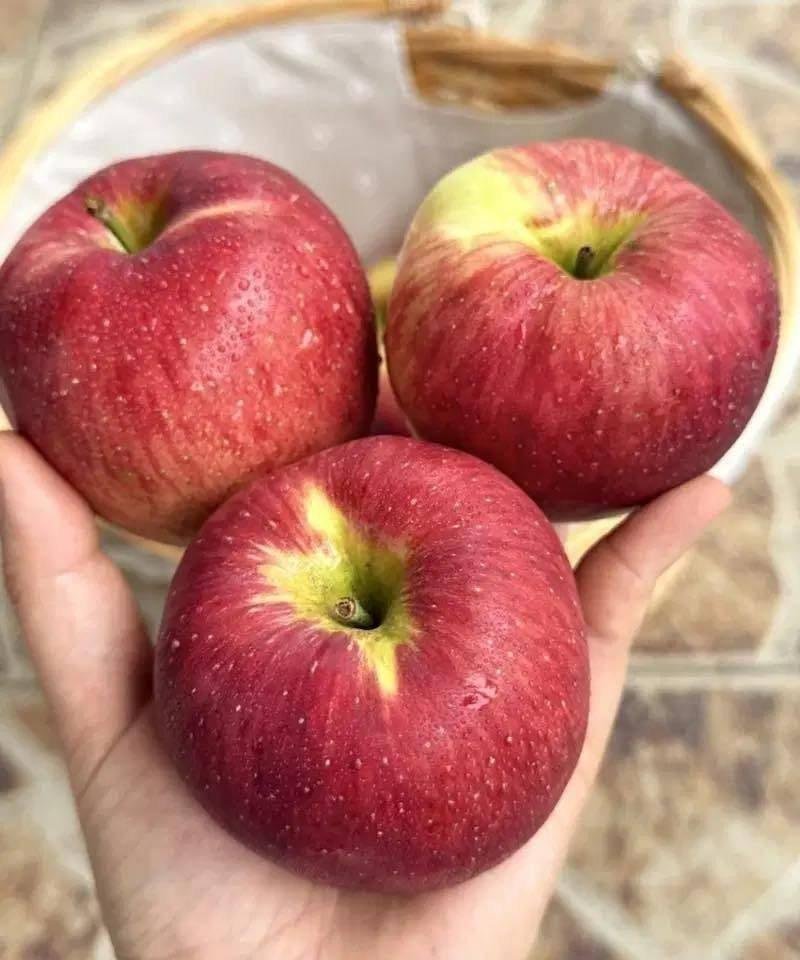
Doctors reveal that eating apples causes

Apples have long been associated with good health, but modern doctors and nutrition experts are now revealing just how powerful this simple fruit can be when eaten regularly. Often overlooked in favor of exotic “superfoods,” apples are affordable, widely available, and packed with nutrients that can quietly transform your body over time. From digestion and heart health to weight control and brain function, eating apples causes a chain reaction of positive effects that many people never realize.

1. Improved Digestive Health

Doctors frequently point out that one of the first noticeable changes from eating apples regularly happens in the digestive system. Apples are rich in dietary fiber, especially a soluble fiber called pectin. Pectin feeds beneficial gut bacteria, helping to balance the microbiome. When your gut bacteria are healthy, digestion becomes smoother, bloating is reduced, and bowel movements become more regular.

Apples can also help protect the stomach lining. Many doctors recommend apples as a gentle food for people who experience mild digestive discomfort, because the fiber helps regulate how quickly food moves through the intestines.

2. Lower Cholesterol Levels

One of the most well-documented effects doctors highlight is apples’ ability to help lower bad (LDL) cholesterol. The pectin in apples binds to cholesterol in the digestive tract and helps remove it from the body before it enters the bloodstream. Over time, this can reduce cholesterol buildup in the arteries, supporting better cardiovascular health.

Doctors often say that adding one apple a day to a balanced diet may support heart health in a simple, natural way—especially when combined with reduced intake of processed foods.

3. Better Blood Sugar Control

Despite their natural sweetness, apples have a low glycemic index, meaning they do not cause sharp spikes in blood sugar. Doctors explain that the fiber slows down sugar absorption, helping keep blood glucose levels more stable.

For people concerned about insulin resistance or type 2 diabetes, apples can be a smart fruit choice when eaten whole (not juiced). Many doctors emphasize that chewing the apple and keeping the skin on is key to getting this benefit.

4. Easier Weight Management

Doctors reveal that eating apples can support weight control in multiple ways. Apples are low in calories, high in water, and rich in fiber—all factors that increase feelings of fullness. Eating an apple before a meal may help reduce overall calorie intake by curbing overeating.

In addition, the natural sweetness of apples can help satisfy sugar cravings, making it easier to avoid processed snacks and desserts that contribute to weight gain.

5. Stronger Immune System

Apples contain vitamin C, antioxidants, and plant compounds called polyphenols. Doctors explain that these substances help protect cells from oxidative stress and support immune defenses. While apples are not a cure for illness, regularly eating them may help the body respond better to infections and inflammation.

Some doctors even recommend apples during seasonal changes, when immunity is often challenged by stress, poor sleep, or dietary changes.

6. Healthier Brain and Memory Support

Emerging research has caught doctors’ attention regarding apples and brain health. Apples contain antioxidants that may help protect brain cells from damage associated with aging. Certain compounds in apples are being studied for their potential role in supporting memory and reducing the risk of cognitive decline.

Doctors stress that while apples alone are not a magic solution, they can be part of a brain-supportive diet that includes fruits, vegetables, healthy fats, and adequate hydration.

7. Cleaner Teeth and Fresher Breath

Although apples should not replace brushing, dentists and doctors often refer to apples as a “natural toothbrush.” Chewing an apple stimulates saliva production, which helps wash away bacteria and food particles. The mild acidity may also help reduce odor-causing bacteria in the mouth.

That said, doctors still recommend rinsing your mouth with water after eating apples to protect tooth enamel.

8. Reduced Risk of Chronic Disease

Doctors increasingly emphasize that apples may help reduce the risk of chronic diseases such as heart disease and certain inflammatory conditions. The combination of fiber, antioxidants, and plant compounds works together to reduce inflammation in the body—a key factor in many long-term illnesses.

Eating apples regularly is often associated with overall healthier dietary patterns, which further amplifies these protective effects.

How to Get the Most Benefit

Doctors agree on a few important tips:

  • Eat apples whole, not juiced

  • Keep the skin on, where most nutrients are found

  • Wash thoroughly to remove residues

  • Pair apples with protein or healthy fats for balanced nutrition

Final Thoughts

Doctors reveal that eating apples causes more than just satisfaction from a crunchy snack—it sets off a series of beneficial changes throughout the body. From digestion and heart health to blood sugar balance and immune support, apples prove that simple foods can have powerful effects when consumed consistently.

While no single food guarantees perfect health, adding an apple a day to a balanced lifestyle may be one of the easiest and most affordable steps you can take toward better overall well-being. As many doctors like to remind us, sometimes the most powerful health solutions really are the simplest. 🍎

Orthopedic surgeon warns Walking isn’t enough after age 75 do this instead | Health tips for older adults

For decades, walking has been promoted as the gold standard of exercise for older adults. It’s simple, low-impact, free, and accessible. But according to many orthopedic surgeons and geriatric specialists, walking alone is no longer enough after age 75. While it remains beneficial, relying on walking as your only form of physical activity may leave critical aspects of your health unprotected.

As we age, the body changes in ways that walking simply cannot fully address. Muscle mass declines, bones become more fragile, balance weakens, and reaction time slows. These changes dramatically increase the risk of falls, fractures, loss of independence, and chronic pain. The good news? There is a smarter, safer, and more effective approach.

Why Walking Alone Falls Short After 75

Walking primarily works the lower body in a repetitive, forward motion. While it supports cardiovascular health and mobility, it does very little to preserve muscle strength, bone density, or balance—the three pillars of healthy aging.

Orthopedic surgeons often see patients who “walk every day” yet still suffer hip fractures, knee instability, spinal compression fractures, or frequent falls. The reason is simple:

  • Walking does not significantly load the bones

  • It does not strengthen the upper body

  • It does not challenge balance or coordination

  • It does not prevent muscle loss (sarcopenia)

After age 75, muscle mass can decline by as much as 1–2% per year, accelerating weakness and frailty. Without intervention, this loss directly impacts independence.

What to Do Instead: The 3-Pillar Movement Plan

Orthopedic specialists recommend a combined movement strategy that goes beyond walking. This approach focuses on strength, balance, and functional movement.

1. Strength Training (The Most Important Change)

If there’s one habit that matters most after 75, it’s strength training. This does not mean heavy weights or gym machines. It means gentle, consistent resistance that tells your muscles and bones to stay strong.

Benefits include:

  • Reduced joint pain

  • Stronger bones (lower fracture risk)

  • Improved posture

  • Easier daily tasks (standing, climbing stairs, carrying groceries)

Simple examples:

  • Chair squats

  • Wall push-ups

  • Resistance band exercises

  • Light dumbbells or water bottles

Just 2–3 sessions per week can significantly improve strength and stability.

2. Balance Training (Fall Prevention Is Critical)

Falls are the leading cause of injury-related hospitalization in adults over 75. Balance training is not optional—it’s essential.

Orthopedic surgeons emphasize that balance must be practiced to be preserved.

Effective balance exercises include:

  • Standing on one foot while holding a chair

  • Heel-to-toe walking

  • Tai Chi

  • Gentle yoga for seniors

These movements train the nervous system, improve coordination, and strengthen stabilizing muscles that walking never engages.

3. Functional Movement (Train for Real Life)

Functional exercises mimic everyday activities, making daily life safer and easier.

Examples:

  • Sit-to-stand movements

  • Reaching and twisting exercises

  • Step-ups on a low platform

  • Carrying light objects safely

This type of training improves confidence, reaction time, and independence.

Should You Stop Walking? Absolutely Not

Walking is still valuable—it supports heart health, digestion, mood, and circulation. The key message from orthopedic experts is not to replace walking, but to stop relying on it alone.

Think of walking as the foundation, not the full structure.

A balanced weekly routine might look like:

  • Walking: 20–30 minutes most days

  • Strength training: 2–3 days per week

  • Balance exercises: daily (5–10 minutes is enough)

Joint-Friendly Tips from Orthopedic Surgeons

To protect aging joints while staying active:

  • Warm up before movement

  • Move slowly and with control

  • Avoid high-impact exercises

  • Use supportive footwear

  • Stop if sharp pain occurs

Consistency matters more than intensity.

The Mental and Emotional Benefits

Beyond physical protection, this expanded approach improves mental health. Strength and balance training boost confidence, reduce fear of falling, and promote independence—key factors in preventing depression and social isolation in older adults.

Many seniors report better sleep, improved mood, and a renewed sense of control after adopting a more complete movement routine.

The Bottom Line

Walking is good—but after age 75, it’s no longer enough on its own. Orthopedic surgeons agree that strength, balance, and functional movement are essential for preventing falls, protecting joints, and maintaining independence.

You don’t need a gym, expensive equipment, or long workouts. What you need is a smarter approach that matches the needs of an aging body.

A few minutes a day, done consistently, can mean the difference between merely getting older—and staying strong, stable, and independent well into your later years.

These Common Foods May Increase Dementia Risk According to Experts

Emerging research shows that what we eat can influence not only our physical health but also our brain health. Dementia — a general term for cognitive decline that affects memory, thinking, and daily functioning — has complex causes, including age, genetics, lifestyle, and importantly, diet. While no single food causes dementia, a growing body of scientific evidence suggests that certain everyday foods may increase the risk of developing the condition over time. Here’s what experts are warning about — and what to consider instead.

1. Ultra-Processed Foods

One of the most consistent findings from recent large studies is the link between ultra-processed foods and increased dementia risk.

Ultra-processed foods are products that have been industrially manufactured with many additives, preservatives, added sugars, and unhealthy fats. Examples include soft drinks, chips, packaged snacks, sugary breakfast cereals, flavored yogurts, ready meals, and processed sauces.

What the research says:
A major study published in Neurology found that for every 10 % increase in daily intake of ultra-processed foods, individuals had a 25 % higher risk of developing dementia — even after accounting for age, gender, family history, and heart health. On the flip side, replacing some ultra-processed foods with fresh, minimally processed foods like fruits, vegetables, legumes, milk, or lean meat was associated with a lower risk of dementia.

Why might this happen? Ultra-processed foods are typically high in added sugar, saturated fat, and salt, and low in beneficial nutrients such as fiber and antioxidants. These dietary patterns can contribute to chronic inflammation, obesity, insulin resistance, and vascular disease — all factors linked to cognitive decline.

2. Processed Red Meats

Processed red meats like bacon, sausages, hot dogs, and salami are not just a cardiovascular risk — they may also affect brain health.

A recent analysis of multiple long-term health studies found that people who regularly consumed higher amounts of processed red meat had a significantly increased risk of dementia. In one large cohort study, eating the most processed red meat was associated with about a 13 % higher risk of developing dementia compared to those who ate the least.

What’s driving the risk?
Processed meats are high in saturated fat, sodium, and preservatives like nitrates and nitrites — compounds that can promote inflammation and oxidative stress. They can also contribute to vascular damage, reducing blood flow to the brain over time.

Experts suggest that replacing even just one serving per day of processed red meat with fish, nuts, legumes, or other healthier proteins may lower dementia risk.

3. Sugary Beverages and Foods High in Added Sugars

High sugar consumption has long been linked to obesity and metabolic disorders — and recent research suggests it may also contribute to cognitive decline.

Sugary beverages — especially sodas and fruit drinks with added sugar — appear to be particularly harmful. One prospective study found that higher intake of free sugars from sugary drinks was associated with a greater risk of dementia later in life.

How sugar may affect the brain:

Inflammation and insulin resistance: Large swings in blood sugar can trigger chronic inflammation and insulin resistance, both of which are linked to cognitive impairment.

Vascular damage: High sugar levels may harm blood vessels, including those supplying the brain.

Oxidative stress: Excess sugar can increase oxidative damage to brain cells.

Reducing sugary drinks and replacing them with water, herbal teas, or beverages without added sugar can be a simple step toward better brain health.

4. Refined Carbohydrates and Highly Refined Grains

Refined carbohydrates — such as white bread, pastries, cakes, and many breakfast cereals — are quickly broken down into sugar in the body. Over time, this can contribute to the same metabolic issues associated with sugary foods.

These foods often lack fiber, vitamins, and minerals, making them “empty calories” that can worsen inflammation and insulin resistance — known contributors to cognitive decline.

Choosing whole grains like oats, brown rice, quinoa, and whole-grain breads over refined options can help stabilize blood sugar and support long-term brain and heart health.

5. Foods High in Saturated and Trans Fats

While the evidence is still evolving, many experts point to diets high in saturated fats (found in fatty cuts of meat, butter, and some baked goods) and industrial trans fats (often in fried and packaged foods) as factors that may worsen cognitive health over time.

These unhealthy fats are linked to elevated cholesterol and cardiovascular disease — and what’s bad for the heart is often bad for the brain. Reduced blood flow and plaque buildup in arteries can impair oxygen and nutrient delivery to brain cells, accelerating cognitive decline.

What This Means for You

Importantly, most of the evidence so far shows association, not direct cause and effect: foods don’t magically induce dementia overnight, but long-term dietary patterns can influence multiple risk factors for brain health.

Practical tips to support brain health include:

Limit ultra-processed foods: Choose fresh, whole foods whenever possible.

Cut back on processed meats: Replace with fish, beans, nuts, or lean poultry.

Reduce sugary drinks and snacks: Opt for water, unsweetened drinks, and whole fruits.

Choose whole grains over refined carbs: Whole grains offer fiber and nutrients that support brain and heart health.

Favor healthy fats: Foods rich in omega-3s (like oily fish, nuts, and seeds) may support cognition.

Diet is just one piece of the puzzle — physical activity, good sleep, social engagement, and managing cardiovascular risk also play crucial roles in protecting cognitive function.

Final Thought

Research continues to illuminate how everyday foods influence brain health over decades. While occasional indulgence won’t single-handedly cause dementia, habitual consumption of ultra-processed foods, high-sugar products, and processed meats may tilt the balance toward higher risk. Making informed food choices today could be one of the most powerful steps you take to preserve your brain health for the future.

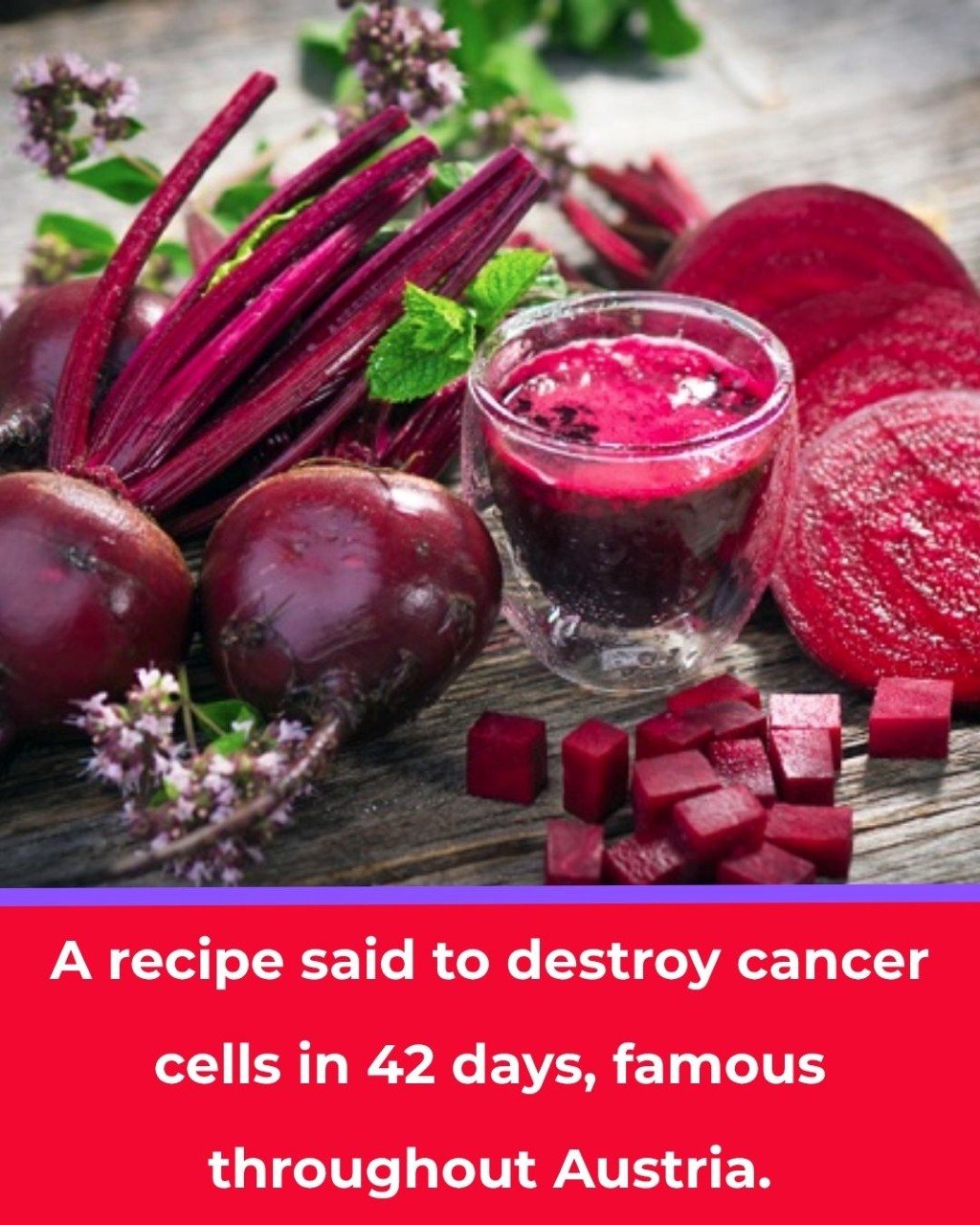
How to completely destroy cancer cells in just 42 days as synthesized by Traditional Medicine

There is no scientifically proven way to “completely destroy cancer cells in 42 days” using Traditional Medicine—or any single method. Cancer is complex, and treatment must always be guided by qualified medical professionals. That said, many traditional healing systems focus on supporting the body’s internal environment, strengthening immunity, reducing inflammation, and improving overall resilience alongside conventional care. The article below explains how Traditional Medicine conceptually approaches cancer support, not a guaranteed cure.

How Traditional Medicine Approaches Cancer Support Over 42 Days

For thousands of years, traditional healing systems such as Traditional Chinese Medicine (TCM), Ayurveda, Unani, and herbal folk medicine have viewed cancer not as a single enemy to “kill,” but as a sign of deep imbalance within the body. According to these systems, disease thrives when the body’s internal terrain becomes weak, inflamed, toxic, or stagnant.

Rather than attacking cancer cells directly, traditional medicine focuses on changing the conditions that allow disease to survive.

Core Philosophy: “Change the Soil, Not Just the Seed”

Traditional medicine teaches that illness develops when:

Immunity is weakened

Chronic inflammation persists

Digestion and detoxification are impaired

Emotional stress remains unresolved

Blood and energy circulation become stagnant

The goal is to restore balance, making the body a hostile environment for abnormal cell growth.

The 42-Day Traditional Medicine Framework

The 42-day period is symbolic in many traditions, representing cellular renewal, habit change, and energetic reset. This time is often divided into three 14-day phases.

Phase 1 (Days 1–14): Detoxification & Inflammation Reduction

Traditional systems believe cancer thrives in a toxic, acidic, inflamed environment. The first phase focuses on cleansing and calming.

Common Traditional Practices

Herbal bitter tonics (such as neem, dandelion, or milk thistle) to support liver detoxification

Warm water rituals in the morning to stimulate digestion

Anti-inflammatory foods like turmeric, ginger, garlic, and leafy greens

Avoidance of processed sugar, refined oils, and alcohol

Traditional View

This phase aims to:

Reduce internal “heat” and inflammation

Improve liver and bowel function

Prepare the body for nourishment and repair

Phase 2 (Days 15–28): Immune Strengthening & Blood Purification

Once detoxification begins, traditional medicine emphasizes building strength, not depletion.

Key Elements

Immune-supportive herbs (used traditionally):

Astragalus

Ashwagandha

Reishi mushroom

Protein-rich whole foods to support tissue repair

Gentle movement such as walking, yoga, or qigong

Adequate sleep aligned with natural circadian rhythms

Traditional Belief

Cancer is associated with weakened “vital energy” (Qi, Prana, or Rooh). Strengthening this energy helps the body:

Identify abnormal cells

Repair damaged tissues

Improve resilience to treatments

Phase 3 (Days 29–42): Circulation, Emotional Healing & Balance

Traditional systems strongly link emotional stress and stagnation to chronic disease.

Focus Areas

Blood and lymph circulation using herbs like ginger or cayenne (in small amounts)

Mind-body practices such as meditation, prayer, breathwork, or guided relaxation

Emotional release techniques to address fear, grief, or long-term stress

Why This Matters

Chronic stress raises cortisol, suppresses immunity, and increases inflammation. Traditional medicine teaches that healing cannot occur in a stressed body.

Diet in Traditional Medicine: “Food as Daily Medicine”

Across cultures, traditional healers emphasize:

Whole, minimally processed foods

Seasonal fruits and vegetables

Fermented foods for gut health

Reduced meat and heavy fats during illness

Foods are chosen not just for nutrients, but for their energetic properties—cooling, warming, drying, or moistening.

What Traditional Medicine Does Not Claim

Responsible traditional practitioners do not claim:

Guaranteed cancer cures

Fixed timelines for elimination

Replacement of medical oncology

Instead, they emphasize support, prevention, and quality of life.

What Science Says Today

Modern research confirms that:

Chronic inflammation contributes to cancer progression

Immune strength plays a role in tumor suppression

Diet, stress management, and gut health influence outcomes

This is where traditional medicine and modern science overlap, though evidence varies by practice and herb.

Final, Honest Truth

Traditional medicine does not magically destroy cancer cells in 42 days. What it can do is:

Support the body’s natural defenses

Improve tolerance to medical treatments

Reduce inflammation and oxidative stress

Help patients feel stronger, calmer, and more balanced

If you or someone you love is dealing with cancer, the safest and most effective approach is an integrative one—combining evidence-based medical care with supportive traditional practices under professional guidance.

Healing is not a countdown. It is a process.

Seeing This Plant Is Like Finding Gold’ in the Garden Don’t Throw It Away Castor Leaves

Many gardeners pull out plants they don’t recognize, assuming they’re weeds with no value. But if you spot large, glossy, star-shaped leaves with a bold, tropical look, you may be standing in front of something far more precious than you think. Castor leaves, from the Ricinus communis plant, are often overlooked or discarded—yet in many cultures, they are considered as valuable as “green gold.”

While the castor plant is surrounded by mystery and must be handled with respect, its leaves have a long history of traditional, agricultural, and practical uses that make them worth understanding rather than destroying.


What Are Castor Leaves?

Castor leaves come from the castor plant, a fast-growing perennial or annual shrub known for its dramatic appearance. The leaves are large, palmate (hand-shaped), and deep green or reddish-purple depending on the variety. The plant is best known for castor oil, which is extracted from its seeds—but the leaves themselves have played an important role in traditional practices around the world.

Important note: While the leaves have external and non-edible uses, the seeds of the castor plant are extremely toxic. Castor leaves should never be eaten unless under professional guidance, and the seeds should never be consumed.


Why Castor Leaves Are Considered “Garden Gold”

1. A Powerful Plant in Traditional Practices

For centuries, castor leaves have been used externally in traditional systems across Africa, Asia, and parts of the Mediterranean. They were often warmed and applied to the body as compresses, wraps, or poultices.

Traditionally, people valued castor leaves for:

  • Soothing stiff joints and muscles

  • Supporting relaxation when used in warm applications

  • Comforting the body during periods of tension

These uses were based on generations of observation, not modern medicine, but they explain why the plant earned such high regard.


2. Natural Soil Enrichment and Compost Value

Gardeners who throw castor leaves away are missing an opportunity to enrich their soil. Castor leaves decompose quickly and add organic matter to compost piles when handled properly.

Benefits in the garden include:

  • Improving soil texture

  • Increasing organic content

  • Supporting beneficial microorganisms

When composted (without seeds), castor leaves can contribute to healthier soil for flowers and ornamental plants.


3. A Natural Pest-Deterrent Reputation

Castor plants are often grown as natural borders in gardens because many pests avoid them. While not a chemical pesticide, the strong scent and compounds in the plant may discourage certain insects and animals.

Some gardeners use castor leaves:

  • Around compost bins

  • Near garden borders

  • In ornamental landscaping to deter pests naturally

This makes the plant useful even if you never harvest anything from it.


4. Stunning Ornamental Beauty

Beyond practical uses, castor leaves are visually striking. Their large size and dramatic shape give gardens an exotic, tropical appearance.

They are commonly used for:

  • Statement plants in landscaping

  • Background foliage in flower beds

  • Creating natural shade for smaller plants

In this sense, castor leaves are “gold” simply for their beauty and presence.


Traditional External Uses of Castor Leaves

In folk traditions, castor leaves were commonly:

  • Lightly warmed and placed on the skin

  • Used as wraps with cloth

  • Applied externally only

These practices were never meant for internal use and were passed down with clear warnings to avoid ingestion.

Even today, many people value castor leaves for external, non-edible purposes only, respecting the plant’s strength and potential risks.


Safety: What You MUST Know Before Handling Castor Leaves

This is where knowledge becomes critical.

  • Never eat castor leaves or seeds

  • Never use seeds in compost or home remedies

  • Wash hands after handling the plant

  • Keep away from children and pets

The castor plant contains ricin, one of the most potent natural toxins known, primarily concentrated in the seeds. Awareness and caution are essential.

When treated with respect, castor leaves can be appreciated safely for their non-edible benefits.


Why You Shouldn’t Destroy Castor Plants Immediately

Many people remove castor plants out of fear or misunderstanding. While caution is justified, immediate destruction isn’t always necessary.

Instead:

  • Learn to identify the plant properly

  • Remove seed pods safely if needed

  • Decide whether to keep it as an ornamental or compost contributor

Understanding transforms fear into informed respect.


The Deeper Lesson of Castor Leaves

Castor leaves remind us of a powerful truth: not everything valuable looks friendly, and not everything dangerous is useless. Nature often places incredible resources right in front of us—but only knowledge tells us how to use them wisely.

Calling castor leaves “gold” isn’t about money. It’s about recognizing their historical value, their role in ecosystems, and their place in traditional wisdom—while also respecting their limits.


Final Thoughts

If you find castor leaves growing in your garden, don’t rush to throw them away in panic. Learn about them. Respect them. Use them wisely and safely.

With the right understanding, this misunderstood plant can shift from “unwanted weed” to one of the most fascinating and valuable discoveries in your garden—truly a form of green gold hiding in plain sight. 🌿

If a Doctor Ever Prescribed You One of These Medications, You Should Read This Immediately

Medications save lives every day, relieve pain, manage chronic illness, and help millions of people live better. However, not all prescriptions are as harmless as they seem. Some widely used medications come with serious side effects, long-term risks, or hidden dangers that many patients are never fully warned about. If you have ever been prescribed one of the medications below, this information could be important for your health and safety.

Important note: Never stop or change a prescribed medication without speaking to your doctor. The goal is awareness—not fear.


1. Proton Pump Inhibitors (PPIs)

Examples: Omeprazole, Pantoprazole, Esomeprazole

These drugs are commonly prescribed for acid reflux, GERD, and stomach ulcers. While effective short-term, long-term use has been linked to:

  • Increased risk of bone fractures

  • Vitamin B12 and magnesium deficiency

  • Kidney disease

  • Higher risk of certain infections

Many people stay on PPIs for years when they were intended for short-term use only. If you’ve been taking them daily for months or years, it’s worth discussing alternatives with your doctor.


2. Statins (Cholesterol-Lowering Drugs)

Examples: Atorvastatin, Simvastatin, Rosuvastatin

Statins reduce cholesterol and lower heart attack risk, but they may also cause:

  • Muscle pain and weakness

  • Liver enzyme changes

  • Memory issues or brain fog (in some people)

  • Increased risk of type 2 diabetes

Not everyone experiences side effects, but muscle pain is often dismissed as “aging” when it may be medication-related.


3. Benzodiazepines (Anti-Anxiety & Sleep Medications)

Examples: Diazepam (Valium), Alprazolam (Xanax), Lorazepam (Ativan)

These medications work quickly, but they come with serious risks:

  • Dependence and addiction

  • Withdrawal symptoms (including seizures)

  • Memory problems

  • Increased fall risk in older adults

Even when taken as prescribed, benzodiazepines can be difficult to stop safely without medical supervision.


4. Opioid Painkillers

Examples: Oxycodone, Hydrocodone, Morphine

Opioids are powerful pain relievers, but they are also highly addictive. Risks include:

  • Physical dependence

  • Respiratory depression

  • Constipation and hormonal imbalance

  • Increased overdose risk

What starts as short-term pain relief can quietly turn into long-term dependence, even in people who follow instructions carefully.


5. Antibiotics (When Overused)

Examples: Amoxicillin, Ciprofloxacin, Azithromycin

Antibiotics are lifesaving, but unnecessary or repeated use can:

  • Destroy beneficial gut bacteria

  • Cause digestive issues and yeast infections

  • Contribute to antibiotic resistance

Some antibiotics, especially fluoroquinolones, have been associated with tendon damage and nerve problems in rare cases.


6. Steroids (Corticosteroids)

Examples: Prednisone, Dexamethasone

Steroids reduce inflammation fast, but long-term use may lead to:

  • Weakened immune system

  • Weight gain and high blood sugar

  • Bone thinning (osteoporosis)

  • Mood changes and insomnia

Even short courses can cause noticeable side effects in sensitive individuals.


7. Antidepressants (SSRIs & SNRIs)

Examples: Fluoxetine, Sertraline, Venlafaxine

These medications help millions, but they can also cause:

  • Sexual dysfunction

  • Emotional numbness

  • Weight changes

  • Withdrawal symptoms if stopped abruptly

Some people remain on antidepressants for years without regular re-evaluation of whether they are still needed.


8. Blood Pressure Medications

Examples: Beta-blockers, ACE inhibitors, Diuretics

These drugs are essential for many patients, but side effects may include:

  • Dizziness and fatigue

  • Electrolyte imbalances

  • Chronic cough (with ACE inhibitors)

Side effects are sometimes mistaken for “normal aging” rather than medication-related issues.


Why This Matters More Than Ever

Many medications are prescribed quickly during short appointments, and patients may not be told about long-term risks or alternative options. Over time, prescriptions can pile up, increasing the risk of drug interactions and unnecessary side effects.

Being informed allows you to:

  • Ask better questions

  • Recognize warning signs early

  • Avoid unnecessary long-term use

  • Work with your doctor on safer alternatives


What You Should Do Now

  • Review your current medications

  • Ask your doctor why each one is necessary

  • Discuss duration, side effects, and alternatives

  • Never stop a medication abruptly without guidance


Final Thought

Medications are powerful tools—but power requires respect. If you’ve ever been prescribed any of these drugs, awareness could protect your health in ways you never expected. Knowledge doesn’t replace medical care—but it can make you a safer, smarter patient.