The Natural Rhythm of Sleeping All Night And How It Helps Burn Fat

The Natural Rhythm of Sleeping All Night 😴 — And How It Helps Burn Fat

Sleep is often treated like a luxury—something we squeeze in after work, screens, and stress. But in reality, sleep is a biological rhythm, deeply wired into the human body. When you sleep all night, in sync with your natural circadian rhythm, your body doesn’t just rest. It repairs, balances hormones, and quietly supports fat burning.

Yes—sleep and fat loss are connected, and the relationship is more powerful than most people realize.

Understanding the Body’s Natural Sleep Rhythm

Humans are designed to follow a circadian rhythm, a 24-hour internal clock regulated mainly by light and darkness. As evening approaches and light decreases, the brain releases melatonin, the hormone that prepares the body for sleep. Heart rate slows, body temperature drops slightly, and metabolism shifts from “doing” mode to “repair” mode.

Sleeping all night—ideally 7 to 9 uninterrupted hours—allows this rhythm to complete its full cycle. When that cycle is respected, the body functions efficiently. When it’s disrupted, the body compensates in ways that often promote weight gain rather than fat loss.

What Happens While You Sleep

Many people assume fat burning happens only during exercise. In truth, some of the most important metabolic work happens during deep sleep.

During the night:

  • Growth hormone is released, especially during deep sleep stages. This hormone supports fat breakdown and muscle repair.

  • Insulin sensitivity improves, helping the body manage blood sugar more efficiently.

  • Stress hormones like cortisol decrease, reducing fat storage—especially around the abdomen.

  • The body shifts toward using stored fat for energy, since no food is being consumed.

In short, good sleep creates the hormonal environment your body needs to burn fat naturally.

The Sleep–Fat Hormone Connection

Two key hormones explain why sleeping all night matters so much for weight management:

Leptin – the hormone that signals fullness
Ghrelin – the hormone that triggers hunger

When you sleep well, leptin levels stay balanced and ghrelin stays under control. But when sleep is shortened or fragmented:

  • Leptin decreases (you feel less satisfied)

  • Ghrelin increases (you feel hungrier)

  • Cravings—especially for sugar and refined carbs—intensify

This is why poor sleep often leads to overeating the next day, even if calorie intake was “fine” before.

Deep Sleep and Fat Burning

Not all sleep is equal. Deep sleep—also called slow-wave sleep—is where the magic happens.

During deep sleep:

  • The nervous system fully relaxes

  • Growth hormone peaks

  • Fat metabolism increases

  • Inflammation decreases

If you fall asleep late, wake up frequently, or scroll on your phone before bed, deep sleep time is reduced. That doesn’t just make you tired—it slows fat loss and makes weight gain easier.

Sleeping All Night vs. Broken Sleep

Sleeping “all night” doesn’t just mean being in bed for eight hours. It means consistent, uninterrupted sleep that allows the body to move through all sleep stages multiple times.

Broken sleep:

  • Raises cortisol

  • Disrupts blood sugar control

  • Encourages fat storage

  • Reduces energy for physical activity the next day

Continuous sleep, on the other hand, signals safety to the body. When the body feels safe, it’s far more willing to release stored fat.

How Nighttime Supports Daytime Fat Loss

When you sleep well at night, the benefits carry into the next day:

  • Better energy → more movement

  • Balanced hormones → fewer cravings

  • Improved focus → healthier food choices

  • Stable metabolism → more efficient calorie use

This creates a positive feedback loop where sleep supports fat loss, and fat loss improves sleep quality.

Aligning with Your Natural Rhythm

You don’t need extreme routines or supplements to benefit. Small, consistent habits can restore your natural rhythm:

  • Go to bed and wake up at the same time daily

  • Dim lights 1–2 hours before bed

  • Avoid heavy meals late at night

  • Limit screens before sleep

  • Get morning sunlight to reset your internal clock

These signals tell your brain when it’s time to rest and when it’s time to be active—allowing fat-burning hormones to do their job.

Sleep Is Not Passive—It’s Powerful

The idea that fat loss requires constant effort is misleading. Sleep is an active biological process, even though it feels passive to us. While you’re resting, your body is making decisions about energy use, storage, and repair.

When you respect your natural rhythm and sleep all night, you’re not “doing nothing.”
You’re giving your body permission to work efficiently.

Final Thoughts

Burning fat doesn’t always mean pushing harder—it often means resting smarter. Sleeping all night, in harmony with your natural rhythm, creates the hormonal balance your body needs to release excess fat naturally.


Discover the Simple Japanese Morning Habit That May Naturally Support Colon Health

Discover the Simple Japanese Morning Habit That May Naturally Support Colon Health

When people think about longevity and digestive health, Japan often comes up—and for good reason. Japan consistently ranks among the countries with the longest life expectancy, and digestive wellness plays a quiet but important role in that story. While there’s no single secret to perfect health, one simple Japanese morning habit has drawn attention for how it may gently support colon health: starting the day with warm water, followed by a mindful bathroom routine.

This practice is easy, low-cost, and deeply rooted in daily Japanese life. While it’s not a cure or medical treatment, many experts agree it can encourage healthier digestion when combined with good nutrition and lifestyle habits.

Let’s break down what this habit is, why it may help, and how you can try it yourself.

The Habit: Warm Water + Routine Timing

In many Japanese households, mornings begin calmly. Soon after waking, people often drink a glass or two of warm water, sometimes before breakfast. This is commonly followed by allowing time for the body’s natural elimination reflex—without rushing, straining, or ignoring the urge.

This practice aligns closely with something doctors already recognize: the gastrocolic reflex—a natural response where the colon becomes more active after waking and after consuming fluids or food.

Warm water doesn’t “cleanse” the colon in a dramatic way, but it may help by:

  • Gently stimulating intestinal movement

  • Hydrating the digestive tract after sleep

  • Softening stool consistency

  • Supporting regular bowel timing

Over time, consistency is key. The colon thrives on routine.

Why Warm Water Instead of Cold?

In traditional Japanese wellness thinking, warm or room-temperature water is believed to be easier on the digestive system, especially first thing in the morning.

From a physiological standpoint, warm water may:

  • Encourage smoother muscle relaxation in the gut

  • Increase blood flow to digestive organs

  • Reduce sudden gastric shock that cold liquids can cause

While cold water isn’t harmful, warm water may be more comfortable and more likely to promote movement in sensitive digestive systems.

Supporting Colon Health the Gentle Way

Colon health depends on multiple factors—fiber intake, hydration, gut bacteria, movement, and stress levels. This morning habit doesn’t replace those fundamentals, but it works with them.

Potential benefits include:

1. Improved Regularity

Consistent morning hydration may help reduce occasional constipation by encouraging predictable bowel movements.

2. Reduced Straining

Adequate hydration softens stool, which can lower pressure on the colon and rectal veins.

3. Better Gut Awareness

Allowing time for bathroom visits trains your body to recognize and respond to natural signals rather than suppressing them.

The Role of Mindfulness in the Routine

Another often-overlooked element is how the habit is practiced.

In Japan, bathrooms are designed for comfort, privacy, and relaxation. The cultural emphasis is on not rushing. This matters because stress directly affects digestion.

When you’re anxious or distracted:

  • The nervous system suppresses digestive activity

  • Colon contractions can become irregular

  • Elimination may be delayed or uncomfortable

A calm morning routine signals safety to the body, allowing digestion to proceed normally.

How to Try This Habit at Home

You don’t need to adopt Japanese culture wholesale—just borrow the useful parts.

Simple steps to follow:

  1. Wake up and drink 1–2 glasses of warm or room-temperature water

  2. Avoid checking your phone immediately

  3. Eat breakfast within 30–60 minutes

  4. Sit on the toilet when the urge appears—don’t force it

  5. Relax your breathing and posture

If nothing happens, that’s okay. The goal is consistency, not immediate results.

Pair It With Colon-Friendly Habits

To get the most benefit, combine this morning practice with:

  • Fiber-rich foods (vegetables, fruits, whole grains)

  • Daily movement, even light walking

  • Adequate hydration throughout the day

  • Probiotic foods like yogurt, miso, or fermented vegetables

  • Regular sleep schedules

In Japan, this habit works because it fits into a broader lifestyle that supports digestion naturally.

What This Habit Is Not

It’s important to be realistic.

  • It’s not a detox

  • It doesn’t cure colon disease

  • It won’t replace medical care

  • It’s not a quick fix for chronic digestive disorders

However, for people looking to gently support digestive regularity and colon comfort, it’s a safe, simple place to start.

A Small Habit With Long-Term Impact

The beauty of this Japanese morning habit is its simplicity. No supplements. No extreme cleanses. Just water, time, and respect for your body’s natural rhythms.

Colon health isn’t built in a day—but daily habits quietly shape it over years.

Sometimes, the most effective changes are the ones that feel almost too easy.

More protein than eggs and prevents muscle loss after age 60

More Protein Than Eggs and Why It Matters After Age 60

As adults age, one of the biggest nutritional challenges isn’t just eating — it’s maintaining muscle mass and strength. Starting around age 30, people lose muscle gradually, and after age 60 this loss accelerates. This process — called sarcopenia — affects mobility, balance, metabolism, and overall quality of life.

Protein is the main nutrient that fuels muscle repair and growth. But not all protein sources are created equal.

Eggs have long been considered a high-quality protein source — with about 6–7 grams of protein per large egg and excellent amino acid balance. Still, there are foods with higher protein per serving and specific benefits for aging muscles.

One standout example is lean poultry (especially chicken breast) — a protein source with more protein per serving than eggs, plus benefits for older adults.

In this article, we’ll explore:

  • Why protein matters after age 60

  • Which foods provide more protein than eggs

  • How protein prevents muscle loss

  • Ideal protein timing and amounts

  • Practical tips for older adults


Why Protein Becomes Even More Important After 60

After age 60, the body becomes less efficient at building and preserving muscle — even with the same diet and activity. This happens due to:

  • Lower levels of growth hormone and testosterone

  • Reduced activity levels

  • Changes in digestive efficiency

  • Inflammation

  • Increased risk of chronic conditions

Because of this, older adults need more protein than younger adults per kilogram of body weight. Studies show older adults benefit from 1.2–1.6 grams of protein per kilogram of body weight per day — higher than the general recommendation of 0.8 g/kg.

So if you weigh 70 kg (about 154 lbs), then 84–112 grams of protein each day can help prevent muscle loss.

Good food choices are vital — and some foods pack more protein than eggs.


Protein Source With More Than Eggs: Chicken Breast

Let’s compare:

  • 1 large egg (approx. 50 g) ≈ 6–7 g protein

  • 100 g cooked chicken breast ≈ 31 g protein

That means 100 grams of chicken breast delivers about 4–5 times more protein than one egg.

This makes chicken breast a top choice when your goal is muscle preservation and growth.

Why Chicken Breast Is Great for Aging Adults

  1. High Protein, Low Fat
    Most of the calories in chicken breast come from protein. That makes it efficient for muscle support without excess fat.

  2. Complete Protein
    Like eggs, chicken breast provides all nine essential amino acids — especially leucine, which triggers muscle protein synthesis.

  3. Easy to Prepare
    Chicken can be grilled, baked, stewed, sautĂŠed, and combined with many foods.

  4. Digestibility
    For many older adults who may have digestive sensitivities, lean poultry is easier on the stomach compared to heavier meats.


Other High-Protein Foods That Rival or Beat Eggs

While eggs are nutritious, here are other foods expressing equal or more protein per serving:

Food Serving Size Approx. Protein
Chicken breast (cooked) 100 g ~31 g
Turkey breast (cooked) 100 g ~29 g
Tuna (canned in water) 100 g ~29 g
Lean beef (cooked) 100 g ~26–28 g
Greek yogurt (non-fat) 170 g (1 cup) ~20 g
Cottage cheese 1 cup ~25 g
Lentils (cooked) 1 cup ~18 g
Tofu (firm) 100 g ~8–12 g

(Protein amounts are approximate.)

Among these, animal proteins tend to have more complete amino acid profiles, especially rich in leucine — which is key for older adults.


How Protein Helps Prevent Muscle Loss

Protein helps slow or reverse sarcopenia by:

1. Stimulating Muscle Protein Synthesis

When you eat protein, your body uses amino acids to build and repair muscle fibers — especially after activity. Older adults require slightly higher protein per meal to trigger this response.

2. Reducing Breakdown of Muscle Tissue

Adequate daily protein helps maintain a positive protein balance, meaning the body breaks down less muscle than it builds.

3. Supporting Strength and Function

With enough protein, older adults are more likely to have better:

  • Balance

  • Walking speed

  • Endurance

  • Independence

These benefits matter more than body weight alone — they affect real quality of life.


How Much Protein Should Older Adults Eat — and When?

Daily Goal

Many experts recommend:

  • 1.2–1.6 g protein/kg body weight per day

  • Some even recommend 1.8 g/kg in presence of illness, recovery, or high physical stress

That means if you weigh 70 kg (~154 lbs):

  • Minimum daily goal ≈ 84–112 g protein

Meal Spread

Protein is more effective when spread evenly. Aim for:

  • 25–35 g protein per meal

  • Even better: 30–40 g for older adults

An example daily plan:

  • Breakfast: Greek yogurt + nuts = ~28 g

  • Lunch: Chicken breast salad = ~35 g

  • Dinner: Lean beef stir-fry = ~30–40 g

  • Snacks: Cottage cheese, nuts, protein shake = ~10–15 g

Balanced meals like this help sustain muscle protein synthesis throughout the day.


Tips for Aging Adults

1. Pair Protein With Resistance Exercise

Resistance training (weights, bands, bodyweight) multiplies the benefits of protein.

2. Choose Quality Protein Sources

Lean meats, poultry, fish, dairy, legumes, eggs, and soy all contribute.

3. Add Little Protein Everywhere

Even snacks like yogurt, cheese, nuts, and seeds help reach targets.

4. Stay Hydrated

Water supports digestion and nutrient absorption.

5. Check With Healthcare Provider

Especially if you have kidney issues or other medical conditions.


Conclusion

While eggs are a high-quality protein source, lean chicken breast and similar lean proteins provide significantly more protein per serving — a powerful tool against age-related muscle loss.

For older adults, more protein — combined with strength-based physical activity — helps maintain muscle mass, strength, functional independence, and overall health. With smart food strategies, preventing sarcopenia is not only possible — it’s practical and delicious.

Just 2 Ingredients to Help Empty Your Belly Fat, Recipe

Stubborn belly fat is one of the most frustrating things to deal with. You eat better, move more, and yet the lower belly still hangs on. Often, what people call “belly fat” is actually a mix of slow digestion, bloating, water retention, and inflammation. That’s where simple, natural ingredients can help.

This easy two-ingredient drink has been used for years to support digestion, reduce bloating, and gently boost metabolism. When taken consistently, especially in the morning, it can help flatten the belly over time and support overall fat loss.

The 2 Powerful Ingredients

1. Lemon
Lemon is rich in vitamin C and antioxidants that support liver function. A healthy liver plays a key role in fat metabolism. Lemon also helps stimulate digestive juices, which can reduce bloating and help your body process food more efficiently. Many people notice a flatter stomach simply because lemon helps flush excess water retention.

2. Warm Water
Warm water may seem too simple, but it’s incredibly effective. It gently wakes up your digestive system, improves circulation, and helps break down stored fat more efficiently than cold water. Warm water also helps move waste through the intestines, which reduces belly puffiness.

Together, lemon and warm water create a powerful yet gentle drink that supports digestion, hydration, and metabolic health.


Belly Fat Support Drink Recipe

Ingredients

  • 1 fresh lemon

  • 1 cup (250 ml) warm water

That’s it. No fancy powders. No expensive supplements.


How to Prepare

  1. Heat one cup of water until it is warm, not boiling. You should be able to drink it comfortably.

  2. Cut a fresh lemon in half.

  3. Squeeze the juice from ½ to 1 full lemon into the warm water, depending on your tolerance.

  4. Stir well and drink immediately.


How and When to Drink It

  • Drink first thing in the morning on an empty stomach.

  • Wait 20–30 minutes before eating breakfast.

  • Drink it once daily for best results.

Consistency matters more than anything. One cup won’t change your body overnight, but daily use can make a visible difference over time.


Why This Helps Reduce Belly Fat Appearance

This drink does not magically burn fat while you sleep—but it creates the right conditions for fat loss.

Improves digestion:
Poor digestion leads to bloating and gas, which pushes the belly outward. Lemon water helps food break down more efficiently.

Reduces water retention:
Lemon acts as a natural diuretic, helping the body release excess water stored around the abdomen.

Supports metabolism:
Hydration and vitamin C both play a role in fat metabolism. A well-hydrated body burns calories more efficiently.

Balances blood sugar:
Drinking lemon water in the morning may help reduce sugar cravings later in the day, preventing overeating.

Encourages mindful habits:
Starting the day with a healthy ritual often leads to better food choices overall.


What Results to Expect

In the first few days, many people notice:

  • Less bloating

  • A flatter stomach in the morning

  • Better bowel movements

Within 2–4 weeks (combined with balanced eating):

  • Reduced belly puffiness

  • Improved digestion

  • Gradual fat loss around the waist

Remember, real fat loss takes time. This drink supports the process—it doesn’t replace healthy eating or movement.


Optional Tips (Still Only 2 Core Ingredients)

  • Use fresh lemon only, not bottled juice.

  • If lemon feels too acidic, start with ½ lemon and increase gradually.

  • Rinse your mouth with plain water after drinking to protect tooth enamel.

  • Pair this drink with light movement like walking for better results.


Important Notes

  • This recipe is safe for most people, but if you have acid reflux or stomach sensitivity, reduce the lemon amount.

  • Results vary based on diet, activity level, and lifestyle.

  • No drink can target fat in one specific area—but this helps reduce the appearance of belly fat by improving digestion and hydration.


Final Thoughts

Sometimes the simplest habits bring the biggest changes. This two-ingredient morning drink is affordable, easy, and gentle on the body. When used consistently, it helps reduce bloating, support metabolism, and flatten the belly naturally over time.

I Belittled My Wife for Being ‘Just a Stay-at-Home Mom’Two Weeks Later, I Opened a Box and Broke Down

I still remember the exact moment the words left my mouth. We were standing in the kitchen, surrounded by the low hum of the dishwasher and the sticky aftermath of dinner. I was tired, stressed from work, and feeling unappreciated. When the argument escalated, I snapped.

“At least I actually work,” I said. “You’re just a stay-at-home mom.”

The second the sentence landed, the air changed. My wife didn’t yell. She didn’t cry. She just went quiet—dangerously quiet—and nodded once, as if she’d been expecting those words all along. Then she turned back to the sink and kept washing dishes.

I wish I could say I apologized immediately. I didn’t. I told myself I was right, that I was the one bringing in the paycheck, that my stress mattered more. I went to bed convinced I’d “won” the argument.

For the next two weeks, something in our house felt off. Not loud-off. Not dramatic. Just… hollow. My wife still did everything she always did: packed lunches, handled school drop-offs, remembered appointments, managed tantrums and scraped knees and the thousand invisible tasks that keep a household running. But she stopped doing one thing.

She stopped explaining herself to me.

No more justifying why she was tired. No more listing what she’d done all day. No more trying to make me understand. She simply existed—efficient, calm, distant.

Then, one Saturday morning, she asked me to get something from the hall closet.

“There’s a box on the top shelf,” she said. “I think it’s labeled ‘Mom.’ Can you grab it?”

I didn’t think much of it. I climbed onto a chair, pulled down a dusty cardboard box, and set it on the floor. The lid was taped shut. Inside, neatly stacked, were folders, envelopes, and loose papers. At the top was a handwritten note.

Since this doesn’t count as work, I figured it doesn’t need to stay in my head.

I felt a strange tightening in my chest as I started going through the box.

There were printed emails between teachers and doctors. Notes from pediatric visits. A color-coded calendar of school events, birthdays, playdates, and family obligations—months in advance. Lists of groceries categorized by store aisle. Emergency contacts. Instructions for the babysitter. A spreadsheet tracking our kids’ clothing sizes, shoe sizes, and seasonal needs.

Then I found the less logistical things.

Cards our kids had made for her. Notes she’d written to herself during hard days. A folded piece of paper where she’d practiced saying, “I need help,” over and over, like a script she was trying to memorize.

At the bottom of the box was a small notebook. I opened it and realized it was a journal—one she’d never shared with me. I didn’t read everything. I didn’t need to.

One entry stopped me cold.

Today he said I’m “just” a stay-at-home mom. I wonder if he knows that means I’m the first and last person our kids see every day. That I carry the weight of their emotions, their safety, their futures. I wonder when I stopped being impressive to him.

I sat on the floor and cried. Not a quiet, dignified cry. The kind where your chest hurts and your throat closes and you finally see yourself clearly—and you don’t like what you see.

I had reduced my wife to a label because it made me feel bigger. I had taken the most demanding, relentless job in our household and dismissed it because it didn’t come with a paycheck or praise from a boss. I had confused visibility with value.

What broke me the most wasn’t the box itself. It was the realization that she’d been carrying all of this alone—mentally, emotionally, invisibly—while I congratulated myself for “providing.”

When she came back into the room, I couldn’t even look at her at first. I just said, “I’m so sorry,” over and over, like a lifeline.

She didn’t forgive me instantly. And honestly, she shouldn’t have. Words like mine don’t disappear just because you regret them. They echo. They settle into places that take time to heal.

But that box changed me.

I see now that being a stay-at-home mom isn’t “just” anything. It’s project management, emotional labor, crisis response, education, healthcare coordination, and love without clock-out times. It’s giving up measurable success for impact you may never fully see.

I still work my job. I still get tired. But I no longer pretend that my exhaustion is the only one that counts.

And every once in a while, when I start to forget, I think about that box on the closet shelf—quietly holding the weight of a life I once had the arrogance to dismiss.

If you have fig leaves, you have gold and you didn’t even know it

If You Have Fig Leaves, You Have Gold: A Powerful Traditional Recipe You Shouldn’t Ignore

Fig trees have been treasured for centuries, not only for their sweet fruit but also for their large, aromatic leaves. In many traditional cultures, fig leaves were never wasted. They were brewed, cooked, wrapped around foods, and even used in home remedies. Today, most people walk past fig leaves without realizing their value. If you have access to them, you’re sitting on something truly special.

One of the most popular and practical ways to use fig leaves is by making fig leaf tea, a simple traditional recipe that has been passed down through generations. This recipe is easy, affordable, and uses ingredients you may already have at home.


Why Fig Leaves Are So Special

Fig leaves are rich in natural plant compounds and have a mild, pleasant aroma—slightly coconut-like when cooked. Traditionally, they have been used to support digestion, balance routines, and add depth of flavor to food and drinks.

What makes fig leaves especially valuable is their versatility. They can be:

  • Brewed into tea

  • Used as natural food wraps

  • Added to baths for relaxation

  • Dried and stored for long-term use

But let’s start with the most popular and beginner-friendly method.


Fig Leaf Tea Recipe (Traditional Method)

Ingredients

  • 2–3 fresh fig leaves (or 1 tablespoon dried fig leaves)

  • 2 cups clean water

  • Optional: honey, lemon, or cinnamon

Step-by-Step Instructions

  1. Choose the Right Leaves
    Pick healthy, green fig leaves with no spots or damage. Younger leaves are softer and milder in taste, but mature leaves also work well.

  2. Wash Thoroughly
    Rinse the leaves under running water to remove dust or residue. This step is important, especially if the tree is outdoors.

  3. Cut or Tear the Leaves
    Tear the leaves into smaller pieces or cut them with a knife. This helps release their natural aroma and flavor during brewing.

  4. Boil the Water
    Bring two cups of water to a gentle boil in a pot.

  5. Simmer the Leaves
    Add the fig leaves to the boiling water. Reduce the heat and let them simmer for 10–15 minutes. The water will gradually change color and release a warm, herbal scent.

  6. Strain and Serve
    Remove from heat, strain the liquid into a cup, and discard the leaves.

  7. Enhance the Flavor (Optional)
    Add a teaspoon of honey, a squeeze of lemon, or a small cinnamon stick if desired.


How to Use Fig Leaf Tea

Traditionally, fig leaf tea is enjoyed:

  • Once a day, preferably in the evening

  • Warm, not boiling hot

  • As part of a calm daily routine

The taste is mild, slightly nutty, and very soothing—perfect for people who don’t like bitter herbal teas.


Bonus Use: Cooking with Fig Leaves

Fig leaves aren’t just for tea. In traditional kitchens, they are often used as natural wraps for food.

How to Use Fig Leaves for Cooking

  • Wash the leaves well

  • Blanch them briefly in hot water to soften

  • Wrap fish, rice, or vegetables inside

  • Steam or bake

This method adds a gentle aroma and keeps food moist, similar to banana leaves but with a unique flavor.


How to Dry and Store Fig Leaves

If you have many leaves, drying them is a smart move.

  1. Wash and pat dry

  2. Place in a shaded, airy spot

  3. Let them dry completely (5–7 days)

  4. Store in an airtight glass jar

Dried fig leaves can last up to one year and are perfect for tea anytime.


Important Tips and Precautions

  • Always use fig leaves from edible fig trees, not ornamental varieties

  • Avoid using leaves that have been sprayed with chemicals

  • If trying fig leaves for the first time, start small

  • Discontinue use if any irritation occurs

Natural doesn’t mean careless—respect the ingredient.


Final Thoughts

Fig leaves are one of those forgotten gifts of nature. They’re free, widely available in many regions, and incredibly versatile. Whether you brew them into a comforting tea or use them to elevate your cooking, fig leaves prove that sometimes the most valuable things are right in front of us.

So next time you see a fig tree, remember: those leaves aren’t waste—they’re gold 🌿💛

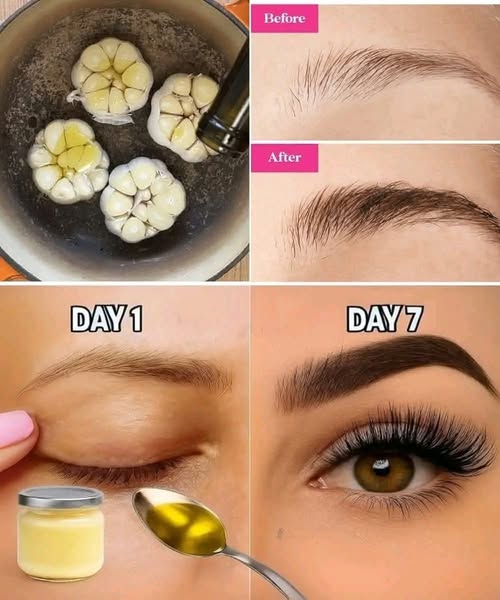
Say goodbye to sparse eyebrows and short eyelashes with just 2 ingredients

Full, defined eyebrows and long, fluttery eyelashes can completely change how your face looks. They frame your eyes, add balance to your features, and often make you look more awake—even without makeup. But over-plucking, stress, aging, poor nutrition, or harsh cosmetics can leave brows thin and lashes short or brittle.

The good news? You don’t need expensive serums or salon treatments. With just two simple, natural ingredients, you can create a powerful at-home remedy that supports healthier, stronger eyebrow and eyelash growth—naturally and affordably.


The 2 Powerful Ingredients

1. Castor Oil

Castor oil has been a beauty secret for generations, and for good reason.

  • Rich in ricinoleic acid, which helps nourish hair follicles

  • Packed with vitamin E and fatty acids that strengthen hair

  • Helps reduce breakage and dryness

  • Gives brows and lashes a fuller, shinier appearance over time

Its thick texture coats each hair, locking in moisture and protecting it from damage.

2. Vitamin E Oil

Vitamin E is a superstar when it comes to hair and skin health.

  • Improves blood circulation around hair follicles

  • Helps repair damaged hair

  • Acts as a strong antioxidant, protecting follicles from stress

  • Supports stronger, healthier hair growth

When combined with castor oil, vitamin E boosts nourishment and enhances results.


Why This Combo Works So Well

Sparse brows and weak lashes often aren’t about lack of hair—they’re about weak follicles. This two-ingredient blend focuses on nourishing the root, strengthening existing hairs, and creating the right environment for new growth.

Think of it like feeding the soil before expecting a plant to grow 🌱


How to Make the Remedy

You’ll need:

  • 1 teaspoon castor oil (cold-pressed is best)

  • 1 vitamin E capsule (or ½ teaspoon vitamin E oil)

Instructions:

  1. Pierce the vitamin E capsule and squeeze the oil into a small, clean bowl.

  2. Add the castor oil.

  3. Mix well until fully blended.

That’s it—your natural eyebrow and eyelash serum is ready.


How to Apply Correctly

For Eyebrows:

  1. Clean your face and remove all makeup.

  2. Use a clean cotton swab or an old mascara spoolie.

  3. Dip it lightly into the oil mixture.

  4. Apply to your eyebrows using gentle, outward strokes.

For Eyelashes:

  1. Use a clean eyeliner brush or mascara wand.

  2. Apply a very thin layer along the lash line, like eyeliner.

  3. Avoid getting oil directly into your eyes.

Best time to apply: At night, before bed.


How Often Should You Use It?

  • Apply once daily, preferably every night

  • Be consistent—this is key

  • Most people notice:

    • Less lash fall in 1–2 weeks

    • Stronger, shinier hairs in 3–4 weeks

    • Fuller-looking brows and longer lashes in 6–8 weeks

Natural remedies take time, but the results last longer because they strengthen from within.


Extra Tips for Faster Results

  • Don’t over-pluck your eyebrows—give them time to recover

  • Remove eye makeup gently, never rub harshly

  • Eat foods rich in biotin, iron, and protein

  • Stay hydrated—hair health starts inside your body

  • Always use clean tools to avoid infections


Important Safety Notes

  • Always do a patch test before first use

  • Use only a small amount—more is not better

  • If you feel irritation, redness, or itching, stop using immediately

  • Avoid if you have an eye infection or very sensitive eyes


Final Thoughts

You don’t need pricey beauty serums or chemical treatments to improve your eyebrows and eyelashes. Sometimes, the simplest solutions are the most effective. With castor oil and vitamin E, you’re giving your brows and lashes exactly what they need—natural nourishment, strength, and care.

Stay consistent, be patient, and in a few weeks, you may find yourself saying goodbye to sparse brows and short lashes for good ✨

Why I Regret Moving to a Nursing Home: 6 Harsh Truths You Need to Know

I never thought I’d say this out loud, but moving into a nursing home is one of the biggest regrets of my life.

Like many seniors, I believed the promises. Safety. Comfort. Care. Companionship. My family believed it too. We were told it was the “best option,” that I’d be looked after, entertained, and never feel lonely again.

The reality? Very different.

If you or someone you love is considering a nursing home, please read these six harsh truths first. I wish someone had told me.


1. You Lose More Independence Than You Expect

This was the hardest part for me.

At home, I decided when to wake up, what to eat, when to go outside. In the nursing home, everything runs on a schedule — their schedule, not yours.

Meals are served at fixed times. Lights go out when staff says so. Even simple things like taking a walk or having a snack often require permission or assistance.

At first, I thought structure would help me. Instead, it made me feel like I lost control over my own life.

Freedom slowly disappears, one small rule at a time.


2. Loneliness Can Be Worse Than Living Alone

People assume nursing homes cure loneliness. After all, you’re surrounded by others, right?

But being around people isn’t the same as feeling connected.

Many residents are too unwell to talk. Others stay in their rooms all day. Conversations are often short, repetitive, or sad. Friendships come and go quickly as residents fall ill or pass away.

Ironically, I felt more lonely here than I ever did at home, where I had neighbors, familiar routines, and real conversations.

Loneliness in a crowd is a special kind of pain.


3. Staff Are Overworked, Not Heartless

Let me be clear: most caregivers are kind people. But they are exhausted.

There are never enough staff members. They rush from room to room, handling dozens of residents. This means:

  • Long wait times for help

  • Rushed meals

  • Little emotional support

  • Minimal personal attention

When you need someone, you often feel like a burden — not because staff want you to feel that way, but because the system is broken.

Care becomes mechanical, not personal.


4. Privacy Becomes a Luxury

In a nursing home, privacy almost disappears.

Rooms are shared. Nurses enter without warning. Conversations happen within earshot of others. Personal belongings get moved or misplaced.

Even phone calls with family can feel uncomfortable when someone is always nearby.

After a lifetime of having my own space, this constant lack of privacy slowly wore me down emotionally.

You don’t realize how important privacy is until it’s gone.


5. Mental Health Often Declines Quietly

This truth isn’t talked about enough.

Many residents experience depression, anxiety, or emotional numbness. Days blend together. There’s little to look forward to. Life begins to feel like waiting — waiting for meals, waiting for visits, waiting for bedtime.

Without purpose, the mind weakens.

I noticed my memory slipping faster. My motivation disappeared. I stopped caring about my appearance, my hobbies, even my favorite foods.

When the spirit weakens, the body soon follows.


6. Guilt and Regret Weigh Heavy

Perhaps the most painful truth is the regret.

I regret not exploring other options — home care, living with family, assisted living, or community support. I regret believing this was the only solution.

I also feel guilt. Guilt for being here. Guilt for the cost. Guilt when my family visits and tries to reassure me that I’m “better off.”

Sometimes, the heart knows something the mind tried to ignore.


What I Wish You’d Consider Before Deciding

Nursing homes are not evil, but they are not the right answer for everyone.

Before making this decision, ask:

  • Can care be provided at home?

  • Can family or community support help?

  • Is assisted living a better option?

  • Will this place support emotional health, not just physical needs?

Most importantly, listen to the senior’s voice — not just medical advice or convenience.


Final Thoughts

I’m sharing this not to scare you, but to be honest.

Some people adjust well to nursing homes. Many don’t. The regret often comes quietly, months later, when reversing the decision feels impossible.

If you’re still able to choose, choose carefully.

Because comfort isn’t just about care — it’s about dignity, independence, and feeling truly alive.

The Vein of the Shrimp A Little-Known Culinary Detail

Shrimp is one of the most popular seafood choices worldwide—loved for its delicate flavor, quick cooking time, and versatility in countless dishes. Yet there’s one small detail that often sparks confusion, debate, and even discomfort among home cooks and diners alike: the so-called “vein” that runs along the back of the shrimp. What is it really? Is it safe to eat? And should you always remove it? Let’s uncover the truth behind this misunderstood culinary detail.

What Is the “Vein” in Shrimp, Really?

Despite its common name, the dark line running along the back of a shrimp is not a vein at all. It is the shrimp’s digestive tract, also known as the intestinal tract. This tract carries waste material, which is why it often appears dark or black, especially in larger shrimp.

The confusion comes from its vein-like appearance. In reality, shrimp do have veins, but they are colorless and far less noticeable. The visible dark line is simply part of the digestive system, and its contents depend on what the shrimp was eating before it was harvested.

Is It Safe to Eat the Shrimp “Vein”?

Yes—from a food safety perspective, it is generally safe to eat shrimp with the digestive tract intact, especially if the shrimp has been properly cleaned and cooked. Cooking kills harmful bacteria, and the contents of the tract are not toxic.

However, “safe” doesn’t always mean “pleasant.”

The digestive tract can contain sand, grit, or partially digested food. This may result in a slightly bitter taste or gritty texture, which is why many chefs and cooks prefer to remove it, particularly when preparing dishes where shrimp is the star.

Why Do Some Shrimp Have More Visible Veins Than Others?

Not all shrimp look the same, and the visibility of the digestive tract varies based on several factors:

  • Size: Larger shrimp tend to have thicker, more visible tracts.

  • Diet: Shrimp that feed on darker materials may have darker digestive lines.

  • Species: Some species naturally show more contrast.

  • Freshness: In very fresh shrimp, the tract may be lighter and less noticeable.

In smaller shrimp, the tract is often so thin that it’s barely visible and usually ignored.

Should You Always Devein Shrimp?

The answer depends on context, preference, and presentation.

You should consider deveining shrimp when:

  • Serving shrimp whole or butterflied

  • Making elegant dishes like shrimp scampi, grilled shrimp, or shrimp cocktail

  • Using large or jumbo shrimp

  • Cooking for guests or professional presentation

You may skip deveining when:

  • Using very small shrimp

  • Chopping shrimp for dumplings, fillings, or fried rice

  • Cooking shrimp in heavily seasoned or saucy dishes

In fine dining and professional kitchens, deveining is often standard practice—not because it’s unsafe, but because it improves texture, appearance, and overall eating experience.

How to Devein Shrimp Properly

Deveining shrimp is simpler than it sounds and takes only a few seconds per shrimp.

Basic method:

  1. Rinse the shrimp under cold water.

  2. Remove the shell if desired (some recipes keep it on).

  3. Use a small knife to make a shallow cut along the back.

  4. Lift out the dark line with the tip of the knife or rinse it away.

  5. Rinse again and pat dry.

There are also specialized deveining tools available, but a paring knife works just fine for home cooks.

What About the Vein on the Underside?

Some shrimp also have a second, lighter line along the belly. This is not waste, but part of the shrimp’s nervous system. It is edible and rarely removed, as it has no impact on flavor or texture.

Cultural and Culinary Differences

Attitudes toward the shrimp “vein” vary across cultures:

  • In many Asian cuisines, shrimp may be cooked whole, especially in stir-fries or soups.

  • In Western cooking, especially in restaurants, shrimp are often meticulously cleaned and deveined.

  • In coastal regions, extremely fresh shrimp may be eaten with minimal preparation, as freshness reduces off-flavors.

There is no single “correct” approach—culinary tradition and personal comfort play major roles.

Common Myths About the Shrimp Vein

Myth 1: Eating the vein is dangerous
False. It’s not harmful when cooked.

Myth 2: All shrimp must be deveined
False. It’s a quality and preference issue, not a safety requirement.

Myth 3: Deveining removes nutrients
False. The nutritional value of shrimp remains the same.

The Bottom Line

The “vein” of the shrimp is a small detail, but one that reflects a bigger truth about cooking: good food is often about understanding ingredients, not fearing them. While the shrimp digestive tract isn’t harmful, removing it can enhance flavor, texture, and presentation—especially in larger shrimp or refined dishes.

Knowing what it is and why it matters empowers you to make better culinary choices. Whether you choose to remove it or not, the key is intention. When you cook with awareness, even the smallest details—like a thin dark line on a shrimp—can elevate your confidence and your cooking.

If a Man Doesn’t Appreciate You, Here’s What You Should Do

When a man doesn’t appreciate you, it can quietly drain your confidence, your joy, and even your sense of self. Appreciation isn’t about grand gestures or constant praise—it’s about feeling seen, valued, and respected for who you are and what you bring into a relationship. If that’s missing, something important is broken. Here’s what you should do when you realize you’re giving more than you’re getting.

First, pause and get honest with yourself.
Before confronting anyone else, check in with your own feelings. Do you feel taken for granted? Do your efforts go unnoticed? Are you always the one compromising, understanding, or fixing things? Appreciation shows up in consistent ways—listening, respect, effort, gratitude. If you’re constantly making excuses for his behavior or minimizing your hurt, that’s a sign you already know the truth. Your feelings are data. Don’t ignore them.

Second, stop over-giving to earn value.
One of the biggest mistakes people make is giving more when they feel unappreciated—more love, more patience, more effort—hoping it will finally be recognized. Unfortunately, over-giving often teaches the other person that your needs don’t matter. Love is not a performance where you prove your worth. If he only values you when you exhaust yourself, that’s not appreciation—it’s convenience. Pull back to a level that feels healthy and balanced.

Third, communicate clearly, not emotionally.
If the relationship matters to you, speak up—but do it with clarity, not desperation. Avoid accusations like “you never” or “you always.” Instead, be direct and grounded: “I don’t feel appreciated when my efforts go unnoticed,” or “I need more respect and acknowledgment in this relationship.” His response will tell you a lot. A man who values you will listen, reflect, and try to improve. A man who doesn’t will deflect, dismiss, or blame you for having needs.

Fourth, watch actions, not promises.
Words are easy. Real appreciation shows up in behavior. Does he make an effort after the conversation, or does everything go back to normal in a week? Does he respect your boundaries, or test how much you’ll tolerate? Change doesn’t have to be perfect, but it should be visible and consistent. If his actions don’t match his words, believe the actions. They’re the truth.

Fifth, reconnect with your own life.
When you’re not appreciated, it’s easy to shrink your world around the relationship. Do the opposite. Invest in your friendships, goals, health, and passions. The more grounded you are in your own life, the clearer your thinking becomes. Appreciation starts with you. When you value yourself, you naturally stop accepting crumbs. Confidence isn’t loud—it’s quiet certainty that you deserve better.

Sixth, set boundaries—and mean them.
Boundaries are not ultimatums; they’re standards. Decide what you will and will not tolerate. That might mean no longer doing emotional labor that isn’t reciprocated, or refusing to accept disrespect disguised as “jokes” or neglect disguised as “being busy.” The key is follow-through. A boundary without consequences is just a request. When you enforce your limits calmly, you teach people how to treat you.

Seventh, accept when it’s time to walk away.
This is the hardest part, but sometimes the most loving thing you can do—for yourself—is to leave. You cannot force someone to appreciate you. You can only decide how long you’re willing to stay where you are undervalued. Walking away doesn’t mean you failed. It means you chose self-respect over comfort. The right person will never make you feel like you’re asking for too much when you’re simply asking for basic appreciation.

Finally, remember this truth.
You are not “too much.” You are not needy for wanting to be valued. Appreciation is not a luxury in a relationship—it’s the foundation. A man who truly cares won’t need to be convinced of your worth. He’ll see it, honor it, and protect it. And if he doesn’t, your job isn’t to change him. Your job is to choose yourself.