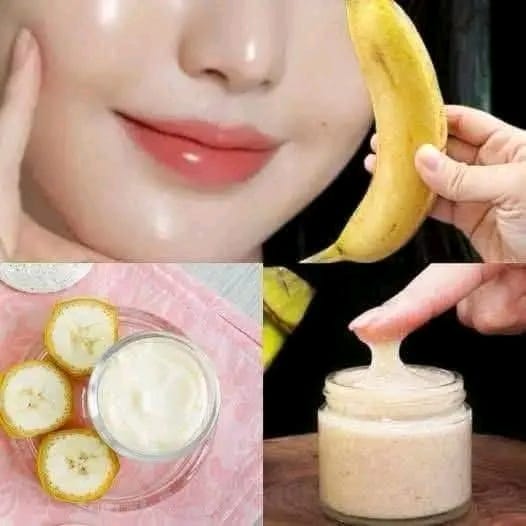
Banana removes all wrinkles in 3 minutes. Even at 70 years old

Banana Removes All Wrinkles in 3 Minutes? Even at 70 Years Old – The Real Story

You may have seen the headline everywhere: “Banana removes all wrinkles in 3 minutes. Even at 70 years old!”
It sounds almost magical. One banana, a few minutes, and decades of wrinkles disappear?

Let’s pause for a moment.

While no fruit, cream, or home remedy can erase wrinkles in 3 minutes, bananas do have impressive skin benefits—especially for mature skin. When used correctly and consistently, bananas can help soften fine lines, hydrate dry skin, and improve overall skin appearance, even in people over 60 or 70.

So what’s real, what’s exaggerated, and how can bananas actually help aging skin? Let’s break it down.


Why Bananas Are Popular in Anti-Aging Skincare

Bananas are packed with skin-loving nutrients that make them a favorite in natural beauty routines:

  • Vitamin A – Helps smooth rough skin and reduce dryness

  • Vitamin B6 – Supports skin elasticity

  • Vitamin C – Boosts collagen production

  • Vitamin E – Protects skin from premature aging

  • Natural sugars & moisture – Instantly hydrate dull, tired skin

This combination is why banana masks often leave the skin looking plumper, brighter, and fresher—sometimes within minutes.

But that glow is temporary, not a permanent wrinkle eraser.


What Happens to Your Skin in “3 Minutes”?

When people say bananas remove wrinkles in 3 minutes, what they’re really noticing is this:

  • Skin becomes more hydrated

  • Fine lines appear less visible

  • Face looks smoother and relaxed

  • Dry wrinkles soften temporarily

Hydrated skin reflects light better, which creates the illusion of fewer wrinkles. This effect can happen quickly—sometimes within a few minutes—but it does not remove wrinkles permanently.

Think of it like ironing a shirt with steam. It looks smoother, but the fabric hasn’t changed forever.


Banana Face Mask for Mature Skin (Safe & Effective)

Here’s a realistic and safe banana mask that many older adults love for softer skin:

Ingredients:

  • ½ ripe banana

  • 1 teaspoon honey

  • A few drops of olive oil or almond oil

How to Use:

  1. Mash the banana until smooth

  2. Mix in honey and oil

  3. Apply to clean face

  4. Leave on for 15–20 minutes

  5. Rinse with lukewarm water

What You’ll Notice:

  • Skin feels soft and nourished

  • Fine lines look less harsh

  • Face appears more youthful and relaxed

Used 2–3 times a week, this can significantly improve skin texture over time.


Can Bananas Remove Wrinkles at 70?

At age 70, skin naturally has:

  • Less collagen

  • Thinner layers

  • More dryness

Bananas cannot reverse aging, but they can help manage its visible effects by:

  • Reducing dryness (a major cause of deep wrinkles)

  • Improving skin comfort

  • Supporting a healthy skin barrier

Many seniors report their skin looks healthier and brighter, not wrinkle-free—and that’s an important difference.


Why Wrinkles Really Form (And Why No Quick Fix Exists)

Wrinkles develop due to:

  • Aging

  • Sun exposure

  • Loss of collagen

  • Facial muscle movement

  • Dehydration

No food or mask can erase all of this in minutes. Be cautious of headlines that promise miracles—they’re designed to attract clicks, not tell the truth.


What Actually Helps Reduce Wrinkles Long-Term

If someone truly wants smoother skin, especially after 60, consistency matters more than miracles:

  • Daily sun protection

  • Proper hydration

  • Gentle facial massage

  • Balanced diet with fruits like bananas

  • Regular moisturizing

Natural remedies work best as support, not replacements for realistic skincare habits.


Final Verdict: Banana Wrinkle Myth vs Reality

Myth:
Banana removes all wrinkles in 3 minutes—even at 70.

Reality:
Bananas can:

  • Instantly hydrate skin

  • Temporarily soften fine lines

  • Improve skin texture with regular use

They do not erase wrinkles, but they can help aging skin look healthier and more refreshed.

And honestly? That’s still pretty powerful 🍌

Doctors warn that consuming ginger can cause

Ginger is one of the most prized spices worldwide, renowned for its medicinal properties and numerous health benefits. It is credited with effects such as relieving nausea, improving digestion, reducing inflammation, strengthening the immune system, promoting heart health, and helping to regulate blood sugar. However, while it is safe for most people, not everyone can consume it without risk. In certain circumstances, its use can cause unwanted effects or even worsen existing conditions. Who should be cautious when consuming ginger? Pregnant women Although ginger is sometimes used to relieve morning sickness during pregnancy, it can stimulate uterine contractions, especially in the early stages, increasing the risk of complications. Pregnant women should only consume it under medical supervision. People with insomnia or sensitivity to thermogenic foods Ginger has a stimulating effect that can boost energy. However, if consumed late in the day, it can disrupt sleep. Therefore, it’s best to take it in the morning or early afternoon. Those who suffer from hemorrhoids or bleeding disorders This food can dilate blood vessels and alter clotting, which could intensify inflammation or increase the risk of bleeding in people with hemophilia, heavy periods, or who need to undergo surgery.

People with gastroesophageal reflux or sensitive digestion
Ginger can stimulate the production of stomach acid, causing heartburn or discomfort in those who are especially sensitive.

Patients with mucositis
In people undergoing treatments such as chemotherapy, where sores appear in the mouth or throat, ginger could worsen these damages, causing pain and inflammation.
People with diabetes, low blood pressure, or who use anticoagulants
Diabetes : Ginger can lower blood sugar levels, which can lead to hypoglycemia if combined with hypoglycemic medications.
Low blood pressure : could cause dizziness or fainting, especially in people who are already taking medication to control their blood pressure.
Anticoagulants : as it contains compounds similar to salicylate, it may increase the tendency to bleed.
People with gallstones
Ginger stimulates bile production, which can aggravate symptoms or trigger crises in those with gallstones or biliary problems.

How to use ginger safely?
For those who are not in at-risk groups, ginger can be a natural ally as long as it is consumed in moderation. Some recommendations:
Limit consumption to 1–3 cups of tea per day .
Use moderate amounts of fresh or dried ginger and take breaks after consuming it for a continuous month.
Incorporate it into your diet in these ways:
Teas : boil pieces of the root in water.
In salads : grated or thinly sliced.
Juices and smoothies : fresh or powdered, to enhance flavor and nutritional value.
Conclusion
Ginger can be a great health ally when consumed in moderation. However, it’s not suitable for everyone. Pregnant women, those suffering from reflux, hemorrhoids, mucositis, gallstones, or those taking certain medications should avoid it.

For everyone else, when used in moderation and under supervision when there are medical conditions, it offers natural benefits for the body!

How to Remove Scratches from Glasses and Restore Their New, Shiny Appearance: A Simple Recipe

How to Remove Scratches from Glasses and Restore Their New, Shiny Appearance: A Simple Recipe

Scratched glasses are one of those small problems that can quickly turn into a daily annoyance. Every time light hits the lens just right, those tiny marks seem to shout for attention. While deep scratches often require professional repair or replacement, minor scratches and dullness can often be reduced or improved at home using simple, affordable ingredients. With the right technique and a little patience, you can restore clarity and give your glasses a fresher, shinier look.

Before starting, it’s important to understand one key rule: these methods work best for light surface scratches, not deep gouges or cracked lenses. Always test any method on a small corner of the lens first.

Why Do Glasses Get Scratched So Easily?

Eyeglass lenses may look tough, but they’re surprisingly vulnerable. Common causes include:

  • Wiping lenses with clothing or paper towels

  • Dust and sand particles rubbing against the surface

  • Storing glasses without a protective case

  • Placing lenses face down on hard surfaces

Over time, even careful handling can lead to micro-scratches that reduce clarity and shine.

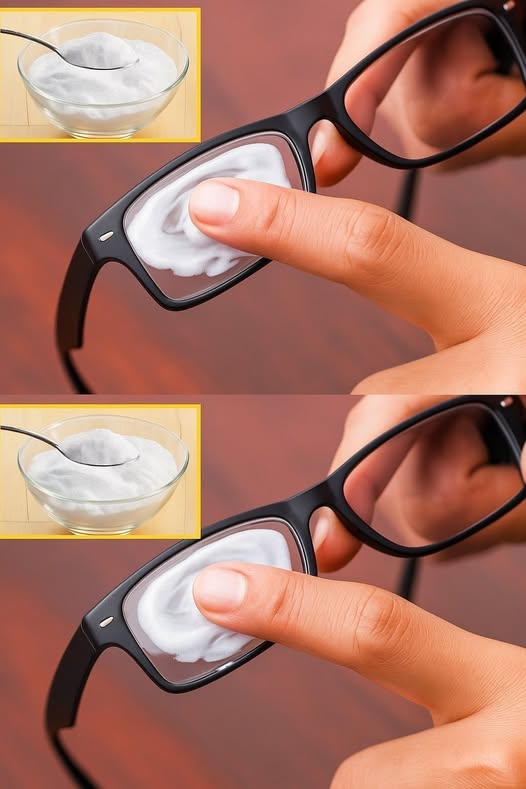
A Simple Homemade Recipe to Reduce Scratches

This easy recipe uses ingredients found in most homes. It doesn’t magically erase scratches, but it can smooth their appearance and restore shine, making them far less noticeable.

What You’ll Need:

  • 1 tablespoon baking soda

  • A few drops of clean water

  • A soft microfiber cloth

Step-by-Step Instructions

  1. Clean the Glasses First
    Rinse your glasses under lukewarm water to remove dust and debris. This step is crucial—rubbing dirt into the lens can create new scratches.

  2. Prepare the Paste
    Mix the baking soda with just enough water to form a thick, smooth paste. It should not be watery or grainy.

  3. Apply Gently
    Using a microfiber cloth, apply a small amount of paste to the scratched area. Use light, circular motions. Do not press hard—gentleness is key.

  4. Polish Slowly
    Continue rubbing in circles for 10–20 seconds. This helps smooth the surface and reduce the visibility of fine scratches.

  5. Rinse and Dry
    Rinse the lenses thoroughly with lukewarm water and dry them with a clean microfiber cloth.

  6. Inspect the Results
    If needed, repeat once more. Avoid doing this too often, as excessive polishing can damage lens coatings.

Why This Method Works

Baking soda is a mild abrasive. When used carefully, it can smooth the edges of tiny scratches so light reflects more evenly across the lens. This improves clarity and shine, making scratches much less noticeable.

Alternative Home Remedies (Use with Caution)

Toothpaste (Non-Gel Only)

  • Use plain white toothpaste without whitening agents.

  • Apply a small amount with a microfiber cloth.

  • Rub gently in circles, then rinse and dry.

This method works similarly to baking soda but should be used sparingly.

Car Wax or Furniture Polish

  • A tiny amount can fill in fine scratches temporarily.

  • Apply lightly, then buff gently.

  • This improves appearance but is not a permanent fix.

What You Should NEVER Use

Some online tips can actually ruin your glasses. Avoid these completely:

  • ❌ Vinegar

  • ❌ Lemon juice

  • ❌ Window cleaner with ammonia

  • ❌ Paper towels or tissues

  • ❌ Rough cloths or sponges

These can strip protective coatings or create more scratches.

Can This Damage Anti-Reflective Coatings?

Yes—this is important. Many modern lenses have special coatings such as anti-glare or blue-light filters. Mild polishing may reduce scratches but can also weaken coatings if overused.

Tips to stay safe:

  • Always test first

  • Use minimal pressure

  • Do not repeat frequently

  • Stop immediately if the lens becomes cloudy

If your glasses are expensive or heavily coated, professional advice is safer.

When Home Remedies Aren’t Enough

If scratches are deep, blurry lines appear, or vision is affected, it’s time to consider:

  • Professional lens polishing

  • Replacing lenses only (often cheaper than new frames)

  • Using glasses for backup and getting a new pair

No home method can fully repair deep scratches without risk.

How to Prevent Future Scratches

Once your glasses look better, protect them:

  • Always store glasses in a hard case

  • Clean lenses with microfiber cloths only

  • Rinse before wiping

  • Avoid placing lenses face down

  • Never clean glasses dry

Good habits can add years to your lenses.

Final Thoughts

Scratches on glasses don’t always mean it’s time for a replacement. With this simple baking soda recipe, light scratches can be reduced, clarity improved, and shine restored—using items you already have at home. While results vary, many people are surprised by how much better their lenses look after just one careful treatment.

A little patience, a gentle touch, and proper care can keep your glasses looking clean, clear, and almost new again.

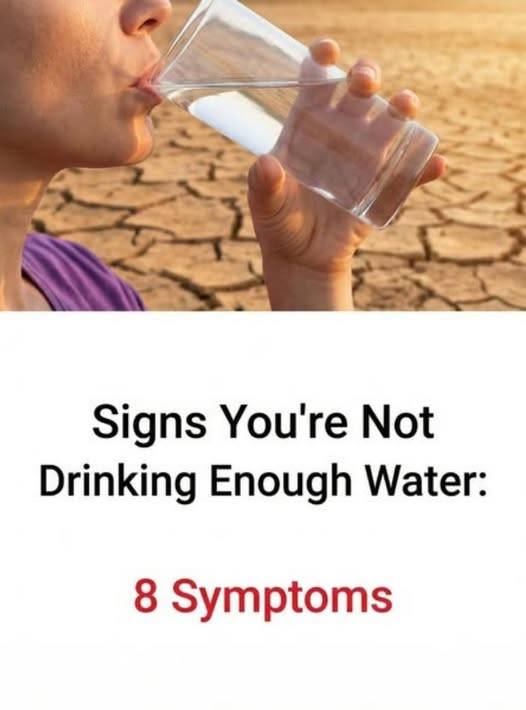
What Happens to Your Body When You Don’t Drink Enough Water

What Happens to Your Body When You Don’t Drink Enough Water

Water makes up about 60% of the human body, yet many people go through the day mildly dehydrated without realizing it. Skipping water doesn’t just make you thirsty — it quietly affects your brain, heart, skin, digestion, and even your mood. Over time, chronic dehydration can trigger serious health problems.

Here’s what really happens inside your body when you don’t drink enough water.

1. Your Energy Levels Drop Fast

One of the first signs of dehydration is fatigue. Water helps transport oxygen and nutrients to your cells. When you’re low on fluids, your blood volume decreases, forcing your heart to work harder. The result? You feel tired, weak, and unmotivated — even if you slept well.

Many people mistake dehydration for low energy or burnout, when the real fix is simply drinking water.

2. Brain Function and Focus Decline

Your brain is extremely sensitive to hydration levels. Even 1–2% dehydration can cause:

  • Difficulty concentrating

  • Slower reaction time

  • Headaches

  • Brain fog

  • Poor memory

This is why you may feel irritable or mentally “off” when you haven’t had enough water. For students, office workers, and seniors, dehydration can seriously affect daily performance.

3. Digestive Problems Begin

Water plays a key role in digestion. Without enough of it:

  • Food moves slowly through the intestines

  • Constipation becomes common

  • Stomach acid becomes more concentrated, increasing heartburn risk

If you frequently suffer from bloating or constipation, dehydration may be the hidden cause.

4. Your Kidneys Come Under Stress

Your kidneys rely on water to flush toxins from the body. When water intake is low:

  • Urine becomes dark and concentrated

  • Toxins build up

  • Risk of kidney stones increases

  • Kidney infections become more likely

Chronic dehydration forces the kidneys to work harder and can lead to long-term damage.

5. Skin Loses Its Glow

Dry, dull, and tight skin is often blamed on aging — but dehydration plays a major role. When your body lacks water:

  • Skin loses elasticity

  • Fine lines appear more visible

  • Healing slows

  • Acne may worsen

While water isn’t a magic anti-aging solution, proper hydration helps skin look healthier and more resilient.

6. You May Feel Hungrier Than You Really Are

Here’s a surprising fact: thirst is often mistaken for hunger.

When you don’t drink enough water, your brain may send hunger signals instead. This leads to unnecessary snacking, overeating, and weight gain. Drinking a glass of water before meals often reduces appetite naturally.

7. Joint Pain and Muscle Cramps Increase

Water cushions your joints and keeps muscles flexible. Without enough fluids:

  • Joints become stiff

  • Muscle cramps occur more often

  • Exercise recovery slows

This is especially important for older adults, athletes, and people with arthritis.

Dehydration Warning Signs Chart

Body System What Happens Without Enough Water
Brain Headaches, poor focus, mood swings
Heart Increased heart rate, low blood pressure
Digestive System Constipation, bloating, acid reflux
Kidneys Dark urine, kidney stones
Skin Dryness, dullness, early wrinkles
Muscles & Joints Cramps, stiffness, pain
Metabolism Slower calorie burning

Simple Daily Hydration Recipe (Natural Electrolyte Drink)

This easy homemade drink helps your body absorb water better, especially in hot weather.

Ingredients:

  • 1 glass (250 ml) filtered water

  • ½ teaspoon fresh lemon juice

  • 1 pinch of salt (preferably pink or sea salt)

  • 1 teaspoon honey (optional)

How to Make:

  1. Pour water into a glass

  2. Add lemon juice and salt

  3. Stir well

  4. Add honey if desired

How to Use:

  • Drink once in the morning

  • Ideal after waking up or light exercise

This recipe helps replenish electrolytes and encourages better hydration than plain water alone.

How Much Water Do You Really Need?

While needs vary, a general guideline is:

  • Men: 3–3.5 liters per day

  • Women: 2–2.5 liters per day

  • More if you exercise, sweat heavily, or live in a hot climate

A simple rule: your urine should be pale yellow.

Final Thoughts

Not drinking enough water doesn’t cause instant damage — but over time, it quietly affects nearly every system in your body. From fatigue and poor focus to kidney stress and skin aging, dehydration is a slow thief of health.

The solution is simple, affordable, and powerful: drink water consistently throughout the day. Your body will thank you with better energy, clearer thinking, improved digestion, and healthier skin.

If You Wake Up at 3 or 4 in the Morning, Here’s What It Really Means

If You Wake Up at 3 or 4 in the Morning, Here’s What It Really Means

Waking up suddenly at 3 or 4 a.m.—wide awake, mind racing, sleep nowhere in sight—is far more common than most people realize. Many brush it off as “just bad sleep,” but recurring early-morning awakenings can actually reveal important clues about your mental health, stress levels, hormones, and even lifestyle habits.

Let’s break down what’s really going on, what science says, what different traditions believe, and—most importantly—what you can do about it.

Why 3–4 a.m. Is a Sensitive Time for the Body

Sleep happens in cycles, typically lasting 90 minutes each. Around 3 to 4 a.m., your body is usually in a lighter stage of sleep, making you more vulnerable to waking up.

At this time:

  • Body temperature is at its lowest

  • Blood pressure begins to rise

  • Stress hormones start to increase

  • Melatonin (the sleep hormone) begins to drop

This combination makes your body especially sensitive to stress, anxiety, and internal imbalances.

The Most Common Reasons You Wake Up at 3 or 4 a.m.

1. Stress and Anxiety (The #1 Cause)

Even if you don’t feel stressed during the day, your subconscious mind may still be processing worries at night. At 3–4 a.m., cortisol—the stress hormone—starts to rise, which can jolt you awake.

Common signs:

  • Racing thoughts

  • Replaying conversations

  • Worrying about the future

  • Sudden alertness without noise

This is especially common in people who are emotionally overwhelmed, overworked, or going through uncertainty.

2. Blood Sugar Drops

If your blood sugar dips too low during the night, your body releases cortisol and adrenaline to compensate—waking you up abruptly.

This is more likely if you:

  • Eat sugary or carb-heavy dinners

  • Skip dinner

  • Drink alcohol at night

  • Have insulin resistance or diabetes

3. Hormonal Changes

Hormonal shifts play a huge role, especially for:

  • Women in perimenopause or menopause

  • People with thyroid imbalance

  • Adults over 40

Declining melatonin and fluctuating cortisol can cause repeated early-morning awakenings.

4. Liver Activity (Traditional Medicine View)

In Traditional Chinese Medicine (TCM), the liver is most active between 1 and 3 a.m., and its effects can extend into the 3–4 a.m. window.

According to this view, waking during this time may be linked to:

  • Emotional frustration

  • Suppressed anger

  • Toxin overload

  • Poor diet or alcohol intake

5. Depression and Emotional Processing

Research shows people with depression often wake up earlier than usual and struggle to fall back asleep. The quiet hours of early morning can intensify emotional thoughts, regrets, or sadness.

What Your Wake-Up Time May Be Telling You (Chart)

Wake-Up Time Possible Meaning Common Triggers
1:00 – 2:00 a.m. Digestive or liver stress Heavy meals, alcohol
2:00 – 3:00 a.m. Emotional tension, anger Stress, unresolved emotions
3:00 – 4:00 a.m. Anxiety, hormonal shifts Cortisol rise, blood sugar drops
4:00 – 5:00 a.m. Depression or light sleep Circadian rhythm changes

Is Waking Up at 3 or 4 a.m. Spiritual?

Some spiritual traditions believe waking up at this hour is linked to:

  • Heightened intuition

  • Emotional awareness

  • Inner reflection

While science doesn’t confirm spiritual causes, the stillness of early morning does make emotions and thoughts feel stronger. This can feel meaningful, even if the cause is physiological.

What NOT to Do When You Wake Up

  • ❌ Don’t check your phone (blue light suppresses melatonin)

  • ❌ Don’t watch the clock repeatedly

  • ❌ Don’t force sleep—it increases anxiety

  • ❌ Don’t replay stressful thoughts

What Actually Helps You Fall Back Asleep

1. Calm Your Nervous System

Try slow breathing:

  • Inhale for 4 seconds

  • Exhale for 6 seconds
    Repeat for 2–3 minutes

2. Stabilize Blood Sugar

  • Eat a protein-rich dinner

  • Avoid late-night sugar

  • A small snack (nuts or yogurt) may help

3. Reduce Evening Stress

  • No caffeine after 2 p.m.

  • Limit news and social media at night

  • Create a consistent bedtime routine

4. Support Melatonin Naturally

  • Dim lights after sunset

  • Go to bed at the same time daily

  • Get morning sunlight exposure

When You Should Be Concerned

See a healthcare professional if:

  • This happens almost every night

  • You feel exhausted during the day

  • You have mood changes or anxiety

  • Sleep issues last longer than 3–4 weeks

Persistent early waking can signal hormonal imbalance, chronic stress, or mental health concerns—all of which are treatable.

The Bottom Line

Waking up at 3 or 4 in the morning isn’t random. It’s your body’s way of communicating—often about stress, hormones, blood sugar, or emotional overload.

Instead of fighting it, listen to the signal. With small lifestyle changes and better sleep habits, most people can restore deep, uninterrupted sleep and wake up feeling truly rested.

Doctors Warn Limit Eating These 4 Foods Immediately, They Contain a Lot of Parasites Why This Claim Is Spreading Online

“Doctors Warn: Limit Eating These 4 Foods Immediately, They Contain a Lot of Parasites” — Why This Claim Is Spreading Online

In recent months, a dramatic headline has been circulating across social media, blogs, and messaging apps: “Doctors warn: Limit eating these 4 foods immediately, they contain a lot of parasites.” The statement is alarming, and that’s exactly why it spreads so fast. But is it really true? Are common foods secretly full of parasites, and are doctors actually warning people to stop eating them?

The short answer: the claim is misleading. While parasites do exist in nature and can be associated with certain foods, the viral posts exaggerate the risk and often leave out critical context. Let’s break down what’s really going on.


Why Parasite Fear Goes Viral So Easily

Parasites trigger a deep emotional reaction. The idea that something alive could be hiding in food taps into fear and disgust, making people more likely to click, share, and warn others. Online content creators often use this fear to drive traffic, using vague phrases like “doctors warn” without naming sources, studies, or medical organizations.

In reality, modern food safety practices dramatically reduce parasite risk, especially when food is properly handled and cooked.


The 4 Foods Most Often Mentioned — And the Truth Behind Them

1. Raw or Undercooked Meat

Raw beef, chicken, or pork is often listed first in these viral warnings. It’s true that undercooked meat can carry parasites, such as tapeworms or roundworms. However, this is not new information, nor is it a reason to “immediately stop eating meat.”

When meat is cooked to safe internal temperatures, parasites are destroyed. That’s why health authorities recommend proper cooking rather than complete avoidance.

The real risk comes from poor cooking and hygiene, not the meat itself.


2. Raw Fish and Sushi

Another common target is raw fish, especially sushi and sashimi. Some fish can naturally carry parasites like anisakis. However, what these viral posts fail to mention is that commercial sushi-grade fish is frozen before use, a process that kills parasites.

Eating raw fish from unregulated sources is risky, but consuming sushi from reputable establishments follows strict safety standards.

So no, doctors are not telling people to ban sushi — they’re advising smart sourcing.


3. Unwashed Fruits and Vegetables

This one is often misunderstood. Fruits and vegetables grown in soil can be exposed to microscopic organisms, including parasite eggs. But again, this doesn’t mean produce is “full of parasites.”

Washing fruits and vegetables thoroughly under running water greatly reduces risk. Peeling or cooking further minimizes it. Avoiding fresh produce altogether would actually harm health more than help it.

Ironically, viral posts warning against vegetables contradict decades of medical advice promoting plant-rich diets.


4. Unpasteurized Dairy Products

Unpasteurized milk and cheese are sometimes mentioned in parasite scare stories. While these products can carry harmful bacteria and, in rare cases, parasites, the risk depends heavily on production standards.

In many countries, pasteurization is mandatory, making store-bought dairy very safe. The issue is not dairy itself, but consuming unregulated, unprocessed products.


What Doctors Actually Say About Parasites in Food

Medical professionals do not issue blanket warnings to “stop eating” common foods. Instead, their advice is practical and consistent:

  • Cook meat thoroughly

  • Wash fruits and vegetables well

  • Freeze or properly prepare raw fish

  • Avoid unregulated animal products

  • Maintain good kitchen hygiene

Parasites are a known but manageable risk, not an invisible epidemic hiding in everyday meals.


Why These Claims Are Dangerous

Sensational headlines may attract attention, but they can also cause unnecessary fear, food anxiety, and poor dietary choices. Some people begin cutting out nutrient-rich foods, believing they’re protecting themselves, when in fact they’re harming their health.

Misinformation spreads faster than facts, especially when it sounds urgent and authoritative. The phrase “doctors warn” is often used without evidence to create false credibility.


The Bottom Line

Yes, parasites exist in nature. Yes, food safety matters. But no, doctors are not urging people to immediately stop eating everyday foods because they’re “full of parasites.”

The real message from health experts is calm, clear, and boring compared to viral headlines:
👉 Handle food properly.
👉 Cook it well.
👉 Wash it thoroughly.

There’s no secret list of forbidden foods — only smart habits that keep meals safe and healthy.

If a headline sounds terrifying and vague, that’s usually your cue to pause, not panic.

Especially after 60 Who should an older person live with

Reaching the age of 60 is a major life milestone. For many people, this stage brings retirement, health changes, and a shift in daily priorities. One of the most important decisions older adults face is who they should live with after 60. The right living arrangement can improve emotional well-being, physical health, safety, and overall quality of life. The wrong one, however, can lead to loneliness, stress, or dependency. There is no single answer for everyone, but understanding the options helps older adults and families make better choices.

Living With a Spouse or Life Partner

For many seniors, continuing to live with a spouse or long-term partner is the most natural and comforting option. Emotional support, shared routines, and companionship play a powerful role in maintaining mental health after 60. Couples often motivate each other to stay active, eat better, and follow medical advice.

However, this arrangement works best when both partners are relatively healthy. If one partner develops serious health issues, caregiving responsibilities can become overwhelming. In such cases, additional support from family or professional caregivers may be necessary to avoid burnout.

Living With Adult Children

Living with adult children is common in many cultures and can be beneficial for both generations. Older parents receive emotional security, daily assistance, and a sense of belonging, while children gain guidance, childcare help, and family closeness.

This arrangement works best when expectations are clear. Seniors should feel respected and independent, not like a burden. Adult children should be willing—not pressured—to provide support. Clear communication about finances, privacy, and household responsibilities is essential. When done right, multigenerational living can reduce loneliness and improve emotional health after 60.

Living With Grandchildren

Some older adults live primarily with grandchildren, either to help with childcare or due to family circumstances. This can bring joy, purpose, and a renewed sense of energy. Staying mentally engaged with younger generations may help slow cognitive decline.

However, full-time childcare can be physically exhausting for seniors, especially those with health issues. Older adults should ensure they are not overextending themselves and that their own needs—rest, medical care, and social life—are not neglected.

Living Alone (With Support)

Many people over 60 prefer to live alone, valuing independence and privacy. Living alone can boost confidence and self-esteem, especially for seniors who are physically active and socially connected.

That said, living alone requires planning. Regular contact with family, neighbors, or friends is crucial to prevent isolation. Emergency alert systems, nearby healthcare facilities, and safe home modifications (like grab bars and non-slip floors) can make solo living much safer. For many seniors, living alone with strong support systems offers the best balance of freedom and security.

Living With Siblings or Other Relatives

Some older adults choose to live with siblings, cousins, or other relatives of similar age. This arrangement offers companionship without the parent-child power imbalance. Shared expenses, emotional understanding, and similar lifestyles can make this a comfortable option.

However, unresolved family conflicts or differing habits can create tension. Before choosing this option, it’s important to discuss boundaries, finances, and long-term care plans openly.

Senior Living Communities

Independent senior communities, assisted living facilities, and retirement homes are becoming increasingly popular. These communities offer social activities, medical supervision, security, and maintenance-free living. For seniors who value independence but want access to help when needed, this can be an excellent choice.

The main barriers are cost and emotional readiness. Some older adults struggle with the idea of leaving their long-time homes. Visiting facilities, talking to residents, and involving seniors in the decision-making process can ease the transition.

Living With a Caregiver

For seniors with chronic illness, mobility issues, or memory problems, living with a caregiver—either professional or family—may be the safest option. This ensures daily needs are met and reduces the risk of accidents or medical emergencies.

While practical, this arrangement must preserve the senior’s dignity and autonomy as much as possible. Respect, patience, and emotional sensitivity are just as important as physical care.

Key Factors to Consider After 60

When deciding who an older person should live with, several factors matter most:

  • Physical and mental health

  • Level of independence

  • Emotional needs

  • Financial situation

  • Cultural values

  • Personal preferences

Most importantly, the older person’s voice should be central in the decision. What feels safe, respectful, and fulfilling to them matters more than convenience for others.

Final Thoughts

After 60, the best living arrangement is one that promotes dignity, connection, safety, and happiness. Whether living with a spouse, children, relatives, or alone, the goal is the same: a life that feels meaningful and secure. With honest communication and thoughtful planning, older adults can choose a living situation that truly supports their well-being in the years ahead.

Seniors: This Sleeping Position Raises Your Stroke Risk

As we age, sleep becomes more than just rest—it turns into a powerful pillar of health. For seniors especially, the way you sleep can quietly influence your heart, brain, and blood vessels. While most people focus on how long they sleep, fewer realize that how they sleep matters too. One particular sleeping position has been linked to a higher risk of stroke in older adults, and understanding why could make a meaningful difference to long-term brain health.


Why Stroke Risk Increases With Age

Stroke risk naturally rises with age due to changes in blood vessels, blood pressure regulation, and the heart’s ability to pump efficiently. Conditions like hypertension, diabetes, atrial fibrillation, and high cholesterol are more common in seniors, all of which raise the chances of a stroke. Lifestyle factors—diet, activity, stress, and yes, sleep—can either increase or reduce that risk.

Sleep is when the body repairs itself. Poor sleep quality or unhealthy sleep habits can disrupt blood pressure control, increase inflammation, and strain the cardiovascular system. Over time, these effects add up.


The Sleeping Position That Raises Concern

Research suggests that sleeping flat on your back (the supine position) may increase stroke risk for some seniors—particularly those who snore heavily, have sleep apnea, or struggle with breathing problems during sleep.

Here’s why this position can be problematic:

  • Airway obstruction: When lying on the back, gravity can cause the tongue and soft tissues to fall backward, partially blocking the airway.

  • Worsened sleep apnea: Obstructive sleep apnea (OSA) is more severe in the back-sleeping position. OSA causes repeated pauses in breathing, leading to drops in oxygen levels.

  • Blood pressure spikes: Each breathing pause triggers stress responses in the body, causing sudden increases in blood pressure—one of the strongest stroke risk factors.

  • Reduced oxygen to the brain: Chronic nighttime oxygen deprivation can damage blood vessels in the brain over time.

For seniors already at risk, these nightly events may quietly contribute to conditions that make a stroke more likely.


The Link Between Sleep Apnea and Stroke

Sleep apnea deserves special attention. It’s estimated that millions of older adults have undiagnosed sleep apnea. Symptoms include loud snoring, gasping during sleep, morning headaches, daytime fatigue, and poor concentration.

Studies have consistently shown that people with untreated sleep apnea have a significantly higher risk of stroke. Sleeping on the back can worsen apnea episodes, increasing both their frequency and severity. Over years, this repeated stress on the cardiovascular system may increase the likelihood of stroke.


Is Back Sleeping Always Dangerous?

It’s important to be clear: sleeping on your back is not automatically dangerous for everyone. For younger adults without breathing issues, it can be perfectly fine. However, for seniors—especially those with high blood pressure, heart disease, obesity, or sleep apnea—the back-sleeping position may amplify existing risks.

This is why doctors often recommend positional therapy for older adults with sleep-related breathing problems.


Safer Sleeping Positions for Seniors

The good news? A small change can make a big difference.

Side sleeping, particularly on the left side, is often considered the safest and most beneficial position for seniors. Benefits include:

  • Improved airflow and reduced snoring

  • Fewer sleep apnea events

  • Better blood pressure regulation during sleep

  • Improved circulation and heart function

  • Reduced acid reflux, which can also disturb sleep

Using a supportive pillow behind the back or a body pillow can help prevent rolling onto the back during the night.


Other Sleep Tips to Reduce Stroke Risk

Sleeping position is just one piece of the puzzle. Seniors can further protect their brain health by improving overall sleep quality:

  • Maintain a consistent sleep schedule

  • Keep the bedroom dark, quiet, and cool

  • Avoid heavy meals and caffeine before bedtime

  • Manage blood pressure and blood sugar carefully

  • Stay physically active during the day

  • Seek evaluation for loud snoring or daytime sleepiness

If sleep apnea is suspected, a sleep study and appropriate treatment—such as CPAP therapy—can significantly reduce stroke risk.


When to Talk to a Doctor

Seniors should speak with a healthcare provider if they:

  • Snore loudly or stop breathing during sleep

  • Wake up feeling unrefreshed

  • Have uncontrolled high blood pressure

  • Experience frequent nighttime awakenings

  • Have a history of stroke or mini-strokes (TIAs)

Addressing sleep issues early is a powerful, often overlooked step in stroke prevention.


The Bottom Line

For seniors, sleeping on the back may increase stroke risk—especially when combined with sleep apnea or cardiovascular conditions. While it may seem like a small detail, sleep position can influence breathing, oxygen levels, and blood pressure night after night.

Switching to side sleeping, improving sleep habits, and treating underlying sleep disorders can help protect the brain and support healthier aging. Sometimes, the path to better health truly begins with how you lay your head down at night.

Here’s What You Need to Know About Tonsil Stones

Tonsil stones, medically known as tonsilloliths, are a surprisingly common condition that many people experience at least once in their lifetime—often without realizing what they are. While usually harmless, tonsil stones can be uncomfortable, embarrassing, and sometimes painful. Understanding what they are, why they form, and how to manage or prevent them can make a big difference in your oral health and confidence.

What Are Tonsil Stones?

Tonsil stones are small, hardened deposits that form in the crevices (called crypts) of the tonsils. They are made up of a combination of dead cells, food particles, mucus, and bacteria. Over time, this debris can calcify, turning into small white or yellowish stones.

They can range in size from tiny grains of rice to larger, more noticeable chunks. Some people may have only one, while others may develop multiple stones at a time.

Why Do Tonsil Stones Form?

The tonsils are part of the immune system and help trap bacteria and viruses. However, their uneven surface makes it easy for debris to get stuck. Tonsil stones are more likely to form if you have:

  • Chronic tonsillitis

  • Large or deeply creviced tonsils

  • Poor oral hygiene

  • Postnasal drip

  • Dry mouth

  • Frequent throat infections

Bacteria trapped in the tonsils produce sulfur compounds, which is why tonsil stones are often associated with bad breath (halitosis).

Common Symptoms of Tonsil Stones

Some people have tonsil stones and feel nothing at all. Others experience noticeable symptoms, including:

  • Persistent bad breath

  • A sore or irritated throat

  • Difficulty swallowing

  • A feeling that something is stuck in the throat

  • Ear pain (due to shared nerve pathways)

  • Visible white or yellow spots on the tonsils

  • Metallic or unpleasant taste in the mouth

If symptoms are severe or recurring, it’s important to consult a healthcare professional.

Are Tonsil Stones Dangerous?

In most cases, tonsil stones are not dangerous and do not cause serious health problems. However, large or recurrent stones can lead to discomfort, inflammation, or repeated infections. Rarely, very large tonsil stones may cause swelling or difficulty breathing, which requires medical attention.

How Are Tonsil Stones Diagnosed?

Many people discover tonsil stones by seeing them in the mirror or coughing them up. Dentists and doctors can usually diagnose tonsil stones through a physical examination. In rare cases, imaging tests such as X-rays or CT scans may be used if stones are large or hidden.

How to Remove Tonsil Stones at Home

For small, visible tonsil stones, gentle at-home removal may be possible:

  • Saltwater gargles to loosen debris

  • Using a cotton swab carefully

  • A low-pressure water flosser aimed gently at the tonsils

  • Gargling after meals to clear food particles

⚠️ Avoid using sharp objects or excessive force, as this can cause bleeding or infection.

Medical Treatment Options

If tonsil stones are frequent, painful, or difficult to remove, a doctor may recommend:

  • Prescription mouth rinses

  • Antibiotics (if infection is present)

  • Laser tonsil cryptolysis (to reduce crevices)

  • Tonsillectomy (surgical removal of tonsils), usually reserved for severe or chronic cases

How to Prevent Tonsil Stones

Prevention focuses on keeping the mouth and throat clean:

  • Brush teeth twice daily

  • Clean your tongue regularly

  • Floss every day

  • Gargle with saltwater or alcohol-free mouthwash

  • Stay well-hydrated

  • Treat allergies and sinus issues

  • Avoid smoking and excessive alcohol

Good oral hygiene is the most effective way to reduce your risk.

When to See a Doctor

You should seek medical advice if you experience:

  • Frequent or recurring tonsil stones

  • Severe throat pain

  • Difficulty swallowing or breathing

  • Swollen or infected tonsils

  • Persistent bad breath despite good hygiene

A healthcare professional can rule out other conditions and recommend appropriate treatment.

Final Thoughts

Tonsil stones may be uncomfortable and frustrating, but they are usually harmless and manageable. With proper oral hygiene, hydration, and awareness of symptoms, most people can prevent or reduce their occurrence. If tonsil stones become a recurring problem or interfere with daily life, medical treatment can offer long-term relief.

ALERT! Beetroot juice kills cancer cells in 42 days

ALERT: The Truth About Beetroot Juice and Cancer — What Science Really Says

Beetroot juice has exploded in popularity across health blogs and social media, often promoted as a powerful natural cure. One alarming claim repeatedly circulates online: “Beetroot juice kills cancer cells in 42 days.” While eye-catching, this statement is scientifically inaccurate. However, dismissing beetroot altogether would also be a mistake. The truth lies in a more nuanced, evidence-based understanding of what beetroot juice can—and cannot—do for human health.

Where Did the Cancer Claim Come From?

Much of the confusion stems from laboratory studies, where beetroot compounds were tested on cancer cells in petri dishes, not in human bodies. In these controlled environments, certain beetroot components showed the ability to slow cancer cell growth or trigger cell death mechanisms. While promising, these findings do not translate directly to curing cancer in humans.

Cancer is a complex disease influenced by genetics, immune response, environment, and medical treatment. No single food or juice can “kill cancer cells” in a specific number of days.

What Beetroot Juice Actually Contains

Beetroot is rich in bioactive compounds that are genuinely beneficial:

  • Betalains – powerful antioxidants responsible for beetroot’s deep red color

  • Nitrates – improve blood flow and oxygen delivery

  • Vitamin C – supports immune function

  • Folate (B9) – essential for DNA repair and cell function

  • Polyphenols – help reduce oxidative stress

These compounds support overall health, which is critical for disease prevention and recovery—but they are not cancer cures.

Beetroot Juice and Cancer Prevention

While beetroot juice does not kill cancer cells on its own, research suggests it may help reduce cancer risk in several ways:

1. Fighting Oxidative Stress

Oxidative stress damages DNA and can contribute to cancer development. Beetroot’s antioxidants help neutralize free radicals, reducing cellular damage over time.

2. Supporting Liver Detoxification

The liver plays a key role in removing toxins that may contribute to cancer. Beetroot compounds support liver enzymes involved in detoxification processes.

3. Reducing Chronic Inflammation

Chronic inflammation is linked to many cancers. Beetroot’s anti-inflammatory properties may help lower this long-term risk factor.

What Studies Actually Show

Scientific studies indicate that beetroot extracts can:

  • Inhibit cancer cell growth in laboratory settings

  • Enhance antioxidant activity in the body

  • Support immune function during illness

However, no human clinical trials show that drinking beetroot juice alone can eliminate tumors or cure cancer within any timeframe—42 days or otherwise.

Can Beetroot Juice Help During Cancer Treatment?

Some cancer patients consume beetroot juice as a supportive dietary addition, under medical supervision, because it may:

  • Improve energy levels

  • Support blood health

  • Help manage treatment-related fatigue

  • Provide nutrients when appetite is low

Doctors emphasize that beetroot juice should never replace chemotherapy, radiation, surgery, or prescribed medication.

Potential Risks and Who Should Be Careful

Beetroot juice is not suitable for everyone:

  • High nitrate content may affect people with low blood pressure

  • Can worsen kidney stones due to oxalates

  • May interfere with certain medications

  • Excessive intake can strain digestion

Always consult a healthcare professional before using it regularly—especially during cancer treatment.

How to Consume Beetroot Juice Safely

If you choose to include beetroot juice in a healthy lifestyle:

  • Limit intake to ½–1 cup per day

  • Combine with other vegetables (carrot, apple, ginger)

  • Drink fresh, not sugary bottled versions

  • Use it as part of a balanced diet, not a treatment

The Bottom Line

🚨 Beetroot juice does not kill cancer cells in 42 days.
✔️ It does support overall health, reduce inflammation, and provide valuable antioxidants.
✔️ It may help the body stay stronger during illness—but it is not a cure.

Cancer requires evidence-based medical treatment. Natural foods like beetroot can be powerful allies, but only when used responsibly and realistically.