I Didn’t Believe This Floor Trick Until I Tried It Now I’ll Never Go Back

I’ll be honest—I’ve seen a lot of so-called “miracle cleaning hacks” online. Most promise sparkling floors in minutes and deliver… sticky residue and disappointment. So when I first heard about this simple floor trick, I rolled my eyes. No fancy machines, no expensive cleaners, no back-breaking scrubbing? Yeah, right.

But curiosity (and very dull-looking floors) got the best of me. I tried it once. Then twice. And now? I’ll never clean my floors the old way again.

Here’s why this surprisingly simple floor trick actually works—and why it might completely change how you clean your home.


The Problem With Most Floor Cleaning Methods

Traditional mopping has a few big flaws:

  • It pushes dirty water around instead of lifting grime

  • It often leaves a sticky film that attracts more dirt

  • Strong chemical cleaners can damage floor finishes over time

  • Floors look clean… until they dry and show streaks 😒

That’s exactly what I was dealing with. No matter how often I mopped, my floors never felt truly clean—just temporarily shiny.


The Floor Trick That Changed Everything

This trick is shockingly simple and works on tile, laminate, vinyl, and sealed wood floors.

What You’ll Need:

  • 1 bucket of very warm water

  • 1 teaspoon dish soap (that’s it—no more!)

  • ½ cup white vinegar (optional for greasy floors)

  • 2 microfiber cloths or flat mop pads

  • A dry towel or socks (yes, really)


How to Do the Floor Trick (Step by Step)

Step 1: Ditch the Soaking-Wet Mop

This is the biggest mistake people make. Floors don’t need to be flooded. Too much water pushes dirt into cracks and leaves residue behind.

Dip your microfiber cloth into the warm water mixture and wring it out well. It should be damp, not dripping.

Step 2: Clean in Small Sections

Wipe the floor in small sections using gentle pressure. Microfiber grips dirt instead of smearing it around like cotton mops do.

You’ll be shocked at how much grime comes up—even if you “just cleaned” recently.

Step 3: The Secret Move (Don’t Skip This)

Here’s the part I didn’t believe.

After wiping a section, stand on a dry towel (or wear clean socks) and lightly shuffle over the damp area.

This:

  • Absorbs leftover moisture

  • Lifts remaining dirt

  • Leaves floors streak-free and smooth

This one step makes all the difference.


Why This Floor Trick Works So Well

Microfiber traps dirt, bacteria, and grease
✔ Minimal soap prevents sticky residue
✔ Warm water loosens grime naturally
✔ Dry buffing removes what mops leave behind

Instead of spreading dirt around, you’re actually removing it.


The Results After One Try

After my first attempt, I noticed:

  • Floors dried twice as fast

  • No cloudy film

  • Bare feet didn’t feel sticky

  • The floor stayed cleaner for days longer

Even high-traffic areas looked noticeably brighter without that artificial “just mopped” smell.


Best Floors for This Trick

This method works especially well on:

  • Ceramic & porcelain tile

  • Laminate flooring

  • Vinyl & luxury vinyl plank (LVP)

  • Sealed hardwood

⚠️ Avoid vinegar on unsealed hardwood or natural stone like marble.


Extra Tips for Even Better Results

  • Use hot (not boiling) water

  • Change water if it gets cloudy

  • Clean microfiber pads after every use

  • Add a drop of essential oil for a fresh scent (optional)

Less is more here. Too much cleaner ruins the magic.


Why I’ll Never Go Back to Regular Mopping

Traditional mopping now feels:

  • Slower

  • Less effective

  • Harder on my floors

This floor trick takes less time, uses fewer products, and actually works. No harsh chemicals. No expensive gadgets. Just clean floors that stay clean.

I didn’t believe it either—until I tried it.

Now? I’m never going back. 🧼✨

Unpleasant Habits in Old Age That Make People Uncomfortable But Nobody Tells You

Aging is a natural and beautiful part of life. It brings wisdom, experience, perspective, and stories that no book can teach. Yet, just like every stage of life, old age can come with habits that quietly develop over time. These habits are often unintentional, rarely discussed, and almost never addressed directly—because people don’t want to seem rude, disrespectful, or insensitive.

Still, the truth is that certain behaviors can make others uncomfortable, even when they come from good intentions or emotional needs. Understanding them isn’t about blaming seniors—it’s about awareness, connection, and preserving dignity on both sides.

Here are some of the most common unpleasant habits in old age that people notice… but rarely talk about.


1. Repeating the Same Stories Over and Over

One of the most common habits is repeating the same stories, sometimes within the same conversation. While storytelling is part of human connection, repetition can make conversations feel one-sided and exhausting for others.

This usually isn’t intentional. Memory decline, loneliness, and a strong emotional attachment to past experiences can cause seniors to relive the same moments repeatedly. What feels meaningful to them may feel draining to listeners who’ve heard the same story dozens of times.

Why it happens:

  • Memory changes

  • Nostalgia and identity tied to the past

  • Need for validation and attention


2. Constant Complaining About Health

Health concerns are real and important, but when every conversation turns into a list of aches, pains, medications, and doctor visits, it can emotionally weigh down relationships.

People begin to feel helpless, uncomfortable, or overwhelmed—especially when there’s no solution they can offer.

Why it happens:

  • Chronic illness

  • Anxiety about aging

  • Fear of death

  • Need for emotional support


3. Blunt Honesty Without Sensitivity

Some older adults become extremely direct—sometimes brutally honest—about appearance, weight, lifestyle, parenting, or personal choices. Comments like:

  • “You’ve gained weight.”

  • “Your children are poorly raised.”

  • “Your house is messy.”

These remarks may be meant as advice, but they often come across as judgmental and hurtful.

Why it happens:

  • Reduced social filtering

  • Cultural upbringing

  • Loss of fear of social consequences

  • Belief that honesty equals care


4. Resistance to Change

Rigid thinking is another habit that makes interactions difficult. This can include:

  • Refusing new technology

  • Rejecting new ideas

  • Dismissing younger generations

  • Criticizing modern lifestyles

Statements like “In our time, we did it properly” can create emotional distance and frustration.

Why it happens:

  • Comfort in familiarity

  • Fear of losing relevance

  • Cognitive rigidity

  • Identity tied to tradition


5. Personal Hygiene Neglect

This is uncomfortable to talk about, but very real. Some seniors begin to neglect hygiene due to:

  • Mobility issues

  • Depression

  • Reduced sense of smell

  • Fatigue

  • Cognitive decline

This can include body odor, dirty clothing, unclean homes, or poor oral hygiene, which makes social interaction uncomfortable for others.

Why it happens:

  • Physical limitations

  • Mental health struggles

  • Loss of routine

  • Reduced self-awareness


6. Oversharing Personal Information

Some elderly people lose social boundaries and begin sharing very personal details about:

  • Medical issues

  • Financial problems

  • Family conflicts

  • Past traumas

  • Intimate topics

This oversharing can make others feel awkward, trapped in emotional conversations they’re not prepared for, or unsure how to respond.

Why it happens:

  • Loneliness

  • Need for connection

  • Lack of emotional filters

  • Desire to be heard


7. Guilt-Based Emotional Manipulation

This habit is subtle but powerful. It sounds like:

  • “No one visits me anymore.”

  • “I guess I’ll just die alone.”

  • “You don’t care about me.”

  • “After all I did for you…”

These statements create guilt rather than connection, pushing people away instead of bringing them closer.

Why it happens:

  • Fear of abandonment

  • Loss of control

  • Emotional insecurity

  • Unmet emotional needs


8. Constant Criticism of Younger Generations

Many older adults develop a habit of criticizing youth culture, fashion, values, and behavior. This creates division instead of understanding.

“Young people today are lazy.”
“They have no respect.”
“They don’t know real struggle.”

This mindset isolates seniors socially and emotionally.

Why it happens:

  • Generational differences

  • Fear of being irrelevant

  • Cultural disconnect

  • Loss of authority


9. Talking Without Listening

Some elderly people dominate conversations without allowing others to speak. This creates emotional distance and makes relationships feel one-sided.

Conversations become monologues rather than dialogue.

Why it happens:

  • Loneliness

  • Need for validation

  • Loss of social awareness

  • Fear of being ignored


10. Living in the Past

When someone constantly compares everything to “the old days,” it can prevent meaningful engagement with the present.

Life becomes a comparison instead of a connection.

Why it happens:

  • Nostalgia

  • Loss of purpose

  • Identity rooted in the past

  • Fear of modern change


The Truth Nobody Says Out Loud

Most of these habits don’t come from bad intentions.
They come from:

  • Loneliness

  • Fear

  • Loss

  • Cognitive changes

  • Emotional vulnerability

  • Physical decline

Old age can feel like losing control over your body, your independence, your relevance, and sometimes your voice. These habits are often coping mechanisms, not character flaws.


Compassion Without Silence

Kindness doesn’t mean ignoring harmful patterns.
Respect doesn’t mean pretending discomfort doesn’t exist.
Love doesn’t mean tolerating emotional harm.

True compassion means:

  • Understanding the cause

  • Setting gentle boundaries

  • Encouraging dignity

  • Supporting independence

  • Creating connection without guilt


Final Thought

Aging doesn’t make people difficult.
Fear does.
Loneliness does.
Loss does.
Feeling invisible does.

The habits that make people uncomfortable are often silent cries for connection, relevance, love, and security.

And sometimes, what seniors need most isn’t silence from others—but patience, understanding, and human presence.

Because growing old isn’t just about wrinkles and grey hair.
It’s about learning how to stay connected in a world that keeps changing.

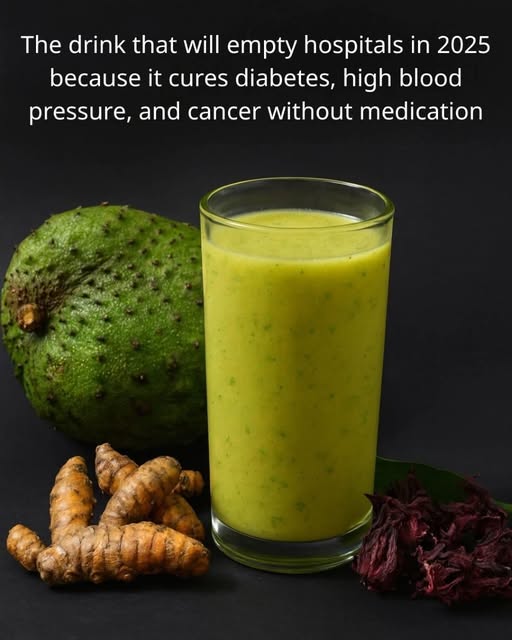
The Myth of the Miracle Drink: Why No Beverage Will Cure Diabetes, High Blood Pressure, and Cancer in 2025

The Myth of the Miracle Drink: Why No Beverage Will Cure Diabetes, High Blood Pressure, and Cancer in 2025

In 2025, social media is buzzing with claims about a miraculous drink that supposedly cures diabetes, high blood pressure, and cancer without medication—a beverage so potent that it will “empty hospitals” worldwide. But despite its viral popularity, health professionals and scientists are clear: no drink can single-handedly cure these complex diseases. This narrative isn’t just misleading—it’s potentially dangerous for public health.

To understand why, we need to look at what science actually tells us about nutrition, disease, and how these conditions are treated.


1. Misleading Claims Spread Fast—But Evidence Matters

Every few years a new “super drink” captures public imagination. Noni juice, for instance, was once marketed with claims of curing everything from diabetes to cancer—despite no scientific evidence supporting these claims. Regulatory authorities like the U.S. Food and Drug Administration have repeatedly warned that noni juice is not proven to treat any disease and may even carry risks such as liver toxicity.

Similarly, viral posts promoting garlic and betel leaves as a cure for hypertension and diabetes have been debunked by health experts: while garlic might slightly lower blood pressure in some people, it does not cure the diseases themselves, and betel leaves have no validated benefits.

False miracle cures are not new—but in a world where headlines spread faster than research, distinguishing fact from fiction is more important than ever.


2. Complex Diseases Don’t Have Simple Cures

Diabetes

Type 2 diabetes is a chronic metabolic condition in which the body struggles to regulate blood sugar due to insulin resistance or deficiency. Its management typically includes lifestyle changes (diet and exercise), blood sugar monitoring, and sometimes medications like metformin or newer drugs such as semaglutide.

Although some beverages might help with blood sugar control (for example, water, tea, and seltzer can support hydration and metabolic health), none can reverse diabetes on their own.

High Blood Pressure

Hypertension, or high blood pressure, is similarly multifactorial—affected by genetics, diet, stress, physical activity, and more. Some herbal infusions like hibiscus (sour tea) have been shown in small studies to modestly reduce blood pressure, likely due to antioxidants and diuretic effects—but the impact is small and not a standalone cure.

Cancer

Cancer isn’t a single disease but a group of hundreds of conditions where cells grow uncontrollably. Treatment depends on cancer type, stage, genetics, and many other factors. There is no food or drink that has been proven to cure cancer. While antioxidants and phytochemicals in certain beverages may contribute to reducing risk or supporting overall health, that’s far from a cure.

For example, some experts highlight that green tea and coffee contain antioxidants that may be associated with a modest reduction in the risk of certain cancers. But correlation is not causation, and reductions in risk do not equate to cures.

A Stanford Medicine oncology dietitian specifically warns against oversimplified claims like “sugar feeds cancer,” noting that such messages can fuel misinformation rather than guide helpful choices.


3. What Beverages Can Do: Support—but Not Cure

While no drink is a panacea, certain beverages support health as part of a balanced lifestyle:

  • Water: Essential for life. Proper hydration supports kidney function, which helps regulate metabolic processes and may dilute certain toxins that can affect cancer risk.

  • Tea and Coffee: Both contain antioxidants and polyphenols. Some studies suggest green tea may slightly lower blood sugar and blood pressure, and coffee consumption has been linked with a lower risk of type 2 diabetes and some cancers—but these effects are modest and preventative rather than curative.

  • Herbal Teas: Chamomile, ginger, and peppermint are popular for comfort and may offer anti-inflammatory effects. Some research associates them with improved digestion and reduced inflammation, which supports general health but doesn’t cure disease.

  • Vegetable Juices: Drinks made from leafy greens, cucumber, or celery can be nutrient-rich and help manage blood sugar levels if prepared without added sugars.

  • Functional Beverages: Some fruit- and vegetable-based drinks have bioactive compounds like polyphenols that show promise in laboratory or animal studies for anti-diabetic and heart-healthy effects. However, they remain far from proven cures.

None of these should replace medical treatment. They complement a healthy diet and lifestyle, but by themselves they cannot eliminate chronic disease.


4. Why “Miracle Cure” Narratives Are Harmful

Promoting a single drink as a cure for multiple serious diseases can have serious public health consequences:

  • Delaying proper care: Believing a beverage will cure disease may discourage people from seeking proven medical treatment, leading to worse outcomes.

  • Creating false hope: People with cancer, diabetes, or hypertension may hold onto misinformation rather than focusing on effective strategies like regular medical checkups, medications when needed, and lifestyle changes.

  • Misinformation cycles: Social media accelerates myths faster than scientific research can debunk them, making education and critical evaluation essential.


5. The Real Path Forward

Effective management and prevention of chronic diseases require a combination of:

  • Balanced diet (rich in whole foods, low in processed sugars)

  • Regular exercise

  • Proper medical care (regular monitoring, evidence-based treatments)

  • Healthy habits (stress management, sleep hygiene, hydration)

Beverages like water, tea, coffee, and nutrient-rich juices can support these goals—but they aren’t cures.

In 2025 and beyond, the focus should be on empowering people with accurate health information rather than chasing myths. There is no silver-bullet drink that will empty hospitals—just evidence-based care, preventive practices, and informed choices that help improve health over the long term.


Bottom line: No drink will cure diabetes, high blood pressure, and cancer. While some beverages may support aspects of health and risk reduction, diseases as complex as these require comprehensive medical approaches and lifestyle strategies—not miracle elixirs.

Low Calorie Vegetable Stew for Fast Weight Loss

If you want to lose weight without feeling hungry all the time, vegetable stew is one of the smartest meals you can choose. It’s packed with fiber, water, vitamins, and minerals, yet extremely low in calories. You can eat a generous bowl during the day and again at night without guilt. This stew warms your stomach, controls cravings, supports digestion, and keeps your calorie intake naturally low.

Why Vegetable Stew Helps You Lose Weight Fast

Vegetable stew works because it has high volume and low energy density. That means you eat a large portion while consuming very few calories. The fiber slows digestion, helping you feel full for hours. The water content hydrates your body and reduces bloating. Most importantly, it keeps blood sugar stable, preventing sudden hunger and late-night snacking.

Unlike extreme diets, this stew nourishes your body while encouraging fat loss in a safe, sustainable way.

Ingredients (Serves 4–6 | ~120–150 calories per bowl)

  • 1 tablespoon olive oil (optional, for flavor)

  • 1 large onion, chopped

  • 3 cloves garlic, minced

  • 2 carrots, sliced

  • 2 celery stalks, chopped

  • 1 zucchini, diced

  • 1 bell pepper, chopped

  • 1 cup cauliflower florets

  • 1 cup cabbage, shredded

  • 1 cup green beans, chopped

  • 2 medium tomatoes, chopped (or 1 cup canned tomatoes)

  • 6 cups water or low-sodium vegetable broth

  • 1 teaspoon cumin powder

  • 1 teaspoon black pepper

  • ½ teaspoon turmeric

  • ½ teaspoon paprika or chili flakes (optional)

  • Salt to taste

  • Fresh parsley or coriander for garnish

  • Lemon juice (optional)

Optional protein boost (still low calorie):
½ cup cooked lentils or chickpeas (adds fullness without many calories)

Step-by-Step Cooking Instructions

  1. Heat the pot
    Place a large pot on medium heat. Add olive oil if using. If you want an ultra-low-calorie version, skip oil and use a splash of water instead.

  2. Sauté aromatics
    Add chopped onion and cook for 2–3 minutes until soft. Stir in garlic and cook for 30 seconds until fragrant.

  3. Add vegetables
    Add carrots, celery, zucchini, bell pepper, cauliflower, cabbage, and green beans. Stir well and let them cook for 3–4 minutes.

  4. Add tomatoes and spices
    Add tomatoes, cumin, turmeric, black pepper, paprika, and salt. Mix thoroughly so vegetables are coated with spices.

  5. Pour in liquid
    Add water or vegetable broth. Bring to a boil, then reduce heat and simmer for 20–25 minutes until vegetables are tender.

  6. Taste and finish
    Adjust seasoning. Add lemon juice for brightness and garnish with fresh herbs before serving.

How to Eat This Stew for Best Weight Loss Results

Daytime

  • Eat a large bowl for lunch to stay full and energized

  • Pair with a small side of protein (boiled egg, yogurt, or beans) if needed

Nighttime

  • Eat a medium bowl for dinner

  • Avoid bread or rice at night to maximize fat loss

  • Finish eating at least 2–3 hours before bedtime

Because this stew is light and easy to digest, it’s ideal for evening meals without causing bloating or heaviness.

Calorie Breakdown (Approximate)

  • One bowl (2 cups): 120–150 calories

  • High fiber: keeps you full

  • Zero refined carbs

  • Very low fat

  • No added sugar

You can comfortably eat 2–3 bowls per day and still stay in a calorie deficit.

Extra Tips to Boost Weight Loss

  • Drink water before and after meals

  • Add chili or black pepper to increase metabolism

  • Avoid adding potatoes or corn if weight loss is your goal

  • Walk 20–30 minutes daily to enhance fat burning

  • Sleep well—poor sleep slows weight loss

Why This Stew Is Better Than Crash Diets

Crash diets make you hungry, tired, and frustrated. This vegetable stew gives your body volume, nutrients, and satisfaction, so you naturally eat less without feeling deprived. Many people notice reduced belly bloating within days and steady weight loss within a week.

Final Thoughts

This low-calorie vegetable stew is simple, affordable, and powerful. Eat it day and night, adjust the vegetables to your taste, and let your body do the rest. Weight loss doesn’t have to mean suffering—it just needs smart, nourishing choices like this one.

Taking a Nap Stimulates Your Mind How It Improves Learning Memory and Perception

In a fast-paced world that often glorifies constant productivity, taking a nap can feel like an indulgence or even a weakness. Yet science increasingly shows the opposite: a well-timed nap is one of the most powerful tools for stimulating the mind. Far from being wasted time, short periods of sleep during the day can significantly improve learning ability, strengthen memory, and sharpen perception of the environment. In essence, napping is not about doing less—it’s about enabling the brain to do more.

The Brain Needs Rest to Learn

Learning is not just about exposure to information; it’s about how well the brain processes and organizes what it receives. Throughout the day, our brains are bombarded with stimuli—conversations, screens, tasks, sounds, and decisions. As this information accumulates, mental fatigue sets in, making it harder to absorb new material. A nap acts as a reset button.

During sleep, especially in the lighter stages of non-REM sleep, the brain clears out irrelevant neural activity and prepares itself for new input. This creates “space” for learning. Studies have shown that people who take short naps after learning something new perform better when tested later than those who stay awake. In practical terms, a nap before studying can make learning more efficient, while a nap after studying can help lock information in.

Memory Consolidation Happens While You Sleep

One of the most powerful cognitive benefits of napping is improved memory. Memory is not formed instantly; it develops in stages. First, information is encoded while you are awake. Then, it must be consolidated—strengthened and stored—before it can be reliably recalled. Sleep plays a critical role in this process.

During naps, the brain replays recent experiences and transfers them from short-term storage in the hippocampus to long-term storage in the cortex. This is why a nap after learning can dramatically improve recall. Whether it’s memorizing vocabulary, learning a new skill, or remembering details from a meeting, a nap helps stabilize those memories and protect them from interference.

Even brief naps of 10 to 30 minutes can enhance memory performance. Longer naps that include deeper sleep stages may provide even greater benefits, especially for complex information and emotional memories. This makes napping particularly useful for students, professionals, and anyone engaged in mentally demanding work.

Enhanced Perception and Environmental Awareness

Perception—the ability to interpret and respond to your surroundings—also improves after a nap. Mental fatigue dulls the senses, slowing reaction time and reducing accuracy. This is especially noticeable in tasks that require attention to detail, quick decision-making, or spatial awareness.

After a nap, people often experience sharper focus and heightened alertness. Visual perception becomes clearer, auditory processing improves, and reaction times shorten. This is because sleep restores the brain’s attentional networks, allowing them to function more efficiently. In real-world terms, this can translate to safer driving, better performance at work, and improved coordination in physical activities.

Napping also reduces the “noise” in the brain—the unnecessary neural chatter that builds up during prolonged wakefulness. With this noise reduced, the brain can more accurately interpret sensory information, making you more aware of subtle changes in your environment.

Creativity and Problem-Solving Get a Boost

Beyond memory and perception, naps are known to enhance creativity and problem-solving. When you sleep, the brain makes new connections between ideas that may not seem related while you’re awake. This associative thinking is essential for insight and innovation.

Many people report waking from a nap with fresh ideas or sudden clarity about a problem they were struggling with earlier. This isn’t coincidence. Sleep allows the brain to step back from rigid thought patterns and explore alternative solutions. Even short naps can improve performance on tasks that require flexible thinking and pattern recognition.

The Ideal Nap: Timing and Duration Matter

Not all naps are created equal. To get the cognitive benefits without grogginess, timing and duration are important. The best time to nap is usually in the early afternoon, when the body naturally experiences a dip in alertness. Napping too late in the day can interfere with nighttime sleep.

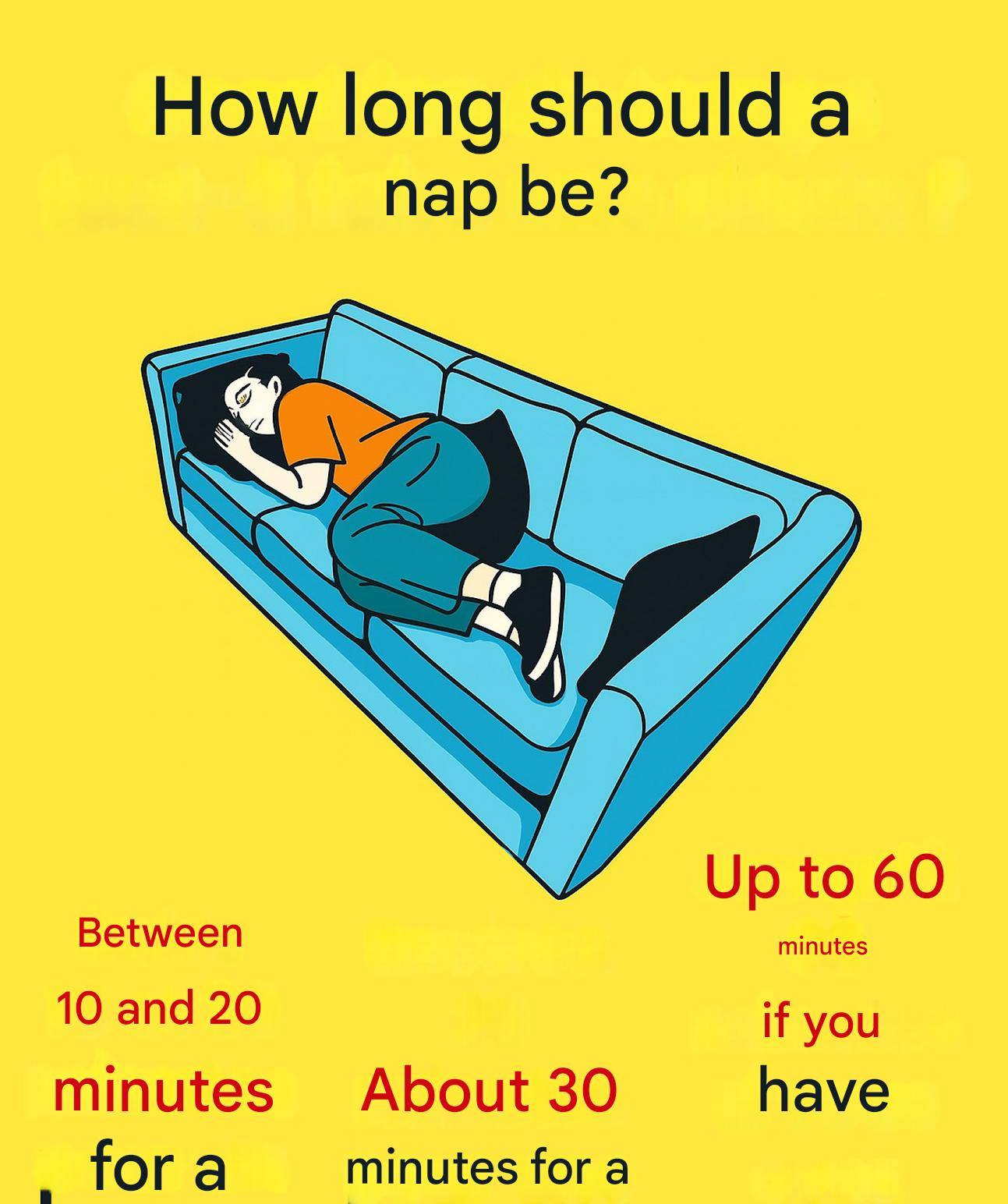
As for duration, short naps of 10 to 20 minutes are ideal for a quick mental boost. These “power naps” improve alertness and focus without entering deep sleep. Longer naps of 60 to 90 minutes can include deeper sleep stages and may enhance memory and creativity, but they also carry a higher risk of sleep inertia—the groggy feeling after waking.

Napping Is a Sign of Brain Wisdom, Not Laziness

Culturally, napping is often misunderstood. In many societies, it’s seen as unproductive. Yet from a biological perspective, napping is a natural and intelligent response to mental overload. Children nap instinctively because their brains are developing rapidly. Adults, too, benefit from respecting the brain’s need for rest.

Rather than pushing through fatigue with caffeine or stress, a short nap offers a healthier and more effective solution. It supports brain health, improves emotional regulation, and enhances overall cognitive performance.

Conclusion

Taking a nap is one of the simplest yet most powerful ways to stimulate your mind. By improving learning ability, strengthening memory, and sharpening perception of the environment, naps help the brain function at its best. In a world that demands constant mental output, giving your brain permission to rest may be the smartest productivity strategy of all. Instead of fighting fatigue, embrace the nap—and wake up mentally refreshed, focused, and ready to perform.

Canning Meatloaf

Canning meatloaf may sound unusual at first, but for home preservers who value convenience, food security, and homemade flavor, it can be a practical option. Properly canned meatloaf allows you to enjoy a hearty, ready-to-eat meal straight from the pantry—perfect for busy nights, emergencies, or off-grid living. However, because meatloaf is a low-acid, high-protein food, it must be canned correctly to ensure safety. This guide explains everything you need to know about canning meatloaf safely, deliciously, and with confidence.


Why Can Meatloaf?

The main appeal of canning meatloaf is convenience. Once canned, meatloaf is fully cooked and shelf-stable for up to a year when stored properly. You don’t need refrigeration or freezing space, and reheating takes only minutes. It’s also a great way to control ingredients—no preservatives, fillers, or excess sodium like many store-bought canned meats.

For homesteaders, preppers, and busy families alike, canned meatloaf offers:

  • Long shelf life

  • Quick, protein-rich meals

  • Reduced food waste

  • Customizable flavors


Safety First: Pressure Canning Is Essential

This is the most important rule: meatloaf can only be canned using a pressure canner. Never attempt to water-bath can meatloaf. Low-acid foods such as meat can harbor Clostridium botulinum, the bacteria that causes botulism, which can only be destroyed at the higher temperatures achieved in pressure canning.

Always follow tested, science-based guidelines from trusted sources like the USDA or university extension services.


Ingredients: Keep It Simple

When canning meatloaf, simplicity equals safety. Complex ingredients can interfere with heat penetration.

Recommended ingredients:

  • Ground beef, turkey, or a mix (leaner meats work best)

  • Eggs (as a binder)

  • Finely crushed crackers or breadcrumbs

  • Salt, pepper, and dry herbs (onion powder, garlic powder)

Avoid or limit:

  • Milk or cream

  • Cheese

  • Fresh vegetables (especially onions and peppers)

  • Thick sauces like ketchup or BBQ sauce

You can always add sauces and extras when reheating.


Preparing the Meatloaf for Canning

  1. Mix the meatloaf
    Combine ingredients gently. Do not overmix, as dense packing can affect heat flow.

  2. Shape carefully
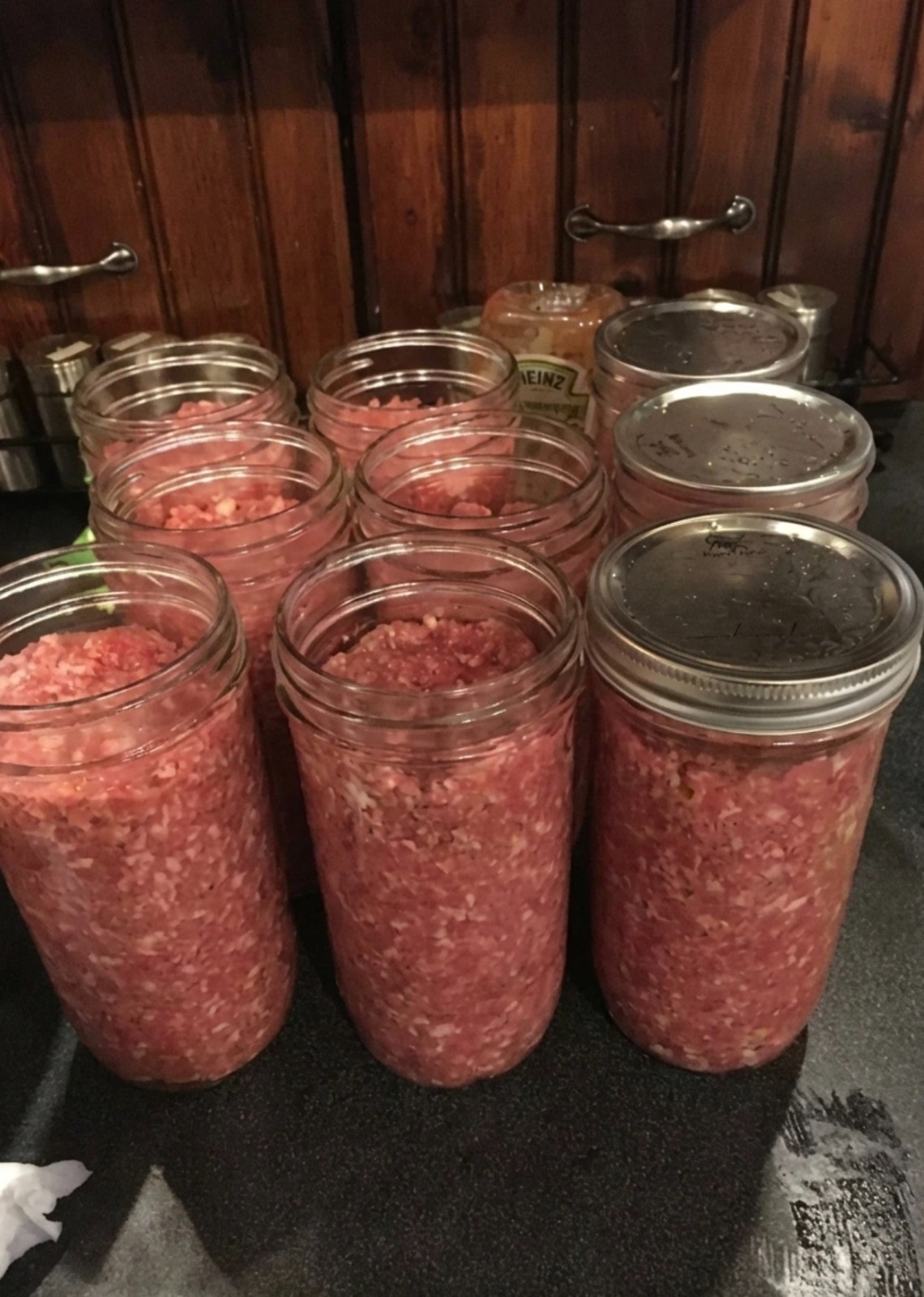
    Instead of a large loaf, form individual mini loaves or pack the raw mixture loosely into wide-mouth jars. Leave about 1 inch of headspace.

  3. No added liquid
    The meat will release its own juices during processing.

  4. Clean jar rims
    Wipe rims thoroughly to ensure a proper seal.


Pressure Canning Process

  • Jar size: Pints or quarts

  • Processing time:

    • Pints: 75 minutes

    • Quarts: 90 minutes

  • Pressure:

    • 10–11 pounds (dial-gauge canner, adjusted for altitude)

    • 15 pounds (weighted-gauge canner)

Follow your pressure canner’s manufacturer instructions exactly. Allow the canner to cool naturally before opening.


Cooling and Storage

Once jars are removed:

  • Let them cool undisturbed for 12–24 hours

  • Check seals (lids should not flex)

  • Label jars with date and contents

  • Store in a cool, dark place

Properly sealed jars can last up to 12 months, though quality is best within the first year.


How to Use Canned Meatloaf

Using canned meatloaf is easy and versatile:

  • Slice and heat with gravy

  • Crumble into pasta or casseroles

  • Pan-fry slices for a crispy exterior

  • Serve with mashed potatoes or rice

Always inspect the jar before use. If you notice an off smell, bubbling, or a broken seal, discard the contents without tasting.


Common Mistakes to Avoid

  • ❌ Water-bath canning meatloaf

  • ❌ Adding thickeners or dairy

  • ❌ Over-packing jars

  • ❌ Guessing processing times

When in doubt, stick to tested methods.


Final Thoughts

Canning meatloaf is not a beginner project, but with proper equipment and careful attention to safety, it can be a rewarding way to preserve a beloved comfort food. The result is a nutritious, homemade meal ready whenever you need it—no freezer required. By following pressure-canning guidelines and keeping recipes simple, you can enjoy the convenience of shelf-stable meatloaf with peace of mind and great flavor.

Garlic The Natural Antibiotic That Wages War on Infections

For thousands of years, garlic has been treasured not only as a flavorful kitchen staple but also as one of nature’s most powerful healing foods. Long before modern antibiotics existed, ancient civilizations relied on garlic to fight infections, boost immunity, and protect overall health. Today, science continues to explore what traditional medicine already knew: garlic contains potent natural compounds that help the body defend itself against harmful bacteria, viruses, fungi, and parasites. This is why garlic is often called “nature’s antibiotic.”

The Secret Weapon Inside Garlic: Allicin

The true power of garlic lies in a sulfur-containing compound called allicin. When a garlic clove is crushed, chopped, or chewed, an enzyme reaction occurs that produces allicin. This compound is responsible for garlic’s strong smell—and its impressive antimicrobial effects.

Research shows that allicin can inhibit the growth of many harmful microorganisms, including some strains of bacteria that have become resistant to conventional antibiotics. Unlike synthetic antibiotics that target specific bacteria, garlic works more broadly, making it difficult for pathogens to adapt and survive.

How Garlic Fights Infections

Garlic supports the body’s natural defense system in several important ways:

  1. Antibacterial Action
    Garlic has been shown to combat both gram-positive and gram-negative bacteria. It may help slow the growth of bacteria linked to throat infections, urinary tract infections, food poisoning, and respiratory illnesses. While garlic should never replace prescribed antibiotics for serious infections, it can be a powerful supportive food for immune health.

  2. Antiviral Properties
    Garlic may help the body fight viruses that cause common colds, flu, and other viral infections. Regular garlic consumption has been associated with fewer colds and faster recovery times, thanks to its immune-boosting compounds.

  3. Antifungal Support
    Fungal infections such as Candida overgrowth may be influenced by garlic’s antifungal properties. Allicin and other sulfur compounds can interfere with fungal cell membranes, helping to control their spread.

  4. Anti-Parasitic Effects
    Historically, garlic has been used to help the body eliminate intestinal parasites. While modern treatment is still essential, garlic remains a supportive food for digestive health.

Garlic and Immune System Strength

Garlic doesn’t just attack germs—it also strengthens the immune system itself. It stimulates the activity of white blood cells, which play a critical role in identifying and destroying invading pathogens. Garlic also contains antioxidants that reduce oxidative stress, helping immune cells function more effectively.

In addition, garlic has anti-inflammatory properties. Chronic inflammation weakens immunity and makes the body more vulnerable to infection. By helping to calm inflammation, garlic creates an internal environment where healing can occur more efficiently.

Raw Garlic vs. Cooked Garlic

To get the maximum antibiotic-like benefits, raw garlic is often recommended. Cooking garlic can reduce the amount of allicin available, especially if exposed to high heat for long periods. However, cooked garlic still offers many health benefits, including antioxidants and sulfur compounds.

For best results:

  • Crush or chop garlic and let it sit for 5–10 minutes before consuming or cooking. This allows allicin to fully develop.

  • Add raw garlic to salad dressings, dips, or yogurt.

  • Mix crushed garlic with honey for a traditional immune-boosting remedy.

Garlic for Everyday Protection

Garlic works best as a preventive tool, not a quick fix. Consuming garlic regularly may help reduce how often you get sick and how severe infections become. Many cultures include garlic daily in meals not just for flavor, but for long-term wellness.

Potential benefits of regular garlic intake include:

  • Fewer colds and infections

  • Faster recovery from illness

  • Improved gut health

  • Stronger immune response

Safety and Precautions

While garlic is natural, it is still powerful. Eating large amounts of raw garlic may cause stomach irritation, heartburn, or bad breath. People taking blood-thinning medications or preparing for surgery should consult a healthcare professional, as garlic can increase bleeding risk.

Garlic should be viewed as supportive nutrition, not a replacement for medical treatment. Serious infections always require professional care.

A Timeless Remedy Backed by Science

Garlic’s reputation as a natural antibiotic is not just folklore—it is supported by centuries of use and growing scientific interest. In a world where antibiotic resistance is becoming a serious concern, garlic stands out as a gentle yet effective ally for immune health.

By including garlic in your daily diet, you’re not just adding flavor—you’re equipping your body with one of nature’s most powerful tools to help fight infections, support immunity, and promote long-term wellness. Simple, affordable, and remarkably effective, garlic truly earns its title as the natural antibiotic that wages war on infections.

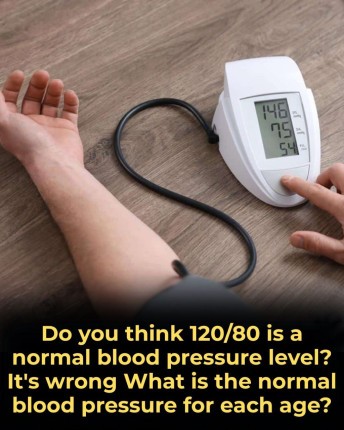
What Is The Normal Blood Pressure For Each Age

Blood pressure is one of the most important indicators of overall health. It reflects how hard your heart works to pump blood through your arteries and how healthy those blood vessels are. Many people believe blood pressure naturally rises with age and that higher numbers are “normal” as you get older. While slight changes can occur, healthy blood pressure targets are largely the same for adults of all ages. Understanding what’s normal—and what’s not—can help prevent serious conditions like heart disease, stroke, and kidney damage.

Understanding Blood Pressure Numbers

Blood pressure is measured using two numbers:

  • Systolic pressure (top number): The pressure in your arteries when your heart beats.

  • Diastolic pressure (bottom number): The pressure in your arteries when your heart rests between beats.

A reading looks like this: 120/80 mmHg (millimeters of mercury).

General Blood Pressure Categories (Adults)

  • Normal: Below 120/80 mmHg

  • Elevated: 120–129 systolic and below 80 diastolic

  • High Blood Pressure (Stage 1): 130–139 systolic or 80–89 diastolic

  • High Blood Pressure (Stage 2): 140/90 mmHg or higher

  • Hypertensive Crisis: Higher than 180/120 mmHg (requires immediate medical attention)

These categories apply to most adults, regardless of age.

Normal Blood Pressure by Age Group

Children (1–12 years)

Normal blood pressure in children depends on age, height, and sex. Pediatric readings are interpreted differently from adults.

  • Typical range:

    • Systolic: 90–110 mmHg

    • Diastolic: 55–75 mmHg

Doctors use percentile charts to determine whether a child’s blood pressure is normal.

Teenagers (13–17 years)

As the body matures, blood pressure approaches adult values.

  • Normal: Around 110–120 / 65–80 mmHg

Consistently high readings in teens may be linked to obesity, poor diet, or lack of physical activity.

Young Adults (18–29 years)

This age group typically has the healthiest blood pressure levels.

  • Ideal: 110–120 / 70–80 mmHg

  • Normal: Below 120/80 mmHg

Maintaining healthy habits at this stage greatly reduces future risk of hypertension.

Adults (30–39 years)

Blood pressure may begin to rise slightly due to stress, sedentary lifestyle, or weight gain.

  • Normal: Below 120/80 mmHg

  • Average healthy range: 115–125 / 75–85 mmHg

Regular monitoring becomes increasingly important.

Middle-Aged Adults (40–49 years)

  • Normal: Below 120/80 mmHg

  • Common healthy readings: 120–130 / 75–85 mmHg

Lifestyle changes such as exercise, reduced salt intake, and stress management play a key role at this stage.

Adults (50–59 years)

  • Normal: Still below 120/80 mmHg

  • Acceptable target (under medical guidance): Around 120–130 / 80–85 mmHg

Blood vessels gradually lose elasticity, which can raise systolic pressure.

Older Adults (60–69 years)

  • Ideal: Below 130/80 mmHg

  • Often considered acceptable: 130–140 / 80–90 mmHg (depending on overall health)

Doctors may individualize targets to avoid dizziness or falls caused by overly low blood pressure.

Seniors (70 years and above)

  • Recommended target for many seniors: Below 130/80 mmHg

  • Sometimes acceptable: Up to 140/90 mmHg if the person feels well and has no complications

Very low blood pressure in seniors can increase fall risk, so balance is essential.

Why Blood Pressure Changes With Age

Several factors contribute to changes in blood pressure as we age:

  • Stiffening of arteries

  • Reduced physical activity

  • Weight gain

  • Increased salt sensitivity

  • Chronic stress

  • Underlying conditions such as diabetes or kidney disease

However, aging alone does not cause high blood pressure. Many older adults maintain normal readings with healthy lifestyles.

How to Maintain Normal Blood Pressure at Any Age

  • Eat a balanced diet rich in fruits, vegetables, and whole grains

  • Limit salt, sugar, and processed foods

  • Stay physically active (at least 30 minutes most days)

  • Maintain a healthy weight

  • Manage stress through relaxation and sleep

  • Avoid smoking and limit alcohol

  • Check your blood pressure regularly


Final Thoughts

Normal blood pressure is a key marker of long-term health. While readings may slightly vary with age, the goal for most adults remains below 120/80 mmHg. Knowing the normal ranges for your age helps you take action early, protect your heart, and enjoy a healthier life.

If your blood pressure readings are consistently higher than normal, it’s important to consult a healthcare professional for proper evaluation and guidance.

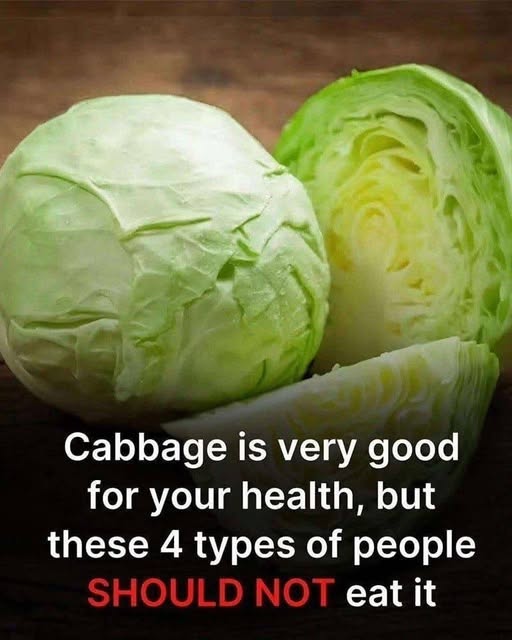
4 types of people who should avoid eating cabbage

Cabbage is often praised as a super-healthy vegetable. It’s low in calories, rich in fiber, packed with vitamin C and K, and linked to benefits like better digestion, heart health, and reduced inflammation. From crunchy coleslaw to comforting soups and fermented sauerkraut, cabbage appears in cuisines around the world.

However, healthy doesn’t always mean suitable for everyone. For certain people, cabbage can actually trigger discomfort, worsen existing conditions, or interfere with medications. Understanding when cabbage may do more harm than good is just as important as knowing its benefits.

Here are four types of people who should avoid eating cabbage—or consume it only with caution.

1. People With Thyroid Disorders (Especially Hypothyroidism)

If you have a thyroid condition, especially hypothyroidism, cabbage may not be your best friend.

Why cabbage can be a problem

Cabbage belongs to the cruciferous vegetable family, which contains natural compounds called goitrogens. These substances can interfere with the thyroid’s ability to absorb iodine—an essential mineral for producing thyroid hormones.

When iodine uptake is disrupted, thyroid hormone production may decrease, potentially worsening symptoms such as:

  • Fatigue

  • Weight gain

  • Cold sensitivity

  • Brain fog

Does this mean no cabbage at all?

Not necessarily. The risk is higher when:

  • Cabbage is eaten raw (like in salads or smoothies)

  • It’s consumed in large amounts

  • You already have iodine deficiency

Safer tips

  • Eat cabbage cooked, as heat reduces goitrogen levels

  • Keep portions moderate

  • Ensure adequate iodine intake (from iodized salt or foods like eggs and fish)

  • If you’re on thyroid medication, avoid eating cabbage close to medication time

2. People With Digestive Disorders (IBS, Bloating, or Gas Issues)

Cabbage is notorious for causing gas and bloating, even in people with healthy digestion. For those with sensitive digestive systems, it can be especially troublesome.

Why cabbage causes digestive discomfort

Cabbage contains:

  • Insoluble fiber, which can irritate the gut

  • Complex sugars (raffinose) that are hard to digest

  • FODMAPs, which ferment in the intestines

These compounds can lead to:

  • Severe bloating

  • Abdominal cramps

  • Excess gas

  • Diarrhea or constipation

People with Irritable Bowel Syndrome (IBS) or inflammatory gut conditions often report symptoms shortly after eating cabbage.

Fermented cabbage isn’t always better

While sauerkraut and kimchi contain probiotics, they can still cause:

  • Gas flare-ups

  • Acid reflux

  • Increased abdominal pressure

Safer alternatives

  • Replace cabbage with easier-to-digest vegetables like zucchini, carrots, or spinach

  • If you do eat cabbage, choose well-cooked versions and small portions

3. People Taking Blood-Thinning Medications

If you are taking blood thinners such as warfarin, cabbage may interfere with your treatment.

The vitamin K issue

Cabbage is very high in vitamin K, which plays a key role in blood clotting. Blood-thinning medications work by reducing clot formation, and sudden changes in vitamin K intake can:

  • Reduce the effectiveness of the medication

  • Increase the risk of clotting

  • Make blood levels harder to control

Why consistency matters

The problem isn’t cabbage itself—it’s fluctuation. Eating a large amount of cabbage one week and none the next can disrupt medication balance.

What doctors usually recommend

  • Avoid large or sudden increases in cabbage intake

  • Keep vitamin K intake consistent

  • Inform your healthcare provider if you plan to change your diet

This applies not only to cabbage but also to kale, broccoli, and Brussels sprouts.

4. People With Kidney Stones or Kidney Disease

For individuals with kidney-related conditions, cabbage may require caution.

Cabbage and oxalates

Cabbage contains oxalates, compounds that can contribute to the formation of certain types of kidney stones—especially calcium oxalate stones.

While cabbage is lower in oxalates than some leafy greens, eating it frequently or in large amounts may still increase risk in sensitive individuals.

Additional concerns for kidney disease

People with chronic kidney disease (CKD) must often monitor:

  • Potassium intake

  • Fluid balance

  • Digestive tolerance

Cabbage can contribute to potassium levels, which may need to be restricted depending on the stage of kidney disease.

Smart choices

  • Limit portion size

  • Avoid daily consumption

  • Balance cabbage with low-oxalate vegetables

  • Always follow dietary guidance from a healthcare professional

Final Thoughts: Is Cabbage Bad for You?

Cabbage is not unhealthy, but it’s also not universally safe for everyone. Like many nutritious foods, its effects depend on your body, health conditions, and how it’s prepared.

You may want to avoid or limit cabbage if you:

  • Have thyroid problems

  • Struggle with bloating or IBS

  • Take blood-thinning medications

  • Have kidney stones or kidney disease

For everyone else, cabbage can still be part of a balanced diet—especially when eaten cooked, in moderation, and alongside a variety of other vegetables.

If you have a waxing moon and the letter M on your palm, 7 things will happen to you in 2026

For centuries, palmistry has fascinated people across cultures. From ancient India and China to Greece and the Middle East, the lines and symbols on the palm have been seen as reflections of personality, destiny, and life patterns. Among the most intriguing signs are a waxing moon shape and the letter “M” appearing naturally in the palm lines. Many believe that when these two symbols appear together, they point to a powerful year of transformation.

While palm reading should always be viewed as symbolic and inspirational rather than absolute fate, 2026 is often described by spiritual traditions as a year of awakening and transition. If you have both a waxing moon and an “M” on your palm, here are seven symbolic things that may unfold for you in 2026, according to palmistry lore and spiritual interpretation.

1. A Powerful Turning Point in Your Life

The waxing moon symbolizes growth, expansion, and new beginnings. In palmistry, it suggests a phase where life moves forward instead of staying stagnant. In 2026, you may feel an unmistakable push toward change. This could be a career shift, a move to a new place, or a decision you’ve postponed for years.

Unlike sudden chaos, this turning point often feels right, even if it’s uncomfortable at first. Many people with this sign report that they finally choose themselves—letting go of situations that drain them and stepping into something more aligned with their inner truth.

2. Increased Financial Awareness or Opportunity

The letter “M” on the palm is traditionally linked to money, management, and material intelligence. It doesn’t necessarily mean instant wealth, but it does suggest a sharper instinct for recognizing opportunities.

In 2026, you may become more careful with spending, more confident in negotiations, or suddenly aware of new income possibilities. Some interpret this sign as success through business, leadership, or independent work. You may also find yourself saying “no” to financial habits that once held you back.

3. Heightened Intuition and Inner Guidance

One of the most talked-about meanings of the “M” sign is strong intuition. Combined with the waxing moon—an ancient symbol of spiritual growth—this suggests that in 2026, your inner voice becomes louder and clearer.

You may start trusting your gut more than external opinions. Decisions that once confused you suddenly feel obvious. Many people notice more meaningful dreams, gut feelings that prove accurate, or a stronger sense of emotional intelligence in dealing with others.

4. Recognition for Your Efforts

Palmistry traditions often associate these symbols with hidden potential finally being seen. If you’ve spent years working quietly, helping others, or building something slowly, 2026 may bring acknowledgment.

This recognition might not always be public fame. It could be respect from family, appreciation at work, or being chosen for a role others didn’t expect. The waxing moon suggests that whatever recognition comes, it grows steadily rather than appearing overnight.

5. A Shift in Relationships

The waxing moon is linked to emotional cycles, while the “M” reflects honesty and truth. Together, they often point to relationship clarity. In 2026, you may reassess who truly belongs in your life.

Some relationships may deepen through honest conversations and mutual growth. Others may fade naturally as you realize they no longer match who you’re becoming. This period is less about loss and more about emotional alignment and peace.

6. A Strong Desire to Help or Lead Others

People with an “M” on their palm are often described as natural leaders or guides, even if they don’t see themselves that way. In 2026, you may find others turning to you for advice, support, or direction.

This could show up as mentoring someone younger, supporting family members, or stepping into a leadership role at work or in your community. The waxing moon suggests your influence grows gently but steadily, not through force, but through example.

7. Personal Growth That Changes How You See Life

Perhaps the most meaningful shift associated with these palm signs is inner transformation. In 2026, you may look back and realize that your mindset has changed more than your circumstances.

Old fears may lose their power. You might feel more confident setting boundaries, more patient with yourself, and more focused on what truly matters. This growth often feels quiet but deeply empowering—like finally understanding your own worth.

Final Thoughts

Having a waxing moon shape and the letter “M” on your palm is seen by many traditions as a symbol of potential, awareness, and gradual success. While palmistry is not a science, it offers a reflective lens—encouraging you to notice patterns, strengths, and opportunities within yourself.

Whether or not you believe in palm reading, 2026 can still become a year of intention, clarity, and growth. Sometimes, the real power isn’t in the lines on our hands—but in how they remind us to believe in what we’re capable of becoming.