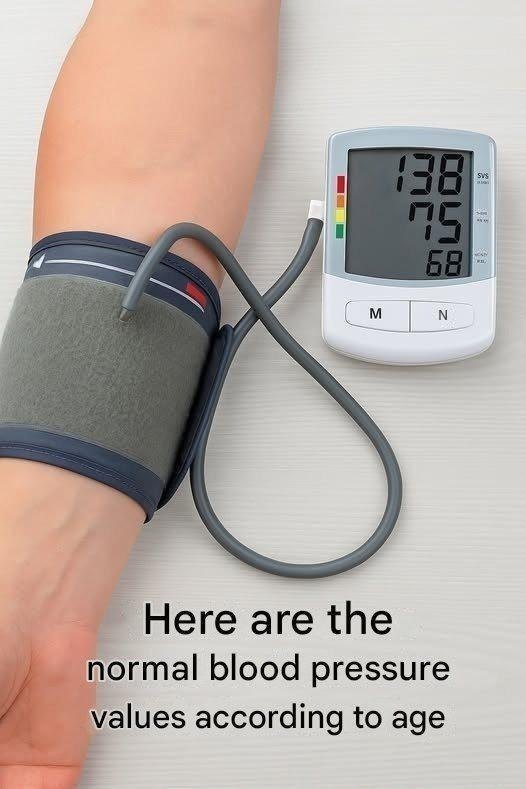
Here are the normal blood pressure values according to age

Blood pressure is one of the most important indicators of overall health. It reflects how hard your heart is working to pump blood through your arteries. While many people think there is one “perfect” blood pressure number for everyone, the truth is that normal blood pressure values can vary depending on age, overall health, and lifestyle.

Understanding what is considered normal for your age can help you recognize early warning signs and take steps to protect your heart, brain, and kidneys.

What Do Blood Pressure Numbers Mean?

Blood pressure is measured using two numbers:

  • Systolic pressure (top number): The pressure in your arteries when your heart beats

  • Diastolic pressure (bottom number): The pressure when your heart rests between beats

For example, a reading of 120/80 mmHg is read as “120 over 80.”

General Blood Pressure Categories (All Adults)

Before looking at age-specific values, it’s helpful to understand the standard adult categories:

  • Normal: Less than 120/80 mmHg

  • Elevated: 120–129 / less than 80

  • High Blood Pressure (Stage 1): 130–139 / 80–89

  • High Blood Pressure (Stage 2): 140 or higher / 90 or higher

  • Low Blood Pressure: Below 90/60 mmHg (if symptoms are present)

Normal Blood Pressure by Age Group

Children (1–12 Years)

Normal blood pressure in children depends on age, height, and gender, but general averages include:

  • Toddlers (1–3 years):

    • Normal: 90–105 / 55–70 mmHg

  • Preschool (4–5 years):

    • Normal: 95–110 / 60–75 mmHg

  • School-age (6–12 years):

    • Normal: 100–120 / 60–80 mmHg

Children with readings consistently above these levels should be evaluated by a pediatrician.

Teenagers (13–18 Years)

As the body grows, blood pressure gradually rises:

  • Normal: 110–120 / 65–80 mmHg

Teenagers are increasingly affected by high blood pressure due to poor diet, obesity, stress, and lack of physical activity.

Young Adults (18–39 Years)

This age group typically has the healthiest blood pressure readings:

  • Ideal: 110–120 / 70–80 mmHg

  • Acceptable: Less than 120/80 mmHg

At this stage, high blood pressure often develops silently, especially in people with a family history of hypertension.

Adults (40–59 Years)

Blood pressure tends to rise with age due to artery stiffness and lifestyle factors:

  • Normal: 115–130 / 70–85 mmHg

  • Target: Below 130/80 mmHg

Doctors may begin recommending lifestyle changes or medication if readings remain elevated.

Older Adults (60–69 Years)

For older adults, slightly higher readings may be considered acceptable:

  • Normal: 120–135 / 70–85 mmHg

  • Acceptable upper limit: Up to 140/90 mmHg (depending on health status)

Very low blood pressure in this age group can cause dizziness and falls, which is why balance is important.

Seniors (70 Years and Older)

Blood pressure management becomes more individualized:

  • Recommended: 120–140 / 70–90 mmHg

  • Too low: Below 110/60 mmHg may cause weakness or fainting

Doctors focus on preventing both stroke and falls, adjusting targets based on mobility and medical conditions.

Why Blood Pressure Changes With Age

Several factors influence rising blood pressure as we age:

  • Hardening of the arteries

  • Reduced elasticity of blood vessels

  • Weight gain

  • Decreased physical activity

  • Chronic stress

  • Hormonal changes

This is why regular monitoring becomes more important over time.

When Should You Be Concerned?

You should speak with a healthcare provider if:

  • Your readings are consistently above 130/80 mmHg

  • You experience dizziness, headaches, chest pain, or blurred vision

  • You have diabetes, kidney disease, or heart disease

  • Your blood pressure suddenly drops or spikes

Tips to Maintain Healthy Blood Pressure at Any Age

  • Reduce salt intake

  • Eat more fruits, vegetables, and whole grains

  • Stay physically active

  • Maintain a healthy weight

  • Manage stress

  • Avoid smoking and excessive alcohol

  • Get regular blood pressure checks

Final Thoughts

While 120/80 mmHg is often cited as the ideal blood pressure, what’s considered “normal” can vary depending on your age and overall health. The key is consistency and balance—avoiding both high and excessively low readings.

Knowing your age-appropriate blood pressure range empowers you to take control of your health and seek help early when needed. A few small lifestyle changes today can protect your heart for years to come ❤️.

5 signs that the Holy Spirit is working in your life

5 Signs That the Holy Spirit Is Working in Your Life

Many people wonder whether God is truly present in their daily lives. While the Holy Spirit does not always announce His presence with dramatic signs, Scripture teaches that His work is often revealed through quiet but powerful changes within us. The Holy Spirit transforms hearts, guides decisions, and shapes character in ways that draw us closer to God and others. If you’ve ever sensed an inner shift toward peace, love, or truth, it may be more than coincidence. Here are five clear signs that the Holy Spirit is working in your life.

1. A Growing Desire for God and Spiritual Things

One of the strongest signs of the Holy Spirit’s presence is a deepening hunger for God. You may notice a new or stronger desire to pray, read Scripture, attend worship, or learn more about faith. What once felt boring or unimportant may now feel meaningful and necessary.

This desire doesn’t come from human effort alone. The Bible says, “No one can say, ‘Jesus is Lord,’ except by the Holy Spirit” (1 Corinthians 12:3). When your heart is drawn toward God—not out of fear or obligation, but genuine longing—it reflects the Spirit awakening your soul.

You may also feel uncomfortable when you drift away from spiritual practices. This gentle conviction is not meant to condemn you but to draw you back into a closer relationship with God.

2. Conviction of Sin and a Desire to Change

The Holy Spirit lovingly exposes areas of your life that need healing or correction. This doesn’t feel like harsh judgment; instead, it’s a quiet inner awareness that certain thoughts, habits, or behaviors no longer align with God’s will.

You may begin to feel remorse for actions you once ignored or justified. More importantly, you may feel a sincere desire to change—not just to avoid consequences, but to honor God and live differently.

Jesus said the Holy Spirit would “convict the world concerning sin and righteousness” (John 16:8). Conviction is a gift. It shows that God cares enough to refine your heart and lead you toward freedom, not shame.

3. Evidence of the Fruit of the Spirit

A powerful sign of the Holy Spirit’s work is visible change in your character. Galatians 5:22–23 describes the fruit of the Spirit as love, joy, peace, patience, kindness, goodness, faithfulness, gentleness, and self-control.

These qualities often develop gradually. You may notice that you respond more calmly to stress, forgive more easily, or feel compassion where you once felt anger. Even small changes matter. Spiritual growth is not about perfection, but direction.

If others begin to comment on your peace, kindness, or patience, it may be evidence that the Holy Spirit is shaping your inner life in ways that go beyond your own strength.

4. Guidance and Inner Promptings

The Holy Spirit often guides believers through subtle inner promptings rather than loud instructions. You may feel a strong nudge to help someone, speak a word of encouragement, avoid a harmful situation, or make a difficult but wise decision.

Sometimes this guidance feels like a quiet knowing that won’t go away. Other times, it comes through Scripture, prayer, or godly counsel that aligns perfectly with your situation.

Romans 8:14 says, “For those who are led by the Spirit of God are the children of God.” As you learn to listen and respond, you may find that God’s guidance brings peace—even when the path is challenging.

5. A Deep, Unexplainable Peace

One of the most comforting signs of the Holy Spirit’s presence is peace that doesn’t depend on circumstances. This peace can exist even during hardship, grief, or uncertainty. It doesn’t deny pain but provides strength to endure it.

Philippians 4:7 describes it as “the peace of God, which surpasses all understanding.” When life feels overwhelming, yet you sense calm and trust deep within, that peace is not human—it is spiritual.

This peace reminds you that you are not alone, that God is in control, and that His presence surrounds you even in life’s storms.

Final Thoughts

The Holy Spirit works uniquely in each person, but His purpose is always the same: to draw us closer to God, transform our hearts, and reflect Christ through our lives. These signs are not meant to be a checklist or a test of worthiness, but gentle confirmations of God’s ongoing work within you.

If you recognize even one of these signs, take heart. Spiritual growth is a journey, and the Holy Spirit is faithful to continue the work He has begun. Stay open, stay prayerful, and trust that God is moving in your life—often in ways you may not fully see yet.

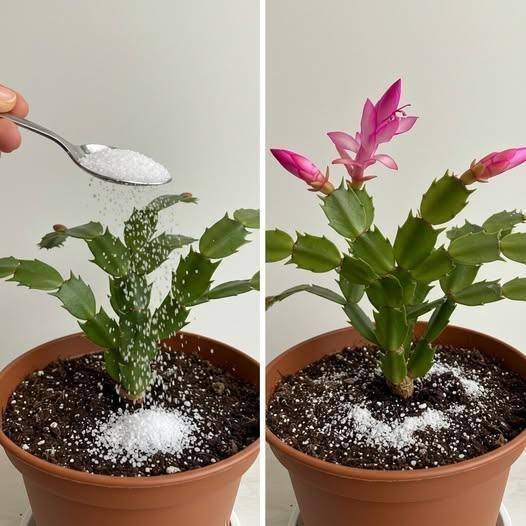
Fall Awakening Breathing Life into House Flowers with a Little Secret

Fall Awakening: Breathing Life into House Flowers with a Little Secret

As summer fades and autumn settles in, many houseplants quietly slip into survival mode. Days grow shorter, sunlight weakens, indoor air becomes drier, and suddenly your once-lush house flowers look tired, pale, or reluctant to bloom. Leaves may yellow, growth slows, and flowering plants seem to “go to sleep.” But fall doesn’t have to mean decline. In fact, with the right care—and one simple secret—you can help your house flowers awaken, strengthen, and stay vibrant well into the cooler months.

Why House Flowers Struggle in Fall

Fall brings subtle but important changes to a plant’s environment. Reduced daylight affects photosynthesis, meaning plants produce less energy. Indoor heating lowers humidity, drying out leaves and soil faster than expected. At the same time, many people continue summer watering routines, which can lead to soggy roots and root rot.

Flowering houseplants like orchids, African violets, peace lilies, begonias, and geraniums are especially sensitive during seasonal transitions. They don’t necessarily need more care—but they need smarter care.

The First Step: Reset Your Fall Routine

Before revealing the little secret, it’s important to reset your plant care habits for fall.

1. Adjust watering.
Most house flowers need less water in fall. Always check the top inch of soil before watering. If it feels dry, water thoroughly. If not, wait. Overwatering is the number one cause of fall plant stress.

2. Move toward the light.
As daylight weakens, move plants closer to windows. East- or south-facing windows are ideal. Rotate pots weekly so plants grow evenly and don’t lean.

3. Clean the leaves.
Dust blocks light. Gently wipe leaves with a damp cloth to improve photosynthesis and give your plants an instant refresh.

4. Watch the temperature.
Keep flowers away from cold drafts and heat vents. Sudden temperature changes shock plants and can cause buds to drop.

The Little Secret: Gentle Mineral Boosting

Here’s the simple secret many experienced plant lovers use in fall: a light mineral boost using Epsom salt water—used correctly and sparingly.

Epsom salt (magnesium sulfate) provides magnesium, a key element in chlorophyll production. Magnesium helps plants use light more efficiently, which is especially valuable during darker fall days. When plants lack magnesium, leaves may yellow and flowering can slow.

How to use it safely:

  • Dissolve ½ teaspoon of Epsom salt in 1 liter (about 4 cups) of water

  • Use this solution once every 4–6 weeks

  • Apply only to moist soil, never dry soil

  • Suitable for flowering plants like roses (indoors), orchids, African violets, and peace lilies

This is not a fertilizer replacement—it’s a gentle support that helps plants adapt to reduced light and seasonal stress.

Why This Works in Fall

During fall, plants aren’t actively growing fast, but they are adjusting internally. Magnesium supports:

  • Stronger leaf color

  • Better energy production

  • Healthier root function

  • Improved flower formation in blooming plants

Used sparingly, it helps “wake up” sluggish plants without forcing unnatural growth.

Support Your Flowers with Humidity

Another key to fall success is humidity. Indoor air becomes dry as heating systems turn on, and many flowering plants come from tropical environments.

Simple ways to increase humidity:

  • Place a bowl of water near plants

  • Group plants together to create a humid microclimate

  • Use a pebble tray with water under pots

  • Lightly mist leaves in the morning (avoid fuzzy-leaf plants)

Balanced humidity keeps buds from drying out and leaves from curling.

Reduce Feeding, Not Care

Many people stop fertilizing completely in fall, which can weaken flowering plants. Instead of heavy feeding, switch to a diluted balanced fertilizer once every 4–6 weeks. This maintains nutrients without overstimulating growth.

Combined with the occasional mineral boost, this approach keeps plants nourished but calm—exactly what they need during seasonal change.

Signs Your Plants Are Awakening

Within a few weeks of proper fall care, you may notice:

  • Deeper green leaves

  • Stronger stems

  • New leaf growth

  • Bud formation or longer-lasting flowers

  • Less leaf drop

These are signs your house flowers have adapted and are thriving, not merely surviving.

A Gentle Reminder

Less is more in fall. Plants don’t need constant interference—they need consistency, light, and small adjustments. The little secret isn’t magic; it’s understanding what your plants quietly ask for during this transition.

Final Thoughts

Fall doesn’t signal the end of beauty indoors—it’s an opportunity to create a calm, healthy environment where house flowers can rest, recharge, and quietly shine. With mindful watering, better light, humidity support, and a gentle mineral boost, your indoor garden can remain alive, colorful, and full of life all season long.

Sometimes, breathing life into house flowers isn’t about doing more—it’s about doing just enough, at exactly the right time. 🌿

9 uses of Nivea cream that you didn’t know about and that will leave you speechless

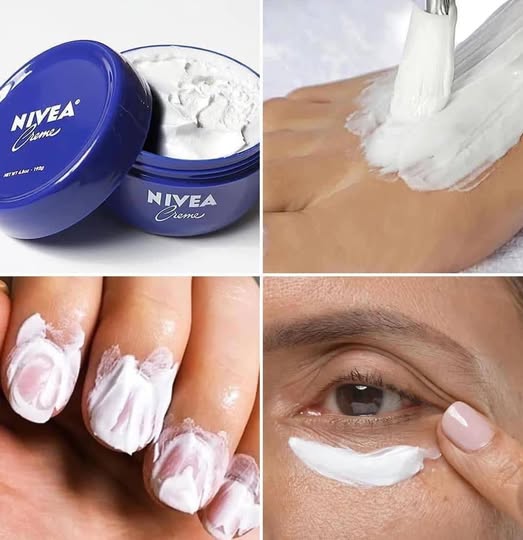
Nivea Cream is one of those timeless products almost everyone recognizes. That iconic blue tin has been sitting on bathroom shelves, bedside tables, and dressing vanities for generations. Most people use it as a basic moisturizer for dry skin—but that’s only scratching the surface. Thanks to its rich texture, skin-protective ingredients, and versatility, Nivea Cream can do far more than you might imagine.

Here are 9 surprising uses of Nivea Cream that many people don’t know about—and once you try them, you may never look at that blue tin the same way again.

1. A Powerful Overnight Hand Repair Mask

If your hands are dry, rough, or cracked from frequent washing, cleaning, or cold weather, Nivea Cream can work wonders overnight. Its thick, occlusive texture locks in moisture and supports the skin’s natural repair process.

How to use:
Before bed, apply a generous layer to your hands, massage well, and wear cotton gloves while sleeping. In the morning, your hands will feel noticeably softer, smoother, and more nourished.

2. Deep Moisture for Cracked Heels and Feet

Dry, cracked heels are a common problem, especially in hot climates or for people who walk barefoot or wear open shoes. Nivea Cream acts as a barrier, preventing moisture loss and softening hardened skin.

How to use:
After washing your feet, apply a thick layer to heels and soles, then wear socks for a few hours or overnight. With regular use, cracks can become less visible and skin feels more comfortable.

3. A Gentle Makeup Remover for Dry Skin

Many makeup removers contain alcohol or harsh surfactants that can irritate sensitive or dry skin. Nivea Cream offers a gentler alternative, especially for removing foundation or heavy makeup.

How to use:
Massage a small amount onto dry skin, focusing on makeup areas, then wipe away with a soft cotton pad or damp cloth. Skin feels clean, soft, and not stripped of moisture.

4. Taming Eyebrows and Flyaway Hair

This is a beauty secret makeup artists have used for years. A tiny amount of Nivea Cream can tame unruly eyebrows or smooth flyaway hair strands.

How to use:
Rub a very small amount between your fingers, then lightly smooth over brows or hair. Less is more—too much can look greasy.

5. Soothing Dry Elbows and Knees

Elbows and knees often get neglected and can become dark, rough, or flaky. Because Nivea Cream is thicker than regular lotions, it’s especially effective on these tough areas.

How to use:
Apply daily after showering while skin is still slightly damp. Over time, skin appears smoother and more even in texture.

6. A Protective Barrier in Cold or Windy Weather

Harsh weather can strip moisture from the skin, leading to redness, tightness, and irritation. Nivea Cream creates a protective layer that shields skin from environmental stress.

How to use:
Apply a thin layer to exposed areas like cheeks, hands, and lips before going outdoors in cold or windy conditions.

7. Softening Cuticles Without Harsh Chemicals

Dry cuticles can make nails look untidy and may even lead to painful hangnails. Instead of specialized cuticle products, Nivea Cream works just as well.

How to use:
Massage a small amount into cuticles daily. This helps keep them soft, flexible, and well-groomed.

8. Reviving Extremely Dry Skin After Showering

Many people apply lotion hours after bathing, when skin is already dry. Nivea Cream is especially effective when used immediately after a shower.

How to use:
Pat skin lightly with a towel, leaving it slightly damp, then apply Nivea Cream. This helps seal in moisture and keeps skin hydrated for longer.

9. Gentle Care for Tattooed Skin (After Healing)

Once a tattoo has fully healed, keeping the skin moisturized helps maintain its appearance and comfort. Nivea Cream can help prevent dryness and flaking.

How to use:
Apply a thin layer to healed tattoos to keep skin soft and smooth. Always avoid using on fresh, unhealed tattoos unless advised by a professional.

Why Nivea Cream Is So Versatile

The secret behind Nivea Cream’s versatility lies in its rich formulation. It helps reduce moisture loss, supports the skin barrier, and works well for people with dry or sensitive skin. Because it’s fragrance-balanced and widely trusted, it has become a multi-purpose staple in many households.

Final Thoughts

Sometimes the most powerful beauty and skincare solutions aren’t new or expensive—they’re already sitting in your cabinet. Nivea Cream is proof that a simple, classic product can have countless uses beyond basic moisturizing.

Doctors reveal that consuming okra causes

Doctors Reveal What Consuming Okra Causes in the Body: Benefits, Side Effects, and Surprising Health Effects

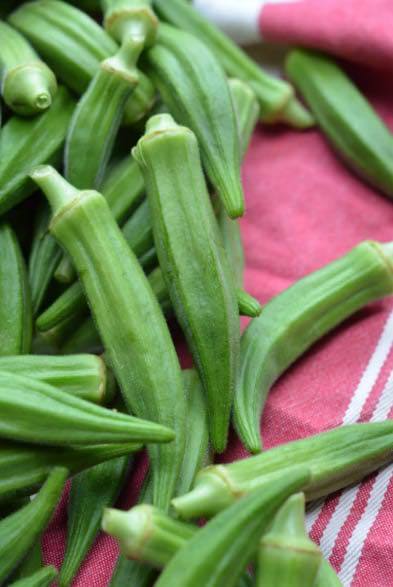
Okra, also known as lady’s finger, is a green vegetable widely used in traditional cooking across Asia, Africa, and the Middle East. While many people enjoy it for its taste and texture, doctors and nutrition experts have increasingly highlighted what consuming okra actually causes in the body. From improved digestion to blood sugar control, okra offers impressive health benefits—but it also comes with a few important warnings. Here is a complete, doctor-backed look at what happens when you eat okra regularly.


1. Improved Digestive Health

Doctors agree that one of the most noticeable effects of consuming okra is better digestion. Okra is rich in soluble and insoluble fiber, which helps regulate bowel movements and prevent constipation. The sticky, gel-like substance inside okra—often called mucilage—coats the digestive tract and makes stool pass more smoothly.

This natural lubrication can be especially helpful for people who suffer from chronic constipation, bloating, or irritable bowel discomfort. Fiber also feeds beneficial gut bacteria, supporting a healthier microbiome and improved overall digestion.


2. Stabilized Blood Sugar Levels

One of the most talked-about effects of okra consumption is its impact on blood sugar. Doctors have observed that okra may help slow the absorption of sugar in the intestines, which can prevent sudden spikes in blood glucose levels.

This is why okra is often recommended as a supportive food for people with type 2 diabetes or insulin resistance. The fiber content helps regulate carbohydrate digestion, while certain compounds in okra seeds may improve insulin sensitivity. However, doctors emphasize that okra should complement—not replace—prescribed diabetes treatment.


3. Lower Cholesterol and Heart Protection

Consuming okra can also positively affect heart health. Doctors explain that the soluble fiber in okra binds to cholesterol in the digestive system and helps remove it from the body. Over time, this may lead to lower LDL (bad) cholesterol levels.

In addition, okra contains antioxidants such as flavonoids and polyphenols, which reduce inflammation and protect blood vessels. Regular consumption may help lower the risk of heart disease, high blood pressure, and stroke when combined with a balanced diet and healthy lifestyle.


4. Weight Management Support

Doctors often recommend okra to people trying to lose or manage weight. Okra is low in calories but high in fiber, which promotes a feeling of fullness and reduces unnecessary snacking.

Because it digests slowly, okra helps control appetite and stabilize energy levels throughout the day. This makes it an excellent vegetable for weight-conscious individuals without sacrificing nutrition.


5. Stronger Immunity and Reduced Inflammation

Okra is rich in vitamin C, vitamin A, and antioxidants that support immune function. Doctors note that regular consumption may help the body fight infections more effectively and recover faster from illness.

The antioxidants in okra also reduce oxidative stress, which is linked to aging, chronic inflammation, and many long-term diseases. This anti-inflammatory effect may benefit joints, skin, and internal organs.


6. Healthier Skin and Hair

Another effect doctors highlight is improved skin and hair health. Okra contains vitamins that support collagen production, keeping skin firm and hydrated. The antioxidants help combat damage caused by pollution and UV exposure.

For hair, okra’s nutrients strengthen follicles, reduce dryness, and may even help with dandruff when consumed regularly as part of a nutrient-rich diet.


7. Possible Side Effects Doctors Warn About

Despite its many benefits, doctors caution that consuming okra may cause side effects in certain individuals. Okra contains oxalates, which can contribute to kidney stone formation in people who are prone to them.

Additionally, the fructans in okra may cause gas, bloating, or abdominal discomfort in people with sensitive digestion or IBS. Eating large amounts suddenly can worsen these symptoms.

Doctors also warn that okra may interfere with the medication metformin in some diabetic patients, potentially affecting blood sugar control. Anyone on medication should consult a healthcare professional before consuming okra in large or medicinal amounts.


8. Best Way to Consume Okra Safely

Doctors recommend eating okra cooked rather than raw to reduce digestive discomfort and improve nutrient absorption. Light steaming, sautéing, or adding it to soups and stews preserves most of its health benefits.

Moderation is key. Including okra a few times a week as part of a varied diet is enough to enjoy its benefits without risking side effects.


Final Thoughts

Doctors reveal that consuming okra causes a wide range of effects in the body—from improved digestion and blood sugar control to stronger immunity and heart health. While it is a powerful and nutritious vegetable, it should be consumed wisely and in moderation.

When used as part of a balanced diet, okra can be a simple, natural way to support overall health. As always, individuals with medical conditions should consult their doctor before making significant dietary changes.

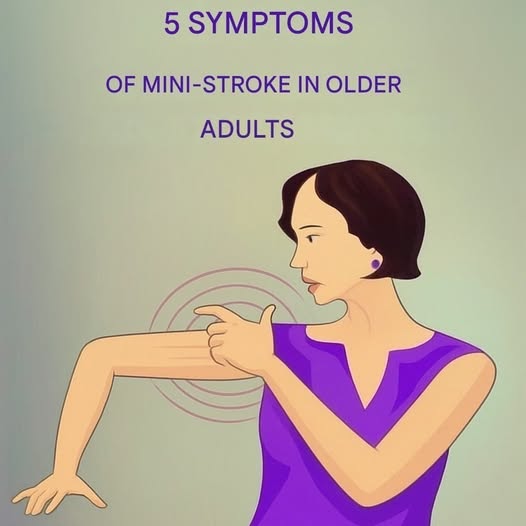
5 Symptoms of a Mini Stroke in Seniors That Shouldn’t Be Ignored

A mini stroke, medically known as a Transient Ischemic Attack (TIA), is often described as a “warning stroke.” While its symptoms may last only a few minutes to a few hours and then disappear, a TIA is a serious medical emergency—especially in seniors. It signals that a major stroke could occur in the near future, sometimes within days or weeks. Recognizing the early signs can save a life and prevent long-term disability.

Here are five critical symptoms of a mini stroke in seniors that should never be ignored, even if they seem mild or temporary.


1. Sudden Weakness or Numbness on One Side of the Body

One of the most common and recognizable signs of a mini stroke is sudden weakness or numbness, particularly affecting one side of the body. This may involve:

  • The face (one side drooping)

  • An arm or leg feeling heavy, weak, or “asleep”

  • Difficulty lifting one arm evenly

In seniors, this symptom is sometimes brushed off as arthritis, nerve problems, or fatigue. However, the key difference is sudden onset. If weakness or numbness appears abruptly and without explanation, it could be a TIA.

Even if the sensation fades after a short time, it does not mean the danger has passed. The temporary nature of the symptom is exactly what defines a mini stroke—and makes it so dangerous when ignored.


2. Trouble Speaking or Understanding Speech

Another alarming symptom is a sudden change in speech or comprehension. Seniors experiencing a mini stroke may:

  • Slur their words

  • Speak slowly or incoherently

  • Struggle to find simple words

  • Have difficulty understanding what others are saying

Family members may notice that the person sounds confused or “not like themselves.” In some cases, the senior may be aware of what they want to say but be unable to express it clearly.

These speech-related symptoms are often mistaken for memory problems or early dementia. However, when speech difficulties appear suddenly, they should always be treated as a possible stroke-related event.


3. Sudden Vision Problems in One or Both Eyes

Vision changes are another key warning sign that is frequently overlooked in older adults. A mini stroke can cause:

  • Blurred or double vision

  • Partial loss of vision in one eye

  • A dark curtain or shadow moving across the field of vision

  • Difficulty focusing

Because seniors may already have eye conditions such as cataracts or macular degeneration, sudden vision changes may be dismissed as “just eye trouble.” The important clue is speed—vision problems related to a TIA typically appear suddenly and without pain.

Any abrupt visual disturbance, even if it clears quickly, should be evaluated immediately.


4. Sudden Dizziness, Loss of Balance, or Coordination Problems

A mini stroke can affect areas of the brain responsible for balance and coordination. Seniors may suddenly experience:

  • Dizziness or lightheadedness

  • Trouble walking straight

  • Loss of balance or unexplained falls

  • Difficulty coordinating movements

These symptoms are especially dangerous for older adults because they increase the risk of serious falls and injuries. Unfortunately, they are often attributed to aging, inner ear problems, or low blood pressure.

If dizziness or balance problems appear suddenly—especially when combined with other symptoms like vision or speech changes—it may be a sign of a mini stroke and requires urgent medical attention.


5. Sudden Confusion or Changes in Mental State

A less obvious but equally serious symptom of a mini stroke is sudden confusion or mental changes. This may include:

  • Difficulty concentrating

  • Disorientation about time or place

  • Trouble following simple instructions

  • Sudden memory lapses

In seniors, these signs are often mistaken for normal aging, stress, or early Alzheimer’s disease. However, the defining feature of a TIA-related mental change is its abrupt onset.

If a senior suddenly seems confused, withdrawn, or mentally “foggy,” even for a short period, it should not be ignored—especially if they were mentally sharp just hours earlier.


Why Mini Strokes in Seniors Are So Dangerous

The biggest danger of a mini stroke is not the event itself, but what comes next. Studies show that a significant number of people who experience a TIA go on to have a full-blown stroke, often within days. Seniors are at even higher risk due to factors such as high blood pressure, diabetes, heart disease, and reduced blood vessel elasticity.

A TIA is the body’s way of sending a clear warning signal. Ignoring it can mean losing the chance to prevent permanent brain damage.


What to Do If You Suspect a Mini Stroke

If you notice any of these symptoms—whether they last minutes or hours—seek emergency medical care immediately. Do not wait for symptoms to pass or assume they are harmless.

A helpful way to remember stroke warning signs is the FAST method:

  • Face drooping

  • Arm weakness

  • Speech difficulty

  • Time to call emergency services

Quick medical evaluation can lead to treatments that significantly reduce the risk of a major stroke.


Final Thoughts

Mini strokes in seniors are often silent, brief, and easy to dismiss—but they are never harmless. Sudden weakness, speech problems, vision changes, dizziness, or confusion are the body’s urgent warning signs. Recognizing these symptoms early and acting fast can mean the difference between recovery and lifelong disability.

When it comes to mini strokes, it’s always better to overreact than to ignore the signs.

what happens when bread goes into the freezer

When bread goes into the freezer, it may seem like nothing more than a simple act of preservation—but a lot is happening at a microscopic and chemical level. Freezing bread affects its moisture, texture, flavor, and shelf life in fascinating ways. Understanding what actually happens can help you store bread better, reduce waste, and enjoy a loaf that tastes almost as fresh as the day it was baked.

The moment bread enters the freezer

As soon as bread is placed in the freezer, the temperature drop begins to slow down the processes that cause spoilage. Bread normally goes stale because of starch retrogradation—a process where starch molecules recrystallize and squeeze out moisture, making the bread dry and firm. Cold temperatures dramatically slow this process. Unlike refrigeration, which actually accelerates staling, freezing almost puts it on pause.

At the same time, any yeast or mold spores present in the bread become inactive. They are not necessarily killed, but freezing stops them from growing and spreading. This is why bread can last months in the freezer without developing mold, while it may spoil in just a few days at room temperature.

What happens to the water inside bread

Bread contains a significant amount of water, even when it feels dry to the touch. When bread freezes, this water turns into ice crystals. If freezing happens slowly, these crystals can grow larger and disrupt the bread’s internal structure. That disruption is what can lead to a crumbly texture or sogginess after thawing.

This is why wrapping bread tightly and freezing it quickly is so important. Smaller ice crystals cause less damage, preserving the bread’s soft crumb and elasticity. Commercial bakeries often use flash freezing for this very reason—it locks in texture and quality.

Changes in texture and structure

Frozen bread often feels firmer or harder when you first take it out of the freezer, but this doesn’t mean it’s ruined. Once thawed properly, much of the original softness returns. However, repeated freezing and thawing can permanently damage the bread’s structure. Each freeze-thaw cycle allows moisture to migrate and escape, leaving the bread drier over time.

Crusty breads like baguettes and sourdough behave differently than soft sandwich loaves. Crusty breads may lose some crispness after freezing, but reheating them in an oven can revive their texture surprisingly well. Soft breads, on the other hand, tend to maintain their shape but may become slightly more fragile if not wrapped properly.

Flavor preservation (and loss)

One of the biggest advantages of freezing bread is that it largely preserves flavor. The cold temperatures slow down oxidation—the process that causes fats and oils in bread to become rancid. This is especially important for whole-grain breads, which contain natural oils that spoil faster than refined white bread.

That said, bread can still absorb odors from the freezer. If it’s not well wrapped, it may pick up flavors from nearby foods like fish, onions, or garlic. This is why airtight packaging is crucial. A freezer-safe bag or double wrapping with plastic and foil works best.

Freezing vs. refrigerating bread

Many people assume the refrigerator is a good place to store bread, but this is a common mistake. Refrigeration speeds up starch retrogradation, making bread stale faster than leaving it on the counter. Freezing, by contrast, slows this process to a crawl.

If you don’t plan to eat bread within two or three days, the freezer is actually the best option. Bread stored properly in the freezer can last up to three months with minimal quality loss.

What happens when bread is thawed

When frozen bread is thawed, the ice crystals melt and moisture redistributes throughout the loaf. If the bread was frozen properly, this redistribution is fairly even, and the bread regains much of its original softness.

Thawing at room temperature works well for sliced bread, while whole loaves benefit from gentle reheating in an oven. Toasting frozen bread directly is also perfectly safe and often results in a crisp exterior and warm interior—sometimes even better than fresh bread.

Does freezing change nutritional value?

Freezing bread does not significantly alter its nutritional content. Calories, fiber, protein, and minerals remain essentially the same. Interestingly, freezing and thawing bread may slightly increase the amount of resistant starch, which behaves like fiber and can help regulate blood sugar levels. While the effect is modest, it’s an unexpected benefit of freezing bread.

The best way to freeze bread

To get the best results:

  • Freeze bread as fresh as possible

  • Slice it before freezing if you plan to use it gradually

  • Wrap it tightly to prevent freezer burn

  • Store it away from strong-smelling foods

When done right, freezing is one of the most effective ways to extend the life of bread without sacrificing taste or quality.

Final thoughts

When bread goes into the freezer, time nearly stands still for it. Spoilage slows, staling pauses, and flavor is preserved. While minor changes in texture can occur, proper freezing and thawing techniques can make frozen bread almost indistinguishable from fresh. Instead of letting bread go to waste, the freezer transforms it into a convenient, long-lasting staple—ready whenever you are.

These 5 Questions That Envious People Always Ask

Envy is a quiet emotion. It rarely announces itself openly, yet it often reveals itself through carefully chosen words. Most envious people don’t say, “I’m jealous of you.” Instead, their insecurity slips out in the form of seemingly innocent questions. These questions may sound casual, even friendly—but beneath them lies comparison, self-doubt, and a desire to measure themselves against you.

Here are five questions envious people often ask, what they really mean, and how to recognize them without letting them affect your confidence.


1. “How did you manage to do that?”

At first glance, this sounds like admiration. But the emphasis on you is often telling. This question isn’t always about learning—it’s about disbelief.

An envious person may secretly think, If they can do it, why haven’t I? Instead of celebrating your achievement, they are questioning its legitimacy. Sometimes the tone carries surprise, as if your success doesn’t align with the version of you they’ve constructed in their mind.

What’s really happening is a challenge to their own self-image. Your progress forces them to confront their lack of action or results, which can feel uncomfortable. Rather than reflect inwardly, they look outward—toward you.

How to respond:
Keep it simple and factual. You don’t owe anyone a detailed breakdown of your effort, sacrifices, or struggles.


2. “Was it really that hard?”

This question minimizes your effort. It suggests that what you accomplished wasn’t as challenging as it appeared—or worse, that it came easily to you.

Envious people ask this when they want to downplay your hard work to protect their own ego. If your success required grit and persistence, it highlights what they haven’t been willing to endure. By implying it wasn’t “that hard,” they mentally reduce the gap between you and them.

This question often appears after you’ve shared a struggle or milestone. Instead of empathy, you receive doubt.

What it really means:
If it wasn’t hard, then I don’t need to feel bad for not achieving it.

How to respond:
A calm acknowledgment works best: “It took time and effort, but it was worth it.”


3. “Don’t you think you’re lucky?”

Luck is real—but when envy is involved, this question becomes a way to erase your discipline, planning, and resilience.

By framing your success as luck, the envious person avoids recognizing your responsibility for your own progress. If it’s luck, then it’s random. If it’s random, then they didn’t fail—you just got “fortunate.”

This question often carries a subtle edge, especially when said repeatedly. It’s less about chance and more about denial.

Why it stings:
Because it invalidates your journey.

How to respond:
You can acknowledge opportunity without surrendering credit: “I had opportunities, but I worked hard to make the most of them.”


4. “Are you sure this will last?”

This is one of the most revealing questions envy produces. It plants doubt where confidence should live.

An envious person may secretly hope your success is temporary. Asking this question allows them to imagine a future where the balance is restored—where you fall back to their level or below.

This isn’t concern. It’s projection.

They’re often asking themselves whether their own position is permanent, and seeing your growth makes them uneasy. Instead of addressing their fear, they question your stability.

What’s beneath it:
Fear that your progress is real—and theirs is stagnant.

How to respond:
Neutral confidence: “I’m focused on continuing to grow.”


5. “Why do you even need all that?”

This question attacks your ambition.

Whether it’s about money, education, health, confidence, or lifestyle, envious people often question why you want more. The implication is that your goals are excessive or unnecessary.

But ambition makes people uncomfortable—especially those who’ve settled into complacency. Your desire to improve highlights their acceptance of “good enough.”

By questioning your needs, they attempt to morally reframe your success as greed, vanity, or ego.

The hidden message:
If I don’t want more, you shouldn’t either.

How to respond:
You don’t need to justify your goals. A simple “It matters to me” is enough.


Final Thoughts

Envy doesn’t always look like hostility. Often, it hides behind curiosity, concern, or humor. These questions are less about you—and more about the internal struggles of the person asking them.

Recognizing these patterns helps you stay grounded. You don’t need to explain, defend, or dim your light to make others comfortable. Growth will always challenge those who aren’t growing.

An early sign of Alzheimer’s disease could be detected in the shower

An Early Sign of Alzheimer’s Disease Could Be Detected in the Shower

Alzheimer’s disease often develops quietly, long before obvious memory problems appear. In its earliest stages, the brain begins to struggle with tasks that once felt automatic—small, everyday activities that we rarely think about. Surprisingly, one of those activities may reveal itself in a very ordinary place: the shower.

While a single odd moment in the bathroom does not mean someone has Alzheimer’s, experts agree that subtle changes in routine behaviors can sometimes be among the first clues that the brain is under strain. The shower, because it combines memory, sequencing, sensory awareness, and decision-making, can act like a “stress test” for cognitive function.

Why the Shower Is So Demanding on the Brain

Taking a shower seems simple, but it actually requires multiple brain systems working together. You have to remember what to do first, recognize familiar objects, manage time, and respond to sensory input like temperature and water pressure. For a healthy brain, this all happens seamlessly. In the early stages of Alzheimer’s disease, however, these processes can begin to break down.

The brain areas affected early in Alzheimer’s—particularly those involved in memory, orientation, and executive function—are the same ones needed to perform routine self-care tasks. That’s why subtle shower-related changes can sometimes appear before more obvious symptoms like forgetting names or getting lost.

The Early Sign: Confusion or Disorientation While Showering

One of the earliest warning signs that may show up in the shower is confusion about the sequence of actions. A person might:

  • Forget whether they have already washed their hair or body

  • Stand under running water without knowing what to do next

  • Struggle to figure out which product to use (shampoo vs. conditioner vs. soap)

  • Repeat the same step multiple times

This is not about being distracted or tired. It reflects difficulty with procedural memory—the brain’s ability to remember how to do familiar tasks in the correct order.

Difficulty Adjusting Water Temperature

Another subtle but telling sign can involve water temperature. A person in the early stages of Alzheimer’s may:

  • Be unable to adjust the water to a comfortable temperature

  • Not realize the water is too hot or too cold

  • Take an unusually long time fiddling with the controls

This happens because Alzheimer’s can interfere with how the brain processes sensory information and makes quick judgments. What was once an automatic adjustment suddenly requires conscious effort.

Forgetting to Shower—or Showering Too Often

Changes in shower habits themselves can also be an early signal. Some people may begin to:

  • Forget to shower entirely, believing they already did

  • Shower multiple times a day without realizing it

  • Resist showering because it feels overwhelming or confusing

Family members sometimes interpret this as laziness, stubbornness, or depression. In reality, the person may feel anxious because the task no longer feels predictable or safe.

Losing Track of Time in the Shower

Spending an unusually long time in the shower can be another early clue. Someone may enter the shower and then lose track of how long they’ve been there, remaining under the water far longer than usual. This can reflect early problems with time perception and attention, both of which are commonly affected in Alzheimer’s disease.

Trouble Recognizing the Bathroom Environment

In some cases, people may feel briefly disoriented in their own bathroom. They might:

  • Forget where towels are kept

  • Feel unsure about how to exit the shower

  • Appear anxious or panicked during or after bathing

These moments of confusion can be frightening for the person experiencing them, even if they are short-lived.

Why These Signs Are Often Missed

Early Alzheimer’s symptoms are frequently overlooked because they don’t look like memory loss at first. Shower-related issues are often explained away as normal aging, stress, or simple forgetfulness. Many people are also embarrassed to talk about personal hygiene difficulties, so these signs can remain hidden.

It’s important to remember that everyone has occasional off days. One confusing shower does not mean Alzheimer’s. What matters is pattern and progression—repeated difficulties that gradually worsen over time.

What to Do If You Notice These Changes

If you notice consistent shower-related confusion in yourself or a loved one, it’s wise to take note rather than panic. Steps to consider include:

  • Gently observing whether the issue is recurring

  • Looking for other subtle changes, such as trouble managing finances or following recipes

  • Encouraging a medical evaluation, especially if multiple signs are present

Early detection of Alzheimer’s disease can make a meaningful difference. While there is currently no cure, early diagnosis allows for better planning, treatment options that may slow progression, and lifestyle changes that support brain health.

Supporting Safety and Dignity

If shower confusion becomes noticeable, small adjustments can help maintain independence and safety. These might include simplifying the shower setup, using clearly labeled products, installing anti-slip mats, or setting a gentle routine. The goal is not to take over, but to reduce stress and preserve dignity.

A Quiet Clue Worth Noticing

The shower is one of the most private and routine spaces in daily life, which is exactly why changes there can be so revealing. Alzheimer’s disease often announces itself not with dramatic symptoms, but with small disruptions in familiar habits.

Paying attention to these early, easily missed signs—without jumping to conclusions—can lead to earlier support, better outcomes, and a deeper understanding of how the disease truly begins. Sometimes, the most important clues are hidden in the simplest moments of everyday life.

ugly habits of old age that bother people but no one tells you about

12 Ugly Habits of Old Age That Bother People—but No One Tells You About

Aging is a privilege, but it’s not always graceful. While society often focuses on wrinkles and gray hair, there are less glamorous habits that can develop with age—habits that quietly irritate family, friends, and even strangers. The tricky part? Most people are too polite or uncomfortable to point them out. Understanding these habits isn’t about blame; it’s about awareness, dignity, and maintaining strong relationships as we grow older.

Here are 12 ugly habits of old age that bother people—but rarely get talked about openly.

1. Constant Complaining About Health

It’s natural to talk about aches and pains, but when every conversation turns into a medical report, people tune out. Repeatedly listing symptoms, medications, and doctor visits can drain social energy and make interactions feel heavy instead of enjoyable.

2. Refusing to Adapt to Change

Statements like “That’s how we’ve always done it” may feel comforting, but they frustrate others. Technology, language, and social norms evolve. Digging in your heels against all change can come across as stubborn rather than wise.

3. Oversharing Personal Details

As social filters weaken with age, some older adults share intimate details about bodily functions, finances, or family conflicts—often at inappropriate times. What feels like honesty can make others uncomfortable.

4. Repeating the Same Stories Over and Over

Everyone loves a good story, but hearing the same one five times in the same week can test patience. Repetition often happens unconsciously and may be linked to memory changes—but it still wears on listeners.

5. Offering Unsolicited Advice

Advice rooted in experience can be valuable—when asked for. Constantly correcting, lecturing, or telling others how to live their lives can feel controlling, especially to younger family members trying to find their own way.

6. Becoming Chronically Negative

Aging can bring loss, disappointment, and fear—but dwelling only on what’s wrong creates emotional distance. Constant negativity pushes people away, even when they care deeply.

7. Ignoring Personal Hygiene Changes

Declining senses of smell or mobility challenges can lead to unnoticed hygiene issues—such as body odor, bad breath, or unwashed clothes. Unfortunately, others notice long before the individual does.

8. Being Rude “Because I’m Old”

Some people use age as an excuse to be blunt, dismissive, or outright rude. Saying hurtful things and brushing them off as “just being honest” damages relationships and reputations.

9. Hoarding Unnecessary Items

Accumulating stacks of papers, expired food, broken items, or cluttered spaces can frustrate family members—especially those trying to help. What feels like security often looks like chaos to others.

10. Resisting Help While Complaining

A common contradiction is rejecting assistance while constantly expressing difficulty. Refusing help but lamenting struggles creates tension and confusion for loved ones who want to support but feel shut out.

11. Talking Down to Younger People

Assuming younger generations are lazy, ignorant, or disrespectful quickly alienates them. Wisdom isn’t proven by criticism—it’s shown through listening and mutual respect.

12. Making Every Conversation About the Past

Reminiscing is healthy, but living entirely in the past can disconnect you from the present. Constantly comparing “then” to “now” makes others feel like their current experiences don’t matter.


Why No One Talks About These Habits

Most people stay silent out of respect, fear of hurting feelings, or cultural norms that discourage confronting elders. Unfortunately, silence allows habits to grow stronger—and relationships weaker.

The Good News: Awareness Changes Everything

Noticing these behaviors is not about shame—it’s about choice. Small adjustments can dramatically improve how others respond to you:

  • Ask more questions than you answer

  • Practice gratitude daily

  • Stay curious about modern life

  • Laugh at yourself

  • Accept help with grace

Aging doesn’t mean becoming invisible, bitter, or difficult. It can mean becoming kinder, wiser, and more enjoyable to be around—if we’re willing to look honestly at ourselves.

Growing older is inevitable. Growing unpleasant is not.