Place a Tablespoon on Any Plant at Home: What to Expect

If your houseplants look tired, slow-growing, or just not as lush as you’d like, you don’t always need expensive fertilizers or complicated routines. Sometimes, a simple, kitchen-based plant booster—used the right way—can make a noticeable difference. One of the most talked-about tricks among home gardeners is placing just one tablespoon of a natural soil booster on your plants and watching what happens next.

Let’s break down what to use, how to apply it, what results to expect, and what mistakes to avoid, so your plants thrive instead of suffer.


The One-Tablespoon Plant Booster Recipe

What You’ll Need

  • 1 tablespoon of Epsom salt (magnesium sulfate)

  • 1 liter (4 cups) of water

  • A spoon and watering can or spray bottle

This is not magic—it’s simple plant nutrition. Magnesium is a key component of chlorophyll, which plants use to photosynthesize and stay green.


How to Use It Correctly

Method 1: Soil Application (Most Popular)

  1. Dissolve 1 tablespoon of Epsom salt in 1 liter of water.

  2. Stir until fully dissolved.

  3. Water the soil around the base of the plant—not the leaves.

  4. Use once every 4–6 weeks.

Method 2: Leaf Spray (For Fast Results)

  1. Mix the same solution.

  2. Pour into a spray bottle.

  3. Lightly mist the leaves in the early morning or evening.

  4. Avoid spraying in direct sunlight.


What to Expect After Applying It

1. Greener, Healthier Leaves 🌿

If your plant was lacking magnesium, you may notice deeper green leaves within 7–14 days. Yellowing between leaf veins (a classic magnesium deficiency sign) often improves quickly.

2. Improved Growth

Plants that struggle to grow despite good light and watering often respond with:

  • New leaf formation

  • Stronger stems

  • More balanced growth

This is especially noticeable in indoor plants, tomatoes, peppers, roses, orchids, and leafy greens.

3. Better Flowering

Flowering plants may produce:

  • More buds

  • Longer-lasting blooms

  • Improved color intensity

Magnesium supports energy transfer inside the plant, which directly affects flowering.

4. Stronger Roots

Over time, healthier leaves mean better photosynthesis, which leads to stronger root systems and better nutrient absorption from the soil.


Plants That Benefit the Most

This tablespoon trick works best for:

  • Snake plant

  • Peace lily

  • Pothos

  • Spider plant

  • Roses

  • Tomatoes

  • Chilies

  • Basil and mint

Plants grown in pots often benefit more than outdoor plants because nutrients get depleted faster in containers.


Important Warnings (Read This First ⚠️)

This step is crucial: more is NOT better.

Do NOT:

  • Use more than 1 tablespoon per liter

  • Apply weekly

  • Use on plants already thriving with dark green leaves

  • Mix with chemical fertilizers at the same time

Too much magnesium can block calcium absorption, leading to weak stems and poor growth.

Skip This If:

  • Your soil is already rich

  • Leaves are dark green and glossy

  • The plant shows no signs of deficiency


Signs You Should Stop Immediately

  • Leaf edges turning brown

  • Wilting despite moist soil

  • White crust forming on soil surface

If this happens, flush the soil with plain water and stop using the solution.


Why This Works (The Science, Simply Explained)

Magnesium:

  • Helps plants make chlorophyll

  • Activates enzymes needed for growth

  • Supports nutrient transport inside plant cells

Indoor plants often miss out on magnesium because potting soil loses minerals over time, especially with frequent watering.


Bonus Natural Alternatives (Use Only One)

If you don’t have Epsom salt, choose only ONE option, not all:

  • Used coffee grounds (½ tablespoon, composted) – for acid-loving plants

  • Crushed eggshell powder (½ tablespoon) – calcium boost

  • Banana peel water (1 tablespoon liquid) – potassium support

Never combine these at once—plants prefer balance, not overload.


Final Thoughts

Placing just one tablespoon of the right natural booster can gently revive struggling plants, improve leaf color, and encourage healthier growth—when used correctly. Think of it as a nutritional supplement, not a cure-all.

Used occasionally and thoughtfully, this simple plant recipe can turn dull, drooping houseplants into vibrant, thriving greenery that makes your home feel alive 🌱
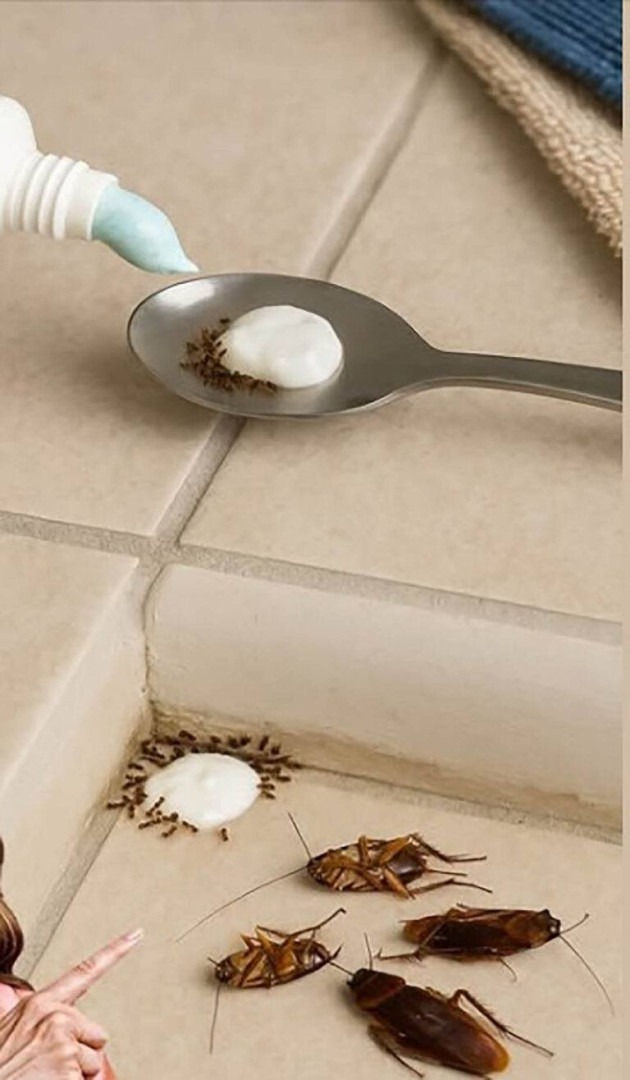

Put this in your house for 1 hour and you will never see flies, mosquitoes or cockroaches

Mosquitoes, or Cockroaches Again

If flies buzzing around your food, mosquitoes biting at night, or cockroaches hiding in dark corners are driving you crazy, you’re not alone. Many people immediately reach for chemical sprays—but those often contain harsh toxins that linger in the air, irritate the lungs, and can be unsafe for children and pets.

The good news? You don’t need chemicals at all.

This simple, natural home recipe uses ingredients you probably already have in your kitchen. When placed in your house for just one hour, it creates an environment insects absolutely hate. Flies flee, mosquitoes disappear, and cockroaches retreat from the smell.

Let’s get into the recipe—and why it works so well.

🌿 Why This Natural Recipe Works

Insects rely heavily on their sense of smell to survive. They use scent to:

  • Find food

  • Detect danger

  • Locate nesting areas

Certain natural smells overwhelm and confuse their nervous systems. While these scents are pleasant (or at least tolerable) to humans, they are intolerable to insects.

This recipe combines acidic vapors, strong aromatic oils, and natural repellents that work together to drive pests away—without poisoning your home.

🧄 The Powerful 3-Ingredient Recipe

What You’ll Need:

  • 1 cup white vinegar

  • 1 cup water

  • 10–15 drops essential oil (choose one or mix):

    • Peppermint (excellent for cockroaches)

    • Eucalyptus (great for mosquitoes)

    • Lemongrass or citronella (repels flies)

  • Optional booster:

    • 1 tablespoon ground cloves OR

    • 3 crushed garlic cloves

🧪 How to Prepare It (2 Minutes Only)

  1. Pour 1 cup of water into a heat-resistant bowl or glass jar.

  2. Add 1 cup of white vinegar.

  3. Drop in your essential oils.

  4. If using garlic or cloves, add them now and stir gently.

  5. Place the bowl in the area where insects are most active:

    • Kitchen counter

    • Near windows

    • Bathroom corners

    • Under the sink

    • Near doors or drains

Leave it uncovered so the smell can spread.

⏱️ What Happens After 1 Hour?

Within the first hour:

  • Flies stop landing and quickly leave the area

  • Mosquitoes avoid the room entirely

  • Cockroaches retreat back into cracks and drains

The scent fills the space and creates an invisible barrier insects refuse to cross. Many people notice results in as little as 20–30 minutes.

🪳 Why Cockroaches Hate This So Much

Cockroaches are especially sensitive to:

  • Vinegar fumes

  • Peppermint oil

  • Clove compounds

These smells interfere with their ability to communicate and find food. While this recipe doesn’t kill them, it forces them to relocate, which is often exactly what you want.

🦟 Why Mosquitoes Stay Away

Mosquitoes track humans by carbon dioxide and skin scent. Oils like eucalyptus, citronella, and peppermint mask those signals, making it nearly impossible for them to locate you.

That’s why this recipe is perfect for:

  • Evenings at home

  • Bedrooms before sleep

  • Living rooms during summer

🪰 Why Flies Can’t Stand It

Flies are drawn to sweet and fermented smells—but vinegar combined with strong oils overwhelms them. Instead of attracting flies, this mixture repels them instantly.

🌸 How to Make It Smell Better (Optional Tip)

If you don’t love the vinegar scent, you can:

  • Add orange or lemon peels

  • Use lavender oil with peppermint

  • Lightly warm the bowl (not boiling) to spread aroma faster

The scent fades for humans but lingers much longer for insects.

🔁 How Often Should You Use It?

  • Use once daily during heavy insect activity

  • Replace the mixture every 24 hours

  • For prevention, use 2–3 times per week

For best results, combine this with:

  • Closing drains at night

  • Wiping counters clean

  • Sealing food containers

⚠️ Important Safety Notes

  • Do not ingest the mixture

  • Keep out of reach of pets

  • Avoid direct contact with eyes

  • Never mix vinegar with bleach

This is a repellent, not a poison—safe, natural, and eco-friendly.

✅ Final Thoughts

You don’t need toxic sprays or expensive devices to keep your home pest-free. This simple 1-hour natural recipe works with nature, not against it.

Clean air. Fewer bugs. Peace of mind.

Put it in your house today—and let the insects find somewhere else to go. 🌿

If you are a woman with chin hair pay attention Here’s what it means

If You Are a Woman With Chin Hair, Pay Attention: Here’s What It Means

Finding chin hair can be surprising, frustrating, or even embarrassing for many women. You may notice a single dark strand appearing out of nowhere, or several coarse hairs that seem to grow back faster every time you remove them. While chin hair is extremely common, it often raises questions like: Is this normal? Does it mean something is wrong with my health?

The truth is, chin hair in women can have many meanings, and most of them are completely harmless. Understanding why it happens can help you feel more confident, informed, and in control.

Chin Hair in Women Is More Common Than You Think

First things first: chin hair in women is normal. Nearly all women have facial hair, including on the chin, upper lip, and jawline. The difference is that some hairs are light and barely visible, while others are darker, thicker, and more noticeable.

As women age, hormonal shifts can cause these hairs to become more prominent. This is why many women start noticing chin hair in their 30s, 40s, or during menopause.

Hormones and Chin Hair Growth

One of the most common reasons women develop chin hair is hormonal imbalance. Women naturally produce small amounts of androgens (male hormones such as testosterone). When these hormone levels increase or become more dominant, facial hair growth may become more noticeable.

Hormonal changes can occur due to:

  • Puberty

  • Pregnancy

  • Menopause

  • Stress

  • Certain medications

Even slight hormonal fluctuations can trigger chin hair growth without indicating a serious medical problem.

Chin Hair and Polycystic Ovary Syndrome (PCOS)

In some cases, excessive chin hair may be linked to polycystic ovary syndrome (PCOS). PCOS is a common hormonal condition that affects many women of reproductive age. It is often associated with:

  • Irregular menstrual cycles

  • Acne

  • Weight gain

  • Thinning scalp hair

  • Increased facial or body hair

However, having chin hair does not automatically mean you have PCOS. Many women with no underlying condition still experience chin hair growth.

Genetics Play a Major Role

If women in your family have chin hair, chances are you might too. Genetics strongly influence facial hair growth, including thickness, color, and growth patterns.

Women of certain ethnic backgrounds may naturally have darker or coarser facial hair. This is not a sign of poor health — it’s simply how your body is designed.

Aging and Chin Hair

As estrogen levels decline with age, especially during perimenopause and menopause, androgen hormones can become more noticeable. This shift often leads to:

  • Chin hair growth

  • Upper lip hair

  • Jawline hair

At the same time, scalp hair may become thinner, which can make facial hair feel even more noticeable.

Stress and Lifestyle Factors

Chronic stress can disrupt hormone balance, which may indirectly contribute to facial hair growth. Poor sleep, lack of physical activity, and unhealthy eating habits can also affect how your body regulates hormones.

While stress alone won’t suddenly cause chin hair, it can worsen existing tendencies.

Should You Be Concerned?

In most cases, chin hair is not a health emergency. However, you may want to consult a healthcare professional if you notice:

  • Sudden and rapid hair growth

  • Chin hair combined with voice deepening

  • Irregular periods

  • Severe acne or unexplained weight gain

These symptoms may warrant further evaluation to rule out hormonal disorders.

Best Ways to Manage Chin Hair

There are many safe and effective ways to manage chin hair, including:

  • Tweezing for individual hairs

  • Threading or waxing for multiple hairs

  • Shaving (it does not make hair grow back thicker)

  • Laser hair removal for long-term reduction

The best method depends on your skin type, hair thickness, and personal preference.

Embracing Your Body With Confidence

Chin hair does not define your beauty, femininity, or health. Many women experience it, even if they don’t talk about it openly. Understanding the reasons behind chin hair growth can remove fear and replace it with confidence.

Your body is constantly changing — and sometimes, a single chin hair is simply a reminder of that.

Final Thought

If you are a woman with chin hair, pay attention — not with worry, but with awareness. Most of the time, it’s a normal part of aging, genetics, or hormonal shifts. When you understand what it means, it becomes just another manageable part of self-care, not something to hide or fear.

A plant that destroys cancer cells in just 48 hours It’s 100 times more effective than chemotherapy

A Plant That “Destroys Cancer Cells in 48 Hours”? What Science Really Says

Search online and you’ll quickly find bold headlines claiming that a single plant can destroy cancer cells in just 48 hours and work hundreds of times better than chemotherapy. These stories spread fast—especially among people looking for natural, less invasive solutions. But how much of this is true, and what does real science actually say?

Let’s separate hope from hype.

Why These Claims Go Viral

Cancer is frightening, and chemotherapy can be exhausting, expensive, and painful. When people see phrases like “natural cure,” “doctors don’t want you to know,” or “kills cancer cells fast,” it sparks hope. Social media algorithms amplify these messages, even when they’re based on laboratory experiments—not real treatments.

The truth is more complex.

What Scientists Mean by “Kills Cancer Cells”

When researchers say a plant compound “kills cancer cells,” they are often talking about in vitro studies—experiments done in a lab dish, not in the human body.

In a petri dish:

  • Cancer cells are isolated

  • Concentrations are extremely high

  • No immune system, digestion, or metabolism is involved

This does not mean the same effect happens in a person.

Many substances—from bleach to caffeine—can kill cancer cells in a lab. That doesn’t make them cancer treatments.

Plants Commonly Studied for Anticancer Properties

Several plants are frequently cited in viral articles. Here’s what science actually knows about them:

1. Turmeric (Curcumin)

Curcumin has been widely studied for its anti-inflammatory and antioxidant effects. Some lab studies show it may slow cancer cell growth.

Reality:
Curcumin has very low absorption in the body. It is not a cancer cure and cannot replace chemotherapy.

2. Graviola (Soursop)

Often claimed to be “100 times stronger than chemo,” graviola has shown cytotoxic effects in lab studies.

Reality:
There is no high-quality human evidence proving it treats cancer. Excessive use may cause nerve damage.

3. Green Tea (EGCG)

Green tea contains catechins that may support cell health and reduce oxidative stress.

Reality:
Helpful as part of a healthy lifestyle, but not a standalone cancer treatment.

4. Garlic

Garlic has compounds linked to immune support and possible cancer risk reduction.

Reality:
It may help lower risk, not destroy existing tumors.

Why “48 Hours” Is a Red Flag

Cancer is not one disease. There are over 200 types, each behaving differently. No credible oncologist would claim:

  • A single plant works on all cancers

  • Results happen in 48 hours

  • It’s more effective than chemotherapy

Chemotherapy is used because it has measured, tested survival benefits—even with its side effects.

Can Plants Play a Role at All?

Yes—but supportively, not as cures.

Evidence-based roles of medicinal plants include:

  • Reducing inflammation

  • Supporting digestion and immunity

  • Helping manage treatment side effects

  • Contributing to overall health

Many modern cancer drugs actually originated from plants—but they were isolated, refined, dosed, and clinically tested over decades.

The Real Danger of These Claims

Believing exaggerated promises can lead people to:

  • Delay proven treatment

  • Stop chemotherapy early

  • Spend money on unproven remedies

  • Lose valuable treatment time

Cancer outcomes depend heavily on early, evidence-based care.

What Doctors Actually Agree On

Most oncologists agree on this:

  • No plant can replace chemotherapy or radiation

  • Nutrition matters, but it’s supportive

  • Supplements should be discussed with a doctor

  • “Natural” does not automatically mean safe

A Better Question to Ask

Instead of asking “What plant destroys cancer cells in 48 hours?”, a safer and more helpful question is:

“Which foods and plant compounds can support the body during cancer treatment and reduce future risk?”

That’s where real science—and real hope—lives.

Final Thoughts

Plants are powerful. Nature has given us medicines, nutrients, and healing compounds—but not miracles that bypass biology. Any article promising instant cancer destruction is selling hope without proof.

When it comes to cancer, truth saves lives—not headlines.

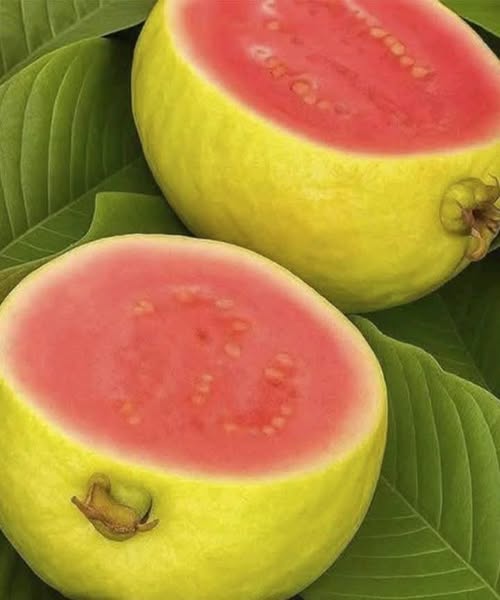
Doctors reveal that guava consumption causes

Doctors Reveal What Guava Consumption Causes in the Body

Guava is often called a superfruit, yet many people still underestimate what happens when they eat it regularly. According to doctors and nutrition experts, guava consumption causes powerful changes in the body, affecting digestion, immunity, blood sugar, heart health, and even skin appearance. Packed with vitamins, antioxidants, and fiber, guava is more than just a tasty tropical fruit—it’s a nutritional powerhouse.

So what exactly does guava consumption cause? Let’s break it down based on medical insights and nutritional science.

1. Guava Consumption Causes a Stronger Immune System

Doctors agree that one of the most noticeable effects of eating guava is immune system support. Guava contains up to four times more vitamin C than oranges, making it one of the richest natural sources of this immune-boosting nutrient.

Vitamin C helps:

  • Strengthen white blood cells

  • Protect against infections

  • Reduce the severity and duration of colds

  • Improve wound healing

Regular guava consumption causes the body to better defend itself against viruses, bacteria, and seasonal illnesses.

2. Improves Digestion and Gut Health

Another well-documented effect doctors highlight is digestive improvement. Guava consumption causes smoother digestion due to its high fiber content.

Health benefits include:

  • Prevention of constipation

  • Improved bowel movements

  • Better gut bacteria balance

  • Reduced bloating

Guava seeds also act as mild natural laxatives when consumed in moderation. Nutritionists often recommend guava for people struggling with slow digestion or irregular bowel habits.

3. Helps Regulate Blood Sugar Levels

One of the most surprising medical findings is that guava consumption causes improved blood sugar control, especially when eaten without the peel or consumed as guava leaf tea.

Doctors note that guava:

  • Has a low glycemic index

  • Slows sugar absorption in the bloodstream

  • Helps reduce insulin spikes

This makes guava a smart fruit choice for people with type 2 diabetes or insulin resistance, when eaten in appropriate portions.

4. Supports Heart Health

Cardiologists point out that regular guava consumption causes positive effects on heart health. Guava is rich in potassium and soluble fiber, both of which play a key role in cardiovascular wellness.

Medical benefits include:

  • Lowering bad (LDL) cholesterol

  • Increasing good (HDL) cholesterol

  • Helping regulate blood pressure

  • Improving blood vessel function

Studies suggest that people who eat guava frequently may reduce their risk of heart disease over time.

5. Promotes Healthy, Glowing Skin

Dermatologists confirm that guava consumption causes visible skin benefits. The fruit is loaded with antioxidants like lycopene, vitamin A, and vitamin C, which fight oxidative stress and slow premature aging.

Guava helps:

  • Reduce wrinkles and fine lines

  • Improve skin elasticity

  • Protect against sun damage

  • Promote collagen production

Some doctors even recommend guava as part of an anti-aging diet.

6. Aids Weight Management

If you’re trying to lose or maintain weight, doctors say guava consumption causes increased satiety, meaning you feel full longer.

Why guava helps with weight control:

  • Low in calories

  • High in fiber

  • Naturally sweet without added sugar

Eating guava as a snack can reduce cravings and prevent overeating, making it ideal for healthy weight management plans.

7. Supports Brain Function and Mental Health

Neurologists and nutrition experts highlight that guava consumption causes improved nerve and brain function due to its vitamin B6 content.

Vitamin B6 helps:

  • Support neurotransmitter production

  • Improve mood

  • Reduce stress and fatigue

  • Support cognitive performance

Regular intake may help maintain mental clarity, especially in older adults.

8. May Reduce Inflammation in the Body

Doctors also observe that guava consumption causes a reduction in chronic inflammation, thanks to its antioxidant and anti-inflammatory compounds.

Lower inflammation is linked to:

  • Reduced joint pain

  • Better metabolic health

  • Lower risk of chronic diseases

This makes guava a beneficial fruit for people dealing with inflammatory conditions.

Are There Any Side Effects?

While guava is generally safe, doctors caution that excessive guava consumption can cause digestive discomfort, such as bloating or diarrhea, due to its high fiber content. Moderation is key—one medium guava per day is usually ideal.

People with sensitive digestion should avoid eating too many seeds at once.

Final Thoughts

Doctors agree that guava consumption causes multiple positive health effects when included as part of a balanced diet. From boosting immunity and improving digestion to supporting heart health and glowing skin, guava truly earns its reputation as a superfruit.

Simple, affordable, and packed with nutrients, guava proves that powerful health benefits don’t always come from expensive supplements—sometimes, they come straight from nature.

10 Foods to Avoid to Get the Flat Stomach You’ve Always Dreamed Of

Achieving a flat stomach isn’t just about doing endless crunches or following extreme diets. What you eat daily plays a huge role in belly fat, bloating, and digestive health. Many people unknowingly consume foods that sabotage their efforts, leading to stubborn abdominal fat and constant bloating.

If you’re serious about losing belly fat, reducing bloating, and finally getting a slim, flat stomach, avoiding the following foods can make a noticeable difference—often faster than exercise alone.

Below are the 10 worst foods to avoid for a flat stomach, backed by nutrition science and common weight-loss insights.

1. Sugary Drinks

Sodas, sweetened juices, energy drinks, and flavored coffees are loaded with added sugar, especially high-fructose corn syrup. These drinks spike insulin levels, encourage fat storage around the abdomen, and increase bloating.

Why avoid them?
Liquid calories don’t make you feel full, so you consume more without realizing it—leading to weight gain and belly fat.

Better option: Water, lemon water, green tea, or unsweetened herbal tea.

2. White Bread and Refined Carbs

White bread, white rice, pastries, and processed cereals are stripped of fiber and nutrients. They digest quickly, causing blood sugar spikes and crashes that promote fat storage.

Problem: Refined carbs increase abdominal fat and slow digestion, leading to bloating.

Swap with: Whole grains like oats, quinoa, and whole-wheat bread.

3. Fried Foods

French fries, fried chicken, samosas, and pakoras are high in unhealthy fats and calories. These foods are difficult to digest and often cause gas, bloating, and inflammation.

Why they hurt your stomach goals:
They slow digestion and encourage fat accumulation around the midsection.

4. Sugary Snacks and Desserts

Cakes, cookies, donuts, chocolates, and ice cream are packed with refined sugar and unhealthy fats. These treats provide quick pleasure—but long-term damage to your waistline.

Effect on your body:
They increase cravings, disrupt metabolism, and promote stubborn belly fat.

5. Processed Meats

Sausages, hot dogs, salami, and deli meats contain high amounts of sodium, preservatives, and unhealthy fats.

Why they cause belly bloating:
Excess sodium leads to water retention, making your stomach look swollen and puffy.

Healthier alternative: Lean chicken, fish, eggs, or plant-based proteins.

6. Artificial Sweeteners

Many people turn to diet sodas and “sugar-free” products thinking they’re healthier. However, artificial sweeteners like aspartame and sucralose can disrupt gut bacteria.

Result:
Gas, bloating, and increased cravings—especially around the belly.

7. Dairy Products (For Sensitive Individuals)

Milk, cheese, and ice cream can cause bloating in people who are lactose intolerant—which is more common than most realize.

Signs dairy affects you:
Stomach cramps, gas, and bloating shortly after eating.

Try instead: Lactose-free dairy or plant-based alternatives like almond or oat milk.

8. Alcohol

Alcohol is often called empty calories, and for good reason. It slows fat burning and encourages the body to store fat—especially in the abdominal area.

Why it’s bad for a flat stomach:
Alcohol increases appetite, disrupts sleep, and leads to water retention and bloating.

9. Salty Packaged Snacks

Chips, crackers, instant noodles, and packaged snacks are extremely high in sodium.

What happens:
Salt causes your body to hold onto water, making your belly look larger and more bloated.

10. Chewing Gum

Surprisingly, chewing gum can cause bloating. When you chew gum, you swallow excess air, which leads to gas buildup in the stomach.

Extra issue:
Most gums contain artificial sweeteners that worsen digestion.

Final Thoughts: The Flat Stomach Formula

Getting a flat stomach naturally isn’t about starving yourself—it’s about making smarter food choices. By avoiding these 10 belly-bloating foods, you allow your digestion to improve, inflammation to decrease, and fat-burning processes to work more efficiently.

Quick Tips for Better Results

  • Drink plenty of water

  • Eat fiber-rich foods

  • Reduce sugar and processed foods

  • Walk daily and manage stress

  • Sleep at least 7–8 hours

Consistency is key. Small changes in your diet can lead to big changes in your waistline.

When you crack an egg, you might notice a thin, white, stringy strand attached to the yolk

When you crack open an egg, you might occasionally notice a thin, white, stringy strand clinging to the yolk. At first glance, it can look odd—or even a little off-putting. Some people assume it’s a sign the egg has gone bad or that something is wrong with it. In reality, this mysterious strand is completely natural, harmless, and actually a sign of a fresh, high-quality egg.

What Is the White Stringy Strand in an Egg?

That thin, rope-like strand is called the chalaza (pronounced kuh-LAY-zuh). The chalaza is a natural part of the egg’s anatomy and plays an important role long before the egg ever reaches your kitchen.

Inside an egg, the yolk needs to stay centered and protected. The chalaza acts like a pair of tiny “anchor cords,” connecting the yolk to the inner membrane of the shell. These cords help keep the yolk suspended in the middle of the egg, preventing it from pressing against the shell and becoming damaged.

Interestingly, there are usually two chalazae in every egg—one on each side of the yolk—though you may only notice one when cracking it open.

Is the Chalaza Safe to Eat?

Yes—absolutely. The chalaza is completely edible and safe to consume. It’s made of the same proteins found in egg whites (albumen), so there’s no health risk involved.

Many people remove it simply because of its appearance or texture, not because it’s harmful. If it bothers you, you can easily scoop it out with a spoon, but from a nutritional and safety standpoint, there’s no need to remove it at all.

Does the Chalaza Mean the Egg Is Fresh?

Here’s the good news: a visible chalaza is actually a sign of freshness.

In very fresh eggs, the chalaza is firm, thick, and easy to see. As an egg ages, the egg white becomes thinner and the chalaza gradually weakens and may disappear altogether. So if you crack an egg and clearly see that white, stringy strand, it often means the egg hasn’t been sitting around for long.

This is why farm-fresh or recently laid eggs tend to have more noticeable chalazae compared to older supermarket eggs.

Why Don’t We Always See It?

You might be wondering why you don’t notice this strand every time you crack an egg. There are a few reasons:

  • Egg age: Older eggs have less visible chalazae.

  • Egg handling: Movement and transport can weaken or break down the chalaza over time.

  • Lighting and angle: Sometimes it’s there, but it blends into the egg white and goes unnoticed.

  • Cooking method: If you crack an egg directly into a hot pan, you may never spot it.

So even if you don’t always see it, the chalaza is almost always present—just not always obvious.

Is the Chalaza a Sign of Fertilization?

No, the chalaza has nothing to do with fertilization. This is a very common myth.

Fertilized eggs and unfertilized eggs both contain chalazae. The presence of this white strand does not mean the egg was fertilized or that it could develop into a chick. Eggs sold in grocery stores are almost always unfertilized, and the chalaza is simply part of the egg’s natural structure.

Does Cooking Affect the Chalaza?

When you cook an egg, the chalaza usually becomes unnoticeable. Heat causes egg proteins to denature and firm up, blending the chalaza into the rest of the egg white. Whether you scramble, fry, boil, or bake eggs, you’re unlikely to see or feel it once the egg is cooked.

In baking, the chalaza dissolves completely into the batter and has no effect on texture, taste, or appearance.

Nutritional Value of the Chalaza

Nutritionally, the chalaza is similar to egg white. It contains protein and water, with negligible fat and calories. While it doesn’t provide unique nutrients on its own, it contributes to the overall protein content of the egg.

In short, eating the chalaza won’t add or subtract anything meaningful from your meal—it simply blends in as part of the egg.

Should You Be Concerned?

There’s no reason for concern at all. The chalaza is:

  • A natural part of the egg

  • A sign of freshness

  • Safe and edible

  • Not related to spoilage or fertilization

If an egg smells bad, has an unusual color (such as pink, green, or black), or feels slimy inside the shell, those are reasons to discard it. A white, stringy strand attached to the yolk is not one of them.

The Bottom Line

That thin, white, stringy strand you sometimes notice when cracking an egg is called the chalaza—and far from being a flaw, it’s actually a good thing. It helps protect the yolk, keeps it centered, and signals that your egg is likely fresh.

So the next time you see it, you can crack on with confidence. Your egg is perfectly normal, perfectly safe, and ready to be enjoyed.

Why Some Women Choose to Wear Rings on Their Pinky Fingers

Rings have always been more than simple accessories. They carry symbolism, cultural meaning, and personal expression. Among all fingers, the pinky finger ring stands out as one of the most intriguing choices. In recent years, more women have intentionally chosen to wear rings on their pinky fingers, sparking curiosity and questions. What does it mean? Is it just fashion, or is there a deeper significance?

This article explores why women wear pinky rings, the symbolism behind them, cultural meanings, psychological factors, and modern fashion trends—while naturally incorporating most searched keywords related to pinky rings for women.


The Symbolism of Pinky Rings for Women

The pinky finger, also known as the little finger, has long been associated with communication, intelligence, and self-expression. In palmistry and symbolism, it is connected to Mercury, the planet of intellect and communication. Wearing a pinky ring can represent a woman’s confidence in her voice, opinions, and individuality.

Unlike rings worn on the ring finger, which are often linked to marriage or commitment, a ring on the pinky finger usually symbolizes personal power, independence, and self-worth. Many women choose this finger precisely because it is free from traditional expectations.


Pinky Rings as a Sign of Independence

One of the most common reasons women wear rings on their pinky fingers is to express self-love and independence. In recent years, the idea of buying jewelry for oneself—rather than waiting for it as a gift—has become empowering.

A pinky ring for women can act as a personal reminder:

  • “I choose myself”

  • “I don’t need validation”

  • “I celebrate my achievements”

For some women, the pinky ring is a subtle yet powerful alternative to promise rings or engagement rings, symbolizing commitment to their own goals and values.


Fashion and Style Statement

From a fashion perspective, pinky rings have become a major trend. Celebrities, influencers, and designers frequently showcase bold pinky rings in runway shows and social media. Wearing a ring on the smallest finger draws attention and adds an unexpected edge to any outfit.

Women often choose gold pinky rings, silver pinky rings, or gemstone styles to:

  • Add balance when wearing multiple rings

  • Highlight manicured hands

  • Create a unique, sophisticated look

Because the pinky finger is smaller, rings worn there tend to be more delicate or artistically bold, making them stand out effortlessly.


Cultural and Historical Meanings

Historically, pinky rings have carried different meanings across cultures:

  • Victorian Era: Pinky rings symbolized wealth and social status.

  • Middle Eastern cultures: Rings on the pinky finger were sometimes associated with family heritage.

  • Western traditions: Pinky rings were often worn to show individuality and confidence.

Today, women reinterpret these meanings in modern ways, blending tradition with personal symbolism.


Psychological Meaning Behind Wearing a Pinky Ring

Psychologically, jewelry choices often reflect inner traits. Women who wear rings on their pinky finger are often perceived as:

  • Confident

  • Assertive

  • Creative

  • Emotionally independent

The act of choosing the least conventional finger can signal a willingness to stand apart from the crowd. It suggests a woman who is comfortable being noticed but doesn’t seek approval.

In some cases, wearing a pinky ring can also be grounding—serving as a tactile reminder of strength during stressful moments.


Pinky Rings and Feminine Power

In modern symbolism, the pinky ring has become associated with feminine empowerment. Unlike traditional rings tied to relationships, the pinky ring belongs solely to the wearer. This makes it especially appealing to women who value autonomy.

Many women gift themselves a pinky ring after:

  • Achieving a career milestone

  • Overcoming personal challenges

  • Entering a new phase of life

In this way, the pinky ring becomes a symbol of resilience and growth.


Does the Hand Matter? Left vs Right Pinky Ring Meaning

Some women wonder if wearing a pinky ring on the left or right hand matters.

  • Right pinky finger: Often linked to independence, confidence, and self-expression.

  • Left pinky finger: Sometimes associated with intuition, emotional awareness, or personal identity.

While these meanings are not universal, many women intentionally choose a hand that aligns with what the ring represents to them personally.


Final Thoughts: More Than Just Jewelry

So, why do some women choose to wear rings on their pinky fingers? The answer goes far beyond fashion. A pinky ring can symbolize independence, self-worth, confidence, empowerment, and individuality—all wrapped into one small but meaningful accessory.

Whether minimalist or bold, gold or silver, a pinky ring for women is often a personal statement rather than a decorative choice. In a world full of expectations, the pinky ring quietly says: I define myself.

And perhaps that’s why it continues to grow in popularity—small in size, but powerful in meaning.

Cinnamon and Honey The Most Powerful Remedy Even Doctors Can’t Explain

For centuries, cinnamon and honey have been prized in traditional medicine across Asia, the Middle East, and Europe. Today, this simple duo is trending again as people search for natural remedies, immune boosters, and home treatments that actually work. Many claim the benefits of cinnamon and honey are so wide-ranging that even modern science is still catching up. While doctors certainly can explain parts of it, the way these two ingredients work together continues to fascinate researchers and wellness experts alike.

So what makes this combination so powerful—and why is everyone searching for it?

Why Cinnamon and Honey Are So Popular

Both ingredients are packed with bioactive compounds. When combined, they create a synergy that supports overall wellness in a gentle, natural way.

Most searched keywords related to this remedy include:

  • cinnamon and honey benefits

  • cinnamon honey weight loss

  • cinnamon and honey for immunity

  • cinnamon and honey for joint pain

  • cinnamon and honey for heart health

  • cinnamon honey drink

  • cinnamon and honey for infections

  • raw honey and cinnamon

Let’s break down what each ingredient brings to the table.

Health Benefits of Cinnamon

Cinnamon is more than a warm, comforting spice. It contains powerful antioxidants and anti-inflammatory compounds.

Key benefits of cinnamon include:

  • Helps regulate blood sugar levels

  • Supports heart health by improving circulation

  • Contains antimicrobial and antibacterial properties

  • May reduce inflammation and oxidative stress

  • Supports brain function and memory

Cinnamon has long been used in traditional remedies for diabetes support, digestive problems, and cold and flu relief.

Health Benefits of Raw Honey

Raw, unprocessed honey is a natural powerhouse rich in enzymes, antioxidants, and minerals.

Honey is known to:

  • Strengthen the immune system

  • Fight bacteria and infections naturally

  • Soothe sore throats and coughs

  • Improve digestion and gut health

  • Support skin health and wound healing

Unlike refined sugar, honey provides energy while also delivering beneficial nutrients—especially when consumed raw.

The Power of Cinnamon and Honey Together

When cinnamon and honey are combined, their benefits don’t just add up—they multiply.

1. Boosts the Immune System

The antibacterial and antiviral properties of both ingredients help the body fight infections. Many people use a cinnamon and honey drink during cold and flu season to strengthen immunity naturally.

2. Supports Heart Health

This combination may help reduce bad cholesterol (LDL) and improve blood circulation. Traditional practices often recommend cinnamon and honey for artery health and blood pressure balance.

3. Helps with Joint Pain and Inflammation

One of the most searched uses is cinnamon and honey for arthritis and joint pain. Their anti-inflammatory properties may help ease stiffness and discomfort when taken regularly.

4. Aids Weight Loss Naturally

Cinnamon helps stabilize blood sugar, while honey supports metabolism. Many people drink warm water with cinnamon and honey in the morning as part of a natural weight loss routine.

5. Improves Digestion

This remedy supports gut health by reducing harmful bacteria and promoting healthy digestion. It is often used for bloating, gas, and acid imbalance.

6. Enhances Energy and Vitality

Honey provides natural fuel, while cinnamon improves circulation—making this combination popular for fighting fatigue and improving daily energy levels.

How to Use Cinnamon and Honey Correctly

To get the most benefits, quality and preparation matter.

Simple Cinnamon and Honey Recipe:

  1. Boil one cup of water and let it cool slightly

  2. Add ½ teaspoon of cinnamon powder or a cinnamon stick

  3. Stir in 1 teaspoon of raw honey (never add honey to boiling water)

  4. Drink warm, preferably in the morning or before bed

Consistency is key. Many people notice benefits after regular use for a few weeks.

Why “Doctors Can’t Explain” the Full Effect

Modern medicine often studies isolated compounds, while traditional remedies work holistically. The interaction between cinnamon’s polyphenols and honey’s enzymes is complex and not fully understood. This is why many users report benefits that go beyond what science currently measures.

That said, doctors generally agree this remedy is safe for most people when consumed in moderation—though it should never replace prescribed medical treatment.

Important Precautions

  • Use Ceylon cinnamon when possible, as it is safer for daily use

  • Avoid excessive amounts

  • People with diabetes, allergies, or medical conditions should consult a healthcare professional

One Pan Chicken with Buttered Noodles

If you’re searching for a quick, comforting, and budget-friendly chicken dinner, this One-Pan Chicken with Buttered Noodles recipe is exactly what you need. Perfect for busy weeknights, this dish combines juicy pan-seared chicken, rich buttery egg noodles, and simple pantry ingredients—all made in a single pan for easy cleanup. It’s a classic family-friendly meal that delivers big flavor with minimal effort.

This recipe is ideal for anyone looking for an easy one-pan chicken recipe, a comfort food dinner, or a simple chicken and noodles meal that comes together in under 40 minutes.

Why You’ll Love This One-Pan Chicken Recipe

  • Uses one pan only (less cleanup!)

  • Made with simple, affordable ingredients

  • Perfect weeknight dinner recipe

  • Creamy, buttery noodles packed with flavor

  • Customizable with herbs and vegetables

  • Loved by both kids and adults

This dish brings together the best of classic American comfort food and modern convenience.

Ingredients for One-Pan Chicken with Buttered Noodles

For the Chicken:

  • 4 boneless, skinless chicken breasts (or thighs)

  • 1 teaspoon salt

  • ½ teaspoon black pepper

  • 1 teaspoon garlic powder

  • 1 teaspoon paprika

  • 2 tablespoons olive oil

  • 1 tablespoon butter

For the Buttered Noodles:

  • 8 ounces egg noodles (highly searched keyword)

  • 2 cups chicken broth (low sodium preferred)

  • 3 tablespoons unsalted butter

  • 2 cloves garlic, minced

  • ¼ cup grated Parmesan cheese

  • 2 tablespoons fresh parsley, chopped

  • Optional: ¼ cup heavy cream for extra creaminess

How to Make One-Pan Chicken with Buttered Noodles

Step 1: Season and Sear the Chicken

Pat the chicken dry and season both sides with salt, black pepper, garlic powder, and paprika. Heat olive oil and butter in a large skillet over medium-high heat. Add the chicken and sear for 5–6 minutes per side until golden brown and cooked through. Remove chicken from the pan and set aside.

Step 2: Build Flavor in the Same Pan

In the same skillet (do not clean it), add minced garlic and sauté for about 30 seconds until fragrant. This step captures all the flavorful chicken drippings, which is key in one-pan meals.

Step 3: Cook the Noodles

Pour in the chicken broth and bring to a gentle boil. Add the egg noodles, stir well, and reduce heat to medium. Let the noodles cook uncovered for 8–10 minutes, stirring occasionally, until tender and most of the liquid is absorbed.

Step 4: Make the Buttered Noodles Creamy

Once the noodles are cooked, add butter, Parmesan cheese, and optional heavy cream. Stir until the noodles are silky, glossy, and coated in rich buttery goodness. Taste and adjust seasoning if needed.

Step 5: Bring It All Together

Return the chicken to the pan, nestling it into the noodles. Spoon some buttery sauce over the chicken. Let everything simmer together for 2–3 minutes so the flavors blend beautifully.

Garnish with fresh parsley and extra Parmesan if desired.

Pro Tips for the Best Chicken and Buttered Noodles

  • Chicken thighs add extra juiciness if you prefer dark meat.

  • Add spinach, peas, or mushrooms for a vegetable boost.

  • Swap egg noodles for fettuccine or wide pasta if needed.

  • For extra flavor, add a splash of lemon juice or Italian seasoning.

What to Serve with One-Pan Chicken and Noodles

This recipe is a complete meal on its own, but it pairs beautifully with:

  • Garlic bread or dinner rolls

  • Simple green salad

  • Steamed broccoli or green beans

Storage and Reheating Tips

  • Store leftovers in an airtight container for up to 3 days in the refrigerator.

  • Reheat gently on the stovetop or microwave with a splash of broth or milk to restore creaminess.

Final Thoughts

This One-Pan Chicken with Buttered Noodles recipe is the definition of easy comfort food. It’s quick, satisfying, and perfect for anyone searching for a simple chicken dinner, one-pan meal idea, or cozy homemade recipe that tastes like it took hours to make.

Whether you’re feeding a family or just craving something warm and filling, this dish deserves a permanent spot in your weekly meal rotation 🍽️✨