12 habits that can hold people back in old age and how to change them

12 Habits That Can Hold People Back in Old Age (And How to Change Them)

Aging doesn’t automatically mean slowing down, losing independence, or feeling left behind. In many cases, it’s not age itself—but long-standing habits—that quietly hold people back in later life. The good news? Habits can be changed at any age. By recognizing what’s limiting you and making small, intentional shifts, growing older can become a time of strength, clarity, and renewed purpose.

Here are 12 common habits that can hold people back in old age—and practical ways to change them.


1. Avoiding Physical Activity

The problem: Many older adults believe exercise is dangerous or unnecessary.
Why it holds you back: Lack of movement weakens muscles, stiffens joints, and increases fall risk.
How to change it: Start small—daily walks, gentle stretching, or chair exercises. Consistency matters more than intensity.


2. Clinging to “I’m Too Old” Thinking

The problem: Negative self-talk about aging.
Why it holds you back: The brain believes what it hears, reducing motivation and confidence.
How to change it: Replace limiting beliefs with facts: learning, growth, and improvement are possible at any age.


3. Poor Sleep Habits

The problem: Irregular sleep schedules or too much daytime napping.
Why it holds you back: Poor sleep affects memory, mood, immunity, and heart health.
How to change it: Maintain a fixed bedtime, limit screens at night, and get morning sunlight exposure.


4. Social Withdrawal

The problem: Gradually avoiding social interactions.
Why it holds you back: Loneliness increases the risk of depression, dementia, and early mortality.
How to change it: Schedule regular calls, join community groups, or volunteer—connection is medicine.


5. Ignoring Preventive Healthcare

The problem: Only seeing doctors when something feels wrong.
Why it holds you back: Many serious conditions develop silently.
How to change it: Keep up with routine checkups, screenings, and vaccinations.


6. Unhealthy Eating Patterns

The problem: Skipping meals or relying on processed foods.
Why it holds you back: Poor nutrition accelerates muscle loss, fatigue, and chronic disease.
How to change it: Focus on whole foods—vegetables, fruits, lean proteins, healthy fats, and hydration.


7. Fear of Technology

The problem: Avoiding smartphones, apps, or the internet.
Why it holds you back: Technology enables connection, safety, learning, and independence.
How to change it: Learn one tool at a time—video calls, online banking, or health apps.


8. Refusing Help

The problem: Viewing assistance as weakness.
Why it holds you back: Struggling alone increases stress and injury risk.
How to change it: Accept help as a strategy for independence, not a loss of it.


9. Living in the Past

The problem: Constantly reminiscing while ignoring the present.
Why it holds you back: It reduces engagement and joy in daily life.
How to change it: Create new routines, hobbies, and experiences—even small ones.


10. Chronic Stress and Worry

The problem: Constant anxiety about health, money, or the future.
Why it holds you back: Stress weakens immunity, worsens memory, and raises blood pressure.
How to change it: Practice breathing exercises, prayer, meditation, or journaling.


11. Lack of Purpose

The problem: Feeling “done” with meaningful contributions.
Why it holds you back: Purpose is strongly linked to longevity and mental health.
How to change it: Mentor others, care for grandchildren, teach skills, or pursue creative passions.


12. Resisting Change

The problem: “I’ve always done it this way.”
Why it holds you back: Life evolves—resistance leads to frustration and isolation.
How to change it: Approach change with curiosity instead of fear. Flexibility keeps the mind young.


Final Thoughts

Old age doesn’t have to mean decline—it can be a powerful chapter of wisdom, freedom, and growth. The key lies in awareness and willingness to adapt. Changing even one habit can dramatically improve quality of life. It’s never too late to move better, think differently, connect deeper, and live fully.
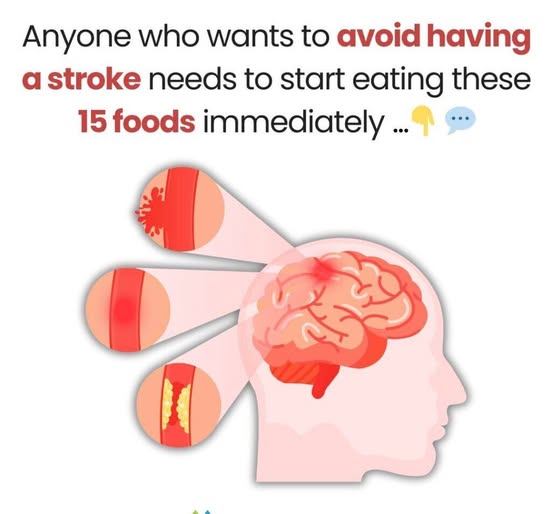

Anyone Who Wants to Avoid Having a Stroke Needs to Start Eating these 15 Foods Immediately

Anyone Who Wants to Avoid Having a Stroke Needs to Start Eating These 15 Foods Immediately

Stroke remains one of the leading causes of death and long-term disability worldwide. While genetics and age play a role, lifestyle choices—especially what we eat—have a powerful impact on stroke risk. A diet rich in anti-inflammatory, heart-protective foods can help regulate blood pressure, improve circulation, reduce cholesterol, and protect blood vessels from damage.

If you want to take control of your health, these 15 foods deserve a permanent place on your plate.

1. Leafy Green Vegetables

Spinach, kale, Swiss chard, and arugula are packed with vitamin K, folate, and antioxidants. These nutrients help prevent blood clot formation and support healthy blood vessels. Studies consistently link leafy greens with a lower risk of stroke.

2. Fatty Fish

Salmon, sardines, mackerel, and trout are rich in omega-3 fatty acids. Omega-3s reduce inflammation, lower triglycerides, and prevent plaque buildup in arteries—all crucial for stroke prevention. Aim for at least two servings per week.

3. Berries

Blueberries, strawberries, raspberries, and blackberries contain powerful flavonoids that improve blood flow and reduce oxidative stress. Regular berry consumption has been associated with lower blood pressure and improved brain health.

4. Whole Grains

Oats, brown rice, quinoa, and whole-grain bread help stabilize blood sugar and reduce LDL (bad) cholesterol. High fiber intake supports heart health and reduces the risk of ischemic stroke.

5. Nuts

Almonds, walnuts, pistachios, and cashews provide healthy fats, magnesium, and antioxidants. Walnuts, in particular, contain omega-3s that protect arteries and reduce inflammation.

6. Olive Oil

Extra virgin olive oil is a cornerstone of the Mediterranean diet, which is linked to significantly lower stroke risk. Its polyphenols help reduce inflammation and protect blood vessels from damage.

7. Avocados

Avocados are rich in potassium, which helps regulate blood pressure—a major stroke risk factor. They also contain healthy monounsaturated fats that improve cholesterol levels.

8. Beans and Legumes

Lentils, chickpeas, black beans, and kidney beans are high in fiber and plant protein. They help lower blood pressure, improve cholesterol, and support stable blood sugar levels.

9. Garlic

Garlic has natural blood-thinning properties and helps reduce blood pressure and cholesterol. Regular consumption supports circulation and arterial health.

10. Tomatoes

Tomatoes are rich in lycopene, a powerful antioxidant linked to reduced risk of cardiovascular events. Lycopene helps prevent artery hardening and improves blood vessel flexibility.

11. Citrus Fruits

Oranges, lemons, grapefruits, and limes provide vitamin C and flavonoids that strengthen blood vessels and reduce inflammation. Citrus fruits also help improve endothelial function.

12. Seeds

Flaxseeds, chia seeds, and pumpkin seeds are loaded with fiber, omega-3s, and magnesium. These nutrients help reduce clot formation and support healthy blood pressure levels.

13. Dark Chocolate (in Moderation)

Dark chocolate with at least 70% cocoa contains flavanols that improve blood flow and reduce inflammation. Small amounts can support heart and brain health—but moderation is key.

14. Yogurt and Fermented Foods

Yogurt, kefir, sauerkraut, and kimchi support gut health, which is increasingly linked to cardiovascular health. Probiotics may help reduce blood pressure and inflammation.

15. Green Tea

Green tea contains catechins that protect blood vessels, reduce inflammation, and improve cholesterol levels. Drinking one to three cups daily may help lower stroke risk.

Why Diet Matters More Than You Think

Stroke often develops silently over years through high blood pressure, clogged arteries, inflammation, and insulin resistance. These foods work together to address all of these risk factors naturally. While no single food can prevent a stroke on its own, a consistent pattern of healthy eating can dramatically reduce risk.

A Final Thought

Preventing a stroke doesn’t require extreme dieting or expensive supplements. Small, consistent choices—like replacing processed foods with whole, nutrient-dense options—can make a life-changing difference. Combined with regular physical activity, adequate sleep, and medical guidance, your diet can become one of your strongest defenses against stroke.

8 Hidden Signs That Angels Are in Your Home

Many people believe that angels quietly watch over us, offering protection, comfort, and guidance—especially within the place we feel safest: our home. While angels are said to be subtle and gentle in their presence, spiritual traditions across cultures suggest there are certain signs that may indicate angels are nearby. These signs are often easy to miss unless you know what to look for. Below are 8 hidden signs that angels may be in your home, explained in a calm, grounded way that invites reflection rather than fear.

1. A Sudden Sense of Peace or Calm

One of the most commonly reported signs of angelic presence is a deep, unexplained feeling of peace. You may walk into a room and instantly feel calmer, lighter, or emotionally comforted—even if nothing in your situation has changed. This calm is often described as soothing and protective, as if negative energy has been gently lifted. Many believe angels radiate tranquility, and sensitive people may feel it strongly in their homes.

2. Repeated Feathers Appearing Indoors

Finding feathers in unusual places—especially inside your home—has long been associated with angelic symbolism. When feathers appear where they logically shouldn’t, such as on a clean floor or near your bed, some interpret this as a quiet reminder that you are protected and not alone. White or light-colored feathers are particularly linked to angelic presence in spiritual traditions.

3. Subtle, Pleasant Scents with No Source

Another hidden sign is suddenly smelling a pleasant fragrance with no obvious explanation. This could be the scent of flowers, fresh air, or something sweet, even though nothing nearby could be causing it. These scents often appear briefly and then disappear. Many people believe angels use gentle sensory signs—like scent—to make their presence known without causing fear.

4. Flickering Lights or Electrical Oddities

Lights flickering, lamps turning on or off briefly, or electronic devices behaving strangely can sometimes be interpreted as spiritual signs—especially when there’s no technical explanation. While practical causes should always be ruled out first, many believe angels can subtly influence energy fields, including electricity, to signal their presence or get your attention.

5. Soft Sounds or Gentle Movements

Some people report hearing faint sounds in their homes, such as soft chimes, light footsteps, or a gentle rustling—particularly during quiet moments. Others notice doors gently moving or curtains shifting without a clear breeze. These experiences are usually calm and non-threatening, often accompanied by a feeling of reassurance rather than fear.

6. Children or Pets Reacting to Something Unseen

Animals and young children are often considered more spiritually sensitive. If your pet seems to stare at empty spaces, wag their tail happily at “nothing,” or act unusually calm in a specific area of your home, some interpret this as a reaction to a spiritual presence. Similarly, children may talk about seeing “lights,” “people,” or “friends” that adults cannot perceive.

7. Strong Urges Toward Prayer or Positive Thoughts

If you suddenly feel drawn to pray, meditate, or think more positively while at home, this may be another subtle sign. Angels are believed to encourage spiritual growth, gratitude, and inner healing. These gentle nudges often feel natural, loving, and uplifting rather than forced or overwhelming.

8. Feeling Protected During Difficult Times

Perhaps the most powerful sign of all is a sense of protection during moments of fear, illness, or emotional hardship. Even when circumstances are challenging, you may feel watched over or guided, as if something unseen is helping you through. Many people report feeling “held,” supported, or reassured during these times—especially in their own homes.

Final Thoughts

Belief in angels is deeply personal and varies across cultures, religions, and spiritual paths. Whether you view these signs symbolically or spiritually, many people find comfort in the idea that loving, protective forces may be nearby. Your home is your sanctuary, and noticing moments of peace, reassurance, and positivity can be meaningful—regardless of how you interpret them.

If these signs resonate with you, take them as invitations to slow down, reflect, and nurture a sense of gratitude and calm within your space. Sometimes, simply believing you are supported can bring light into even the quietest corners of your home.

When a man presses you against him… what does it mean

When a man presses you against him, the moment can feel charged, confusing, comforting, or even unsettling—sometimes all at once. The meaning isn’t universal. It depends on who he is, how he does it, where it happens, and how it makes you feel. Context is everything. Rather than jumping to one conclusion, it helps to understand the different emotional and psychological layers that can be at play.

1. A Physical Expression of Attraction

In many cases, pressing someone against him is a nonverbal way of expressing attraction. It’s often instinctive. Humans naturally close physical distance with people they’re drawn to. This kind of closeness can signal desire, interest, or romantic tension—especially if it happens during a hug, slow dance, or intimate conversation. When paired with lingering eye contact, gentle touch, or a relaxed posture, it usually reflects a wish to be closer, not just physically but emotionally.

That said, attraction doesn’t automatically mean deep feelings. Sometimes it’s simply chemistry in the moment.

2. Seeking Comfort or Connection

Not all closeness is about desire. Sometimes, pressing you against him is about comfort. People often pull others close when they feel vulnerable, stressed, or in need of reassurance. In these moments, the body seeks grounding. If the situation is emotional—after a hard day, during a heartfelt talk, or in a quiet moment—it may mean he feels safe with you and wants to share that safety.

This kind of closeness often feels calm rather than intense. There’s less urgency, more warmth.

3. A Protective or Grounding Instinct

Some men express care through physical presence. Pressing you gently against him can be a subconscious way of saying, “I’ve got you” or “You’re safe here.” This is common in crowded places, tense situations, or moments where he feels responsible for your well-being. His body becomes a barrier between you and the outside world.

The key difference here is intention: protection feels steady and respectful, not forceful or demanding.

4. Testing Boundaries

Sometimes, physical closeness is a way of testing boundaries—seeing how you respond. Does he sense that you lean in or pull away? Do you relax or stiffen? This doesn’t always come from bad intentions; often it’s uncertainty. He may not know how you feel and is reading your body language instead of asking directly.

Your response matters. Comfort is mutual. If it doesn’t feel right, that’s important information.

5. Power and Control Dynamics

It’s also important to acknowledge a less romantic possibility. In some cases, pressing someone against him can be about control rather than connection—especially if it feels sudden, forceful, or ignores your comfort. If there’s no emotional warmth, no pause to check in, and no respect for your reaction, that’s a red flag.

Healthy closeness always leaves room for choice. You should feel free to step back without fear or pressure.

6. Cultural and Personality Factors

Background matters. In some cultures or families, physical closeness is more normalized. In others, it’s rare and therefore more significant. Personality plays a role too. Some people are naturally more tactile; others are reserved. A man who is generally affectionate may press close without deep meaning, while a normally distant man doing the same may be expressing something important.

Look at the pattern, not just the moment.

7. What Your Feelings Tell You

Perhaps the most overlooked part of this question is you. How did it make you feel? Safe? Wanted? Confused? Uncomfortable? Your body often understands the meaning before your mind does. If it felt good and aligned with the relationship you have, it may be a sign of mutual closeness. If it felt wrong, that feeling deserves respect—no matter what his intention was.

Meaning isn’t assigned solely by the person who initiates the action. It’s co-created by both people involved.

8. Communication Clarifies Everything

Body language can be powerful, but it’s also ambiguous. If you’re unsure what the moment meant—and it matters to you—the clearest path forward is communication. This doesn’t have to be confrontational. Sometimes a simple, honest conversation brings more clarity than weeks of overthinking.

In the End

When a man presses you against him, it can mean attraction, comfort, protection, curiosity, or something more complicated. There’s no single answer that fits every situation. The real meaning lives at the intersection of his intention, the context, and your experience. Trust patterns, trust your feelings, and remember: closeness should never come at the cost of your comfort or agency.

How to clean the floors in your home with just 3 ingredients they’ve never been so clean

Keeping your floors spotless doesn’t require a cupboard full of expensive chemicals. In fact, you can achieve sparkling-clean, fresh-smelling floors using just three simple ingredients—most of which you probably already have at home. This minimalist method is affordable, eco-friendly, and surprisingly powerful. Best of all, it works on most common floor types when used correctly.

Let’s break down the method, why it works so well, and how to adapt it for different floors so your home looks cleaner than ever.

The 3 Simple Ingredients

You only need:

  1. Warm water

  2. White vinegar

  3. Mild dish soap

That’s it. No harsh fumes, no residue, no unnecessary additives.

Why These Ingredients Work

  • Warm water loosens dirt, grease, and dried spills.

  • White vinegar cuts through grime, neutralizes odors, and helps kill many bacteria thanks to its natural acidity.

  • Mild dish soap breaks down grease and sticky residue without damaging surfaces when used sparingly.

Together, they create a balanced cleaner that removes dirt effectively without leaving floors dull or slippery.

The Basic Floor-Cleaning Recipe

Use this simple formula:

  • 1 bucket of warm water

  • ½ cup white vinegar

  • 1 teaspoon mild dish soap

Mix gently to avoid excessive suds. More soap is not better—too much can leave a film that attracts dirt.

Step-by-Step: How to Clean Your Floors Properly

  1. Sweep or vacuum first
    Always remove dust, hair, and debris before mopping. This prevents scratching and muddy residue.

  2. Dip and wring your mop well
    Floors should be damp, not soaking wet. Excess water can damage wood and seep into grout.

  3. Mop in sections
    Work in small areas, rinsing your mop regularly to avoid spreading dirty water.

  4. Let air-dry or buff lightly
    Most floors will dry streak-free. For extra shine, buff with a clean, dry microfiber cloth.

Best Floor Types for This Method

Tile and Ceramic Floors

This mixture is ideal for tile. Vinegar helps dissolve grime in grout lines, while dish soap lifts grease—especially in kitchens.

Tip: For tough grout, let the solution sit for 5 minutes before mopping.

Vinyl and Laminate Floors

Laminate and vinyl floors clean beautifully with this gentle solution when the mop is well-wrung.

Important: Avoid soaking these floors. Too much moisture can cause warping over time.

Hardwood Floors (With Care)

This method can be used on sealed hardwood floors only.

  • Use less vinegar (¼ cup per bucket)

  • Mop lightly with minimal moisture

If your hardwood is waxed or unsealed, skip vinegar and use only water with a tiny drop of dish soap.

Stone Floors (Granite, Marble, Slate)

Use caution. Vinegar can damage natural stone.

Stone-safe adjustment:

  • Warm water

  • A few drops of mild dish soap

  • No vinegar

This still cleans effectively without etching the surface.

Why This Method Beats Store-Bought Cleaners

1. No Chemical Buildup

Many commercial cleaners leave residues that make floors look dull and attract dirt faster. This simple mix rinses clean.

2. Budget-Friendly

A bottle of vinegar and dish soap costs a fraction of specialized floor cleaners and lasts for months.

3. Eco-Friendly and Family-Safe

No harsh fumes, no artificial dyes, and no questionable ingredients—safer for kids, pets, and indoor air quality.

4. Naturally Deodorizing

Vinegar neutralizes odors instead of masking them, leaving floors smelling clean, not perfumed.

Common Mistakes to Avoid

  • Never mix vinegar with bleach. This creates toxic fumes.

  • Don’t use too much soap. It causes streaking and buildup.

  • Avoid boiling water. Extremely hot water can damage some floor finishes.

  • Skipping pre-cleaning. Mopping over dirt just spreads it around.

How Often Should You Clean Floors?

  • High-traffic areas: 2–3 times per week

  • Bedrooms and low-traffic rooms: Once a week

  • Kitchens: Light cleaning daily, deep cleaning weekly

Consistency matters more than harsh products.

Final Thoughts

You don’t need fancy formulas or strong chemicals to get truly clean floors. With just warm water, white vinegar, and mild dish soap, you can transform dull, dirty floors into fresh, gleaming surfaces—naturally and affordably.

Once you try this simple method, you may never go back to store-bought cleaners. Sometimes, the cleanest solutions really are the simplest.

Doctors reveal that eating boiled eggs causes

Doctors Reveal What Really Happens When You Eat Boiled Eggs Regularly

Boiled eggs are one of the most common foods found in kitchens around the world. Cheap, easy to prepare, and packed with nutrients, they are often recommended for breakfast, weight loss, and muscle building. Yet many people still wonder: What does eating boiled eggs actually do to your body? Doctors and nutrition experts reveal that the effects can be surprisingly powerful—both positive and, in some cases, misunderstood.

1. Boiled Eggs Improve Muscle Strength and Repair

Doctors agree that boiled eggs are an excellent source of high-quality protein. One large boiled egg contains about 6–7 grams of complete protein, meaning it includes all nine essential amino acids your body cannot produce on its own.

These amino acids help:

  • Repair damaged muscle tissue

  • Support muscle growth

  • Prevent muscle loss with aging

This is why doctors often recommend boiled eggs to athletes, elderly individuals, and people recovering from illness.

2. They Support Brain Function and Memory

One of the most important nutrients in boiled eggs is choline, a compound essential for brain health. Choline plays a key role in:

  • Memory formation

  • Nerve signaling

  • Brain development

Doctors note that many people are deficient in choline, and eating boiled eggs regularly can help improve concentration and mental clarity, especially in older adults.

3. Boiled Eggs Help With Weight Loss

Contrary to old myths, doctors now confirm that boiled eggs do not cause weight gain when eaten in moderation. In fact, they may help with weight loss.

Here’s why:

  • High protein keeps you full longer

  • Reduces cravings and snacking

  • Stabilizes blood sugar levels

Eating boiled eggs for breakfast has been shown to reduce overall calorie intake throughout the day.

4. They Strengthen Bones and Teeth

Boiled eggs contain vitamin D, a nutrient that helps your body absorb calcium more effectively. Doctors explain that this combination supports:

  • Strong bones

  • Healthy teeth

  • Reduced risk of fractures

This benefit is especially important for women, older adults, and people who get little sunlight.

5. Boiled Eggs Improve Eye Health

Doctors emphasize that boiled eggs are rich in lutein and zeaxanthin, antioxidants that protect the eyes from damage.

Regular consumption may:

  • Reduce the risk of cataracts

  • Protect against age-related macular degeneration

  • Improve overall eye health

Unlike supplements, the nutrients in eggs are easily absorbed by the body.

6. They Support Heart Health (Despite Old Myths)

For years, eggs were blamed for increasing cholesterol. However, doctors now clarify that dietary cholesterol from boiled eggs does not significantly raise bad cholesterol (LDL) in most people.

In fact, boiled eggs can:

  • Increase good cholesterol (HDL)

  • Improve cholesterol balance

  • Reduce inflammation when part of a healthy diet

Doctors stress that the problem is not eggs, but how they are eaten—fried eggs with butter and processed meats are the real issue.

7. Boiled Eggs Help Control Blood Sugar

Doctors often recommend boiled eggs to people with diabetes or insulin resistance. The protein and healthy fats slow down digestion and prevent sharp blood sugar spikes.

Benefits include:

  • Better glucose control

  • Reduced hunger

  • Improved insulin sensitivity

Eating boiled eggs with vegetables further enhances these effects.

8. They Support Liver Health

Boiled eggs contain sulfur-containing amino acids that help the liver detoxify harmful substances. Choline also prevents fat buildup in the liver.

Doctors note that regular egg consumption may:

  • Reduce fatty liver risk

  • Support liver enzyme function

  • Improve overall metabolic health

9. When Boiled Eggs May Cause Problems

Doctors warn that excessive consumption can cause issues for some people:

  • Eating too many eggs daily may cause digestive discomfort

  • People with egg allergies should avoid them

  • Those with specific medical conditions should follow doctor advice

Moderation is key. Most doctors agree that 1–2 boiled eggs per day is safe and beneficial for healthy individuals.

Final Verdict From Doctors

Doctors reveal that eating boiled eggs supports muscle strength, brain health, weight control, heart health, and overall nutrition. Far from being harmful, boiled eggs are one of the most nutrient-dense natural foods available.

The real danger lies in misinformation. When eaten in moderation and prepared simply, boiled eggs can be a powerful addition to a healthy diet.

Simple. Affordable. Powerful. Sometimes the healthiest foods are the ones we’ve had all along

When you see a green ring around an egg yolk, it’s a sign that

What Causes the Green Ring?

The green ring forms when iron in the egg yolk reacts with sulfur in the egg white. Eggs naturally contain sulfur-containing proteins in the whites and iron in the yolk. When an egg is heated for too long or at too high a temperature—especially during boiling—sulfur from the white is released as hydrogen sulfide gas. This gas migrates toward the yolk, where it reacts with iron to form iron sulfide, a compound with a greenish-gray color.

This reaction is most common in hard-boiled eggs that have been boiled too long or left to cool slowly in hot water.


Is an Egg With a Green Ring Safe to Eat?

Yes—absolutely safe. The green ring has nothing to do with spoilage, bacteria, or toxins. It does not mean the egg is rotten, expired, or harmful. The taste may be slightly drier or chalkier because overcooking affects texture, but from a food safety perspective, the egg is perfectly fine.

Many people throw away these eggs out of concern, but doing so is unnecessary. The color change is cosmetic, not dangerous.


Does the Green Ring Affect Nutrition?

Overcooking eggs can cause minor nutrient loss, particularly of heat-sensitive vitamins like vitamin B12 and some antioxidants. However, the difference is small. The protein, healthy fats, iron, and other minerals remain largely intact.

That said, eggs cooked gently—where the yolk stays bright yellow—tend to have:

  • Better texture

  • Slightly higher vitamin retention

  • Improved digestibility for some people

So while a green-ringed egg is safe, it’s not ideal from a culinary or nutritional standpoint.


Why Does This Happen More Often With Hard-Boiled Eggs?

Hard-boiled eggs are especially prone to developing a green ring because:

  1. They’re cooked at high heat

  2. They’re often boiled for too long

  3. They may sit in hot water after cooking, allowing the reaction to continue

The longer the egg stays hot, the more sulfur is released and the more likely it is to react with iron in the yolk.


How to Prevent the Green Ring

If you want perfectly yellow yolks every time, here’s how to avoid that green halo:

1. Don’t Overcook
Once the water reaches a boil, eggs typically need:

  • 9–10 minutes for fully set yolks

  • No more than 12 minutes total

2. Cool Eggs Quickly
Immediately transfer eggs to an ice bath or cold running water after cooking. Rapid cooling stops the sulfur–iron reaction.

3. Start With Gentle Heat
Some cooks prefer bringing eggs to a boil, then turning off the heat and letting them sit covered for the remaining time. This reduces excessive heat exposure.


Does Egg Quality Matter?

Egg freshness doesn’t directly cause the green ring, but older eggs have a higher pH, which can encourage sulfur release during cooking. That means very old eggs may develop the ring slightly faster if overcooked—but again, it’s still a cooking issue, not a safety one.

Fresh eggs, cooked gently, are less likely to show the discoloration.


A Common Kitchen Myth

A persistent myth claims that a green ring means:

  • The egg is rotten

  • The egg contains toxins

  • The egg shouldn’t be eaten

None of these are true. Rotten eggs smell unmistakably bad due to sulfur compounds released before cooking—not because of a color change after cooking.

If an egg smells normal and looks otherwise fine, the green ring alone is not a warning sign.


The Bottom Line

When you see a green ring around an egg yolk, it’s a sign that the egg was cooked too long or at too high a temperature. It’s a harmless chemical reaction between sulfur and iron, not an indication of spoilage or danger.

The egg is safe to eat, though its texture and visual appeal may be slightly compromised. With a little attention to cooking time and proper cooling, you can easily avoid this effect and enjoy eggs with bright, golden yolks every time.

In the end, that green ring isn’t a failure—it’s just your egg quietly reminding you that even simple foods have a bit of science inside them. 🍳

Do NOT say these things when someone passes away, especially not the 4th

When someone loses a loved one, words suddenly carry enormous weight. What might sound comforting in your head can land painfully wrong in their heart. Grief is raw, confusing, and deeply personal—and certain phrases, even when well-intended, can make the pain sharper instead of softer.

Here are things you should never say when someone has passed away—and why they hurt more than help.


1. “They’re in a better place.”

This is one of the most common phrases people use, and one of the least helpful. While it may reflect your personal beliefs, it can feel dismissive to the grieving person’s pain.

Right now, their loved one is not here. That’s the pain. Telling someone the deceased is “better off” can sound like you’re saying their grief is unnecessary—or worse, selfish.

For someone who doesn’t share the same spiritual beliefs, the phrase can feel hollow or even upsetting. And for parents who’ve lost a child, this sentence can be unbearable. No “better place” replaces the person they loved.

What to say instead:
“I’m so sorry. I know how much you loved them.”


2. “At least they lived a long life.”

This sentence tries to put a silver lining on loss—but grief doesn’t work that way. No amount of years makes losing someone easy.

Love doesn’t measure time the way calendars do. Whether someone lived 20 years or 90, their absence still creates a void. Saying “at least” minimizes the loss, as if the person should feel grateful instead of devastated.

Grief isn’t a math equation. It’s an emotional wound.

What to say instead:
“Their life clearly mattered deeply to you.”


3. “I know exactly how you feel.”

Even if you’ve experienced loss, you don’t know exactly how they feel. Every relationship is unique. Every loss hits differently.

This phrase unintentionally shifts the focus away from them and onto you. It can make the grieving person feel unheard or misunderstood—especially if their circumstances are different from yours.

Grief isn’t a competition or a shared script. It’s a deeply individual experience.

What to say instead:
“I can’t imagine how hard this is, but I’m here for you.”


4. “Everything happens for a reason.”

🚫 Especially do NOT say this

This is the most harmful phrase of all.

When someone is grieving, this sentence can feel cruel—even violent. It suggests that their pain was necessary, planned, or justified. It can make them wonder what possible reason could excuse this kind of loss?

For someone who has lost a child, a spouse, or someone suddenly or tragically, this phrase can spark anger, guilt, and spiritual crisis. It implies meaning where there may be none—and forces them to search for logic in chaos.

Grief does not need a lesson. Pain does not need a purpose to be valid.

This phrase often shuts people down instead of opening them up. Many grieving individuals later say this was the comment that hurt them most.

What to say instead:
“This is so unfair. I’m really sorry you’re going through this.”

Sometimes the kindest thing you can do is acknowledge that it makes no sense.


5. “Be strong.”

While it may sound encouraging, this phrase can feel like a command—to hide emotions, suppress tears, and perform resilience for others.

Grief requires vulnerability, not strength. Telling someone to “be strong” often makes them feel like crying, breaking down, or needing help is a failure.

People don’t need to be strong after loss. They need permission to fall apart.

What to say instead:
“You don’t have to be strong with me.”


6. “They wouldn’t want you to be sad.”

This statement places emotional pressure on someone who is already overwhelmed. It can create guilt on top of grief, as if sadness is a betrayal of the person who died.

Love and sadness are inseparable. If someone mattered deeply, of course their loss hurts.

What to say instead:
“It makes sense that you’re heartbroken. They meant so much to you.”


What Actually Helps

You don’t need perfect words. You just need honest presence.

Sometimes the most powerful things you can say are:

  • “I’m so sorry.”

  • “I’m here.”

  • “I don’t know what to say, but I care.”

And sometimes, silence—paired with genuine listening—is the greatest comfort of all.

The Natural Ingredient That Lets Us Sleep 8 Hours Straight and Helps Burn Fat

In a world where sleepless nights and stubborn weight gain feel almost normal, many people are searching for a natural solution that actually works—without harsh pills or extreme routines. Interestingly, one humble mineral keeps showing up in both sleep research and metabolic health discussions. That ingredient is magnesium.

Magnesium doesn’t come with flashy marketing or miracle-drug promises, yet it quietly supports hundreds of processes in the body. When levels are optimized, many people report deeper sleep, fewer nighttime awakenings, and even better weight control. Let’s break down why this mineral is so powerful—and how it may help you sleep a full 8 hours while supporting fat loss naturally.

Why Magnesium Matters More Than You Think

Magnesium is involved in over 300 enzymatic reactions in the body. It plays a role in nerve signaling, muscle relaxation, blood sugar regulation, hormone balance, and energy production. Despite this, studies suggest that a large portion of adults don’t get enough magnesium from food alone.

When magnesium levels are low, the body struggles to relax. Muscles stay tense, the nervous system remains overstimulated, and stress hormones like cortisol stay elevated. This combination is a recipe for poor sleep and slow metabolism.

How Magnesium Helps You Sleep Through the Night

One of magnesium’s most powerful effects is on the nervous system. It helps regulate neurotransmitters that calm the brain, particularly GABA, the same chemical targeted by many sleep medications.

Here’s how magnesium supports deep, uninterrupted sleep:

Relaxes muscles, reducing nighttime cramps and restlessness
Calms the nervous system, making it easier to fall asleep
Lowers cortisol, the stress hormone that wakes you at night
Improves melatonin function, helping regulate your sleep–wake cycle

People who supplement magnesium often report falling asleep faster and staying asleep longer—without the grogginess that comes with sleep drugs.

The Sleep–Fat Loss Connection

Sleep and fat burning are closely linked. When you don’t sleep well, your body shifts into survival mode. Hunger hormones increase, insulin sensitivity drops, and fat storage becomes easier.

Poor sleep causes:
• Higher ghrelin (hunger hormone)
• Lower leptin (satiety hormone)
• Increased cravings for sugar and refined carbs
• Slower metabolism and reduced fat oxidation

By improving sleep quality, magnesium indirectly creates the hormonal environment needed for fat loss.

How Magnesium Supports Fat Burning Directly

Beyond sleep, magnesium plays a direct role in metabolism:

  1. Improves insulin sensitivity
    Magnesium helps cells respond better to insulin, reducing fat storage and blood sugar spikes.

  2. Supports energy production
    It activates ATP, the molecule your body uses for energy. More efficient energy use means better workouts and higher calorie burn.

  3. Reduces inflammation
    Chronic inflammation is linked to weight gain. Magnesium helps calm inflammatory pathways.

  4. Balances stress hormones
    Lower cortisol means less belly fat accumulation.

While magnesium isn’t a fat-burning stimulant, it removes many of the barriers that prevent fat loss.

Best Forms of Magnesium for Sleep and Weight Control

Not all magnesium supplements work the same. The most effective forms for sleep include:

Magnesium glycinate – Best for relaxation and sleep
Magnesium citrate – Supports digestion (may cause loose stools)
Magnesium threonate – Supports brain function and calmness

For sleep and metabolic health, magnesium glycinate is often considered the gold standard because it’s gentle and well absorbed.

How and When to Take Magnesium

For best results:
• Take magnesium 30–60 minutes before bed
• Pair it with a calming routine (dim lights, no phone)
• Start with a low dose and increase gradually
• Be consistent—results improve over time

Many people notice better sleep within a few days, while metabolic benefits appear over weeks.

Magnesium-Rich Foods to Support Natural Intake

You can also boost magnesium naturally through food:
• Pumpkin seeds
• Almonds and cashews
• Spinach and leafy greens
• Dark chocolate (70%+)
• Avocados
• Bananas

However, soil depletion and modern diets make it difficult to reach optimal levels from food alone, which is why supplementation is common.

A Gentle Reminder About Expectations

Magnesium is not a magic pill. It won’t burn fat overnight or knock you out instantly. What it does is restore balance—helping your body do what it’s designed to do naturally: sleep deeply and regulate weight efficiently.

When combined with proper nutrition, movement, and stress management, magnesium can be a quiet but powerful ally.

Final Thoughts

Sometimes the most effective solutions aren’t loud or trendy. Magnesium works behind the scenes, calming the mind, relaxing the body, improving sleep quality, and supporting metabolic health. For many people, correcting a magnesium deficiency is the missing link between restless nights and stubborn fat.

If you’ve been struggling to sleep through the night and feel stuck with weight loss, this natural mineral might be worth a closer look—not as a miracle cure, but as a foundation for better health, better rest, and a body that works with you instead of against you.

The oncologist announced that This drink kill ca cells and help treat gastritis, diabetes, and liver diseases

When an oncologist recently discussed the role of nutrition in disease prevention and recovery, one message stood out clearly: no single drink can “kill cancer cells” or cure serious illnesses on its own. However, certain natural beverages—when used correctly—can support the body’s defenses, reduce chronic inflammation, and help improve conditions such as gastritis, diabetes, and liver stress.

One drink that continues to attract attention in both medical research and traditional healing systems is a simple combination of warm water, lemon, and olive oil. While it is not a treatment for cancer or a substitute for medical care, many specialists agree that its components contain bioactive compounds that support the body in important ways.

Why Oncologists Emphasize Supportive Nutrition—Not “Miracle Cures”

Modern oncology strongly warns against claims of miracle cures. Cancer, diabetes, and liver disease are complex conditions that require medical diagnosis and treatment. However, oncologists increasingly recognize that diet plays a crucial role in inflammation control, immune resilience, insulin sensitivity, and organ protection.

The drink discussed here does not destroy cancer cells. Instead, it may help create an internal environment that is less favorable to disease progression by reducing oxidative stress and supporting detoxification pathways.

The Drink: Simple Ingredients With Powerful Properties

Ingredients:

  • 1 cup warm water

  • Juice of half a fresh lemon

  • 1 teaspoon extra virgin olive oil

Taken once daily, preferably in the morning on an empty stomach.

Each ingredient contributes unique benefits backed by scientific research.

How This Drink Supports Gastritis

Gastritis is often linked to inflammation of the stomach lining, excessive acid, or bacterial imbalance.

  • Warm water gently stimulates digestion without irritating the stomach.

  • Lemon, despite its acidic taste, becomes alkaline after digestion and can help regulate stomach acid when used moderately.

  • Olive oil contains oleic acid and polyphenols that coat and soothe the gastric lining.

Many gastroenterologists note that olive oil has anti-inflammatory and antimicrobial effects, which may help protect the stomach when gastritis is mild and not caused by ulcers or bleeding.

Potential Benefits for Blood Sugar Control

For people managing diabetes or insulin resistance, chronic inflammation is a major concern.

  • Olive oil improves insulin sensitivity and slows glucose absorption.

  • Lemon helps reduce the glycemic impact of meals by slowing carbohydrate digestion.

  • Hydration improves glucose transport and cellular metabolism.

Clinical studies show that diets rich in olive oil—such as the Mediterranean diet—are associated with lower rates of type 2 diabetes and improved metabolic markers.

Important note: this drink is supportive, not a replacement for diabetes medication or monitoring.

Liver Support and Detoxification

The liver is the body’s main detox organ, processing toxins, fats, and metabolic waste.

  • Olive oil stimulates bile production, helping the liver eliminate waste more efficiently.

  • Lemon supports liver enzymes involved in detoxification.

  • Antioxidants in both ingredients reduce oxidative damage to liver cells.

Hepatologists often recommend olive oil in moderation because it reduces fat accumulation in the liver, lowering the risk of fatty liver disease.

What About Cancer Prevention?

This is where clarity is critical.

No drink kills cancer cells in the human body without medical intervention. However:

  • Olive oil polyphenols have shown anti-cancer activity in laboratory studies, particularly in reducing inflammation and oxidative stress.

  • Lemon contains flavonoids and vitamin C that help protect DNA from damage.

  • Reducing chronic inflammation lowers long-term cancer risk.

Oncologists emphasize that such drinks are preventive and supportive, not therapeutic.

Who Should Avoid This Drink?

This drink is generally safe, but it is not for everyone.

Avoid or consult a doctor if you have:

  • Gallstones

  • Severe gastritis or ulcers

  • Acid reflux that worsens with citrus

  • Advanced liver disease

  • Cancer under active treatment (always consult your oncologist)

The Oncologist’s Final Message

As one oncologist summarized:

“Nutrition cannot replace treatment, but it can strengthen the body so treatment works better.”

This drink is not medicine. It does not cure disease. But when combined with a healthy diet, medical care, and lifestyle changes, it may support digestion, metabolism, and liver function while reducing inflammation—a foundation for long-term health.

The Bottom Line

Be skeptical of miracle claims—but don’t underestimate simple, evidence-based habits. Sometimes, the most powerful changes come from supporting the body rather than trying to overpower disease.