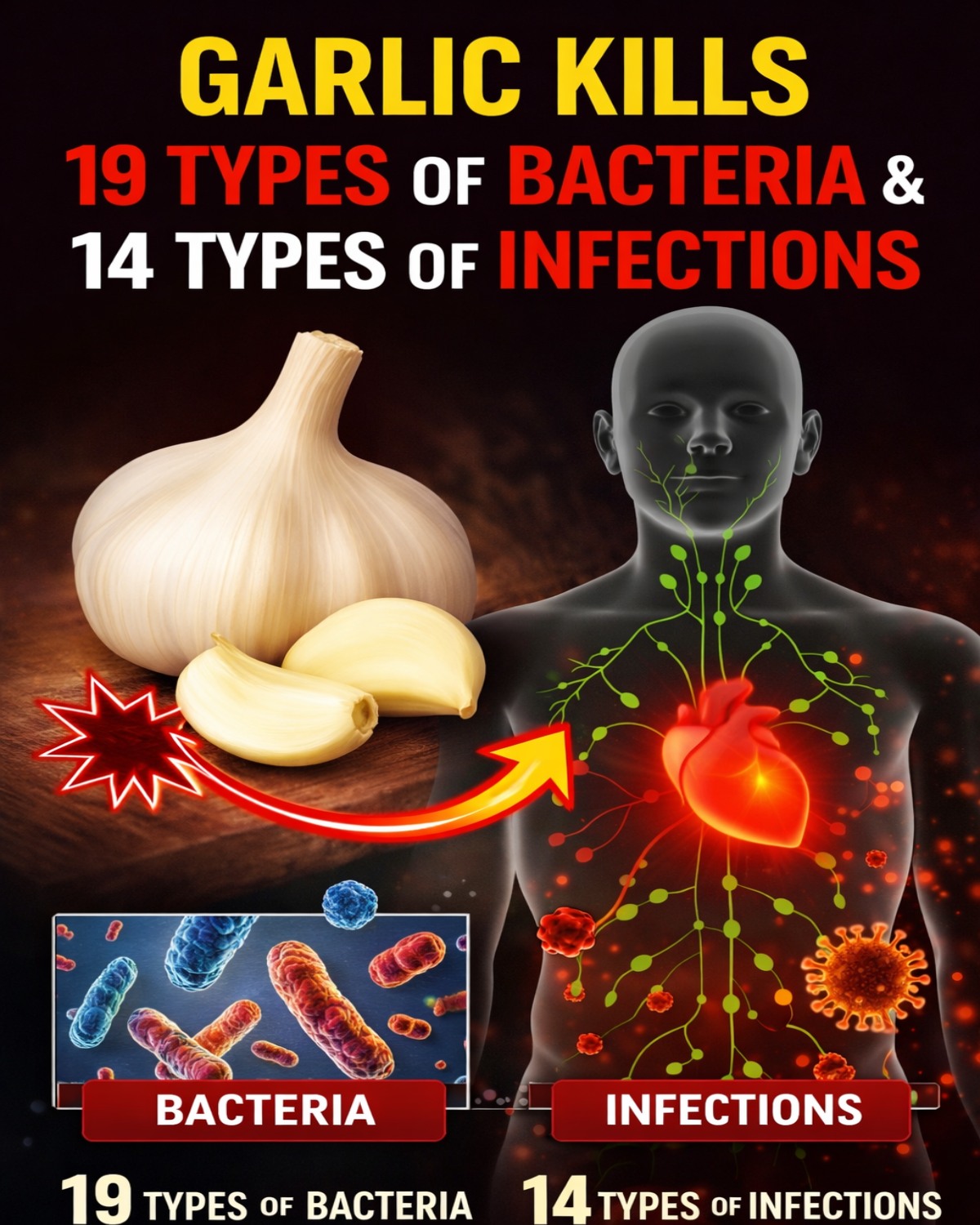
garlic kills 14 types of bacteria and 13 types of infections

Garlic, scientifically known as Allium sativum, has been revered for centuries not just as a culinary delight but also as a powerful medicinal herb. From ancient civilizations like the Egyptians and Greeks to modern scientific studies, garlic has been celebrated for its remarkable health benefits. One of its most impressive claims is its ability to combat bacteria and infections—some studies suggest it can target up to 14 types of bacteria and 13 different infections. But what makes garlic such a potent natural antibiotic? Let’s explore the science behind this tiny yet mighty bulb.

The Science Behind Garlic’s Power

The magic of garlic lies in its sulfur-containing compounds, most notably allicin. Allicin is formed when garlic is chopped, crushed, or chewed, activating an enzymatic reaction. This compound is not just responsible for garlic’s pungent aroma; it is also the main agent behind its antimicrobial effects.

Allicin works by disrupting the cellular functions of bacteria. It interferes with their ability to produce essential enzymes, damages their cell walls, and ultimately inhibits their growth. What’s remarkable is that garlic doesn’t just target one or two strains—it has a broad-spectrum effect against a variety of harmful bacteria and pathogens.

14 Types of Bacteria Garlic Can Combat

Scientific research has shown that garlic has antibacterial activity against a wide range of bacteria. Some of the most significant include:

  1. Escherichia coli (E. coli) – Often linked to food poisoning and urinary tract infections.

  2. Staphylococcus aureus – Known for causing skin infections, pneumonia, and sepsis.

  3. Salmonella – Responsible for foodborne illnesses and typhoid fever.

  4. Listeria monocytogenes – Can cause severe infections in pregnant women and immunocompromised individuals.

  5. Helicobacter pylori – Associated with stomach ulcers and chronic gastritis.

  6. Pseudomonas aeruginosa – A dangerous pathogen for hospital-acquired infections.

  7. Bacillus cereus – Causes food poisoning and gastrointestinal issues.

  8. Klebsiella pneumoniae – Responsible for pneumonia and urinary tract infections.

  9. Shigella – Causes dysentery and severe gastrointestinal issues.

  10. Vibrio cholerae – The bacterium behind cholera outbreaks.

  11. Clostridium perfringens – Leads to food poisoning and tissue infections.

  12. Streptococcus mutans – Contributes to tooth decay and oral infections.

  13. Enterococcus faecalis – Can cause infections in the urinary tract, bloodstream, and wounds.

  14. Mycobacterium tuberculosis – The pathogen that causes tuberculosis, although garlic may only support treatment rather than replace medication.

This broad range makes garlic an impressive natural alternative for preventing and managing bacterial infections.

13 Infections Garlic Can Help Fight

Beyond targeting bacteria, garlic is also effective against several infections:

  1. Common cold – Garlic’s antiviral properties may reduce the severity and duration.

  2. Influenza – Acts as an immune booster and may prevent viral replication.

  3. Ear infections – Topical garlic oil can help reduce bacterial growth in the ear canal.

  4. Fungal infections – Effective against candida and athlete’s foot.

  5. Urinary tract infections (UTIs) – Helps eliminate bacteria causing UTIs.

  6. Gastrointestinal infections – Reduces pathogens causing diarrhea and food poisoning.

  7. Respiratory infections – Including bronchitis and sinusitis.

  8. Skin infections – Such as boils, acne, and minor wounds.

  9. Yeast infections – Garlic can help restore microbial balance.

  10. Ear, nose, and throat infections – Antimicrobial effect soothes infection and inflammation.

  11. Parasitic infections – Helps combat intestinal parasites and worms.

  12. Heart-related infections – Supports the body in reducing bacterial impact on cardiovascular tissues.

  13. Tuberculosis adjunct therapy – Supports the immune system alongside conventional treatment.

These effects are why garlic has been called “nature’s antibiotic.” While it’s not a replacement for professional medical care, incorporating garlic into your diet can significantly strengthen your immune system.

How to Use Garlic Effectively

To maximize garlic’s antibacterial and antiviral properties, proper usage is important:

  • Raw consumption: Crushing or chopping garlic and letting it sit for 10 minutes before consumption boosts allicin formation.

  • Garlic water or tea: Steeping crushed garlic in warm water can aid digestion and immunity.

  • Topical applications: Garlic oil or paste can be applied to minor skin infections or fungal issues, but always patch test to avoid irritation.

  • Supplements: Garlic capsules and powders are available, though raw garlic is generally more potent.

Safety Considerations

While garlic is generally safe, excessive intake can cause digestive discomfort, heartburn, or garlic breath. People on blood-thinning medication or with allergies should consult a doctor before consuming high doses.

Conclusion

Garlic is more than just a flavorful addition to your meals—it’s a natural powerhouse with remarkable antibacterial and infection-fighting properties. With its ability to combat 14 types of bacteria and support the body against 13 different infections, garlic proves that sometimes nature provides the best medicine. Integrating garlic into your diet, whether raw, cooked, or in supplement form, can boost immunity, protect against illness, and enhance overall well-being.

In a world where antibiotic resistance is a growing concern, garlic offers a natural, safe, and effective way to support health—truly earning its title as a medicinal marvel.


Miracle Drink No Pain in a Week for Joints, Legs & Back

Pain in the joints, legs, or back is a common complaint that affects millions of people worldwide. Whether it’s caused by aging, arthritis, long hours of sitting, or intense physical activity, chronic pain can significantly reduce your quality of life. While there are countless medications and treatments available, many come with side effects or only offer temporary relief. Fortunately, natural remedies can provide a safe and effective alternative. One such solution gaining popularity is a “miracle drink” that promises noticeable improvement in just a week.

Why Pain Happens in Joints, Legs, and Back

Before diving into the drink itself, it’s important to understand why pain occurs. Joint, leg, and back pain can be triggered by:

  1. Inflammation: Conditions like arthritis cause inflammation in joints, leading to swelling, stiffness, and discomfort.

  2. Poor circulation: Reduced blood flow can make legs feel heavy, crampy, or numb.

  3. Muscle strain: Overuse or improper posture strains muscles supporting joints and the spine.

  4. Cartilage degeneration: Over time, cartilage wears down, reducing the cushioning between bones.

  5. Nerve compression: Issues like sciatica cause pain that radiates from the back to the legs.

Addressing these root causes is crucial for lasting relief, and this is where natural remedies shine—they target inflammation, improve circulation, and support joint health.

The Miracle Drink: Ingredients and Benefits

This natural drink combines simple, easily available ingredients that work synergistically to reduce inflammation, strengthen joints, and boost circulation.

Ingredients:

  • 1 cup warm water

  • 1 tablespoon apple cider vinegar

  • 1 tablespoon raw honey

  • ½ teaspoon turmeric powder

  • ½ teaspoon ginger powder or 1 teaspoon freshly grated ginger

  • A pinch of black pepper

  • Optional: juice of ½ lemon

Benefits of Each Ingredient:

  • Apple Cider Vinegar (ACV): ACV is known for its alkalizing properties, which help reduce acidity in the body—a contributor to joint pain. It also contains minerals like potassium that may help reduce stiffness.

  • Honey: Raw honey has natural anti-inflammatory and antioxidant properties, soothing pain and improving immune function.

  • Turmeric: Turmeric’s active compound, curcumin, is a potent anti-inflammatory agent that can reduce swelling in joints and ease back pain.

  • Ginger: Ginger improves circulation, reduces inflammation, and alleviates muscle soreness.

  • Black Pepper: Enhances the absorption of curcumin from turmeric, maximizing its benefits.

  • Lemon (optional): Provides vitamin C, which supports collagen production, essential for joint and cartilage health.

How to Prepare the Miracle Drink

  1. Warm 1 cup of water to a comfortable temperature.

  2. Add apple cider vinegar, honey, turmeric, and ginger.

  3. Stir thoroughly until all ingredients are well combined.

  4. Add a pinch of black pepper and optional lemon juice.

  5. Drink it on an empty stomach in the morning for best results.

How It Works in Just a Week

Day 1–2: Your body begins absorbing the anti-inflammatory compounds. You may feel slight warmth or relief in stiff joints. Honey and ginger start soothing muscle aches.

Day 3–4: Improved circulation begins to reduce swelling and heaviness in legs. Inflammation in joints starts decreasing, making movement easier.

Day 5–6: Persistent back pain or stiffness shows noticeable reduction. Cartilage receives nutrients from improved circulation, promoting recovery.

Day 7: Most people report significantly less pain in joints, legs, and back. Mobility is improved, and daily activities feel easier.

Tips to Maximize Results

  1. Stay Active: Gentle stretching or walking supports circulation and strengthens muscles around joints.

  2. Hydrate: Drink plenty of water throughout the day to flush out toxins and maintain joint lubrication.

  3. Balanced Diet: Include foods rich in omega-3 fatty acids, such as fish or flaxseeds, to further reduce inflammation.

  4. Proper Posture: Avoid slouching or prolonged sitting, as this can exacerbate back and joint pain.

  5. Consistency: Drink the mixture daily for at least a week for maximum benefits.

Who Can Benefit?

This drink is safe for most adults, including people with mild arthritis, joint stiffness, leg cramps, or back pain. However, individuals with certain conditions, such as diabetes or kidney issues, should consult a doctor before using apple cider vinegar regularly. Pregnant or breastfeeding women should also check with their healthcare provider.

Why This Drink Is Different

Unlike over-the-counter painkillers, which mask pain temporarily, this natural remedy addresses the root causes of joint and muscle discomfort. It’s chemical-free, simple to make, and works in harmony with your body. Within a week, most people notice reduced swelling, improved mobility, and decreased pain—all without harmful side effects.

Final Thoughts

Chronic pain in joints, legs, and back doesn’t have to control your life. By incorporating this miracle drink into your morning routine, you can experience relief in just seven days. Combined with a healthy lifestyle, proper exercise, and a balanced diet, this simple remedy can be a game-changer for anyone struggling with joint and muscle pain.

Take the first step today—prepare this drink, stay consistent, and watch your body respond. Within a week, you could say goodbye to discomfort and hello to freedom of movement once again.

15 most laxative food in the word they make you go to bathroom quickly

15 Most Laxative Foods That Make You Poop Fast

1. Prunes (Dried Plums)

The #1 natural laxative food. Prunes contain sorbitol, a sugar alcohol that draws water into the intestines, plus fiber that speeds up bowel movement.

2. Papaya

Papaya contains papain, an enzyme that improves digestion and prevents constipation. Eating ripe papaya on an empty stomach works especially fast.

3. Figs (Fresh or Dried)

High in insoluble fiber, figs add bulk to stool and stimulate the colon. Dried figs soaked overnight are extremely effective.

4. Kiwi

Kiwi has a special enzyme called actinidin that enhances gut movement. Studies show eating 2 kiwis a day can relieve constipation naturally.

5. Coffee

Coffee stimulates the gastrocolic reflex, causing your colon to contract. For many people, coffee works within minutes ☕.

6. Chia Seeds

When soaked, chia seeds form a gel-like fiber that softens stool and promotes regular bowel movements.

7. Flaxseeds

Rich in soluble and insoluble fiber. Ground flaxseed works best and can trigger bowel movement within hours.

8. Aloe Vera (Food‑Grade Juice Only)

Aloe contains natural compounds that stimulate intestinal contractions. Use sparingly—too much can cause cramps.

9. Apples (With Skin)

Apples contain pectin, a soluble fiber that softens stool and feeds gut bacteria.

10. Pears

Even more sorbitol than apples. Pears are excellent for fast relief from constipation.

11. Beets

Beets improve digestion and increase bile production, which helps stool move faster through the intestines.

12. Oatmeal

High in soluble fiber called beta‑glucan, oatmeal keeps stools soft and promotes regularity.

13. Spinach

Loaded with magnesium and fiber, spinach helps relax intestinal muscles and improve stool flow.

14. Yogurt (With Live Probiotics)

Probiotics balance gut bacteria and improve bowel regularity, especially if constipation is chronic.

15. Watermelon

Very high water content plus mild fiber makes watermelon a gentle but effective natural laxative 🍉.


⚠️ Important Warning

Eating too many laxative foods at once can cause:

  • Diarrhea

  • Stomach cramps

  • Dehydration

Always increase fiber gradually and drink plenty of water.

One Month Before a Heart Attack, Your Body Will Alert You: Here Are the 6 Symptoms

Heart disease remains the leading cause of death worldwide, and a heart attack can often strike without warning. However, recent studies and medical observations indicate that your body sometimes gives subtle signs weeks before a heart attack occurs. Recognizing these early warnings can save lives, allowing timely medical intervention before a major cardiac event. Here are six symptoms that may appear up to a month before a heart attack and why they should never be ignored.

1. Unexplained Fatigue

Feeling unusually tired after your usual activities may seem harmless, but persistent fatigue is one of the most common early warning signs of heart trouble. According to the American Heart Association, fatigue can occur weeks before a heart attack, especially in women. This isn’t ordinary tiredness caused by a long day; it’s often a deep, overwhelming exhaustion that rest does not alleviate.

The underlying cause is usually reduced blood flow to the heart. When your heart struggles to pump efficiently due to narrowed arteries, your muscles and organs receive less oxygen, leaving you drained even after minor activities. If fatigue suddenly intensifies or persists without a clear reason, it’s time to consult a doctor.

2. Shortness of Breath

Shortness of breath or difficulty breathing is another subtle warning sign of impending heart problems. You might notice this while performing routine tasks like climbing stairs or carrying groceries. This symptom occurs because the heart is no longer able to pump blood efficiently, causing fluid to build up in the lungs.

This symptom is particularly concerning when combined with other signs like fatigue or chest discomfort. Women, in particular, may experience this without the classic chest pain associated with heart attacks, making it easy to overlook.

3. Chest Discomfort or Pressure

While chest pain is the most well-known symptom of a heart attack, the type of discomfort experienced a month before the event can be different. It may not be sharp or intense; instead, it can feel like pressure, tightness, or mild squeezing in the chest.

This sensation often comes and goes and might be triggered by physical exertion or stress. Because it is intermittent and mild, many people ignore it. However, even mild chest discomfort is a serious warning that should prompt immediate medical evaluation.

4. Swelling in Legs, Ankles, or Feet

Swelling, or edema, is a sign that your heart is struggling to pump blood effectively. When blood flow slows, fluid can accumulate in the lower extremities, causing noticeable swelling in your legs, ankles, or feet.

If you notice that your shoes feel tighter than usual or you develop unexplained swelling, this could indicate heart dysfunction. Early detection and treatment of heart-related fluid retention can prevent complications and potentially reduce the severity of a heart attack.

5. Irregular Heartbeats

Palpitations, or an irregular heartbeat, can also occur in the weeks leading up to a heart attack. You might feel your heart racing, skipping beats, or fluttering unexpectedly. These sensations occur because the heart’s electrical system is affected by compromised blood flow or damage to heart tissue.

Not all palpitations indicate a serious problem, but when combined with other warning signs like fatigue, chest pressure, or shortness of breath, they should be taken seriously. Consulting a cardiologist for an electrocardiogram (ECG) or other heart function tests can help identify potential risks early.

6. Persistent Indigestion or Nausea

Some people experience gastrointestinal symptoms in the month before a heart attack. Persistent indigestion, nausea, or a feeling of fullness may be mistaken for stomach issues, but they can be warning signs of heart problems, particularly in women.

These symptoms occur because reduced blood flow to the heart can affect the digestive system, causing discomfort that seems unrelated to the heart. When these symptoms appear alongside fatigue, shortness of breath, or chest discomfort, they should be treated as red flags.

Why Early Detection Matters

Recognizing these subtle warning signs is crucial. According to the Centers for Disease Control and Prevention (CDC), early intervention can significantly reduce the damage caused by a heart attack. Lifestyle modifications, medications, or procedures such as angioplasty can prevent a full-blown heart attack if detected early.

Ignoring these early symptoms can be fatal. Many people attribute these warning signs to aging, stress, or minor ailments, delaying critical treatment. Paying attention to your body, keeping regular medical checkups, and communicating any unusual symptoms to a healthcare provider can make a life-saving difference.

Conclusion

A heart attack doesn’t always strike suddenly without warning. In many cases, your body provides early alerts up to a month in advance. Symptoms like persistent fatigue, shortness of breath, chest discomfort, swelling in the legs, irregular heartbeats, and gastrointestinal issues are all signals that your heart may be under stress.

If you experience one or more of these symptoms, do not dismiss them. Seek medical attention promptly. Early recognition and timely intervention can not only prevent a heart attack but also save your life. Your heart works tirelessly every day—listening to it could be the key to protecting your future.

Two Spoons in the Morning A Natural Remedy for Bone Pain Diabetes Nerves and Depression

In a world increasingly drawn to natural wellness, many people are rediscovering the power of simple morning rituals. Among these, the habit of taking two spoons in the morning—usually referring to a natural mixture made from ingredients like honey, olive oil, apple cider vinegar, or ground seeds—has gained attention for its potential to support overall health. While not a miracle cure, this gentle routine is rooted in traditional practices and supported by modern nutritional understanding. When used consistently and wisely, it may help support bone health, blood sugar balance, nerve function, and even emotional well-being.

The Philosophy Behind the Morning Spoon Ritual

Morning is when the body is most receptive to nourishment. After hours of fasting, your metabolism, digestion, and hormonal systems are ready to absorb nutrients efficiently. Taking two spoons of a nutrient-dense natural remedy on an empty stomach may help “wake up” the body, reduce inflammation, and set a balanced tone for the day.

These remedies are not new. Many cultures have long relied on combinations of natural fats, mild acids, and plant-based nutrients to support health—passed down through generations long before supplements became common.


Supporting Bone Pain and Joint Health

Bone and joint pain often stem from inflammation, mineral deficiencies, or poor circulation. Natural ingredients commonly used in morning spoon remedies may help in several ways:

  • Healthy fats (such as olive oil or sesame oil) support calcium absorption and reduce joint inflammation.

  • Honey contains antioxidants that may help fight oxidative stress linked to bone degeneration.

  • Apple cider vinegar is traditionally believed to support mineral uptake, particularly calcium and magnesium, which are essential for bone strength.

Over time, reducing inflammation and improving nutrient absorption may ease stiffness and discomfort, especially in people with age-related joint issues.


A Gentle Aid for Blood Sugar Balance

For people concerned about diabetes or insulin resistance, mornings are especially important. Blood sugar levels can spike after breakfast if the body is not well-regulated.

Certain natural morning mixtures may help by:

  • Improving insulin sensitivity

  • Slowing sugar absorption

  • Supporting liver function, which plays a major role in glucose control

For example, small amounts of raw honey paired with healthy fats may prevent sharp glucose spikes compared to refined sugars. Apple cider vinegar has been studied for its potential to modestly lower post-meal blood sugar levels when used carefully.

⚠️ Important note: These approaches are supportive, not replacements for prescribed diabetes treatments. Anyone with diabetes should consult a healthcare professional before trying new routines.


Nourishing the Nervous System

Nerve health depends heavily on proper nutrition, circulation, and reduced inflammation. Many people experience nerve discomfort due to stress, vitamin deficiencies, or chronic conditions.

Natural morning spoon ingredients may help by:

  • Providing B-vitamin–supporting compounds (found in seeds and raw honey)

  • Offering anti-inflammatory effects that calm irritated nerves

  • Supporting gut health, which is closely linked to nerve and brain function

Healthy fats also help maintain the protective myelin sheath around nerves, which is essential for proper signal transmission.


Mood, Mind, and Depression Support

Depression is complex and multifactorial, involving brain chemistry, inflammation, gut health, and lifestyle factors. While no single food can cure depression, daily nutritional habits can strongly influence emotional well-being.

Morning spoon rituals may support mental health by:

  • Stabilizing blood sugar, reducing mood swings

  • Providing antioxidants that combat brain inflammation

  • Supporting the gut-brain axis, which plays a major role in serotonin production

Honey contains natural compounds that may gently support neurotransmitter activity, while healthy fats help the brain absorb fat-soluble vitamins crucial for mood regulation.

Combined with sunlight exposure, hydration, movement, and adequate sleep, this simple habit may contribute to improved emotional balance over time.


A Simple Example Morning Spoon Blend

Here is a commonly used, gentle combination:

  • 1 tablespoon raw, unprocessed honey

  • 1 tablespoon extra virgin olive oil

  • Optional: a few drops of lemon juice or apple cider vinegar

Take slowly on an empty stomach, then wait 15–20 minutes before eating breakfast.

This blend is mild, easy to digest, and suitable for many people—though individual tolerance varies.


Consistency Matters More Than Quantity

The true benefit of this practice comes from consistency, not excess. Two spoons are enough to stimulate digestion, provide key nutrients, and support the body’s natural repair processes. Overuse or unrealistic expectations can lead to disappointment.

Think of this ritual as:

  • A daily supportive habit

  • A complement to a balanced diet

  • A moment of mindful self-care


Final Thoughts

“Two spoons in the morning” is not magic—but it represents something powerful: the return to simple, intentional health habits. When combined with proper nutrition, medical care, movement, and emotional support, natural remedies can play a meaningful role in improving quality of life.

If you struggle with chronic bone pain, diabetes, nerve issues, or depression, consider this ritual as a gentle ally—not a replacement for professional care, but a daily act of nourishment and respect for your body.

Sometimes, healing doesn’t start with something complicated. Sometimes, it starts with two simple spoons.

Doctors reveal that eating beets causes

Beets, also known as beetroot, have long been valued as a humble root vegetable, but modern doctors and nutrition experts are now revealing just how powerful their effects on the body can be. With their deep red color and earthy flavor, beets are packed with nutrients that trigger a wide range of positive changes once you start eating them regularly. From improved circulation to better brain health, the effects of beets go far beyond what most people expect.

Below is a closer look at what doctors say eating beets causes in your body—and why adding them to your diet could be a smart move.


1. Improved Blood Circulation and Lower Blood Pressure

One of the most well-documented effects of eating beets is improved blood flow. Beets are rich in dietary nitrates, which the body converts into nitric oxide. Nitric oxide helps relax and widen blood vessels, allowing blood to flow more easily.

Doctors often point out that this process can:

  • Lower blood pressure naturally

  • Reduce strain on the heart

  • Improve oxygen delivery to muscles and organs

For people with mild hypertension or poor circulation, regularly eating beets may support cardiovascular health when combined with a balanced diet and healthy lifestyle.


2. Increased Energy and Physical Performance

Doctors and sports nutritionists frequently recommend beets to athletes—and for good reason. The nitric oxide produced from beet nitrates improves how efficiently the body uses oxygen.

This can cause:

  • Better stamina and endurance

  • Reduced fatigue during exercise

  • Improved physical performance

Even for non-athletes, eating beets may result in feeling more energized throughout the day, especially for those who often feel sluggish or tired.


3. Better Brain Health and Mental Sharpness

As we age, blood flow to the brain naturally declines, which can affect memory and cognitive function. Doctors reveal that eating beets may help slow this process.

Improved circulation from nitric oxide helps:

  • Increase blood flow to brain areas linked to thinking and decision-making

  • Support focus and mental clarity

  • Potentially reduce age-related cognitive decline

Some experts suggest that beets may be especially beneficial for older adults looking to maintain brain health.


4. Natural Detox Support for the Liver

Beets contain powerful antioxidants and plant compounds, including betalains, which are responsible for their red color. Doctors explain that these compounds support the liver’s natural detoxification processes.

Eating beets can:

  • Help the liver process toxins more efficiently

  • Reduce oxidative stress in liver cells

  • Support overall digestive health

While beets are not a “detox cure,” they can play a supportive role in keeping the liver healthy.


5. Reduced Inflammation in the Body

Chronic inflammation is linked to many health problems, including heart disease, arthritis, and metabolic disorders. Doctors note that beets contain anti-inflammatory compounds that help calm inflammation at the cellular level.

Regular consumption may:

  • Reduce joint discomfort

  • Support heart health

  • Promote overall wellness

This makes beets a valuable food for people dealing with inflammatory conditions or general aches and pains.


6. Improved Digestive Health

Doctors also reveal that eating beets causes positive changes in digestion. Beets are high in dietary fiber, which supports gut health.

Fiber from beets helps:

  • Prevent constipation

  • Support healthy gut bacteria

  • Improve nutrient absorption

A healthier digestive system can also lead to better immunity and more stable blood sugar levels.


7. Support for Healthy Blood Sugar Levels

Despite their natural sweetness, beets have a relatively low glycemic load. Doctors explain that the fiber and antioxidants in beets help slow the absorption of sugar into the bloodstream.

This may:

  • Prevent sharp blood sugar spikes

  • Improve insulin sensitivity

  • Support metabolic health

For people without medical restrictions, beets can be enjoyed in moderation as part of a balanced diet.


8. Enhanced Skin Health and Appearance

Doctors and dermatologists often highlight the skin benefits of nutrient-rich vegetables like beets. Their antioxidants, vitamin C, and iron content help nourish the skin from within.

Eating beets may cause:

  • Healthier-looking, more radiant skin

  • Reduced dullness and dryness

  • Improved oxygen delivery to skin cells

Over time, these effects can contribute to a more youthful appearance.


How to Eat Beets for Maximum Benefits

Doctors recommend simple, natural preparations such as:

  • Roasted or steamed beets

  • Fresh beet juice (in moderation)

  • Grated raw beets in salads

  • Blended into smoothies

Cooking beets lightly helps preserve nutrients while improving digestibility.


Final Thoughts

Doctors reveal that eating beets causes a wide range of beneficial effects in the body—from improved circulation and lower blood pressure to better brain function, digestion, and energy levels. This vibrant root vegetable is a powerful example of how simple foods can make a meaningful difference in overall health.

Adding beets to your diet a few times a week may be a small change, but for many people, it leads to noticeable improvements in how they feel—inside and out.

Homemade Cheddar Cheese Rolls

There’s something deeply comforting about the smell of freshly baked bread filling your kitchen, and when that bread happens to be packed with rich, melty cheddar cheese, it becomes irresistible. Homemade Cheddar Cheese Rolls are the perfect balance of soft, pillowy dough and bold, savory flavor. Whether served warm at the dinner table, enjoyed as a snack, or used as a base for mini sandwiches, these rolls are guaranteed to disappear fast.

This recipe is designed to be approachable, even if you’re new to baking with yeast. With simple ingredients and clear steps, you’ll be rewarded with bakery-style cheese rolls that taste far better than anything store-bought.


Why You’ll Love These Cheddar Cheese Rolls

  • Soft and fluffy texture thanks to enriched dough

  • Real cheddar cheese in every bite

  • Versatile: perfect for breakfast, dinner, or snacks

  • Freezer-friendly and great for make-ahead baking

  • Customizable with herbs, spices, or different cheeses

These rolls pair beautifully with soups, stews, salads, or even a simple pat of butter while still warm.


Ingredients You’ll Need

For the Dough:

  • 3 ½ cups all-purpose flour

  • 2 ¼ teaspoons (1 packet) active dry yeast

  • 1 cup warm milk (about 110°F / 43°C)

  • 2 tablespoons sugar

  • 1 teaspoon salt

  • 3 tablespoons unsalted butter, melted

  • 1 large egg

For the Cheese Filling:

  • 1 ½ cups sharp cheddar cheese, freshly grated

  • ½ teaspoon garlic powder (optional)

  • ½ teaspoon paprika or black pepper (optional)

For Topping (Optional):

  • 1 tablespoon melted butter

  • 1–2 tablespoons grated cheddar

  • Pinch of dried parsley or chives


Step-by-Step Instructions

1. Activate the Yeast

In a large bowl, combine warm milk and sugar. Sprinkle the yeast over the top and let it sit for 5–10 minutes until foamy. This step ensures your yeast is alive and ready to work.

2. Make the Dough

Add melted butter, egg, and salt to the yeast mixture. Gradually mix in the flour, one cup at a time, until a soft dough forms. Turn the dough out onto a lightly floured surface and knead for 8–10 minutes until smooth and elastic.

If the dough feels sticky, add a little flour; if it feels too dry, add a teaspoon of milk at a time.

3. First Rise

Place the dough in a greased bowl, turning once to coat. Cover with a clean kitchen towel and let it rise in a warm place for about 1 hour, or until doubled in size.


Shaping the Cheddar Cheese Rolls

Once risen, gently punch down the dough to release excess air. Divide it into 12–15 equal pieces, depending on your preferred roll size.

Flatten each piece slightly and place about 1–2 tablespoons of grated cheddar cheese in the center. Pinch the edges together to seal, then roll gently into a smooth ball.

Arrange the rolls seam-side down in a greased baking dish, leaving a little space between each for expansion.


Second Rise and Baking

Cover the shaped rolls and let them rise again for 30–40 minutes until puffy. Meanwhile, preheat your oven to 375°F (190°C).

Brush the tops with melted butter and sprinkle with a little extra cheddar if desired. Bake for 18–22 minutes, or until the rolls are golden brown and the cheese is bubbling slightly.

Remove from the oven and brush with more melted butter for extra softness and shine.


Serving Suggestions

Homemade Cheddar Cheese Rolls are best enjoyed warm, straight from the oven. Serve them with:

  • Creamy tomato soup

  • Hearty beef or chicken stew

  • Fresh green salads

  • Scrambled eggs for breakfast

  • As sliders with ham or roast beef

They’re also fantastic sliced open and toasted the next day.


Tips for Perfect Cheese Rolls

  • Use sharp cheddar for maximum flavor

  • Grate your own cheese—pre-shredded cheese doesn’t melt as well

  • Don’t overfill the rolls, or the cheese may leak out

  • For extra flavor, add chopped jalapeños, caramelized onions, or fresh herbs


Storage and Freezing

  • Room temperature: Store in an airtight container for up to 2 days

  • Refrigerator: Up to 5 days (reheat before serving)

  • Freezer: Freeze baked rolls for up to 2 months

To reheat, warm in the oven at 300°F (150°C) for 8–10 minutes.


Final Thoughts

Homemade Cheddar Cheese Rolls are the kind of recipe that quickly becomes a household favorite. They’re comforting, satisfying, and versatile enough for everyday meals or special occasions. Once you’ve tasted the soft crumb and gooey cheddar center, you’ll find yourself making them again and again.

The Legendary Cornish Beef Pasty Recipe

The Cornish beef pasty is more than just a savory pastry—it’s a symbol of Cornwall’s rich culinary heritage. With its golden, hand-crimped crust and hearty filling of beef, potatoes, swede, and onion, this iconic dish was once the perfect meal for tin miners: filling, portable, and satisfying. Today, the Cornish pasty remains a beloved classic, protected by tradition and cherished for its honest, rustic flavors.

Below is an authentic, time-honored recipe that stays true to the spirit of the original Cornish beef pasty, along with tips to ensure perfect results every time.


What Makes a Cornish Pasty Authentic?

A traditional Cornish pasty is defined by a few key elements:

  • Uncooked filling placed inside the pastry before baking

  • Simple ingredients: beef skirt, potatoes, swede (rutabaga), onion, salt, and pepper

  • Shortcrust pastry, sturdy yet flaky

  • Side crimping, not top crimping

These rules helped the pasty survive long days in the mines—and they still make it delicious today.


Ingredients (Makes 4 Large Pasties)

For the Pastry

  • 3½ cups (450 g) all-purpose flour

  • 1 teaspoon salt

  • 1 cup (225 g) cold unsalted butter or beef suet, diced

  • 6–8 tablespoons cold water

For the Filling

  • 12 oz (350 g) beef skirt or chuck steak, finely diced

  • 1 large potato (about 10 oz / 300 g), peeled and diced

  • 1 cup (150 g) swede (rutabaga), peeled and diced

  • 1 medium onion, finely chopped

  • Salt and freshly ground black pepper, to taste

  • 1 tablespoon butter, divided into small pieces

To Finish

  • 1 egg, beaten (for egg wash)


Step-by-Step Instructions

1. Make the Pastry

In a large bowl, mix the flour and salt. Rub in the cold butter (or suet) with your fingertips until the mixture resembles coarse breadcrumbs. Add cold water gradually, mixing until a firm dough forms.

Turn the dough onto a lightly floured surface and knead briefly until smooth. Wrap in plastic and chill for at least 30 minutes. Resting the dough allows the gluten to relax and makes rolling easier.


2. Prepare the Filling

While the dough chills, prepare the filling. Dice the beef and vegetables into small, even pieces—this ensures they cook evenly inside the pastry.

In a bowl, combine the beef, potato, swede, and onion. Season generously with salt and freshly ground black pepper. Do not pre-cook the filling; traditional Cornish pasties rely on steam inside the pastry to cook everything perfectly.


3. Assemble the Pasties

Preheat your oven to 400°F (200°C).

Divide the chilled dough into four equal portions. Roll each portion into a circle about 8–9 inches (20–23 cm) in diameter.

Place a generous mound of filling slightly off-center on each circle. Dot the filling with small pieces of butter for added richness.

Brush the edges of the pastry lightly with water. Fold the dough over the filling to form a half-moon shape, pressing gently to seal.


4. Crimp Like a Cornish Baker

Starting at one end, crimp the edges by folding and pinching the dough along the side to create the signature rope-like seal. This not only looks beautiful but also locks in juices during baking.

Transfer the pasties to a lined baking tray. Brush each one with beaten egg for a glossy, golden finish.


5. Bake to Golden Perfection

Bake in the preheated oven for 15 minutes, then reduce the temperature to 350°F (180°C) and bake for another 35–40 minutes, until the pasties are deep golden brown.

If they begin to brown too quickly, loosely cover with foil.


Serving Suggestions

Cornish pasties are best enjoyed hot, straight from the oven, but they’re equally delicious warm or at room temperature. Traditionally, they’re served on their own, though a side of pickles, mustard, or a simple green salad works beautifully.


Tips for the Perfect Cornish Pasty

  • Use cold ingredients for the pastry to achieve maximum flakiness

  • Don’t overfill—too much filling can cause leaks

  • Cut ingredients evenly so everything cooks at the same rate

  • Season well—the filling relies on simple seasoning for flavor


A Bite of History

Legend has it that miners held the thick crimped edge with dirty hands and discarded it after eating the filling—almost like a built-in handle. Whether or not the story is true, one thing is certain: the Cornish beef pasty has stood the test of time.

With its humble ingredients and bold, comforting flavor, this legendary dish proves that simple food, made well, can become unforgettable.

Biscuit Bites

Biscuit Bites are one of those simple treats that disappear almost as soon as they come out of the oven. Golden on the outside, soft and fluffy on the inside, and bursting with buttery flavor, these bite-sized biscuits are perfect for breakfast, snacks, or even as a side dish for soups and stews. Their small size makes them fun to eat, easy to serve, and ideal for sharing.

What makes Biscuit Bites truly special is their versatility. You can keep them classic and buttery, make them sweet with cinnamon sugar, or turn them savory with cheese and herbs. Whether you’re cooking for a family gathering, a tea party, or just want a quick homemade treat, Biscuit Bites are a reliable and crowd-pleasing option.

Why You’ll Love Biscuit Bites

Biscuit Bites are quick to prepare and require basic pantry ingredients, making them perfect for both beginner and experienced bakers. Unlike large biscuits that need careful shaping, these bite-sized versions are forgiving and fun. They bake evenly, cook faster, and are easier to portion.

Another reason they’re so popular is their texture. When made correctly, Biscuit Bites are tender and fluffy, with delicate layers that pull apart beautifully. The outside becomes lightly crisp while the inside stays soft and moist. Add a brush of melted butter after baking, and you’ll have an irresistible finish that elevates them from simple to spectacular.

Ingredients for Biscuit Bites

To make classic buttery Biscuit Bites, you’ll need:

  • 2 cups all-purpose flour

  • 1 tablespoon baking powder

  • 1 tablespoon sugar

  • ½ teaspoon salt

  • ½ cup cold unsalted butter, cut into small cubes

  • ¾ cup milk (whole milk works best)

  • 1 teaspoon vanilla extract (optional, for a subtle aroma)

  • 2 tablespoons melted butter, for brushing

Optional additions:

  • ½ cup shredded cheddar cheese (for savory bites)

  • 1 teaspoon garlic powder or dried herbs

  • Cinnamon sugar for a sweet topping

Step-by-Step Instructions

1. Preheat the Oven

Start by preheating your oven to 200°C (400°F). Line a baking sheet with parchment paper or lightly grease it to prevent sticking.

2. Mix the Dry Ingredients

In a large bowl, combine the flour, baking powder, sugar, and salt. Whisk them together to ensure everything is evenly distributed. This step is important for achieving uniform rise and texture.

3. Cut in the Butter

Add the cold butter cubes to the flour mixture. Using a pastry cutter, fork, or your fingertips, gently work the butter into the flour until the mixture resembles coarse crumbs. Small chunks of butter are essential—they melt during baking and create tender, flaky layers.

4. Add the Milk

Pour in the milk and vanilla extract, if using. Stir gently until a soft dough forms. Be careful not to overmix, as this can make the biscuits dense rather than fluffy.

5. Shape the Biscuit Bites

Turn the dough out onto a lightly floured surface. Gently pat it into a rectangle about 1 inch thick. Using a knife or small cutter, cut the dough into bite-sized squares or circles.

6. Bake

Place the Biscuit Bites on the prepared baking sheet, leaving a little space between each piece. Bake for 12–15 minutes, or until the tops are lightly golden.

7. Finish with Butter

Remove the Biscuit Bites from the oven and immediately brush them with melted butter. This adds flavor and gives them a beautiful glossy finish.

Sweet and Savory Variations

Sweet Cinnamon Biscuit Bites
After brushing with butter, toss the warm Biscuit Bites in a mixture of cinnamon and sugar. Serve with honey or vanilla glaze for a dessert-style treat.

Cheesy Garlic Biscuit Bites
Mix shredded cheese and garlic powder into the dough before shaping. Sprinkle extra cheese on top before baking for a rich, savory version.

Herb Biscuit Bites
Add dried rosemary, thyme, or parsley to the dough for a fragrant and flavorful side dish.

Serving Suggestions

Biscuit Bites are incredibly versatile. Serve them warm with butter and jam for breakfast, alongside soup or stew for lunch, or as a snack with dipping sauces like honey butter or garlic butter. They’re also perfect for party platters, as guests can grab them easily without utensils.

Storage and Reheating Tips

Store leftover Biscuit Bites in an airtight container at room temperature for up to two days, or refrigerate for up to five days. To reheat, place them in a warm oven for a few minutes or microwave briefly to restore softness.

Final Thoughts

Biscuit Bites prove that great things often come in small packages. With their soft texture, rich buttery flavor, and endless customization options, they’re a recipe you’ll return to again and again. Whether you keep them simple or dress them up with sweet or savory flavors, Biscuit Bites are guaranteed to bring comfort and joy to your table.

Ham and Cheese Puff Pastry Pockets

Few recipes manage to strike the perfect balance between simplicity and indulgence quite like ham and cheese puff pastry pockets. With their flaky, buttery layers and rich, savory filling, these pockets are a crowd-pleasing option for breakfast, lunch, snacks, or even party appetizers. Whether you’re cooking for your family, entertaining guests, or just craving something warm and satisfying, this recipe delivers maximum flavor with minimal effort.

What makes puff pastry pockets so irresistible is the contrast in textures: the delicate crunch of the pastry paired with gooey, melted cheese and savory ham inside. Best of all, they’re incredibly versatile and forgiving, making them ideal for both beginner and experienced home cooks.

Why Ham and Cheese Is a Timeless Combination

Ham and cheese has long been a classic pairing in global cuisine. The saltiness of cured ham complements the creamy richness of cheese, creating a balanced flavor profile that never feels heavy or bland. When wrapped in puff pastry, this combination is elevated to bakery-level comfort food.

You can customize the filling endlessly—use smoked ham for deeper flavor, honey-glazed ham for sweetness, or even turkey as a lighter alternative. Cheese options range from sharp cheddar to Swiss, mozzarella, Gruyère, or a blend for extra creaminess.

Ingredients You’ll Need

This recipe keeps things straightforward while leaving room for creativity:

  • 1 sheet of puff pastry (thawed if frozen)

  • 150–200 g sliced ham (thinly sliced works best)

  • 1 to 1½ cups grated or sliced cheese

  • 1 egg (for egg wash)

  • 1 tablespoon milk or water

  • Optional additions: Dijon mustard, black pepper, herbs, or sesame seeds

Using quality puff pastry is key. Store-bought works perfectly, saving time while still delivering excellent results.

Preparing the Puff Pastry

Start by preheating your oven to 200°C (400°F). Line a baking tray with parchment paper.

Roll out the puff pastry slightly on a floured surface to even it out, then cut it into equal squares or rectangles. The size depends on whether you want snack-sized pockets or larger meal portions, but 10–12 cm squares work well.

Keep the pastry cool while working—warm pastry can become sticky and difficult to handle.

Filling and Shaping the Pockets

Place a slice of ham in the center of each pastry square, folding or trimming it so it fits neatly without hanging over the edges. Add a generous amount of cheese on top. Be careful not to overfill; too much cheese can leak out during baking.

For extra flavor, spread a thin layer of Dijon mustard or sprinkle a little black pepper or dried herbs over the ham before adding the cheese.

Fold the pastry over to form a triangle or rectangle, depending on the cut. Press the edges together gently, then seal them with the tines of a fork. This not only keeps the filling inside but also creates a decorative edge.

Egg Wash for a Golden Finish

Whisk the egg with milk or water to create an egg wash. Brush it lightly over the tops of the pockets—this step is essential for achieving that beautiful golden-brown color and glossy finish.

If you like, sprinkle sesame seeds, poppy seeds, or a little grated cheese on top for extra texture and visual appeal.

Baking to Perfection

Place the pockets on the prepared baking tray, leaving space between them so they can puff up properly. Bake for 15–20 minutes, or until the pastry is fully risen and deep golden brown.

Once baked, remove them from the oven and allow them to cool for a few minutes. The filling will be extremely hot straight out of the oven.

Serving Suggestions

Ham and cheese puff pastry pockets are best enjoyed warm, when the cheese is still melted and stretchy. Serve them on their own or pair them with:

  • A fresh green salad

  • Tomato soup for dipping

  • Mustard or honey-mustard sauce

  • Pickles or coleslaw for contrast

They also make excellent additions to lunchboxes or picnic spreads, as they taste great even at room temperature.

Storage and Make-Ahead Tips

These pockets can be prepared ahead of time and refrigerated (unbaked) for up to 24 hours. Simply bake them fresh when needed. You can also freeze them before baking; just add a few extra minutes to the baking time when cooking from frozen.

Leftover baked pockets can be stored in the refrigerator for up to 3 days and reheated in the oven to restore crispness.

Final Thoughts

Ham and cheese puff pastry pockets are a perfect example of how a few simple ingredients can create something truly satisfying. Crispy on the outside, warm and cheesy on the inside, they’re a comfort food classic that never disappoints. Whether served as a quick snack or a hearty meal, these golden pockets are sure to become a favorite in your kitchen.