3 Ingredient Homemade Crunch Bars

If you love simple recipes that deliver big flavor, 3-ingredient homemade crunch bars are about to become your new favorite dessert. These no-bake treats are fast, affordable, and incredibly satisfying, making them perfect for busy weekdays, last-minute guests, or when a chocolate craving strikes. Best of all, they require no oven, no special equipment, and no complicated steps—just three everyday ingredients and a few minutes of your time.

Crunch bars have a nostalgic charm. Many of us remember enjoying store-bought chocolate crunch bars as kids, with their irresistible combination of smooth chocolate and crispy texture. The homemade version takes that classic treat and makes it even better: fresher, customizable, and free from unnecessary additives.

Let’s explore why these bars are so popular, how to make them perfectly every time, and a few clever variations to suit your taste.

Why 3-Ingredient Recipes Are So Popular

In today’s fast-paced world, recipes with fewer ingredients are more appealing than ever. They save time, reduce grocery costs, and minimize cleanup. With just three ingredients, this crunch bar recipe proves that simplicity doesn’t mean sacrificing flavor.

Homemade crunch bars are also ideal for:

  • Beginners who are new to cooking

  • Kids who want to help in the kitchen

  • Anyone avoiding overly processed snacks

  • Busy families needing quick dessert options

The Only 3 Ingredients You Need

You’ll be surprised by how basic these ingredients are:

  1. Chocolate (milk, dark, or semi-sweet)
    Chocolate is the star of this recipe. Choose high-quality chocolate bars or chocolate chips for the best flavor and smooth texture.

  2. Crispy Rice Cereal
    This provides the signature crunch. Plain puffed rice cereal works perfectly and keeps the bars light and crispy.

  3. Peanut Butter (or any nut butter)
    Peanut butter adds richness, depth, and helps bind everything together. You can substitute almond butter, cashew butter, or sunflower seed butter if preferred.

How to Make 3-Ingredient Homemade Crunch Bars

Step 1: Melt the Chocolate and Peanut Butter

Break the chocolate into small pieces and place it in a heat-safe bowl with the peanut butter. Melt gently using a microwave in short intervals or over a double boiler. Stir until smooth and glossy.

Step 2: Add the Crunch

Remove the melted mixture from heat and fold in the crispy rice cereal. Stir gently until every piece is coated evenly with chocolate.

Step 3: Shape and Set

Pour the mixture into a lined baking dish and press it down evenly. Refrigerate for about 30–45 minutes, or until firm. Once set, cut into bars and enjoy.

That’s it—three ingredients, three steps, and zero stress.

Tips for Perfect Crunch Bars Every Time

  • Don’t overheat the chocolate: Slow melting prevents burning and keeps the texture smooth.

  • Use fresh cereal: Stale cereal won’t give you that satisfying crunch.

  • Line your pan: Parchment paper makes removal and slicing much easier.

  • Let them set fully: Cutting too early can cause the bars to crumble.

Delicious Variations to Try

Once you master the basic recipe, you can easily customize it:

  • Dark Chocolate Crunch Bars – Use 70% dark chocolate for a richer, less sweet flavor.

  • Vegan Crunch Bars – Choose dairy-free chocolate and plant-based nut butter.

  • Nut-Free Version – Replace peanut butter with coconut butter or tahini.

  • Extra Crunch – Add crushed pretzels or toasted coconut flakes.

  • Healthier Twist – Use sugar-free chocolate and natural peanut butter with no added sugar.

Why Homemade Crunch Bars Are Better Than Store-Bought

Store-bought crunch bars often contain preservatives, artificial flavors, and excess sugar. When you make them at home, you’re in full control of the ingredients. This means:

  • Fewer additives

  • Better quality chocolate

  • Customizable sweetness

  • Fresher taste

Plus, homemade crunch bars are budget-friendly and perfect for meal prep. Store them in an airtight container in the fridge for up to one week.

Perfect for Any Occasion

These 3-ingredient homemade crunch bars are incredibly versatile. Serve them:

  • As a quick dessert after dinner

  • As a lunchbox treat

  • At parties or family gatherings

  • As a homemade edible gift

They look impressive, taste indulgent, and yet require minimal effort—an unbeatable combination.

Final Thoughts

When it comes to easy desserts, 3-ingredient homemade crunch bars truly shine. They prove that you don’t need a long list of ingredients or advanced baking skills to create something delicious. With creamy chocolate, crispy texture, and endless customization options, this recipe is one you’ll come back to again and again.

If you’re craving something sweet, crunchy, and comforting, give these homemade crunch bars a try—you might never go back to store-bought again.
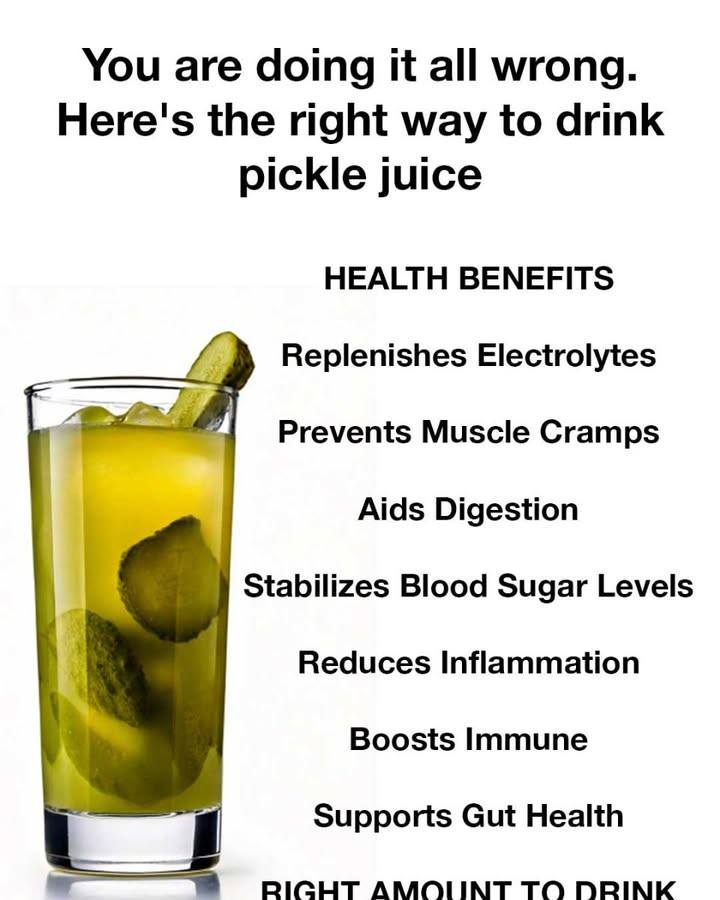
You are doing it all wrong Here’s the right way to drink pickle juice

Pickle juice has quietly gone from a quirky leftover in the fridge to a trendy wellness drink praised by athletes, home remedies enthusiasts, and even chefs. Some people swear by it for muscle cramps, digestion, hydration, or simply for its bold, tangy flavor. But here’s the truth most people don’t realize: the way you’re drinking pickle juice may be canceling out its benefits—or even causing problems.

If you’ve ever chugged it straight from the jar, taken huge gulps, or treated it like water, you’re probably doing it wrong. Let’s break down the right way to drink pickle juice so you can enjoy its potential benefits safely and effectively.


First, What Exactly Is Pickle Juice?

Pickle juice is the liquid left behind after cucumbers (or other vegetables) are pickled. Traditional pickle juice contains water, vinegar, salt, and sometimes garlic, dill, mustard seeds, or spices. This combination gives pickle juice its sharp taste—and also its unique nutritional profile.

It’s rich in electrolytes (especially sodium) and acetic acid from vinegar, which is why it has gained attention in health and fitness circles.


Common Mistakes People Make with Pickle Juice

Before learning the right way, let’s look at what most people do wrong:

  • Drinking too much at once

  • Chugging it on an empty stomach

  • Using sugary, artificially flavored pickle juice

  • Drinking it daily without moderation

  • Ignoring sodium content

Pickle juice is powerful. Treating it like a casual beverage is a mistake.


The Right Way to Drink Pickle Juice

1. Drink Small Amounts—Not a Full Glass

This is the most important rule. Pickle juice is not meant to be consumed in large quantities. The ideal amount is:

  • 1 to 2 tablespoons at a time

  • No more than 2–3 times per day, and not every day

This small dose is enough to deliver electrolytes and vinegar benefits without overwhelming your system with salt.


2. Sip It Slowly—Never Chug

Chugging pickle juice can irritate your stomach and spike sodium levels too quickly. Instead:

  • Take small sips

  • Let it sit in your mouth briefly

  • Swallow slowly

Many people report better results—especially for cramps—when they sip rather than gulp.


3. Use It at the Right Time

Timing matters more than you think.

Best times to drink pickle juice:

  • After intense sweating or exercise

  • During muscle cramping

  • After a heavy or greasy meal

  • When feeling mildly dehydrated (not severely)

Worst times:

  • First thing in the morning on an empty stomach

  • Right before bed

  • When already bloated or retaining water


4. Dilute It If You’re Sensitive

If pickle juice feels too strong or causes heartburn, dilution is your best friend.

Try this:

  • 1 tablespoon pickle juice

  • ½ to 1 cup water

This reduces acidity while still delivering electrolytes and flavor.


Why Some People Feel Better After Drinking Pickle Juice

When used correctly, pickle juice may support the body in several ways:

  • Electrolyte replenishment: Sodium helps with nerve signaling and muscle contraction.

  • Cramp relief: Some studies suggest vinegar triggers nerve responses that help stop muscle spasms.

  • Digestion support: Vinegar can stimulate digestive enzymes.

  • Appetite control: The strong flavor may reduce cravings for sugary snacks.

However, these effects come from small, controlled amounts, not excess.


Choose the Right Kind of Pickle Juice

Not all pickle juice is created equal.

Best choice:

  • Naturally fermented pickles

  • Simple ingredients: water, salt, vinegar, spices

  • No artificial colors or preservatives

Avoid:

  • Sweet pickles

  • Pickle juice with added sugar

  • Neon-colored commercial “pickle drinks”

Sugar-heavy pickle juice defeats the purpose and may spike blood sugar.


Who Should Be Careful or Avoid It

Pickle juice is not for everyone. You should limit or avoid it if you:

  • Have high blood pressure

  • Have kidney problems

  • Are on a low-sodium diet

  • Experience frequent acid reflux

  • Retain water easily

If you fall into these categories, occasional diluted sips may be safer—but moderation is essential.


A Smart Way to Add Pickle Juice to Your Routine

Instead of drinking it straight, consider using pickle juice as:

  • A splash in salad dressings

  • A recovery shot after workouts

  • A flavor booster in soups or marinades

  • A quick cramp-relief sip during exercise

This approach keeps intake low while maximizing usefulness.


Final Thoughts

Pickle juice isn’t magic—but when used correctly, it can be surprisingly helpful. The biggest mistake people make is thinking more is better. In reality, pickle juice works best as a tool, not a beverage.

Small sips. Right timing. Quality ingredients. Moderation.

That’s the right way to drink pickle juice—and once you do it properly, you may finally understand why so many people swear by it.

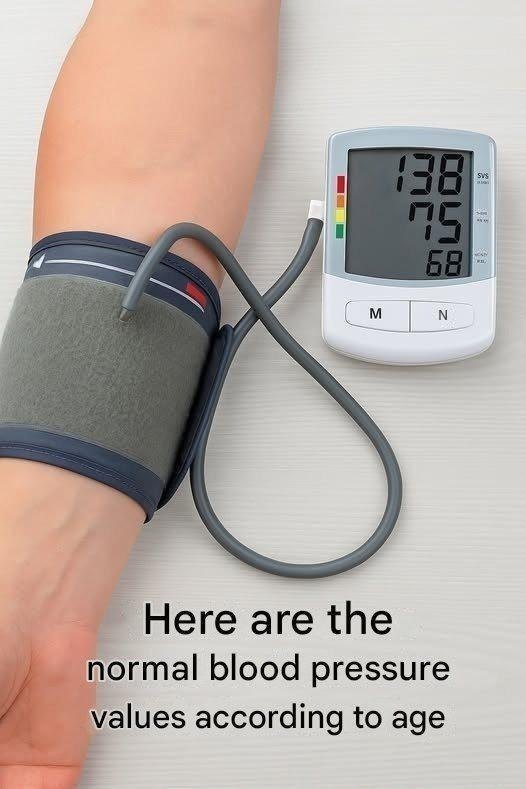
Here are the normal blood pressure values according to age

Blood pressure is one of the most important indicators of overall health. It reflects how hard your heart is working to pump blood through your arteries. While many people think there is one “perfect” blood pressure number for everyone, the truth is that normal blood pressure values can vary depending on age, overall health, and lifestyle.

Understanding what is considered normal for your age can help you recognize early warning signs and take steps to protect your heart, brain, and kidneys.

What Do Blood Pressure Numbers Mean?

Blood pressure is measured using two numbers:

  • Systolic pressure (top number): The pressure in your arteries when your heart beats

  • Diastolic pressure (bottom number): The pressure when your heart rests between beats

For example, a reading of 120/80 mmHg is read as “120 over 80.”

General Blood Pressure Categories (All Adults)

Before looking at age-specific values, it’s helpful to understand the standard adult categories:

  • Normal: Less than 120/80 mmHg

  • Elevated: 120–129 / less than 80

  • High Blood Pressure (Stage 1): 130–139 / 80–89

  • High Blood Pressure (Stage 2): 140 or higher / 90 or higher

  • Low Blood Pressure: Below 90/60 mmHg (if symptoms are present)

Normal Blood Pressure by Age Group

Children (1–12 Years)

Normal blood pressure in children depends on age, height, and gender, but general averages include:

  • Toddlers (1–3 years):

    • Normal: 90–105 / 55–70 mmHg

  • Preschool (4–5 years):

    • Normal: 95–110 / 60–75 mmHg

  • School-age (6–12 years):

    • Normal: 100–120 / 60–80 mmHg

Children with readings consistently above these levels should be evaluated by a pediatrician.

Teenagers (13–18 Years)

As the body grows, blood pressure gradually rises:

  • Normal: 110–120 / 65–80 mmHg

Teenagers are increasingly affected by high blood pressure due to poor diet, obesity, stress, and lack of physical activity.

Young Adults (18–39 Years)

This age group typically has the healthiest blood pressure readings:

  • Ideal: 110–120 / 70–80 mmHg

  • Acceptable: Less than 120/80 mmHg

At this stage, high blood pressure often develops silently, especially in people with a family history of hypertension.

Adults (40–59 Years)

Blood pressure tends to rise with age due to artery stiffness and lifestyle factors:

  • Normal: 115–130 / 70–85 mmHg

  • Target: Below 130/80 mmHg

Doctors may begin recommending lifestyle changes or medication if readings remain elevated.

Older Adults (60–69 Years)

For older adults, slightly higher readings may be considered acceptable:

  • Normal: 120–135 / 70–85 mmHg

  • Acceptable upper limit: Up to 140/90 mmHg (depending on health status)

Very low blood pressure in this age group can cause dizziness and falls, which is why balance is important.

Seniors (70 Years and Older)

Blood pressure management becomes more individualized:

  • Recommended: 120–140 / 70–90 mmHg

  • Too low: Below 110/60 mmHg may cause weakness or fainting

Doctors focus on preventing both stroke and falls, adjusting targets based on mobility and medical conditions.

Why Blood Pressure Changes With Age

Several factors influence rising blood pressure as we age:

  • Hardening of the arteries

  • Reduced elasticity of blood vessels

  • Weight gain

  • Decreased physical activity

  • Chronic stress

  • Hormonal changes

This is why regular monitoring becomes more important over time.

When Should You Be Concerned?

You should speak with a healthcare provider if:

  • Your readings are consistently above 130/80 mmHg

  • You experience dizziness, headaches, chest pain, or blurred vision

  • You have diabetes, kidney disease, or heart disease

  • Your blood pressure suddenly drops or spikes

Tips to Maintain Healthy Blood Pressure at Any Age

  • Reduce salt intake

  • Eat more fruits, vegetables, and whole grains

  • Stay physically active

  • Maintain a healthy weight

  • Manage stress

  • Avoid smoking and excessive alcohol

  • Get regular blood pressure checks

Final Thoughts

While 120/80 mmHg is often cited as the ideal blood pressure, what’s considered “normal” can vary depending on your age and overall health. The key is consistency and balance—avoiding both high and excessively low readings.

Knowing your age-appropriate blood pressure range empowers you to take control of your health and seek help early when needed. A few small lifestyle changes today can protect your heart for years to come ❤️.

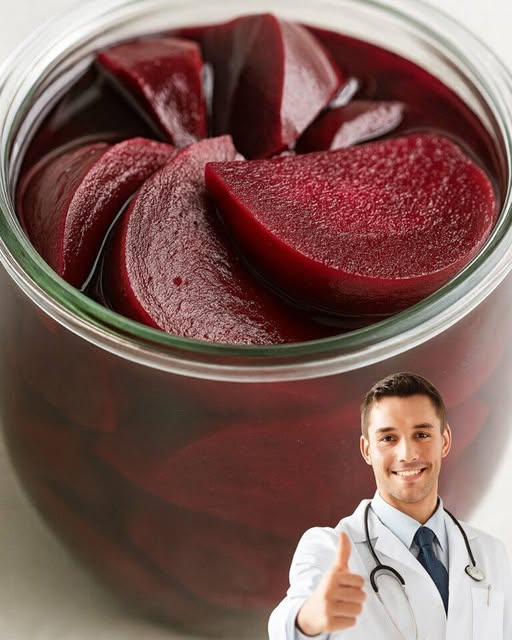
What Happens to Your Body When You Start Eating Beets Every Day

Beets may look simple, but they are one of the most powerful natural foods you can add to your daily diet. Whether eaten raw, boiled, roasted, juiced, or pickled, beets are packed with nutrients that can cause noticeable changes in your body—often within just a few weeks. From improving blood flow to supporting digestion and brain health, eating beets every day can quietly transform your overall well-being. Here’s what really happens to your body when beets become a daily habit.

1. Your Blood Pressure May Drop Naturally

One of the most well-known benefits of beets is their ability to help lower blood pressure. Beets are rich in natural nitrates, which your body converts into nitric oxide. This compound relaxes and widens blood vessels, allowing blood to flow more easily.

As a result, regular beet consumption may:

  • Reduce systolic and diastolic blood pressure

  • Improve circulation

  • Lower strain on the heart

Many people notice improved blood pressure readings after just a few days to a couple of weeks of daily beet intake.

2. Your Energy and Stamina Can Increase

If you start eating beets every day, you may feel more energetic—especially during physical activity. Nitric oxide not only improves blood flow but also helps muscles use oxygen more efficiently.

This can lead to:

  • Better endurance

  • Less fatigue during exercise

  • Improved athletic performance

That’s why beet juice is popular among athletes and fitness enthusiasts. Even if you’re not exercising intensely, improved oxygen delivery can help you feel less tired throughout the day.

3. Your Digestion Becomes Healthier

Beets are high in dietary fiber, which plays a vital role in digestive health. Eating them daily helps keep your intestines moving smoothly and supports healthy gut bacteria.

Digestive benefits include:

  • Reduced constipation

  • Better bowel regularity

  • Improved gut health

Additionally, beets support bile production in the liver, which aids fat digestion and overall digestive efficiency.

4. Your Liver Gets Extra Support

Your liver works nonstop to filter toxins from your body, and beets can help lighten its load. Beets contain betalains—powerful antioxidants that support liver detoxification and reduce inflammation.

With regular beet consumption:

  • The liver may process toxins more efficiently

  • Fat buildup in the liver may decrease

  • Overall liver function can improve

This makes beets especially beneficial for people exposed to processed foods, pollution, or high stress.

5. Your Brain Function May Improve

As you age, blood flow to the brain naturally decreases. Beets can help counteract this process. The nitrates in beets improve circulation not only to the heart but also to the brain.

Eating beets daily may:

  • Enhance focus and mental clarity

  • Support memory

  • Reduce the risk of age-related cognitive decline

Better blood flow means more oxygen and nutrients reach brain cells, helping them function more efficiently.

6. Inflammation in Your Body May Decrease

Chronic inflammation is linked to many health problems, including arthritis, heart disease, and autoimmune conditions. Beets are rich in anti-inflammatory compounds that help calm inflammation at the cellular level.

With daily beet intake, you may notice:

  • Reduced joint stiffness

  • Less muscle soreness

  • Improved recovery after physical activity

This anti-inflammatory effect is gentle but cumulative, becoming more noticeable over time.

7. Your Blood Sugar Control May Improve

Despite their natural sweetness, beets have a low to moderate glycemic load when eaten whole. Their fiber content slows sugar absorption into the bloodstream.

Benefits include:

  • More stable blood sugar levels

  • Reduced sugar cravings

  • Better insulin sensitivity

This makes beets a smart choice when eaten in moderation, even for people monitoring their blood sugar.

8. Your Skin May Start to Glow

Beets are loaded with vitamin C, iron, and antioxidants—nutrients essential for healthy skin. By improving blood circulation and supporting detoxification, beets help nourish your skin from the inside out.

Over time, you may notice:

  • Brighter, more even skin tone

  • Fewer breakouts

  • Reduced dullness

Many people describe beet-related skin improvements as a natural “inner glow.”

9. Your Urine or Stool May Change Color (Don’t Panic)

One surprising effect of eating beets every day is reddish or pink urine and stool—a harmless condition called beeturia. It’s more noticeable in people with lower stomach acid or iron deficiency.

This color change:

  • Is completely safe

  • Usually disappears within 24–48 hours

  • Is simply your body eliminating beet pigments

How to Eat Beets Daily (Safely)

To enjoy the benefits without overdoing it:

  • Eat ½ to 1 cup of cooked beets daily

  • Rotate between raw, cooked, or pickled forms

  • Drink beet juice in small portions

If you have kidney stones or low blood pressure, consult a healthcare professional before increasing beet intake.

Final Thoughts

Eating beets every day can bring powerful yet gentle changes to your body—better circulation, improved digestion, enhanced energy, and stronger brain and liver health. While they may not work miracles overnight, their benefits build steadily with consistency. Simple, affordable, and deeply nourishing, beets are one of nature’s most underrated superfoods.

15 Hidden Atorvastatin Side Effects Your Doctor May Not Have Time to Mention

Atorvastatin—commonly known by the brand name Lipitor—is one of the most widely prescribed medications in the world. Doctors rely on it to lower LDL (“bad”) cholesterol, reduce plaque buildup in arteries, and decrease the risk of heart attack and stroke. For many people, it’s truly lifesaving.

But like all medications, atorvastatin can come with side effects—some well-known, others rarely discussed during quick clinic visits. Most people never experience serious problems, yet understanding these less-talked-about effects empowers you to notice early warning signs and have better conversations with your healthcare provider.

Here are 15 hidden or lesser-known atorvastatin side effects you should be aware of before your next refill.

1. Muscle Weakness (Not Just Muscle Pain)

You’ve probably heard about muscle aches, but atorvastatin can also cause subtle muscle weakness—trouble climbing stairs, lifting groceries, or getting up from a chair. This can happen even without pain.

2. Persistent Fatigue

Some users report ongoing tiredness that doesn’t improve with rest. This fatigue may stem from how statins affect energy production inside muscle cells.

3. Brain Fog or Memory Lapses

Difficulty concentrating, forgetfulness, or feeling “mentally cloudy” has been reported by some patients. While research is mixed, many people notice improvement after dosage adjustments.

4. Sleep Disturbances

Insomnia, vivid dreams, or restless sleep may occur, especially when the medication is taken at night. Cholesterol plays a role in hormone production, including melatonin.

5. Digestive Discomfort

Beyond nausea or diarrhea, atorvastatin can cause bloating, gas, constipation, or stomach cramps—symptoms that may be mistaken for food intolerance.

6. Increased Blood Sugar Levels

Atorvastatin may slightly raise blood glucose levels, which is especially important for people with prediabetes or type 2 diabetes. Regular monitoring is essential.

7. New-Onset Diabetes Risk

Long-term use has been linked to a small increased risk of developing diabetes in certain individuals—particularly those already at risk due to weight or family history.

8. Joint Pain or Stiffness

Unexplained joint discomfort, especially in the knees, hips, or hands, can sometimes be associated with statin use and may worsen with activity.

9. Liver Enzyme Elevations

Atorvastatin can raise liver enzymes without obvious symptoms. In rare cases, this may signal liver stress, which is why periodic blood tests are recommended.

10. Dark-Colored Urine

This can be an early sign of muscle breakdown (rhabdomyolysis), a very rare but serious condition. It often appears alongside severe muscle weakness or pain.

11. Reduced Exercise Tolerance

Some people notice they tire faster during workouts or daily walks. Statins can affect mitochondrial function, which plays a key role in endurance.

12. Peripheral Neuropathy (Tingling or Numbness)

Long-term use may, in rare cases, contribute to nerve-related symptoms such as tingling, burning, or numbness in the hands or feet.

13. Hormonal Changes

Cholesterol is a building block for hormones. Some users report reduced libido or sexual dysfunction, although this is not officially listed as a common side effect.

14. Increased Sensitivity to Alcohol

Alcohol may feel “stronger” while on atorvastatin, and combined use can put extra strain on the liver. Even moderate drinking may cause stronger reactions.

15. Skin Reactions

Unusual itching, rash, flushing, or increased sensitivity to sunlight can occur. These symptoms are often overlooked or blamed on allergies.

Why Doctors May Not Mention These

Doctors often focus on life-threatening risks versus benefits—and for most people, the heart-protective benefits of atorvastatin outweigh potential side effects. Time-limited appointments also make it difficult to cover every possibility.

What You Should Do Instead of Stopping the Medication

Never stop atorvastatin abruptly without medical advice. If you experience concerning symptoms:

Track when symptoms started

Note changes in dose or timing

Ask about dosage adjustment, timing changes, or alternative statins

Discuss lifestyle strategies that may allow for lower doses

The Bottom Line

Atorvastatin saves lives, but it isn’t one-size-fits-all. Being informed doesn’t mean being fearful—it means being proactive. Understanding these hidden side effects helps you recognize what’s normal, what’s not, and when to speak up.

Your health works best when you and your doctor are on the same team—and knowledge is your strongest tool before your next refill.

5 signs that the Holy Spirit is working in your life

5 Signs That the Holy Spirit Is Working in Your Life

Many people wonder whether God is truly present in their daily lives. While the Holy Spirit does not always announce His presence with dramatic signs, Scripture teaches that His work is often revealed through quiet but powerful changes within us. The Holy Spirit transforms hearts, guides decisions, and shapes character in ways that draw us closer to God and others. If you’ve ever sensed an inner shift toward peace, love, or truth, it may be more than coincidence. Here are five clear signs that the Holy Spirit is working in your life.

1. A Growing Desire for God and Spiritual Things

One of the strongest signs of the Holy Spirit’s presence is a deepening hunger for God. You may notice a new or stronger desire to pray, read Scripture, attend worship, or learn more about faith. What once felt boring or unimportant may now feel meaningful and necessary.

This desire doesn’t come from human effort alone. The Bible says, “No one can say, ‘Jesus is Lord,’ except by the Holy Spirit” (1 Corinthians 12:3). When your heart is drawn toward God—not out of fear or obligation, but genuine longing—it reflects the Spirit awakening your soul.

You may also feel uncomfortable when you drift away from spiritual practices. This gentle conviction is not meant to condemn you but to draw you back into a closer relationship with God.

2. Conviction of Sin and a Desire to Change

The Holy Spirit lovingly exposes areas of your life that need healing or correction. This doesn’t feel like harsh judgment; instead, it’s a quiet inner awareness that certain thoughts, habits, or behaviors no longer align with God’s will.

You may begin to feel remorse for actions you once ignored or justified. More importantly, you may feel a sincere desire to change—not just to avoid consequences, but to honor God and live differently.

Jesus said the Holy Spirit would “convict the world concerning sin and righteousness” (John 16:8). Conviction is a gift. It shows that God cares enough to refine your heart and lead you toward freedom, not shame.

3. Evidence of the Fruit of the Spirit

A powerful sign of the Holy Spirit’s work is visible change in your character. Galatians 5:22–23 describes the fruit of the Spirit as love, joy, peace, patience, kindness, goodness, faithfulness, gentleness, and self-control.

These qualities often develop gradually. You may notice that you respond more calmly to stress, forgive more easily, or feel compassion where you once felt anger. Even small changes matter. Spiritual growth is not about perfection, but direction.

If others begin to comment on your peace, kindness, or patience, it may be evidence that the Holy Spirit is shaping your inner life in ways that go beyond your own strength.

4. Guidance and Inner Promptings

The Holy Spirit often guides believers through subtle inner promptings rather than loud instructions. You may feel a strong nudge to help someone, speak a word of encouragement, avoid a harmful situation, or make a difficult but wise decision.

Sometimes this guidance feels like a quiet knowing that won’t go away. Other times, it comes through Scripture, prayer, or godly counsel that aligns perfectly with your situation.

Romans 8:14 says, “For those who are led by the Spirit of God are the children of God.” As you learn to listen and respond, you may find that God’s guidance brings peace—even when the path is challenging.

5. A Deep, Unexplainable Peace

One of the most comforting signs of the Holy Spirit’s presence is peace that doesn’t depend on circumstances. This peace can exist even during hardship, grief, or uncertainty. It doesn’t deny pain but provides strength to endure it.

Philippians 4:7 describes it as “the peace of God, which surpasses all understanding.” When life feels overwhelming, yet you sense calm and trust deep within, that peace is not human—it is spiritual.

This peace reminds you that you are not alone, that God is in control, and that His presence surrounds you even in life’s storms.

Final Thoughts

The Holy Spirit works uniquely in each person, but His purpose is always the same: to draw us closer to God, transform our hearts, and reflect Christ through our lives. These signs are not meant to be a checklist or a test of worthiness, but gentle confirmations of God’s ongoing work within you.

If you recognize even one of these signs, take heart. Spiritual growth is a journey, and the Holy Spirit is faithful to continue the work He has begun. Stay open, stay prayerful, and trust that God is moving in your life—often in ways you may not fully see yet.

Fall Awakening Breathing Life into House Flowers with a Little Secret

Fall Awakening: Breathing Life into House Flowers with a Little Secret

As summer fades and autumn settles in, many houseplants quietly slip into survival mode. Days grow shorter, sunlight weakens, indoor air becomes drier, and suddenly your once-lush house flowers look tired, pale, or reluctant to bloom. Leaves may yellow, growth slows, and flowering plants seem to “go to sleep.” But fall doesn’t have to mean decline. In fact, with the right care—and one simple secret—you can help your house flowers awaken, strengthen, and stay vibrant well into the cooler months.

Why House Flowers Struggle in Fall

Fall brings subtle but important changes to a plant’s environment. Reduced daylight affects photosynthesis, meaning plants produce less energy. Indoor heating lowers humidity, drying out leaves and soil faster than expected. At the same time, many people continue summer watering routines, which can lead to soggy roots and root rot.

Flowering houseplants like orchids, African violets, peace lilies, begonias, and geraniums are especially sensitive during seasonal transitions. They don’t necessarily need more care—but they need smarter care.

The First Step: Reset Your Fall Routine

Before revealing the little secret, it’s important to reset your plant care habits for fall.

1. Adjust watering.
Most house flowers need less water in fall. Always check the top inch of soil before watering. If it feels dry, water thoroughly. If not, wait. Overwatering is the number one cause of fall plant stress.

2. Move toward the light.
As daylight weakens, move plants closer to windows. East- or south-facing windows are ideal. Rotate pots weekly so plants grow evenly and don’t lean.

3. Clean the leaves.
Dust blocks light. Gently wipe leaves with a damp cloth to improve photosynthesis and give your plants an instant refresh.

4. Watch the temperature.
Keep flowers away from cold drafts and heat vents. Sudden temperature changes shock plants and can cause buds to drop.

The Little Secret: Gentle Mineral Boosting

Here’s the simple secret many experienced plant lovers use in fall: a light mineral boost using Epsom salt water—used correctly and sparingly.

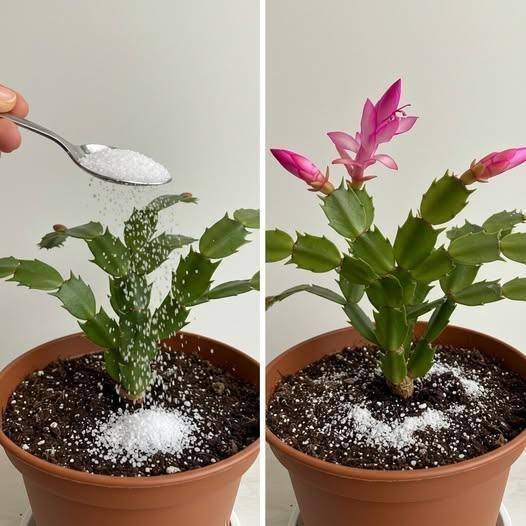
Epsom salt (magnesium sulfate) provides magnesium, a key element in chlorophyll production. Magnesium helps plants use light more efficiently, which is especially valuable during darker fall days. When plants lack magnesium, leaves may yellow and flowering can slow.

How to use it safely:

  • Dissolve ½ teaspoon of Epsom salt in 1 liter (about 4 cups) of water

  • Use this solution once every 4–6 weeks

  • Apply only to moist soil, never dry soil

  • Suitable for flowering plants like roses (indoors), orchids, African violets, and peace lilies

This is not a fertilizer replacement—it’s a gentle support that helps plants adapt to reduced light and seasonal stress.

Why This Works in Fall

During fall, plants aren’t actively growing fast, but they are adjusting internally. Magnesium supports:

  • Stronger leaf color

  • Better energy production

  • Healthier root function

  • Improved flower formation in blooming plants

Used sparingly, it helps “wake up” sluggish plants without forcing unnatural growth.

Support Your Flowers with Humidity

Another key to fall success is humidity. Indoor air becomes dry as heating systems turn on, and many flowering plants come from tropical environments.

Simple ways to increase humidity:

  • Place a bowl of water near plants

  • Group plants together to create a humid microclimate

  • Use a pebble tray with water under pots

  • Lightly mist leaves in the morning (avoid fuzzy-leaf plants)

Balanced humidity keeps buds from drying out and leaves from curling.

Reduce Feeding, Not Care

Many people stop fertilizing completely in fall, which can weaken flowering plants. Instead of heavy feeding, switch to a diluted balanced fertilizer once every 4–6 weeks. This maintains nutrients without overstimulating growth.

Combined with the occasional mineral boost, this approach keeps plants nourished but calm—exactly what they need during seasonal change.

Signs Your Plants Are Awakening

Within a few weeks of proper fall care, you may notice:

  • Deeper green leaves

  • Stronger stems

  • New leaf growth

  • Bud formation or longer-lasting flowers

  • Less leaf drop

These are signs your house flowers have adapted and are thriving, not merely surviving.

A Gentle Reminder

Less is more in fall. Plants don’t need constant interference—they need consistency, light, and small adjustments. The little secret isn’t magic; it’s understanding what your plants quietly ask for during this transition.

Final Thoughts

Fall doesn’t signal the end of beauty indoors—it’s an opportunity to create a calm, healthy environment where house flowers can rest, recharge, and quietly shine. With mindful watering, better light, humidity support, and a gentle mineral boost, your indoor garden can remain alive, colorful, and full of life all season long.

Sometimes, breathing life into house flowers isn’t about doing more—it’s about doing just enough, at exactly the right time. 🌿

9 uses of Nivea cream that you didn’t know about and that will leave you speechless

Nivea Cream is one of those timeless products almost everyone recognizes. That iconic blue tin has been sitting on bathroom shelves, bedside tables, and dressing vanities for generations. Most people use it as a basic moisturizer for dry skin—but that’s only scratching the surface. Thanks to its rich texture, skin-protective ingredients, and versatility, Nivea Cream can do far more than you might imagine.

Here are 9 surprising uses of Nivea Cream that many people don’t know about—and once you try them, you may never look at that blue tin the same way again.

1. A Powerful Overnight Hand Repair Mask

If your hands are dry, rough, or cracked from frequent washing, cleaning, or cold weather, Nivea Cream can work wonders overnight. Its thick, occlusive texture locks in moisture and supports the skin’s natural repair process.

How to use:
Before bed, apply a generous layer to your hands, massage well, and wear cotton gloves while sleeping. In the morning, your hands will feel noticeably softer, smoother, and more nourished.

2. Deep Moisture for Cracked Heels and Feet

Dry, cracked heels are a common problem, especially in hot climates or for people who walk barefoot or wear open shoes. Nivea Cream acts as a barrier, preventing moisture loss and softening hardened skin.

How to use:
After washing your feet, apply a thick layer to heels and soles, then wear socks for a few hours or overnight. With regular use, cracks can become less visible and skin feels more comfortable.

3. A Gentle Makeup Remover for Dry Skin

Many makeup removers contain alcohol or harsh surfactants that can irritate sensitive or dry skin. Nivea Cream offers a gentler alternative, especially for removing foundation or heavy makeup.

How to use:
Massage a small amount onto dry skin, focusing on makeup areas, then wipe away with a soft cotton pad or damp cloth. Skin feels clean, soft, and not stripped of moisture.

4. Taming Eyebrows and Flyaway Hair

This is a beauty secret makeup artists have used for years. A tiny amount of Nivea Cream can tame unruly eyebrows or smooth flyaway hair strands.

How to use:
Rub a very small amount between your fingers, then lightly smooth over brows or hair. Less is more—too much can look greasy.

5. Soothing Dry Elbows and Knees

Elbows and knees often get neglected and can become dark, rough, or flaky. Because Nivea Cream is thicker than regular lotions, it’s especially effective on these tough areas.

How to use:
Apply daily after showering while skin is still slightly damp. Over time, skin appears smoother and more even in texture.

6. A Protective Barrier in Cold or Windy Weather

Harsh weather can strip moisture from the skin, leading to redness, tightness, and irritation. Nivea Cream creates a protective layer that shields skin from environmental stress.

How to use:
Apply a thin layer to exposed areas like cheeks, hands, and lips before going outdoors in cold or windy conditions.

7. Softening Cuticles Without Harsh Chemicals

Dry cuticles can make nails look untidy and may even lead to painful hangnails. Instead of specialized cuticle products, Nivea Cream works just as well.

How to use:
Massage a small amount into cuticles daily. This helps keep them soft, flexible, and well-groomed.

8. Reviving Extremely Dry Skin After Showering

Many people apply lotion hours after bathing, when skin is already dry. Nivea Cream is especially effective when used immediately after a shower.

How to use:
Pat skin lightly with a towel, leaving it slightly damp, then apply Nivea Cream. This helps seal in moisture and keeps skin hydrated for longer.

9. Gentle Care for Tattooed Skin (After Healing)

Once a tattoo has fully healed, keeping the skin moisturized helps maintain its appearance and comfort. Nivea Cream can help prevent dryness and flaking.

How to use:
Apply a thin layer to healed tattoos to keep skin soft and smooth. Always avoid using on fresh, unhealed tattoos unless advised by a professional.

Why Nivea Cream Is So Versatile

The secret behind Nivea Cream’s versatility lies in its rich formulation. It helps reduce moisture loss, supports the skin barrier, and works well for people with dry or sensitive skin. Because it’s fragrance-balanced and widely trusted, it has become a multi-purpose staple in many households.

Final Thoughts

Sometimes the most powerful beauty and skincare solutions aren’t new or expensive—they’re already sitting in your cabinet. Nivea Cream is proof that a simple, classic product can have countless uses beyond basic moisturizing.

Doctors reveal that consuming okra causes

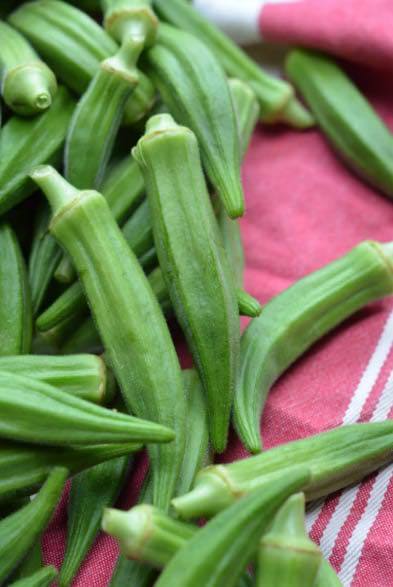
Doctors Reveal What Consuming Okra Causes in the Body: Benefits, Side Effects, and Surprising Health Effects

Okra, also known as lady’s finger, is a green vegetable widely used in traditional cooking across Asia, Africa, and the Middle East. While many people enjoy it for its taste and texture, doctors and nutrition experts have increasingly highlighted what consuming okra actually causes in the body. From improved digestion to blood sugar control, okra offers impressive health benefits—but it also comes with a few important warnings. Here is a complete, doctor-backed look at what happens when you eat okra regularly.


1. Improved Digestive Health

Doctors agree that one of the most noticeable effects of consuming okra is better digestion. Okra is rich in soluble and insoluble fiber, which helps regulate bowel movements and prevent constipation. The sticky, gel-like substance inside okra—often called mucilage—coats the digestive tract and makes stool pass more smoothly.

This natural lubrication can be especially helpful for people who suffer from chronic constipation, bloating, or irritable bowel discomfort. Fiber also feeds beneficial gut bacteria, supporting a healthier microbiome and improved overall digestion.


2. Stabilized Blood Sugar Levels

One of the most talked-about effects of okra consumption is its impact on blood sugar. Doctors have observed that okra may help slow the absorption of sugar in the intestines, which can prevent sudden spikes in blood glucose levels.

This is why okra is often recommended as a supportive food for people with type 2 diabetes or insulin resistance. The fiber content helps regulate carbohydrate digestion, while certain compounds in okra seeds may improve insulin sensitivity. However, doctors emphasize that okra should complement—not replace—prescribed diabetes treatment.


3. Lower Cholesterol and Heart Protection

Consuming okra can also positively affect heart health. Doctors explain that the soluble fiber in okra binds to cholesterol in the digestive system and helps remove it from the body. Over time, this may lead to lower LDL (bad) cholesterol levels.

In addition, okra contains antioxidants such as flavonoids and polyphenols, which reduce inflammation and protect blood vessels. Regular consumption may help lower the risk of heart disease, high blood pressure, and stroke when combined with a balanced diet and healthy lifestyle.


4. Weight Management Support

Doctors often recommend okra to people trying to lose or manage weight. Okra is low in calories but high in fiber, which promotes a feeling of fullness and reduces unnecessary snacking.

Because it digests slowly, okra helps control appetite and stabilize energy levels throughout the day. This makes it an excellent vegetable for weight-conscious individuals without sacrificing nutrition.


5. Stronger Immunity and Reduced Inflammation

Okra is rich in vitamin C, vitamin A, and antioxidants that support immune function. Doctors note that regular consumption may help the body fight infections more effectively and recover faster from illness.

The antioxidants in okra also reduce oxidative stress, which is linked to aging, chronic inflammation, and many long-term diseases. This anti-inflammatory effect may benefit joints, skin, and internal organs.


6. Healthier Skin and Hair

Another effect doctors highlight is improved skin and hair health. Okra contains vitamins that support collagen production, keeping skin firm and hydrated. The antioxidants help combat damage caused by pollution and UV exposure.

For hair, okra’s nutrients strengthen follicles, reduce dryness, and may even help with dandruff when consumed regularly as part of a nutrient-rich diet.


7. Possible Side Effects Doctors Warn About

Despite its many benefits, doctors caution that consuming okra may cause side effects in certain individuals. Okra contains oxalates, which can contribute to kidney stone formation in people who are prone to them.

Additionally, the fructans in okra may cause gas, bloating, or abdominal discomfort in people with sensitive digestion or IBS. Eating large amounts suddenly can worsen these symptoms.

Doctors also warn that okra may interfere with the medication metformin in some diabetic patients, potentially affecting blood sugar control. Anyone on medication should consult a healthcare professional before consuming okra in large or medicinal amounts.


8. Best Way to Consume Okra Safely

Doctors recommend eating okra cooked rather than raw to reduce digestive discomfort and improve nutrient absorption. Light steaming, sautéing, or adding it to soups and stews preserves most of its health benefits.

Moderation is key. Including okra a few times a week as part of a varied diet is enough to enjoy its benefits without risking side effects.


Final Thoughts

Doctors reveal that consuming okra causes a wide range of effects in the body—from improved digestion and blood sugar control to stronger immunity and heart health. While it is a powerful and nutritious vegetable, it should be consumed wisely and in moderation.

When used as part of a balanced diet, okra can be a simple, natural way to support overall health. As always, individuals with medical conditions should consult their doctor before making significant dietary changes.

Remove tartar from your teeth and whiten them with this simple recipe

If you’ve been searching Google for “how to remove tartar from teeth naturally,” “teeth whitening at home,” “remove plaque and tartar,” or “natural teeth whitening remedies,” you’re not alone. Millions of people want a brighter smile without expensive dental treatments. But before we dive in, it’s important to separate myths from facts—because when it comes to tartar, honesty protects your teeth and gums.

Let’s explore a safe, simple home-care recipe, what it can and cannot do, and the best dentist-approved ways to keep your teeth white and tartar-free.

What Is Tartar and Why Is It So Hard to Remove?

Tartar (also called dental calculus) forms when plaque hardens on teeth. Plaque is a sticky film of bacteria that builds up daily from food, drinks, and saliva. If plaque isn’t removed within 24–48 hours, it mineralizes and turns into tartar.

Important truth:
👉 Tartar cannot be fully removed at home once it has hardened.
Only a dentist or dental hygienist can safely remove tartar using professional tools.

However, the good news is that you can:

  • Prevent plaque from turning into tartar

  • Reduce surface stains

  • Make teeth appear whiter

  • Improve overall oral hygiene naturally

The Simple Recipe That Helps Prevent Tartar and Whiten Teeth

This natural teeth-cleaning recipe is popular because it uses ingredients found in many homes. It does not replace professional cleaning, but it helps control plaque and surface discoloration.

Ingredients:

  • ½ teaspoon baking soda

  • A few drops of fresh lemon juice or water

  • A soft-bristled toothbrush

How to Use:

  1. Mix baking soda with enough liquid to form a smooth paste.

  2. Gently brush your teeth for 30–60 seconds.

  3. Rinse thoroughly with water.

  4. Use no more than once per week.

Why This Recipe Works (When Used Correctly)

Baking Soda Benefits for Teeth

  • Neutralizes acids in the mouth

  • Helps loosen plaque

  • Mild abrasive that removes surface stains

  • Leaves teeth looking brighter

Lemon Juice – Use With Caution

  • Contains citric acid that helps break down stains

  • Can weaken enamel if overused

⚠️ Overuse warning: Excessive brushing with baking soda or lemon can damage enamel and increase tooth sensitivity.

What This Recipe Can and Cannot Do

✅ What It Can Do:

  • Reduce plaque buildup

  • Remove surface stains from coffee, tea, and smoking

  • Improve breath freshness

  • Make teeth appear whiter

❌ What It Cannot Do:

  • Remove hardened tartar

  • Replace dental scaling

  • Fix cavities or gum disease

If you see yellow or brown buildup stuck to teeth, that is tartar—and it requires professional care.

Best Natural Ways to Prevent Tartar Buildup (Dentist-Approved)

To truly control tartar and maintain white teeth, consistency matters more than “miracle” remedies.

1. Brush Twice Daily (The Right Way)

Use a fluoride toothpaste and brush for at least 2 minutes, especially along the gum line where tartar forms most.

2. Floss Every Day

Floss removes plaque where toothbrushes can’t reach—between teeth and under the gums.

3. Use an Antiseptic Mouthwash

Mouthwash helps kill bacteria that cause plaque and bad breath.

4. Eat Crunchy Fruits and Vegetables

Apples, carrots, and celery naturally scrub teeth and stimulate saliva production.

5. Limit Sugar and Acidic Drinks

Sugary foods and sodas feed plaque-forming bacteria.

Common Google Search Myths About Tartar Removal

❌ “Scraping tartar with metal tools at home”

This can permanently damage enamel and gums. Never try it.

❌ “Hydrogen peroxide cures tartar”

It may whiten teeth but does not remove tartar and can irritate gums.

❌ “Salt and vinegar remove tartar instantly”

Highly acidic—can erode enamel and worsen sensitivity.

When You Should See a Dentist Immediately

Seek professional care if you notice:

  • Bleeding gums

  • Persistent bad breath

  • Yellow or brown hard deposits on teeth

  • Gum recession or tooth sensitivity

Professional dental cleaning is the only safe way to remove tartar completely.

Final Thoughts: The Truth About Tartar and Whitening

There is no magic home recipe that removes tartar overnight. However, using gentle natural methods like baking soda correctly and occasionally can help control plaque, brighten teeth, and support oral hygiene.

For long-term results:

  • Combine good daily habits

  • Use natural remedies sparingly

  • Get professional cleanings regularly

A healthy smile isn’t about shortcuts—it’s about smart care and consistency.