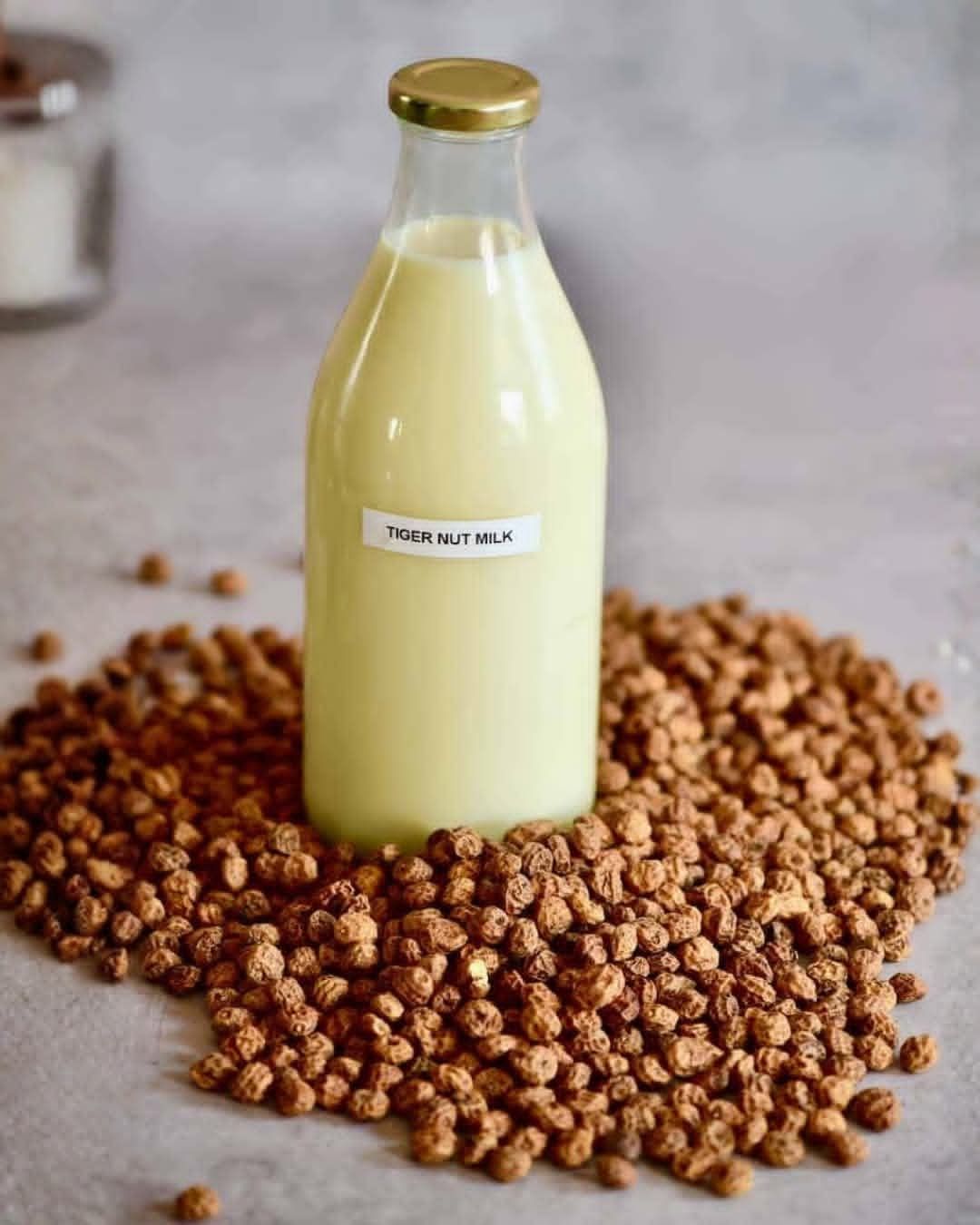
TIGER NUTS THE SMALL SNACK WITH BIG HEALTH BENEFITS

Tiger nuts may be tiny, but don’t let their size fool you. This humble, crunchy snack has been enjoyed for thousands of years and is now making a strong comeback among health-conscious eaters. Despite the name, tiger nuts are not actually nuts at all—they are small root vegetables, also known as Cyperus esculentus, that grow underground. Naturally sweet, rich in nutrients, and incredibly versatile, tiger nuts deserve a place in your daily diet.

Let’s explore why tiger nuts are considered a nutritional powerhouse and how they can benefit your overall health.


What Are Tiger Nuts?

Tiger nuts are small, wrinkled tubers with a slightly chewy texture and a naturally sweet, nutty flavor. They have been consumed since ancient times, especially in Africa and the Mediterranean region. In Spain, they are famously used to make horchata de chufa, a refreshing plant-based drink.

Because they are not true nuts, tiger nuts are safe for people with nut allergies, making them an excellent alternative snack.


1. Excellent for Digestive Health

One of the standout benefits of tiger nuts is their high fiber content. They contain both soluble and insoluble fiber, which helps:

  • Promote regular bowel movements

  • Prevent constipation

  • Support healthy gut bacteria

  • Improve nutrient absorption

Tiger nuts also contain resistant starch, a type of fiber that feeds beneficial gut microbes. A healthy gut is closely linked to better immunity, improved mood, and overall well-being.


2. Naturally Boosts Energy

Tiger nuts are rich in complex carbohydrates, which provide slow and steady energy throughout the day. Unlike refined snacks that cause sugar spikes and crashes, tiger nuts help keep energy levels stable.

They also contain important minerals like iron, magnesium, and potassium, which play a key role in muscle function, oxygen transport, and reducing fatigue.

This makes tiger nuts a great snack for:

  • Busy professionals

  • Students

  • Athletes

  • Anyone needing sustained energy


3. Supports Heart Health

Tiger nuts contain healthy fats, especially monounsaturated fats similar to those found in olive oil. These fats are known to support heart health by:

  • Helping balance cholesterol levels

  • Supporting healthy blood circulation

  • Reducing strain on the cardiovascular system

In addition, the fiber in tiger nuts may help reduce the absorption of unhealthy fats, contributing to better heart health over time.


4. Helps Control Blood Sugar Levels

Despite their natural sweetness, tiger nuts have a low glycemic impact. Their fiber content slows down sugar absorption in the bloodstream, which helps prevent sharp spikes in blood sugar.

This makes tiger nuts a smart snack choice for:

  • People watching their sugar intake

  • Those aiming to maintain balanced energy levels

  • Individuals following diabetic-friendly or low-sugar diets


5. Packed with Essential Nutrients

Tiger nuts are loaded with vitamins and minerals that support overall health, including:

  • Vitamin E – a powerful antioxidant that helps protect cells from damage

  • Magnesium – supports muscle function, nerve health, and relaxation

  • Potassium – helps regulate blood pressure and fluid balance

  • Phosphorus – supports strong bones and teeth

Together, these nutrients help the body function efficiently and support long-term wellness.


6. May Support Weight Management

Thanks to their fiber and healthy fat content, tiger nuts help you feel full and satisfied for longer. This can reduce unnecessary snacking and overeating.

Their natural sweetness can also help curb sugar cravings, making them a great alternative to processed snacks, cookies, or candies.


7. Good for Skin and Hair

The vitamin E and healthy fats found in tiger nuts may contribute to:

  • Healthier-looking skin

  • Improved skin elasticity

  • Stronger, shinier hair

Antioxidants help combat oxidative stress, which is linked to premature aging of the skin.


8. Naturally Gluten-Free and Plant-Based

Tiger nuts are:

  • Gluten-free

  • Dairy-free

  • Nut-free

  • Vegan-friendly

This makes them suitable for people with food sensitivities or those following specialized diets.


How to Enjoy Tiger Nuts

Tiger nuts are incredibly versatile. You can enjoy them in many ways:

  • Raw or soaked for easier chewing

  • Roasted for extra crunch

  • Blended into smoothies

  • Ground into tiger nut flour for baking

  • Used to make tiger nut milk (a dairy-free alternative)

Soaking tiger nuts overnight can make them softer and easier to digest while enhancing their natural sweetness.


Final Thoughts

Tiger nuts truly live up to their reputation as a small snack with big health benefits. From supporting digestion and heart health to boosting energy and providing essential nutrients, these ancient tubers are a modern-day superfood.

Whether you’re looking for a healthier snack, a nut-free alternative, or a natural way to support overall wellness, tiger nuts are a simple and delicious option worth trying.

Sometimes, the smallest foods make the biggest difference. 🌰✨

23 Strange Signs Your Kidneys Might Be in Trouble

Your kidneys are small, bean-shaped organs, but they play a massive role in keeping your body healthy. They filter waste from your blood, balance fluids, regulate blood pressure, and help produce red blood cells. Because kidneys work quietly in the background, problems often develop slowly and without obvious warning. Surprisingly, kidney trouble can show up in strange and unexpected ways—far beyond pain in the lower back.

Here are 23 unusual signs that may indicate your kidneys are under stress and need medical attention.

1. Constant Fatigue

When kidneys fail to filter toxins properly, waste builds up in the blood, making you feel exhausted even after rest.

2. Foamy or Bubbly Urine

Excess foam can be a sign of protein leakage in urine, often linked to kidney damage.

3. Swelling in Feet, Ankles, or Face

Kidneys regulate fluid balance. When they struggle, fluid may accumulate in extremities and around the eyes.

4. Changes in Urination Frequency

Urinating more often at night—or much less than usual—can be an early warning sign.

5. Dark, Cloudy, or Bloody Urine

Healthy urine is pale yellow. Dark or reddish urine may indicate infection, stones, or kidney disease.

6. Persistent Itching

A buildup of waste products in the blood can cause intense and unexplained itching.

7. Metallic Taste in the Mouth

Toxin accumulation may alter taste, making food seem bitter or metallic.

8. Loss of Appetite

Kidney dysfunction often leads to nausea or a general disinterest in food.

9. Trouble Concentrating

Poor kidney function can reduce oxygen delivery to the brain, causing brain fog and difficulty focusing.

10. Shortness of Breath

Excess fluid can build up in the lungs, or anemia related to kidney disease may limit oxygen levels.

11. Muscle Cramps

Electrolyte imbalances—especially low calcium or potassium—can trigger cramps.

12. Dry or Flaky Skin

Kidneys help maintain mineral balance. When they fail, skin may become dry and irritated.

13. High Blood Pressure

Kidney disease and high blood pressure are closely linked, often worsening each other.

14. Puffy Eyes

Protein loss in urine may cause fluid retention around the eyes, especially noticeable in the morning.

15. Back or Side Pain

Pain near the lower ribs or sides may indicate kidney infection or stones.

16. Frequent Urinary Infections

Recurring UTIs may point to an underlying kidney issue.

17. Nausea and Vomiting

As toxins accumulate, digestive symptoms often appear.

18. Cold Sensitivity

Anemia caused by kidney disease can make you feel cold even in warm environments.

19. Ammonia-Like Breath

Waste buildup can cause breath to smell like ammonia or urine.

20. Difficulty Sleeping

Restless legs, muscle cramps, or toxin buildup can interfere with sleep.

21. Sudden Weight Changes

Fluid retention may cause rapid weight gain, while appetite loss can lead to weight loss.

22. Dizziness or Lightheadedness

Reduced red blood cell production can lead to poor circulation and dizziness.

23. Feeling Unwell Without a Clear Cause

General malaise, weakness, or a sense that “something isn’t right” can be an early but overlooked sign.


Why Early Detection Matters

Kidney disease often progresses silently. By the time severe symptoms appear, significant damage may already be done. Early detection allows for lifestyle changes, medication, and monitoring that can slow or even stop disease progression.

What You Should Do

If you notice several of these signs—especially changes in urine, swelling, or persistent fatigue—don’t ignore them. A simple blood test, urine test, or blood pressure check can provide valuable insight into kidney health.

Protecting Your Kidneys

  • Stay well hydrated

  • Control blood pressure and blood sugar

  • Limit excess salt and processed foods

  • Avoid unnecessary painkiller overuse

  • Get regular health checkups

Doctors reveal that eating eggs in the morning causes

For decades, eggs have been at the center of heated nutrition debates. One day they’re praised as a perfect food; the next, they’re blamed for raising cholesterol. Recently, however, many doctors and nutrition experts have reached a clearer consensus: eating eggs in the morning can cause a range of noticeable effects in your body—most of them surprisingly positive. From improved energy to better appetite control, here’s what really happens when eggs become part of your breakfast routine.

1. Longer-Lasting Fullness and Fewer Cravings

Doctors agree on one major benefit of morning eggs: they keep you full for longer. Eggs are rich in high-quality protein, which slows digestion and reduces hunger hormones like ghrelin. When you eat eggs for breakfast, you’re less likely to reach for sugary snacks mid-morning. Studies consistently show that people who eat eggs in the morning consume fewer calories throughout the day compared to those who eat cereal or pastries.

This is why many physicians recommend eggs for patients trying to manage their weight. Feeling satisfied early in the day helps stabilize eating patterns and prevents overeating later.

2. Steadier Blood Sugar Levels

Unlike carb-heavy breakfasts that can cause blood sugar spikes and crashes, eggs have virtually no impact on blood glucose. Doctors often point out that starting the day with protein and healthy fats helps keep blood sugar stable. This is especially important for people with insulin resistance, prediabetes, or type 2 diabetes.

By avoiding sudden blood sugar swings, eggs may help reduce fatigue, irritability, and that mid-morning “crash” many people experience after sweet breakfasts.

3. Improved Brain Function and Focus

Eggs are one of the best dietary sources of choline, a nutrient essential for brain health. Doctors explain that choline supports memory, learning, and nervous system function. When eaten in the morning, eggs can contribute to sharper focus and better mental clarity throughout the day.

Choline also plays a role in producing acetylcholine, a neurotransmitter involved in muscle control and cognitive performance. This makes eggs particularly beneficial for students, professionals, and older adults concerned about cognitive health.

4. Support for Muscle Strength and Metabolism

Eating eggs in the morning causes a positive effect on muscle maintenance and metabolic rate. Eggs contain all nine essential amino acids, making them a “complete protein.” Doctors often recommend eggs after overnight fasting because the body is primed to absorb nutrients in the morning.

This protein intake helps preserve lean muscle mass, especially as people age. More muscle means a higher resting metabolism, which supports long-term weight management and overall strength.

5. Improved Eye Health Over Time

Doctors also point to eggs as a valuable food for eye health. Egg yolks contain lutein and zeaxanthin, antioxidants that help protect the eyes from blue light damage and age-related macular degeneration. Eating eggs in the morning helps ensure regular intake of these nutrients, which are better absorbed from eggs than from many vegetables due to their natural fat content.

Over time, this may reduce the risk of vision decline, especially in adults over 40.

6. Cholesterol Myths vs. Medical Reality

One of the biggest concerns people have is cholesterol. Doctors now clarify that for most healthy individuals, eating eggs in the morning does not cause dangerous cholesterol levels. While eggs do contain dietary cholesterol, research shows that this has a minimal effect on blood cholesterol for the majority of people.

In fact, eggs may increase HDL (“good”) cholesterol, which helps remove excess cholesterol from the bloodstream. However, doctors advise moderation for individuals with specific conditions, such as familial hypercholesterolemia, and recommend discussing egg intake with a healthcare provider in those cases.

7. Better Mood and Nutrient Intake

Eggs provide several nutrients linked to mood regulation, including vitamin D, B vitamins, and healthy fats. Doctors note that starting the day with nutrient-dense food can positively influence mood and energy levels. Vitamin B12 and folate support the nervous system, while vitamin D plays a role in emotional well-being.

Because eggs are affordable, versatile, and easy to prepare, doctors often call them one of the most efficient ways to improve morning nutrition without complicated meal planning.

The Bottom Line

Doctors reveal that eating eggs in the morning causes a cascade of beneficial effects: longer satiety, steadier energy, improved focus, muscle support, and better nutrient absorption. For most people, eggs are a safe and powerful addition to breakfast when prepared in a healthy way—boiled, poached, or lightly cooked with minimal added fats.

As with any food, balance matters. Pairing eggs with vegetables, whole grains, or fruit can further enhance their benefits. But overall, medical experts increasingly agree: starting your day with eggs may be one of the simplest changes you can make for better health. 🍳

Slap Ya Mama Pound Cake

Slap Ya Mama Pound Cake: A Sweet Southern Delight

If you’re looking for a dessert that is rich, buttery, and downright irresistible, look no further than the Slap Ya Mama Pound Cake. This Southern classic has earned its playful name because one bite is so delicious, it’s like a flavor slap to your taste buds. Perfect for holidays, family gatherings, or simply treating yourself, this pound cake is a must-try for anyone who loves moist, decadent desserts.

What Makes Slap Ya Mama Pound Cake Special?

Unlike regular cakes, pound cakes are known for their dense, buttery texture. The Slap Ya Mama Pound Cake stands out for several reasons:

  • Rich, buttery flavor: Made with a generous amount of butter, which gives it that classic, melt-in-your-mouth taste.

  • Moist and tender texture: Despite its dense structure, this pound cake remains soft and moist for days.

  • Simple ingredients: No fancy additives are needed, just the basics you probably already have in your pantry.

  • Versatility: Perfect on its own, with a glaze, fresh berries, or even a scoop of ice cream.

Keywords: Southern pound cake, Slap Ya Mama cake recipe, buttery pound cake, easy Southern dessert

Ingredients You’ll Need

To make a classic Slap Ya Mama Pound Cake, gather these ingredients:

  • 2 cups (4 sticks) unsalted butter, softened

  • 3 cups granulated sugar

  • 8 large eggs, at room temperature

  • 3 cups all-purpose flour

  • 1/2 teaspoon baking powder

  • 1/2 teaspoon salt

  • 1 cup whole milk

  • 2 teaspoons pure vanilla extract

Optional for garnish or flavor enhancement:

  • Powdered sugar for dusting

  • Lemon or vanilla glaze

  • Fresh berries or whipped cream

Step-by-Step Instructions

1. Preheat and Prepare

  • Preheat your oven to 325°F (163°C).

  • Grease a 10-inch bundt pan or loaf pan thoroughly with butter and lightly dust with flour.

2. Cream Butter and Sugar

  • In a large mixing bowl, beat the softened butter and granulated sugar together until light, fluffy, and creamy.

  • This step is crucial for creating the cake’s signature texture.

3. Add Eggs

  • Beat in the eggs one at a time, ensuring each is fully incorporated before adding the next.

  • This helps maintain the cake’s structure and avoids curdling.

4. Combine Dry Ingredients

  • In a separate bowl, whisk together flour, baking powder, and salt.

  • Gradually add the dry ingredients to the butter mixture, alternating with milk. Start and end with the flour mixture.

5. Add Flavorings

  • Mix in vanilla extract for that classic, aromatic flavor.

  • Optional: Add a teaspoon of almond extract or citrus zest for a unique twist.

6. Bake to Perfection

  • Pour the batter into the prepared pan and smooth the top.

  • Bake for 75–90 minutes, or until a toothpick inserted in the center comes out clean.

  • Allow the cake to cool for 10–15 minutes before inverting it onto a wire rack.

7. Optional Glaze or Topping

  • For extra sweetness, drizzle a simple glaze over the cake: mix 1 cup powdered sugar with 2–3 tablespoons milk or lemon juice.

  • Garnish with fresh berries, a dusting of powdered sugar, or a scoop of ice cream for a dessert worthy of any celebration.

Tips for the Perfect Pound Cake

  • Room temperature ingredients: Butter, eggs, and milk should be at room temperature for smooth blending.

  • Don’t overmix: Overmixing can make the cake tough. Mix just until ingredients are combined.

  • Pan prep is key: A well-greased pan ensures your pound cake comes out cleanly and keeps its shape.

  • Storage: Pound cake keeps well at room temperature for 3–4 days, or refrigerate for up to a week. Wrap tightly to maintain moisture.

Serving Suggestions

  • Slice and serve with coffee for breakfast or brunch.

  • Pair with whipped cream and fresh strawberries for a classic Southern dessert.

  • Top with ice cream and caramel sauce for an indulgent treat.

  • Cube and use in bread pudding or trifles for a creative twist.

Why Everyone Loves Slap Ya Mama Pound Cake

The Slap Ya Mama Pound Cake isn’t just about taste; it’s about experience. Its buttery richness, tender crumb, and sweet aroma bring a comforting, homey feeling to any occasion. Whether you’re a seasoned baker or a beginner, this recipe is forgiving, straightforward, and always yields delicious results.

Keywords to remember: Slap Ya Mama Pound Cake recipe, Southern desserts, classic pound cake, buttery cake recipe, easy pound cake

Is it true that garlic kills 14 types of bacteria and 13 types of infections

Garlic, known scientifically as Allium sativum, has been celebrated for centuries not only as a flavorful culinary ingredient but also as a potent medicinal plant. Traditional medicine systems across the globe—from Ayurveda in India to Traditional Chinese Medicine—have long recommended garlic for treating infections and boosting overall health. Modern science has increasingly validated some of these claims, particularly garlic’s remarkable antibacterial and antimicrobial properties.

One of the most cited reasons garlic is considered medicinal is its rich content of sulfur-containing compounds, particularly allicin. Allicin is produced when fresh garlic cloves are crushed or chopped, activating an enzymatic reaction that converts alliin into allicin. This compound is highly reactive and possesses strong antibacterial, antifungal, and antiviral properties. Studies have shown that allicin can interfere with the growth of harmful microorganisms by disrupting their cellular function and metabolism.

The claim that garlic can “kill 14 types of bacteria and 13 types of infections” is somewhat simplified, but it is based on real research demonstrating garlic’s broad-spectrum antimicrobial activity. Laboratory studies have shown that garlic can inhibit or destroy various pathogenic bacteria, including:

  1. Escherichia coli (E. coli) – common cause of foodborne illness and urinary tract infections.

  2. Staphylococcus aureus – including methicillin-resistant strains (MRSA), which are responsible for skin infections and serious hospital-acquired infections.

  3. Salmonella – another major foodborne pathogen.

  4. Listeria monocytogenes – known for contaminating refrigerated foods and causing severe illness.

  5. Helicobacter pylori – a bacterium associated with stomach ulcers and chronic gastritis.

  6. Klebsiella – which can cause pneumonia, urinary tract infections, and bloodstream infections.

  7. Shigella – responsible for dysentery and gastrointestinal infections.

  8. Pseudomonas aeruginosa – often found in hospital settings and known for antibiotic resistance.

  9. Bacillus cereus – linked to food poisoning.

  10. Clostridium perfringens – another foodborne pathogen causing intestinal infections.

  11. Mycobacterium tuberculosis – preliminary studies suggest some inhibitory effects.

  12. Streptococcus species – including those causing throat infections.

  13. Enterococcus species – some of which are highly resistant to antibiotics.

  14. Vibrio species – including those causing cholera and seafood-borne infections.

These examples demonstrate garlic’s impressive antimicrobial range, which is why it is often called a “natural antibiotic.” It’s important to note, however, that much of this evidence comes from in vitro studies (laboratory experiments on bacteria outside the human body). While the antibacterial effect is clear in petri dishes, real-world efficacy can vary depending on the form of garlic (raw, cooked, or aged extract) and the dosage.

In addition to bacteria, garlic has shown activity against fungi and certain viruses. For instance, it can help inhibit Candida albicans, the fungus responsible for yeast infections, and may also offer mild antiviral effects against influenza and other viral pathogens. Hence, the statement about “13 types of infections” likely refers to this broader spectrum, including bacterial, fungal, and viral infections. These infections include:

  1. Respiratory infections (common cold, flu, bronchitis).

  2. Urinary tract infections (UTIs).

  3. Gastrointestinal infections (caused by Salmonella, E. coli, Shigella).

  4. Skin infections (caused by Staphylococcus aureus).

  5. Ear infections (otitis media).

  6. Yeast infections (Candida).

  7. Gastric ulcers (caused by H. pylori).

  8. Cholera (Vibrio infection).

  9. Pneumonia (caused by Klebsiella, Streptococcus).

  10. Food poisoning (caused by Bacillus cereus, Clostridium perfringens).

  11. Sinus infections (sinusitis).

  12. Hospital-acquired infections (resistant strains like MRSA or Pseudomonas).

  13. Viral respiratory infections (e.g., influenza-like illnesses).

Despite garlic’s proven potential, it is not a substitute for professional medical care. For severe bacterial infections, especially those requiring antibiotics, relying solely on garlic could be dangerous. However, garlic can complement conventional treatment, boost immunity, and may reduce infection severity. Moreover, it is generally safe for daily consumption in moderate amounts. The typical recommendation is 1–2 raw cloves per day, though supplements are available for those who dislike the strong taste or odor.

It is also worth noting that the way garlic is prepared affects its effectiveness. Crushing or chopping raw garlic and letting it sit for a few minutes before cooking can maximize allicin formation. Cooking at high temperatures for long periods, however, may destroy much of its antibacterial properties.

In conclusion, the claim that garlic kills “14 types of bacteria and 13 types of infections” is grounded in scientific evidence, though it is somewhat generalized. Garlic does indeed possess broad-spectrum antimicrobial properties thanks to compounds like allicin, and it has been shown in studies to inhibit many bacteria, fungi, and some viruses. While not a replacement for antibiotics or antiviral medications, garlic is a powerful natural supplement that can support the body’s defense against infections and promote overall health. Including garlic regularly in your diet is a simple, tasty, and historically validated way to harness its protective benefits.

Zero-Carb Creamy Broccoli and Chicken

Zero-Carb Creamy Broccoli and Chicken (Rich, Comforting & Diabetic-Friendly)

If you’re looking for a comforting, creamy meal that fits a zero-carb or ultra-low-carb lifestyle, this Creamy Broccoli and Chicken dish is exactly what you need. Designed for people following keto, carnivore-leaning, or diabetic-friendly diets, this recipe delivers rich flavor, satisfying texture, and nourishing protein—without spiking blood sugar.

While broccoli naturally contains trace carbohydrates, the amount used here keeps net carbs extremely low, making this dish widely accepted as “zero-carb” in practical ketogenic cooking. It’s perfect for dinner, meal prep, or even a luxurious lunch that keeps you full for hours.

Why This Recipe Works for Low-Carb and Diabetic Diets

This dish focuses on three nutritional pillars:

  1. High-quality protein from chicken breast or thigh

  2. Healthy fats from cream, butter, or cream cheese

  3. Low-glycemic vegetables used sparingly for fiber and micronutrients

There are no grains, starches, sugar, flour, or processed fillers, which means stable blood sugar levels and long-lasting energy. The creaminess comes entirely from fat—not carbs—making it ideal for insulin control.

Ingredients (4 Simple, Powerful Components)

You only need four core ingredients, plus salt and optional seasoning:

  • 500 g chicken breast or chicken thighs (boneless, skinless)

  • 1½ cups broccoli florets (finely chopped for minimal carbs)

  • 1 cup heavy cream (or full-fat cooking cream)

  • 2 tablespoons butter or 2 oz cream cheese

Optional seasonings (don’t add carbs):

  • Salt and black pepper

  • Garlic powder

  • Onion powder

  • Paprika or white pepper

Step-by-Step Cooking Instructions

1. Prepare the Chicken

Cut the chicken into bite-sized pieces. Season lightly with salt and pepper. If using thighs, trim excess fat but keep enough for flavor.

Heat a skillet over medium heat and add 1 tablespoon of butter. Once melted, add the chicken and cook until lightly golden and fully cooked through. Remove from the pan and set aside.

2. Cook the Broccoli

In the same pan, add the remaining butter. Add the finely chopped broccoli and sauté gently for 2–3 minutes. The goal is to soften the broccoli without overcooking, preserving color and nutrients.

Keeping broccoli finely chopped allows it to blend seamlessly into the sauce while keeping carbs minimal.

3. Create the Creamy Sauce

Lower the heat and pour in the heavy cream. Stir continuously and allow it to gently simmer for 3–4 minutes.

If using cream cheese, add it now and stir until fully melted and smooth. The sauce should thicken naturally without flour or starch.

4. Combine and Simmer

Return the cooked chicken to the pan. Stir everything together so the chicken is fully coated in the creamy broccoli sauce.

Let the mixture simmer on low heat for another 5 minutes until thick, glossy, and rich. Adjust seasoning to taste.

Texture and Flavor Profile

This dish is:

  • Ultra-creamy and silky

  • Savory with mild vegetal notes

  • Filling without heaviness

The broccoli absorbs the cream and butter, almost disappearing into the sauce while still adding nutrients and texture. The chicken stays tender and juicy, especially if thighs are used.

Nutritional Highlights (Approximate)

Per serving:

  • Protein: 35–40 g

  • Fat: 30–35 g

  • Net carbs: ~2–3 g

  • Sugar: 0 g

This makes the dish suitable for:

  • Type 2 diabetes

  • Keto and low-carb diets

  • Insulin resistance

  • Weight-loss meal plans

Tips for Best Results

  • Use full-fat cream only—low-fat cream can curdle

  • Chop broccoli very finely for a smoother sauce

  • Avoid high heat once cream is added

  • Chicken thighs give richer flavor, breasts are leaner

Serving Suggestions

Serve this dish:

  • On its own as a complete meal

  • Over cauliflower rice

  • With sautéed mushrooms

  • With extra butter drizzled on top

Leftovers keep well for up to 3 days in the refrigerator and reheat gently on the stovetop.

Final Thoughts

This Zero-Carb Creamy Broccoli and Chicken recipe proves that healthy eating doesn’t mean sacrificing comfort or flavor. With minimal ingredients, simple preparation, and powerful nutrition, it’s a reliable go-to for anyone managing blood sugar or embracing a low-carb lifestyle.

Creamy, hearty, and deeply satisfying—this is comfort food done right. 🥦🍗

Mini Pizza Burgers Recipe

Mini Pizza Burgers Recipe: The Ultimate Comfort Food Mash-Up

If you love burgers and pizza, get ready to fall in love with Mini Pizza Burgers—a fun, flavorful combination that brings together the juicy satisfaction of a burger with the cheesy, saucy goodness of pizza. These bite-sized delights are perfect for parties, family dinners, game nights, or even as a quick snack when cravings hit. Easy to prepare and endlessly customizable, mini pizza burgers are guaranteed to become a favorite in your kitchen.

What makes mini pizza burgers so special is their versatility. You can keep them classic with pepperoni and mozzarella, make them spicy, or load them with veggies. Whether baked in the oven or cooked on the stovetop, they deliver big flavor in a small package.

Why You’ll Love Mini Pizza Burgers

Mini pizza burgers are ideal for both kids and adults. Their small size makes them easy to eat, while their bold flavors make them irresistible. They’re also great for meal prepping, as they reheat beautifully. Best of all, they require simple ingredients you likely already have at home.

These mini burgers are:

  • Perfect for parties and gatherings

  • Kid-friendly and customizable

  • Ready in under 30 minutes

  • A great alternative to regular burgers or pizza

Ingredients You’ll Need

To make delicious mini pizza burgers, gather the following ingredients:

For the patties:

  • 500 grams (1 lb) ground beef or chicken

  • 1 teaspoon garlic powder

  • 1 teaspoon onion powder

  • ½ teaspoon salt

  • ½ teaspoon black pepper

  • 1 teaspoon Italian seasoning

For assembly:

  • Mini burger buns or dinner rolls

  • Pizza sauce or marinara sauce

  • Shredded mozzarella cheese

  • Pepperoni slices (halved for mini size)

  • Optional toppings: sliced olives, mushrooms, bell peppers, jalapeños

For finishing:

  • Melted butter (optional)

  • Dried oregano or Italian herbs

Step-by-Step Instructions

Step 1: Prepare the Meat

In a large bowl, combine the ground meat with garlic powder, onion powder, salt, pepper, and Italian seasoning. Mix gently until just combined—overmixing can make the patties tough.

Step 2: Shape the Mini Patties

Divide the mixture into small portions and shape into mini patties slightly larger than the buns, as they will shrink while cooking. Aim for uniform size so they cook evenly.

Step 3: Cook the Patties

Heat a skillet over medium heat and lightly oil it. Cook the patties for about 2–3 minutes per side, or until fully cooked and nicely browned. Remove from heat and set aside.

Step 4: Assemble the Pizza Burgers

Preheat your oven to 180°C (350°F). Place the bottom halves of the mini buns on a baking tray. Add one cooked patty to each bun. Spoon a small amount of pizza sauce over the patty, then sprinkle generously with mozzarella cheese.

Top with pepperoni slices and any additional toppings you like.

Step 5: Bake to Perfection

Place the tray in the oven and bake for 8–10 minutes, or until the cheese is melted, bubbly, and slightly golden. If desired, brush the tops of the buns with melted butter and sprinkle with oregano for extra flavor.

Step 6: Serve and Enjoy

Remove from the oven, add the top buns, and serve warm. Watch them disappear in minutes!

Tips for the Best Mini Pizza Burgers

  • Use soft buns: Brioche or potato buns work especially well.

  • Don’t overload toppings: Too many toppings can make them soggy.

  • Toast the buns lightly: This helps keep them from absorbing too much sauce.

  • Try different cheeses: Mozzarella is classic, but cheddar or provolone adds depth.

Fun Variations to Try

One of the best things about mini pizza burgers is how easy they are to customize:

  • Veggie Pizza Burgers: Skip the meat and use grilled mushrooms or veggie patties.

  • Spicy Pizza Burgers: Add chili flakes, jalapeños, or spicy sausage.

  • BBQ Pizza Burgers: Swap pizza sauce for BBQ sauce and add red onions.

  • Hawaiian Style: Add pineapple chunks with ham or chicken.

Serving Suggestions

Mini pizza burgers pair wonderfully with:

  • French fries or potato wedges

  • Coleslaw or a fresh green salad

  • Garlic bread or cheesy breadsticks

  • Dipping sauces like ranch or extra pizza sauce

They’re also great served on a platter as appetizers for parties or family gatherings.

Final Thoughts

Mini Pizza Burgers are proof that comfort food doesn’t have to be complicated. With simple ingredients, quick preparation, and endless customization options, they’re perfect for busy weeknights or special occasions. Whether you’re feeding a crowd or just treating yourself, these mini burgers deliver maximum flavor in every bite.

Once you try them, don’t be surprised if they become a regular request in your home—because when pizza meets burgers, everyone wins. 🍔🍕

Cheesecake

Cheesecake is one of the world’s most beloved desserts—rich, creamy, and indulgent, yet surprisingly versatile. From classic baked versions to light no-bake varieties, cheesecake has earned a permanent place on dessert menus and family tables across cultures. Its smooth texture and balanced sweetness make it a favorite for celebrations, holidays, and everyday treats alike.

A Brief History of Cheesecake

Cheesecake is far older than many people realize. Its origins can be traced back to ancient Greece, where a simple mixture of cheese, honey, and wheat was served to athletes during the first Olympic Games. When the Romans conquered Greece, they adapted the recipe and spread it throughout Europe. Over centuries, cheesecake evolved as ingredients and techniques changed. By the time European settlers arrived in America, cream cheese became the defining ingredient, giving rise to the dense, velvety style now known as New York–style cheesecake.

What Makes Cheesecake So Special

At its core, cheesecake is all about contrast. The creamy filling pairs beautifully with a firm crust, usually made from crushed biscuits or graham crackers mixed with butter. The filling itself typically combines cream cheese, sugar, eggs, and vanilla, creating a smooth and rich texture. What sets cheesecake apart from other cakes is that it contains little to no flour, relying instead on eggs for structure. This gives it a custard-like consistency that melts in the mouth.

Another reason cheesecake is so loved is its adaptability. It can be flavored with chocolate, citrus, coffee, or spices, and topped with fruits, caramel, nuts, or sauces. Whether served plain or dressed up, cheesecake always feels luxurious.

Classic Cheesecake Ingredients

A traditional baked cheesecake usually includes:

  • Cream cheese: The star ingredient, providing richness and smoothness.

  • Sugar: Adds sweetness and balances the tang of the cheese.

  • Eggs: Help bind the mixture and create a creamy yet firm texture.

  • Vanilla extract: Enhances flavor without overpowering it.

  • Crust: Made from crushed biscuits or cookies, butter, and sometimes a little sugar.

Each ingredient plays a key role, and small changes can significantly affect the final result. Full-fat cream cheese yields the best texture, while room-temperature ingredients ensure a smooth, lump-free batter.

Baking the Perfect Cheesecake

Baking cheesecake requires patience and care. One of the most common mistakes is overbaking, which can cause cracks and a dry texture. Cheesecakes are usually baked at a low temperature to prevent curdling and uneven cooking. Many bakers use a water bath—placing the cheesecake pan in a larger pan filled with hot water—to provide gentle, even heat and reduce cracking.

After baking, cheesecake should cool gradually. Sudden temperature changes can cause the surface to crack. Letting it cool in the oven with the door slightly open, then chilling it in the refrigerator for several hours or overnight, results in the best flavor and texture.

No-Bake Cheesecake: A Simple Alternative

No-bake cheesecake is a popular option for those who want the creamy taste without turning on the oven. Instead of eggs, it relies on whipped cream or gelatin to set the filling. The texture is lighter and mousse-like, making it perfect for warm weather. No-bake versions are quicker to prepare and ideal for beginners, while still delivering that unmistakable cheesecake flavor.

Popular Cheesecake Variations

Cheesecake comes in countless styles around the world. New York–style cheesecake is dense and rich, often served plain or with a simple fruit topping. Italian cheesecake uses ricotta cheese, resulting in a lighter, slightly grainy texture. Japanese cheesecake is airy and sponge-like, almost soufflé-like in consistency. There are also vegan cheesecakes made with cashews or coconut cream, catering to modern dietary preferences.

Flavors are endless: strawberry, blueberry, lemon, chocolate, salted caramel, pumpkin, and even matcha. Each variation offers a unique twist while preserving the essence of cheesecake.

Serving and Storing Cheesecake

Cheesecake is best served chilled, allowing the flavors to fully develop. A clean, sharp knife dipped in warm water helps achieve neat slices. It pairs beautifully with fresh fruit, a drizzle of sauce, or even a simple dusting of powdered sugar.

When it comes to storage, cheesecake should be kept refrigerated and covered to prevent it from absorbing other odors. It typically stays fresh for up to five days. Cheesecake also freezes well; tightly wrapped slices can be frozen for several weeks and thawed in the refrigerator when needed.

Why Cheesecake Never Goes Out of Style

Cheesecake’s enduring popularity lies in its perfect balance of richness, sweetness, and versatility. It can be elegant or comforting, simple or extravagant. Whether enjoyed at a bakery, a restaurant, or homemade in your own kitchen, cheesecake offers a timeless pleasure that few desserts can match.

In every bite, cheesecake delivers a sense of indulgence and satisfaction, making it more than just a dessert—it’s an experience.

pico de gallo

Pico de gallo is one of those simple dishes that proves how powerful fresh ingredients can be. Bright, colorful, and bursting with flavor, this classic Mexican salsa has earned a permanent place on tables around the world. Unlike blended salsas, pico de gallo is chopped, chunky, and fresh, allowing every ingredient to shine on its own. Whether spooned over tacos, served with tortilla chips, or used as a topping for grilled meats, pico de gallo adds an instant burst of freshness to any meal.

What Is Pico de Gallo?

Pico de gallo, also known as salsa fresca or salsa cruda, literally means “rooster’s beak” in Spanish. There are several theories about the name, but one popular explanation is that it refers to the pointed shape of the chopped ingredients or the way people once ate it—pinching it between fingers like a beak. Regardless of the origin, pico de gallo is defined by its simplicity: fresh tomatoes, onions, cilantro, chili peppers, lime juice, and salt.

Unlike restaurant-style smooth salsa, pico de gallo is never blended. The ingredients are diced by hand, creating a crisp texture and a clean, refreshing taste. It is meant to be eaten fresh, often made just before serving to preserve its vibrant flavor and crunch.

The Core Ingredients

The beauty of pico de gallo lies in its short ingredient list. Each component plays an important role, so quality matters.

Tomatoes:
Ripe, firm tomatoes are essential. Roma tomatoes are a popular choice because they are less watery and have a dense flesh, but vine-ripened or cherry tomatoes also work well. Removing some of the seeds helps prevent the salsa from becoming watery.

Onion:
White onion is traditional, offering a sharp, clean bite that balances the sweetness of the tomatoes. Red onion can be used for a slightly milder flavor and added color.

Chili Peppers:
Fresh jalapeños are the most common choice, providing a gentle heat. For more spice, serrano peppers can be used. Removing the seeds and membranes reduces the heat, while leaving them in makes the pico de gallo spicier.

Cilantro:
Fresh cilantro adds a bright, herbal note that defines pico de gallo. If you enjoy its flavor, don’t be shy—but it should complement, not overpower, the other ingredients.

Lime Juice:
Freshly squeezed lime juice adds acidity, enhancing all the flavors and tying the ingredients together.

Salt:
A simple seasoning that brings everything to life. Start with a small amount and adjust to taste.

How to Make Pico de Gallo

Making pico de gallo is straightforward, but technique matters.

  1. Chop Carefully: Dice the tomatoes, onions, and peppers into small, even pieces. Uniform chopping ensures that every bite has a balanced mix of flavors.

  2. Drain Excess Liquid: If your tomatoes are very juicy, gently drain off excess liquid after chopping. This keeps the salsa fresh and chunky.

  3. Mix Gently: Combine all ingredients in a bowl and toss gently. Overmixing can break down the tomatoes.

  4. Taste and Adjust: Add salt and lime juice gradually, tasting as you go. The goal is a bright, balanced flavor.

  5. Rest Briefly: Letting the pico de gallo rest for 10–15 minutes allows the flavors to meld, but it’s best enjoyed the same day.

Variations to Try

While the classic recipe is beloved, pico de gallo is incredibly adaptable.

  • Fruit Pico de Gallo: Add diced mango, pineapple, or peach for a sweet and spicy twist.

  • Avocado Pico: Gently fold in diced avocado for a creamy variation, similar to a chunky guacamole.

  • Garlic-Lime Pico: Add a small amount of finely minced garlic for extra depth.

  • Cucumber Pico: Replace part of the tomato with cucumber for an ultra-refreshing version.

Each variation keeps the spirit of pico de gallo while offering a new flavor profile.

How to Serve Pico de Gallo

Pico de gallo is one of the most versatile condiments you can make. Serve it with tortilla chips as a light appetizer, spoon it over tacos, burritos, or quesadillas, or use it as a topping for grilled chicken, fish, or steak. It’s also delicious on scrambled eggs, omelets, or even mixed into rice for a fresh side dish.

Because it’s fresh and uncooked, pico de gallo adds contrast to rich or spicy foods, cutting through heaviness with its crisp texture and tangy flavor.

Storage Tips

Pico de gallo is best eaten fresh, ideally within a few hours of making it. If you need to store it, keep it in an airtight container in the refrigerator for up to 24 hours. Over time, the tomatoes release more liquid, and the texture softens, but the flavor remains enjoyable.

Why Pico de Gallo Never Goes Out of Style

Pico de gallo has endured for generations because it celebrates simplicity. With just a handful of fresh ingredients and a few minutes of preparation, it delivers bold flavor, vibrant color, and endless versatility. Whether you’re cooking a full Mexican feast or just looking for a fresh topping to brighten your meal, pico de gallo is a timeless classic that never disappoints.

Creamy Strawberry Apple Punch

There are drinks you make to quench thirst, and then there are drinks you make to create a moment. Creamy Strawberry Apple Punch belongs firmly in the second category. It’s the kind of refreshing, softly sweet beverage that instantly brightens a table, whether you’re hosting a family gathering, celebrating a special occasion, or simply treating yourself on a warm afternoon. With the natural sweetness of apples, the vibrant flavor of strawberries, and a smooth, creamy finish, this punch strikes a perfect balance between fruity freshness and indulgent comfort.

What makes this punch especially appealing is its versatility. It feels festive enough for parties, yet simple enough for everyday enjoyment. Children love its pink, milkshake-like appearance, while adults appreciate the layered flavors that are neither too sugary nor too heavy. Served chilled, it’s soothing, satisfying, and incredibly refreshing.

Why Strawberry and Apple Work So Well Together

Strawberries bring a bright, slightly tart sweetness that feels light and summery. Apples, especially apple juice, add a mellow, rounded sweetness with gentle acidity that enhances fruit flavors without overpowering them. When these two fruits come together, they create a naturally balanced base—fresh, fragrant, and pleasing to almost every palate.

Adding creaminess transforms this fruit punch from ordinary to irresistible. The creamy element softens the sharpness of the fruit, giving the drink a luxurious mouthfeel. Instead of tasting like simple juice, it becomes a dessert-like beverage that still feels refreshing rather than heavy.

Ingredients You’ll Need

One of the joys of this punch is how accessible the ingredients are. You don’t need anything fancy or hard to find, making it perfect for last-minute gatherings.

  • Fresh strawberries, washed and hulled

  • Apple juice (clear or cloudy, both work well)

  • Cold milk or evaporated milk for extra richness

  • Sweetened condensed milk (adjust to taste)

  • Vanilla essence for warmth and aroma

  • Ice cubes

  • Fresh strawberry slices and apple slices for garnish

Optional additions include a splash of cream, strawberry syrup for deeper color, or a little lemon juice if you prefer a brighter edge.

How to Make Creamy Strawberry Apple Punch

Start by blending the strawberries until smooth. If you prefer a silkier texture, you can strain the puree to remove seeds, but this step is optional. The puree forms the heart of the punch, delivering color, flavor, and natural sweetness.

In a large jug or punch bowl, combine the strawberry puree with chilled apple juice. Stir gently to mix. Slowly add the milk or evaporated milk, stirring continuously. You’ll notice the color turn into a beautiful soft pink, instantly inviting and festive.

Next, add sweetened condensed milk a little at a time. This allows you to control the sweetness and creaminess. Some prefer a lighter, more refreshing punch, while others enjoy a richer, dessert-like drink. A few drops of vanilla essence add depth and a subtle aroma that ties everything together.

Finally, add ice cubes just before serving to keep the punch cold without diluting it too quickly. Garnish with thin strawberry slices or small apple wedges for a polished, café-style presentation.

Tips for the Best Flavor

Always use chilled ingredients. This helps the punch stay refreshing and prevents the dairy from separating. Fresh strawberries offer the best flavor, but frozen strawberries can work if fresh ones are unavailable—just thaw them first.

If you’re making the punch ahead of time, wait to add ice until serving. This keeps the flavor concentrated and creamy. Taste before serving and adjust sweetness or acidity as needed; a small squeeze of lemon juice can brighten the flavors if the punch tastes too sweet.

Perfect Occasions to Serve This Punch

Creamy Strawberry Apple Punch is a crowd-pleaser at birthday parties, bridal showers, baby showers, and family get-togethers. It’s also ideal during Ramadan iftar, summer picnics, or festive dinners when you want something special without serving soda.

Because it’s non-carbonated and gentle on the stomach, it’s suitable for all ages. You can even turn it into a frozen slush by blending it with extra ice for extremely hot days.

A Drink That Feels Like a Treat

What truly sets this punch apart is how it feels like a treat without being complicated. Each sip delivers fruity freshness followed by a smooth, creamy finish that lingers pleasantly. It’s comforting yet light, sweet but not overwhelming.

Creamy Strawberry Apple Punch proves that simple ingredients, when thoughtfully combined, can create something memorable. Whether you serve it in elegant glasses at a celebration or pour it into a tall glass at home, this punch is guaranteed to bring smiles, compliments, and requests for refills.